标签: Asia

亚洲

  • Syria’s Sharaa turns to Russia amid SDF clashes, Israeli incursions

    Syria’s Sharaa turns to Russia amid SDF clashes, Israeli incursions

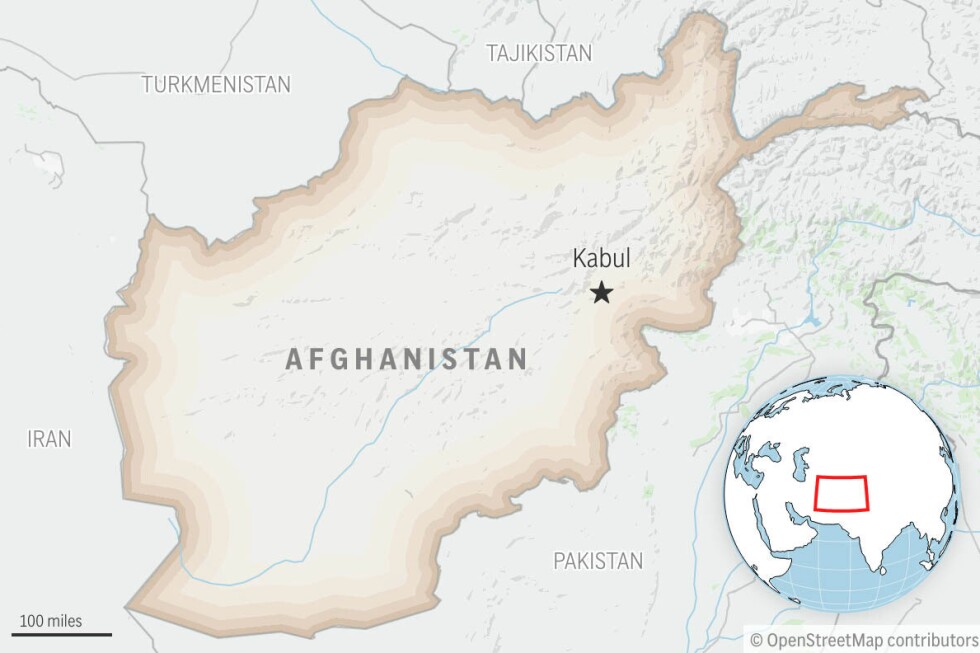
    In a significant diplomatic move, Syrian President Ahmed al-Sharaa undertook his second official visit to Moscow this Wednesday, marking a pivotal moment in bilateral relations nearly fourteen months after assuming power. The high-stakes discussions centered on recalibrating Russia’s military footprint within Syria while addressing escalating regional security challenges.

    The context of this meeting is shaped by substantial territorial shifts. Recent weeks have witnessed Syrian government forces making rapid advances into regions long held by the US-backed Syrian Democratic Forces (SDF). This military pressure culminated in a January 18th agreement between Damascus and the SDF, outlining a framework for the gradual restoration of state authority across northeastern Syria—though not without accompanying violent clashes.

    During their meeting, Russian President Vladimir Putin commended the ‘accelerating process of restoring Syria’s territorial integrity.’ President Sharaa reciprocated by acknowledging Russia’s ‘crucial role in stabilizing both Syria and the broader region.’

    This diplomatic exchange occurs alongside reported Russian troop withdrawals from Qamishli airport in northeastern Syria, interpreted by anonymous sources as a goodwill gesture indicating Moscow’s reluctance to engage in conflicts between Syrian forces and the SDF. Despite this partial withdrawal, Russia maintains its strategic presence at the Hmeimim air base and Tartous naval facility.

    Concurrently, President Sharaa is actively seeking enhanced Russian security engagement in southern Syria, specifically requesting military police deployment in Quneitra near the Golan Heights to create a buffer against potential Israeli incursions.

    These developments unfold against the backdrop of US-mediated security negotiations between Syria and Israel. According to sources briefed on recent discussions, US President Donald Trump has given Israeli Prime Minister Benjamin Netanyahu a one-month deadline to finalize a security agreement with Damascus. While significant progress has reportedly been made, the persistent presence of Israeli troops on Mount Hermon remains a substantial obstacle to comprehensive agreement.

  • China ramping up Nipah virus surveillance

    China ramping up Nipah virus surveillance

    Chinese health authorities have initiated comprehensive preventive measures against the Nipah virus despite confirming zero domestic cases and assessing the infection risk as minimal. The National Disease Control and Prevention Administration announced enhanced surveillance protocols, expanded testing capabilities, and intensified personnel training in response to recent outbreaks in neighboring countries.

    The zoonotic pathogen, primarily hosted by fruit bats, transmits through direct contact with infected animals or consumption of contaminated food products. First identified in 1990s Malaysia, the virus demonstrates concerning fatality rates between 40-75% according to World Health Organization estimates, though its relatively slow transmission pattern limits pandemic potential.

    India’s health ministry reported contained outbreaks in West Bengal state, with two confirmed cases among 196 monitored contacts all testing negative. Chinese epidemiologists note the geographical separation from affected regions significantly reduces transmission risks, but maintain vigilance against potential imported cases.

    China’s preparedness includes developed and stockpiled nucleic acid testing kits distributed to provincial-level disease control centers, ensuring nationwide diagnostic capabilities. Notably, researchers from the Chinese Academy of Sciences revealed promising findings regarding antiviral drug VV116—originally developed for COVID-19—showing significant containment activity against Nipah virus in studies published in Emerging Microbes & Infections.

    Regional responses have intensified with Thailand implementing airport screenings for travelers from affected areas, Myanmar enhancing monitoring due to its substantial fruit bat populations, and the Philippines maintaining heightened public health alerts despite assured preparedness levels.

  • Shanghai to host embodied intelligence expo in July

    Shanghai to host embodied intelligence expo in July

    Shanghai is poised to become the epicenter of the global embodied intelligence revolution as it prepares to host the prestigious Shanghai International Embodied Intelligence Expo from July 2-4, 2026. The groundbreaking event will unfold at the city’s expansive National Exhibition and Convention Center, marking a significant milestone in technological innovation and commercial application of AI-integrated systems.

    Under the visionary theme “Embodied Intelligence, Empowered Future,” the expo will serve as a comprehensive international platform showcasing cutting-edge advancements across the entire embodied intelligence spectrum. The exhibition will feature nine specialized zones covering hardware components, perceptual systems, cognitive decision-making architectures, execution mechanisms, energy storage solutions, intelligent automotive connectivity, platform ecosystems, commercial applications, and advanced manufacturing equipment.

    Spanning an impressive 30,000 square meters of exhibition space, the event is projected to attract more than 500 leading domestic and international exhibitors, presenting a complete overview of the rapidly evolving embodied intelligence industrial chain. The global market for embodied intelligence technology, valued at approximately ¥19.53 billion ($2.81 billion) in 2025, continues to experience accelerated growth and expanding practical applications across multiple sectors.

    Beyond the extensive exhibition, CIEI 2026 will host concurrent events including the Embodied Intelligence Industry Ecosystem Conference, the release of China’s comprehensive industry development report, technical standardization seminars, supply chain matchmaking sessions, and specialized forums on critical component technologies. These complementary activities are designed to foster international collaboration, knowledge exchange, and commercial partnerships within this emerging technological frontier.

  • Trump gives Netanyahu a month for Syria security deal, say sources

    Trump gives Netanyahu a month for Syria security deal, say sources

    The United States is intensifying diplomatic efforts to broker a landmark security agreement between Israel and Syria, with multiple sources indicating a potential announcement could emerge within weeks. President Donald Trump has reportedly established a one-month deadline for Israeli Prime Minister Benjamin Netanyahu to conclude negotiations with Damascus, according to officials briefed on recent diplomatic exchanges.

    The central obstacle preventing a comprehensive agreement remains Israel’s continued military presence on Mount Hermon, the highest peak in the region, which Israeli officials have declared a “red line” national security issue. The mountain was occupied following the collapse of Bashar al-Assad’s government in late 2024, extending beyond Israel’s longstanding control of the Golan Heights seized in 1967.

    President Trump’s telephone conversation with Syrian President Ahmed al-Sharaa on Tuesday highlighted the administration’s commitment to Syrian unification without “separatism or federalism.” The Syrian government characterized the discussion as having proceeded “very well,” though declined to provide specific details regarding content.

    Diplomatic progress has been significantly facilitated by US Special Envoy Thomas Barrack, whose advocacy for the agreement has faced opposition from within the administration, including US Central Command and Republican Senator Lindsey Graham. Barrack previously played a pivotal role in managing the transition of northeastern Syria following recent military operations by Sharaa’s forces.

    According to sources familiar with the negotiations, the emerging framework includes provisions for Sweida province, currently under the control of Syrian Druze leader Sheikh Hikmat al-Hijri with Israeli support. The proposed agreement would prevent Syrian government military entry into the region while establishing negotiation processes for eventual integration.

    The potential agreement builds upon the 1974 US-backed security arrangement between the nations, enhanced by recent Paris talks that established a joint communication mechanism for intelligence sharing and military de-escalation coordination. This mechanism aims to promptly address disputes and prevent misunderstandings between the historically adversarial nations.

    Western officials note that Israel perceives the current US administration as divided on Syrian policy, potentially affecting negotiation dynamics. Despite American pressure, Israeli officials maintain their position on Mount Hermon remains non-negotiable, suggesting the four-week timeline might prove insufficient for resolution of this particular issue.

  • Emirates says no impact of US-Iran tensions on demand, operations are normal

    Emirates says no impact of US-Iran tensions on demand, operations are normal

    Dubai’s flagship carrier Emirates has confirmed its flight operations continue uninterrupted despite escalating geopolitical tensions between the US and Iran, with senior executives reporting no discernible impact on passenger demand. Adel Al Redha, Chief Operations Officer at Emirates, addressed media representatives in Dubai on Wednesday, emphasizing the airline’s commitment to maintaining scheduled services across its global network.

    While several international carriers including KLM, Lufthansa, and IndiGo have suspended or rerouted Middle Eastern flights due to security concerns, Emirates has adopted a contrasting operational stance. Al Redha explained the airline’s position, noting that “Our operations are normal and operating as scheduled. It is very difficult for us to predict any outcome, but so far, we have not seen any impact on the demand.”

    The executive further differentiated Emirates’ approach from other airlines, stating that “Other airlines’ frequency has a different way of assessing the situation. It is easier to stop one flight to a destination than to deal with the suspension of the whole network” – a reference to Emirates’ extensive connectivity spanning Asia, Africa, Europe, the Americas, Australia, and the Middle East.

    The announcement comes amid renewed diplomatic tensions, with US President Donald Trump urging Iran to return to negotiation tables regarding nuclear weapons, warning that “Time is running out; it is truly of the essence!” in a social media post.

    Separately, Emirates revealed progress in its technological enhancement initiatives, having equipped ten Boeing 777 aircraft with SpaceX’s Starlink satellite internet service. The airline continues its fleet-wide rollout plan, scheduled for completion by mid-2027, which has already received positive passenger feedback regarding in-flight connectivity improvements.

  • Nutriverse India showcases clean-label snack portfolio at Gulfood 2026

    Nutriverse India showcases clean-label snack portfolio at Gulfood 2026

    DUBAI – At the ongoing Gulfood 2026 exhibition, Nutriverse India Organic Products Pvt. Ltd. is capturing significant attention not merely as a brand showcase but as a calculated strategic move to penetrate international markets. Operating from Stand N1-G32 in the India Pavilion, the company is demonstrating how Indian food brands are transitioning from commodity exports to value-added wellness products on the global stage.

    The company’s core philosophy challenges conventional snacking by proving that everyday treats need not compromise nutritional integrity. Their product lineup—devoid of artificial preservatives, MSG, maltodextrin, and chemical additives—resonates powerfully with health-conscious consumers and retailers across the Middle East, Europe, and Southeast Asia.

    Nutriverse distinguishes itself in the competitive wellness sector through unprecedented supply chain transparency and manufacturing control. By maintaining direct relationships with farming communities and operating proprietary production facilities, the company ensures rigorous quality oversight from source to shelf. Their innovative range includes roasted makhana (fox nuts) snacks and modern pantry essentials that align with the global pivot toward minimally processed, flavor-forward nutrition.

    Industry analysts observe that makhana has evolved from niche ingredient to international superfood, prized for its high protein content, low fat profile, and culinary versatility. Nutriverse capitalizes on this trend by reinventing traditional ingredients with contemporary flavors and packaging designed for mass-market appeal rather than premium niche positioning.

    The Gulfood exhibition serves as a critical gateway to GCC and African markets, making Nutriverse’s participation a strategic market-entry exercise. The company is actively engaging distributors, modern trade buyers, and private-label partners seeking growth in clean-snack categories.

    Founded by Aditya Singh and Anurag Singh, Nutriverse embodies a vision where quality, innovation, and global relevance converge. Their presence at Gulfood 2026 signals a broader transformation in India’s food export landscape—moving beyond raw materials toward branded, health-oriented products destined for international shelves.

  • Maryam Nawaz in Punjab: A governance model built on delivery, visibility, and reform

    Maryam Nawaz in Punjab: A governance model built on delivery, visibility, and reform

    In Pakistan’s most populous and politically significant province of Punjab, Chief Minister Maryam Nawaz Sharif has initiated a distinctive governance approach centered on tangible service delivery rather than rhetorical announcements. This administrative philosophy operates on the principle that effective governance must be experientially felt by citizens in their daily lives rather than merely proclaimed through political channels.

    The strategic focus encompasses critical public sectors including sanitation, transportation, healthcare, education, housing, and agricultural support. The Suthra Punjab initiative exemplifies this systemic approach, treating waste management not as a temporary campaign but as a permanent operational system requiring coordinated logistics, contractor discipline, and continuous monitoring. This visible service delivery functions as both administrative mechanism and political statement—demonstrating state competence through consistent execution.

    Transportation modernization represents another pillar of this governance model, with electric bus integration and transit infrastructure upgrades addressing both urban mobility and environmental concerns. The administration recognizes efficient transport as fundamental economic policy that expands access to employment and education while mitigating Punjab’s severe air pollution challenges.

    Healthcare accessibility receives innovative attention through the Clinics on Wheels program, which delivers primary medical services directly to underserved communities, reversing the traditional expectation that citizens must navigate distant facilities. This mobile healthcare approach complements the upgraded Maryam Nawaz Health Clinics featuring improved staffing and digital record-keeping systems.

    The administration demonstrates notable technological ambition through comprehensive AI integration, including mandatory AI training for cabinet members—a first in Pakistan’s governance history—and AI education implementation across provincial government schools. This digital transformation initiative reflects a data-driven approach to policy decisions and modern governance.

    Educational investments target human capital development through the Honhaar Scholarship Programme and laptop distribution, reducing financial barriers to higher education while expanding digital access. Housing policy addresses urban growth through the Apni Chhat, Apna Ghar initiative, providing structured home ownership opportunities for low-income families rather than temporary shelter solutions.

    Agricultural support mechanisms include the Kisan Card system, offering registered farmers structured access to inputs and financial resources, thereby reducing dependence on informal credit markets and stabilizing rural incomes.

    A defining characteristic of this governance model is its emphasis on performance metrics and monitoring dashboards across all sectors, representing a shift toward evidence-based administration that prioritizes measurable outcomes over political announcements. While still in its early implementation phase, this service-oriented approach carries both promise and risk—visible failures in delivery could quickly undermine public trust, but successful execution may establish new standards for provincial governance throughout Pakistan.

  • Reform candidate Matt Goodwin: From ‘liberal left’ to Islamophobia sceptic

    Reform candidate Matt Goodwin: From ‘liberal left’ to Islamophobia sceptic

    The upcoming Gorton and Denton by-election in Greater Manchester has emerged as a critical test for Prime Minister Keir Starmer’s leadership, with the selection of controversial right-wing commentator Matt Goodwin as Reform UK’s candidate adding fuel to the political fire.

    The electoral contest gained national significance after Labour’s national executive committee blocked Mayor Andy Burnham—considered a potential leadership challenger to Starmer—from contesting the seat. This move positioned the February 26th vote as a referendum on Starmer’s premiership.

    Reform UK’s candidate selection has drawn particular attention due to Goodwin’s extensive history of provocative statements regarding ethnicity and Islam. The GB News presenter has repeatedly asserted that British-born individuals with immigrant parents cannot automatically claim British identity, comments that Liberal Democrats have labeled as overtly racist—a characterization Goodwin vehemently denies.

    The constituency’s demographic composition, where over 25% of voters identify as Muslim and 44% belong to ethnic minorities, sets the stage for heightened scrutiny of Goodwin’s past statements. His controversial claims include describing demographic changes as a ‘crisis,’ asserting connections between ethnicity and criminal behavior, and challenging the concept of Islamophobia as ‘highly politicized.’

    Goodwin’s background presents contradictions: a former academic who studied far-right movements and served as a government advisor on anti-Muslim hatred between 2013-2015, he has transformed into a prominent right-wing media figure. He claims to have abandoned his former ‘liberal left’ affiliations, now advocating for stricter immigration controls and cultural assimilation.

    The by-election occurs against a backdrop of Labour’s declining poll numbers and Reform UK’s surging popularity. With ethnic and religious identity poised to become central campaign issues, Goodwin’s candidacy represents both an opportunity for Reform to gain parliamentary footing and a potential liability given the constituency’s diverse electorate.

  • Australian Open: Sinner sets up blockbuster Djokovic semifinal clash

    Australian Open: Sinner sets up blockbuster Djokovic semifinal clash

    Defending champion Jannik Sinner delivered a commanding performance against American eighth seed Ben Shelton, securing a decisive 6-3, 6-4, 6-4 victory to advance to the Australian Open semifinals. The Italian second seed, who remains undefeated in his nine encounters with Shelton without conceding a single set, demonstrated exceptional court mastery despite facing formidable challenges from his opponent’s powerful left-handed serves.

    The match featured several pivotal moments, including Sinner’s spectacular fourth-game winner where he expertly guided the ball around the net post. While Shelton elevated his game in the second set, creating a breakpoint opportunity at 1-2, Sinner neutralized the threat and maintained control throughout the contest. The victory marks Sinner’s ninth consecutive Grand Slam semifinal appearance and sixth in succession.

    Addressing post-match challenges, Sinner revealed his physical readiness has improved significantly since experiencing cramps during his third-round match against American Eliot Spizzirri. ‘I feel stronger physically again,’ Sinner confirmed during his on-court interview. ‘I’m happy to be in the semifinals again. We all know what challenge I’m up against and I’m looking forward to it.’

    The triumph sets the stage for a highly anticipated semifinal clash against ten-time Australian Open champion Novak Djokovic, creating what promises to be a monumental battle between established greatness and emerging excellence. Sinner acknowledged the significance of facing the 24-time major champion, stating: ‘These are the moments you practice for. You have to play at your best. We’re still lucky to have Novak playing incredible tennis at his age. Hopefully, it’s going to be a great, great battle out here.’

  • Iran rejects talks with US amid military ‘threats’

    Iran rejects talks with US amid military ‘threats’

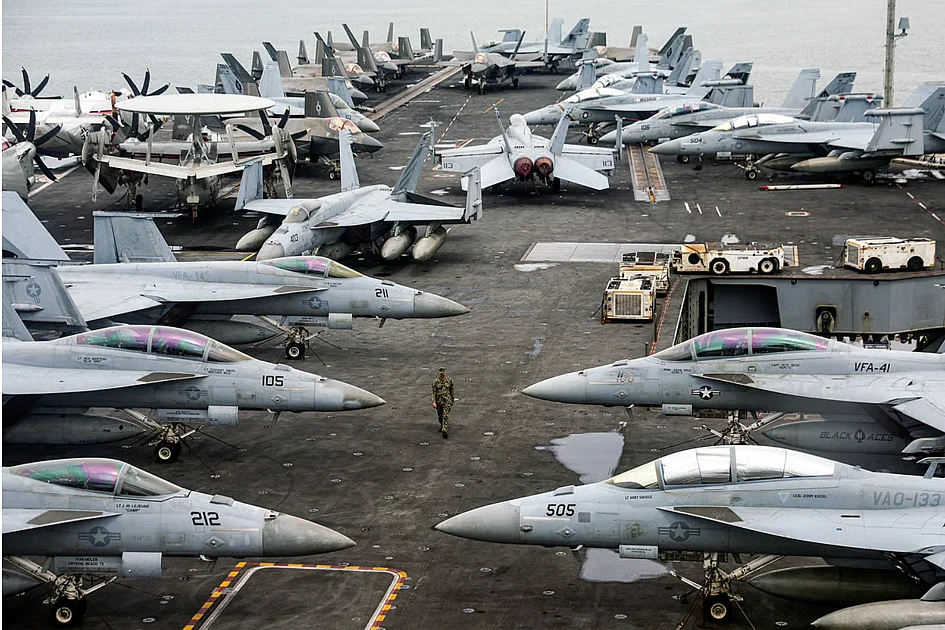
    In a significant escalation of Middle East tensions, Iran has formally rejected any possibility of negotiations with the United States, citing the presence of a U.S. naval strike group in regional waters as an unacceptable military threat. The USS Abraham Lincoln-led carrier group has been deployed to the Middle East, though U.S. Central Command has not disclosed its exact positioning.

    Iranian Foreign Minister Abbas Araghchi declared that ‘conducting diplomacy through military threat cannot be effective or useful,’ emphasizing that Tehran would not engage in talks while facing what it perceives as coercion. This diplomatic stalemate unfolds alongside revelations of a devastating human rights crisis within Iran, where a verified death toll from recent protests has surpassed 6,200, according to the U.S.-based Human Rights Activists News Agency (HRANA).

    Simultaneously, Iran is pursuing a diplomatic offensive across the Arab world. President Masoud Pezeshkian has engaged with Saudi Crown Prince Mohammed bin Salman, while top security official Ali Larijani has consulted with Qatari leadership. These efforts appear aimed at rallying regional support and isolating American positions. Egyptian officials have separately communicated with both Iranian and American diplomats, advocating for de-escalation and the creation of conditions conducive to resumed dialogue.

    The domestic situation remains dire, with HRANA reporting over 42,000 arrests and warning of ‘new dimensions’ in the security crackdown, including hospital searches for wounded protesters and arrests of medical personnel. Concerns are mounting that protesters may face execution, following Iran’s recent execution of an alleged Mossad agent and judicial indications that some detainees could face capital charges.