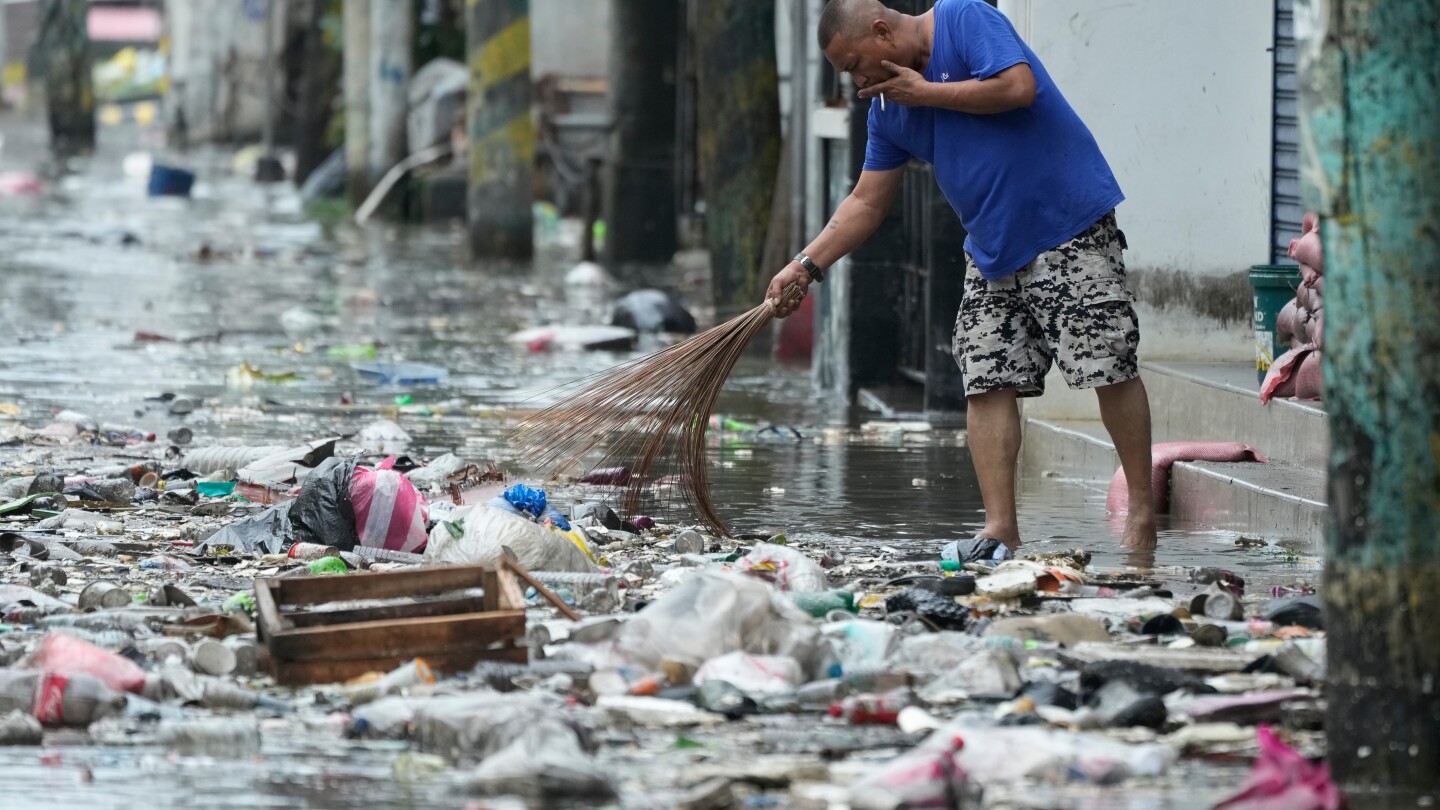
Thousands of protesters gathered in Manila, Philippines, on Sunday for a three-day rally organized by the influential religious group Iglesia Ni Cristo (Church of Christ). The demonstration aimed to demand accountability in a widespread corruption scandal involving flood-control projects, which has implicated high-ranking government officials and members of Congress. The scandal, which erupted in recent months, revealed that numerous flood defense projects were either constructed with substandard materials or never existed, despite billions of pesos allocated for their completion. Construction companies allegedly paid hefty kickbacks to politicians and officials to secure lucrative contracts and evade scrutiny. Police estimated that 27,000 participants, many dressed in white and carrying anti-corruption placards, assembled at Rizal Park. Additional protests were scheduled later in Quezon City. The rally follows President Ferdinand Marcos Jr.’s pledge to jail those implicated in the scandal by Christmas. Marcos has established an independent commission that has already filed criminal complaints against 37 suspects, including lawmakers and business executives. The scandal has sparked public outrage in a country frequently devastated by typhoons and flooding, with two recent storms claiming over 259 lives. The military and police, on high alert, ensured the rally remained peaceful, contrasting with a violent September protest near the presidential palace that injured over 100 officers. The Iglesia Ni Cristo, known for its bloc voting power, has become a significant force in Philippine politics, often courted by candidates during elections.
标签: Asia
亚洲
-
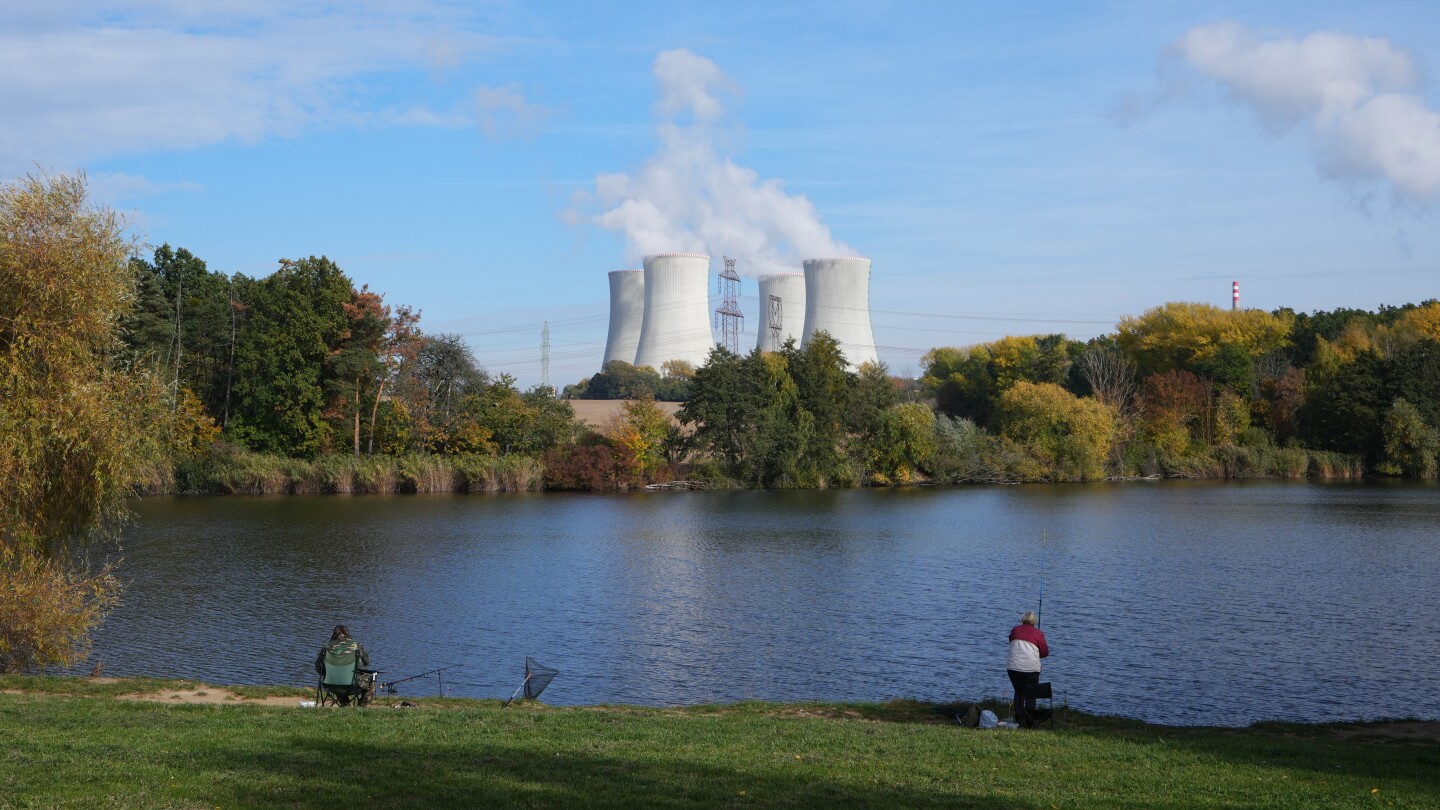
Czech Republic plans $19 billion nuclear expansion to double output and end fossil fuel reliance
The Czech Republic is forging ahead with an ambitious nuclear energy expansion, spearheaded by the $19 billion Dukovany project. The initiative, which includes the construction of two new reactors, aims to at least double the country’s nuclear output and solidify its position as one of Europe’s most nuclear-dependent nations. South Korea’s KHNP has been selected over France’s EDF to lead the construction, with each reactor boasting a capacity of over 1,000 megawatts. These new units, expected to be operational by the late 2030s, will complement Dukovany’s existing four reactors, which have been in service since the 1980s. Additionally, the deal includes an option for KHNP to build two more reactors at the Temelín plant, which currently houses two 1,000-megawatt reactors. The expansion is part of a broader strategy to transition away from fossil fuels, meet low-emission targets, and address the growing demand for electricity driven by data centers and electric vehicles. Petr Závodský, CEO of the Dukovany project, predicts that nuclear energy will account for 50-60% of the Czech Republic’s energy mix by 2050. The project has received a significant boost from the European Union, which has classified nuclear energy as environmentally sustainable, paving the way for financing. However, the initiative faces opposition from environmental groups like Friends of the Earth, which argue that the funds could be better spent on improving the energy industry. Austria, a neighboring country, remains skeptical of nuclear energy and has already rejected the Czech Republic’s plan for small modular reactors.
-
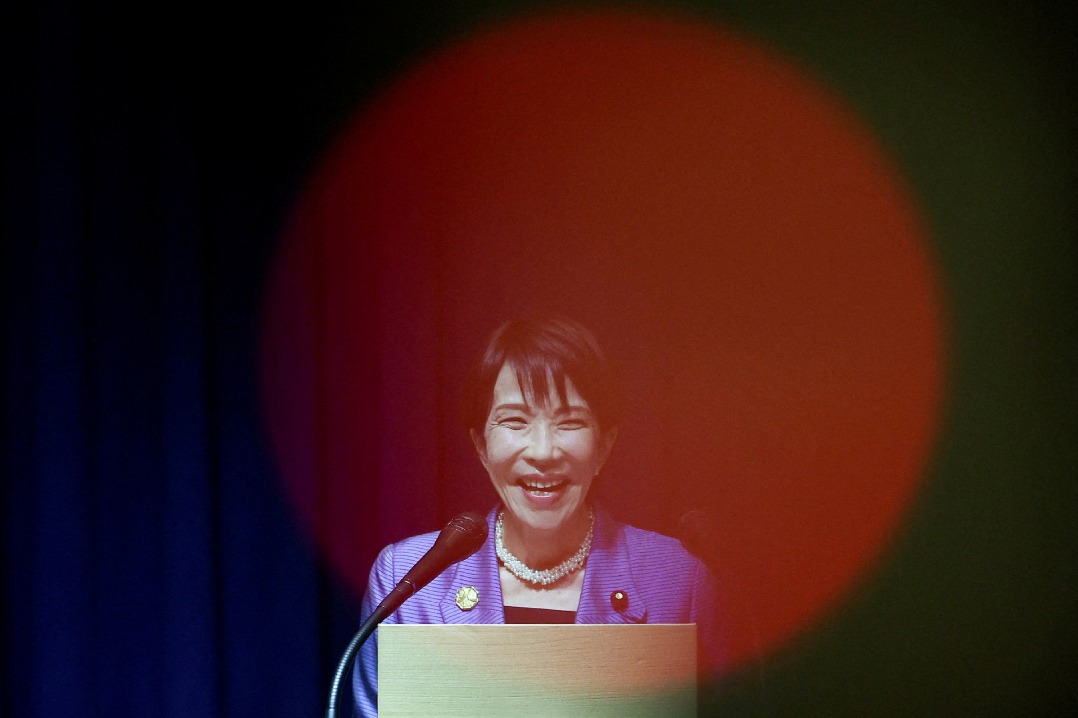
Japan PM’s attempts to alter non-nuclear principles to draw backlash: media
Japanese Prime Minister Sanae Takaichi is reportedly considering a revision of Japan’s long-standing Three Non-Nuclear Principles, a move that is expected to provoke significant backlash both domestically and internationally. According to Kyodo News, Takaichi is particularly focused on altering the third principle, which currently prohibits the introduction of nuclear weapons into Japanese territory. This potential shift in policy is part of an update to Japan’s National Security Strategy and related documents, last revised in 2022. The Three Non-Nuclear Principles, established in 1967 by then-Prime Minister Eisaku Sato, have been a cornerstone of Japan’s national security policy, emphasizing the non-possession, non-production, and non-introduction of nuclear weapons. While Takaichi has no plans to change Japan’s stance on not possessing or producing nuclear weapons, she argues that the current restrictions could hinder U.S. nuclear-armed vessels from making port calls, thereby weakening U.S. nuclear deterrence. However, this proposed amendment has drawn criticism, with an editorial in the Asahi Shimbun emphasizing that the principles are deeply rooted in Japan’s history as a nation that suffered atomic bombings and enjoy widespread public support. The editorial cautioned that any changes to this policy should not be made hastily or unilaterally by the Prime Minister.
-
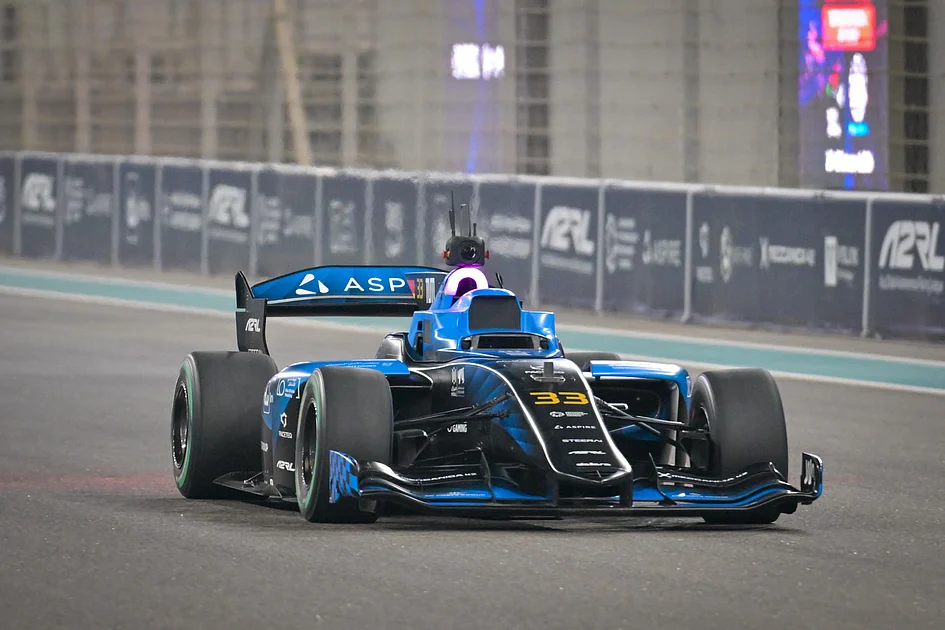
Abu Dhabi Autonomous Racing League: TUM retains title after Unimore collision halts final
The Abu Dhabi Autonomous Racing League (A2RL) witnessed a thrilling yet chaotic finale at Yas Marina Circuit, as TUM secured its second consecutive championship title. The race, marked by a dramatic mid-race collision, reshuffled the leaderboard and left spectators on the edge of their seats. Team Unimore from Italy, which had been leading the race, saw its dream run end in heartbreak after a collision with the Constructor car. The incident occurred on Lap 10 when the Constructor car unexpectedly slowed and stopped mid-track, forcing Unimore’s AI-driven vehicle to make evasive maneuvers. Despite its efforts, Unimore’s car collided with the barrier, sustaining significant damage and dropping from first to fifth place. Constructor, last season’s runner-up, also saw its championship hopes dashed as it finished last. The race was temporarily halted to clear the wreckage, with three humanoid robots standing silently in the pitlane, adding a surreal touch to the event. When racing resumed, TUM reclaimed the lead and held it to the chequered flag, solidifying its dominance in the league. TII from the UAE finished second, while Polimove from Italy secured third place. The event concluded with a futuristic drone show and fireworks, leaving spectators in awe of the advancements in autonomous racing. The race not only showcased cutting-edge technology but also highlighted the unpredictable nature of motorsport, signaling a new chapter in its evolution.
-
Why India caps pollution reading at 500 when the air is far more toxic
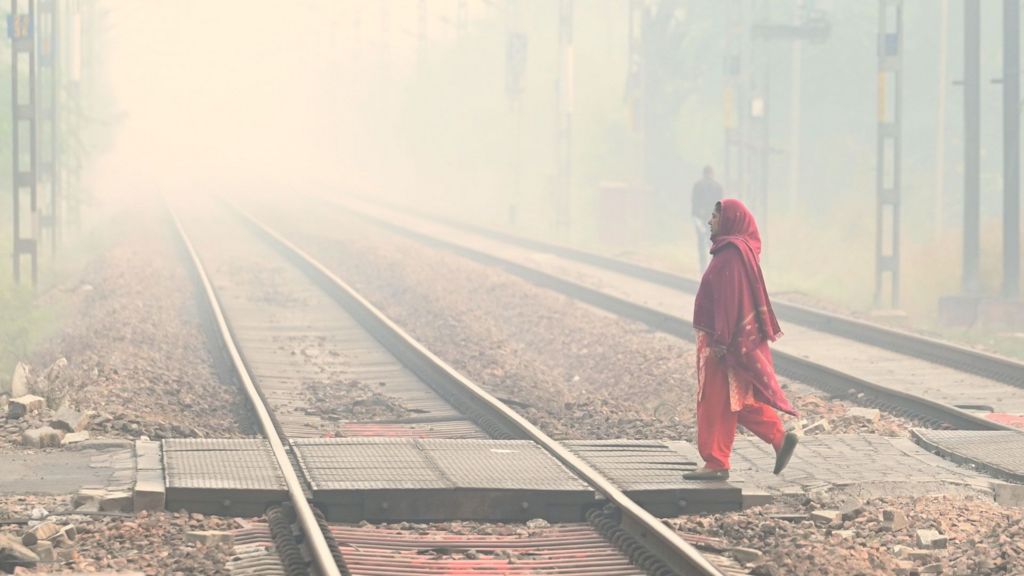
In northern India, November brings a familiar yet grim reality: ashy air, hazy skies, and the daily struggle of stepping outdoors. For millions, checking the Air Quality Index (AQI) has become a morning ritual. However, the numbers they see vary drastically depending on the source. Government-backed platforms like SAFAR and SAMEER cap the AQI at 500, the upper limit of India’s scale, which consolidates data on pollutants like PM2.5, PM10, nitrogen dioxide, and ozone into a single figure. In contrast, private and international trackers such as IQAir and AQI frequently report readings soaring past 600, even reaching 1,000 on severe days. This discrepancy raises pressing questions: Which figures are accurate? And why does India’s official system stop at 500? Experts caution against comparing India’s AQI to global standards like those of the WHO or the US, as each country’s index is tailored to its unique environmental and health contexts. India’s 500 cap, introduced over a decade ago, was intended to avoid public panic, as exceeding this threshold signaled a critical need for immediate action. However, this approach flattens data, treating all readings above 500 equally, regardless of actual pollution levels. The National Air Quality Index, last revised in 2009, relies on Beta Attenuation Monitors (BAMs), which measure particle mass with strict calibration. In contrast, platforms like IQAir use sensor-based monitors, which estimate particle counts through laser scattering and electrochemical methods. These sensors, unapproved by the Indian government, lack the same calibration rigor. Environmental scientists and activists are now advocating for a comprehensive revision of India’s air quality framework, including the removal of the 500 cap and the integration of sensor-based data. As pollution levels continue to rise, the health impacts worsen, underscoring the urgent need for an updated and transparent AQI system.
-
The US will help South Korea build nuclear ‘attack’ submarines – here’s what that means
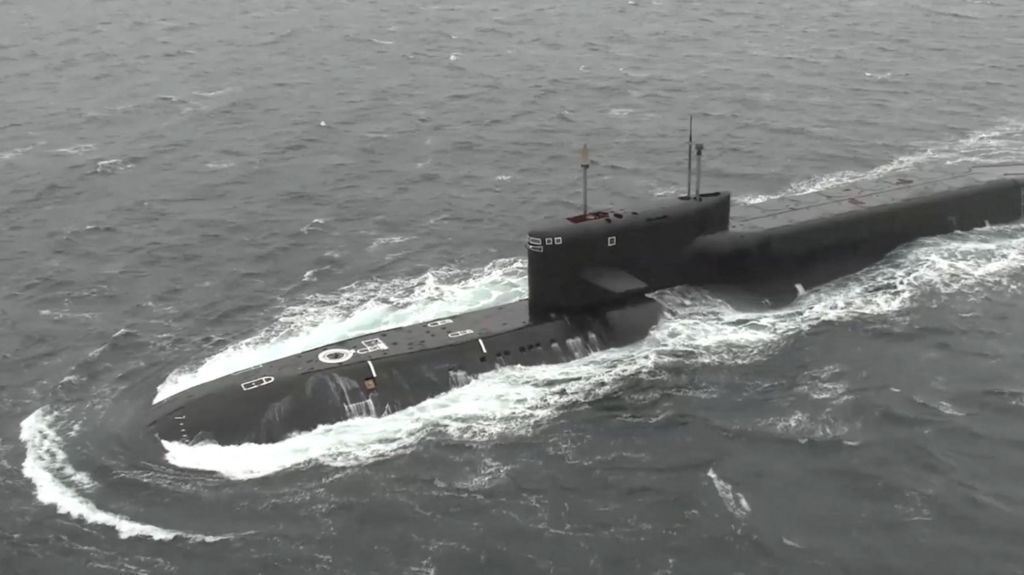
In a landmark move to bolster regional security, South Korea and the United States have finalized an agreement to jointly develop nuclear-powered submarines. The White House confirmed the partnership on Thursday, highlighting that the US has approved the construction of ‘attack submarines’ and will collaborate on sourcing nuclear fuel. This agreement signifies a deepening of the strategic alliance between the two nations, particularly as tensions escalate on the Korean Peninsula with North Korea’s nuclear ambitions and China’s expanding influence in the region. The deal follows a broader trade agreement reached last month, which reduced reciprocal tariffs between the two countries from 25% to 15%. US President Donald Trump had initially imposed a 25% tariff on South Korea earlier this year, but negotiations led by South Korean President Lee Jae Myung resulted in a reduction, contingent on Seoul’s commitment to invest $350 billion in the US, including $200 billion in cash and $150 billion in shipbuilding. The White House statement emphasized that the US would work closely with South Korea to advance the submarine project, including securing fuel sources. Trump also revealed on his social media platform, Truth Social, that the submarines would be constructed at a Philadelphia shipyard owned by South Korean conglomerate Hanwha. Currently, only six nations—the US, China, Russia, the UK, France, and India—possess nuclear-powered submarines. South Korea, which already operates a fleet of 20 diesel-powered submarines, views this development as a significant upgrade in its defense capabilities. Nuclear submarines offer greater speed, range, and stealth, enabling South Korea to counter North Korea’s growing nuclear threat more effectively. South Korean Defense Minister Ahn Gyu-back described the submarines as a ‘proud achievement’ and a critical step in strengthening national defense. However, experts caution that while the submarines enhance South Korea’s military posture, they may not drastically alter the balance of power on the Korean Peninsula. Dr. Yang Uk of the Asan Institute for Policy Studies noted that the submarines primarily serve to reassure South Korean voters of their government’s response to North Korea’s nuclear arsenal. Meanwhile, China has expressed concern over the agreement, with Ambassador Dai Bing urging Seoul to handle the matter ‘prudently.’ The deal also underscores the ongoing strategic competition between the US and China in the region, with South Korea navigating a delicate geopolitical balance. As the agreement moves forward, the next step involves revising the nuclear cooperation framework between the US and South Korea to facilitate the transfer of nuclear fuel and establish military usage guidelines.
-
South Africa accepts plane of Palestinians ‘flushed out’ of Gaza
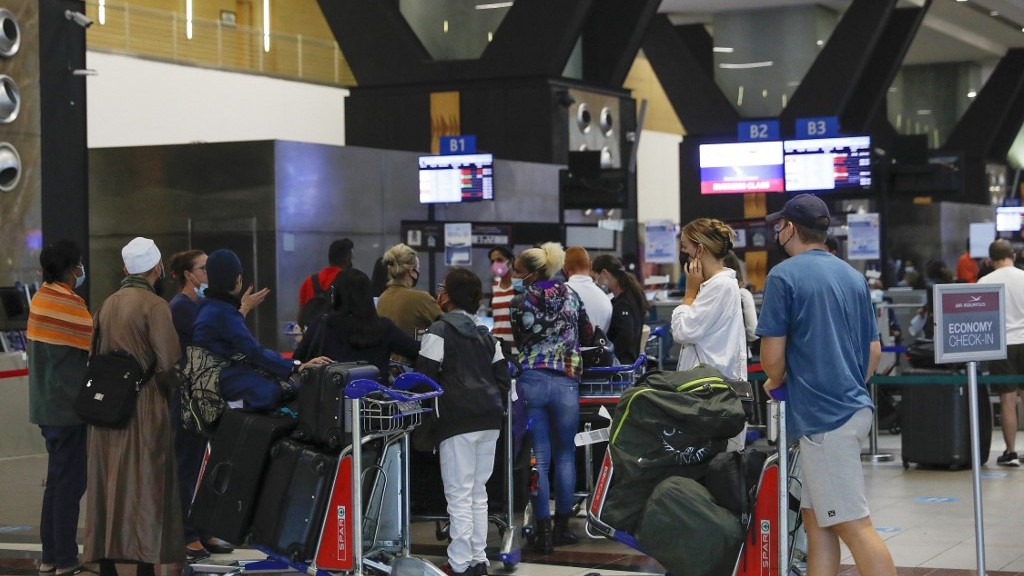
South African President Cyril Ramaphosa has vowed to investigate the circumstances surrounding a mysterious charter flight that transported 153 Palestinians from Gaza to Johannesburg. The passengers, including men, women, and children, arrived on a flight from Nairobi but were detained for over 12 hours by South African border police due to missing exit stamps from Israel on their passports. After receiving assurances from the NGO Gift of the Givers, the Department of Home Affairs authorized their entry later that evening. Ramaphosa described the situation as ‘mysterious’ and emphasized that while the passengers would be welcomed ‘out of compassion,’ a thorough investigation would be conducted. Reports from Al Jazeera suggest the flight was facilitated by Al-Majd, a controversial organization allegedly collaborating with the Israeli military. Al-Majd had advertised safe passage out of Gaza, but its operations have been questioned, with claims of impersonation and fraudulent activities. The Palestinian embassy in South Africa condemned the flight as ‘irresponsible’ and accused the organizers of exploiting vulnerable families. Since the onset of the Gaza conflict in October 2023, concerns have grown over Israel’s alleged intentions to displace Gaza’s population, with the UN warning of such plans as early as December 2023.
-
Tunpu culture: A collision of civilizations
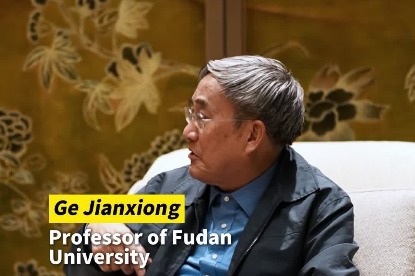
The unique Tunpu culture of Guizhou Province stands as a remarkable example of cultural exchange and adaptation, according to Professor Ge Jianxiong of Fudan University. Originating during the Ming Dynasty (1368-1644), Tunpu, which translates to ‘fortified villages,’ was established by soldiers sent to guard and cultivate the region. These settlements, largely isolated from external influences, preserved their traditions while evolving through interactions with Guizhou’s diverse ethnic groups. Over time, the culture adapted to local conditions, resulting in the distinctive Tunpu culture observed today. Professor Ge emphasized that this cultural fusion highlights the resilience and adaptability of human societies, making Tunpu a living relic of historical and cultural significance. The preservation of Tunpu culture offers valuable insights into the dynamics of cultural exchange and the enduring legacy of ancient practices in modern times.
-
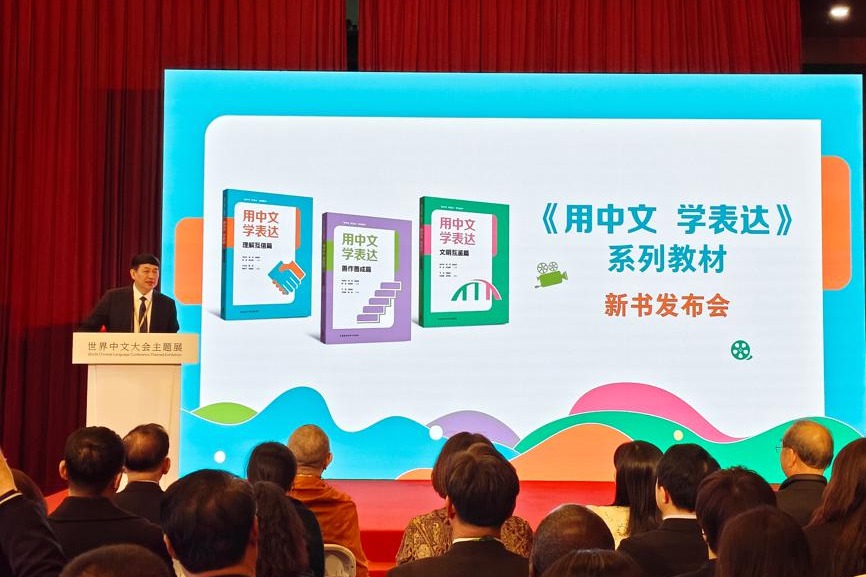
New teaching materials to aid international Chinese language education released
In a significant stride for international Chinese language education, the first series of teaching materials based on the ‘expression-driven’ teaching theory, alongside a case study series for international Chinese education degrees, were unveiled on Friday. These resources aim to address practical challenges faced by educators worldwide and offer actionable insights for teachers and researchers. The release took place at the 2025 World Chinese Language Conference, where Zhong Yinghua, President of the World Chinese Bridge Teaching Society, introduced the two new works: ‘Expressing in Chinese’ and ‘The Case Study of International Chinese Education Degree.’ These publications mark a pivotal development in the field, providing innovative tools to enhance the teaching and learning of Chinese as a global language. The materials are designed to bridge gaps in current educational practices, fostering a more effective and engaging learning experience for students and educators alike.
-
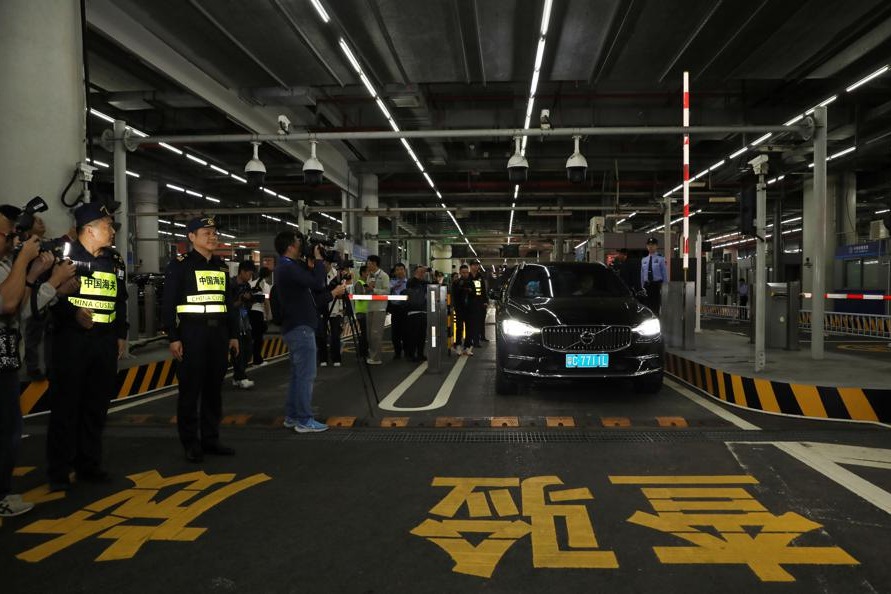
Policy allowing Guangdong vehicles to travel to Hong Kong takes effect
A landmark policy permitting vehicles registered in Guangdong province to travel to Hong Kong officially took effect at midnight on Saturday, November 15, 2025. The first private car with a Guangdong license plate entered the outbound lane at the Zhuhai highway port of the Hong Kong-Zhuhai-Macao Bridge, marking a significant milestone in cross-border mobility. The ‘Southbound Travel for Guangdong Vehicles’ policy, issued by Guangdong’s provincial department of public security, comprises two key components: a parking plan at Hong Kong border checkpoints and a plan allowing vehicles to enter Hong Kong’s urban areas. Eligible private car owners in Guangdong can now apply to travel to Hong Kong via the mega cross-sea bridge. Approved vehicles can park in automated border-area lots starting November 15 and access Hong Kong’s urban areas from December 23. This initiative mirrors earlier policies implemented in 2023, which allowed single-license plate vehicles from Hong Kong and Macao to travel north into Guangdong. Over the past two years, Gongbei Customs in Zhuhai has overseen more than 7.69 million northbound trips by such vehicles. The new policy is expected to enhance two-way connectivity and foster a one-hour living circle within the Guangdong-Hong Kong-Macao Greater Bay Area. To streamline the process, Customs authorities have established five dedicated inspection lanes at the Zhuhai highway port. ‘Once a vehicle enters the lane, the system automatically verifies and matches registration information, significantly improving clearance efficiency,’ said Wang Peiyang, deputy director of the bridge Customs under Gongbei Customs. This development underscores the region’s commitment to deepening integration and facilitating seamless cross-border travel.