
In the crisp early winter days of Changchun, Jilin province, the Yitong River has become a temporary haven for a flock of red-billed gulls. These migratory birds, en route to warmer southern regions, have gathered near the river, creating a stunning natural spectacle. Their presence has drawn a diverse crowd of tourists, avid photographers, and birdwatching enthusiasts, all eager to witness this seasonal phenomenon. The sight of the gulls, with their distinctive red bills and graceful flight, has added a vibrant touch to the serene winter landscape. This event not only highlights the ecological significance of the Yitong River as a stopover for migratory birds but also underscores the growing interest in wildlife conservation and eco-tourism in the region.
标签: Asia
亚洲
-
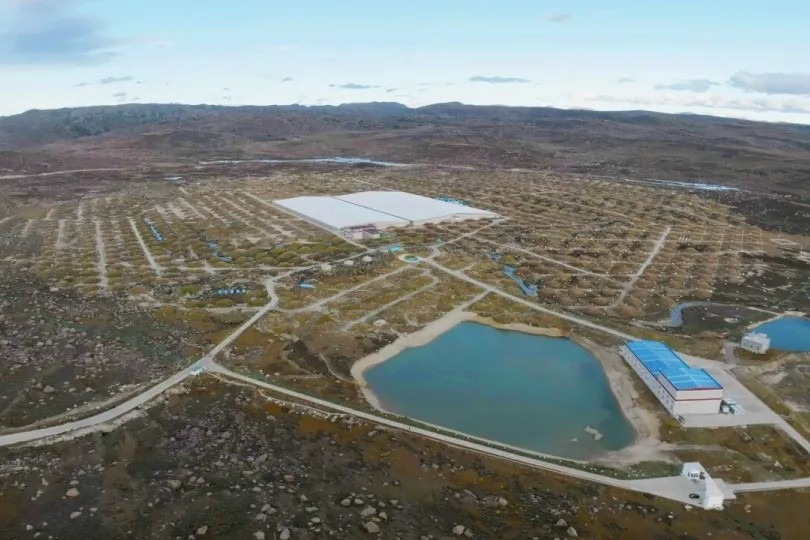
China’s observatory unravels key mystery of cosmic ray formation
In a groundbreaking discovery, China’s Large High Altitude Air Shower Observatory (LHAASO) has unveiled a pivotal mechanism behind the formation of high-energy cosmic rays. The research, led by an international team of scientists, reveals that black holes, particularly those in binary systems, act as powerful particle accelerators, contributing significantly to the production of cosmic rays in the Milky Way. This finding not only addresses a long-standing mystery in astrophysics but also deepens our understanding of extreme physical processes in black hole systems. Cosmic rays, primarily composed of protons, are charged particles originating from outer space. Their origin has been a central question in modern astrophysics for decades. The LHAASO team focused on the ‘knee’ region of the cosmic ray energy spectrum, a critical turning point around 3 PeV (peta-electron volt), which has puzzled researchers for nearly 70 years. The study identified microquasars—black hole systems that accrete material from companion stars—as the likely sources of this phenomenon. These microquasars generate relativistic jets, which accelerate particles to ultra-high energies. For instance, the microquasar SS 433 was found to produce proton energies exceeding 1 PeV, equivalent to the energy released by 400 trillion hydrogen bombs per second. Similarly, gamma rays from the microquasar V4641 Sgr reached 0.8 PeV, suggesting parent particle energies surpassing 10 PeV. The findings, published in *National Science Review* and *Science Bulletin*, highlight the role of black holes as cosmic particle accelerators. Located in Sichuan Province at an elevation of 4,410 meters, LHAASO’s advanced equipment enabled precise measurements of cosmic ray energy spectra, revealing unexpected structures. This discovery not only resolves the ‘knee’ mystery but also provides crucial evidence for understanding the origins of cosmic rays. LHAASO, designed and operated by Chinese scientists, has positioned China at the forefront of high-energy cosmic ray research, contributing to global advancements in astrophysics.
-
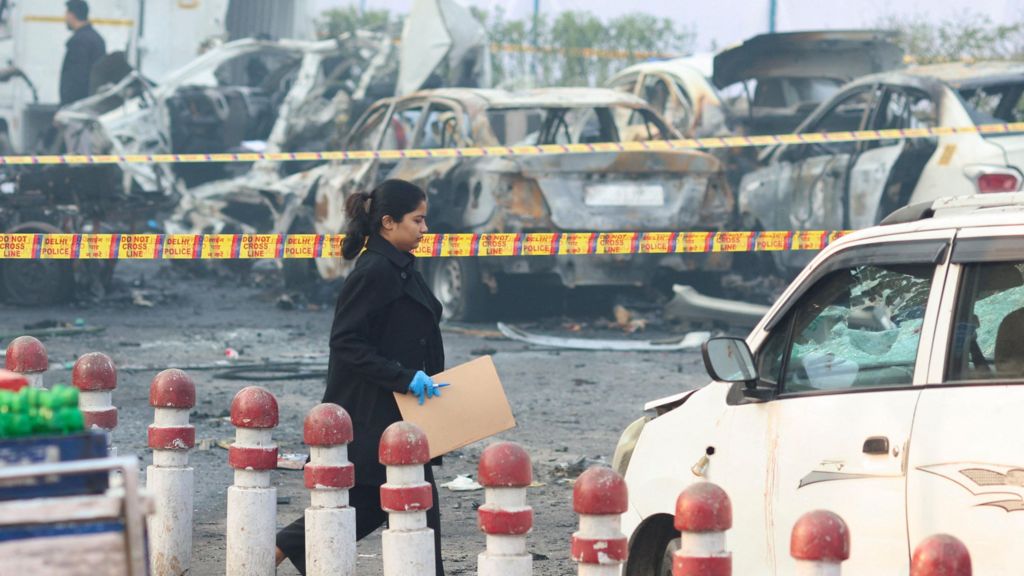
Delhi’s alleged car bomb attacker named by investigators
In a tragic incident last Monday, a car explosion near Delhi’s iconic Red Fort monument claimed 10 lives and left 32 others injured. Indian counter-terrorism agency, the National Investigation Agency (NIA), has identified Umar Un Nabi, an assistant professor at Al-Falah University in Faridabad, as the alleged suicide bomber. Umar, a doctor from Indian-administered Kashmir, was reportedly driving the vehicle involved in the blast. The NIA confirmed his identity through forensic analysis, though his family denies any knowledge of his involvement. Umar’s father and sister-in-law expressed shock, stating they were unaware of the car used in the attack. The explosion occurred shortly after Kashmir police announced the arrest of seven individuals and the seizure of 2,900kg of explosives in Faridabad, where Umar resided. The NIA is investigating potential links between the blast and these arrests. Umar’s family has faced severe repercussions, including the demolition of their home in Pulwama district by security forces. Four family members were detained, and their house was razed late Thursday night, leaving them homeless as winter approaches. The family, including Umar’s parents and a pregnant sister-in-law, is now sheltering with relatives. The Kashmir police and Special Investigating Agency (SIA) have declined to comment, citing the ongoing investigation. Umar’s relatives and neighbors remain in shock, grappling with the devastating impact of the incident.
-
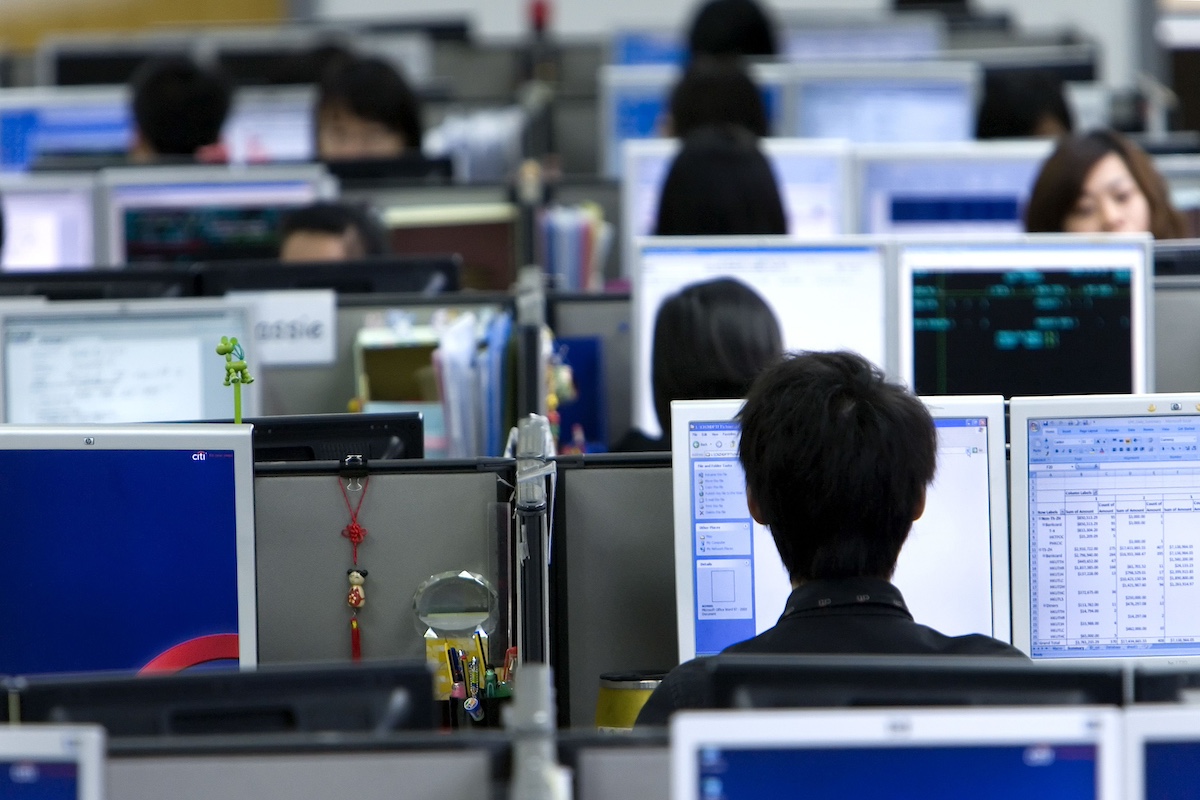
China’s people are on a grueling treadmill
China’s economic and social landscape is undergoing a profound transformation, marked by a growing sense of disillusionment among its youth. While the country projects an image of strength and technological prowess on the global stage, the domestic reality paints a starkly different picture. Influencers like Hasan Piker have lauded China’s blend of consumer abundance and state-controlled economy, but for ordinary citizens, the narrative is one of quiet desperation. Concerns over unemployment, stagnant wages, and rising living costs dominate conversations, both online and offline. The phrase ‘wai qiang, zhong gan’—outwardly strong, inwardly brittle—has emerged as a poignant descriptor of the nation’s current state. Young people, in particular, bear the brunt of these challenges. Despite their relentless pursuit of education and grueling work hours, many find themselves trapped in a stagnant job market, unable to secure white-collar positions or achieve financial stability. The real estate market, once a cornerstone of household wealth, has been in freefall since 2021, eroding savings and exacerbating economic anxiety. Meanwhile, government policies aimed at bolstering global influence and industrial dominance have led to ‘involution’—a phenomenon of excessive competition that drives down profits and productivity. This has further strained the mental health of young people, with rising rates of anxiety and depression. The government’s crackdown on ‘excessively pessimistic’ social media content underscores its awareness of public discontent. As China grapples with these internal challenges, the once-promising ‘Chinese Dream’ has morphed into a Sisyphean struggle for survival.
-
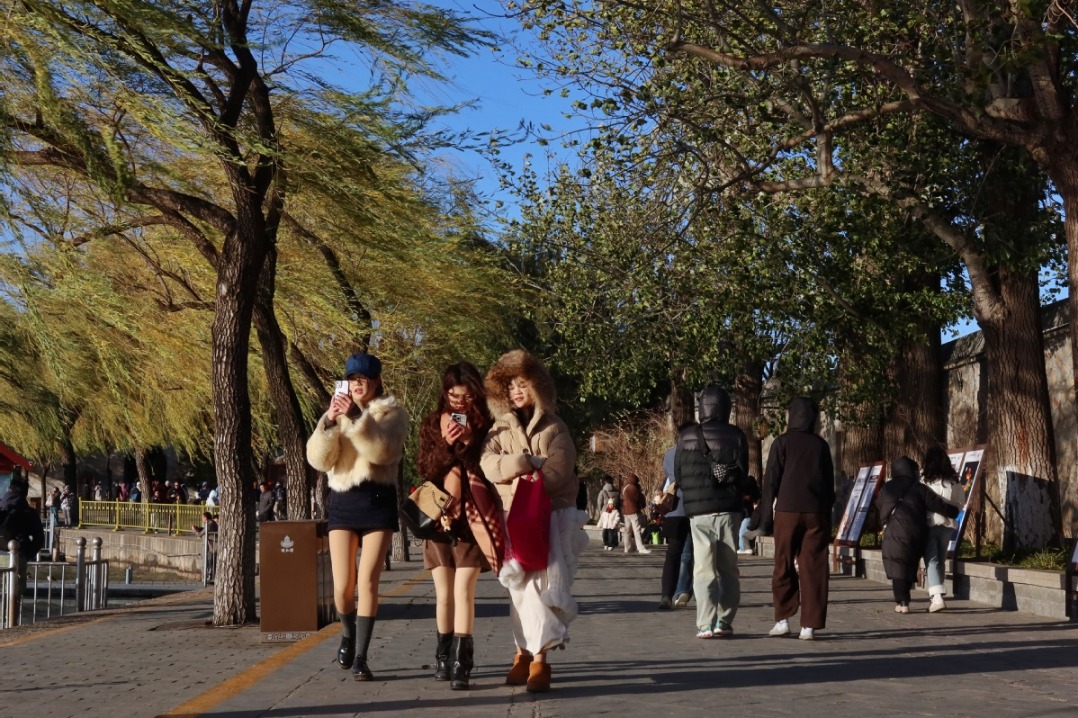
Beijing hit by freezing wind
China Daily Information Co (CDIC) holds exclusive rights to all content published on its platform, encompassing text, photos, and multimedia materials. Unauthorized reproduction or utilization of this content in any form is strictly prohibited unless explicit written consent is obtained from CDIC. The site recommends using browsers with a resolution of 1024*768 or higher for optimal viewing. Additionally, the platform provides essential information about China Daily, advertising opportunities, contact details, job offers, and expatriate employment resources. Users are encouraged to follow China Daily for updates and insights.
-

Moment Ex-Bangladesh leader Sheikh Hasina’s sentence is announced
In a dramatic turn of events, former Bangladeshi leader Sheikh Hasina has vehemently criticized a recent court ruling against her, labeling it as ‘biased and politically motivated.’ The verdict, which has sparked widespread debate, was announced amidst a charged political atmosphere in Bangladesh. Hasina, who has been a prominent figure in the country’s political landscape, issued a strong statement following the decision, asserting that the ruling was influenced by external political forces rather than legal merit. This development has further intensified the already polarized political environment in Bangladesh, with supporters and critics of Hasina clashing over the legitimacy of the court’s decision. The case has drawn significant attention both domestically and internationally, raising questions about the independence of the judiciary and the state of democracy in the region.
-
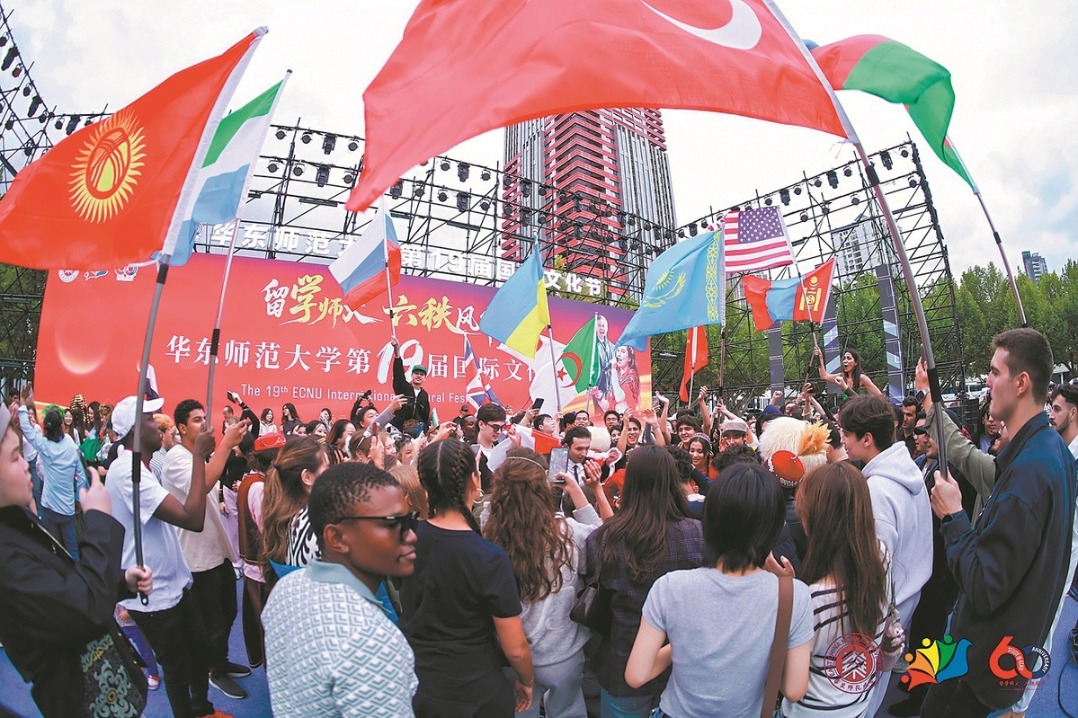
At 60, ECNU program continues to be a magnet for international students
For six decades, East China Normal University (ECNU) in Shanghai has been a cornerstone of international education, attracting students from across the globe. This year, the university celebrated the 60th anniversary of its international education program, a milestone that underscores its enduring commitment to fostering global academic exchange and cultural understanding.
The story of ECNU’s international education began in 1965, when China recognized the importance of international student education as a key component of its global outreach. As the first normal university established in New China in 1951, ECNU took on this mission by founding its foreign student affairs office and Chinese language teaching department. Initially welcoming 210 Vietnamese students, the program has since expanded to include over 3,100 students from 114 countries, with more than 100,000 alumni worldwide.
One such alumnus is Hoang Tra, who arrived at ECNU in 1965 at the age of 18. Reflecting on his time at the university, Tra noted, ‘The 1960s were a period of frequent exchanges between Vietnam and China. I believed learning Chinese would be beneficial.’ After completing his studies, Tra returned to Vietnam, where he spent four decades teaching Chinese at Vietnam National University, Hanoi, inspiring many of his students to pursue their education in China.
The impact of ECNU’s program is also evident in the story of Vietnamese student Doan Bao Tran and her mother, Vu Thanh Xuan. Xuan, who earned both her master’s and doctoral degrees at ECNU, left her 17-month-old daughter in Vietnam in 2003 to pursue her academic dreams in Shanghai. After returning to Vietnam, Xuan shared her experiences with her students and her daughter, sparking Tran’s interest in ECNU. ‘Since I was very young, I had always wondered about life in Shanghai and at ECNU through my mother’s stories,’ said Tran, who is now studying international business at the university. ‘Now, I can finally experience it myself.’
In 1985, ECNU became one of the first four universities in China to offer an undergraduate program in Teaching Chinese as a Foreign Language, marking a significant shift in Chinese language education from basic language training to a comprehensive academic discipline. This evolution has further solidified ECNU’s reputation as a leader in international education.
As ECNU continues to attract students from around the world, its legacy as a hub for academic excellence and cultural exchange remains as strong as ever. The university’s 60th anniversary celebrations in October were a testament to its enduring impact on the lives of its students and the broader global community.
-
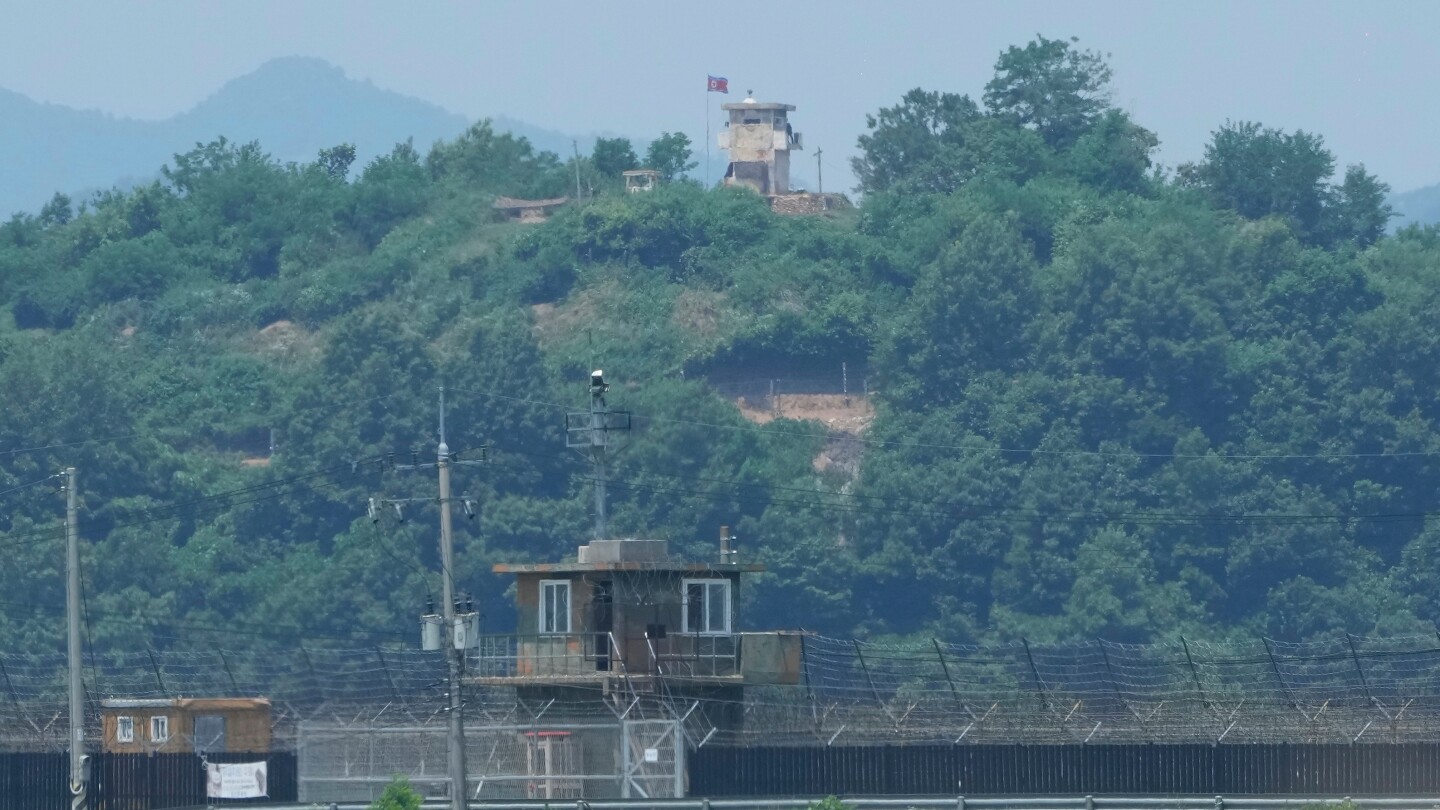
South Korea offers talks with North to prevent accidental armed clash at border
In a bid to mitigate escalating military tensions, South Korea has extended an offer for talks with North Korea to clarify the disputed border line and prevent potential armed clashes. The proposal comes amid repeated border intrusions by North Korean soldiers, which have raised concerns about accidental confrontations. South Korea’s military has reported firing warning shots to repel North Korean troops who have allegedly violated the military demarcation line multiple times since last year, when Pyongyang began fortifying its front-line defenses. North Korea, however, has denied these claims, asserting that its soldiers operated within its own territory and threatening unspecified retaliatory measures. Kim Hong-Cheol, South Korea’s deputy minister for national defense policy, emphasized that the talks aim to reduce tensions and address differing interpretations of the border, as many demarcation posts established after the 1950-53 Korean War have disappeared. The likelihood of North Korea accepting the offer remains uncertain, given its reluctance to engage in dialogue with South Korea and the U.S. since the collapse of nuclear negotiations between Kim Jong Un and former U.S. President Donald Trump in 2019. Observers suggest that the proposal reflects South Korean President Lee Jae Myung’s broader efforts to reopen communication channels with the North. Last year, Kim Jong Un declared an end to the long-standing goal of peaceful unification, designating South Korea as a permanent adversary and reinforcing border defenses with anti-tank barriers and landmines. The 248-kilometer-long border, one of the world’s most heavily fortified frontiers, remains a volatile legacy of the unresolved Korean War.
-
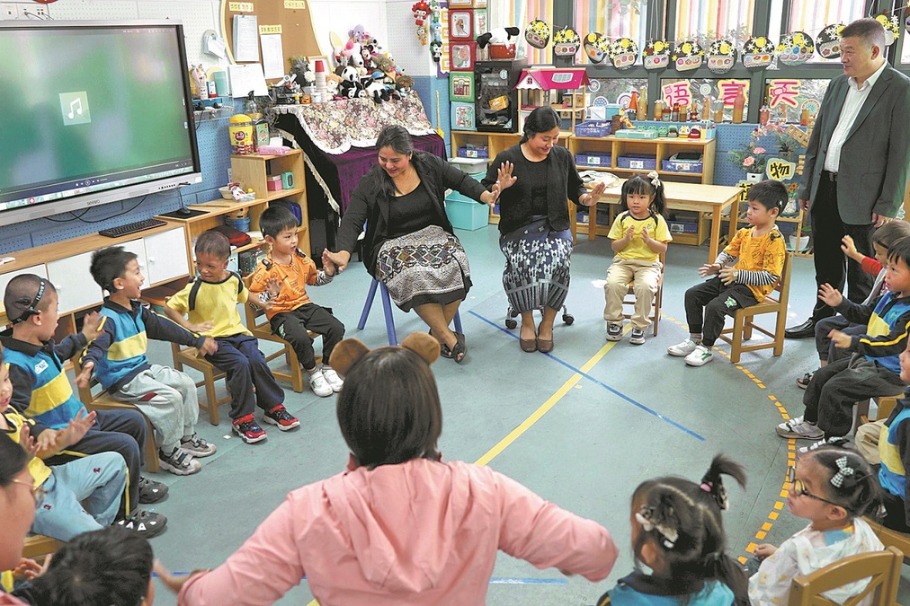
Laotian teacher gains Chinese education insights
Sophaphone Heuanglith, a dedicated special education teacher from Laos, recently embarked on a transformative journey to China, where she gained profound insights into the country’s advanced approaches to educating hearing-impaired children. During her visit to Guangzhou, Heuanglith was deeply moved by the inclusive education practices she observed, where children with cochlear implants studied alongside their hearing peers, supported by innovative teaching methods and resources.
-
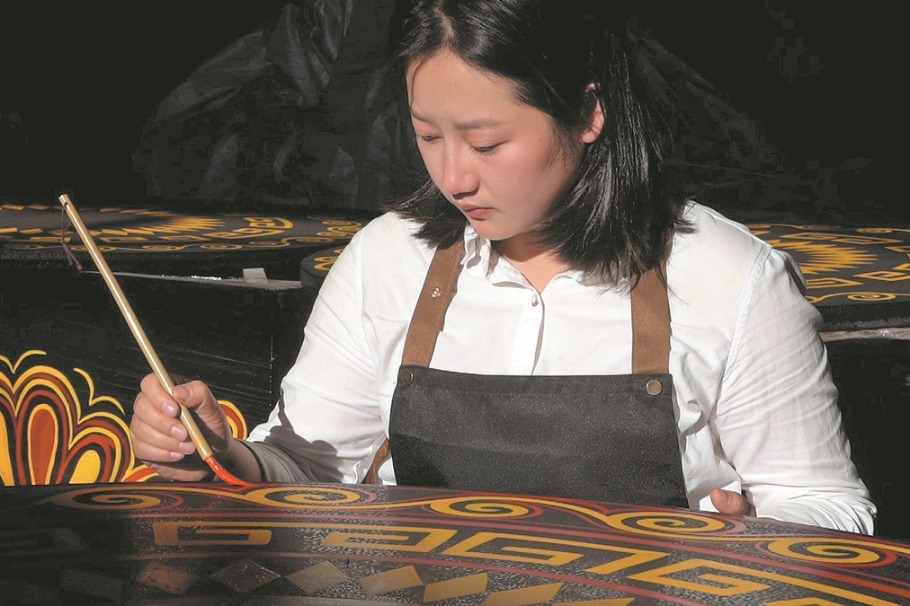
Yi lacquerware gets a new lease of life
In the heart of Zhaojue County, Sichuan Province, Qumu Shiwu, a 29-year-old inheritor of the ancient Yi lacquerware craft, is breathing new life into a centuries-old tradition. With a paintbrush in hand, she meticulously creates vibrant patterns on wooden cores, a skill passed down through 14 generations of her ethnic Yi family. Her captivating short videos, showcasing the intricate process of lacquerware decoration, have amassed over 200 million views on social media, transforming this traditional art form into a modern sensation. Born into a family of artisans, Qumu defied gender norms to become the first female inheritor of the craft. Despite challenges, including a severe allergic reaction to raw lacquer, she persevered, completing her first independent work in 2017. Leveraging platforms like Douyin, Kuaishou, and Xiaohongshu, Qumu has expanded the reach of Yi lacquerware, attracting customers from across China and overseas. By integrating traditional designs into contemporary products like phone cases and tea sets, she has revitalized her father’s workshop, increasing its annual revenue from 400,000 yuan to over 3 million yuan. Qumu’s efforts also include nurturing the next generation of artisans through university partnerships and exploring cross-sector collaborations. Her ultimate goal is to introduce Yi lacquerware to a global audience, showcasing the rich cultural heritage of Liangshan.