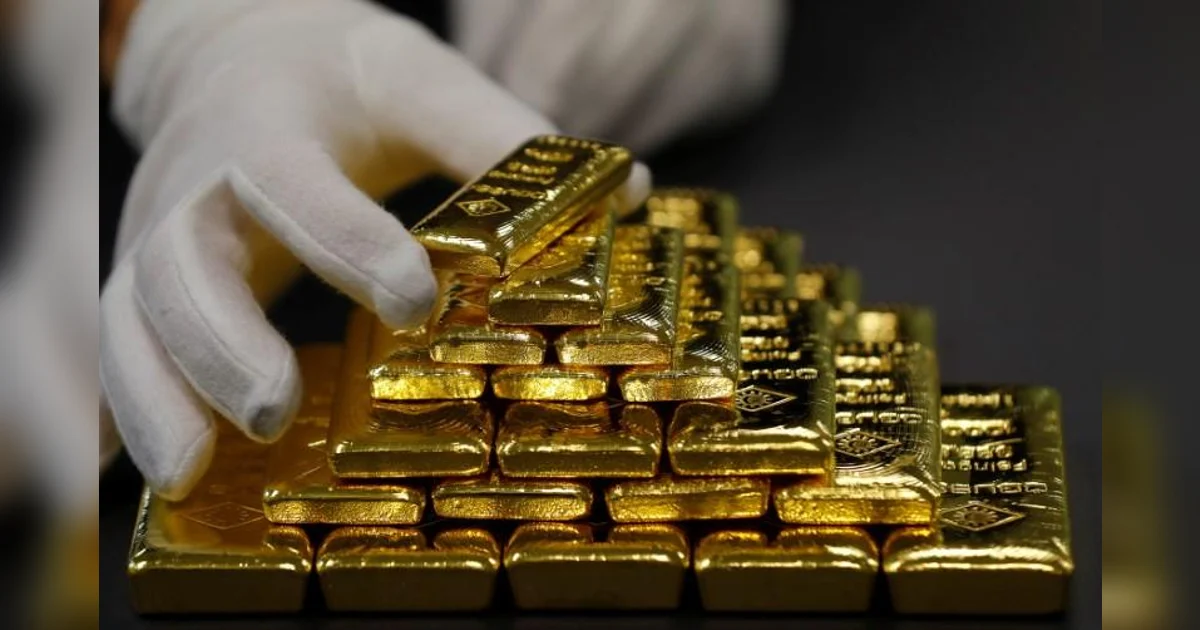
Gold prices rebounded from a one-week low on Tuesday, buoyed by weaker-than-expected U.S. employment data, as investors speculated on the possibility of a Federal Reserve interest rate cut in December. Spot gold increased by 0.6% to $4,068.05 per ounce, recovering from its lowest point since November 10 earlier in the day. Meanwhile, U.S. gold futures for December delivery dipped slightly by 0.2% to $4,068.40 per ounce. The rise in gold prices was fueled by data showing that the number of Americans receiving unemployment benefits reached a two-month high in mid-October, with continued jobless claims climbing to 1.9 million for the week ending October 18. Market analysts interpreted this as a sign of economic softening, potentially prompting the Fed to lower interest rates. Tai Wong, an independent metals trader, noted that the data has slightly increased market optimism for a December rate cut, aiding gold and silver in breaking a three-day losing streak. According to the CME FedWatch tool, markets now perceive a 50% chance of a rate cut in December, up from 46% earlier in the day but down from 67% last week. Gold, which performs well in low-interest-rate environments, had previously declined by over 3% on Friday and 1% on Monday as investors tempered expectations for another rate cut this year. Attention now turns to the release of the Fed’s meeting minutes on Wednesday and delayed September jobs data on Thursday, both of which were postponed due to the U.S. government shutdown. Analysts at Deutsche Bank highlighted that elevated official demand for gold is likely to persist, supporting a bullish outlook and potentially driving prices above their forecasted average of $4,000 per ounce for next year. In other precious metals, spot silver rose 1% to $50.67 per ounce, platinum surged 7% to $1,544.66, and palladium fell 1.2% to $1,409.72.
标签: Asia
亚洲
-
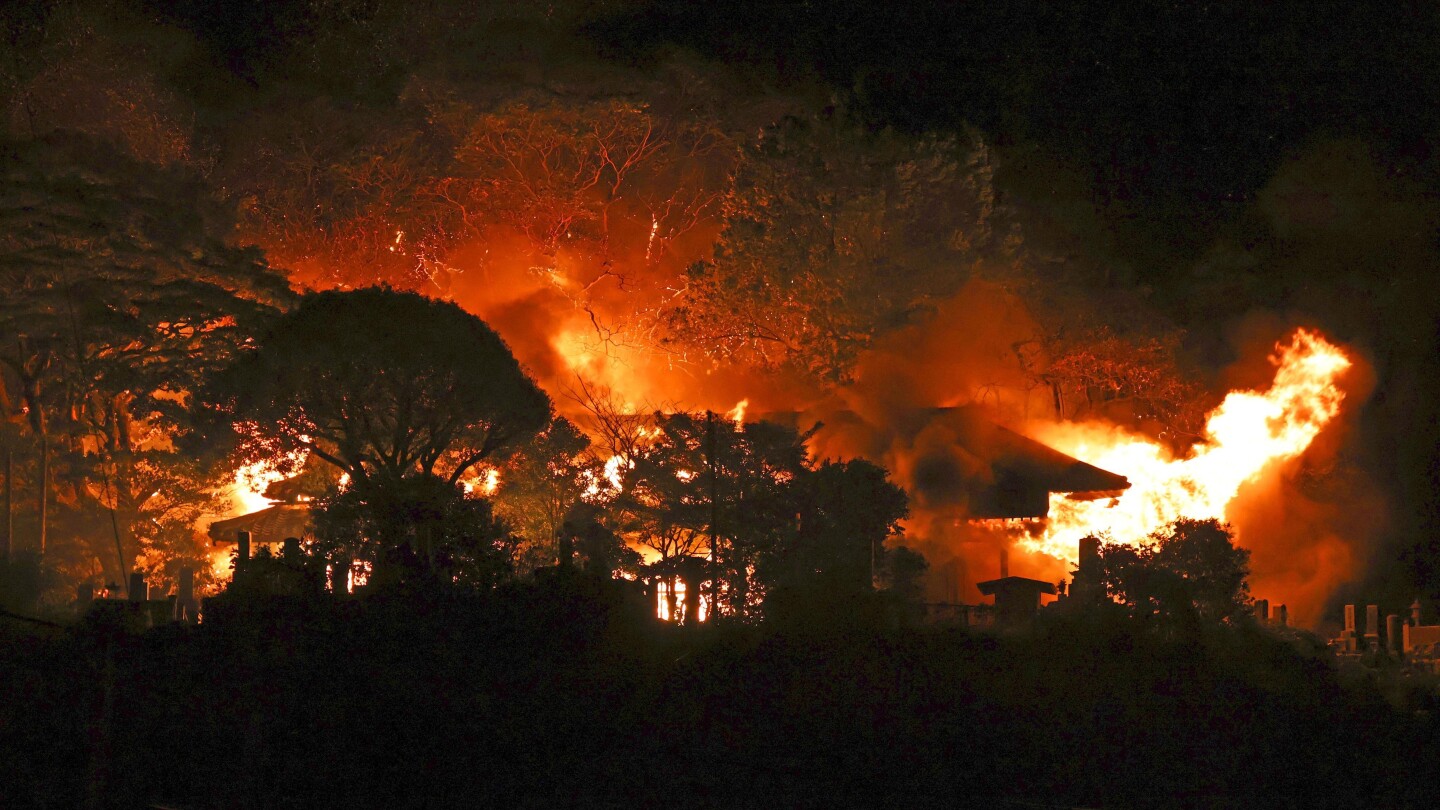
Fire burning in southwestern Japan damages 170 homes and forces evacuations
A devastating wildfire erupted in the city of Oita, located on Japan’s southern island of Kyushu, on Tuesday evening, rapidly engulfing a residential neighborhood and forcing over 170 people to evacuate. The blaze, which began near a fishing port amid strong winds, quickly spread to nearby forests and homes, causing widespread destruction. According to Japan’s Fire and Disaster Management Agency, at least 170 homes have been damaged, and a man in his 70s remains missing. Local residents described the fire as spreading uncontrollably, with one evacuee telling Kyodo News Agency that she fled in haste, leaving most of her belongings behind. Firefighters are still battling the flames, which remain uncontained as of Wednesday morning. The incident highlights the vulnerability of communities to natural disasters exacerbated by extreme weather conditions.
-
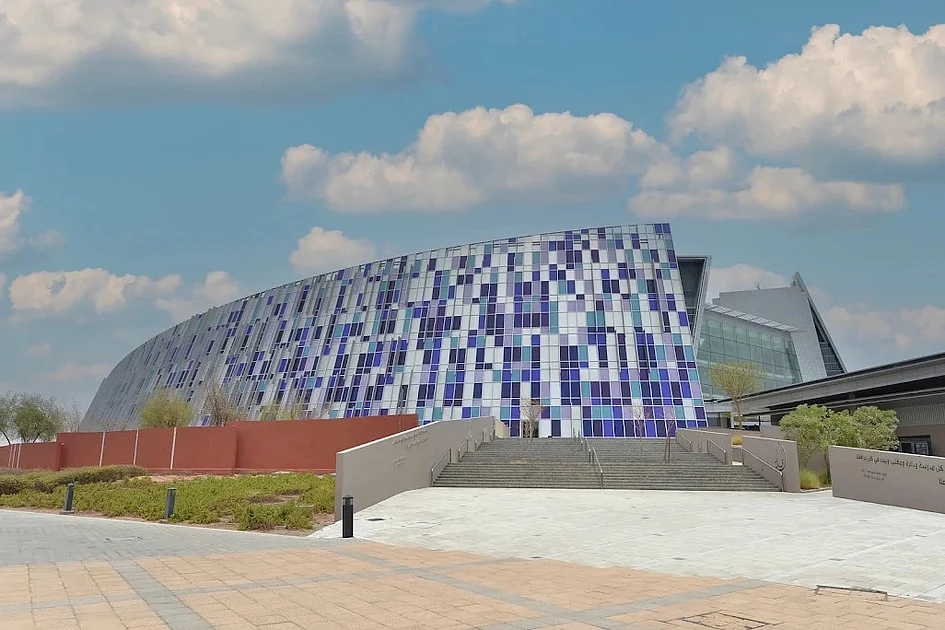
UAE universities lead regional rise in new QS Global Rankings
The United Arab Emirates (UAE) has emerged as a regional leader in higher education sustainability, with its universities making significant strides in the latest QS World University Rankings: Sustainability 2026. Released on Tuesday, the rankings evaluated nearly 2,000 institutions across 106 locations, marking it as the most extensive sustainability-focused ranking to date. Among the UAE’s 13 ranked universities, seven improved their positions, reflecting a 54% rise in performance. The United Arab Emirates University led the national charge, climbing to 318th globally, while Khalifa University secured the 384th spot. Notably, UAE institutions excelled in the Social Impact category, with the United Arab Emirates University jumping 99 places to 263rd, driven by strong indicators in education impact and employability. The region-wide improvements align with national sustainability agendas, such as the UAE’s Net Zero 2050 Strategy and Egypt’s Vision 2030. Leigh Kamolins, QS Director of Analytics and Evaluation, highlighted the region’s commitment to aligning higher education with climate and development goals. The Arab Region saw 147 universities ranked, including 29 newcomers, with 68 institutions improving their positions. Lebanon recorded the highest proportion of rising institutions at 86%, while Bahrain, Qatar, and Kuwait achieved near-complete improvement rates. The American University of Beirut led the Arab Region, climbing to 176th globally, while King Abdulaziz University entered the global top 200 for the first time. Despite progress, governance metrics revealed uneven performance, with 79 universities declining in this category. Jessica Turner, CEO of QS Quacquarelli Symonds, emphasized the ranking’s role in driving innovation and addressing global sustainability challenges.
-
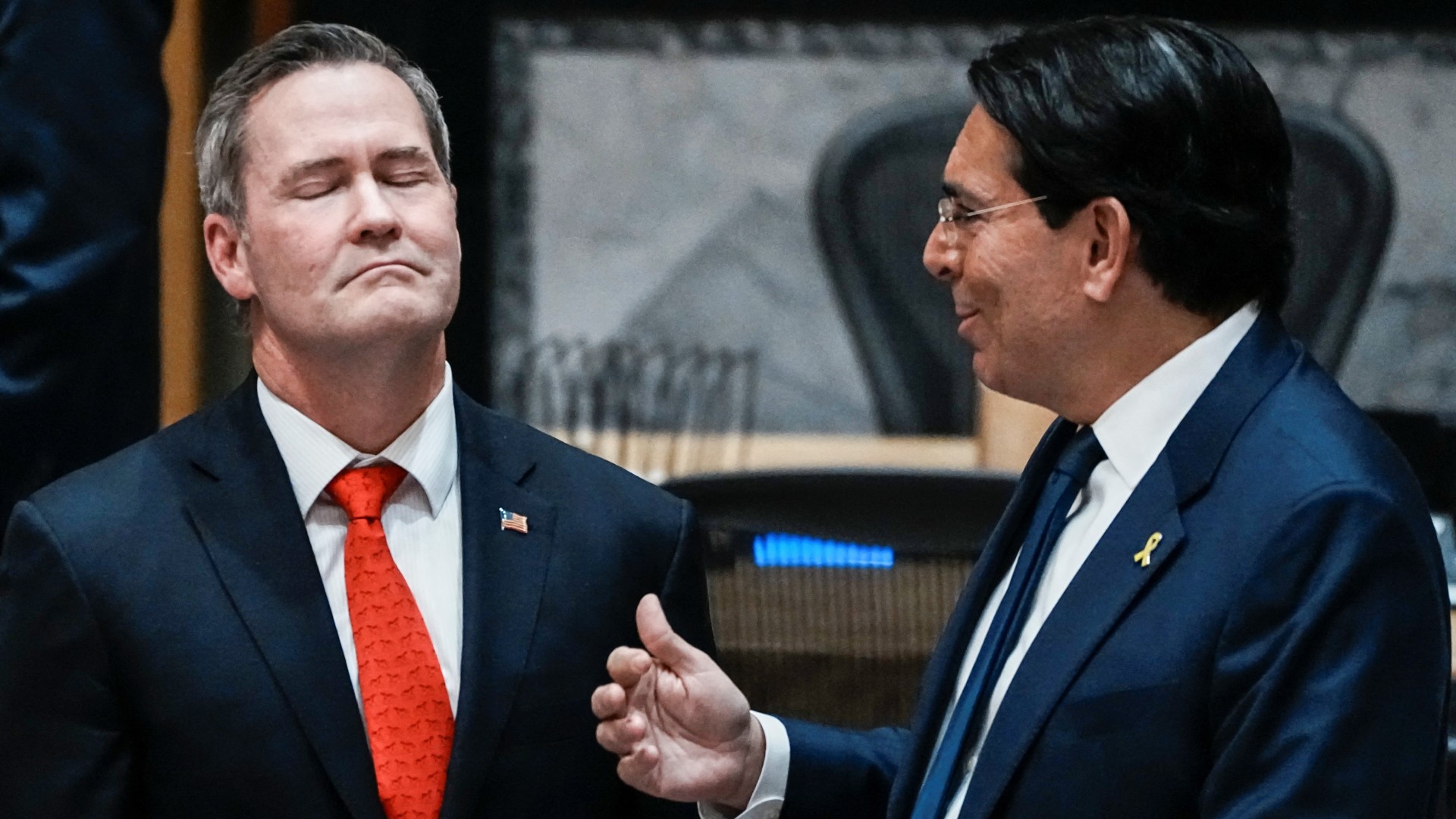
How the UN Gaza resolution creates new foreign ‘mandate’ over Palestinians
The United Nations Security Council has passed Resolution 2803, authorizing an International Stabilisation Force (ISF) to oversee a transitional period in Gaza. The resolution, approved with 13 votes in favor and two abstentions, places U.S. President Donald Trump at the helm of the Palestinian enclave, implementing his 20-point plan for its future. The term ‘mandate’ has sparked significant controversy, drawing parallels to colonial-era interventions in the region. Critics, including British-Israeli historian Avi Shlaim, argue that the resolution disregards the rights and aspirations of Palestinians, likening it to the British Mandate for Palestine post-World War I. The resolution outlines a two-year plan involving multinational troops, Palestinian technocrats, and a local police force, but has been met with resistance from Hamas and other Palestinian factions, though it is supported by the Palestinian Authority (PA). The resolution vaguely references Palestinian self-determination and statehood, contingent on certain conditions, which has been criticized as undermining international law. The plan has garnered backing from several Muslim-majority and Arab states, including Egypt, the UAE, Qatar, Saudi Arabia, Turkey, and Indonesia, while Russia and China abstained from the vote. The resolution’s implementation remains uncertain, particularly due to Hamas’s refusal to disarm, raising questions about the feasibility of international peacekeeping efforts in the region. Critics argue that the resolution perpetuates Israeli control over Gaza and represents a significant crisis for the United Nations, potentially damaging its credibility and effectiveness.
-
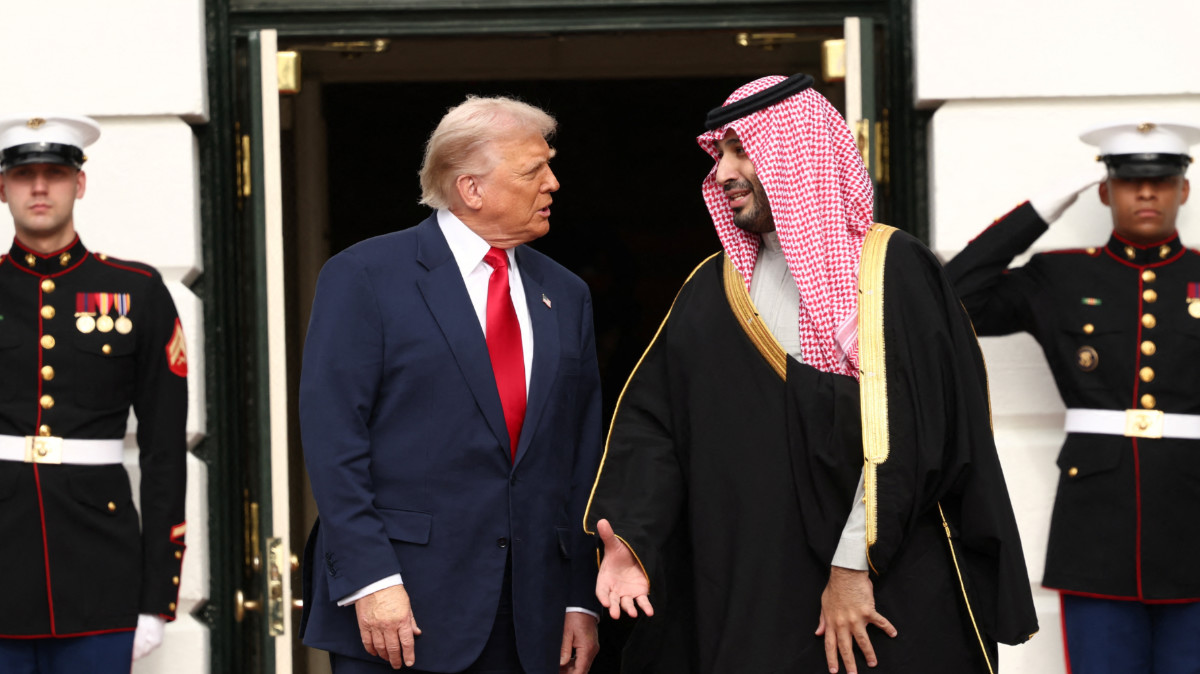
Saudi Crown Prince Mohammad bin Salman arrives at White House after seven-year hiatus
Saudi Arabia’s Crown Prince Mohammed bin Salman made a landmark visit to the White House on Tuesday, his first trip to the United States in seven years. The visit, marked by ceremonial grandeur including a color guard, military band, and fighter jet flyover, underscored the significance of the bilateral relationship. President Trump accompanied the Crown Prince on a televised tour of the newly inaugurated ‘Presidential Walk of Fame,’ highlighting the warmth of their engagement. This visit represents a dramatic shift in US-Saudi relations, particularly following the 2018 Jamal Khashoggi incident, which had strained ties. The Crown Prince’s agenda includes lobbying for US intervention in Sudan’s civil war and advancing Saudi Arabia’s Vision 2030 economic transformation. Key discussions revolve around defense deals, including the potential sale of F-35 fighter jets and AI-supported drones, as well as access to US civilian nuclear technology. Saudi Arabia aims to localize its defense industry with US assistance, moving beyond mere arms procurement. The visit also highlights Saudi Arabia’s ambition to position itself as a hub for AI and renewable energy, leveraging its vast fossil fuel and solar resources. Despite budgetary constraints from mega-projects like Neom, Saudi Arabia remains committed to securing cutting-edge US technology. The Crown Prince’s push for uranium enrichment, however, has raised concerns within the US government. The visit underscores Saudi Arabia’s strategic pivot to diversify its partnerships and assert itself as a regional power, while navigating complex geopolitical dynamics involving Israel, China, and Iran.
-
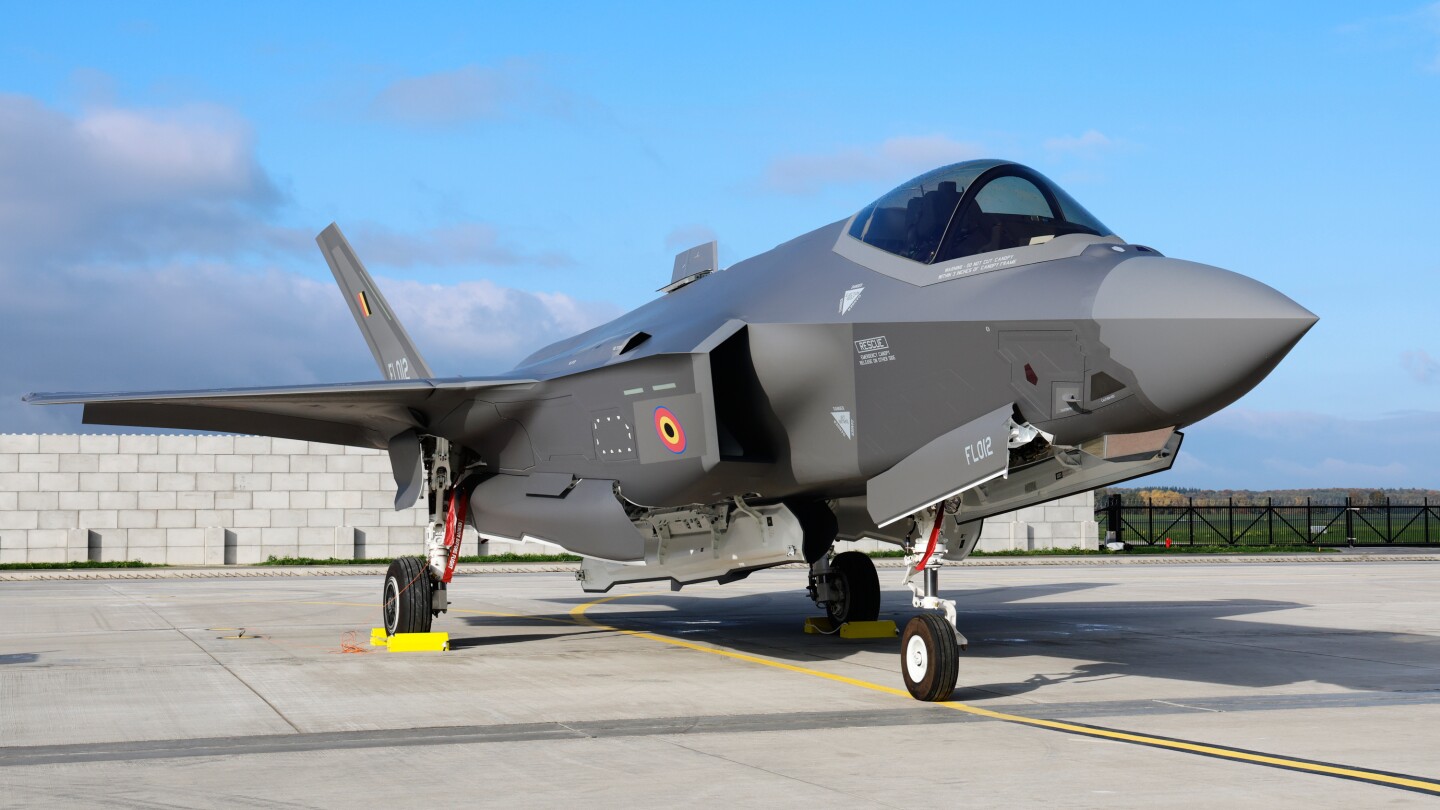
What to know about the F-35 fighter jet that Trump is selling to Saudi Arabia
In a significant move, President Donald Trump has approved the sale of the United States’ most advanced fighter jet, the F-35, to Saudi Arabia. This decision comes despite concerns that China, Saudi Arabia’s top trading partner, could potentially access the jet’s cutting-edge American technology. The agreement was reaffirmed during Saudi Crown Prince Mohammed bin Salman’s recent visit to Washington.
-
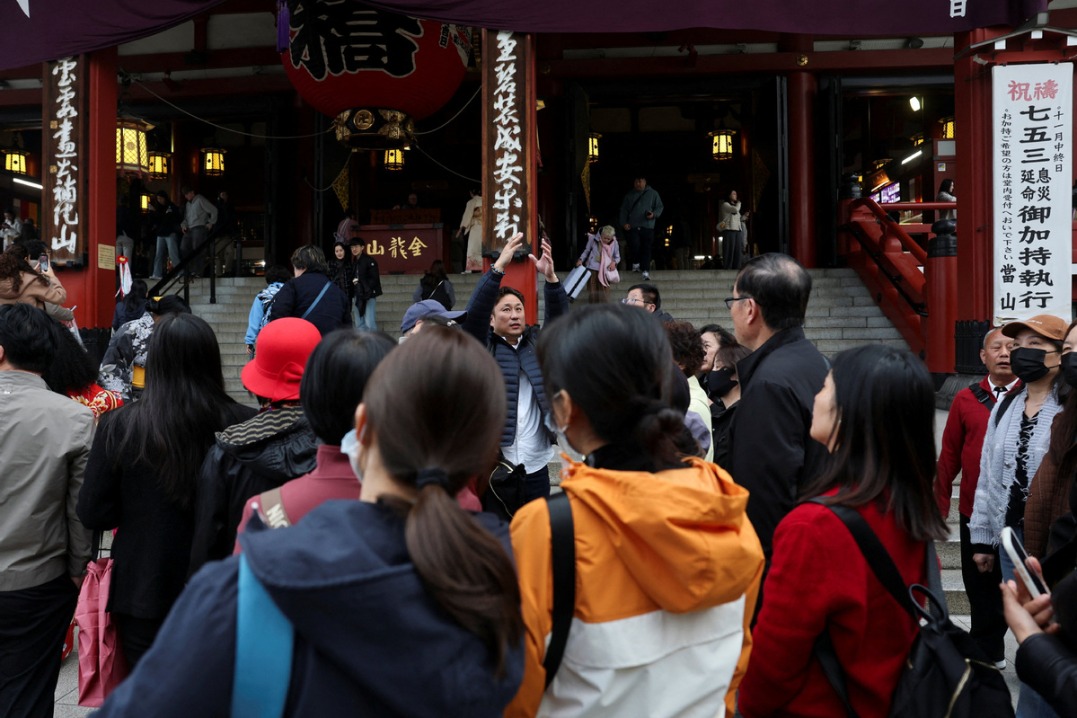
Japan’s tourism battered as Chinese travelers cancel trips
Japan’s tourism sector is facing significant challenges as a wave of cancellations by Chinese travelers follows recent diplomatic tensions. The cancellations come in response to travel advisories issued by Beijing, urging Chinese citizens to avoid Japan due to controversial remarks made by Japanese Prime Minister Sanae Takaichi regarding Taiwan. These comments have sparked strong protests from China, leading to a notable shift in travel preferences among Chinese tourists.
Data from flight booking platforms reveals that South Korea has now become the most sought-after destination for Chinese travelers, with Thailand, Hong Kong, Malaysia, Singapore, and Vietnam also seeing increased interest. Major Chinese travel agencies, including Tuniu Corp and Spring Tour, have reported a surge in cancellations for group tours to Japan. Additionally, Spring Airlines has canceled several flights between Shanghai and Japanese cities, citing alignment with pre-existing plans.
Major Chinese airlines, such as Air China, China Southern Airlines, and China Eastern Airlines, have announced that passengers with tickets for Japan-bound flights before December 31 can avail of free refunds or rescheduling. The Chinese Foreign Ministry has reiterated its stance on defending national interests, urging Japan to retract its statements and address the concerns of the Chinese people.
The travel advisory, issued on Friday, highlights concerns over public safety in Japan and the potential risks to Chinese citizens. Similar alerts were released by China’s Ministry of Education and Ministry of Culture and Tourism. The downturn in Chinese tourism has already impacted Japan’s economy, with tourism-related stocks experiencing declines. Companies like Shiseido, Japan Airlines, and Isetan Mitsukoshi Holdings have seen their shares drop, while the Nikkei 225 Index fell by 3.22%.
According to Japan’s Nomura Research Institute, a significant reduction in Chinese tourists could result in a 0.36% decline in Japan’s GDP, with estimated economic losses reaching 2.2 trillion yen ($14.18 billion). As China remains Japan’s largest trading partner and source of imports, the ongoing tensions could have broader implications for bilateral relations and economic cooperation.
-

Why India’s poorest state continues to struggle with illegal alcohol sales
In 2016, Bihar, India’s poorest state, implemented a statewide alcohol ban to combat addiction, domestic violence, and financial distress among its most vulnerable families. Nine years later, the policy’s effectiveness remains a contentious issue, with enforcement gaps and a thriving black market undermining its intended goals. A recent BBC investigation highlighted these challenges during a raid on an illegal distillery near Patna, where officials discovered a makeshift setup fermenting jaggery into country liquor. Despite the raid, the perpetrators had fled, underscoring the persistent issue of tip-offs and collusion. Since the ban’s inception, 1.1 million cases have been registered, with 650,000 convictions, but over 99% of these are for consumption rather than production or distribution. The black market continues to flourish, with illicit alcohol worth over 522 million rupees seized in the six weeks leading up to the recent state elections. Enforcement is further complicated by Bihar’s geography, bordering states where alcohol is legal and a porous 726km border with Nepal, a key conduit for smuggling. Despite these challenges, many women, including Lalmunni Devi, who lost her husband to toxic liquor in 2022, advocate for the ban’s continuation, citing its positive impact on household finances and family well-being. However, critics argue that the policy has merely driven the problem underground, with unintended consequences such as bootlegging and deaths from illicit brews. As Bihar’s outgoing government prepares to return to power, the alcohol ban remains a paradox—hailed as a social reform by some and criticized as ineffective by others. The question of whether it has succeeded or merely shifted the problem persists, leaving the state grappling with its complex legacy.
-

India’s digital payments revolution is redefining global finance
India has emerged as a global leader in digital payments, transforming its financial landscape in less than a decade. At the heart of this revolution are two groundbreaking innovations: the Unified Payments Interface (UPI) and the RuPay card network. These systems have not only reshaped domestic commerce but are also challenging traditional financial powerhouses worldwide. UPI, launched in 2016, has become the world’s most successful real-time payment platform, processing over a trillion transactions annually. Its open architecture allows seamless integration with banks, fintech companies, and payment apps, enabling instant, secure, and low-cost transactions. Meanwhile, RuPay has disrupted the dominance of global credit card networks in India, capturing 60% of the domestic card market. Its affordability and sovereignty have made it a preferred choice for small businesses and consumers alike. Together, UPI and RuPay have created a unified payments ecosystem that is unparalleled in its inclusivity and efficiency. This transformation has brought over 500 million people into the formal financial system, empowering small businesses, farmers, and daily wage workers. Beyond India’s borders, UPI is gaining traction in countries like France, Singapore, and the UAE, offering a faster and cheaper alternative to traditional remittance systems. India’s digital payments revolution is not just a technological achievement; it is a strategic move toward financial sovereignty and global influence. As more nations adopt UPI and RuPay, India is laying the foundation for a new financial order that prioritizes inclusivity, affordability, and independence. The world is taking notice, and India’s leadership in digital payments is set to redefine the future of global finance.
-

Arsenal and Sobha Realty mark two years of partnership
Arsenal Football Club and Sobha Realty have marked the second anniversary of their groundbreaking partnership, showcasing a shared dedication to excellence in sports and beyond. Since their collaboration began in 2023, Sobha Realty has secured naming rights for the Sobha Realty Training Centre at London Colney and branding on Arsenal’s training kits. Over the past two years, the partnership has driven significant upgrades to the facility, including enhanced restaurant and dressing room spaces, a dedicated building for the women’s first team, a refurbished media centre, and new sauna and steam amenities. These improvements aim to foster an optimal environment for player preparation and recovery. The collaboration also birthed ‘The Art of Detail,’ a four-part series that delves into the meticulous work behind the scenes at the training centre, reflecting the partners’ shared values of precision, innovation, and continuous improvement. Ashish Parakh, Group Chief Sales & Marketing Officer at Sobha Realty, hailed the partnership as a ‘powerful synergy’ that transcends sports and real estate, emphasizing their commitment to creating spaces where talent flourishes. Juliet Slot, Arsenal’s Chief Commercial Officer, praised Sobha Realty’s role in supporting the club’s ambitions, expressing excitement for future achievements. As the partnership enters its third year, both parties aim to maintain the Sobha Realty Training Centre as a global benchmark for high-performance facilities while strengthening ties between football and luxury real estate.