
In a groundbreaking initiative, over 70,000 primary and secondary school students in Altay prefecture, Xinjiang Uygur Autonomous Region, are set to enjoy their first official ‘snow break.’ This innovative holiday, spanning nine days from December 1 to 5, including adjacent weekends, aims to promote the region’s burgeoning ice-and-snow economy. During this period, students will have free access to local ski resorts and public transit within Altay city, facilitated by their identity certificates. Additionally, local cultural venues, libraries, and museums will host a series of ice and snow-themed events. The initiative seeks to connect students with nature, preserve cultural heritage, and enhance physical health. Altay’s cultural and tourism departments are collaborating with ski resorts, hotels, and cultural venues to offer discounts on skiing, food, accommodations, and transportation. This move is part of China’s broader strategy to develop its ice-and-snow economy, which has seen significant growth since the 2022 Beijing Winter Olympics. In the 2023-2024 snow season, Altay attracted approximately 4.89 million tourists, generating 5.1 billion yuan in revenue, contributing significantly to Xinjiang’s overall growth. The State Council’s guidelines aim to expand the ice-and-snow economy to 1.2 trillion yuan by 2027 and 1.5 trillion yuan by 2030.
标签: Asia
亚洲
-
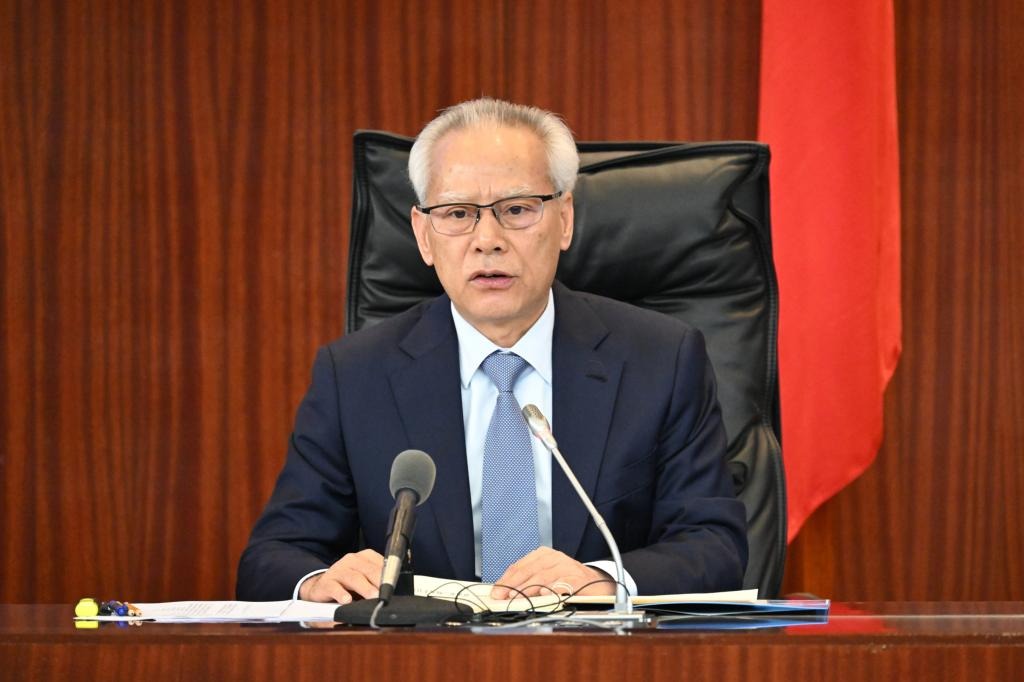
Macao SAR chief executive delivers policy address on reform, economic diversification
In a pivotal address to the Legislative Assembly on November 18, 2025, Sam Hou-fai, Chief Executive of the Macao Special Administrative Region (SAR), unveiled the government’s strategic priorities for 2026. Emphasizing administrative reform, economic diversification, and deeper integration into national development, Sam outlined a comprehensive roadmap for Macao’s future. The policy address highlighted the SAR’s commitment to addressing systemic inefficiencies, fostering economic resilience, and enhancing regional and international cooperation. Sam stressed the urgency of tackling interdepartmental communication gaps, improving coordination, and streamlining workflows to create a more collaborative and efficient government. Economic diversification was identified as a critical objective, with plans to bolster policy support, increase investment, and cultivate internationally competitive industries. Macao’s integration into the Guangdong-Hong Kong-Macao Greater Bay Area and its role in the Belt and Road Initiative were also underscored as key priorities. Additionally, Sam pledged to accelerate the development of the Guangdong-Macao In-Depth Cooperation Zone in Hengqin, aiming for seamless integration between Macao and Hengqin. The address reaffirmed Macao’s commitment to leveraging its unique position to drive sustainable growth and strengthen ties with mainland China and global partners.
-
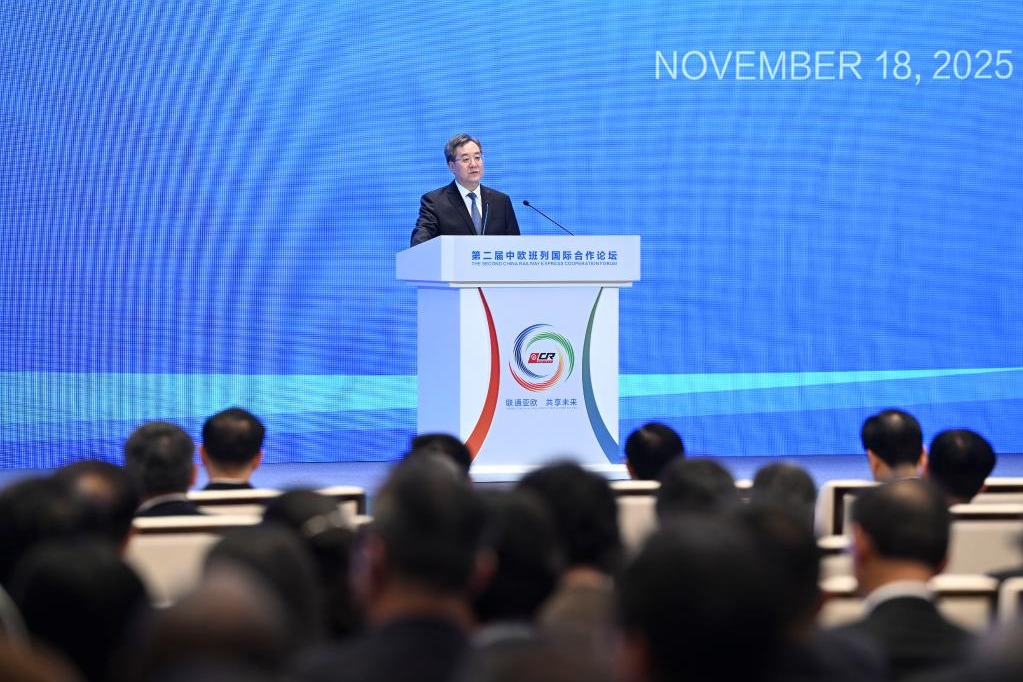
Chinese vice-premier calls for enhanced economic, trade exchanges on Eurasian continent
Chinese Vice-Premier Ding Xuexiang emphasized the importance of bolstering economic and trade exchanges across the Eurasian continent during his keynote address at the second China Railway Express Cooperation Forum in Xi’an, Shaanxi province. The event, held on November 18, 2025, brought together approximately 450 participants, including international experts, scholars, entrepreneurs, and government officials. Ding, who also serves on the Standing Committee of the Political Bureau of the Communist Party of China (CPC) Central Committee, highlighted the China Railway Express as a cornerstone of the Belt and Road Initiative, underscoring its role as a premier international logistics brand with significant influence. He outlined a four-point strategy to enhance the railway’s development, focusing on improved connectivity, technological innovation, risk management, and integrated growth to stabilize international supply chains and foster regional economic prosperity. The forum, themed ‘Connecting Asia and Europe for a Shared Future,’ also featured remarks from Tsoncho Ganev, Vice-President of the Bulgarian National Assembly, who discussed bilateral cooperation with China. This gathering underscores China’s commitment to fostering collaborative economic growth and mutual learning across Eurasia.
-

Drone light show celebrating spirit of sports staged in Hong Kong
China Daily Information Co (CDIC) holds exclusive rights to all content published on its platform, encompassing text, photographs, and multimedia materials. Unauthorized republication or use of this content in any form is strictly prohibited without prior written consent from CDIC. The site recommends using browsers with a resolution of 1024*768 or higher for optimal viewing. Additionally, the platform operates under the online multimedia publishing license number 0108263 and is registered under the number 130349. China Daily also offers various services, including advertising opportunities, job offers, and employment resources for expatriates. Users can stay connected with China Daily through its social media channels for updates and news.
-

Family of Indian man lynched over beef rumours vows to keep fighting for justice
The family of Mohammad Akhlaq, a Muslim man brutally lynched by a Hindu mob in Uttar Pradesh, India, in 2015, has vowed to continue their fight for justice. This comes after the state government, led by the Bharatiya Janata Party (BJP), recently moved to drop all charges against the accused. Akhlaq, then 50, was killed following rumors that he had stored and consumed beef—a claim his family vehemently denies. Cows are considered sacred in Hinduism, which dominates India’s population of 1.2 billion, and Uttar Pradesh is among 20 states with strict laws banning cow slaughter and beef consumption. The incident, which occurred in Dadri, 49km from Delhi, marked the first widely reported case of cow-related violence in India, sparking nationwide protests. Initially, 18 individuals were charged with offenses including murder and rioting, all of whom are currently out on bail. Last month, the public prosecutor filed an application citing ‘inconsistencies’ in witness testimonies, urging the court to close the case. The court is expected to decide on the application by December 12. Akhlaq’s family, who fled their village after the attack, expressed shock and fear over the government’s move, questioning whether it would embolden criminals. The incident unfolded on September 28, 2015, when a mob armed with sticks, swords, and pistols stormed Akhlaq’s home, accusing the family of slaughtering a cow. While Akhlaq died on the spot, his son Danish sustained severe injuries. The family maintains that the meat found in their fridge was mutton, not beef. The case has drawn widespread criticism, including accusations of delayed response from Prime Minister Narendra Modi and BJP members allegedly defending the attackers. Despite the challenges, Akhlaq’s brother, Jaan Mohammad, remains hopeful, stating, ‘I still have faith in the court. I believe justice would be done one day.’
-
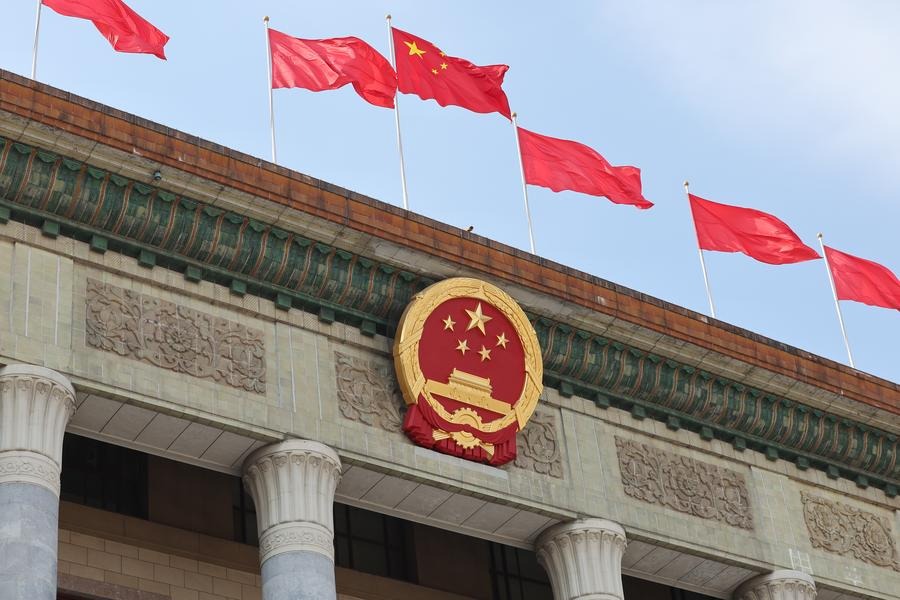
Xi Focus: Leading China’s drive to enhance law-based governance
China has achieved a significant milestone in its commitment to law-based governance with the enactment of a new law on November 1, 2025, aimed at enhancing public awareness of the rule of law. This legislation, which emphasizes lifelong legal education for citizens, seeks to solidify the social foundation for advancing comprehensive law-based governance and elevate the construction of a socialist country under the rule of law. For the first time, ‘Xi Jinping Thought on the Rule of Law’ has been integrated into national legal texts, marking a pivotal step in strengthening the legal framework.
Since the 18th National Congress of the Communist Party of China (CPC), President Xi Jinping has introduced a series of innovative concepts and strategies that have shaped China’s approach to law-based governance. His thought provides critical answers to why and how law-based governance should be pursued in the new era, offering fundamental guidance for the steady progression of this initiative.
Xi’s leadership has been instrumental in driving the rule of law forward, laying a robust foundation for sustaining rapid economic growth and long-term social stability. His extensive experience in local governance, from Hebei to Shanghai, has consistently demonstrated his commitment to upholding the rule of law. In March 2018, Xi became the first Chinese president to take the oath of office in front of the Constitution, symbolizing his dedication to governing the country in accordance with the law.
Under Xi’s guidance, China has implemented a series of national plans, including the 2020-25 plan to build the rule of law and guidelines for constructing a law-based government and society. These initiatives provide a comprehensive blueprint for advancing law-based governance. The fourth plenary session of the 20th CPC Central Committee in October 2025 further emphasized the role of the rule of law in China’s modernization and national rejuvenation, calling for stronger mechanisms for resolving administrative disputes and accelerating the development of foreign-related legal systems.
Xi views the rule of law as essential for sustaining high-quality development. Recent efforts have yielded visible impacts across various sectors, including the private sector, where a landmark case under the private sector promotion law resulted in a government department compensating a private enterprise over 8 million yuan. This ruling was widely welcomed as a sign of stronger legal protection.
In the face of global changes, Xi has stressed the importance of leveraging the rule of law to consolidate foundations, stabilize expectations, and serve long-term development. His emphasis on legal safeguards in economic affairs has led to the introduction and revision of laws supporting rural revitalization, fair competition, and emerging industries. Xi has also underscored the need to define government power boundaries through law, standardize administrative procedures, and protect the rights of all market entities equally.
Reform and the rule of law have synergized to lead comprehensive reform and promote law-based governance. Xi’s personal involvement in the establishment of the Hainan Free Trade Port, set for island-wide special customs operations on December 18, 2025, exemplifies this synergy. The port’s development process, from foundational legislation to the implementation of streamlined approval and foreign investment regulations, reflects the practice of the rule of law.
China’s foreign-related legal work has advanced in tandem with its opening-up, with the formulation and revision of key laws such as the Foreign Investment Law, Law on Arbitration, and Maritime Law. By the end of 2024, Chinese law firms had established 207 overseas branches in 37 countries and regions, and Chinese courts were handling tens of thousands of maritime cases annually, with increasing numbers of foreign parties choosing to litigate in China.
Xi’s commitment to sound governance is evident in his engagement with citizens during a 2019 visit to a legislative outreach office in Shanghai, where he emphasized the importance of whole-process democracy. As of August 2025, the Legislative Affairs Commission of the NPC Standing Committee had established 54 such outreach offices nationwide, with over 7,800 offices at provincial or municipal levels.
China’s legal system continues to expand and mature, with 310 laws, over 600 administrative regulations, and more than 14,000 local regulations currently in force. The improvement of China’s governance system is closely tied to progress in the legal field, as seen in the drafting of China’s first-ever environmental code in April 2025. The judiciary plays a crucial role in safeguarding fairness and social stability, combating crimes such as gang-related offenses, and expanding public legal services to ensure accessibility in both urban and rural areas.
-
New growth opportunities seen in Sino-Thai relations
The recent state visit of Thailand’s King Maha Vajiralongkorn Phra Vajiraklaochaoyuhua to China has been hailed as a significant milestone in strengthening the bilateral ties between the two nations. Analysts believe this visit will catalyze enhanced cooperation in emerging sectors such as green energy and digital technologies, while also reinforcing traditional areas of collaboration. Accompanied by Queen Suthida Bajrasudhabimalalakshana, the King’s visit concluded on Monday, with both sides expressing a commitment to expanding their partnership across various domains. Chayodom Sabhasri, an associate professor at Chulalongkorn University, emphasized that this visit marks a new chapter in Thailand-China relations, highlighting their deep-rooted cultural, investment, and trade connections. He noted that future collaboration in innovation and technology is poised for significant growth. Thailand’s alignment with China’s green development goals further underscores the potential for joint initiatives in sustainable growth. China’s recently unveiled 15th Five-Year Plan (2026-30), which focuses on high-quality development, technological self-reliance, and comprehensive reforms, presents numerous opportunities for Sino-Thai cooperation. Thai Commerce Minister Suphajee Suthumpun has directed trade offices in China to align their strategies with this plan, aiming to boost exports in eco-friendly goods, digital products, and other innovative sectors. Pipit Aneaknithi, chairman of global sustainability at Kasikornbank, highlighted the mutual benefits of collaboration in cutting-edge technologies, such as artificial intelligence and digital industries. He stressed that Thailand can modernize its infrastructure and adopt advanced technologies, such as solar power and battery storage, through this partnership. The Thai royal couple’s visit to various institutions in Beijing showcased China’s advancements in science, technology, innovation, and education, further solidifying the foundation for future joint development. Chat Luangarpa, executive vice-president of Kasikornbank, emphasized Thailand’s strategic position in Southeast Asia as a geographic advantage for regional connectivity with China. He expressed optimism about the potential for collaboration in clean energy, AI, and electric vehicles, aiming to create a sustainable and prosperous regional ecosystem.
-

Nation willing to share afforestation successes to combat climate change
At the ongoing United Nations Climate Change Conference (COP30) in Belem, Brazil, China has announced its commitment to sharing its afforestation successes to aid other developing nations in combating climate change and stimulating economic growth. Li Gao, head of the Chinese delegation and vice-minister of ecology and environment, emphasized China’s readiness to leverage its forest management expertise to unlock the value of forest ecosystems globally. Speaking at the COP30 China pavilion, Li highlighted China’s strategic initiatives, including the Three-North Shelterbelt Forest Program and comprehensive ecosystem restoration projects, which integrate mountains, waters, forests, farmlands, lakes, grasslands, and deserts. These efforts have not only enhanced water conservation and carbon sink capacity but also fostered economic benefits through non-timber forest industries. Li also underscored China’s use of market tools, such as the China Certified Emission Reduction program, to incentivize conservation by enabling companies to trade carbon credits. By the end of 2024, China’s forest stock volume exceeded 20 billion cubic meters, marking a significant increase since 2005. The country has also seen a net growth in mangrove forests, contributing to biodiversity conservation and ecosystem resilience. Li reiterated China’s willingness to deepen South-South cooperation in forestry carbon sink technology and capacity building, emphasizing the importance of global collaboration in addressing climate challenges. The COP30 conference, which began on November 10, is set to conclude on November 22.
-
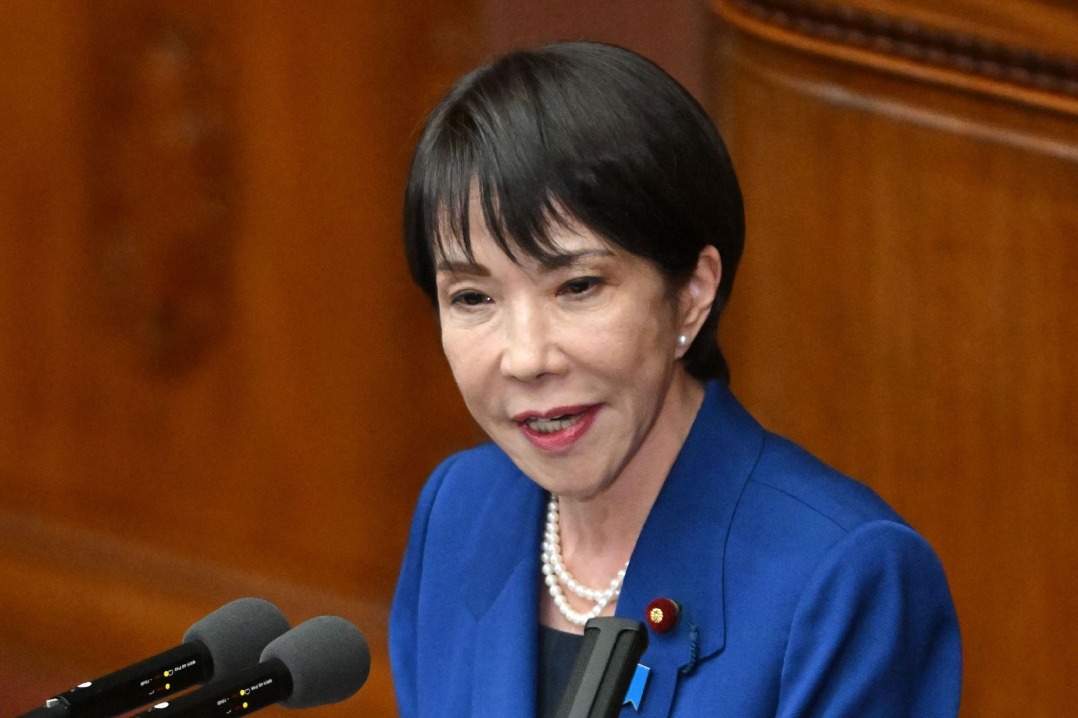
Japanese PM’s remarks on Taiwan misguided, defy logic
In a recent development that has stirred significant diplomatic tension, Japanese Prime Minister Sanae Takaichi’s comments on Taiwan have been met with sharp criticism. Takaichi suggested that any Chinese military action around Taiwan could pose a ‘survival-threatening situation’ for Japan, a statement that has been widely condemned as both historically inaccurate and logically flawed. The remarks not only misrepresent the historical context of Taiwan’s relationship with China but also violate the foundational principles of post-war East Asian diplomacy. Historically, Taiwan was part of China until it was ceded to Japan following the First Sino-Japanese War in 1895. It was returned to China in 1945 after Japan’s defeat in World War II. Takaichi’s assertion that events around Taiwan could threaten Japan’s survival is seen as a false cause fallacy, implying a non-existent causal link between Taiwan’s fate and Japan’s security. Furthermore, her comments are viewed as a misinterpretation of the 1972 China-Japan Joint Statement, which unequivocally recognizes Taiwan as an inalienable part of China. The prime minister’s remarks have been criticized for reopening old wounds and undermining the credibility of Japan’s pacifist Constitution. The incident highlights the need for Japan to approach its foreign policy with historical humility and a commitment to peace, rather than resorting to speculative threats that could destabilize the region.
-

UN chief hails vote allowing stabilization force in Gaza
The United Nations Security Council has passed Resolution 2803, authorizing the establishment of an International Stabilization Force in the Gaza Strip. The resolution, adopted with 13 votes in favor and abstentions from China and Russia, aims to support a transitional administration known as the Board of Peace, which will oversee reconstruction efforts in the region. UN Secretary-General Antonio Guterres hailed the decision, urging all parties to transform the ceasefire into lasting peace. However, the resolution has sparked mixed reactions. While the Palestinian Authority welcomed the move, Hamas rejected it, labeling it as a replacement of Israeli occupation with ‘foreign guardianship.’ China and Russia expressed concerns over the resolution’s lack of clarity on key issues, such as the structure and mandate of the stabilization force and the absence of explicit support for the two-state solution. Russian envoy Vassily Nebenzia criticized the resolution for resembling ‘colonial practices,’ while Chinese representative Fu Cong highlighted its vagueness on crucial matters. The resolution also references the US-led Comprehensive Plan, which facilitated a ceasefire between Hamas and Israel. Israeli Prime Minister Benjamin Netanyahu praised the resolution, emphasizing its focus on Gaza’s demilitarization. However, internal Israeli political divisions were evident, with Minister of National Security Itamar Ben-Gvir advocating for aggressive measures against Palestinian authorities. Experts like Ayman Yousef argue that the resolution primarily serves Israeli interests, reflecting US efforts to ease pressure on Israel. The international community now watches as the resolution’s implementation unfolds, with hopes for stability and peace in the region.