标签: Asia

亚洲

  • Xinjiang leads China in cross-border rail traffic, central Asian connectivity in 2025

    Xinjiang leads China in cross-border rail traffic, central Asian connectivity in 2025

    Northwest China’s Xinjiang Uygur Autonomous Region has solidified its position as the nation’s foremost hub for Eurasian connectivity, achieving unprecedented cross-border rail traffic volumes throughout 2025. Regional authorities confirmed on January 17, 2026, that Xinjiang’s strategic ports handled the highest rail freight volume across all Chinese provinces, marking a significant milestone in China’s transnational infrastructure development.

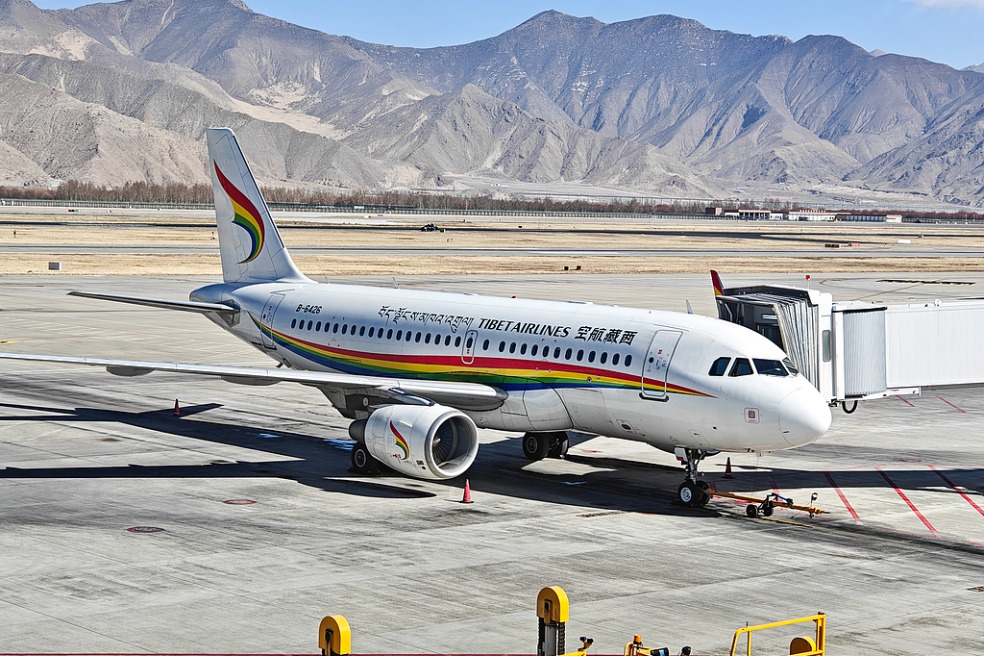
    The region has simultaneously emerged as the dominant aviation corridor to Central Asia, with flights connecting regional capital Urumqi to Kazakhstan, Kyrgyzstan, Tajikistan, Uzbekistan and Turkmenistan comprising 35.1% of China’s total passenger flights to these nations. This dual achievement in both rail and air connectivity demonstrates Xinjiang’s evolving role as a critical nexus in China’s Belt and Road Initiative.

    With 19 operational ports, Xinjiang implemented comprehensive measures to accommodate diverse logistical requirements. At Urumqi’s international port, the introduction of specialized cargo zones and expedited clearance protocols for priority shipments catalyzed a remarkable 170.6% year-on-year surge in international cargo flights, according to Liu Peng, an official with the Xinjiang Immigration Inspection General Station.

    The region welcomed over 58 million international travelers in 2025, drawn by cross-border commerce, tourism opportunities, and border-area cultural exchanges. To accommodate this substantial influx, immigration service centers established at major ports including Horgos and Urumqi now provide integrated services encompassing policy consultation, emergency medical assistance, and currency exchange facilities.

    Through strategic investments in ‘smart port’ infrastructure and continued institutional reforms, Xinjiang is enhancing its capacity as China’s primary conduit to Central Asia and beyond, effectively bridging economic networks across Eurasia with increasing operational efficiency.

  • Japanese mayor apologises after calling staff ‘human scum’

    Japanese mayor apologises after calling staff ‘human scum’

    In an extraordinary public confrontation that has shocked Japan’s political establishment, Yokohama Mayor Takeharu Yamanaka has issued a formal apology following damning harassment allegations leveled by the city’s own human resources director. The scandal erupted when Jun Kubota, the municipality’s top personnel official, held an unprecedented press conference to detail what he described as a pattern of abusive behavior from the mayor.

    Kubota presented a disturbing catalog of alleged verbal abuses, claiming Yamanaka routinely deployed dehumanizing language including calling municipal staff ‘idiots,’ ‘human scum,’ ‘useless,’ and ‘low-spec’ employees. The HR chief further asserted that the mayor made inappropriate comments about subordinates’ physical appearances and compared them to animals in what workplace experts would classify as classic power harassment.

    The most severe allegation involved Kubota’s claim that Yamanaka threatened him with ritual suicide demands, telling the official he would have to ‘commit seppuku’ if he failed to secure an international conference bid for the city—a remark that crosses into potentially criminal intimidation under Japan’s workplace laws.

    Initially, Mayor Yamanaka denied all allegations through a statement on his personal website. However, facing mounting pressure, he subsequently acknowledged partial responsibility during a Friday press conference. ‘I want to frankly apologize for placing a psychological burden on the personnel director,’ Yamanaka stated, conceding he had used terms like ‘idiot’ and ‘human scum’ during personnel evaluation discussions.

    While admitting to some verbal misconduct, the mayor denied other accusations including making comments about physical appearances. He announced that an investigation supervised by the deputy mayor was being considered, promising his ‘sincere’ cooperation should such a probe move forward.

    Kubota immediately rejected the partial apology as insufficient, stating: ‘The mayor doesn’t understand anything. I cannot accept that as an apology. I want him to change.’ The public nature of this confrontation between a sitting mayor and his senior HR official represents a remarkable breach of Japan’s typically reserved bureaucratic culture, signaling potentially significant repercussions for municipal governance and workplace practices nationwide.

  • Things to know about the High Seas Treaty as it takes effect

    Things to know about the High Seas Treaty as it takes effect

    A transformative era for global ocean conservation commenced this Saturday as the world’s first legally binding framework for protecting marine life in international waters officially took effect. This historic milestone, formally known as the High Seas Treaty, culminates nearly two decades of complex diplomatic negotiations and establishes governance mechanisms for nearly half the planet’s surface—the vast marine territories beyond national jurisdictions.

    The treaty’s activation follows its September 2023 ratification threshold achievement, requiring endorsement from 60 nations. Current ratification status stands at 83 countries, with recent participation from major maritime powers including China and Japan significantly strengthening its global implementation prospects.

    This groundbreaking agreement establishes the first comprehensive framework for creating Marine Protected Areas (MPAs) across the high seas, which constitute approximately two-thirds of the world’s oceans. Currently, a mere 1% of these international waters benefit from formal protection despite facing escalating threats from destructive fishing practices, commercial shipping, plastic pollution, overexploitation of marine resources, and potential deep-sea mining operations—all exacerbated by climate change impacts.

    With immediate effect, ratifying nations must now collaborate on oceanographic research and technological development while assisting developing countries in building capacity for meaningful participation in ocean governance. Commercial entities planning activities with potential marine environmental impacts must conduct rigorous environmental assessments meeting treaty standards. Researchers investigating marine organisms with commercial applications, such as pharmaceutical development, must implement transparency protocols including international notification and knowledge-sharing mechanisms.

    Critically, signatory countries must now advocate for the treaty’s conservation objectives within other international regulatory bodies governing ocean activities, including regional fisheries management organizations, the International Maritime Organization, and the International Seabed Authority.

    Conservation organizations emphasize the urgency of rapid implementation to achieve the scientifically endorsed target of protecting 30% of global oceans by 2030. Megan Randles of Greenpeace’s Ocean Campaign noted that “the marine protected areas under the treaty will only be as strong as the governments make them,” highlighting the necessity of robust enforcement mechanisms against commercial fishing interests.

    While key institutional structures including the treaty’s secretariat and scientific advisory body remain under development, nations can immediately commence preparatory work for proposed MPAs. Potential conservation sites include the Emperor Seamounts in the North Pacific, the Sargasso Sea in the Atlantic Ocean, and the Salas y Gomez and Nazca Ridges off South America’s coast.

    The United States, having signed but not ratified the agreement, will participate as an observer without voting rights. Despite this absence, treaty advocates maintain that broad international support ensures strong implementation momentum. Rebecca Hubbard of the High Seas Alliance affirmed that while U.S. ratification would be preferable, its current status doesn’t undermine the treaty’s operational viability.

    The first Conference of Parties (COP) is scheduled within twelve months to establish critical operational parameters including budgetary allocations and committee compositions. The earliest possible approval for initial MPAs is anticipated during the second COP session, pending establishment of the scientific review body.

  • Astronauts say training helped ensure safe return

    Astronauts say training helped ensure safe return

    In their first public appearance since returning from orbit, the crew of China’s Shenzhou XX mission provided a detailed account of how they managed a critical emergency involving a damaged spacecraft window, attributing their successful response to exhaustive training and seamless coordination with ground control.

    Mission Commander Senior Colonel Chen Dong and crew members Colonel Chen Zhongrui and Colonel Wang Jie addressed media at Beijing Aerospace City on January 16, 2026, nearly two months after their safe return from the Tiangong space station. Their homecoming, originally scheduled for November, was delayed when the crew discovered a triangular crack in their return capsule’s window during final pre-departure checks.

    The damage, potentially caused by micro-meteoroid or space debris impact, prompted immediate consultation with Earth-based mission specialists. Commander Chen described how the crew quickly documented the damage with photographs while coordinating observations with the Shenzhou XXI mission crew already aboard the station.

    ‘Trust was paramount in that moment,’ Chen emphasized. ‘We maintained absolute confidence in our ground team, who exhausted every methodology to develop the safest possible return protocol. Equally, we trusted in our own capabilities as thoroughly trained astronauts prepared to address unexpected system failures.’

    The mission headquarters ultimately determined the damaged capsule posed unacceptable re-entry risks, activating contingency procedures that saw the crew return aboard the Shenzhou XXI vehicle instead. Colonel Chen Zhongrui highlighted the psychological preparation behind their composed response: ‘We operated with complete assurance, knowing our nation’s robust space program and unified team supported us.’

    Colonel Wang Jie, the mission’s spaceflight engineer, noted how his ground-based construction experience with the space station proved immediately applicable when addressing equipment anomalies in orbit. ‘The additional knowledge we accumulate and repetitions we perform on Earth enable our calm effectiveness during critical moments in space,’ he explained.

    The incident represents one of the most significant in-flight emergencies publicly acknowledged by China’s space program, demonstrating evolving transparency in its rapidly advancing space operations.

  • UN Security Council holds emergency meeting on Iran

    UN Security Council holds emergency meeting on Iran

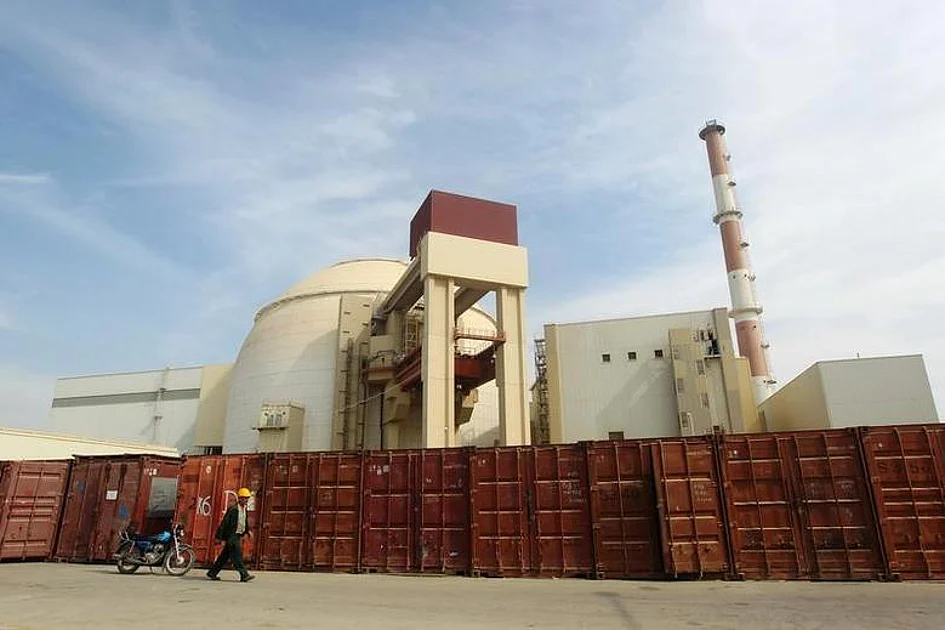
    The United Nations Security Council convened an urgent session on Thursday to address escalating tensions surrounding Iran, revealing a stark geopolitical divide between Western powers and their opponents. The emergency meeting, requested by the United States, became a platform for heated diplomatic exchanges as multiple nations warned against military aggression while others threatened forceful response.

    U.S. Ambassador Mike Waltz set a confrontational tone by declaring that “all options are on the table” regarding potential actions against Iran. This position faced immediate pushback from multiple council members who advocated for de-escalation and peaceful resolution mechanisms.

    Iran’s Deputy Permanent Representative Gholamhossein Darzi delivered a firm response, stating that while his nation seeks neither confrontation nor escalation, it would exercise its right under Article 51 of the UN Charter to respond decisively to any aggression. “Any act of aggression, direct or indirect, will be met with a decisive, proportionate, and lawful response,” Darzi asserted.

    Chinese representative Sun Lei issued a stark warning against military adventurism, cautioning that such actions “would only push the region toward an unpredictable abyss.” He emphasized the need for the United States to abandon its “fixation on the use of force” and adhere to UN Charter principles, while noting that history has repeatedly demonstrated that force and interference generate only further conflict and hatred.

    Russian Ambassador Vassily Nebenzia condemned what he characterized as “extremely dangerous and irresponsible rhetoric” from U.S. leadership, accusing Washington of openly advocating for the overthrow of Iran’s constitutional order. He expressed particular concern about America’s “aggressive course toward the use of military force” and urged “hotheads” in the United States and other nations to “come to their senses.”

    The session revealed broad international consensus against military action, with representatives from Pakistan, Liberia (speaking for African members), and Colombia all warning that threats or use of force would dangerously destabilize an already volatile region and undermine global peace and security.

  • FAST reveals insights into cosmic signals

    FAST reveals insights into cosmic signals

    In a groundbreaking astronomical discovery, China’s Five-hundred-meter Aperture Spherical radio Telescope (FAST) has provided compelling evidence illuminating the origin of mysterious cosmic phenomena known as fast radio bursts. An international research team has determined that at least some of these powerful energy emissions stem from compact binary star systems, resolving a long-standing cosmic enigma that has puzzled astronomers since 2007.

    The research, published in the prestigious journal Science, documents unprecedented observations of repeating fast radio burst FRB 20220529 over a 26-month monitoring period from June 2022 through August 2024. This marks the first time scientists have captured the complete evolutionary process of such a burst, offering critical insights into their generation mechanisms.

    Fast radio bursts represent among the most energetic transient events in the universe—millisecond-duration flashes that release energy equivalent to our sun’s output over an entire week. Despite detecting thousands of these events, astronomers have struggled to pinpoint their precise origins, with theories predominantly suggesting extreme stellar remnants like neutron stars as potential sources.

    Led by astronomers from the Chinese Academy of Science’s Purple Mountain Observatory, the research team utilized FAST’s unparalleled sensitivity to detect clear magnetic environment fluctuations described as ‘surge and recovery’ patterns—a phenomenon never before observed in such detail.

    Duncan Lorimer, the West Virginia University astrophysicist who first discovered fast radio bursts, praised the findings as “an amazing result” that demonstrates “the power of FAST in China to make these monitoring observations.” He emphasized how coupling FAST’s capabilities with survey instruments like the Canadian Hydrogen Intensity Mapping Experiment continues to transform understanding of these cosmic phenomena.

    Since becoming fully operational in 2020, FAST has established itself as a premier facility for pulsar studies, galactic structure mapping, and gravitational wave research. China now plans a significant upgrade to the facility, adding dozens of medium-aperture antennas around the main dish to create the world’s only mixed synthetic aperture array centered on a giant single-dish radio telescope. This enhancement would dramatically improve precision in locating fast radio burst sources.

    Senior engineer Sun Jinghai of the National Astronomical Observatories noted that continued observations may ultimately solve one of astronomy’s most persistent puzzles: what exactly produces these cosmic flashes and why certain variants repeat their brilliant performances across the cosmic stage.

  • Year’s first private rocket mission takes off

    Year’s first private rocket mission takes off

    Beijing-based Galactic Energy has successfully launched the year’s first private space mission, marking a significant milestone for China’s commercial aerospace sector. The company’s Ceres 1 solid-propellant rocket blasted off at 4:10 am Friday from a mobile sea platform in the Yellow Sea near Shandong province, deploying four satellites into low-Earth orbit approximately 850 kilometers above the planet.

    The mission represents the sixth sea-based launch for Galactic Energy’s Ceres 1 model and demonstrates the growing capabilities of China’s private space industry. The deployed satellites, manufactured by Beijing satellite operator Guodian Gaoke, will join the expanding Tianqi network which now comprises 41 satellites providing global coverage for Internet of Things applications.

    According to Galactic Energy, the Tianqi constellation supports critical data collection across multiple sectors including forestry management, agricultural monitoring, tourism services, power generation infrastructure, and environmental protection initiatives. The successful launch continues the remarkable track record of the Ceres 1 rocket, which has now completed 23 flights with 21 successful missions, placing 89 commercial satellites into orbit since its maiden flight in November 2020.

    The Ceres 1 stands approximately 20 meters tall with a diameter of 1.4 meters, boasting a liftoff weight of 33 metric tons. The vehicle can deliver payloads of up to 300 kilograms to sun-synchronous orbits at 500 kilometers altitude or carry 350-kilogram payloads to low-Earth orbits at 200 kilometers.

    Looking ahead, Galactic Energy is preparing for the inaugural flight of its larger Ceres 2 solid-propellant rocket from the Jiuquan Satellite Launch Center. This development occurs alongside other Chinese private aerospace companies advancing their launch capabilities, including Orienspace with its Gravity 2 rocket, Deep Blue Aerospace’s Nebula 1, and Space Pioneer’s TL 3 vehicle.

    In a separate government space achievement, China launched a Long March 2C rocket on Thursday afternoon from Jiuquan, successfully deploying Algeria’s AlSat-3A remote-sensing satellite. Developed by the China Academy of Space Technology, the satellite will provide critical data for land-use planning and disaster management under a bilateral agreement signed in July 2023, marking another milestone in Sino-Algerian space cooperation following the 2017 launch of the Alcomsat-1 communications satellite.

  • S. Korean former leader gets 5-year jail

    S. Korean former leader gets 5-year jail

    In a landmark judicial ruling, former South Korean President Yoon Suk-yeol has been convicted and sentenced to five years imprisonment for his attempted imposition of martial law in late 2024. The Seoul Central District Court delivered the verdict on Friday, marking the first resolution among eight ongoing cases against the former leader.

    Presiding Judge Baek Dae-hyun found Yoon guilty on multiple charges including obstruction of justice, abuse of authority, and document destruction. The court determined that on January 3, 2024, Yoon mobilized presidential security personnel to block arrest attempts by the Corruption Investigation Office for High-ranking Officials. The ruling also convicted him of violating ministers’ constitutional rights regarding martial law deliberation procedures.

    “The nature of these crimes is extremely serious given the circumstances and specific details of the offenses,” stated Judge Baek during the televised proceedings. The judge noted Yoon had demonstrated no remorse for actions that threatened democratic institutions.

    The controversial martial law declaration occurred on December 3, 2024, when Yoon cited protection from “anti-state” forces including opposition lawmakers. The decree collapsed within six hours following a National Assembly revocation vote, ultimately leading to Yoon’s impeachment and removal from office in April 2025.

    While special prosecutors had sought a 10-year sentence last month, Yoon’s legal team immediately announced plans to appeal, claiming the verdict contained “significant legal errors” and exhibited political bias. Meanwhile, ruling Democratic Party leader Jung Chung-rae declared this sentencing merely begins the “eradication of insurrection,” advocating for zero tolerance against rebellion.

    The former president faces additional serious charges including insurrection, with prosecutors recently demanding the death penalty in a separate case scheduled for adjudication on February 19.

  • Kashgar area of Xinjiang Pilot FTZ sees robust growth over past two years

    Kashgar area of Xinjiang Pilot FTZ sees robust growth over past two years

    The Kashgar area within China’s Xinjiang Pilot Free Trade Zone has demonstrated remarkable economic expansion since its establishment in November 2023, establishing itself as a thriving hub for regional commerce and cross-border trade. Over the past two years, this strategic northwestern region has achieved unprecedented growth metrics through comprehensive institutional reforms and business climate optimization.

    Positioned as China’s gateway to Central and Western Asia, the Kashgar FTZ has leveraged its geographical advantages to create a dynamic ecosystem for international trade and investment. The zone’s success stems from pioneering administrative simplifications, streamlined customs procedures, and innovative financial services specifically designed to facilitate cross-border commerce.

    Key performance indicators reveal substantial progress across multiple sectors. Trade volumes have increased exponentially, with particular strength in agricultural exports, textile manufacturing, and renewable energy technologies. The zone has attracted significant foreign direct investment through competitive tax incentives and specialized industrial parks catering to various sectors including logistics, e-commerce, and high-value processing.

    Infrastructure development has kept pace with economic expansion, with enhanced transportation networks connecting Kashgar to major international markets through road, rail, and air corridors. Digital transformation initiatives have implemented smart customs systems and blockchain-based documentation processes, significantly reducing administrative processing times.

    The zone’s unique positioning has enabled it to serve as a critical bridge for China’s Belt and Road Initiative, facilitating economic cooperation with neighboring countries including Pakistan, Afghanistan, and Central Asian republics. Specialized cross-border e-commerce platforms have emerged as particularly successful, handling growing volumes of international transactions.

    Looking forward, Kashgar FTZ authorities plan to expand into new areas including digital trade, green energy partnerships, and specialized financial services. The continued development of this economic zone represents a significant component of China’s broader strategy to stimulate economic development in its western regions while strengthening international trade connections across Eurasia.

  • China curbs high-frequency trading to de-risk markets

    China curbs high-frequency trading to de-risk markets

    China’s financial markets are experiencing significant turbulence as regulatory authorities escalate their campaign against high-frequency trading (HFT) practices. This strategic move represents a fundamental shift in market oversight philosophy, prioritizing stability and retail investor protection over ultra-rapid trading advantages.

    The Shanghai Composite Index witnessed a notable decline of approximately 2.1% from its recent peak, dropping from 4,188 to 4,101 between January 14-16. Similarly, the Shenzhen Component Index decreased by 1.2% to 14,281, while the CSI 500 Index fell 1.5% to 8,232 during the same period.

    Regulatory intervention has taken concrete form through directives requiring brokers to relocate client servers from exchange-operated data centers. This measure effectively eliminates the ultra-low-latency access crucial for HFT strategies. The Shanghai Futures Exchange has implemented staggered deadlines, with high-speed trading clients required to complete server removal by February’s end, while other participants have until April 30.

    Further regulatory measures include preliminary plans to impose additional two-millisecond latency on connections routed through third-party data centers. This deliberate delay compounds the inherent lag from server relocation, substantially diminishing the speed advantages that define high-frequency trading.

    The crackdown impacts both domestic HFT firms and international market makers operating in China. Prominent global entities including Citadel Securities, Jane Street Group, and Jump Trading are among those facing restricted access to exchange-linked servers.

    According to China Securities Regulatory Commission (CSRC) data, HFT accounts declined by approximately 20% in 2024, totaling about 1,600 as of June 30. Chinese exchanges formally classify high-frequency trading as activity involving more than 300 orders or cancellations per second through a single account, or exceeding 20,000 daily order requests.

    Financial expert Lin Yixiang of Tianxiang Investment Advisory criticized the arbitrary nature of this threshold, noting that while human traders might manage three transactions per second, machine-enabled hundreds create fundamentally different market dynamics. He emphasized that frequent order submission and withdrawal can generate artificial volumes and distorted prices, ultimately disrupting market integrity.

    In parallel developments, the CSRC has tightened margin financing requirements, raising the minimum margin for new trades to 100% from the previous 80% effective January 19. This policy reversal marks a return to full coverage requirements last seen in 2015, significantly reducing maximum leverage available to investors.

    Market analysts have characterized these coordinated measures as part of a broader regulatory effort to cool overheated trading conditions and protect retail investors from sophisticated algorithmic strategies that increasingly incorporate artificial intelligence to exploit market sentiment and social media trends.