标签: Asia

亚洲

  • China curbs high-frequency trading to de-risk markets

    China curbs high-frequency trading to de-risk markets

    China’s financial markets are experiencing significant turbulence as regulatory authorities escalate their campaign against high-frequency trading (HFT) practices. This strategic move represents a fundamental shift in market oversight philosophy, prioritizing stability and retail investor protection over ultra-rapid trading advantages.

    The Shanghai Composite Index witnessed a notable decline of approximately 2.1% from its recent peak, dropping from 4,188 to 4,101 between January 14-16. Similarly, the Shenzhen Component Index decreased by 1.2% to 14,281, while the CSI 500 Index fell 1.5% to 8,232 during the same period.

    Regulatory intervention has taken concrete form through directives requiring brokers to relocate client servers from exchange-operated data centers. This measure effectively eliminates the ultra-low-latency access crucial for HFT strategies. The Shanghai Futures Exchange has implemented staggered deadlines, with high-speed trading clients required to complete server removal by February’s end, while other participants have until April 30.

    Further regulatory measures include preliminary plans to impose additional two-millisecond latency on connections routed through third-party data centers. This deliberate delay compounds the inherent lag from server relocation, substantially diminishing the speed advantages that define high-frequency trading.

    The crackdown impacts both domestic HFT firms and international market makers operating in China. Prominent global entities including Citadel Securities, Jane Street Group, and Jump Trading are among those facing restricted access to exchange-linked servers.

    According to China Securities Regulatory Commission (CSRC) data, HFT accounts declined by approximately 20% in 2024, totaling about 1,600 as of June 30. Chinese exchanges formally classify high-frequency trading as activity involving more than 300 orders or cancellations per second through a single account, or exceeding 20,000 daily order requests.

    Financial expert Lin Yixiang of Tianxiang Investment Advisory criticized the arbitrary nature of this threshold, noting that while human traders might manage three transactions per second, machine-enabled hundreds create fundamentally different market dynamics. He emphasized that frequent order submission and withdrawal can generate artificial volumes and distorted prices, ultimately disrupting market integrity.

    In parallel developments, the CSRC has tightened margin financing requirements, raising the minimum margin for new trades to 100% from the previous 80% effective January 19. This policy reversal marks a return to full coverage requirements last seen in 2015, significantly reducing maximum leverage available to investors.

    Market analysts have characterized these coordinated measures as part of a broader regulatory effort to cool overheated trading conditions and protect retail investors from sophisticated algorithmic strategies that increasingly incorporate artificial intelligence to exploit market sentiment and social media trends.

  • Activists launch global campaign for Palestinian prisoners held by Israel

    Activists launch global campaign for Palestinian prisoners held by Israel

    A significant international advocacy movement has been initiated, calling for the immediate liberation of Palestinian detainees incarcerated by Israeli authorities. This mobilization follows recent United Nations criticism of proposed Israeli laws that would permit capital punishment for Palestinian prisoners through hanging.

    The Red Ribbons Campaign, originating in London two months prior, has now evolved into a worldwide endeavor. Activists have strategically placed red ribbons and portraits of imprisoned individuals in prominent public areas to maintain visibility for their cause. The campaign asserts that Israeli detention facilities currently hold approximately 9,000 Palestinians under unlawful circumstances, including more than 400 minors and at least 150 healthcare professionals from Gaza and the West Bank.

    This development occurs alongside growing international concern regarding newly proposed Israeli legislation that would substantially expand prison authorities’ powers. These expanded capabilities would include authorization to prolong detention periods, block the release of prisoners who have completed their sentences, and implement death penalty provisions that would disproportionately affect Palestinian detainees.

    Adnan Hmidan, the campaign’s founder, characterized the imprisoned Palestinians as ‘the real hostages’ in this conflict. He stated, ‘The situation within Israeli prisons has transcended isolated incidents of abuse and evolved into a comprehensive system of humiliation and methodical torture that is now being legalized through explicitly discriminatory laws.’

    Palestinian rights organizations have consistently documented allegations of systematic torture, physical and sexual violence, extended solitary confinement, and deliberate medical negligence within Israeli detention facilities. These reports have intensified since the beginning of Israel’s military operations in Gaza, with particular concerns regarding overcrowding, starvation-level food provisions, and custodial deaths among Gazan detainees.

    The campaign specifically highlighted the case of Dr. Hussam Abu Safiya, a pediatrician apprehended by Israeli forces during a December 2024 raid on Kamal Adwan Hospital. Despite his medical status, Dr. Safiya has been detained without formal charges under suspicion of ‘potential involvement in terrorist activity.’ Legal representatives report he has lost over thirty percent of his body weight while incarcerated at Ofer prison, endured severe beatings, and been systematically denied medical attention.

    Approximately 3,300 Palestinians remain in administrative detention—imprisonment without charge or trial based on undisclosed evidence—as documented by HaMoked, an Israeli human rights organization. This practice has been widely condemned by international human rights groups as an instrument of collective punishment.

    The United Nations Office of the High Commissioner for Human Rights recently urged Israel to abandon its proposed death penalty legislation, noting the ‘unacceptable risk of executing innocent people’ within a system already criticized for its discriminatory treatment of Palestinians. UN Human Rights Chief Volker Türk emphasized that the proposal ‘raises profound human dignity concerns’ and appears ‘exclusively applicable to Palestinians.’

    Hmidan concluded that the campaign aims to ‘shatter international silence, mobilize global public opinion, and pressure relevant institutions’ to address Israel’s detention practices, which he described as continuing despite ‘genocide in Gaza, annexation efforts in the West Bank, and escalating violations across occupied Palestinian territories.’

  • UAE’s energy company weighs investing in Venezuela as Trump scours for partners: Report

    UAE’s energy company weighs investing in Venezuela as Trump scours for partners: Report

    Abu Dhabi National Oil Company (Adnoc), the state-owned energy giant of the United Arab Emirates, is reportedly considering a strategic entry into Venezuela’s natural gas sector. According to a Bloomberg report, preliminary discussions are underway between Adnoc and another international producer regarding potential investments in Venezuelan energy projects.

    This potential move comes at a time when major U.S. energy corporations have expressed significant reservations about investing in Venezuela despite encouragement from the Trump administration. President Donald Trump has publicly advocated for American companies to invest billions in revitalizing Venezuela’s crumbling energy infrastructure. However, industry leaders like Exxon Mobil have demonstrated reluctance, citing concerns about the country’s investment climate.

    The potential Adnoc involvement aligns with Trump’s objectives and could strengthen UAE-U.S. relations. The Trump administration has shown willingness to adjust sanctions policy to stimulate investor interest in Venezuela, with Treasury Secretary Scott Bessent suggesting possible sanctions relief to attract foreign capital.

    Venezuela possesses the world’s largest oil reserves and holds more than two-thirds of South America’s natural gas reserves. However, decades of economic mismanagement, political instability, and comprehensive U.S. sanctions have crippled its energy industry. Production has plummeted from approximately 3 million barrels per day in the late 1990s to around 800,000 barrels currently.

    Adnoc’s international investment branch, XRG, would potentially utilize Abu Dhabi’s oil revenues to finance the substantial infrastructure investments required to capture Venezuela’s largely wasted natural gas resources. Much of Venezuela’s natural gas is currently lost through flaring—the burning of excess gas during oil extraction—a problem that requires costly infrastructure to address.

    This potential investment follows Adnoc’s previous involvement in regional energy discussions, including previously reported talks about developing Gaza’s undeveloped gas fields as part of reconstruction efforts.

    The geopolitical implications are significant, as the Trump administration maintains control over proceeds from Venezuelan oil sales. The Financial Times recently reported that the first batch of Venezuelan crude sold by the U.S. went to a company whose senior oil trader had donated to Trump’s re-election campaign.

  • Why Pakistan’s war with India led to a boom in arms sales and defence ties

    Why Pakistan’s war with India led to a boom in arms sales and defence ties

    Pakistan is strategically leveraging its recent aerial engagements with India and shifting global alliances to transform its defense export profile, positioning the domestically assembled JF-17 Thunder fighter jet as a credible alternative to Western aircraft. This multi-role combat platform, developed jointly with China’s Chengdu Aircraft Corporation, is being marketed aggressively to budget-conscious nations across the Middle East, Africa, and Southeast Asia seeking to avoid political conditions typically attached to Western arms deals.

    The turning point in Pakistan’s marketing campaign came after the February 2025 air confrontation with India, which officials cite as demonstrating the JF-17’s operational capabilities against advanced Western platforms, including India’s French-made Rafale fighters. While the exact combat results remain disputed, the engagement provided Islamabad with valuable combat validation narratives that have resonated with potential buyers.

    Significant progress has been made in several key markets. Azerbaijan has emerged as a flagship customer with a $1.6 billion deal for 40 Block III variants, while Nigeria and Myanmar have already incorporated the aircraft into their air forces. Indonesia’s defense minister recently met with Pakistani officials to discuss potential purchases, and Bangladesh’s political changes have created opportunities for defense realignment.

    Africa represents particularly promising territory, with Sudan negotiating a $1.5 billion defense package including JF-17s, attack aircraft, and drones. Libya potentially represents Pakistan’s largest arms export deal ever—a reported $4 billion agreement with General Khalifa Haftar’s Libyan National Army covering fighters, trainer aircraft, and naval systems.

    The most strategically significant development involves Saudi Arabia, where discussions are underway to convert $2 billion of sovereign loans into a JF-17 order. This potential transaction signals Riyadh’s interest in building strategic hedges beyond traditional Western suppliers, particularly following perceived unreliable American support during previous regional crises.

    Despite Pakistan’s enthusiastic marketing, China remains the dominant partner in the JF-17 program, controlling critical avionics and radar systems and retaining veto power over all export agreements. This arrangement creates a unique dynamic where nations seeking Chinese technology can utilize Pakistan as a diplomatic buffer to avoid direct Western backlash.

    For Pakistan’s struggling economy—currently under its 24th IMF program—defense exports represent a potential source of high-value foreign exchange. However, analysts caution that industrial capacity limitations may challenge Pakistan’s ability to fulfill multiple large orders while maintaining its own air force readiness.

  • House of Representatives approves $3.3bn in military aid to Israel

    House of Representatives approves $3.3bn in military aid to Israel

    In a significant move underscoring continued American support for its Middle Eastern ally, the US House of Representatives has approved a substantial military aid package for Israel. The funding, totaling $3.3 billion in Foreign Military Financing (FMF), was passed on Wednesday as part of the broader National Security, Department of State, and Related Programs Appropriations Act (NSRP) of 2026.

    The legislative approval comes at a time of heightened regional instability, with the Biden administration reportedly considering additional military actions against Iran. This development follows recent hostilities between Israel and Iran, including a 12-day conflict in June that concluded with US airstrikes targeting Tehran’s nuclear infrastructure.

    Unlike traditional arms sales where nations use their own funds to purchase American equipment, the FMF program represents direct taxpayer-funded assistance where the US government procures weapons from defense contractors on behalf of recipient countries. Israel remains the largest beneficiary of this program under a decade-long agreement established in 2018, which is scheduled for renegotiation in 2028.

    The American Israel Public Affairs Committee (AIPAC) enthusiastically endorsed the legislation, stating: “The pro-Israel provisions in this bill further reinforce the bipartisan and ironclad support for the US-Israel partnership in Congress. These resources help ensure that our ally can confront shared strategic threats and that America has a strong and capable ally in the heart of the Middle East.”

    According to research from Brown University, US military support to Israel has dramatically increased following Hamas’s October 2023 attacks and subsequent hostilities in Gaza, with total defense subsidies reaching approximately $34 billion. This figure encompasses both the standing FMF agreement and supplementary assistance provided during recent conflicts.

    The comprehensive NSRP legislation allocates roughly $50 billion for State Department operations, foreign aid, and international security assistance. Notably, the bill also contains provisions prohibiting US funding for several international bodies, including the International Criminal Court, the International Court of Justice, the UN Commission of Inquiry, and completely bans support for the UN agency serving Palestinian refugees.

    This latest appropriation builds upon previous defense authorizations, including the 2026 National Defence Authorisation Act passed in December, which provided additional specialized funding including $500 million for missile defense systems, $80 million for counter-tunneling operations, and $70 million for joint drone threat mitigation initiatives.

  • Syrian president makes Kurdish ‘national language’, declares Nowruz a public holiday

    Syrian president makes Kurdish ‘national language’, declares Nowruz a public holiday

    In a historic move signaling significant cultural and political reform, Syrian President Ahmed Al-Sharaa has enacted a sweeping decree that fundamentally redefines the nation’s linguistic and cultural landscape. The presidential declaration establishes Kurdish as a national language alongside Arabic, marking an unprecedented recognition of Syria’s Kurdish minority.

    The comprehensive legislation affirms that citizens of Kurdish origin constitute an essential and integral component of the Syrian populace, acknowledging their cultural and linguistic identity as a vital element within Syria’s diverse national fabric. The state now formally commits to safeguarding cultural and linguistic diversity while guaranteeing Kurdish citizens the right to preserve their heritage, arts, and native language within national sovereignty parameters.

    Educational systems will undergo substantial transformation, with Kurdish language instruction permitted in both public and private institutions across regions with significant Kurdish populations. The curriculum integration will occur through optional academic programs or cultural educational activities.

    In a profound rectification of historical grievances, the decree nullifies all legislation and exceptional measures stemming from the controversial 1962 census in Al-Hasakah Governorate. This includes granting Syrian nationality to all Kurdish-origin residents previously registered as ‘unrecorded’ (maktoumeen al-qayd), ensuring full equality in rights and responsibilities.

    Furthermore, the ancient Kurdish festival of Nowruz, celebrating the spring equinox on March 21st, receives designation as an official paid public holiday throughout the Syrian Arab Republic. This recognition establishes the festival as a national celebration symbolizing renewal and fraternity among all Syrians.

  • How did Kuwait end up on the US immigrant visa ban?

    How did Kuwait end up on the US immigrant visa ban?

    In a perplexing diplomatic development, the Trump administration’s recent suspension of immigrant visas for nationals from 75 countries has placed Kuwait—a wealthy Gulf nation and major non-NATO US ally—alongside nations deemed to have unacceptable welfare dependency rates. This classification has baffled regional experts given Kuwait’s strategic military importance and longstanding cooperation with American interests.

    Kuwait stands as a definitive outlier on the restricted list. With a per capita GDP approaching $33,000 and one of the world’s strongest currencies, the Kuwaiti Dinar, the nation possesses considerable wealth. Its social welfare system remains so comprehensive that citizens frequently retire comfortably in their late forties.

    The strategic relationship between Washington and Kuwait has deepened significantly since the 1990-1991 Gulf War, when US-led forces liberated the country from Iraqi occupation. Kuwait subsequently served as critical infrastructure for the 2003 invasion of Iraq and became indispensable to counter-IS operations starting in 2014. Currently, approximately 13,500 US troops remain stationed at multiple American-run bases within Kuwait’s borders—making it the fourth-largest host of US forces globally, trailing only Germany, Japan, and South Korea.

    On the very day the visa restrictions were announced, the Pentagon notified Congress of an $800 million weapons sale to Kuwait, including Patriot missile system upgrades, spare parts, and training programs. This transaction further underscores the ongoing defense cooperation between the nations.

    Regional specialists have proposed multiple theories behind Kuwait’s inclusion. Some suggest it may represent a tactical pressure strategy to extract concessions on issues of regional importance to the United States. Kuwait maintains notably independent foreign policies, including refusal to normalize relations with Israel and maintaining friendly ties with Iran—positions that distinguish it from neighboring Gulf states.

    Additional considerations involve Kuwait’s relationship with the Muslim Brotherhood, which the Trump administration designated as a terrorist organization in several countries last year. While Kuwait hasn’t aggressively prosecuted the organization, regional powers like the UAE and Saudi Arabia have intensely lobbied for its suppression.

    Human rights concerns may also factor into the equation. Since September 2024, Kuwait has revoked citizenship from at least 50,000 people—a figure some activists believe could reach 200,000. These revocations, which the government ceased regularly reporting in September 2025, potentially represent significant human rights violations that past administrations might have addressed more forcefully.

    Experts note that unlike Saudi Arabia and Qatar, which have made lavish financial commitments to the Trump administration, Kuwait maintains a quieter relationship with Washington. This diplomatic approach may have left it more vulnerable to such policy decisions despite its strategic importance.

  • Outrage after US diplomat Sarab B Rogers equates refugees with ‘barbarian racist hordes’

    Outrage after US diplomat Sarab B Rogers equates refugees with ‘barbarian racist hordes’

    A senior U.S. diplomat has ignited a firestorm of international criticism following inflammatory social media remarks that critics condemn as overtly racist and Islamophobic. Sarah B Rogers, the Under Secretary of State for Public Diplomacy, faces mounting backlash for comments posted on X (formerly Twitter) that employ dehumanizing language about refugees and invoke antisemitic tropes.

    The controversy erupted when Rogers engaged with an unverified screenshot referencing Germany’s migration policies, responding to another user’s provocative comment with her own statement: “Germany infamously retains very few Jews, yet imported barbarian rapist hordes…” This language, directly echoing extremist rhetoric about refugees from predominantly Muslim countries, has drawn condemnation from human rights organizations, political figures, and diplomatic observers worldwide.

    The timing and context of the remarks reference the 2015-2016 Cologne New Year’s Eve incidents, where hundreds of women reported assaults by groups of men described as being from North Africa and the Middle East. However, critics emphasize that Rogers’ blanket characterization of refugee populations as “barbarian rapist hordes” represents a dangerous escalation in official discourse.

    What makes this incident particularly alarming, according to diplomatic analysts, is Rogers’ specific portfolio as America’s top public diplomacy official. Her position mandates promoting pluralism, countering disinformation, and advancing human rights values globally. Instead, her language mirrors the very extremist narratives U.S. diplomats traditionally oppose.

    The episode has triggered broader concerns about the normalization of divisive rhetoric within official U.S. government communications. Observers note an increasing trend of culture-war messaging from official accounts that aligns with domestic political talking points rather than diplomatic language. This shift, experts warn, undermines America’s credibility on human rights issues and emboldens extremist voices worldwide.

    Historical parallels have emerged, with some commentators comparing Rogers’ rhetoric to that of Breckinridge Long, the State Department official who blocked Jewish refugees during the Holocaust. This comparison underscores the profound implications when senior officials responsible for refugee and migration policies employ dehumanizing language.

    As the international community processes this diplomatic misstep, larger questions emerge about the erosion of diplomatic norms and the weaponization of official communication channels. The incident demonstrates how social media engagement by high-ranking officials can instantly amplify harmful stereotypes and damage years of careful diplomatic work.

  • India’s Washington Sundar ruled out of New Zealand T20 series

    India’s Washington Sundar ruled out of New Zealand T20 series

    In a significant blow to India’s cricket preparations, all-rounder Washington Sundar has been officially withdrawn from the upcoming T20 series against New Zealand due to a side strain injury. The Board of Control for Cricket in India (BCCI) confirmed the development late Friday through an official press release, announcing leg-spinner Ravi Bishnoi as his replacement for the five-match contest.

    The injury occurred during the first ODI against New Zealand when Sundar reported acute discomfort in his lower rib area while bowling. Subsequent medical scans revealed the side strain, prompting team physicians to prescribe immediate rest. Following initial recovery, Sundar will report to the BCCI Centre of Excellence for specialized injury management.

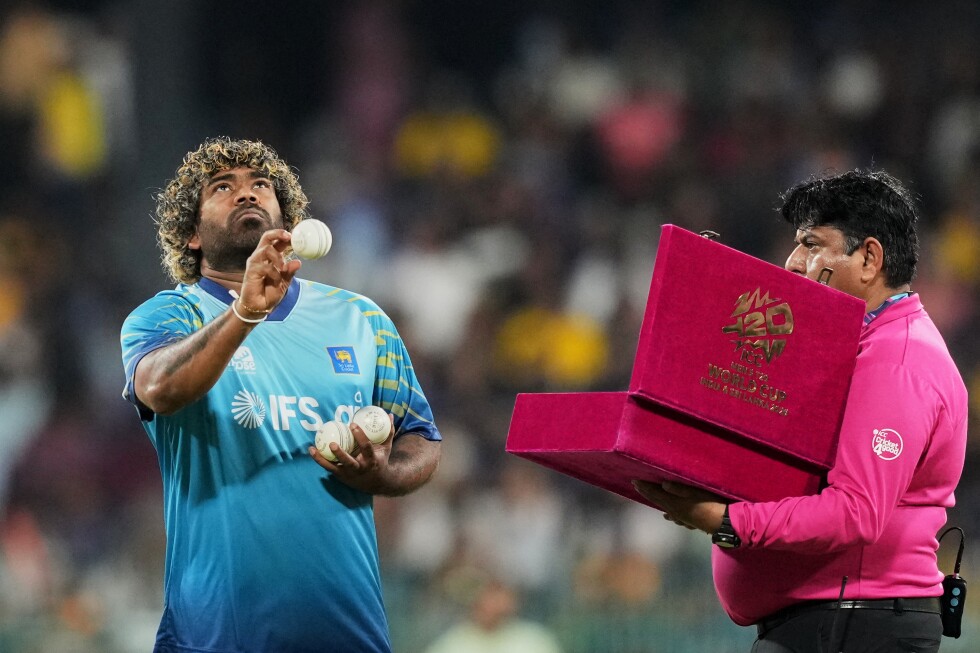
    This development casts uncertainty over Sundar’s participation in next month’s T20 World Cup, scheduled to be hosted across India and Sri Lanka from February 7 to March 8. The New Zealand series served as a crucial preparation platform for the global tournament, making Sundar’s absence particularly impactful for team strategy.

    In additional roster changes, the national selection committee has included batsman Shreyas Iyer for the first three T20 matches, replacing the injured Tilak Varma. The ongoing New Zealand tour comprises three ODIs and five T20Is, representing the final competitive fixtures before both teams embark on their World Cup campaigns.

  • Earning Dh15,000 salary? Dubai bank launches first digital home loan pre-approval

    Earning Dh15,000 salary? Dubai bank launches first digital home loan pre-approval

    In a groundbreaking move for the UAE’s real estate finance sector, Mashreq Bank has unveiled the nation’s first fully digital mortgage pre-approval system. This innovative platform enables expatriate residents earning a minimum monthly salary of Dh15,000 to instantly determine their home loan eligibility through an entirely online process.

    The browser-based service generates verified pre-approval letters on the same day of application, revolutionizing what was traditionally a document-intensive procedure. According to Srinivasan Padmanabhan, Head of Mortgages at Mashreq, this digital advancement provides customers with ‘approval in principle’ based on comprehensive financial assessment before they commit to property purchases in Dubai or Abu Dhabi.

    Critical to the approval process is the Central Bank’s regulatory framework, which mandates that a borrower’s total debt burden—including the proposed home loan installment—must not exceed 50% of their monthly income. The system evaluates all financial obligations reflected in credit bureau reports, including auto loans and credit card debts, to determine sustainable repayment capacity.

    While salaried expatriates purchasing their first UAE property can typically finance up to 80% of the property value, the pre-approval mechanism is designed to prevent financial overextension and promote long-term fiscal health. Applicants need only provide their Emirates ID, passport, and IBAN to receive a binding pre-approval commitment rather than merely indicative calculations.

    This digital transformation represents a significant leap forward in mortgage accessibility, offering prospective homeowners clarity on realistic budget parameters before they begin property hunting. The system maintains rigorous standards while streamlining the path to homeownership through technological innovation in the UAE’s dynamic real estate market.