标签: Asia

亚洲

  • Why investors are backing Karma Developers’ sustainable, future-ready growth model

    Why investors are backing Karma Developers’ sustainable, future-ready growth model

    Karma Developers, a design-focused real estate enterprise with over a decade of industry presence, is gaining significant investor traction through its sustainable, future-ready development approach. The company has successfully delivered more than 2,000 residential units while expanding its footprint beyond Dubai to Cyprus, the UK, Romania, and Australia.

    Under the leadership of founders Capt. Pradeep Singh, Navneet Mandhani, and architect S.N. Saxena—whose combined expertise spans 75 years—the company integrates sustainability as a core principle rather than an afterthought. All projects adhere to LEED-aligned planning standards and incorporate smart-living technologies designed to minimize long-term environmental impact.

    Karma’s Dubai portfolio includes notable developments such as Olivia in Dubai Investment Park, Milos in Dubailand, Trinity in Arjan, and Antalya in Dubai Sports City. The company has also established presence in master communities including Falconcity and Dubai Silicon Oasis through strategic partnerships. Their upcoming pipeline features a green-themed gated community in DIP and commercial development in Liwan, aligning with Dubai’s 2040 urban master plan.

    Captain Singh’s unique multidisciplinary background in maritime sustainability, technology, and real estate has shaped the company’s systematic approach to community development. “Sustainability is embedded from the planning stage,” Singh explains. “We build adaptive communities designed to evolve economically, socially, and environmentally over the long term.”

    The company’s leadership philosophy emphasizes the balance between moral responsibility and economic realism. Singh’s international recognitions, including two Knighthoods and advanced academic training from Harvard and UK institutions, have reinforced the importance of disciplined governance and long-term value creation.

    CEO Navneet Mandhani brings a technology-driven perspective from his previous startup experience, including YourKeys which was acquired by Zoopla. This background informs Karma’s data-informed approach to market selection and product development. “We follow infrastructure, not speculation,” Mandhani states, highlighting their strategy of identifying emerging micro-markets based on connectivity, employment hubs, and master planning fundamentals.

    The company’s conservative financial strategy, characterized by low leverage and disciplined underwriting, has proven resilient through market cycles. This approach has strengthened investor confidence by prioritizing certainty and governance alongside returns, positioning Karma as a trusted partner in sustainable real estate development.

  • China’s job market stable in 2025 with 5.2% surveyed urban unemployment rate

    China’s job market stable in 2025 with 5.2% surveyed urban unemployment rate

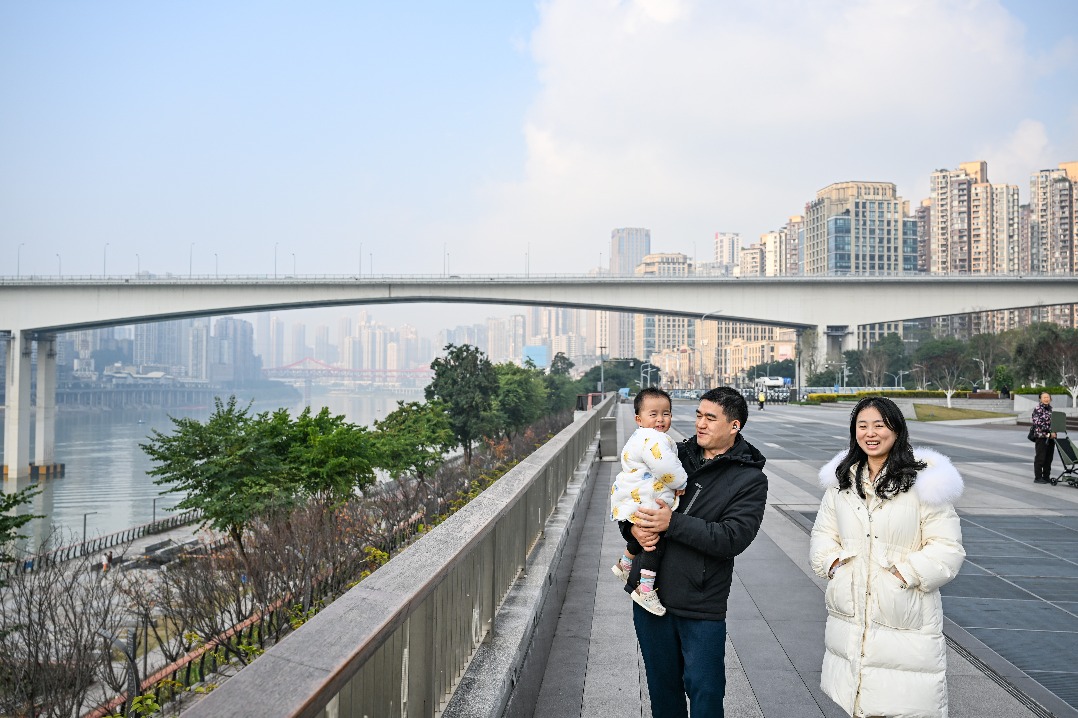
    China’s labor market demonstrated remarkable stability throughout 2025, achieving an annual average urban unemployment rate of 5.2% according to official data released by the National Bureau of Statistics (NBS) on January 19, 2026. The December figures showed further improvement at 5.1%, maintaining consistency across 31 major metropolitan centers including Beijing and Shanghai.

    The migrant workforce, a critical component of China’s economic engine, expanded to approximately 301.15 million workers—marking a modest increase of 1.42 million (0.5%) from 2024 levels. This growth occurred despite global economic headwinds and domestic demographic challenges.

    Labor market analysts attribute this stability to comprehensive government policies targeting employment security, particularly through support for small and medium enterprises and vocational training initiatives. The consistent performance across major urban centers suggests balanced regional development in employment opportunities.

    The NBS report indicates successful navigation of economic transitions while maintaining social stability through employment preservation. The data reflects China’s strategic focus on job creation as a cornerstone of its economic planning, with particular attention to urban employment metrics as key indicators of social and economic health.

  • Internet down again in Iran after brief restoration, says monitor

    Internet down again in Iran after brief restoration, says monitor

    Iran has plunged back into digital darkness after experiencing a brief and heavily restricted restoration of internet services, according to monitoring organization Netblocks. The temporary connectivity window—which lasted approximately two hours—allowed limited access to select Google services and messaging platforms before authorities reinstated the comprehensive shutdown.

    The restoration occurred around the 238th hour of the nationwide blackout initially imposed on January 8th amid escalating anti-government demonstrations. During this narrow window, some citizens managed to transmit crucial updates about the severity of the ongoing crisis before communications were severed again.

    Netblocks, an internet monitoring group, reported via social media platform X that traffic levels had dramatically fallen by the 240th hour of the shutdown, indicating the restoration had been terminated. The organization had previously confirmed that data patterns showed a significant return to certain online services, corroborating user reports of partially restored access.

    The initial restoration provided heavily filtered internet access, suggesting authorities implemented sophisticated censorship mechanisms rather than a complete reopening of digital communications. This pattern indicates a strategic approach to information control rather than a technical failure.

    The ongoing internet blackout represents one of the most extensive digital shutdowns in Iran’s history, entering its tenth day as authorities continue to suppress information flow amid widespread civil unrest. The repeated disruption and restoration patterns demonstrate the government’s attempt to balance internal security concerns with economic necessities that require internet connectivity.

  • Kyz Kuu (Kazakh equestrian)

    Kyz Kuu (Kazakh equestrian)

    The ancient Kazakh equestrian tradition of Kyz Kuu, meaning ‘Girl Chasing,’ continues to thrive as a celebrated cultural practice in China’s Xinjiang region. This dynamic horseback game, recognized by UNESCO as an Intangible Cultural Heritage in 2009, represents far more than mere entertainment—it embodies centuries of nomadic tradition and cultural identity.

    Typically performed during wedding ceremonies and festive gatherings, Kyz Kuu showcases exceptional horsemanship skills through a playful yet symbolic pursuit. The game begins with a female rider galloping ahead while a male rider follows attempting to catch her. Upon success, their roles reverse as the woman chases the man back to the starting point, often playfully whipping him if she catches up.

    This tradition transcends mere sport, serving as a metaphor for courage, freedom, and the pursuit of one’s passions. The UNESCO designation has provided international recognition that helps preserve this important aspect of Kazakh culture against modernization pressures. The practice demonstrates how traditional games can maintain cultural continuity while adapting to contemporary contexts.

    The preservation of Kyz Kuu represents China’s broader efforts to protect ethnic minority traditions, particularly in culturally diverse regions like Xinjiang. As both a performance art and living tradition, it continues to inspire new generations to embrace their heritage while finding personal meaning in its symbolic representation of pursuit and passion.

  • The YOUAE Mortgages Story: Empowering homeownership, enabling investment

    The YOUAE Mortgages Story: Empowering homeownership, enabling investment

    In the dynamic landscape of UAE real estate, YOUAE Mortgages has emerged as a transformative force in mortgage advisory services, reshaping how residents and investors approach property financing. Founded by banking veteran Yash Trivedi, who brings over 15 years of wealth management expertise, the Dubai-based firm has established itself as a pillar of trust in one of the region’s most complex financial sectors.

    The company’s distinctive approach centers on empowering clients through comprehensive education and transparent consultation. Unlike traditional mortgage providers, YOUAE operates as an impartial intermediary, maintaining partnerships with all major UAE banking institutions while offering genuinely objective guidance. This unique positioning allows the firm to deliver tailored solutions that align precisely with individual financial circumstances and long-term objectives.

    At the core of YOUAE’s methodology is a hybrid advisory model that combines data-driven analysis with personalized human interaction. The firm conducts client workshops, develops digital tools, and provides customized consultations that demystify the complete financial picture of property ownership. Clients gain crucial insights into total ownership costs, long-term affordability calculations, and the subtle complexities of the UAE’s rapidly evolving real estate market.

    Operating within a market characterized by fluctuating interest rates and golden visa investment opportunities, YOUAE distinguishes itself through adaptive, forward-thinking services. The company’s comprehensive suite includes complete end-to-end mortgage processing, strategic refinancing options, and sophisticated portfolio optimization for investment clients. This holistic approach has positioned YOUAE Mortgages as an essential partner for both first-time homebuyers and experienced property investors navigating the Emirates’ competitive real estate environment.

  • Man and boy critical after 3 shark attacks off Sydney in just over 24 hours

    Man and boy critical after 3 shark attacks off Sydney in just over 24 hours

    SYDNEY, Australia – A series of three shark attacks within 24 hours has left multiple victims critically injured and prompted the immediate closure of Sydney’s northern beaches. The unprecedented cluster of incidents has raised serious concerns about marine safety along Australia’s Pacific coastline.

    The most recent attack occurred Monday evening at North Steyne Beach in Manly, where a surfer in his 20s sustained severe leg injuries after being bitten by a shark. Bystanders heroically pulled the victim from the water before emergency services transported him to a hospital in critical condition.

    Earlier on Sunday, a 12-year-old boy suffered catastrophic injuries to both legs after jumping from a 6-meter high ledge known as Jump Rock near Shark Beach in Vaucluse. Police officials have credited the victim’s three friends with saving his life by courageously jumping into the water during the attack and dragging him to safety. News reports indicate the boy may have lost both legs in the horrific encounter.

    Superintendent Joseph McNulty praised the teenagers’ bravery, stating: ‘The actions of his mates who have gone into the water to pull him out have been nothing but brave. These young men demonstrated extraordinary courage under circumstances involving confronting injuries.’

    A third incident occurred Monday noon when an 11-year-old boy narrowly escaped injury after a shark bit a chunk from his surfboard at Dee Why Beach, north of Manly. The boy emerged physically unharmed from the encounter.

    Authorities have implemented immediate safety measures, closing all northern beaches including North Steyne and Dee Why until further notice. While all three beaches feature some form of shark protection netting, the exact locations of the attacks in relation to these barriers remain unclear.

    Marine experts suspect bull sharks are responsible for at least the first two attacks. Police had previously warned that recent heavy rainfall over Sydney has increased fresh and murky water in the harbor, creating ideal conditions for bull shark activity. The area has experienced previous shark-related tragedies, including the death of a 57-year-old surfer at nearby Ocean Reef Beach last September and a fatal attack on a Swiss tourist in November.

  • The Park Dubai: A new chapter for Dubai

    The Park Dubai: A new chapter for Dubai

    Dubai is poised to enter a new era of urban development with the groundbreaking announcement of ‘The Park Dubai,’ an ambitious five-square-kilometer masterplan set to transform the historic Jebel Ali Racecourse into a model of sustainable urban living. Developed by A.R.M. Holding in collaboration with renowned architecture firm Bjarke Ingels Group (BIG), this revolutionary project represents a paradigm shift in urban design for the Gulf region.

    The development, scheduled to break ground in 2026, reimagines urban spaces as interconnected, walkable communities rather than traditional gated compounds. The design philosophy centers on creating a ‘five-to-ten-minute city’ where residents can access green spaces within five minutes and essential services within ten minutes on foot or bicycle. This human-centric approach aligns perfectly with Dubai’s 2040 Urban Master Plan, emphasizing greener, more inclusive urban environments.

    A.R.M. Holding has established fifteen measurable Key Performance Indicators across four core pillars: Sustainability, Vibrancy, Community, and Wellbeing. These ambitious targets include achieving 100% accessibility for people of determination, reducing temperatures in walkable areas by 5°C through innovative microclimates, and creating environments that support the highest life expectancy in the GCC through a ‘city-as-gym’ philosophy.

    The architectural vision, described by Bjarke Ingels as ‘an archipelago of urban islands in a sea of green,’ thoughtfully integrates Emirati heritage with contemporary design. The original racetrack will be preserved as both cultural spine and symbolic centerpiece, surrounded by a 1.5-square-kilometer park comparable in scale to London’s Hyde Park. Traditional architectural elements—courtyards, shaded colonnades, and mashrabiyya screens—will be reinterpreted through modern design principles.

    Environmental sustainability forms the project’s foundation, with passive cooling systems, native landscaping, and local materials reducing both emissions and water consumption. The development prioritizes biodiversity, energy efficiency, and air quality as fundamental design drivers rather than secondary considerations.

    Beyond its architectural and environmental innovations, The Park Dubai serves as an economic catalyst designed to foster SME growth and attract global talent. Commercial areas, co-working hubs, and hospitality offerings will be seamlessly integrated within walkable districts, supporting a diversified local economy aligned with the UAE’s long-term development agenda.

    Mohammad Saeed Al Shehhi, CEO of A.R.M. Holding, emphasizes that the project represents more than real estate development: ‘We’re building not only a destination but a legacy that embodies connection, vitality, and belonging. Our goal isn’t only sustainability in structure—it’s vitality in spirit.’

    The project exemplifies A.R.M. Holding’s broader commitment to strategic investments across multiple sectors, including banking, telecommunications, FMCG, real estate, and sustainability innovation. This development marks a significant milestone in redefining urban prosperity for future generations, transforming expansion into enrichment and growth into grace.

  • Train tickets for 2026 chunyun go on sale, with 539m trips expected

    Train tickets for 2026 chunyun go on sale, with 539m trips expected

    China’s monumental Spring Festival travel period commenced on Monday with the launch of ticket sales for the 2026 chunyun season, setting the stage for what officials project to be 539 million passenger journeys across the nation’s railway network. The annual migration, recognized as the world’s largest periodic movement of people, will officially span from February 2 to March 13, 2026, according to China State Railway Group Co., Ltd.

    The anticipated volume represents a significant 5% increase compared to the 2025 travel rush, reflecting growing mobility as millions of Chinese citizens working or studying away from their hometowns prepare to reunite with families for the Lunar New Year celebrations. This year’s Spring Festival falls on February 17, creating a concentrated travel window that traditionally tests China’s transportation infrastructure.

    In response to the massive demand, railway authorities have implemented several service enhancements designed to improve the passenger experience. Notable improvements include a limited-time free refund policy for mistakenly purchased tickets, expanded availability of ‘quiet carriage’ options for travelers seeking reduced noise environments, and continued discounted fare programs for student travelers.

    The chunyun phenomenon encapsulates both the cultural significance of family reunion in Chinese tradition and the practical challenges of managing unprecedented passenger volumes. Railway operators have developed sophisticated forecasting models and operational plans to accommodate the surge while maintaining safety and service standards across the world’s most extensively used rail network.

  • Bridging East and West for a cure

    Bridging East and West for a cure

    Hong Kong is strategically advancing its role as an international nexus for the modernization and global integration of Traditional Chinese Medicine (TCM), leveraging its unique position as a bridge between Eastern medical traditions and Western healthcare standards. The movement gains momentum as patients worldwide increasingly seek integrative approaches to healthcare, particularly following the COVID-19 pandemic.

    Case studies demonstrate TCM’s practical benefits: individuals like Chris Li, who experienced persistent long COVID symptoms despite negative test results, found significant relief through TCM treatments tailored to specific symptom patterns. Such successes illustrate the growing recognition of TCM’s complementary advantages alongside Western medical approaches.

    The Hong Kong Special Administrative Region government has implemented substantial policy measures to support this development. Chief Executive John Lee Ka-chiu’s 2025 Policy Address introduced the Chinese Medicine Hospital of Hong Kong and the permanent Government Chinese Medicines Testing Institute facility, representing over 60,000 square meters of dedicated infrastructure that commenced initial operations last month.

    Concurrently, the government launched the Chinese Medicine Development Blueprint, outlining comprehensive short, medium, and long-term strategies for industry advancement. This document represents Hong Kong’s first dedicated policy framework for TCM development, emphasizing enhanced regulatory standards and global healthcare integration.

    Modernization efforts focus on technological innovation, including AI-driven data analysis for treatment optimization, advanced extraction methods for rare medicinal materials, and digital transformation of traditional practices into evidence-based frameworks. Experts like Shen Qianyi note that modernization encompasses not only technological advancements but also evolving public perception and growing cultural confidence in TCM’s relevance.

    The Greater Bay Area collaboration emerges as a critical catalyst, with streamlined registration processes for Hong Kong and Macao medicines on the mainland and policies encouraging cross-border practice by TCM professionals. Market data reveals the mainland accounts for over 70% of Hong Kong’s proprietary Chinese medicine exports, representing a market exceeding 450 billion yuan ($64.49 billion).

    Despite these advancements, challenges remain in achieving global recognition, particularly regarding differences between TCM’s theoretical frameworks and Western evidence-based medicine standards. Hong Kong’s internationally recognized healthcare standards and new specialized facilities position the city to address these challenges while facilitating TCM’s global dissemination.

  • Two dead, 84 injured, eight missing after blast at steel factory in Inner Mongolia

    Two dead, 84 injured, eight missing after blast at steel factory in Inner Mongolia

    A catastrophic explosion has rocked a major industrial facility in northern China, resulting in multiple casualties and triggering a massive emergency response. The blast occurred at approximately 3:03 pm local time on Sunday, January 18, 2026, within the steel-making division of Baogang United Steel’s rare earth steel plate factory in Baotou, Inner Mongolia Autonomous Region.

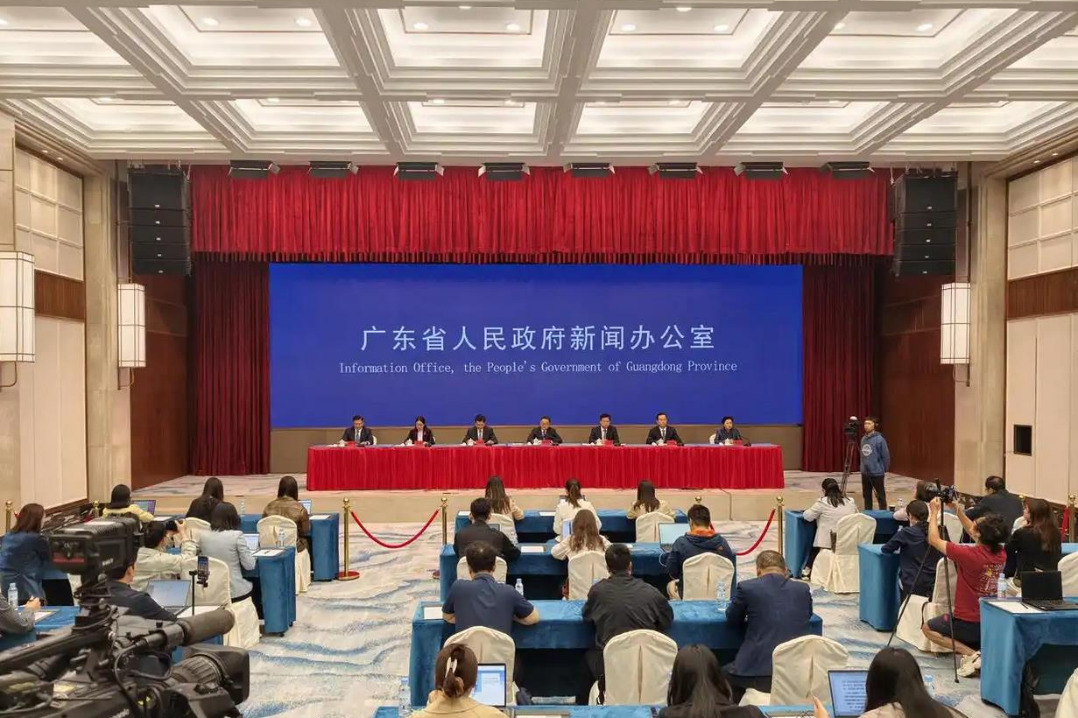
    Local authorities confirmed the grim statistics during a press briefing on Monday morning: two fatalities, 84 individuals sustaining injuries, and eight personnel reported missing following the industrial accident. The incident has mobilized an extensive multi-agency response involving fire and rescue services, emergency management, law enforcement, medical professionals, and market regulation officials.

    Medical authorities report that among the 84 hospitalized victims, five remain in critical condition while the other 79 suffered minor injuries. A specialized medical team from the regional health commission is overseeing treatment protocols, with all patients currently reported as stable.

    In response to the tragedy, investigation teams have been immediately constituted to determine the precise cause of the explosion and establish accountability. Government representatives have unequivocally stated that negligent parties will face strict legal consequences, with preliminary legal actions already initiated against relevant company personnel.

    Search and rescue operations continue unabated as emergency teams work to locate the eight missing individuals while providing ongoing medical care to the injured. The explosion at this strategically significant rare earth steel production facility has raised serious concerns about industrial safety protocols in China’s critical manufacturing sector.