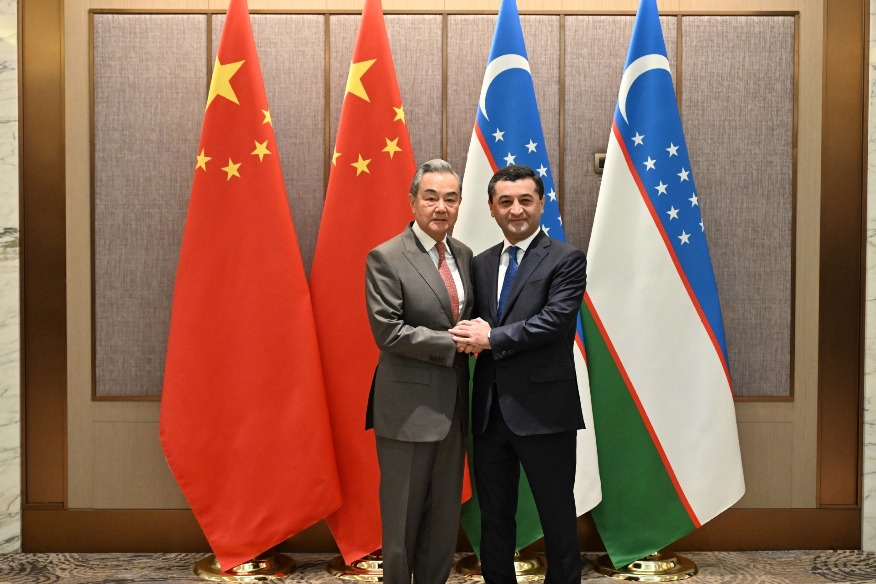
In a significant diplomatic engagement, Chinese Foreign Minister Wang Yi and his Uzbek counterpart Bakhtiyor Saidov convened the second strategic dialogue in Tashkent on Friday. Wang emphasized the importance of steering bilateral relations towards a new benchmark of good neighborliness, solidarity, and mutual trust. He highlighted the need to leverage the strategic dialogue platform to implement key agreements reached by the two heads of state. Wang reiterated China’s commitment to viewing Uzbekistan as a priority in its neighborhood diplomacy and a crucial partner in its global diplomatic strategy. He expressed China’s support for Uzbekistan’s development path tailored to its national conditions and its aspirations for a new Uzbekistan. Wang also noted that China has emerged as Uzbekistan’s largest trading partner and a major source of investment. The two nations are set to collaborate on the landmark China-Kyrgyzstan-Uzbekistan railway project, diversify connectivity networks, and enhance cooperation in green minerals, new energy, and high technology. Additionally, Wang called for strengthened exchanges in education, culture, and tourism. He commended Uzbekistan’s achievements in poverty reduction and offered to share China’s experience in poverty alleviation and rural revitalization. Saidov expressed gratitude for China’s support in improving livelihoods and reducing poverty in Uzbekistan. He expressed Uzbekistan’s desire to learn from China’s governance experience, strengthen high-level exchanges, expand bilateral trade, deepen Belt and Road cooperation, and jointly combat terrorism, separatism, and extremism. The meeting concluded with Uzbek President Shavkat Mirziyoyev also meeting with Wang, further solidifying the strategic partnership between the two nations.
标签: Asia
亚洲
-
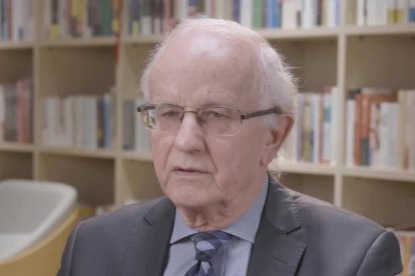
Former Polish deputy PM praises China’s economic rise, growing influence
In a recent exclusive interview with China Daily, Grzegorz W. Kolodko, former Deputy Prime Minister and Finance Minister of Poland, commended China’s remarkable economic progress over the past three to four decades. Kolodko highlighted that China’s burgeoning economic power is significantly enhancing its political influence on the global stage. He also noted a steady increase in international goodwill towards China, coupled with a favorable shift in the geopolitical landscape. Kolodko’s insights underscore the transformative impact of China’s economic strategies and their ripple effects on international relations and global power dynamics.
-
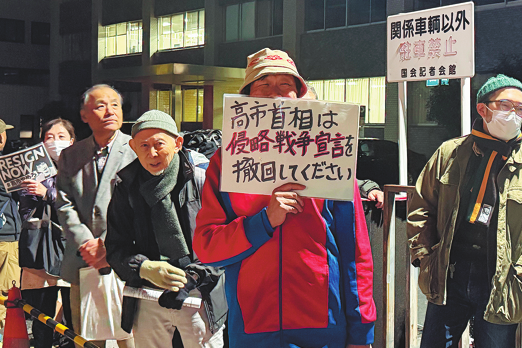
Japan urged to take practical steps to honor its commitments to China
China has urged Japan to take concrete actions to uphold its commitments to bilateral relations, emphasizing the importance of mutual trust and strategic cooperation. The call came after Japanese Prime Minister Sanae Takaichi reaffirmed her commitment to advancing China-Japan relations in a recent interview. However, her earlier remarks on Taiwan, which suggested potential intervention in the Taiwan Strait, sparked widespread condemnation in China. Foreign Ministry spokeswoman Mao Ning stressed that Japan must retract these erroneous statements and adhere to the spirit of the four political documents between the two nations to foster a stable and constructive relationship. Mao also criticized Japan’s recent moves to abandon its defense-oriented principles and accelerate rearmament, warning that a return to militarism would lead to failure. Reports indicate that Japan has eased restrictions on arms exports, including the first-ever export of domestically produced Patriot missile interceptors to the United States. Additionally, discussions within Japan’s Liberal Democratic Party about revising the country’s three non-nuclear principles and increasing defense spending have raised concerns. Mao questioned Japan’s intentions, particularly its contradictory stance on nuclear disarmament while pursuing extended deterrence and nuclear-sharing arrangements. She reiterated that any deviation from peaceful development and the postwar international order would be unacceptable to both the Chinese people and the global community.
-
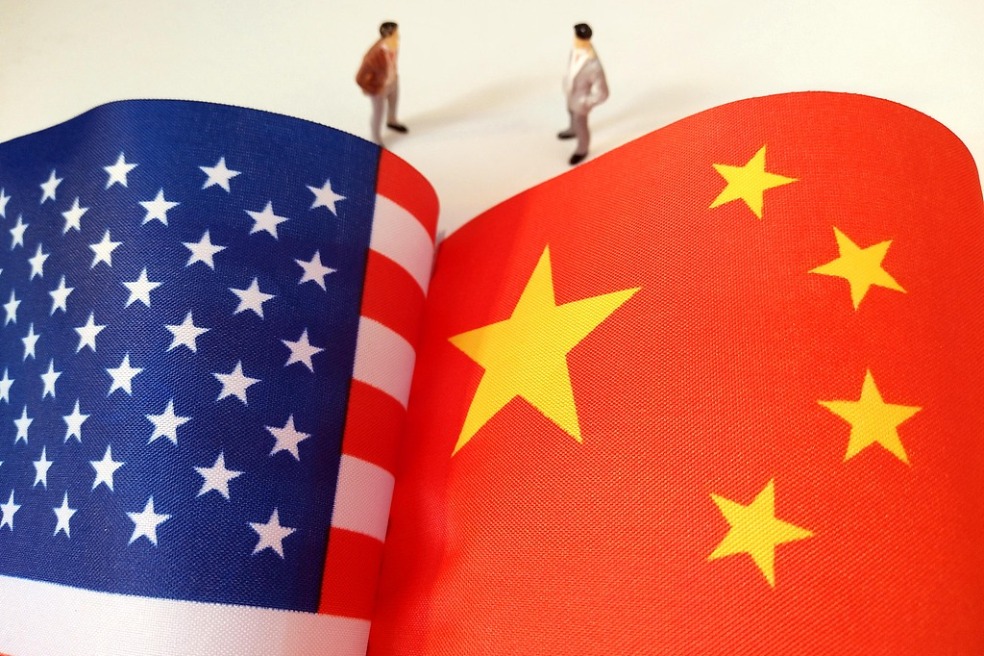
Direct dialogue on climate change stressed
Former US climate envoy John Kerry has emphasized the critical need for direct dialogue between the United States and China to address global climate change. Speaking at a Council on Foreign Relations event in New York City, Kerry highlighted the indispensable role China plays in achieving global climate goals. ‘You can’t really make anything happen if China isn’t on board,’ he stated. The discussion took place during the United Nations climate change conference in Belem, Brazil, where nearly 200 countries are working to enhance multilateral climate action, despite the US’s absence. Kerry pointed to past successes, such as the US-China joint announcement that led to the Paris Agreement in 2015, as evidence of the power of bilateral cooperation. He also noted that China’s emissions could decline sooner than expected, despite maintaining its 2030 carbon peak and 2060 carbon neutrality targets. Kerry acknowledged China’s recent coal construction but explained it as a safeguard against potential electricity shortages. Vijay Vaitheeswaran of The Economist praised China’s clean-energy expansion, calling it ‘a gift to the planet’ and highlighting the global impact of inexpensive Chinese solar, wind, and battery technologies.
-
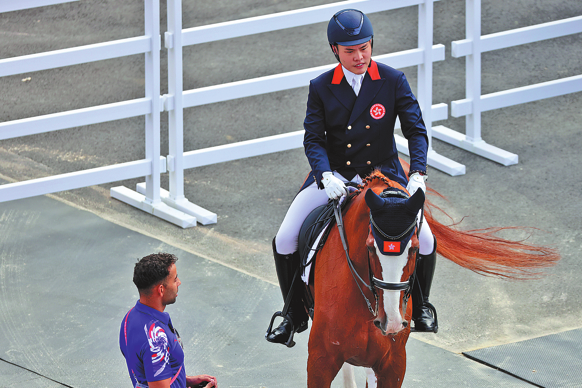
HK powers the nation’s equestrian development
Hong Kong has emerged as a pivotal force in advancing China’s equestrian sector, showcasing its expertise and innovative contributions during the 15th National Games held in Shenzhen, Guangdong province. The Hong Kong Jockey Club (HKJC) played a central role, establishing the event’s first on-site equine hospital, equipped with state-of-the-art facilities including an operating theater and blood testing laboratory. This groundbreaking initiative, a collaboration between the HKJC and the games’ organizing committee, ensured top-tier veterinary care for horses and riders competing from November 10 to 19.
The HKJC’s involvement extended beyond medical support. The club provided over HK$500 million in funding and dispatched its largest-ever squad of 11 horse-and-rider pairs across all categories. Leveraging its extensive experience in equestrian sports, the HKJC also offered comprehensive support in areas such as horse welfare, venue design, anti-doping protocols, and stable management. This marked Hong Kong’s debut as a co-host of the National Games, alongside Guangdong and Macao, highlighting the city’s commitment to the event’s success.
Cross-border collaboration posed unique challenges, particularly in enabling Hong Kong veterinarians to work on the mainland. An innovative ad hoc mechanism was introduced, allowing vets to practice and prescribe medications at the equestrian center with special approvals. These efforts underscore Hong Kong’s role as a bridge between international best practices and mainland resources.
The HKJC’s contributions to equestrian development are not limited to the National Games. The club has been instrumental in major events such as the 2008 Beijing Olympics and the 2010 Guangzhou Asian Games, where it helped establish the mainland’s first internationally recognized equine disease-free zone. Looking ahead, the HKJC announced plans to host the inaugural regular race meeting at the Conghua Racecourse in 2026, aligning with China’s national equine industry plan. This milestone is expected to elevate the Greater Bay Area as a hub for world-class sporting events and further integrate Hong Kong’s international expertise with mainland resources.
Ronald Chan Ngok-pang, head of the HKJC’s mainland affairs, emphasized the club’s unique strengths in fostering national equestrian development. ‘Marrying Hong Kong’s international connectivity with the mainland’s resources and experience, we are opening doors to boundless opportunities,’ he said. With its unwavering commitment and pioneering initiatives, Hong Kong continues to power China’s equestrian ambitions on the global stage.
-
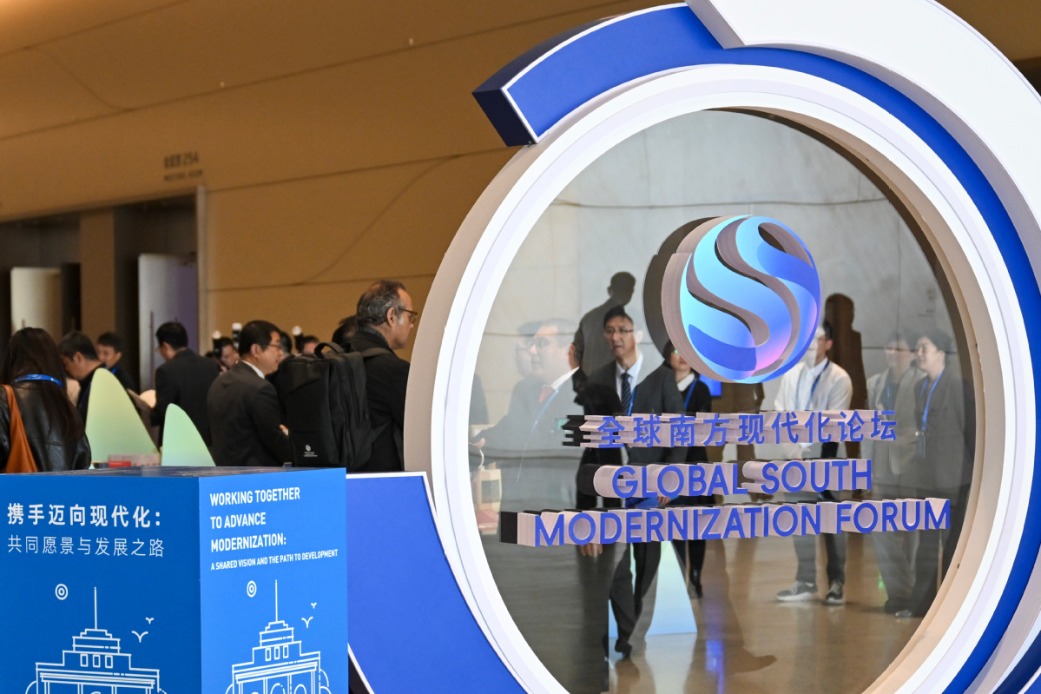
Forum hailed for promoting Global South modernization
The Global South Modernization Forum, held in Beijing on November 21, 2025, brought together international experts to discuss tailored development paths for Global South nations. The event, themed ‘Working Together to Advance Modernization: A Shared Vision and the Path to Development,’ emphasized unity, cooperation, and reforms in the global governance system. Li Shulei, a senior official of the Communist Party of China, highlighted the transformative role of Global South countries in reshaping the global economic landscape and fostering international stability. He underscored China’s commitment to the Global South, stating that China will always remain an integral part of this collective. The forum also saw the release of two significant reports by the Chinese Academy of Social Sciences (CASS): the World Modernization Development Report and the Chinese Modernization Development Report. CASS President Gao Xiang emphasized that Chinese modernization aligns with global human development interests and advocated for a cooperative approach to modernization that ensures shared prosperity. Pablo Vommaro of the Latin American Council of Social Sciences criticized the Western-dominated development model, calling for a new civilizational framework that empowers Global South nations. He praised China’s Belt and Road Initiative and Global Governance Initiative as models for sustainable and cooperative modernization. Andrei Chevelev, a former UNESCO official, stressed the need for reforms in international governance to amplify the voices of the Global South. He highlighted the role of initiatives like BRICS, the Shanghai Cooperation Organization, and the Belt and Road Initiative in promoting a more equitable international order. The forum concluded with a call for collective action to address global challenges and advance a shared future for humanity.
-
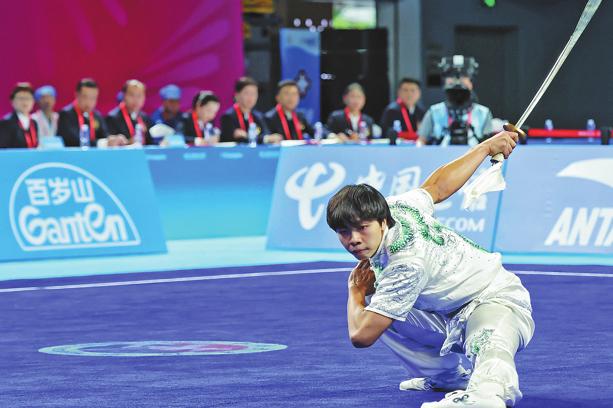
Wushu needs more events in GBA, coaches in Macao say
As wushu gains global recognition, marked by its inclusion in the 2026 Summer Youth Olympic Games and praise from International Olympic Committee officials during the 15th National Games, Macao’s wushu leaders are pushing for stronger, standardized collaboration within the Guangdong-Hong Kong-Macao Greater Bay Area (GBA). They believe shared training, unified coaching methods, and increased regional competitions are essential to elevate the sport and cultivate future champions. The recent three-day wushu set routine event at the 15th National Games, co-hosted by Hong Kong, Macao, and Guangdong, attracted notable figures like IOC Honorary President Thomas Bach and President Kirsty Coventry, who lauded China’s sports development and expressed enthusiasm for wushu’s Olympic debut. Macao’s gold medalist Li Yi, who triumphed in the women’s Changquan event at the 19th Asian Games, emphasized the importance of perseverance and character development in wushu. Now a coach, Li advocates for more cross-regional competitions and immersive experiences that integrate wushu with Macao’s tourism identity. Iao Chon-in, Macao’s wushu team head coach, highlights the need for long-term career planning, medical support, and dual-track pathways to balance athletics and academics. Both coaches stress the importance of fostering resilience and joy in young athletes to sustain Macao’s wushu legacy.
-
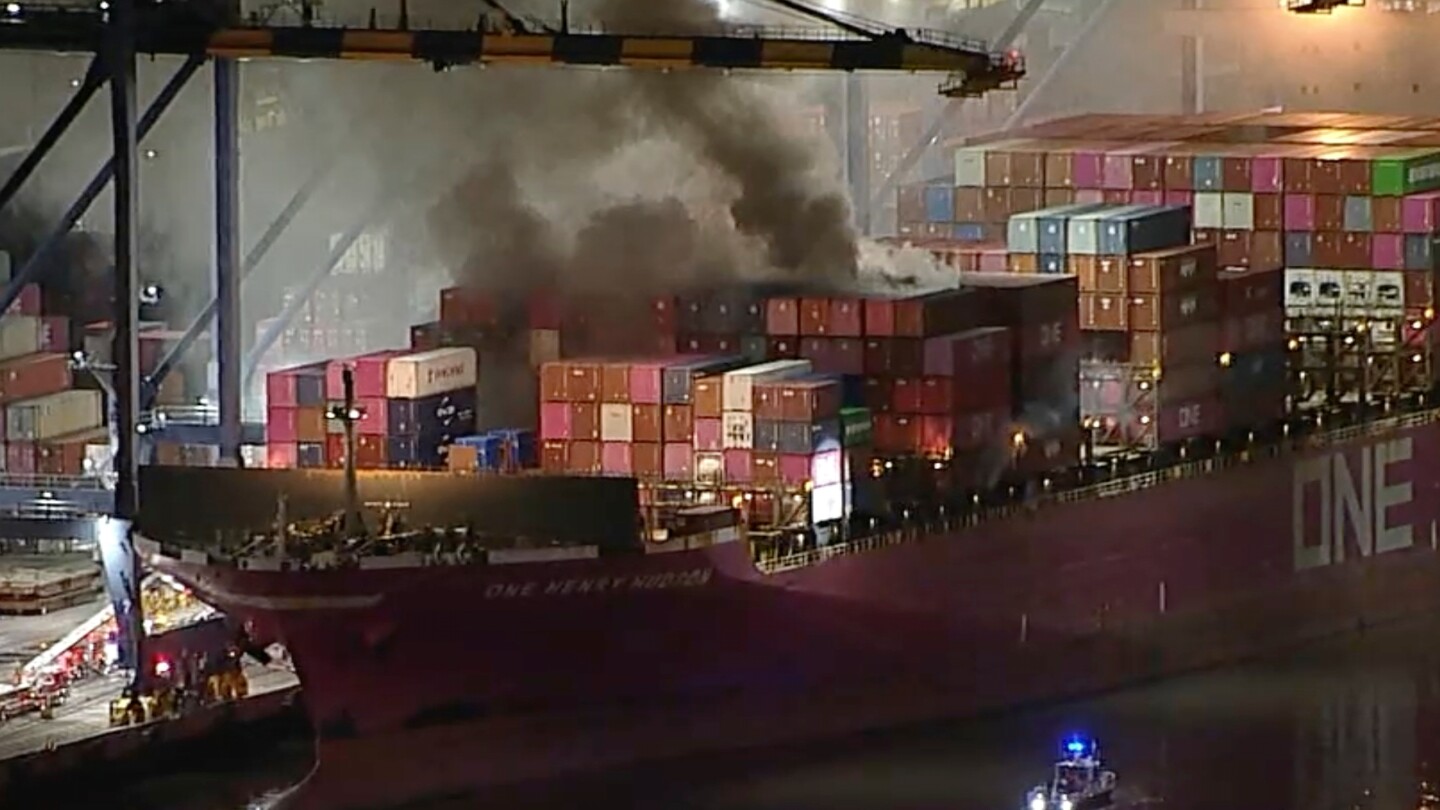
Cargo ship fire in Los Angeles nearly contained after shelter-in-place order lifted
A significant fire aboard the container ship One Henry Hudson, docked at the Port of Los Angeles, was nearly under control by Saturday afternoon. Authorities are still evaluating whether the burning of hazardous materials has caused substantial environmental contamination. The blaze, which erupted on Friday night, led to a temporary shelter-in-place order for nearby communities due to fears of airborne hazardous substances. The order was lifted by morning, and the ship was moved offshore, where fireboats continued to douse a small section still ablaze, according to Los Angeles Fire Department spokesperson Adam Van Gerpen.
The fire, believed to be electrical in origin, started below deck and spread to multiple levels, causing a mid-deck explosion. Approximately 100 cargo containers, some containing lithium-ion batteries and other hazardous waste, were burned. However, it remains unclear which specific materials were affected. All 23 crew members were safely accounted for, and no injuries were reported.
A safety zone of half a nautical mile and a temporary flight restriction were established around the vessel. Port operations resumed by morning, and over 100 firefighters were deployed to combat the blaze at North America’s busiest seaport. The 1,102-foot (336-meter) ship is operated by Ocean Network Express, headquartered in Singapore. The company expressed gratitude to first responders and pledged full cooperation with investigations. The ship had previously docked in Japan, stopping in Kobe, Nagoya, and Tokyo before arriving in Los Angeles.
-
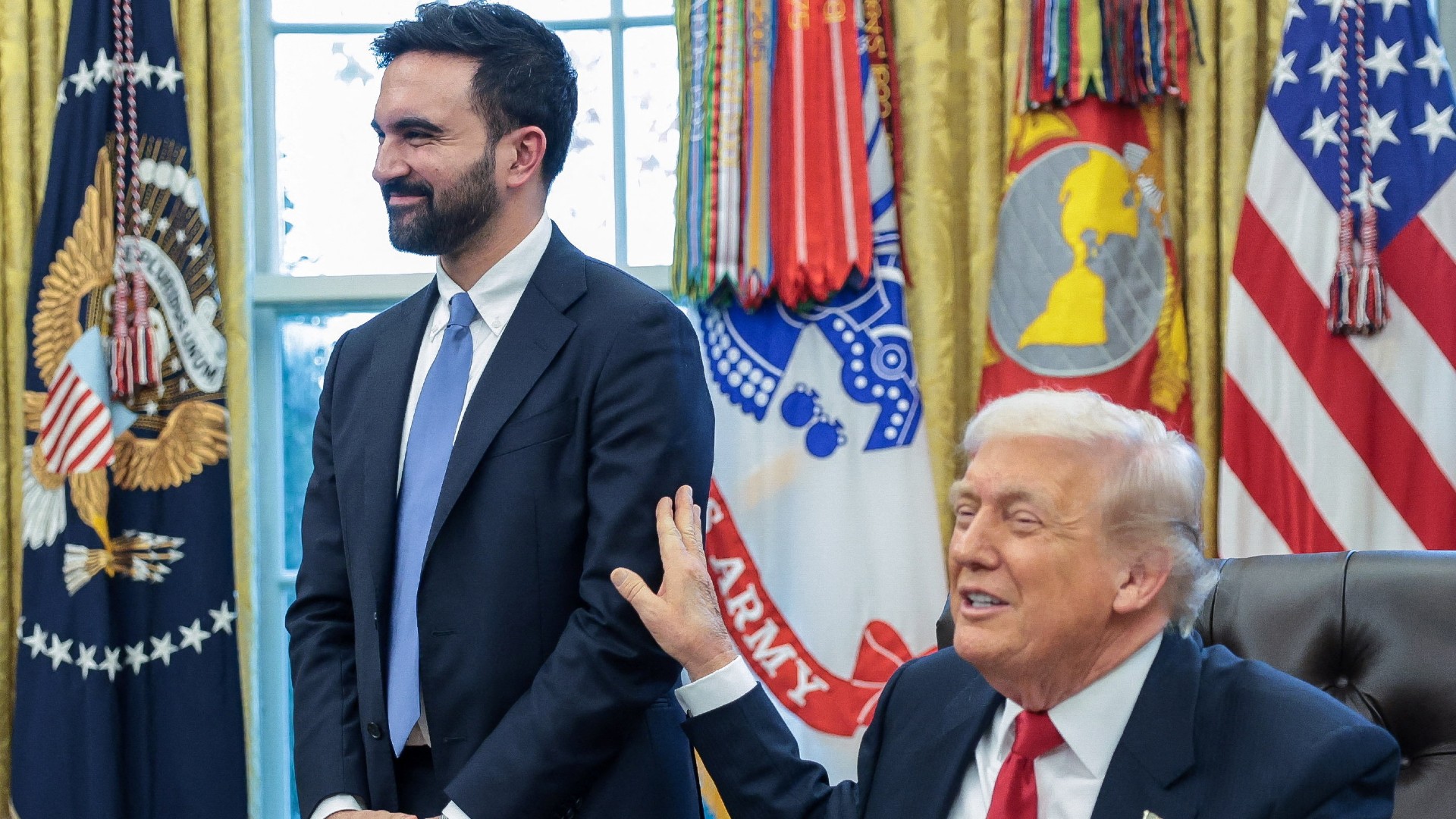
‘I’ll be cheering for him’: Trump has ‘great’ meeting with NYC mayor-elect Mamdani
In a surprising turn of events, former U.S. President Donald Trump and New York City Mayor-elect Zohran Mamdani, who have previously exchanged harsh criticisms, shared a cordial and unexpectedly amicable meeting at the White House. Trump, who once labeled Mamdani as a ‘communist,’ ‘jihadist,’ and ‘Jew-hater,’ praised the incoming mayor after a 40-minute discussion, stating, ‘I’ll be cheering for him.’ Mamdani, who has called Trump a ‘despot’ and ‘fascist,’ reciprocated the conciliatory tone, focusing on their shared commitment to serving New Yorkers. The meeting highlighted their overlapping populist appeal, with both leaders emphasizing affordability and addressing the cost-of-living crisis. Despite their ideological differences, Trump expressed confidence in Mamdani’s ability to lead, even hinting at a shift in his own views. The encounter underscored a rare moment of political bridge-building, as Trump acknowledged Mamdani’s rapid rise from a virtual unknown to the mayor-elect of the nation’s largest city. The meeting also touched on contentious issues such as Gaza, with Mamdani reiterating his stance on human rights violations. Trump’s willingness to engage with Mamdani signals a potential shift in his approach to political adversaries, as both leaders seek to harness their populist appeal to address pressing urban challenges.
-
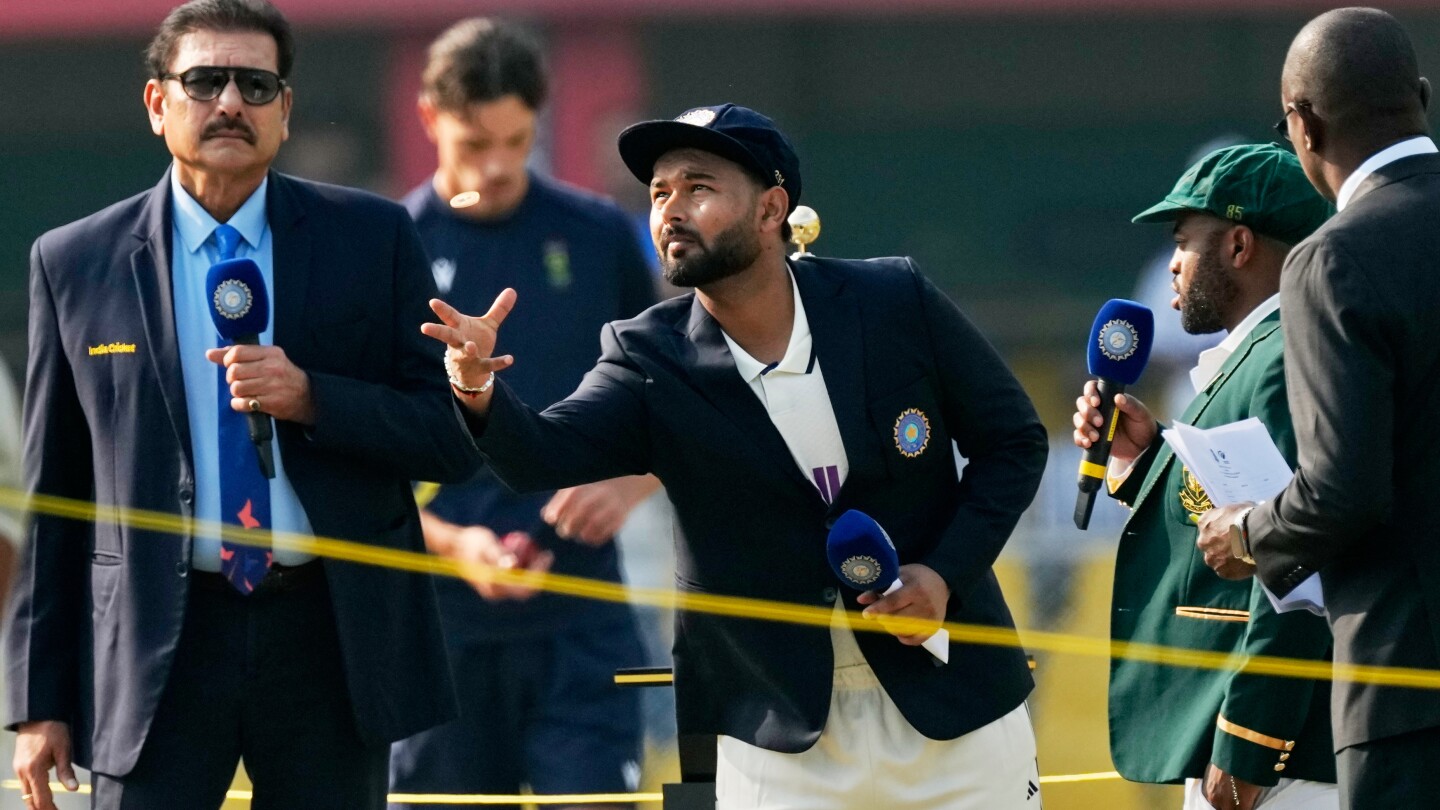
Leading the 2-test series 1-0, South Africa wins the toss and bats 1st against India
In a pivotal moment for cricket enthusiasts, South Africa’s captain Temba Bavuma won the toss and chose to bat against India in the second test match held at the Barsapara Stadium in Guwahati. This venue marks its debut as the 30th test cricket ground in India and commemorates the 300th test match played on Indian soil. The Proteas, fresh from their 30-run victory in the first test at Kolkata—their first test win in India in 15 years—are aiming to secure their first test series triumph in the country since the 2000-01 season.
India, led by stand-in captain Rishabh Pant, faced an unfortunate streak in toss outcomes, losing eight of the nine tosses in tests this year. Pant stepped in for Shubman Gill, who was sidelined due to a neck spasm sustained during the first test. India introduced two changes to their lineup: batting all-rounder Nitish Reddy replaced Gill, while Sai Sudharsan was preferred over left-arm spin all-rounder Axar Patel.
South Africa also made a strategic adjustment, bringing in left-arm spin all-rounder Senuran Muthusamy for medium-pace all-rounder Corbin Bosch. The pitch at Barsapara Stadium, composed primarily of red soil, is expected to offer consistent bounce, with spin likely to dominate as the game progresses. This match follows the previous test at Eden Gardens, which concluded within three days, adding to the anticipation surrounding the pitch’s behavior.
Both teams are set for an intense battle as South Africa seeks to extend their winning momentum, while India aims to level the series. The lineups feature a mix of seasoned players and emerging talents, promising an exciting contest for cricket fans worldwide.