标签: Asia

亚洲

  • Supervisors blamed for blast at a steel plant that killed 10 and injured 84

    Supervisors blamed for blast at a steel plant that killed 10 and injured 84

    A catastrophic explosion at a Baotou steel facility in China’s Inner Mongolia Autonomous Region, which resulted in 10 fatalities and 84 injuries this past January, has been officially attributed to severe supervisory negligence. According to Li Haowen, Director of Investigation and Statistics at the Ministry of Emergency Management, the disaster was entirely preventable.

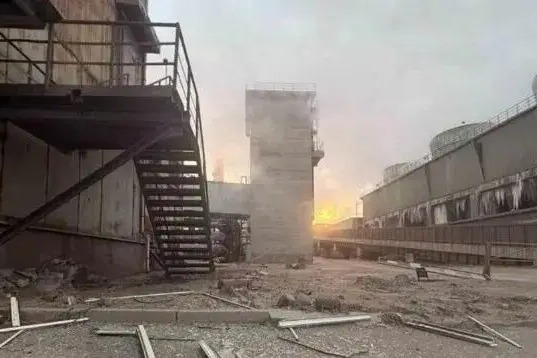
    The incident originated from a significant leak in a steam sphere tank. Despite the clear danger, production was deliberately not halted. Li revealed at a Beijing press briefing that the tank had been leaking heavily for approximately 90 minutes prior to the explosion. Shockingly, two on-site supervisors, under pressure to maintain output, explicitly ordered work to continue. This decision proved fatal for everyone in the immediate vicinity, including the supervisors themselves.

    Li condemned the lapse in safety protocols, stating, “The supervision was not done properly. It harmed others and also harmed the supervisors.” While presenting an annual safety report, he noted that China’s overall workplace safety situation remained “generally stable” in 2025, with major accidents kept to single digits. However, he emphasized that the lessons from this and other incidents were “extremely painful.

    The official further criticized a broader pattern of corporate misconduct, citing companies that “failed to do basic work well, rushed schedules blindly, and engaged in corner-cutting, falsification, and other misconduct.” He illustrated this with another case involving the collapse of a highway bridge section in Maerkang, Sichuan, where a surveying company had falsified borehole data, planting major hidden risks. Li concluded that these tragedies underscore the fundamental principle that high-quality development must be built upon a foundation of high-level safety.

  • European nations to form atrocity prevention coalition for Sudan after UN report

    European nations to form atrocity prevention coalition for Sudan after UN report

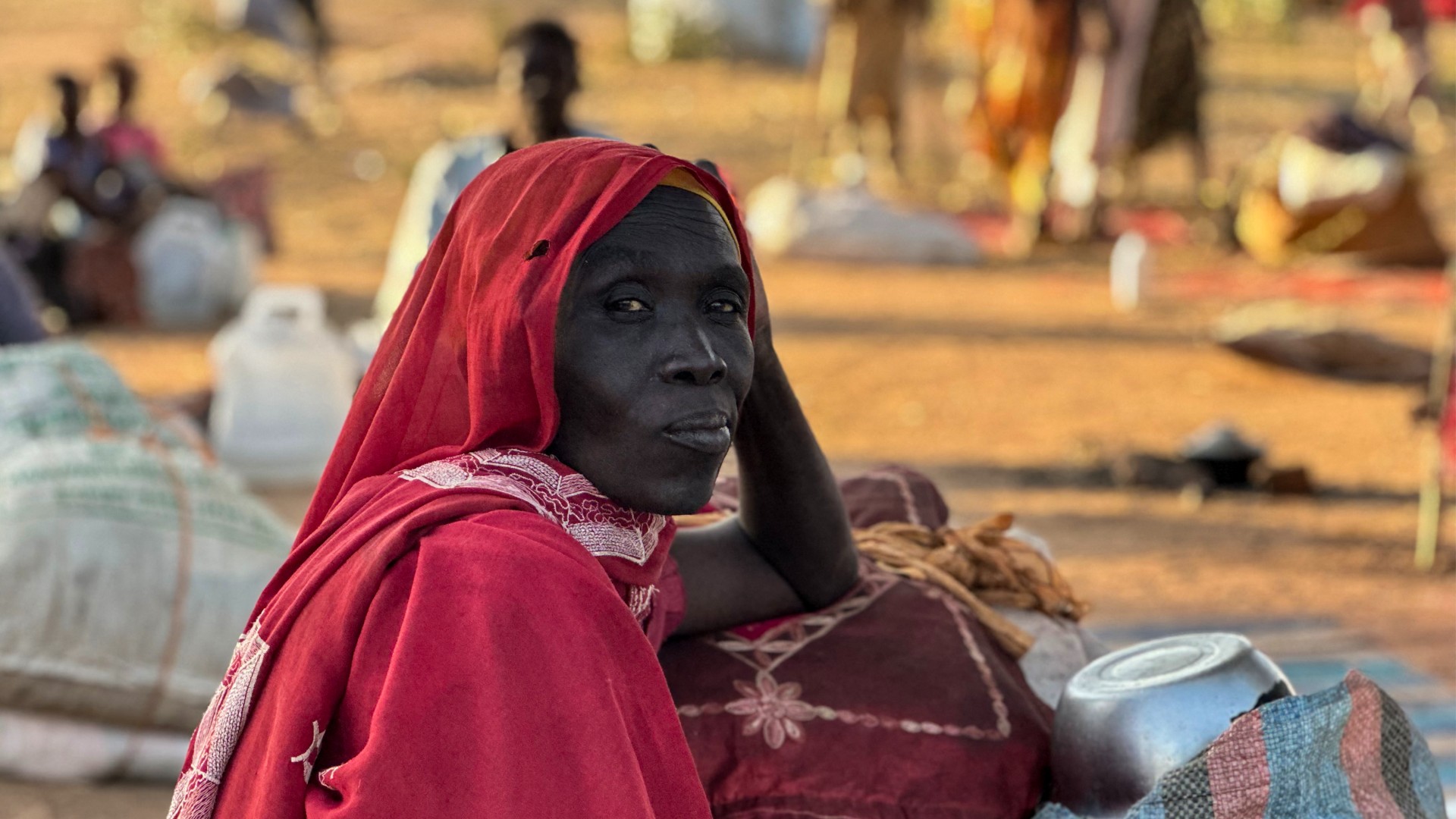
    In a decisive response to a United Nations investigation confirming genocidal acts in Sudan’s Darfur region, five European nations have announced plans to establish an international atrocity prevention coalition. The foreign ministers of the United Kingdom, Germany, Ireland, the Netherlands, and Norway—all members of the Sudan Core Group at the UN Human Rights Council—endorsed the UN fact-finding mission’s conclusions that Rapid Support Forces (RSF) paramilitary units committed genocide against non-Arab communities during their capture of el-Fasher in October.

    The comprehensive UN report, formally presented in Geneva on Thursday, represents the first official UN documentation of genocide by the RSF, specifically targeting the Fur and Zaghawa ethnic groups through at least three genocidal acts prohibited under international law. UN investigators warned that the RSF continues employing similar tactics in Kordofan and other regions, creating acute risk of further genocidal violence without urgent preventive measures.

    While collectively endorsing the report’s findings, the UK government notably refrained from individually using the term ‘genocide’ in its official response. A Foreign Office spokesperson stated that formal genocide determination remains the jurisdiction of competent courts, mirroring Britain’s position regarding Gaza.

    The European coalition called for immediate action including civilian protection, expanded enforcement of the UN arms embargo, and removal of humanitarian access restrictions. They emphasized the legal obligation of states to prevent genocide when risks become apparent under international law.

    UN Human Rights Chief Volker Turk reported to the Human Rights Council that civilian killings in 2025 have more than doubled compared to the previous year, with impunity fueling escalating violence. He recommended referring the entire Sudan situation—not just Darfur—to the International Criminal Court (ICC), which already holds jurisdiction over Darfur from a 2005 Security Council referral.

    The ICC’s deputy prosecutor confirmed ongoing investigations into both el-Fasher atrocities and RSF massacres in el-Geneina in 2023. This follows recent sanctions against four senior RSF commanders by the UN Security Council’s Sudan sanctions committee and a separate UK sanctions package targeting six individuals including RSF field commander Hussein Barsham.

    Despite extensive evidence linking the United Arab Emirates—a key British ally—to arms supplies for the RSF, the UK has not explicitly condemned Emirati involvement in the conflict. The ongoing RSF-SAF war has killed tens of thousands, displaced over 11 million people, and created what the UN describes as the world’s worst humanitarian crisis, with all mediation efforts failing to secure a ceasefire.

  • The Green Party has been accused of sectarianism. This is why that’s wrong

    The Green Party has been accused of sectarianism. This is why that’s wrong

    A contentious political dispute has erupted in British politics following the Gorton and Denton by-election, where Green Party candidate Hannah Spencer secured a surprising victory. The outcome has triggered allegations of ‘sectarian politics’ from both the governing Labour Party and Reform UK, creating a fierce debate about Muslim voting patterns and democratic integrity.

    Prime Minister Keir Starmer, whose Labour candidate finished third, accused the Greens of embracing ‘divisive, sectarian politics’ associated with veteran firebrand George Galloway. Meanwhile, Reform’s defeated candidate Matt Goodwin declared Britain facing existential threat from ‘dangerous Muslim sectarianism,’ claiming the country has ‘only one general election left to save Britain.’

    The controversy centers on allegations of ‘family voting’ – the illegal practice of voters colluding or directing others at polling stations. Reform leader Nigel Farage specifically linked these claims to Muslim communities, calling the situation ‘deeply concerning’ for democratic integrity in predominantly Muslim areas. The party subsequently reported numerous alleged cases to the Electoral Commission and Greater Manchester Police.

    However, these allegations face substantial challenges. Manchester City Council’s acting returning officer stated that polling station staff were trained to detect undue influence and reported ‘no such issues’ during voting hours. The official expressed disappointment that election observer group Democracy Volunteers, which is funded by a Conservative peer, waited until after polls closed to raise their concerns despite having opportunity to report them in real time.

    The Green Party’s victory emerges against a complex backdrop of shifting political allegiances. Labour insiders acknowledge the party’s struggle with Muslim voters, particularly regarding the Gaza conflict. Meanwhile, Green MP Hannah Spencer emphasized her diverse constituency’s concerns about local issues like rent controls and bill reductions rather than sectarian interests.

    Political analysts note the term ‘sectarianism’ has evolved from its historical association with Northern Irish conflicts to become a weaponized term in discussions about British Muslim political participation. The controversy reflects deeper tensions within Britain’s multicultural democracy and raises questions about how political establishments respond to changing voter patterns.

    Evidence from the constituency suggests Muslim voters are not voting as a monolithic bloc, with support divided between Labour and Green candidates based on various factors including local issues and international concerns. The Greens have consistently opposed British cooperation with Israel during the Gaza conflict, a position that resonates across multiple communities rather than exclusively among Muslim voters.

    The discourse surrounding this by-election outcome highlights ongoing challenges in British political discourse regarding representation, democratic participation, and the characterization of minority voting patterns.

  • ‘As if the border never reopened’: Gaza patients die waiting under Israeli siege

    ‘As if the border never reopened’: Gaza patients die waiting under Israeli siege

    The partial reopening of Gaza’s Rafah border crossing last month offered a fleeting glimpse of hope for critically ill patients. Yet for seven-year-old Anwar al-Ashi, this reprieve came too late. He succumbed to metabolic acidosis while awaiting permission to exit for urgent medical treatment—a casualty of what medical professionals describe as a catastrophic healthcare collapse exacerbated by prolonged border closures and Israel’s comprehensive siege.

    Anwar’s father, Nayef al-Ashi, recounted to Middle East Eye how his son’s condition deteriorated dramatically due to malnutrition and contaminated water sources. “This episode was directly caused by malnutrition and unsafe drinking water,” he stated. “Repeated displacement during conflict weakened his resilience, but the absence of basic necessities proved fatal.”

    Medical authorities confirmed that nutritional deficiencies disrupted Anwar’s pH balance, resulting in critically elevated blood acidity that precipitated kidney failure. Despite emergency dialysis and intensive care, the absence of essential medications and diagnostic equipment sealed his fate. “We watched helplessly as his organs failed sequentially—first his liver, then his brain,” Nayef lamented. “The necessary resources simply weren’t available in Gaza.”

    Tragically, Anwar represents one of 1,360 patients who have died while awaiting medical evacuation since Israel’s closure of the Rafah crossing in May 2024. Current estimates indicate over 18,500 individuals—including 4,000 children—require urgent medical transfers, yet only approximately 260 patients were permitted to cross during the border’s brief operational period from February 2-18.

    The healthcare crisis extends far beyond individual cases. By December, 321 essential medicines were completely depleted in Gaza, with 710 medical consumables unavailable. Systematic targeting of medical infrastructure has destroyed dozens of hospitals, while the deliberate restriction of supplies has created insurmountable treatment barriers.

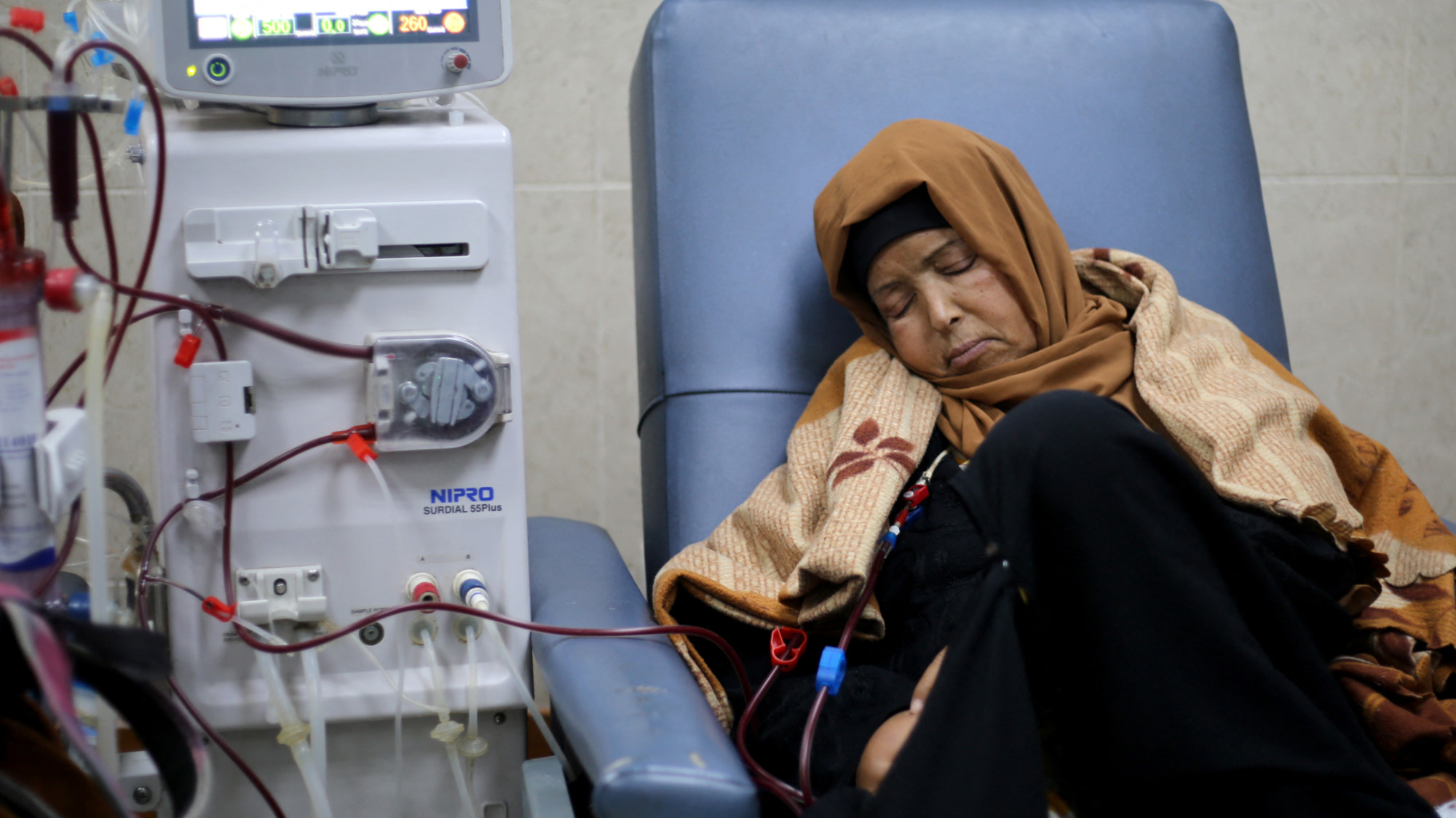
    Renal patients face particularly dire circumstances. Dr. Ghazi al-Yazji, head of dialysis at al-Shifa hospital, reports a 41% increase in mortality among kidney patients since the conflict began. “Most dialysis units were destroyed or became non-functional,” he explained. “Even with partial restoration of services, we lack sufficient machines and chairs to meet demand.”

    Cancer patients confront similarly bleak prospects. Warda al-Batrikhi has sought cancer screening for her 14-year-old son for 18 months without success. “Priority is given to already-diagnosed patients,” she noted. “We move between hospitals knowing it’s futile—proper treatment exists only outside Gaza.”

    Approximately 4,000 cancer patients hold official referrals for external treatment but remain trapped by border policies. An estimated 11,000 oncology patients lack access to specialized diagnostics or therapies, creating a hidden health timebomb within the territory.

    The recent border closure following US-Israel military actions against Iran has further compounded the crisis, leaving thousands of critically ill patients in limbo. Medical professionals describe the situation as a systematic dismantling of healthcare infrastructure that violates international humanitarian standards and constitutes a severe public health emergency.

  • Moviegoing becomes a popular new tradition during Spring Festival holiday in Xinjiang prefecture

    Moviegoing becomes a popular new tradition during Spring Festival holiday in Xinjiang prefecture

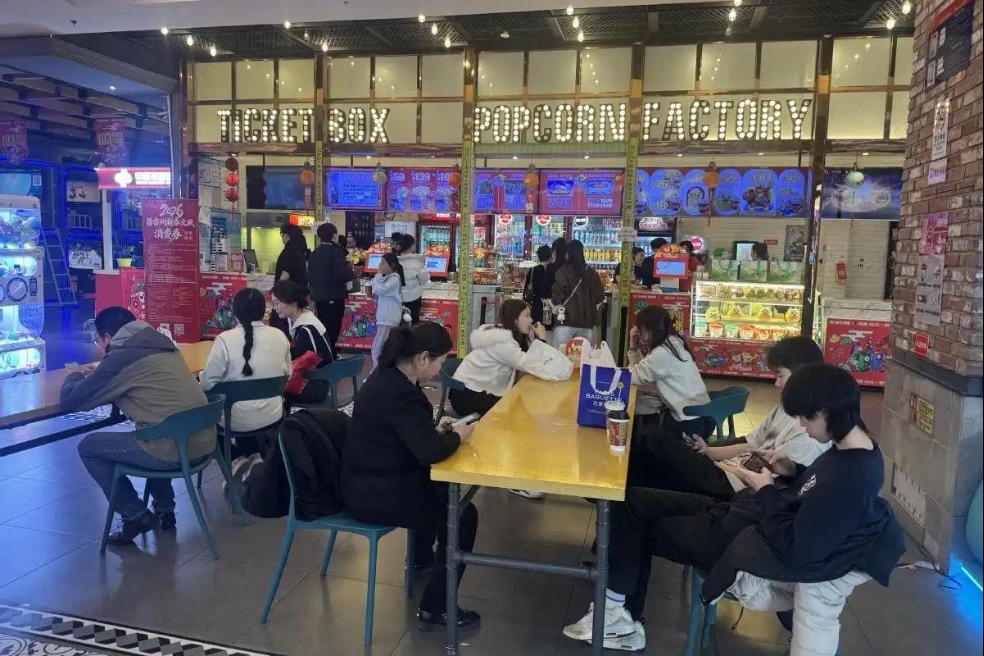
    The Changji Hui Autonomous Prefecture in Xinjiang Uygur Autonomous Region witnessed a cultural shift during the recent Spring Festival holiday as moviegoing emerged as a prominent new tradition among local communities. Theatres across the prefecture experienced unprecedented footfall, signaling evolving entertainment preferences during China’s most important annual celebration.

    Yang Zhengzhe, duty manager at a prominent Changji cinema, reported remarkable attendance figures with over 10,000 visitors during the holiday period. The theatre predominantly attracted family groups and friend gatherings, indicating that cinematic experiences have become integrated into traditional New Year celebrations. “Watching movies has transformed into a new customary practice for residents during the festive season,” Yang confirmed.

    The cinematic offerings during the holiday featured six new film releases spanning multiple genres including comedy, action, suspense, and animation, catering to diverse audience preferences. This cultural phenomenon was further bolstered by substantial government support through the distribution of consumption vouchers valued at over 3 million yuan (approximately $437,000) for travel and dining purposes. These initiatives significantly enhanced cultural consumption patterns throughout the region, demonstrating successful integration of entertainment with traditional holiday activities.

    The emergence of cinema culture as a Spring Festival tradition reflects broader societal changes in entertainment consumption and holiday practices in northwestern China. This development represents how modern leisure activities are being incorporated into traditional cultural celebrations, creating new forms of family and social bonding during important cultural periods.

  • Internal Fatah rifts surface after senior leader backs Hamas

    Internal Fatah rifts surface after senior leader backs Hamas

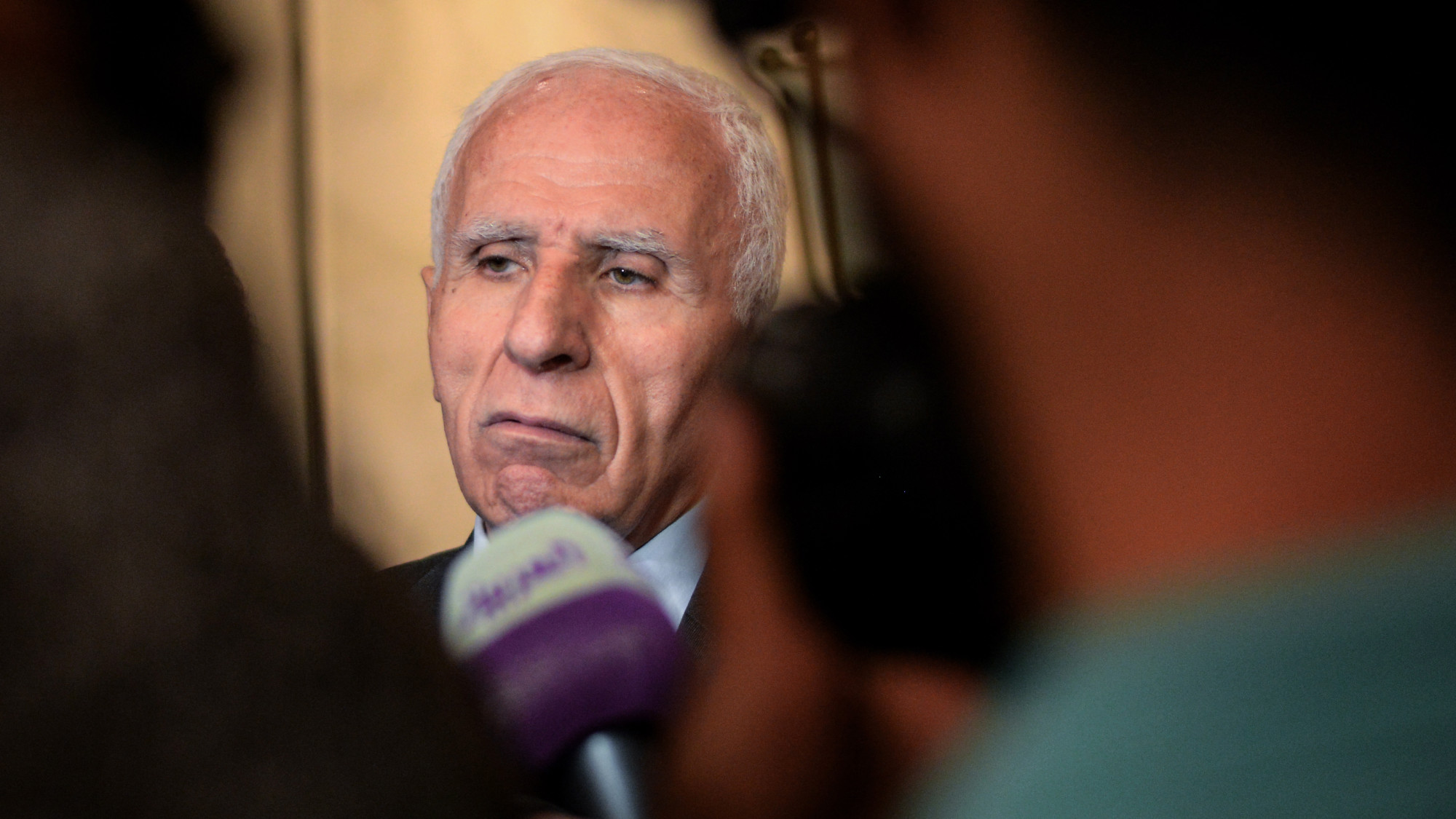
    A political storm has erupted within Fatah following surprising statements by senior official Azzam al-Ahmad that appear to endorse Hamas, revealing profound internal divisions within the Palestinian movement. The veteran leader, who serves as secretary-general of the Palestine Liberation Organization’s executive committee, broke from his historically critical stance toward Hamas during an interview with Egyptian outlet Shorouk News.

    In his controversial remarks, al-Ahmad explicitly refused to characterize Hamas as a terrorist organization, stating, ‘Everything being said about disarming Hamas and labelling it a terrorist organisation is unacceptable to us. Hamas is not a terrorist organisation.’ He further emphasized that ‘Hamas is part of the Palestinian national movement’ and revealed ongoing dialogue to facilitate the group’s formal entry into the PLO framework.

    The comments triggered immediate backlash within Fatah ranks, with social media platforms flooded with demands for al-Ahmad’s dismissal. However, some members defended the statements as personal views rather than official party position. This controversy emerges amid mounting international pressure for Hamas to disarm following Israel’s devastating military campaign in Gaza.

    Political analysts interpret al-Ahmad’s shift as indicative of deeper strategic recalculations within Fatah. Researcher Mohammed al-Qeeq identifies two competing factions: one advocating Palestinian unity despite limited regional support, and another resisting reconciliation to protect entrenched interests. Analyst Adel Shadeed suggests a significant segment of Fatah now believes that continued opposition to Hamas ultimately weakens their own movement more than their rivals.

    The timing appears significant, coinciding with President Mahmoud Abbas’s call to prepare for Palestinian National Council elections in November. According to analyst Suleiman Bisharat, these statements represent Fatah’s attempt to counter its political marginalization both internationally and regionally. The movement appears to be adopting a unifying discourse to rehabilitate its political trajectory, though Bisharat characterizes this approach as reactive rather than strategically systematic.

    Hamas official Bassem Naim welcomed the ‘positive and constructive’ remarks but emphasized the need for actionable programs to address Palestinian divisions. Historically, Fatah has never formally designated Hamas as a terrorist organization, though the relationship has been framed within contexts of rivalry and accusations of pursuing foreign agendas.

    The controversy highlights Fatah’s delicate balancing act—attempting to demonstrate its continued relevance in shaping Palestinian politics while maintaining plausible deniability through individual statements that can be disavowed if necessary, a pattern established through previous episodes with other Fatah leaders.

  • Forest and grassland fires fell to a record low in 2025

    Forest and grassland fires fell to a record low in 2025

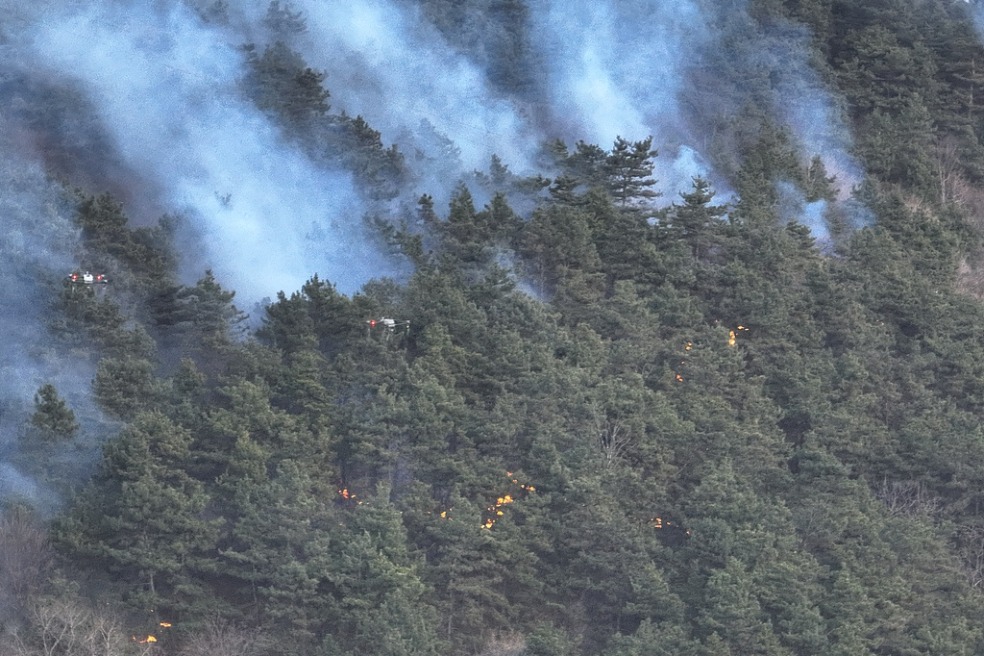
    China’s Ministry of Emergency Management announced a landmark achievement in fire prevention, reporting that forest and grassland fires dropped to unprecedented lows in 2025. Official data reveals the country experienced merely 226 such incidents throughout the year, marking the lowest annual figure ever recorded.

    At a recent press briefing, Ministry spokeswoman Shen Zhanli disclosed that these fires impacted approximately 4,971 hectares of vegetation and resulted in two fatalities. This accomplishment represents the fifth consecutive year that fire incidents have remained below the 1,000 mark, demonstrating sustained progress in fire management strategies.

    The positive trend extended to workplace safety, with the nation recording fewer than 20,000 occupational accidents for the first time—an 8.7 percent reduction compared to the previous year. Officials attribute these improvements to comprehensive safety measures and enhanced emergency response protocols.

    Despite these advancements, Shen cautioned against complacency, noting that safety conditions remain “severe and complicated.” The increasing frequency of extreme weather events presents escalating fire risks, while the fundamental infrastructure for workplace safety requires further strengthening. The spokeswoman highlighted that two major accidents and several high-risk incidents have already occurred this year, underscoring persistent vulnerabilities.

    With the Spring Festival travel period ongoing and post-holiday business resumptions accelerating, authorities emphasize the continued need for vigilance against potential safety hazards across all sectors.

  • Ahmed comes in from the cold to spark England win over New Zealand at T20 World Cup

    Ahmed comes in from the cold to spark England win over New Zealand at T20 World Cup

    COLOMBO, Sri Lanka — England’s cricket team witnessed the emergence of a new star as 19-year-old Rehan Ahmed delivered a spectacular debut performance that dramatically shifted the momentum of their Twenty20 World Cup clash against New Zealand on Friday.

    The spin bowling allrounder, making his first appearance in the tournament, became the catalyst for England’s stunning four-wicket victory during the Super Eights stage. Ahmed’s dual contribution with both ball and bat proved decisive in a match that seemed to be slipping away from the English side.

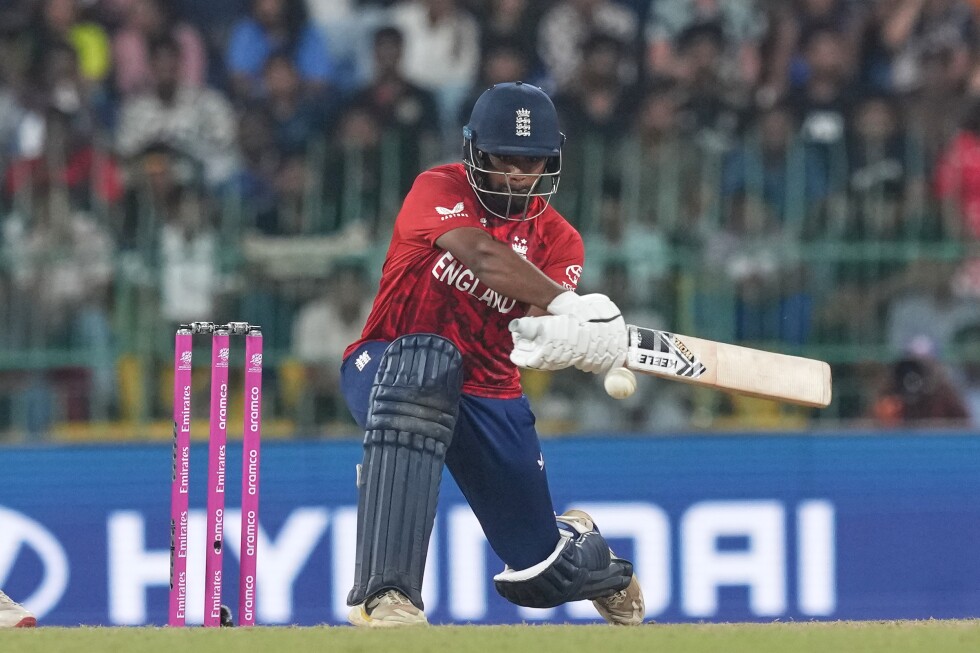
    Ahmed’s bowling prowess initially hampered New Zealand’s progress, claiming crucial wickets of Rachin Ravindra and Cole McConchie to restrict the Black Caps to 159-7. However, it was his explosive batting performance that truly captured attention. Facing just his second delivery in the 18th over, Ahmed launched a massive six over long-on that electrified England’s chase and completely altered the game’s dynamics.

    This moment of brilliance ignited partner Will Jacks, and the duo proceeded to blast an unbeaten 44-run partnership from just 16 deliveries. Their extraordinary collaboration secured England’s victory with three balls remaining, keeping their semifinal hopes alive while simultaneously damaging New Zealand’s progression prospects.

    Jacks, who finished 32 not out from 18 balls, praised his teenage teammate’s composure under pressure. “Rehan played a brilliant innings,” Jacks remarked. “Everyone who came out on that pitch struggled to adapt to the slow conditions, but that six he hit second ball just upped the ante and put them on the back foot.”

    The selection of Ahmed, replacing fast bowler Jamie Overton, marked England’s first team change in six World Cup matches. Captain Harry Brook indicated the decision was tactically driven by the used, slow pitch conditions in Colombo. When questioned about Ahmed’s potential retention for the upcoming semifinal, Brook noted, “There’s conversations to be had. We select based on conditions, and today was the perfect opportunity to bring him in.”

    Ahmed’s landmark debut continues his record-breaking trajectory in international cricket. Having become England’s youngest test debutant in 2022, he subsequently achieved the same distinction in both ODI and T20 formats the following year.

  • Miao ethnic group celebrates Tiaohua Festival in Guizhou

    Miao ethnic group celebrates Tiaohua Festival in Guizhou

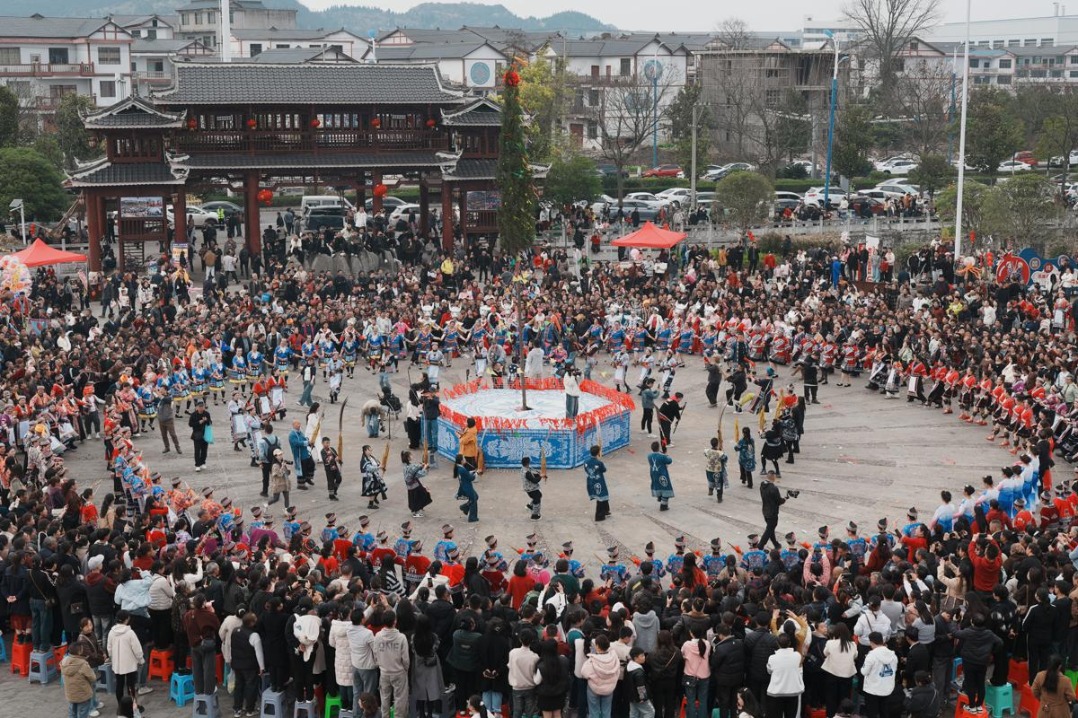
    The Miao ethnic community in Anshun, Guizhou province, immersed itself in vibrant cultural celebrations on February 25, 2026, as they honored the traditional Tiaohua Festival. This colorful event saw participants gathering around an elaborately decorated ceremonial tree, engaging in rhythmic dances that have been passed down through generations.

    The festival atmosphere resonated with the distinctive sounds of lusheng pipes, traditional wind instruments that provide the musical backbone for the celebration. Beyond its musical elements, the event incorporates sacred rituals performed to invoke blessings and prosperity for the community. The central decorated tree stands as a powerful symbol of communal harmony and collective strength among the Miao people.

    Historical significance deepens the festival’s meaning, with local oral traditions identifying Anshun as the original birthplace of this cultural practice. The celebration serves dual purposes: paying homage to a legendary hero from Miao folklore while simultaneously functioning as a traditional platform for young community members to express romantic interest and form relationships through culturally sanctioned channels.

    This preservation of ethnic traditions demonstrates the Miao community’s commitment to maintaining their cultural heritage while sharing it with broader audiences. The festival’s continuation represents an important link between historical practices and contemporary cultural expression in modern China.

  • Chinese courts wrapped up 168,000 maritime cases during the 14th Five-Year Plan period

    Chinese courts wrapped up 168,000 maritime cases during the 14th Five-Year Plan period

    China’s judicial system has demonstrated remarkable efficiency in maritime dispute resolution, concluding approximately 168,000 maritime cases throughout the 14th Five-Year Plan period spanning from 2021 to 2025. This substantial caseload processing has provided substantial legal safeguards and judicial momentum for advancing high-quality development within the nation’s marine economy.

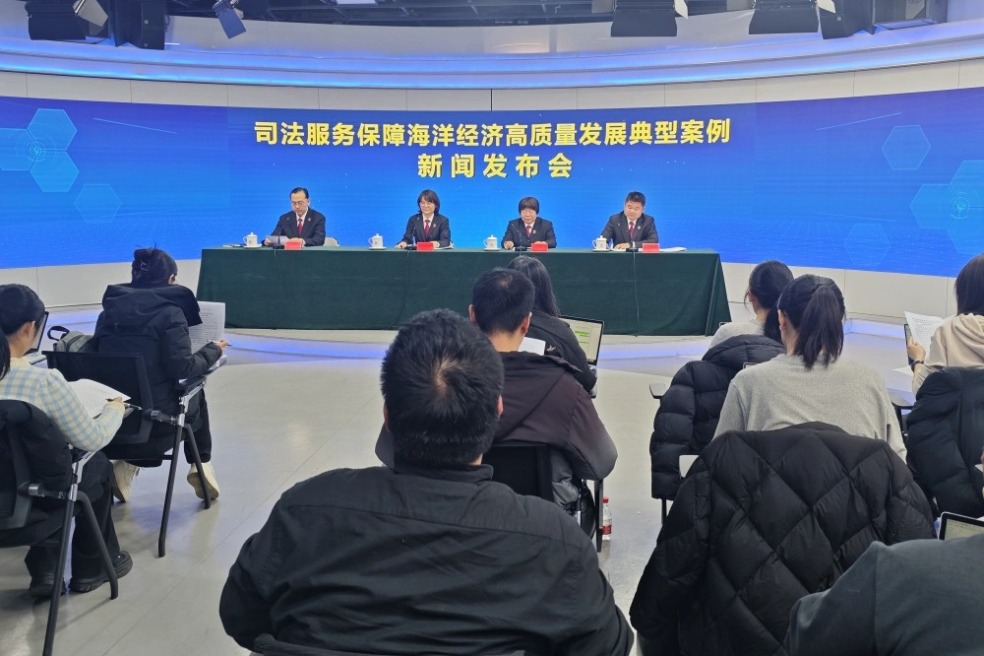
    According to Supreme People’s Court officials speaking at a recent press conference, the handled cases encompassed an extensive spectrum of maritime activities. These included conventional matters such as cargo transportation, freight forwarding, vessel transactions, shipbuilding and maintenance operations, marine insurance policies, and lease financing arrangements. Additionally, courts addressed cases involving port operations, channel dredging activities, dock construction projects, aquaculture enterprises, and seafarer employment contracts.

    Notably, judicial authorities observed a consistent annual increase in cases involving emerging marine industries, particularly offshore wind energy projects and deep-sea aquaculture operations, indicating rapid sector expansion.

    The international dimension of China’s maritime judiciary proved particularly significant, with approximately 12,000 cases involving foreign entities from 146 distinct countries and territories. This international participation underscores China’s growing role as a preferred dispute resolution forum for global maritime commerce, even among parties without direct connections to China.

    China’s maritime judicial expertise has gained international recognition, with over 50 Chinese judicial decisions—including numerous maritime rulings—being incorporated into the United Nations Commission on International Trade Law’s case law database. This inclusion establishes Chinese maritime jurisprudence as an influential reference for global maritime legal application and academic research.

    Furthermore, Chinese judges have actively contributed to international rule-making processes within United Nations frameworks, offering Chinese perspectives and solutions that enhance the nation’s core competitiveness in international maritime law development.