标签: Asia

亚洲

  • Online meetings spread governance to remote village residents far and wide

    Online meetings spread governance to remote village residents far and wide

    In the mountainous terrain of Sinan county, Guizhou province, a digital transformation is reshaping rural governance. Zhouzhai village has pioneered an innovative approach to civic engagement by conducting monthly village meetings via Douyin livestreams, effectively bridging the geographical divide for its dispersed population.

    Under the leadership of village official Zhang Cheng, these virtual gatherings have become a cornerstone of community participation. Migrant workers in Guangdong factories and students on distant university campuses now actively contribute to discussions affecting their hometown—from healthcare reimbursement policies to agricultural development strategies for the local sweet potato industry.

    During the December 27th session, Zhang addressed villagers in real-time, clarifying medical insurance procedures and reinforcing regulations against extravagant celebrations. The platform occasionally features healthcare professionals delivering medical advice, creating a comprehensive digital town hall experience.

    The initiative emerged from practical necessity. With many residents working outside the province and elderly villagers facing mobility challenges after dark, traditional meetings saw declining participation. Leveraging nearly universal smartphone ownership and existing social media familiarity, the village committee launched its first livestreamed meeting in April 2024.

    Results have been extraordinary: viewership surged from dozens to peaks exceeding 20,000, reaching 95% of village households. Through 19 monthly sessions held at 8 PM on the last Saturday of each month, the platform has generated over one million cumulative views and processed 65 community suggestions with complete resolution.

    The digital approach aligns with China’s broader rural revitalization strategy, which emphasizes both digital infrastructure and governance modernization in its 2024-2027 development plan. As researcher Li Huahong of the Guizhou Academy of Social Sciences notes, this technological integration helps narrow urban-rural disparities while ensuring farmers benefit from equitable development.

    Villagers express strong approval, with one university student commenting, ‘Watching the meeting live made me feel connected to home.’ Others praise the transparency and innovation, recognizing tangible benefits from the digitally-enabled governance model.

  • Indonesian doctors train in Gansu

    Indonesian doctors train in Gansu

    In a significant bilateral health initiative, nine Indonesian medical professionals are currently immersed in an intensive one-year specialization program in interventional cardiology at Lanzhou University First Hospital in China’s Gansu province. This advanced training partnership, established through formal agreements between Chinese and Indonesian health authorities, addresses critical shortages in specialized cardiovascular expertise within the Southeast Asian nation.

    The comprehensive curriculum combines theoretical instruction with extensive clinical immersion, requiring participants to assist or independently complete a minimum of 300 interventional procedures. According to hospital vice-president Bai Ming, trainees typically exceed this requirement by participating in 400-500 procedures throughout the program. The institution’s cardiothoracic catheterization laboratory provides an ideal training environment, performing approximately 23,000 procedures annually—including 6,000-7,000 coronary interventions—and treating about 1,000 acute myocardial infarction cases each year.

    Muhammad Insani Ilman, who joined the program in March, reported substantial gains in coronary angiography and angioplasty techniques. ‘We’re exposed to advanced medical technologies, such as ultrasound-based instruments, that remain scarce in Indonesia,’ he noted. ‘Our objective is to master these methodologies and implement them within our domestic healthcare system to benefit broader patient populations.’

    Fellow participant Juang Zebua cited China’s robust medical education infrastructure and extensive clinical resources as primary motivators for choosing Lanzhou. Beyond technical training, the program fosters deep cultural connections—Indonesian doctors receive Chinese names from hospital staff, participate in regular and night shifts, and engage fully in emergency cases. Head nurse Gu Zhicong emphasized: ‘We integrate them as full colleagues within our clinical team, managing both their professional development and daily living arrangements.’

    The exchange extends beyond hospital walls with cultural excursions to destinations including Dunhuang, enhancing people-to-people diplomacy between the two nations. This initiative represents part of Lanzhou University First Hospital’s broader effort to build international medical exchange platforms, particularly with Belt and Road Initiative participant countries. As Bai Ming concluded: ‘This collaboration mutually enhances clinical capabilities, educational quality, and research innovation in cardiovascular interventional care while simultaneously elevating our hospital’s global profile.’

  • High-tech tools keep track of rare milu deer

    High-tech tools keep track of rare milu deer

    A technological renaissance is sweeping through the Hubei Shishou Milu National Nature Reserve, transforming traditional conservation methods for the endangered Pere David’s deer. The 1,567-hectare sanctuary has deployed an advanced intelligent monitoring system that represents a paradigm shift in wildlife protection strategies.

    The reserve’s comprehensive digital infrastructure incorporates 450 high-definition cameras, 50 infrared imaging devices, and sophisticated environmental sensors, all interconnected through a 5G-powered artificial intelligence platform. This network has effectively replaced the labor-intensive manual patrols that once defined conservation work in the area.

    Ranger Wang Chuanjun, a 57-year-old veteran conservationist, exemplifies this transformation. His daily routine has evolved from enduring 10-hour treks through challenging terrain—navigating waist-high vegetation, mud pits, and insect swarms—to monitoring the reserve through an intelligent digital dashboard. Wang now begins his workday by analyzing camera feeds to track deer distribution, monitor newborn fawns, and identify any signs of illness among the population.

    The system’s impact has been quantitatively demonstrated since its March 2024 implementation, generating over 3,000 early warnings covering equipment malfunctions, potential fire hazards, and unauthorized human incursions. Environmental parameters including soil moisture, water quality, and meteorological conditions are continuously monitored to ensure optimal habitat conditions.

    While physical patrols continue, they are now strategically guided by data-driven alerts, allowing rangers to respond precisely to identified issues rather than conducting exhaustive searches. “This technological integration has dramatically enhanced our operational efficiency, effectiveness, and overall working conditions,” Wang affirmed, highlighting the practical benefits of the digital conservation approach.

  • Trump slams UK deal to hand over Chagos Islands after he previously backed it

    Trump slams UK deal to hand over Chagos Islands after he previously backed it

    The British government has reaffirmed its commitment to transfer sovereignty of the Chagos Islands to Mauritius despite facing vehement criticism from former U.S. President Donald Trump, who characterized the move as a severe security misstep. Trump utilized his Truth Social platform to denounce the decision, asserting that relinquishing the strategically vital archipelago—home to a critical U.S. naval and bomber base—demonstrates weakness that could be exploited by global adversaries like China and Russia.

    The agreement, finalized between the United Kingdom and Mauritius in May, stipulates that while sovereignty will transition to Mauritius, the UK will retain control over Diego Garcia—the site of the U.S. military installation—through a 99-year leaseback arrangement. This provision aims to ensure the base’s operational continuity, a point emphasized by both U.S. and UK officials when the deal was initially announced.

    Domestically, the decision has ignited substantial opposition within British political circles. Conservative Party leader Kemi Badenoch and Reform UK’s Nigel Farage have aligned with Trump’s stance, condemning the Labour government’s policy as a threat to national and NATO security. Critics argue that ceding territory held since 1814 risks undermining Western military capabilities in critical regions including the Middle East, South Asia, and East Africa.

    Simultaneously, the agreement has raised concerns among the Chagossian diaspora—approximately 10,000 individuals displaced during the base’s construction in the 1960s. Although the deal includes provisions for a resettlement fund to facilitate returns to islands other than Diego Garcia, many remain skeptical about the practical implementation of these measures and their long-awaited right to return.

    The legislation has cleared the House of Commons but faced notable resistance in the House of Lords, which appended a ‘motion of regret’ to its approval. The bill returns to the Commons for further deliberation, maintaining the Chagos transfer as a contentious issue at the intersection of geopolitics, colonial history, and human rights.

  • Islamic State group claims attack on a Kabul restaurant that killed 7, including a Chinese national

    Islamic State group claims attack on a Kabul restaurant that killed 7, including a Chinese national

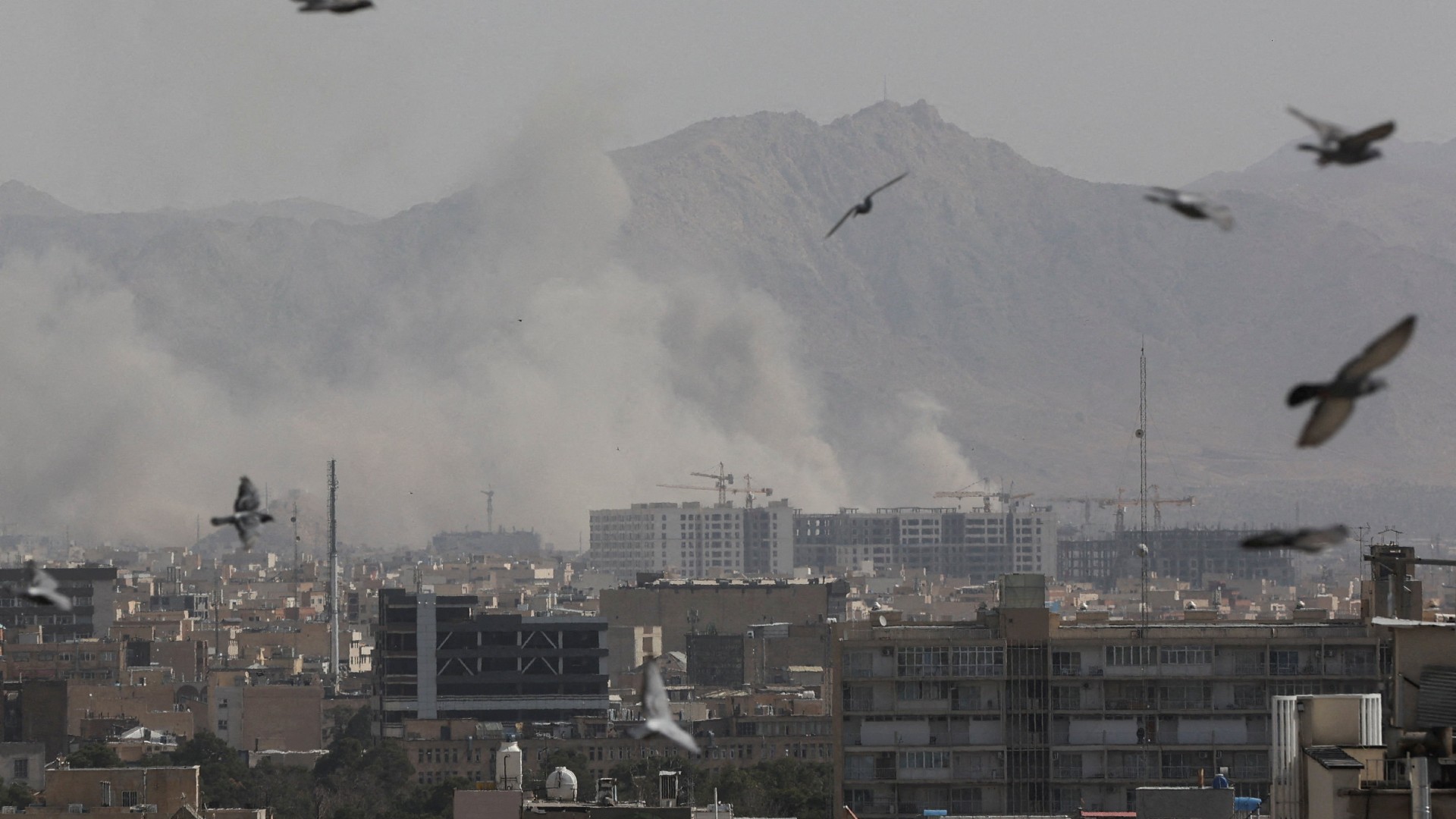
    KABUL, Afghanistan — In a development escalating security concerns across Central Asia, the Islamic State (IS) militant organization has publicly claimed responsibility for a devastating suicide bombing at a popular Chinese restaurant in Afghanistan’s capital. The attack, which unfolded late Monday in Kabul’s Shahr-e-Naw district, resulted in significant casualties and has drawn international condemnation.

    According to a statement released through the group’s Aamaq news agency, an IS operative infiltrated the restaurant—a known gathering spot for Chinese nationals—and detonated an explosive vest during a crowded gathering. The militant group asserted that the assault resulted in approximately 25 casualties, including Taliban security personnel, though these figures remain unverified by independent sources.

    Afghan authorities, while continuing their investigation into the blast’s precise origins, confirmed a tragic death toll of at least seven individuals. Interior Ministry spokesperson Mufti Abdul Mateen Qani acknowledged that the incident remains under active investigation, withholding official confirmation of the cause.

    The IS claim, consistent with the group’s typical rhetoric, included explicit threats against Chinese citizens within Afghanistan, directly linking the violence to Beijing’s policies toward Uyghur Muslims. This connection underscores the complex geopolitical tensions permeating the region.

    China’s Foreign Ministry confirmed one Chinese national was killed and five others wounded in the explosion. Spokesperson Guo Jiakun stated Beijing ‘strongly condemns and resolutely opposes terrorism in all forms,’ while urging Afghan authorities to enhance protective measures for Chinese citizens and infrastructure. In response to the attack, China has issued travel advisories warning its citizens against visiting Afghanistan and recommending those already in the country evacuate high-risk areas.

    The bombing highlights the precarious security situation in Taliban-controlled Afghanistan, where IS has maintained an active presence since the government transition in 2021. Despite the Taliban’s assurances that Afghan territory would not be used by militant groups, this incident demonstrates ongoing challenges to regional stability.

    International reactions included strong condemnation from Pakistani President Asif Ali Zardari, who criticized the Taliban government’s adherence to security agreements. The attack occurred concurrently with reports of border clashes between Afghan gunmen and Tajik security forces, further illustrating the region’s volatile security landscape.

  • Australia’s Parliament debates new anti-hate speech and gun laws after Sydney attack

    Australia’s Parliament debates new anti-hate speech and gun laws after Sydney attack

    Australia’s federal parliament has convened for an emergency session to debate sweeping new security legislation in response to last month’s deadly antisemitic attack in Sydney. The proposed measures include strengthened firearm regulations and enhanced powers to outlaw hate organizations.

    The legislative package, which could become law as early as Wednesday, establishes a government-funded firearm buyback program and imposes stricter eligibility criteria for gun ownership. The reforms specifically address circumstances that allowed the perpetrators of the December 14 Bondi Beach shooting to legally possess firearms despite security concerns.

    Home Affairs Minister Tony Burke revealed that the alleged attackers—50-year-old Sajid Akram and his 24-year-old son Naveed—would have been prohibited from owning weapons under the proposed standards. The elder Akram, though a legal gun owner, would have been disqualified due to his non-citizen status, while his Australian-born son had been under surveillance by the Australian Security Intelligence Organization (ASIO) since 2019 for associations with suspected extremists.

    The anti-hate speech provisions would enable the banning of organizations that promote extremism but don’t meet Australia’s current definition of terrorist groups. Islamist group Hizb ut-Tahrir, already outlawed in several nations, and neo-Nazi organizations like the National Socialist Network—which has announced plans to disband preemptively—would be subject to these new powers.

    Despite federal urgency, several state and territory governments including Tasmania, Queensland, and the Northern Territory are resisting the firearm buyback scheme, which would require subnational governments to cover half the costs. Minister Burke confirmed ongoing negotiations with regional authorities to implement the comprehensive security response.

  • T-shirt for Ukraine: a player’s heartfelt tribute to her country and her dad at the Australian Open

    T-shirt for Ukraine: a player’s heartfelt tribute to her country and her dad at the Australian Open

    Ukrainian tennis player Oleksandra Oliynykova made a powerful statement both on and off the court during her first-round Australian Open match against defending champion Madison Keys. Despite her 7-6(6), 6-1 loss on Rod Laver Arena, the 92nd-ranked athlete captured attention with her unique playing style and poignant political message.

    Oliynykova, whose father serves in the Ukrainian military, appeared at her post-match press conference wearing a T-shirt bearing the message: “I need your help to protect Ukrainian women and children but I can’t talk about it here.” This subtle protest circumvented Grand Slam regulations that prohibit political statements within competition venues.

    The match itself showcased Oliynykova’s unconventional approach, featuring high-arcing lobs and moonballs that initially troubled the ninth-seeded American. Keys found herself trailing 4-0 in the opening set before adapting to the Ukrainian’s unusual tactics. Despite the loss, Oliynykova received enthusiastic applause, signed autographs, and waved the Ukrainian flag to appreciative crowds.

    The 25-year-old player, adorned with distinctive temporary tattoos, revealed how her father’s military service has become a driving force in her career. Since he joined the armed forces, she has climbed over 200 places in the rankings. “He is my biggest supporter,” Oliynykova shared. “I know it was his dream to see me on this court, and I would do everything to make him proud.

    Her father’s remote message following the match provided particular comfort: “He told me it was an amazing match – he just texted me and I made his dream come true.” Oliynykova credits the war with reshaping her priorities: “When you are in this situation, you can put priorities in your life. I will do everything to make him even more proud.”

  • Civil aviation readies for record rush

    Civil aviation readies for record rush

    China’s civil aviation industry is preparing for unprecedented passenger volumes during the upcoming Spring Festival travel period, with officials projecting approximately 95 million air trips throughout the 40-day chunyun season. The travel rush, scheduled from February 2 to March 13, represents a 5.3% increase compared to previous years, averaging 2.38 million daily passenger journeys.

    The Spring Festival migration, recognized as the world’s largest annual human movement, demonstrates the cultural significance of family reunions and holiday traditions in Chinese society. This year’s extended nine-day public holiday from February 15-23, with the actual festival falling on February 17, is expected to create concentrated passenger flows as students and migrant workers coordinate their travel schedules around the extended break.

    Wang Weijun, Deputy Director of the Civil Aviation Administration of China’s Transport Department, emphasized that traditional family reunion travel combined with robust tourism demand will drive unprecedented aviation activity. “The combination of traditional travel for family reunions, student travel and strong holiday tourism demand is expected to further release aviation travel potential during the Spring Festival period,” Wang stated at a Beijing news conference.

    The aviation sector has coordinated approximately 780,000 scheduled flights throughout the travel period, representing a 5% year-over-year capacity increase averaging 19,400 daily flights. Peak travel is anticipated both before and after the main holiday, with post-festival return travel expected to be particularly congested. Single-day passenger volumes could reach 2.6 million during the highest demand periods.

    Concurrently, the CAAC has implemented enhanced safety protocols for unmanned aircraft operations. Chen Ye, Deputy Director of the Aircraft Airworthiness Department, outlined new standards requiring real-name registration, activation procedures, and operational identification for all civil drones. These measures establish technical systems to ensure traceability and monitoring capabilities throughout drone operations, addressing public safety concerns while supporting the development of China’s low-altitude aviation sector.

  • China’s population falls for fourth year amid economic woes

    China’s population falls for fourth year amid economic woes

    China has documented its fourth successive annual population contraction in 2025, cementing a concerning demographic trajectory that poses substantial challenges to economic vitality and social welfare frameworks. Official statistics from the National Bureau of Statistics (NBS) reveal a stark imbalance: with 7.92 million births overshadowed by 11.31 million deaths, the nation experienced a net reduction of 3.39 million people, settling the year-end population at approximately 1.405 billion.

    This persistent downturn reflects deeper systemic issues, including widespread employment instability among youth and diminishing marriage rates, which collectively undermine China’s long-term growth potential. The contracting workforce signals impending strains on pension systems and escalating healthcare expenditures associated with an aging citizenry.

    Critical analysis of workforce demographics shows the core working-age population (16-59 years) now constitutes 60.6% of the total populace, down from 60.9% in the previous year. This segment witnessed an annual decrease of 6.62 million individuals, highlighting tightening labor conditions despite advancements in educational attainment and productivity metrics.

    NBS officials, including Wang Pingping, Director of Population and Employment Statistics, emphasize qualitative improvements within the demographic profile. With 851 million people in the 16-59 cohort and 323 million aged 60 or above, China benefits from significant human capital. Wang notes that many seniors maintain robust health and economic activity, while average educational duration reaches 11.3 years and life expectancy climbs to 79 years. The nation’s R&D personnel now exceed 10.8 million, indicating a strategic pivot from labor quantity to expertise quality.

    Regional disparities further illustrate demographic fragmentation. Northeastern provinces like Liaoning, Heilongjiang, and Jilin report severe natural population declines, exacerbated by outward migration and aging residents. Conversely, southern regions and less-developed western areas, including Guangdong, Tibet, and Xinjiang, demonstrate relative resilience through higher birth rates and younger demographic structures.

    Underpinning these trends are evolving social attitudes. Marriage registrations briefly rebounded by 8.5% in early 2025 following policy interventions, yet analysts consider this temporary amid enduring economic pressures. A shrinking marriage-age population—down by over 60 million in a decade—coupled with pronounced gender imbalances and financial barriers like betrothal gifts and housing costs, continue to discourage family formation. These dynamics fuel the proliferation of ‘tang ping’ (lying flat) and ‘bai lan’ (let it rot) lifestyles among disenchanted youth.

    Despite these challenges, China retains formidable demographic advantages, including an urban population of 954 million (67.9% urbanization rate) and a consumer market surpassing the combined populations of developed nations. Policy measures expanding childcare support and educational access aim to mitigate demographic headwinds, though structural economic transformations appear inevitable.

  • Innovative architecture gives rise to schools of the future

    Innovative architecture gives rise to schools of the future

    In the heart of Shenzhen, Guangdong province, an educational architecture revolution is unfolding as innovative design solutions address the critical shortage of student placements in one of China’s most densely populated urban centers. The Hongling Experimental Primary School, completed in 2018 at the foot of Antuo Hill, stands as a pioneering model of high-density educational infrastructure that has captured international attention.

    Architect He Jianxiang, the visionary behind this groundbreaking project, frequently returns to the school with both architectural experts and educational delegations to demonstrate how creative thinking transformed spatial limitations into educational opportunities. The school’s distinctive features include semi-underground indoor sports facilities, expansive rooftop gardens, unusually wide corridors, and sunken landscaped courtyards that collectively create an environment where children consistently choose to extend their stay beyond school hours.

    This architectural achievement emerged from Shenzhen’s urgent ‘new campus action plan’ initiated in response to a severe educational infrastructure crisis. In 2017, city authorities committed to an ambitious five-year development strategy allocating 400 billion yuan ($56.3 billion) to construct 247 new educational institutions capable of accommodating 740,000 additional students. The Hongling school represents the inaugural and most influential project within this comprehensive initiative, successfully solving the complex puzzle of creating functional educational spaces within extreme urban density constraints.

    The school’s open design philosophy has transformed it into a community hub that extends beyond traditional educational functions, while its innovative use of vertical and underground spaces has established new standards for urban school architecture. The project demonstrates how architectural innovation can directly address social challenges, particularly in cities experiencing rapid population growth and limited available land resources.