标签: Asia

亚洲

  • Trump says Iran’s Supreme Leader killed in US-Israeli strikes, Tehran insists Khamenei is ‘safe and sound’

    Trump says Iran’s Supreme Leader killed in US-Israeli strikes, Tehran insists Khamenei is ‘safe and sound’

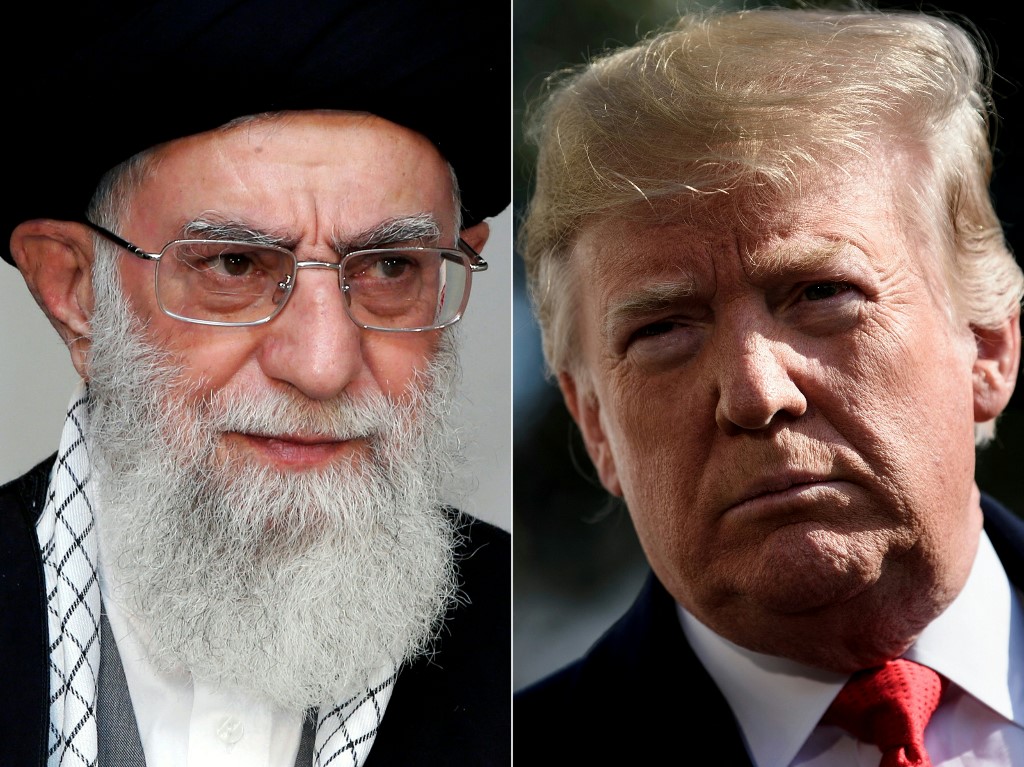
    In a controversial social media post on Saturday, former U.S. President Donald Trump asserted that Iran’s Supreme Leader Ayatollah Ali Khamenei had been killed during joint U.S.-Israeli military operations. Utilizing his Truth Social platform, Trump declared this development represented “justice for the people of Iran and all Great Americans,” while praising the effectiveness of American intelligence and tracking systems developed in collaboration with Israel.

    The former president characterized the situation as a pivotal opportunity for Iranian citizens to reclaim their nation, simultaneously claiming that numerous members of Iran’s Revolutionary Guards and security forces had lost their will to combat. Trump indicated his willingness to grant these individuals immunity while promising continued “heavy and pinpoint bombing” operations throughout the coming week “or as long as necessary to achieve our objective.

    These assertions were promptly contradicted by multiple sources. Iran’s Foreign Minister Abbas Araghchi stated to NBC News that, to his knowledge, “almost all officials are safe and sound and alive,” acknowledging only minimal commander casualties. Iranian state media agencies Tasnim and Mehr similarly refuted the claims, describing the Supreme Leader as remaining “steadfast and firm in commanding the field.

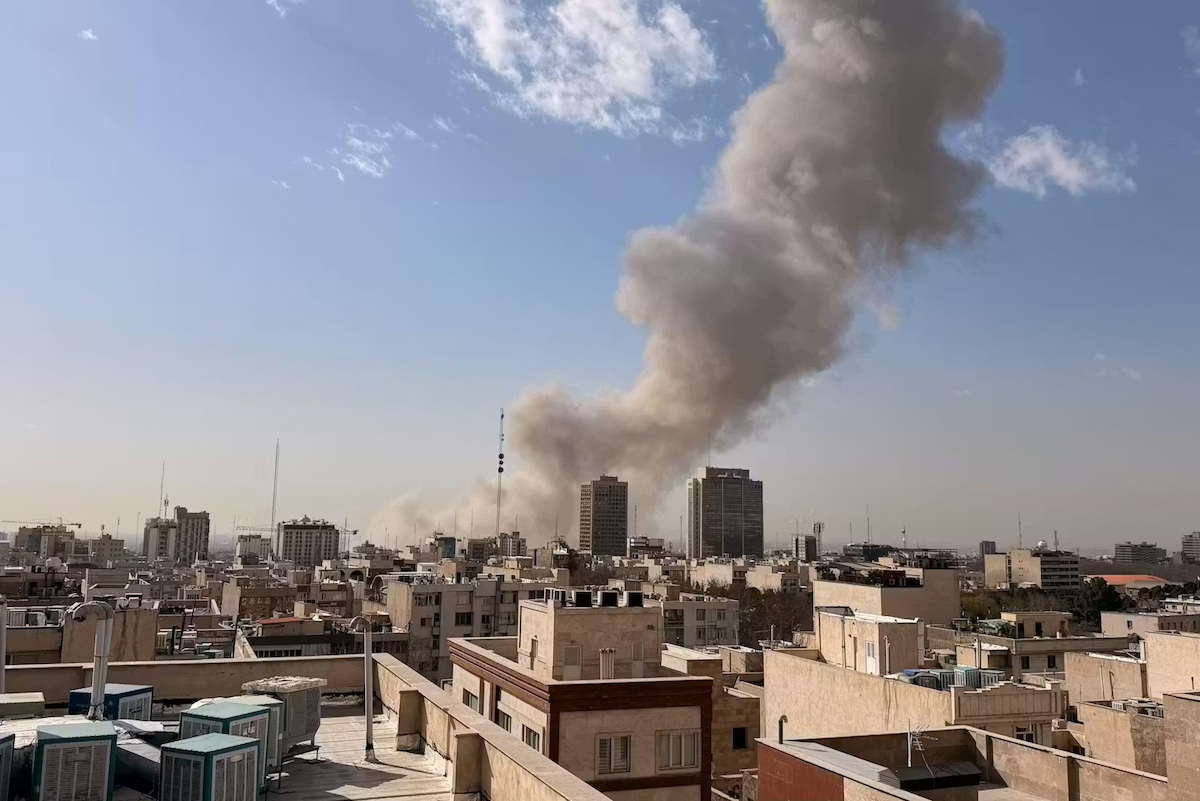
    An official from Khamenei’s office denounced the allegations as enemy “mental warfare,” urging public vigilance against psychological operations. The conflicting narratives emerged amid reports of significant military engagements, with Iranian media citing Red Crescent figures indicating Saturday’s strikes affected 24 provinces and resulted in at least 201 fatalities. Iran subsequently launched counterattacks targeting Israeli and U.S. military assets across the Middle East, further escalating regional tensions.

    Middle East Eye noted the inability to independently verify Trump’s claims, particularly as the former president provided no substantiating evidence for his assertions regarding the Iranian leader’s status.
  • At least 23 protesters killed in Pakistan after killing of Iran’s Ayatollah Ali Khamenei

    At least 23 protesters killed in Pakistan after killing of Iran’s Ayatollah Ali Khamenei

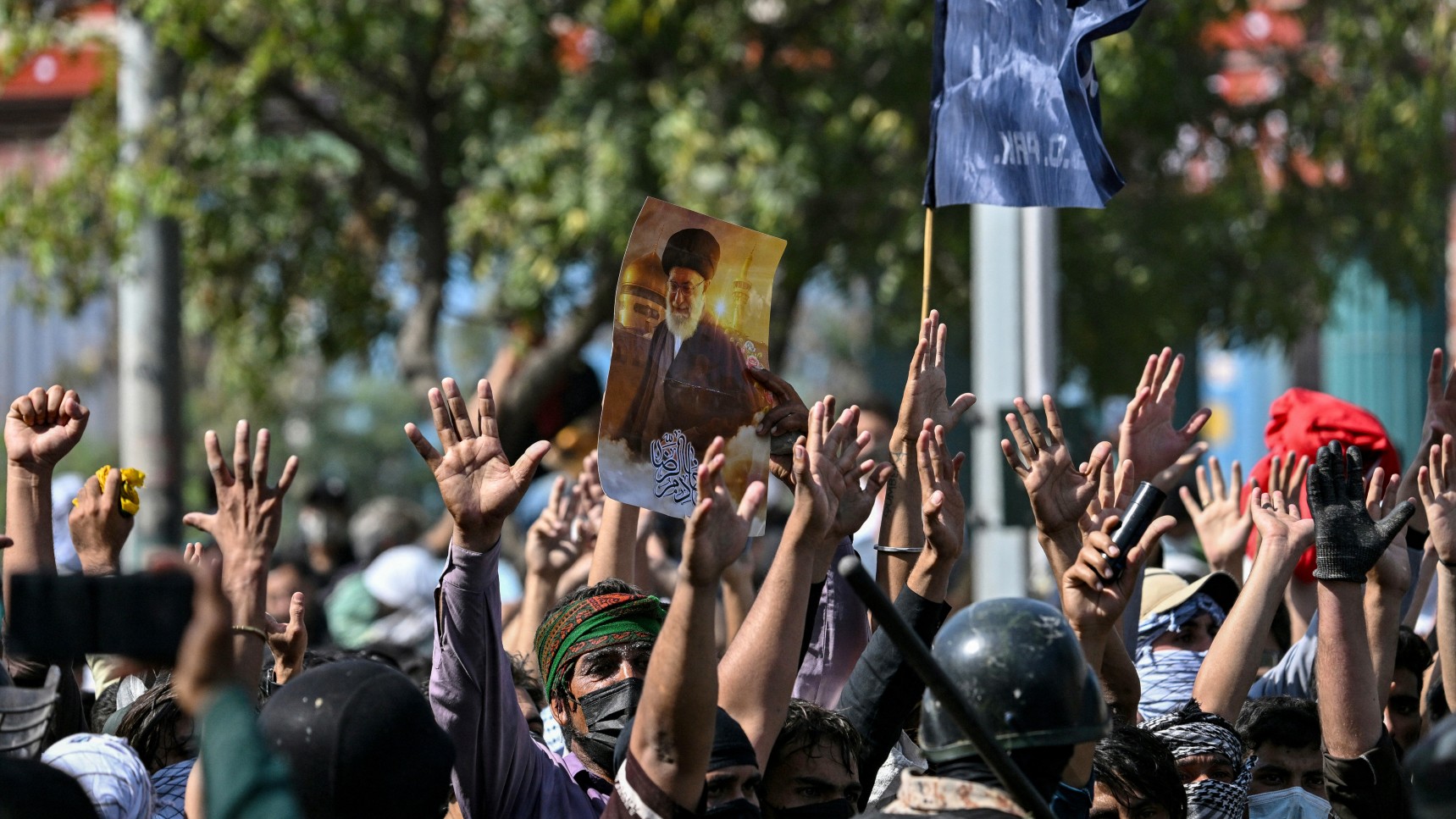
    Pakistan witnessed a day of widespread violence and civil unrest on Sunday as mass protests erupted in response to the killing of Iran’s Supreme Leader Ayatollah Ali Khamenei in a reported US-Israeli operation. The demonstrations turned deadly across multiple cities, resulting in at least 23 confirmed fatalities and numerous injuries.

    In Karachi, the nation’s commercial capital, hundreds of protesters stormed the US consulate complex, with several managing to breach the outer perimeter and inflict damage on the main building’s windows. The confrontation turned lethal as security forces employed live ammunition, tear gas, and rubber bullets against the crowds. According to Sindh’s chief police surgeon Sumaiyya Syed, at least ten individuals lost their lives in Karachi alone, with approximately 60 others sustaining injuries.

    The capital city Islamabad became another focal point of violence, where thousands gathered to express outrage over Khamenei’s death. At least two protesters were killed during demonstrations near the heavily fortified “Red Zone” that houses parliament buildings and diplomatic compounds, including the US embassy.

    The mountainous northern region of Gilgit-Baltistan emerged as a particularly violent flashpoint, with eleven fatalities reported in the city of Skardu. Protesters set fire to the office of the United Nations Military Observer Group, prompting authorities to impose a three-day curfew in the area.

    The widespread unrest stems from Pakistan’s significant Shia Muslim population, which constitutes approximately 20 percent of the country’s 200 million inhabitants. Many Pakistani Shias regarded Khamenei as their spiritual leader and regularly undertake pilgrimages to holy sites in Iran.

    In response to the security crisis, the US embassy in Islamabad announced the cancellation of all visa appointments and consular services for American citizens. Embassy officials advised US nationals in Pakistan to monitor local news, avoid large gatherings, and ensure their registration with the Smart Traveler Enrollment Program (STEP) remained current.

    Pakistani Interior Minister Mohsin Naqvi addressed the nation, acknowledging the shared grief with Iran while urging citizens to “not take the law into their hands” and protest peacefully. The government has condemned what it characterized as “unwarranted attacks” against Iran, noting that these developments occurred amid ongoing diplomatic efforts to achieve peaceful solutions in the region.

    The violence highlights Pakistan’s delicate geopolitical position, caught between its western neighbor Iran and its historical allies in the Gulf region. This balancing act became particularly complex following Pakistan’s recent mutual defense agreement with Saudi Arabia, which commits both nations to treat aggression against one as aggression against both.

  • ‘Dubai’s nightmare’: Iranian strikes shatter calm of UAE business hub

    ‘Dubai’s nightmare’: Iranian strikes shatter calm of UAE business hub

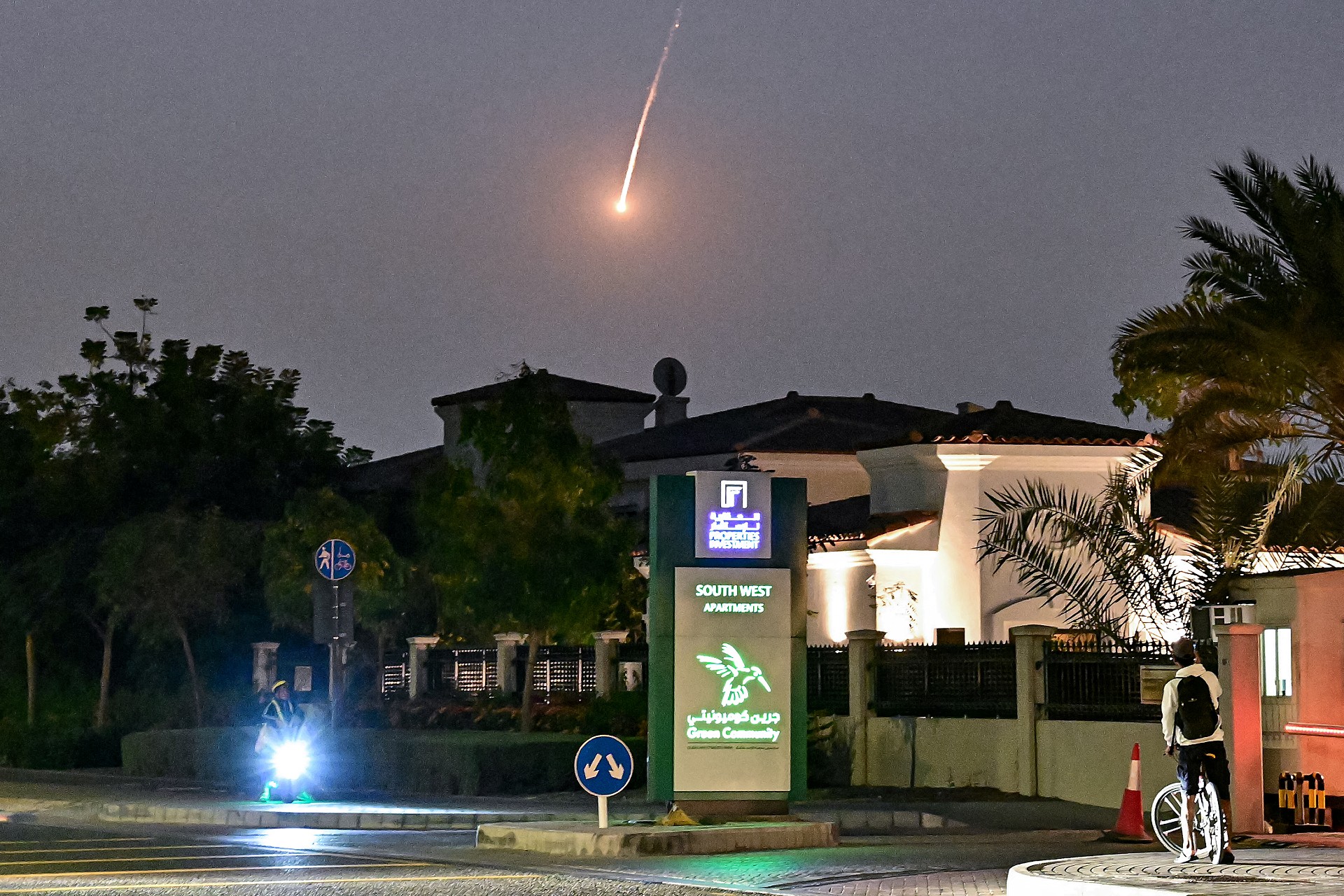
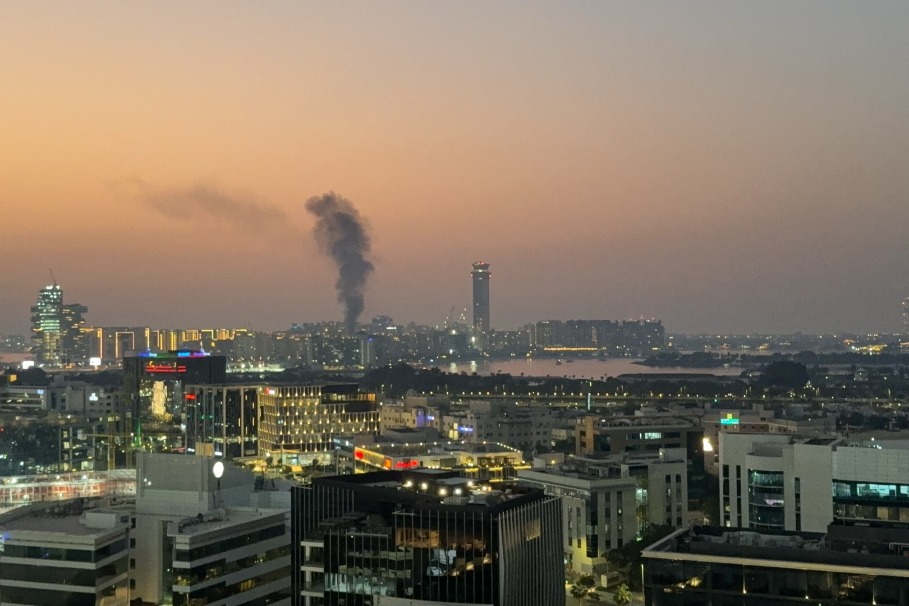
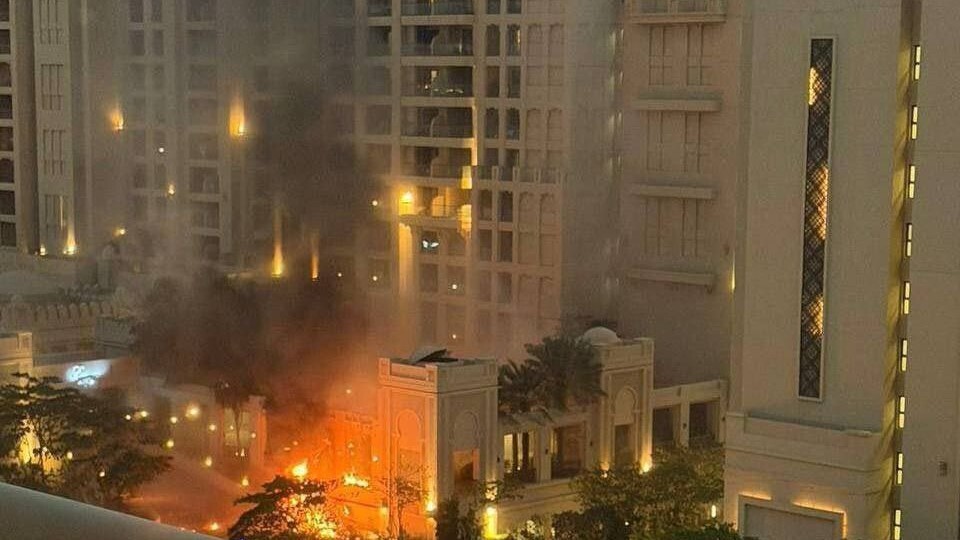
    Dubai’s carefully cultivated image as a secure haven in the turbulent Middle East faced an unprecedented challenge on Saturday as Iranian missiles and drones targeted the emirate. The assault, launched in retaliation for a surprise US-Israeli operation, sent billowing smoke and flames across the skyline of the region’s premier business and entertainment capital.

    The attack carries profound implications beyond immediate geopolitical tensions. Dubai has emerged as the world’s foremost beneficiary of post-pandemic economic trends, attracting London bankers, American finance professionals, and global entrepreneurs with its low-tax environment and efficient bureaucracy. The city-state’s property market has soared by 75% since 2020, while its financial institutions have become magnets for diverse capital flows—from Sudanese militia leaders trading gold to Eastern European expatriates fleeing conflict.

    Symbolic footage of an Iranian drone striking the luxurious Fairmont Hotel on Palm Jumeirah circulated rapidly through expatriate communities, challenging the fundamental calculation that built modern Dubai. The evacuation of the Burj Khalifa—the world’s tallest building—and indefinite flight suspensions at Al Maktoum International Airport further underscored the city’s vulnerability.

    Regional analysts note that Dubai’s essence depended on being a safe oasis in a troubled region. The attacks demonstrate that no amount of economic success can fully insulate the emirate from the Middle East’s unpredictable politics. This development potentially reprices risk assessments for the wealthy global citizens who have fueled Dubai’s boom, with competitors like Doha, Riyadh, and Muscat waiting to offer alternatives.

    The strikes have unexpectedly unified Gulf Cooperation Council leaders, with Saudi Crown Prince Mohammed Bin Salman expressing solidarity with Emirati leadership. Iran’s broader calculation appears to be forcing regional monarchs to either support US military operations or pressure Washington to de-escalate tensions—particularly if economic hubs continue suffering collateral damage.

  • Blasts hit Dubai and Abu Dhabi as UAE sucked into US-Israel conflict with Iran

    Blasts hit Dubai and Abu Dhabi as UAE sucked into US-Israel conflict with Iran

    The United Arab Emirates found itself on the frontline of regional conflict this Saturday as Iranian-origin missiles and drones targeted both Dubai and Abu Dhabi, marking a significant escalation in Middle Eastern tensions. The attacks represent the first major spillover of the US-Israeli conflict with Iran into Gulf states, with UAE air defense systems intercepting multiple projectiles while some managed to penetrate the protective shield.

    Eyewitness accounts from Dubai residents described visible plumes of smoke near prominent landmarks including the Fairmont the Palm and Dubai Marina neighborhoods. Verified video footage circulating online appeared to capture the moment an Iranian Shahed drone struck the city. Simultaneously, Abu Dhabi residents reported hearing distinct sounds of missile interceptions overhead as defense systems engaged incoming threats.

    The UAE stands among several Gulf nations—including Qatar, Kuwait, Saudi Arabia, and Bahrain—that have come under Iranian fire, presumably targeting US military installations throughout the region. The Al Dhafra Air Base, located just outside Abu Dhabi and housing approximately 5,000 American military personnel, represents one such potential target.

    In response to the crisis, UAE President Sheikh Mohammed bin Zayed Al Nahyan initiated emergency communications with Saudi Crown Prince Mohammed bin Salman and Qatari Emir Sheikh Tamim bin Hamad Al Thani. All parties unanimously condemned Tehran’s aggressive actions against regional stability.

    Official statements from UAE authorities emphasized that defense systems handled the missile strikes “with high efficiency, without any serious material damage,” while maintaining that “the situation remains under full control.” Despite these assurances, the Ministry of Economy issued guidance against stockpiling basic commodities, while the National Emergency Crisis and Disasters Management Authority warned residents against approaching or photographing fallen shrapnel.

    Tragically, one Pakistani national confirmed lost his life due to shrapnel impact in Abu Dhabi, marking the first casualty from the attacks.

    The aviation sector experienced significant disruption as authorities initially advised passengers to avoid Dubai International and Al Maktoum International airports before suspending all flights indefinitely by afternoon. Travelers like Mariam (a pseudonym) found themselves stranded for hours before receiving confirmation of flight cancellations, with luggage remaining at airports throughout the crisis.

    Abu Dhabi resident Omar (also a pseudonym) described receiving location-based emergency alerts directing citizens to seek shelter in secure buildings and avoid windows—a precaution not universally distributed across the emirate.

    Despite official attempts to maintain normalcy, visible signs of unease emerged throughout Dubai. Ridesharing driver Akhtar noted significantly lighter than normal traffic patterns “because of the Iran-America situation,” while numerous high-profile retail establishments including Apple’s flagship store and luxury brands like Maison Margiela, Kenzo, and Christian Louboutin closed their doors during typically busy Ramadan shopping periods.

    The UAE’s strict regulations regarding unverified information sharing—with penalties reaching approximately $55,000 for violations—have created a climate of cautious communication among residents. Nevertheless, social media platforms showed Emirati citizens sharing images of smoke plumes and expressing support for national security services at local establishments such as shisha bars in Dubai’s Business Bay district.

  • Why is WhatsApp’s privacy policy facing a legal challenge in India?

    Why is WhatsApp’s privacy policy facing a legal challenge in India?

    India’s Supreme Court is presiding over a pivotal legal confrontation that challenges the fundamental business practices of major technology corporations, with WhatsApp’s 2021 privacy policy at the center of this judicial scrutiny. The case represents a critical examination of digital privacy rights, consumer autonomy, and regulatory oversight of dominant online platforms in the world’s largest democracy.

    WhatsApp, which maintains an unprecedented 97% penetration rate among India’s internet users with approximately 853 million accounts, recently submitted an affidavit to the Supreme Court committing to implement enhanced user data controls by March 16. The messaging platform affirmed that Indian users would retain full access to WhatsApp services even if they exercise their right to opt out of data sharing with parent company Meta for advertising purposes.

    This judicial development follows stern criticism from the bench regarding WhatsApp’s previously mandatory data-sharing approach, which the court characterized as effectively ‘committing theft of private information’ and potentially undermining constitutional privacy protections. The Competition Commission of India (CCI) had previously condemned the policy as creating a ‘no real choice’ situation for users through its ‘take it or leave it’ framework.

    The legal saga originated in March 2021 when the CCI initiated an investigation alleging Meta engaged in ‘exploitative and exclusionary conduct’ by leveraging WhatsApp’s market dominance to disadvantage advertising competitors. This culminated in a November 2024 ruling that imposed a $25 million fine on Meta for ‘abusing its dominant position’ and mandated behavioral changes within three months, including a five-year prohibition on sharing user data with Meta entities.

    While WhatsApp and Meta challenged these penalties, the companies have now committed to establishing a consent-based framework for data sharing. The platform will implement prominent notification systems and dedicated settings tabs enabling users to review, modify, or completely opt out of data-sharing arrangements. According to the affidavit, ‘Sharing of user data collected on WhatsApp with other Meta companies for purposes other than providing WhatsApp services shall not be made a condition for service access in India.’

    The case unfolds against the backdrop of India’s evolving digital regulatory landscape, including the new digital data protection law that WhatsApp has begun preparing to implement, though this legislation itself faces constitutional challenges regarding potential free speech implications and surveillance concerns.

    Digital rights advocates remain divided on the implications. Some welcome the judicial intervention as necessary protection against corporate overreach in developing markets, while others like activist Nikhil Pahwa argue that ‘advertising is a legitimate business model’ fundamental to internet economics, noting that users retain ultimate choice through platform alternatives like Signal or Telegram.

  • ‘No to War’: Iranian opposition abroad pushes back against US-Israeli strikes

    ‘No to War’: Iranian opposition abroad pushes back against US-Israeli strikes

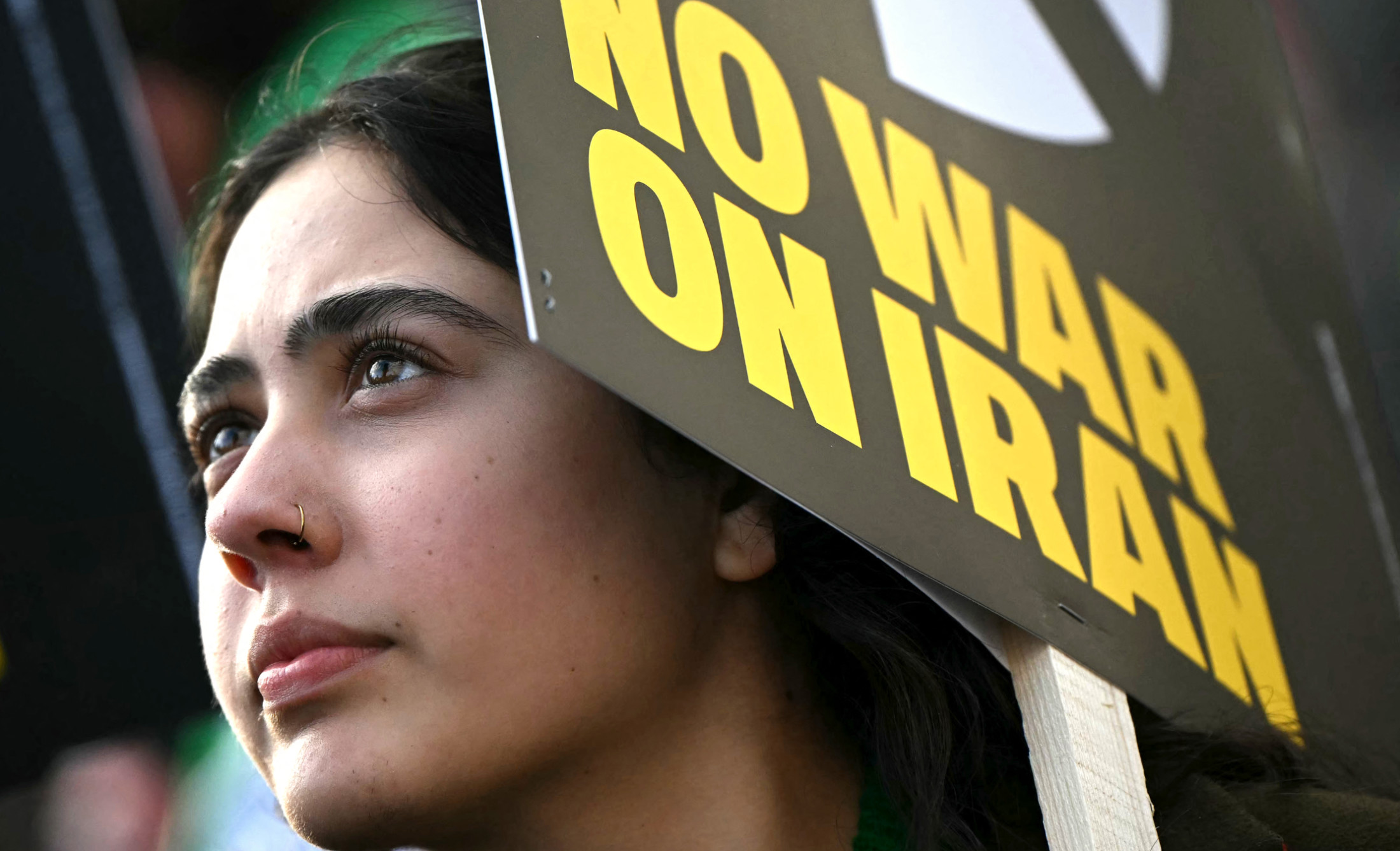
    The initial hours following U.S.-Israeli military strikes on Iran ignited a fierce and multifaceted debate across Farsi-language social media, revealing profound fractures within the Iranian opposition movement. The discourse, spanning the entire political spectrum, showcased a stark divergence of opinions regarding foreign intervention.

    Almost immediately, anti-war activists resurrected the Farsi hashtag #NoToWar, advocating against military escalation. This stance stood in direct opposition to calls from pro-monarchy factions, spearheaded by Reza Pahlavi—the Israel-aligned son of Iran’s last Shah—who publicly demanded an intensification of attacks on the Islamic Republic. Pahlavi’s camp, which has aggressively campaigned against rival opposition voices since Israel’s previous conflict with Iran, found itself at the center of a growing storm of criticism.

    Prominent journalist and regime critic Panah Farhadbahman issued a stark warning against foreign military action, drawing a historical parallel. He likened contemporary supporters of extensive U.S. strikes to those who backed the 1979 revolution, emphasizing that their advocacy would be permanently recorded. In a separate statement, Farhadbahman argued that the destruction of military infrastructure by Israel and the U.S. strategically weakens any future Iranian government, questioning the sincerity of motives behind the strikes.

    The criticism of Pahlavi intensified as users circulated symbolic imagery highlighting his perceived foreign allegiances. Comparative graphics placed his grandfather, Reza Shah, next to the British flag (referencing the 1921 coup), his father, Mohammad Reza Pahlavi, beside the American flag (referencing the 1953 CIA-backed coup), and Reza Pahlavi himself adjacent to the Israeli flag, identifying it as his primary foreign supporter—a connection many opposition figures find deeply troubling.

    This sentiment was echoed by political analyst Behrouz Farahani, who pointedly questioned the prospect of Israeli-backed democracy by sharing a report on Israeli soldiers shooting a Palestinian child. The Toofan opposition group abroad condemned the attacks, declaring that ‘war of aggression is not a solution to any problem. It is the problem.’

    The human cost of the conflict was brought into sharp focus by the widespread sharing of images from a struck girls’ school in Minab, where officials reported at least 85 fatalities, predominantly girls aged seven to twelve. This tragedy fueled a complex sentiment captured in one user’s post: ‘No to the Islamic regime. No to war. No to Israeli and US aggression. No to fascism and Pahlavi.’

    Conversely, U.S.-backed figures like journalist Masih Alinejad called for continued assaults, a position that also drew significant backlash. One user criticized Alinejad for celebrating a strike on a former official’s residence while allegedly ignoring the visible panic and potential civilian casualties in the footage she shared.

    The anti-war movement also resonated with persecuted religious minorities. A widely circulated video featured Pastor Mona Pahlevani directly addressing Iranians who had solicited foreign intervention, holding them responsible for the ensuing Iranian deaths and stating, ‘The blood of the people killed in the war… is on your hands.’

  • UK ‘forces are active’ and British planes involved in ‘defensive operations’ in Middle East

    UK ‘forces are active’ and British planes involved in ‘defensive operations’ in Middle East

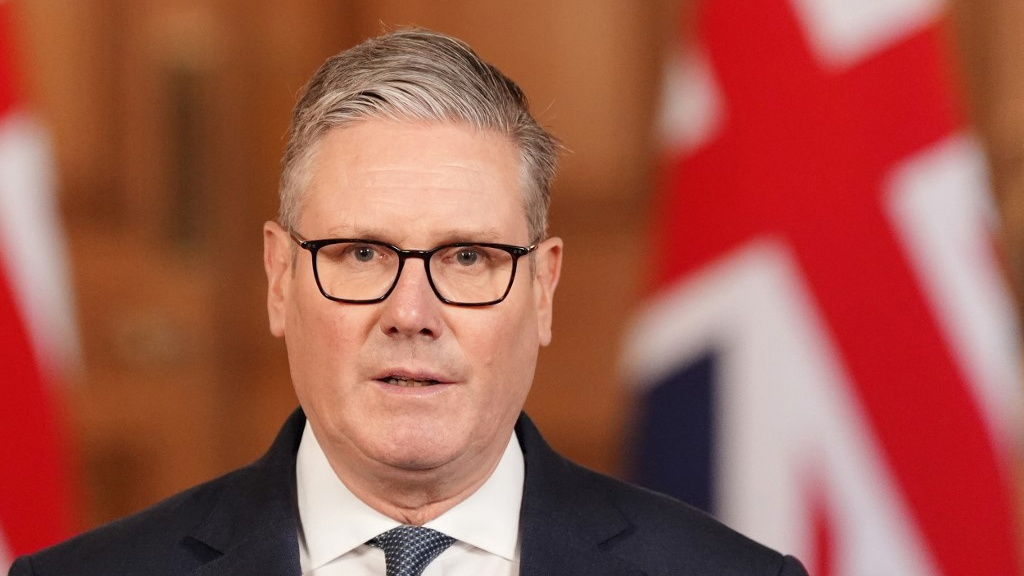
    Prime Minister Keir Starmer has declared that British military assets are actively engaged in defensive operations across the Middle East to safeguard national interests and protect regional allies. The announcement followed an emergency Cobra committee session attended by senior ministers, defense chiefs, and intelligence officials.

    While explicitly stating that the United Kingdom “played no role” in recent US-Israeli strikes against Iranian targets, Starmer emphasized Britain’s enhanced defensive posture. “We have a range of defensive capabilities in the region,” he stated, “which we’ve recently taken steps to strengthen. Our forces are active and British planes are in the sky today as part of coordinated regional defensive operations.”

    The Prime Minister characterized Iran’s government as “utterly abhorrent” while identifying nuclear non-proliferation as Britain’s primary regional objective. “Iran must never be allowed to develop a nuclear weapon,” Starmer asserted, noting this remains a shared goal with international allies including the United States.

    British military deployments include Typhoon jet squadrons stationed at Al Udeid Air Base in Qatar through a joint British-Qatari unit established in January. These advanced aircraft possess capability to intercept Iranian Shahed-136 drones. Additional UK military presence encompasses naval facilities in Bahrain and airbases across Qatar, UAE, Oman, and Cyprus.

    Regional analysts highlight Britain’s delicate balancing act. Chris Doyle of the Council for the Advancement of Arab-British Understanding noted: “The biggest risk would have been for Britain to participate in a war that is illegal and that would have had unclear and unachievable objectives.” He suggested Starmer’s government remains concerned about potential Iranian retaliation affecting British supply routes through critical waterways like the Straits of Hormuz.

    The disclosure follows reports that Starmer previously denied US requests to utilize British bases at Diego Garcia and RAF Fairford as launch sites for offensive operations against Iran. This decision drew criticism from opposition figures including Reform UK’s Nigel Farage and Conservative leader Kemi Badenoch, while receiving support from Green Party leader Zack Polanski who characterized potential involvement as supporting “illegal, unprovoked and brutal attack[s].”

  • US-Israel attacks on Iran open Pandora’s box

    US-Israel attacks on Iran open Pandora’s box

    In a dramatic escalation of Middle Eastern tensions, joint United States and Israeli military forces conducted targeted strikes against Iranian facilities on February 28. The offensive operation, authorized by US President Donald Trump, explicitly targeted Iran’s missile production infrastructure with declared objectives of crippling the nation’s defense capabilities.

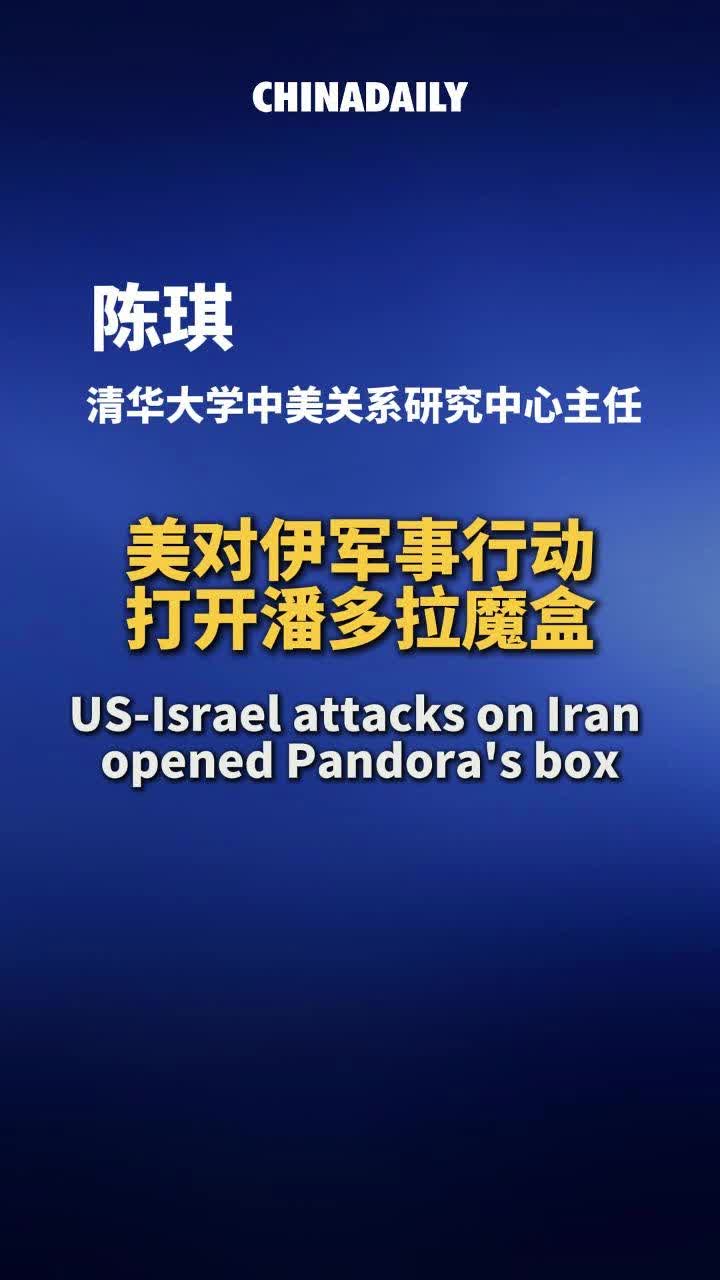
    According to strategic analysis by Professor Chen Qi, Director of the Center for China-US Relations at Tsinghua University, these military actions signify the complete breakdown of preliminary diplomatic negotiations between Washington and Tehran. The professor contends that the offensive serves dual purposes: compelling Iranian concessions in future potential discussions while simultaneously diverting domestic attention from pressing political controversies, including the ongoing Epstein scandal, ahead of critical midterm elections.

    The military engagement has effectively unleashed what experts characterize as a ‘Pandora’s Box’ of regional instability, with immediate repercussions already materializing. Initial reports indicate retaliatory missile strikes targeting the US military installation in Bahrain, resulting in significant casualties estimated at approximately 200 American personnel killed or wounded.

    Strategic analysts project that subsequent developments will predominantly depend on Iran’s retaliatory capabilities and strategic decisions. Particularly concerning to global security experts is the potential closure of the Strait of Hormuz—a critical maritime choke point for international oil transportation. Such action could create politically unsustainable pressure on the Washington administration amid growing domestic scrutiny and escalating regional violence.

  • US-Israel attack Iran when peace was within reach

    US-Israel attack Iran when peace was within reach

    In a dramatic reversal of diplomatic progress, United States and Israeli forces launched coordinated military strikes against Iranian targets this week, effectively derailing what mediators described as the most promising nuclear negotiations in years. The escalation occurred just as negotiators in Geneva were finalizing a principles agreement that would have significantly constrained Iran’s nuclear program.

    Omani Foreign Minister Badr Albusaidi had publicly characterized the talks as demonstrating “unprecedented openness,” with both sides moving beyond entrenched positions to explore creative solutions. The proposed framework included verifiable limits on uranium enrichment, complete elimination of highly enriched uranium stockpiles, and unprecedented International Atomic Energy Agency monitoring provisions that potentially included US inspectors operating within Iran.

    Iranian negotiators had demonstrated remarkable flexibility, offering strategic compromises designed to address US political realities. These included proposals for energy sector cooperation and economic incentives that represented calculated concessions rather than unilateral surrender. The objective was clear: establish enforceable nuclear constraints through intrusive verification mechanisms that would address proliferation concerns more effectively than sanctions or military threats.

    Mediators revealed that a principles agreement could have been signed within days, with detailed verification protocols following within months. The diplomatic breakthrough appeared tangible—until military action intervened.

    The strikes, framed by US leadership as “major combat operations” necessary to eliminate nuclear and missile threats, targeted Tehran and other Iranian cities. Iran responded with immediate retaliatory measures, launching missiles and drones against US bases and allied states across the Gulf region. Reports confirmed explosions in Bahrain, the United Arab Emirates, and other locations, with at least one fatality in Abu Dhabi.

    This escalation carries profound implications for regional stability and non-proliferation efforts. Iran represents a structurally resilient state with layered institutions and embedded security apparatus—distinct from the personalized dictatorships of Iraq or Libya. Its asymmetric capabilities, including missile systems positioned along the Strait of Hormuz, ensure that conflict will not remain contained.

    The timing of military action—during active diplomatic progress—undermines the premise that negotiation represents a genuine alternative to war. It signals that even successful diplomacy offers no guarantee against escalation, potentially convincing both sides that future negotiations are futile. This perception may harden deterrence postures and establish aggression as the default language of international power dynamics.

    The failure of diplomacy amid visible progress raises fundamental questions about strategic objectives and the durability of American commitments to negotiated solutions. As regional conflict expands beyond Iran’s borders, the prospect of prolonged confrontation threatens global energy markets and international security architecture.

  • Saudi, UAE leaders condemn ‘dangerous’ Iran escalation

    Saudi, UAE leaders condemn ‘dangerous’ Iran escalation

    In a significant diplomatic development, Saudi Crown Prince Mohammed bin Salman and UAE President Sheikh Mohamed bin Zayed Al Nahyan convened their first telephone discussion since late December to address Iran’s recent retaliatory strikes against Gulf nations. The high-level conversation occurred on Saturday amid escalating regional tensions.

    The UAE’s official WAM news agency reported that both leaders examined recent regional developments, particularly what they characterized as ‘blatant Iranian attacks’ targeting the UAE and several neighboring nations. The dialogue resulted in a strong joint condemnation of what they described as a ‘dangerous escalation that threatens the region’s security and undermines its stability.’

    Demonstrating Gulf solidarity, Crown Prince Mohammed bin Salman pledged Saudi Arabia’s ‘full solidarity with the UAE’ and offered the kingdom’s resources to support any measures the Emirates might undertake. President Sheikh Mohamed bin Zayed expressed his gratitude for this show of support between the Gulf allies.

    Concurrently, the UAE Ministry of Foreign Affairs issued a formal statement condemning the Iranian missile attacks that affected the Emirates and other Gulf states. The ministry emphasized the indivisible nature of regional security, stating that any infringement on the sovereignty of one nation constitutes a direct threat to the entire region’s stability.

    The UAE reaffirmed its categorical rejection of using regional territories as arenas for settling disputes or expanding conflicts, warning of grave consequences from continued violations that could undermine both regional and international security. The statement highlighted particular concerns about threats to global economic stability and energy security.

    Despite the firm stance, the UAE reiterated its call for restraint and diplomatic solutions, emphasizing that serious dialogue remains the most effective path to overcome the current crisis. The ministry simultaneously underscored that the Emirates retains its full and legitimate right to respond to the attacks, maintaining all options for self-defense.