标签: Asia

亚洲

  • Oil prices set for swings next week as US-Israel strikes raise supply uncertainty

    Oil prices set for swings next week as US-Israel strikes raise supply uncertainty

    FRANKFURT, Germany — Global oil markets face significant volatility as trading resumes following weekend closures, with analysts warning of potential price fluctuations stemming from recent military actions in the Middle East. The strategic strikes conducted by U.S. and Israeli forces have created substantial uncertainty regarding regional oil supply chains, particularly affecting Iranian exports which average approximately 1.6 million barrels daily.

    Pre-conflict analytical models projected varying scenarios based on the severity of infrastructure damage. Limited engagements that avoid comprehensive regime change or full-scale warfare could trigger immediate price increases of $5-$10 per barrel, primarily driven by market apprehension rather than actual supply disruption, according to energy research firm Rystad Energy.

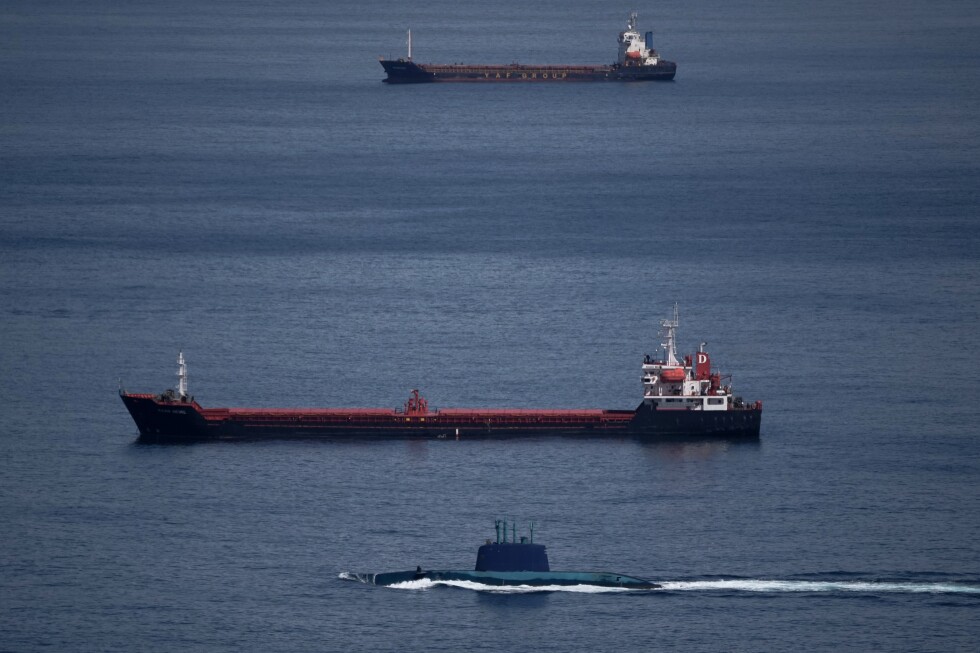
    The geopolitical tension has already influenced market behavior, with international benchmark Brent crude closing at a seven-month peak of $72.87 per barrel on Friday. Further escalation remains a critical concern, especially regarding the Strait of Hormuz—a vital maritime passage handling 20% of global oil shipments daily. Major Middle Eastern exporters including Saudi Arabia, Iraq, and the United Arab Emirates depend heavily on this channel for their distribution networks.

    Energy strategist Clayton Seigle of the Center for Strategic & International Studies outlined a concerning wartime scenario where Iranian disruption of tanker traffic could propel crude prices beyond $90 per barrel, subsequently driving U.S. gasoline prices significantly above $3 per gallon. Current national averages stand at $2.98 per gallon according to AAA motor club data.

    Despite concerning possibilities, analysts note Iran’s limited incentives for closing the Strait of Hormuz, as such action would simultaneously cripple its own export capabilities and damage relations with China, its primary oil customer. Chinese privately-owned refineries have continued purchasing Iranian oil despite U.S. sanctions, creating a complex geopolitical dynamic that could see Chinese buyers seeking alternative sources if supplies are interrupted, potentially accelerating global price increases.
  • Iranian President Masoud Pezeshkian in full health: Mehr news agency

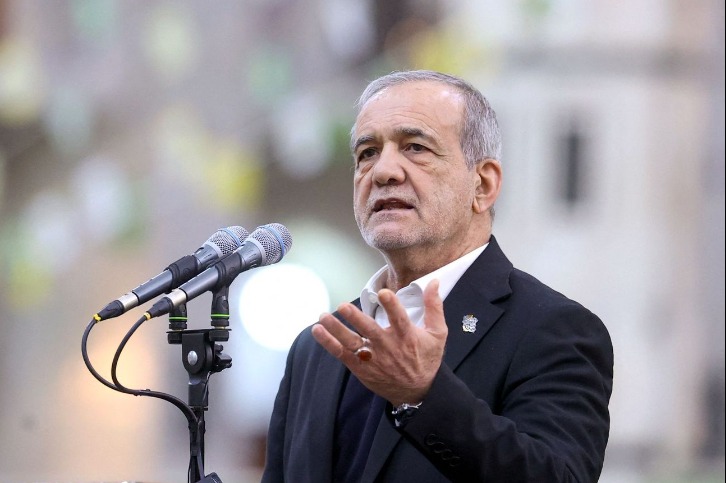
    Iranian President Masoud Pezeshkian in full health: Mehr news agency

    Iranian President Masoud Pezeshkian remains in robust health according to official statements from the Mehr News Agency, dispelling any speculation about his physical condition. The announcement comes at a critical juncture as Iran navigates complex regional dynamics and international negotiations.

    The health status confirmation follows a period of heightened regional tensions and significant diplomatic developments. Notably, Omani Foreign Minister Badr al-Busaidi recently revealed a potential breakthrough in nuclear discussions, indicating Iran’s agreement to maintain zero enriched uranium stockpiling—a significant concession in ongoing negotiations.

    Meanwhile, the region continues to experience instability, with recent cross-border clashes between Afghanistan and Pakistan resulting in significant casualties. These developments occur against the backdrop of former U.S. President Donald Trump’s comments expressing dissatisfaction with nuclear negotiation progress while clarifying that no final decision has been made regarding military action against Iran.

    President Pezeshkian’s confirmed good health assumes particular importance given Iran’s current strategic positioning. The nation appears to be pursuing diplomatic channels while maintaining readiness to address regional security challenges. The health assurance from official Iranian media sources serves to project stability within the country’s leadership during this volatile period.

    International observers continue to monitor Iran’s domestic and foreign policy directions, with President Pezeshkian’s administration facing multiple challenges including economic pressures, nuclear negotiations, and regional security concerns. The unequivocal health statement aims to reinforce confidence in Iran’s governance structures during these complex geopolitical circumstances.

  • Israel, US launch daylight attack on Iran

    Israel, US launch daylight attack on Iran

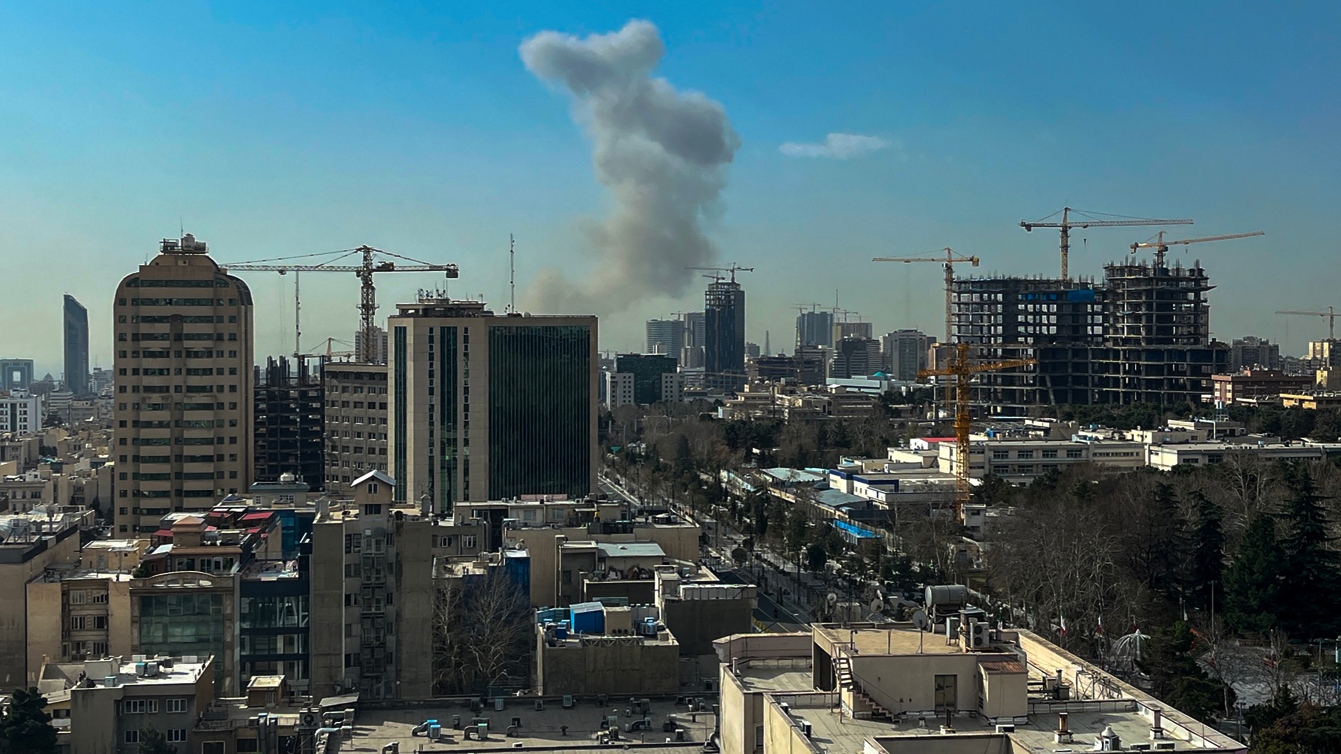
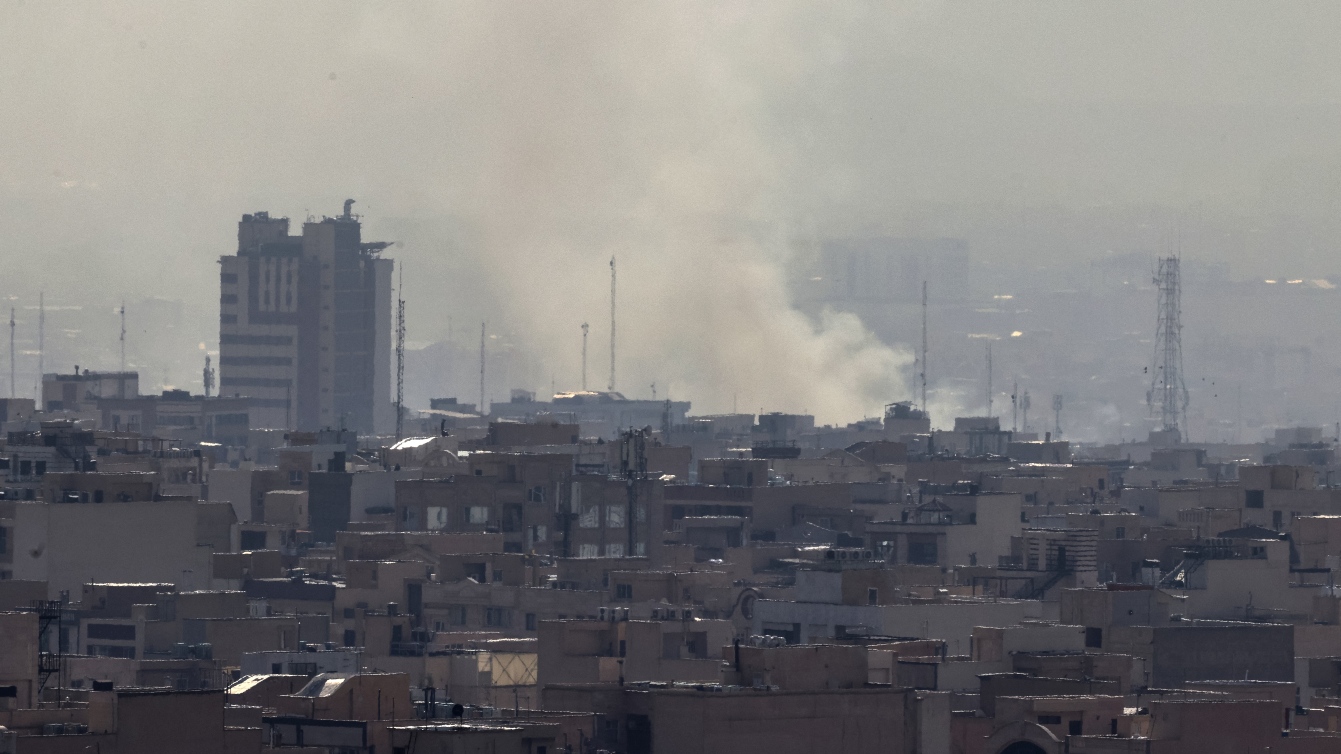
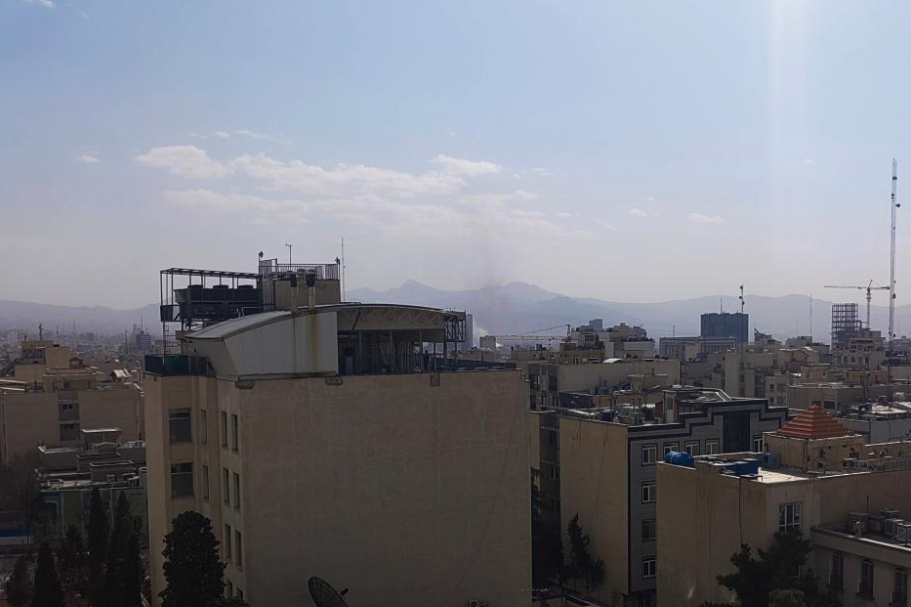
    In a significant escalation of Middle Eastern tensions, Israeli forces conducted a daylight military operation against targets in Iran’s capital Tehran on Saturday, with confirmed participation from United States military assets. The coordinated strike, which occurred on February 28, 2026, sent plumes of smoke rising from the downtown area near Supreme Leader Ayatollah Ali Khamenei’s offices, though Iranian authorities had previously relocated the leader to a secured location.

    According to verified reports from Fars News Agency, multiple missiles struck University Street and the Jomhouri district, prompting Iran to immediately close its national airspace. The operation followed the substantial buildup of US fighter jets and warships in the region, previously characterized as diplomatic pressure regarding Iran’s nuclear program.

    Israeli Defense Minister Israel Katz characterized the action as “a preemptive strike against Iran to remove threats to the State of Israel,” while emergency sirens activated across Israel and civilians received instructions to seek shelter. The Pentagon confirmed US involvement through anonymous officials speaking to Associated Press, with Reuters obtaining additional confirmation from Israeli defense sources regarding the coordinated nature of the operation.

    Regional security immediately heightened as the US Embassy in Qatar implemented shelter-in-place protocols for personnel and citizens, reflecting concerns about potential retaliation. Iranian officials had previously warned that US military personnel and bases throughout the region would become primary targets in any retaliatory action, though Tehran’s immediate response remained unclear at the time of reporting.

  • US military began major combat operation in Iran: Trump

    US military began major combat operation in Iran: Trump

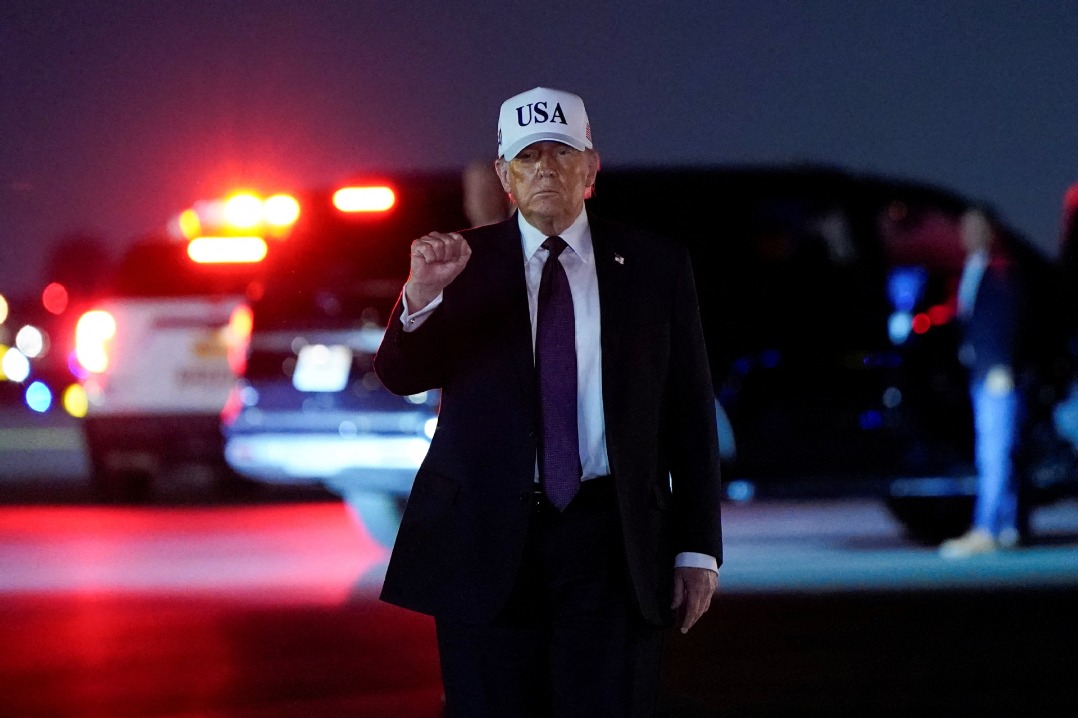
    In a dramatic escalation of Middle East tensions, former US President Donald Trump has declared the commencement of a major combat operation against Iran. The announcement, made today, outlines a comprehensive military campaign with the explicit objective of permanently dismantling Iran’s nuclear weapons program and missile infrastructure.

    Trump stated unequivocally that Iran would never be permitted to possess nuclear weapons under his administration’s watch. The operation’s strategic focus appears to center on the systematic destruction of Iran’s missile production facilities and launch capabilities, with the President vowing to ‘raze its missile industry to the ground.’

    This military action represents the most significant direct confrontation between the United States and Iran in recent history, fundamentally altering the security landscape of the region. The announcement comes amid ongoing diplomatic efforts concerning Iran’s nuclear program, creating a stark contrast between military and negotiated approaches to addressing security concerns.

    The operation’s commencement signals a decisive shift in US foreign policy toward Iran, moving from economic sanctions and diplomatic pressure to active military engagement. The development has immediate implications for global oil markets, regional stability, and international relations, particularly with nations that have maintained diplomatic ties with Tehran.

  • Thousands of cherry blossoms bloom in Chongqing, drawing visitors

    Thousands of cherry blossoms bloom in Chongqing, drawing visitors

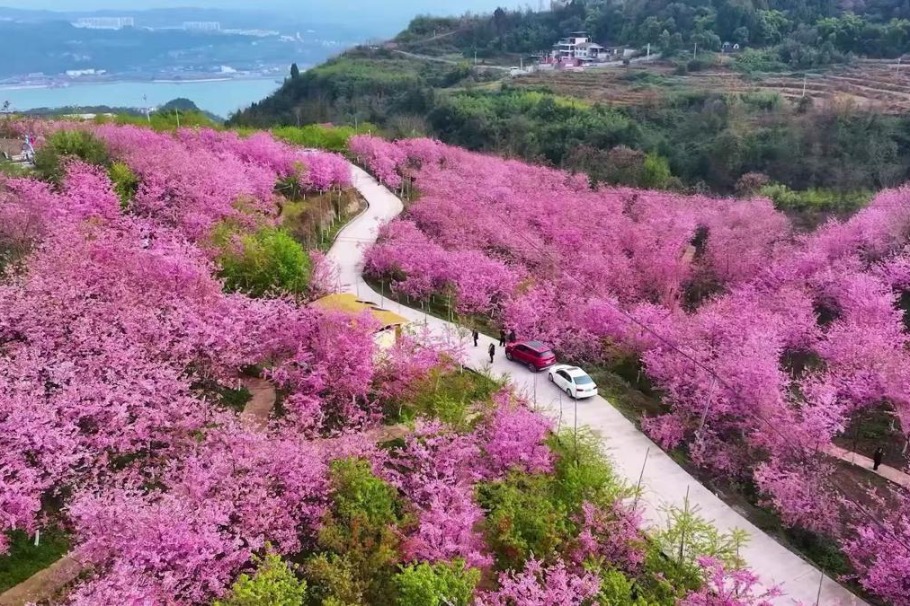
    The arrival of spring has transformed Chongqing’s Zhongxian county into a breathtaking floral paradise as its massive 66-hectare cherry blossom garden erupts in vibrant bloom. Located in the Yinshan community of Baigong subdistrict, this botanical wonderland has become a major attraction for visitors seeking to witness one of nature’s most spectacular seasonal displays.

    The expansive garden boasts an impressive collection of over 100,000 cherry trees representing nearly 50 distinct varieties. Among the botanical treasures are the graceful weeping cherry, the renowned Japanese Kawazu-zakura variety, and the distinctive bell-flower cherry. This diverse collection creates a multi-layered tapestry of pink and white blossoms that paint the landscape with extraordinary beauty.

    Recent warming temperatures have triggered the simultaneous blooming of thousands of trees, creating an immersive sensory experience for visitors. The air carries the delicate fragrance of cherry blossoms while the visual spectacle of countless flowers creates an almost surreal atmosphere. Photographers and nature enthusiasts have flocked to the site, capturing the ephemeral beauty of the blooms at their peak magnificence.

    The cherry blossom garden represents both natural splendor and careful cultivation, demonstrating successful horticultural management in Southwest China. The massive scale of the garden and its diverse collection position it as a significant botanical attraction in the region, offering visitors an exceptional opportunity to experience cherry blossom viewing without traveling abroad.

    Local authorities have noted the growing popularity of the site as a spring destination, with visitor numbers increasing annually. The phenomenon highlights how carefully managed natural attractions can become significant tourism draws while providing communities with opportunities to showcase regional horticultural achievements and natural beauty.

  • Guangdong Provincial Archives exhibits evidence of Japanese war crimes in China

    Guangdong Provincial Archives exhibits evidence of Japanese war crimes in China

    The Guangdong Provincial Archives has unveiled a compelling exhibition featuring irrefutable evidence of Japanese war crimes committed during World War II, drawing from historical materials preserved by Japanese sources themselves. The Saturday event served both as a donation ceremony and historical exposition, highlighting aggressive acts perpetrated by Japanese militarism against China.

    Local residents contributed significantly to the archival collection by donating materials documenting invasive crimes committed by Japanese forces in South China. These newly acquired holdings include previously unseen evidence that directly challenges persistent denials by Japanese right-wing factions regarding wartime atrocities.

    According to the Archives’ official statement, contemporary Japanese authorities have engaged in provocative actions that interfere with China’s internal affairs while simultaneously undermining the post-WWII international order. These developments have generated widespread condemnation among Chinese citizens and peace advocates worldwide.

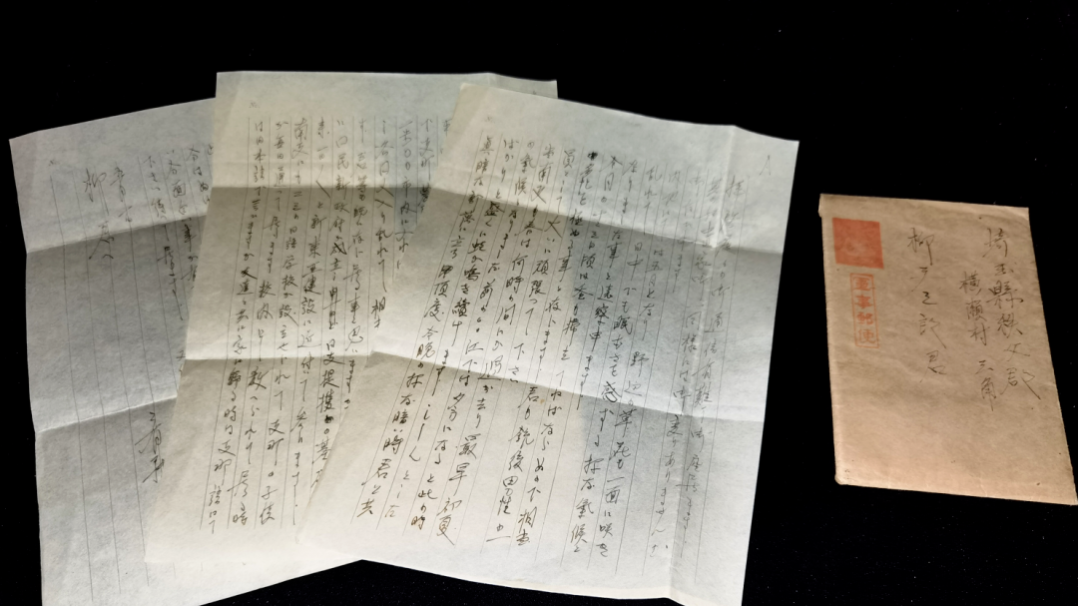
    Among the most significant donations were materials provided by researcher Sha Dongxun from the Guangdong Academy of Social Sciences. These included original Japanese manuscript testimony from Unit 8604 veteran Inoue Mutsuo, recorded in July 1995, which details germ warfare atrocities committed by Japanese forces. Additionally, the collection features printed testimony from veteran Maruyama Shigeru who publicly exposed biological warfare crimes in 1993.

    The Archives emphasized that these materials represent self-incriminating evidence from perpetrators who could no longer bear the weight of their conscience in their later years. The exhibition also showcases original photographs captured by military photographers serving in Japan’s 21st Army that invaded South China, alongside Japanese publications and invasion photo albums published by contemporary news media.

    These Japanese-language historical materials provide incontrovertible proof of Japan’s invasive history and hold immense historical value for understanding the full scope of wartime atrocities committed during the occupation period.

  • US-Israel strike Iran in joint attack

    US-Israel strike Iran in joint attack

    In a significant escalation of Middle Eastern tensions, the United States and Israel conducted coordinated military strikes against multiple targets in Iran on Saturday. The attacks, targeting sites in Tehran and several other cities including Qom, Karaj, and Kermanshah, mark a dangerous new phase in regional instability.

    According to US security officials, the joint operation represents a dramatic intensification of military engagement with Iran. Israeli Defense officials confirmed their forces struck multiple locations within the Iranian capital, where explosions were reported throughout the morning. Iranian officials disclosed to Reuters that several government ministries in southern Tehran were among the targets hit.

    This offensive follows President Donald Trump’s previous military action against Iran in June 2025, when US forces joined Israel in a 12-day conflict that culminated in bombing three Iranian nuclear facilities. While Trump previously characterized those strikes as ‘limited and decisive,’ targeting Tehran directly establishes conditions for potentially extended US military involvement in the region.

    The administration had been preparing for this escalation since January, deploying additional warplanes, air defense systems, and an aircraft carrier to the Middle East. In an interview with Axios, Trump notably referenced dispatching ‘a big armada next to Iran. Bigger than Venezuela’ – drawing parallels to his military campaign against the Latin American nation earlier in the month.

    Despite the military action, Trump has maintained diplomatic channels with Tehran, leaving the path to negotiations open. The administration had considered military action against Iran for nearly a month, initially citing the government’s brutal crackdown on demonstrators that resulted in thousands of casualties. After initially encouraging protestors to ‘take over’ state institutions, Trump later claimed the ‘killing has stopped.’

    Regional experts caution that this latest attack could provoke severe retaliation from Iran. Unlike previous responses – such as the June attack on al-Udeid air base in Qatar, which was conducted with advance warning and limited damage – current circumstances might compel Iran to respond more aggressively. With Tehran already confronting massive domestic protests, US military action could be perceived as an existential threat, potentially triggering attacks on US bases across the region or attempts to shut down the Strait of Hormuz, a critical passage for 20% of global oil shipments.

    The operation follows a pattern similar to Trump’s approach toward Venezuela, where escalating tensions ultimately resulted in the abduction and detention of President Nicolas Maduro. Regional powers including Saudi Arabia, Qatar, and Oman had lobbied against military action, while several Gulf states explicitly refused to allow US use of their territory or airspace for attacks on Iran.

  • US-Israel strike Iran in joint attack, Khamenei moved to ‘safe place’

    US-Israel strike Iran in joint attack, Khamenei moved to ‘safe place’

    In a significant escalation of Middle Eastern tensions, Israeli forces executed coordinated military strikes against multiple targets in Tehran on Saturday. The operation, confirmed by US security officials to be a joint initiative with Washington, represents a dramatic turning point in regional geopolitics.

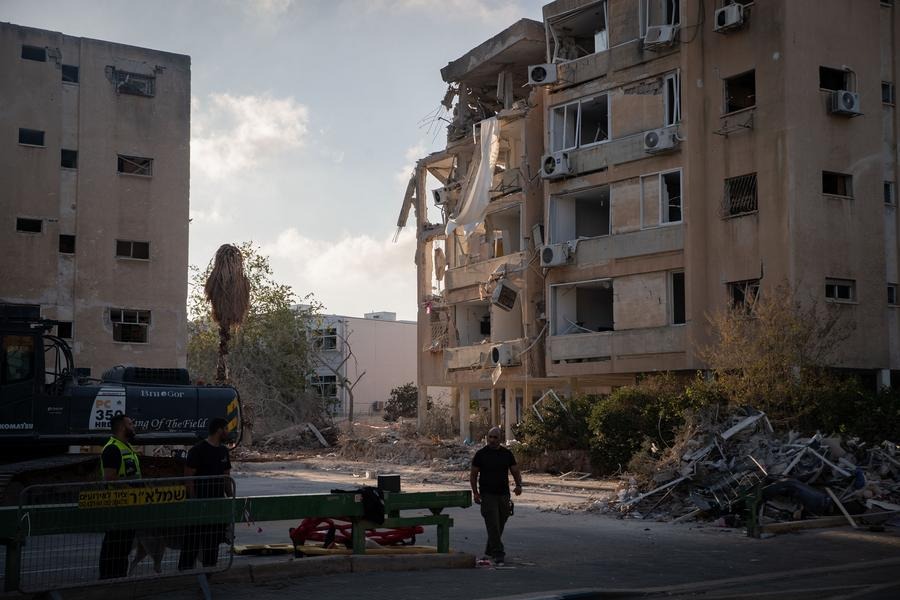
    Israeli Defense Minister Israel Katz publicly acknowledged the offensive, characterizing it as a ‘preventive strike’ against Iranian assets. Concurrently, air raid sirens activated across Israel, with military authorities issuing urgent directives for civilians to seek immediate shelter in protected spaces. The nation transitioned to ‘Essential Activity’ status, suspending educational institutions, public gatherings, and non-critical commercial operations.

    Reuters agency reported that Iran’s Supreme Leader Ali Khamenei relocated to a secured facility during the assault. Eyewitnesses described substantial explosions throughout Tehran’s metropolitan area, with visible smoke plumes rising from impact sites.

    US President Donald Trump concurrently advocated for regime transformation in Iran, declaring that ‘Iranian people’s freedom is at hand today.’ He extended offers of immunity to members of Iran’s Revolutionary Guard Corps, military, and police forces conditional on their disarmament.

    Israeli media outlet Channel 13, citing confidential security sources, revealed the operation underwent months of strategic preparation. The timing appears particularly significant given recent diplomatic engagements – an Iranian informant disclosed to Middle East Eye that negotiations served as camouflage for military planning, evidenced by the USS Gerald Ford aircraft carrier’s positioning near Haifa preceding the attacks.

    This development follows Israeli Minister Yoav Gallant’s Friday declaration that ‘the coming weeks will shape the coming decades in the Middle East,’ suggesting advanced awareness of impending military actions. The Omani foreign minister had simultaneously claimed breakthrough diplomatic achievements, which now appear overshadowed by armed conflict.

  • Israel says launched ‘preemptive’ strike against Iran

    Israel says launched ‘preemptive’ strike against Iran

    The Israeli Defense Ministry confirmed the execution of a preemptive military strike against Iranian targets early Saturday, characterizing the operation as a necessary defensive measure to neutralize imminent threats to national security.

    In an official statement released following the operation, Israeli authorities justified their actions as a calculated response to credible intelligence indicating preparations for missile attacks against Israeli territory. The precise locations and specific nature of the targets struck within Iran remain undisclosed for operational security reasons.

    Concurrently with the offensive maneuver, Israel’s civil defense network activated emergency sirens nationwide, alerting citizens to prepare for potential retaliatory missile strikes from Iran. The dual development of offensive action and defensive preparedness underscores the heightened state of military tension between the two Middle Eastern powers.

    The escalation occurs against a complex geopolitical backdrop where regional tensions have been steadily intensifying. This military action represents a significant development in the long-standing adversarial relationship between Israel and Iran, which has historically involved proxy conflicts but now appears to be entering a more direct phase of confrontation.

    International observers and diplomatic channels are closely monitoring the situation for potential ripple effects across the region, particularly regarding how Iran’s leadership might respond to what Israel describes as a preemptive defensive action. The operation marks one of the most direct military engagements between the two nations in recent years.

  • New Zealand reaches T20 World Cup semifinals after Pakistan beats Sri Lanka by only 5 runs

    New Zealand reaches T20 World Cup semifinals after Pakistan beats Sri Lanka by only 5 runs

    In a breathtaking conclusion to their Twenty20 World Cup campaign, Pakistan secured a dramatic five-run victory against Sri Lanka in Pallekele on Saturday, only to discover the win wasn’t sufficient to advance them to the semifinals. The mathematical elimination handed New Zealand the final semifinal spot despite the Black Caps not playing.

    Pakistan’s path to advancement required restricting Sri Lanka’s chase to under 148 runs to surpass New Zealand’s net run rate. The match appeared to tilt in Pakistan’s favor when they reduced the hosts to 101-5 in the 12th over. However, a spectacular resurgence led by captain Dasun Shanaka and Pavan Rathnayake dramatically shifted momentum.

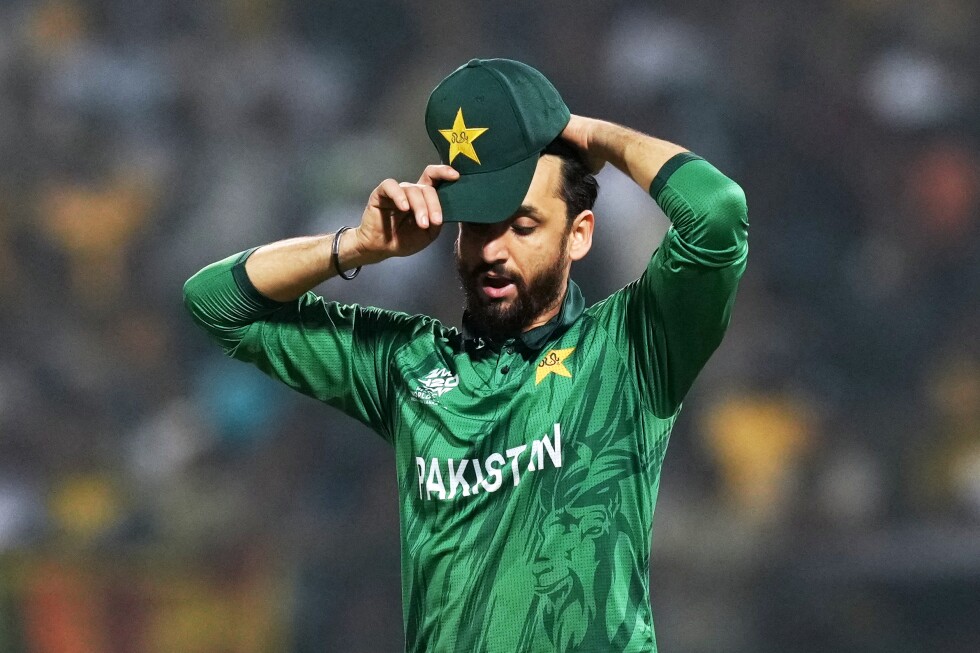
    The climax arrived during the final over delivered by Shaheen Shah Afridi. Shanaka unleashed a breathtaking sequence of 4-6-6-6, bringing Sri Lanka within six runs of victory with two deliveries remaining. In a stunning twist, Shanaka misjudged the fifth ball attempting an unconventional scoop shot, then let the sixth ball—a precise yorker—pass assuming it would be called wide. The umpire’s decision not to award a wide sealed Pakistan’s narrow win but simultaneously ended their tournament aspirations.

    Pakistan’s formidable total of 212-8, their highest ever in T20 World Cup history, was built upon a record-shattering opening partnership. Sahibzada Farhan and Fakhar Zaman combined for 176 runs—the highest partnership in men’s T20 World Cup history—surpassing the previous record set by New Zealand’s Tim Seifert and Finn Allen.

    Farhan’s blistering century (100 off 60 balls) propelled him past Virat Kohli’s single-tournament runs record of 319 set in 2014. The Pakistani opener now stands at 383 runs with two centuries and two half-centuries in the competition. Zaman, promoted to opener for the first time in the tournament, contributed a powerful 84 from 42 deliveries.

    Despite the elimination, Pakistan exits the tournament having demonstrated exceptional batting prowess, while Sri Lanka concluded their campaign with four consecutive defeats despite a spirited final performance that earned applause from their home crowd.

    The semifinal picture now shows England, New Zealand, and South Africa securing their places, with defending champion India—the sole remaining Asian team—facing the West Indies on Sunday to determine the final semifinalist. With Pakistan’s elimination, tournament co-host India will stage both semifinals and the final on March 8.