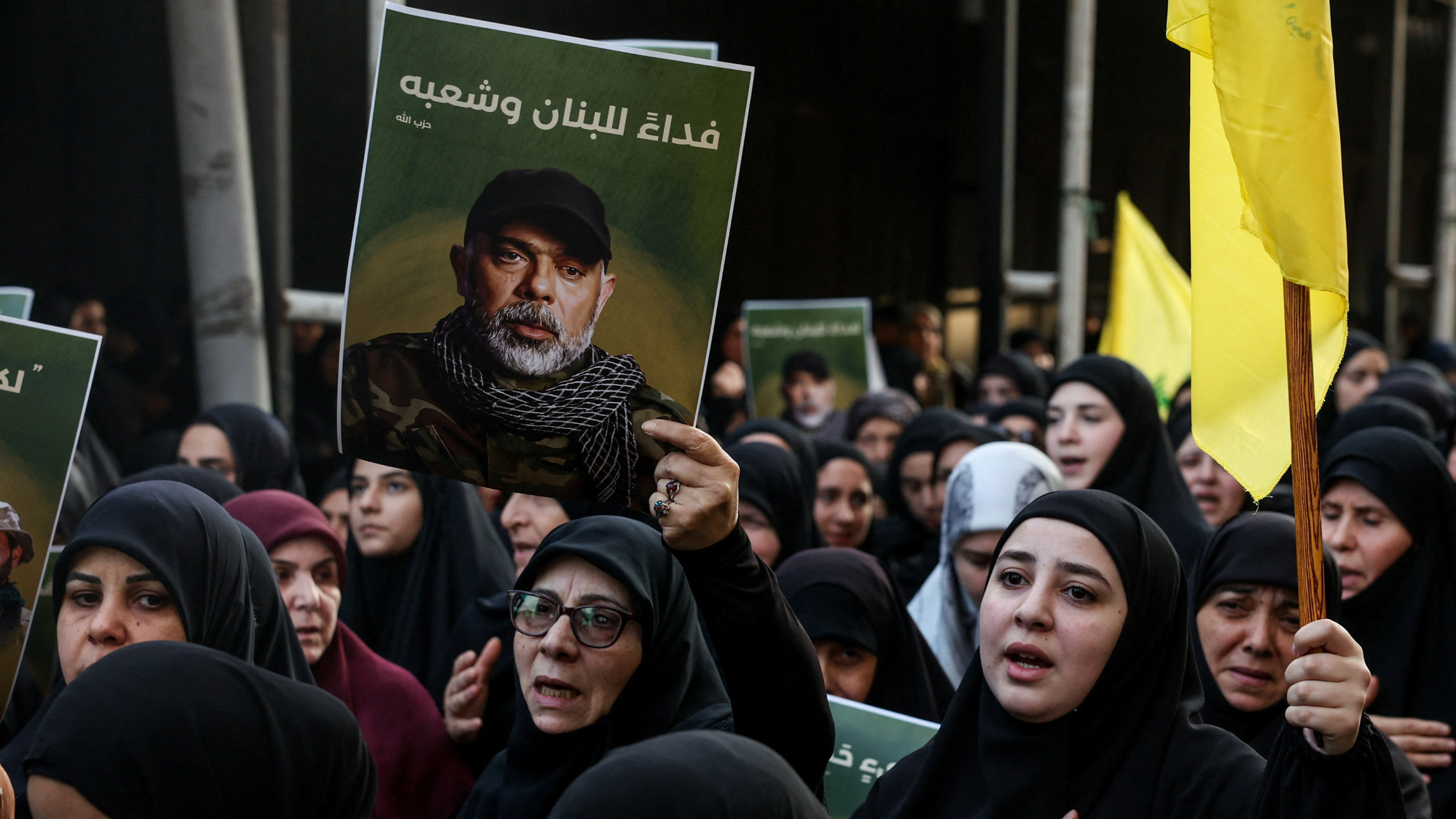
In a significant escalation of tensions, Israel conducted its first strike on Beirut since June, targeting and killing Haytham Ali Tabatabai, Hezbollah’s most senior military figure. This marks the highest-ranking Hezbollah official to be eliminated since the ceasefire in Lebanon was established a year ago. Tabatabai, also known as Abu Ali, had risen through the ranks to become Hezbollah’s top military chief after Israel decimated much of the group’s senior leadership. During last year’s conflict, he headed Hezbollah’s operations division and was later appointed chief of staff following the ceasefire. Hezbollah mourned him as a foundational leader who ensured the group’s strength and victories. The Israeli military stated that Tabatabai had been instrumental in restoring Hezbollah’s readiness for war. Born of Iranian and Lebanese descent, Tabatabai joined Hezbollah in the 1980s, holding various senior positions, including leadership of the elite Radwan Force. He played a pivotal role in military operations against Israel since the 1990s, including the 2006 war, and later oversaw Hezbollah’s interventions in Yemen and Syria. The US had designated him a terrorist in 2016, offering a $5 million reward for information. His assassination has sparked warnings from Hezbollah, with the group’s executive council head, Ali Damoush, stating that Israel had made a grave mistake. The strike, which hit a densely populated area in Beirut’s southern suburbs, killed five and wounded 28. Lebanese security analyst Ali Rizk views this as part of a broader Israeli escalation, highlighting Israel’s intelligence superiority and its strategy to weaken Hezbollah without engaging in full-scale war. Recent weeks have seen increased Israeli operations in Lebanon, with over 300 killed since the ceasefire, including civilians. Israel’s actions, including occupying strategic positions and conducting daily raids, aim to prevent Hezbollah from rebuilding its military capabilities. Despite Hezbollah’s reduced arsenal and leadership losses, Israeli officials remain cautious of the group’s potential to inflict damage. Rizk concludes that Israel seeks unrestrained operational freedom in Lebanon, mirroring its actions in southern Syria.
标签: Asia
亚洲
-
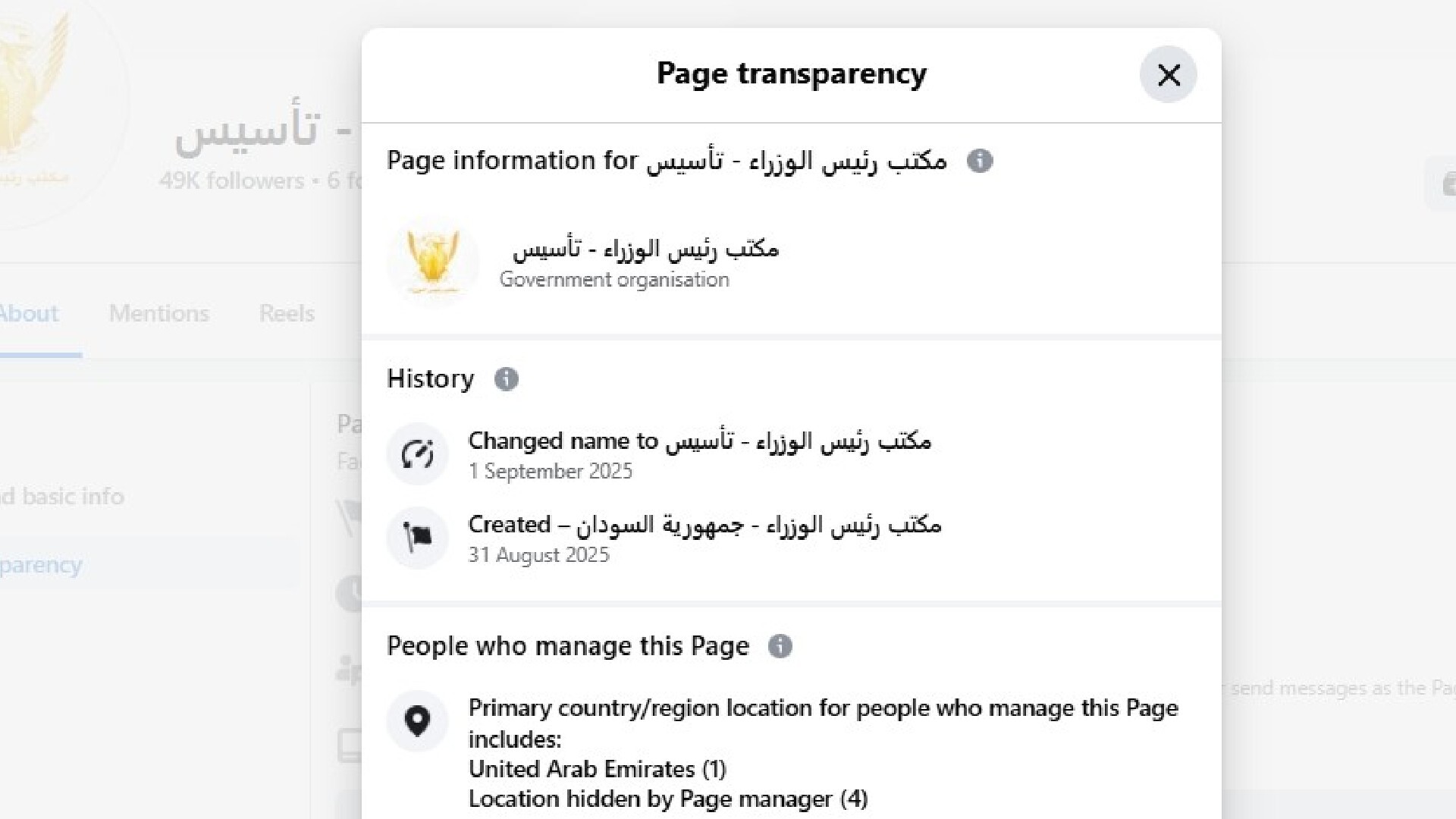
Social media accounts linked to Sudan’s RSF are based in the UAE
A recent investigation by Middle East Eye has uncovered that several social media accounts associated with Sudan’s Rapid Support Forces (RSF) appear to be operating from the United Arab Emirates (UAE). The discovery comes as X, formerly known as Twitter, introduced a new feature allowing users to identify the location and region from which accounts connect to the platform. This feature revealed that numerous accounts linked to the RSF and its affiliated institutions, including the interior ministry of the Government of Peace and Unity—a parallel administration backed by the RSF—are based in the UAE. Notably, Gony Mustafa Abubakr Sharif, the RSF’s representative at the United Nations, also operates his account from the Emirates. Additionally, accounts for the foreign affairs ministry and the prime minister’s office of the parallel government are connected from ‘West Asia,’ a region encompassing the Middle East but excluding Sudan. While some users claim these accounts previously displayed UAE as their location before switching to ‘West Asia,’ this remains unverified. The investigation also highlighted that Faris El-Nur, an RSF adviser, and Ibrahim El-Mirghani, a Sudanese politician supporting the RSF, operate their accounts from the UAE, despite listing their locations as the UK and Sudan, respectively. The UAE’s involvement extends beyond social media, with reports indicating the country has been supplying the RSF with weapons through a complex network spanning Libya, Chad, Uganda, and Somalia. US intelligence agencies have also noted an increase in UAE’s provision of Chinese drones and other weapon systems to the RSF. Despite these allegations, the UAE denies any involvement in supporting the RSF. The ongoing conflict in Sudan, which began in April 2023, has seen both the RSF and the Sudanese Armed Forces accused of widespread atrocities, including war crimes and genocide in Darfur.
-
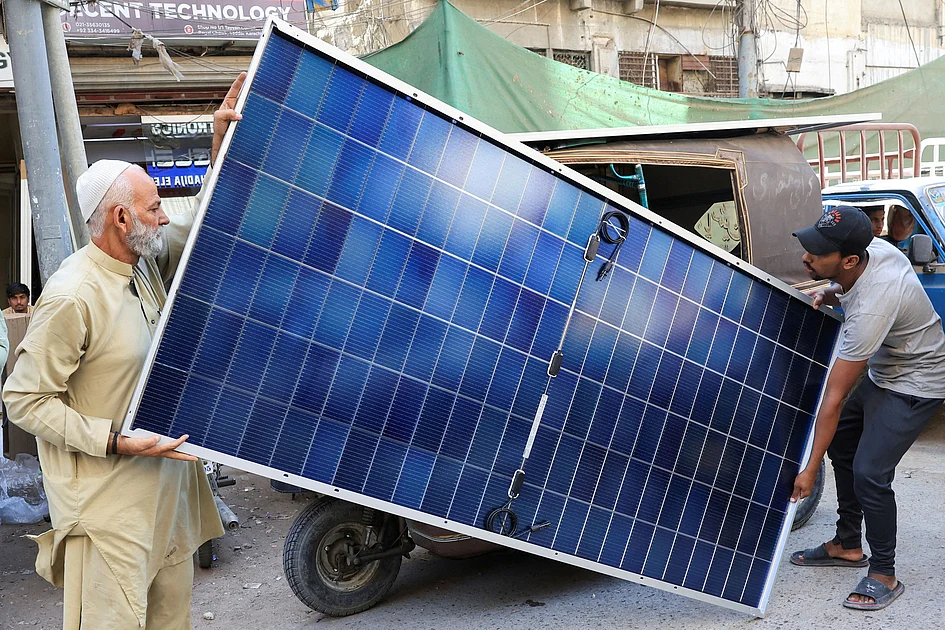
Pakistan: Rooftop solar output to exceed grid demand in some hubs next year
Pakistan is poised to witness a groundbreaking shift in its energy landscape as rooftop solar generation is expected to surpass grid-linked power demand during daytime hours in several major industrial regions by next year. This development, highlighted by Aisha Moriani, Secretary of Pakistan’s Climate Change Ministry, underscores the nation’s rapid adoption of solar energy, driven by power cuts, tariff hikes, and a growing emphasis on sustainability. The surge in solar panel installations has not only reduced emissions and power bills but also disrupted the financial stability of debt-laden electric utilities due to declining grid demand. Regions such as Lahore, Faisalabad, and Sialkot, known for high solar penetration, are likely to experience ‘negative demand’ during peak solar output periods, particularly on bright summer afternoons and industrial holidays. Pakistan, now the world’s third-largest solar panel importer, is also renegotiating LNG contracts with Qatar and Italy’s Eni to align its energy strategy with fiscal constraints and seasonal demand patterns. The government is introducing new tariffs and fee structures to ensure large solar users contribute equitably to grid maintenance. While grid-linked power demand is projected to grow modestly this year, the increasing reliance on solar energy could significantly impact future consumption trends. Pakistan’s challenge lies in evolving its grid infrastructure, regulations, and market design to keep pace with the rapid growth of renewable energy.
-
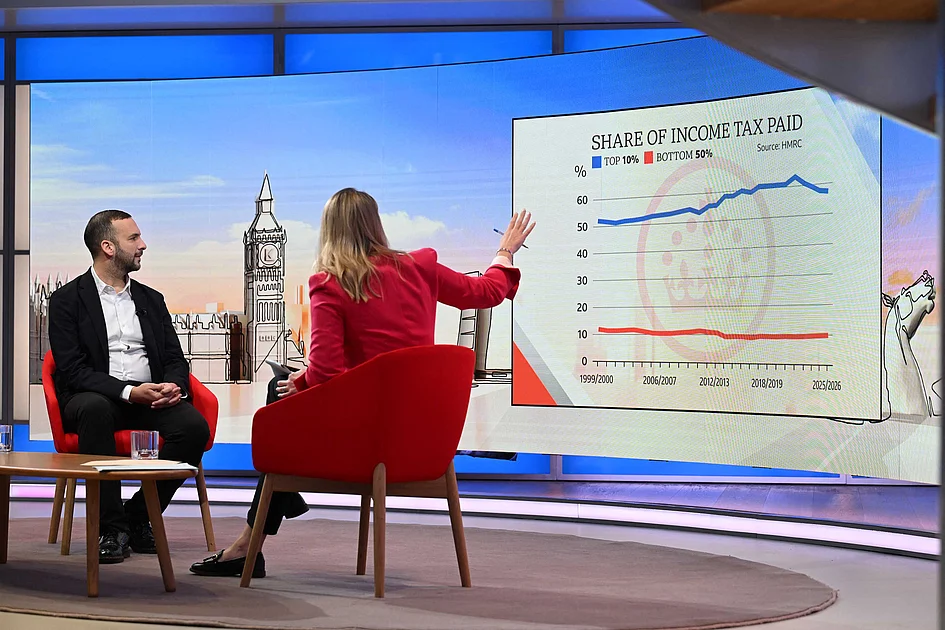
BBC is not ‘institutionally biased’, says author of critical memo
The BBC has been exonerated from claims of institutional bias by the very author of a damning report that had previously thrown the broadcaster into turmoil. Michael Prescott, a former editorial adviser, compiled a comprehensive dossier highlighting several issues within BBC News, including mishandling in the editing of a Trump speech, accusations of bias in its coverage of the Israel-Hamas conflict, and contentious reporting on transgender issues. Despite the severe repercussions of the leaked report—which led to the resignations of Director General Tim Davie and head of news Deborah Turness, as well as a $5 billion lawsuit threat from former President Trump—Prescott maintains that the BBC is not inherently biased. Speaking to a committee of lawmakers, Prescott acknowledged the BBC’s world-class factual and non-factual programming and praised its political reporting from Westminster. He emphasized that his memo was intended to address systemic issues and spur improvements, not to condemn the institution. Prescott also shared his findings with the Department of Media and Ofcom, the media regulator, to ensure the corporation could better handle bias-related concerns.
-

Music eases surgery and speeds recovery, Indian study finds
In a groundbreaking study conducted at Delhi’s Maulana Azad Medical College, researchers have discovered that playing music to patients during surgery under general anaesthesia can significantly reduce the need for anaesthetic drugs and improve recovery outcomes. The study, published in the journal *Music and Medicine*, focused on patients undergoing laparoscopic cholecystectomy, a common keyhole procedure to remove the gallbladder.
-
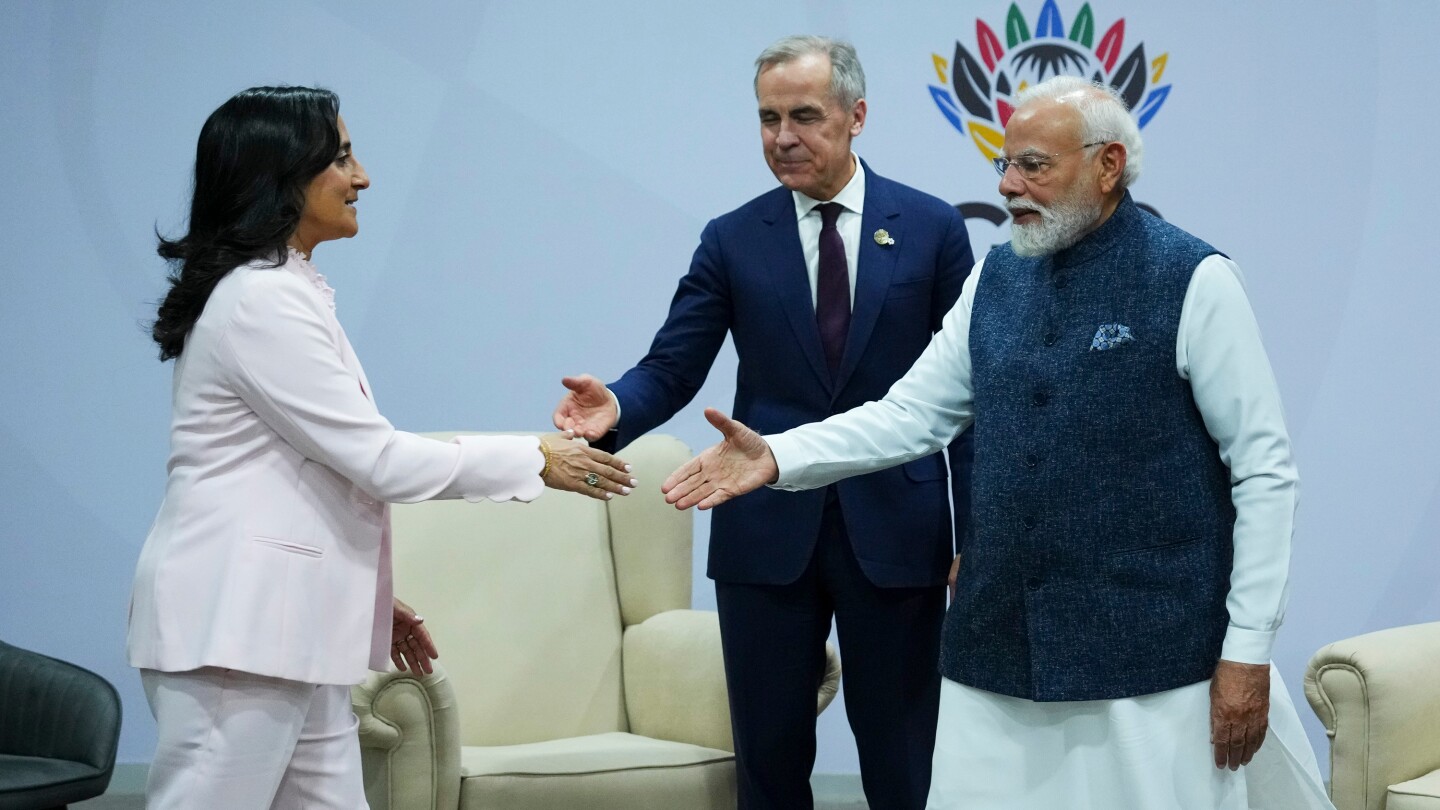
Canada’s top diplomat says Ottawa is working fast to advance India trade deal
In a significant diplomatic development, Canadian Foreign Minister Anita Anand announced on Monday that Canada and India are set to expedite negotiations for a comprehensive trade agreement. This move comes after two years of strained relations, marked by allegations of Indian involvement in the assassination of a Canadian Sikh activist in June 2023. The decision to revive trade talks was solidified during a meeting between Canadian Prime Minister Mark Carney and Indian Prime Minister Narendra Modi at the recent Group of 20 summit in South Africa. Anand emphasized the urgency of the process, stating, ‘The leaders were adamant that this work proceed as quickly as possible.’ Carney is scheduled to visit India early next year to further discussions. Canada, one of the world’s most trade-dependent nations, is also seeking to diversify its trade partnerships, with a goal to double non-U.S. trade over the next decade. Anand highlighted the broader context of Canada’s new foreign policy, which responds to the increasingly protectionist global economic environment. The renewed focus on India aligns with Canada’s strategy to strengthen ties with key global players, including China, with whom Carney has also taken steps to mend relations. Despite past tensions, both Canada and India are optimistic about doubling bilateral trade to $50 billion by 2030. Anand also expressed Canada’s readiness to resume trade talks with the United States, acknowledging the shifting dynamics in international trade relationships.
-
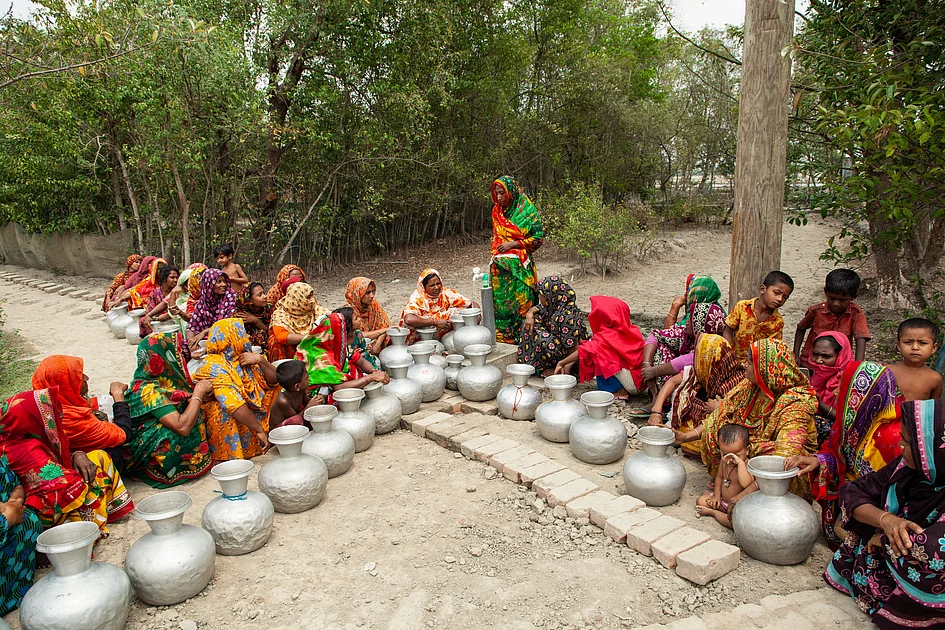
Rivers of salt: Life on Bangladesh’s climate frontline
In the coastal regions of Bangladesh, where the mighty rivers of the Himalayas meet the sea, life is intricately tied to water. However, the escalating impacts of climate change are transforming this vital resource into a source of hardship. Rising sea levels and increasingly severe storms are driving saltwater inland, contaminating wells and lakes, and rendering once-fertile land barren. For millions of people living in the ecologically fragile deltas of mudflats and mangrove forests, accessing clean drinking water has become a daily struggle. The 2009 Cyclone Aila marked a turning point, as breached embankments allowed saltwater to flood homes and farmland, leaving behind a legacy of salinity and displacement. Today, communities in the Khulna and Satkhira districts navigate a precarious existence. Families live in bamboo-stilted houses to escape tidal floods, while children grow up in a landscape of constant erosion and displacement. Men often migrate for work, leaving women and children to walk for hours across cracked, parched soil to fetch water from distant ponds or rely on rainwater stored in charity-supplied tanks. Each household carefully rations its limited water supply, enduring the daily ritual of collection and storage. This story is part of a photography series by Muhammad Amdad Hossain, supported by AFP’s 2025 Marai Photo Grant, which highlights the impact of climate change on daily life in South Asia. The grant honors Shah Marai, the former AFP photo chief in Kabul, who was killed in a 2018 suicide attack.
-
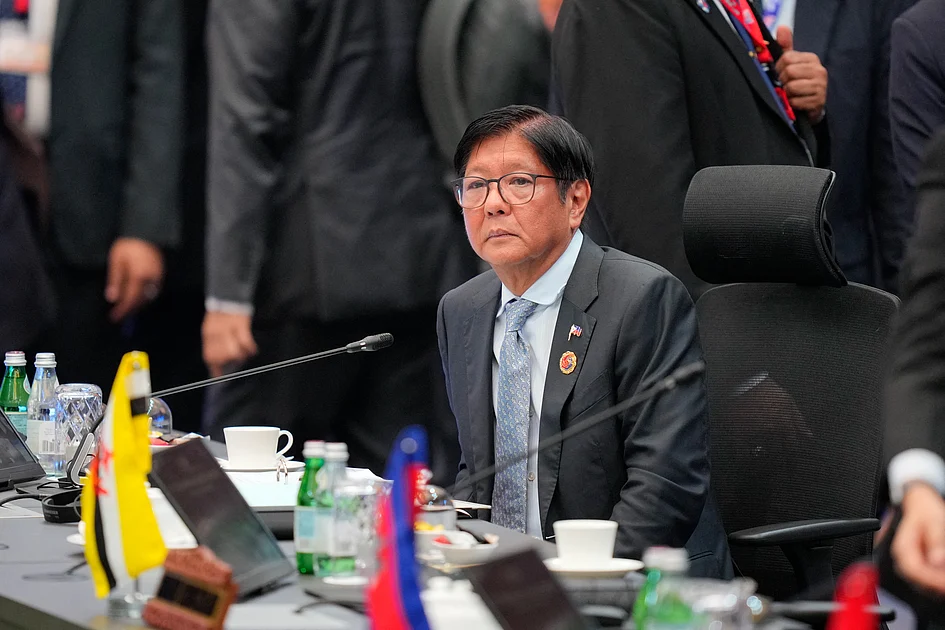
Philippine President Marcos breaks silence after drug allegations by sister Senator Imee
The escalating tension between Philippine President Ferdinand ‘Bongbong’ Marcos Jr. and his sister, Senator Imee Marcos, has taken a dramatic turn following public accusations of drug use within the First Family. Senator Imee’s claims have sparked widespread concern, prompting President Marcos to address the matter publicly. Speaking to the press on November 24, 2025, Marcos expressed his disbelief, stating that the person making the accusations on television was not the sister he knew. He emphasized that this sentiment was shared by their family and friends, adding that they were deeply worried about her well-being. The president also highlighted his discomfort with discussing family matters publicly, a stance echoed by his son, House Majority Leader Sandro Marcos, who criticized his aunt’s actions as unbecoming of a true sibling. Senator Imee swiftly responded on social media, challenging the First Family to undergo a hair follicle drug test in exchange for her taking a DNA test to confirm her parentage. Malacañang has firmly denied the allegations, citing President Marcos’s clean drug test records and confirmation from the Philippine Drug Enforcement Agency that he is not on any drug watchlist. This public feud underscores the deepening rift within the Marcos family, raising questions about its impact on Philippine politics.
-
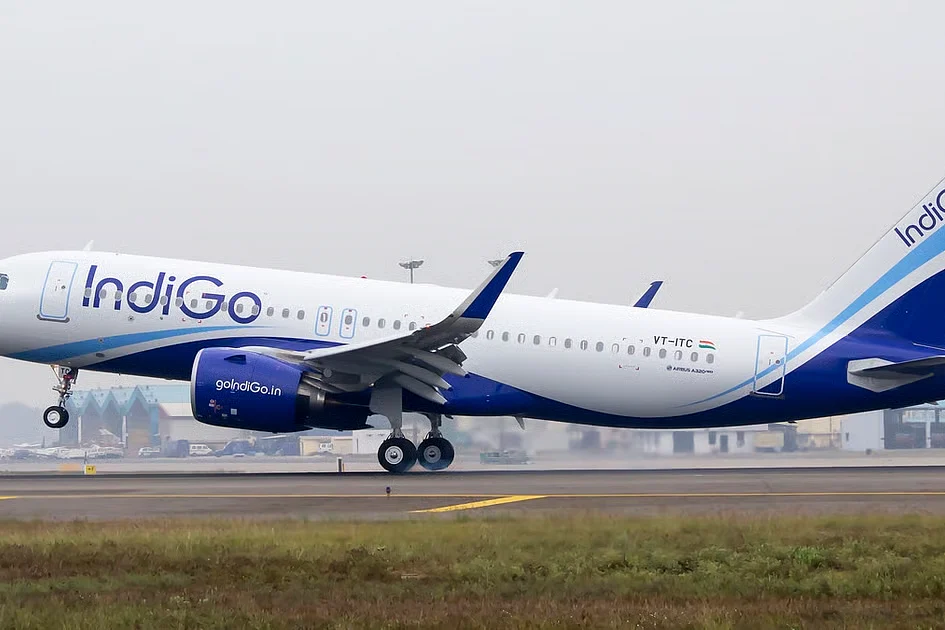
Kerala-UAE flight diverted due to ash clouds from Ethiopia volcano eruption
A significant volcanic eruption in Ethiopia has caused widespread disruptions to air travel across Asia and the Middle East, forcing airlines to reroute flights and authorities to monitor the situation closely. The Hayli Gubbi volcano, located in Ethiopia’s Afar region, erupted on Sunday, November 23, 2025, for the first time in nearly 12,000 years. The eruption sent massive ash clouds soaring up to 14 kilometers into the atmosphere, which subsequently drifted over Yemen, Oman, India, and northern Pakistan. One notable incident involved an Abu Dhabi-bound Indigo flight, which was diverted to Ahmedabad, Gujarat, after departing from Kannur, Kerala. The airline confirmed that all passengers landed safely and arrangements are being made to return them to their original destination. Indian authorities and airlines, including low-cost carrier Akasa Air, are actively assessing the impact of the volcanic activity on flight operations, particularly in regions like Delhi and Jaipur. Akasa Air emphasized its commitment to passenger safety, stating that it is closely monitoring the situation and adhering to international aviation advisories. The Hayli Gubbi volcano, situated approximately 800 kilometers northeast of Addis Ababa near the Eritrean border, lies within the geologically active Rift Valley, where two tectonic plates converge. The Smithsonian Institution’s Global Volcanism Program highlighted the rarity of this eruption, as Hayli Gubbi has no recorded activity during the Holocene epoch. Meanwhile, Oman issued an advisory regarding potential air quality impacts from the volcanic emissions, though no significant rise in pollutant levels has been detected so far.
-
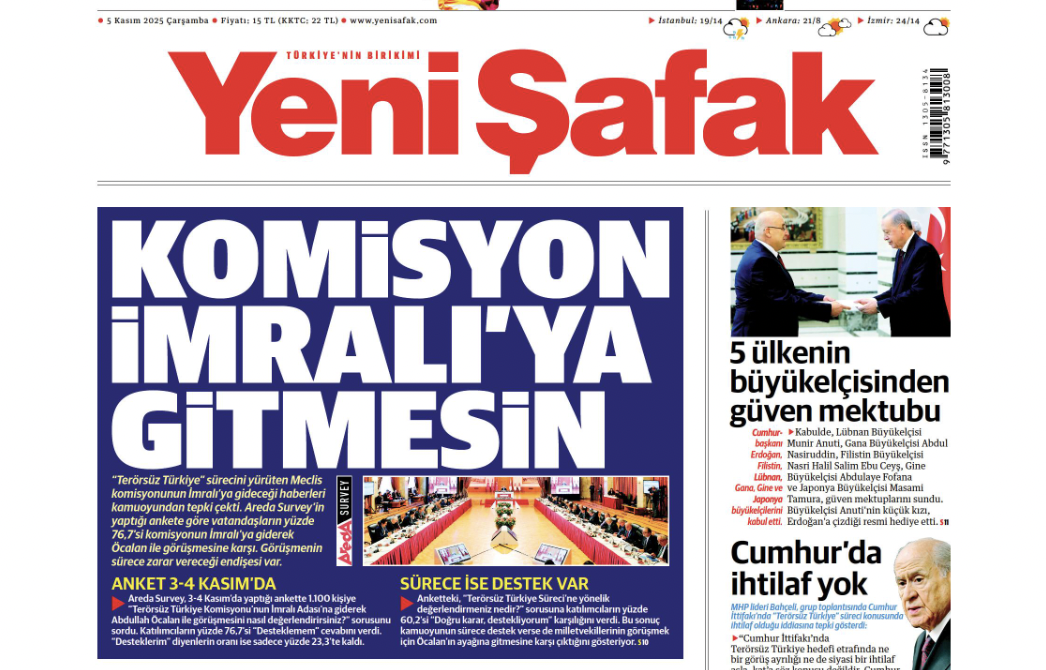
Turkey’s latest opposition media? It’s Yeni Safak, sort of
As Turkey’s Yeni Safak newspaper marked its 30th anniversary last year, President Recep Tayyip Erdogan lauded its role in defending Turkish democracy. Founded in 1994 as a voice for pious right-wing voters, Yeni Safak initially served as a haven for liberal voices marginalized by the military in the late 1990s. However, its relationship with Erdogan’s Justice and Development Party (AKP) has been complex, with the newspaper often aligning closely with the government. Recently, Yeni Safak’s editorial stance has shifted, drawing attention for its critical coverage of specific government policies, particularly those related to economic management and judicial reforms. The newspaper has been vocal in its opposition to high interest rates, a stance that has put it at odds with Finance Minister Mehmet Simsek. Yeni Safak’s recent headlines have directly challenged Simsek’s policies, claiming they have led to economic stagnation and low industrial output. The newspaper’s criticism extends to judicial reforms, with front-page articles warning of threats to private property rights. This shift has sparked speculation about internal divisions within the AKP, particularly regarding the handling of Kurdish peace talks. Yeni Safak’s stance on these issues has led to tensions within the ruling coalition, with some suggesting the newspaper has become an unofficial opposition voice. Despite this, Yeni Safak maintains its alignment with Erdogan on broader national issues, highlighting the nuanced dynamics of media-government relations in Turkey.