标签: Asia

亚洲

  • Deepfake attack: ‘Many people could have been cheated’

    Deepfake attack: ‘Many people could have been cheated’

    The corporate world faces an unprecedented threat from sophisticated deepfake technology, with reported cases surging by approximately 3,000% over the past two years according to cybersecurity experts. The alarming trend has impacted major organizations worldwide, from financial institutions to engineering firms, demonstrating the rapidly evolving capabilities of AI-powered fraud.

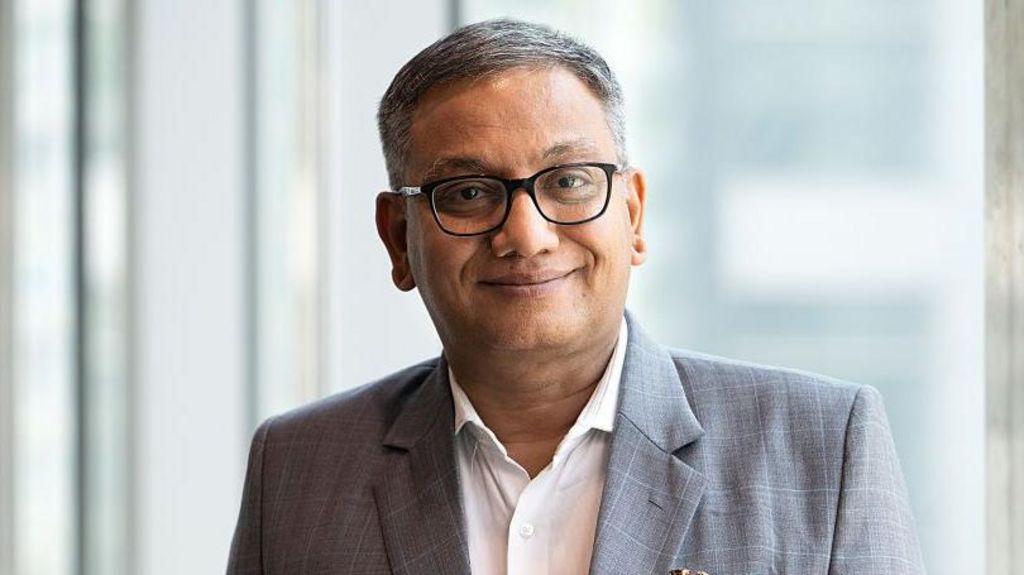
    In a prominent case from early this year, a fabricated video featuring Bombay Stock Exchange CEO Sundararaman Ramamurthy circulated across Indian social media platforms. The convincing deepfake portrayed Ramamurthy providing specific stock investment advice and promising substantial returns to viewers. The executive confirmed the video was completely artificial, created using advanced AI technology without his knowledge or consent.

    “When such incidents occur, we immediately file complaints and work with platforms like Instagram to remove the content,” Ramamurthy stated. “We regularly issue market warnings about these fraudulent videos, though it’s impossible to determine how many people may have been influenced or suffered financial losses.”

    The problem extends far beyond India’s financial sector. LastPass CEO Karim Toubba experienced a similar attempt in 2024 when an employee received suspicious audio and text messages allegedly from him requesting urgent assistance. Fortunately, the employee recognized several red flags—including the use of WhatsApp instead of sanctioned communication channels—and reported the incident to cybersecurity teams before any damage occurred.

    Not all organizations were as fortunate. British engineering firm Arup fell victim to one of the most sophisticated corporate deepfake attacks recorded in 2024. Hong Kong police reported that an employee transferred $25 million to five different bank accounts after participating in a video call with what appeared to be the company’s CFO and other staff members—all of whom were later revealed to be AI-generated deepfakes.

    According to cybersecurity experts, the barrier to creating convincing deepfakes has dropped dramatically. Matt Lovell, CEO of UK-based CloudGuard, explains that generating high-quality audio and video deepfakes now takes mere minutes, with costs ranging from $500 for simple attacks to $10,000 for more sophisticated operations using largely free tools.

    While detection technology is advancing—including verification software that analyzes facial expressions, head movements, and even blood flow patterns beneath the skin—experts warn that defense mechanisms struggle to keep pace with rapidly evolving attack vectors. The situation has created a high-stakes technological arms race between fraudsters and security professionals.

    Tech researcher Stephanie Hare notes that the proliferation of deepfake attacks has exacerbated the existing global shortage of cybersecurity professionals. She observes that companies are gradually recognizing the urgency of securing their operations against these emerging threats, with executives increasingly collaborating with chief information security officers to develop comprehensive protection strategies.
  • Rap star ex-mayor hopes to unseat  former PM in Nepal’s Gen Z election

    Rap star ex-mayor hopes to unseat former PM in Nepal’s Gen Z election

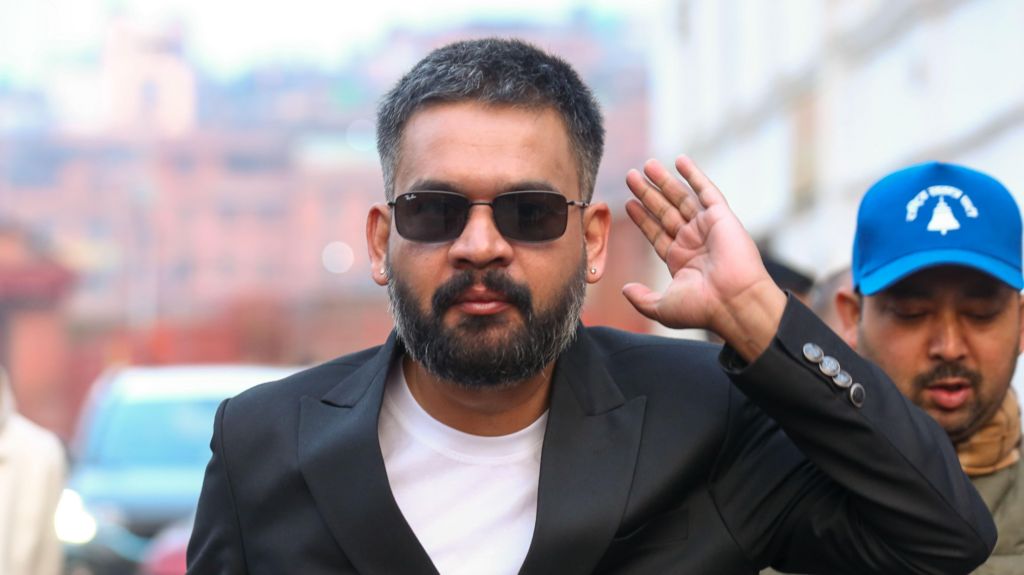
    CHITWAN, Nepal – The thunderous beat of an AI-generated campaign anthem echoes across the rally grounds as thousands chant “Balen” in unison. Thirty-five-year-old Balendra Shah, the rapper-turned-mayor now vying for Nepal’s prime ministership, has become the symbol of a generational uprising against the country’s entrenched political elite.

    Shah’s Rastriya Swatantra Party (RSP), which surprisingly secured fourth place in the 2022 general elections, now challenges Nepal’s longstanding political dynasties. His campaign directly confronts former Prime Minister KP Sharma Oli in Jhapa-5, a constituency traditionally considered Oli’s safe seat.

    The political upheaval follows September’s deadly anti-corruption protests that forced Oli’s resignation after police fatally shot 77 demonstrators, mostly young activists. The movement began as opposition to social media restrictions but evolved into a widespread demand for accountability and opportunities in a nation grappling with 20.6% youth unemployment – among South Asia’s highest rates.

    At Shah’s rallies, first-time voters like 18-year-old Nandav Yadav express unwavering support: “We want to fight for the young people who died in the Gen-Z movement. Our former prime minister could have stopped it, but he didn’t.”

    Meanwhile, Oli maintains his innocence regarding the protest violence, telling reporters his party “wants to understand the feelings of the new generation” while promising to restore “sovereignty, peace and democracy.” His supporters, including 82-year-old Narad Prashad Luitel, believe he should “finish the work he started on the country’s roads and infrastructure.”

    Political analyst Nischal Pandey notes the historic significance: “None of our governments have survived their full terms in decades. These are historic elections. People are tired of the same old faces.”

    With over 915,000 first-time voters among nearly 19 million eligible citizens, Thursday’s election represents a potential watershed moment. A victory for Shah could mark Nepal’s first government in years without communist participation, potentially ending decades of political instability and coalition bargaining among the same political families.

    The election mirrors recent regional movements, following weeks after similar youth-led anti-corruption protests in Bangladesh, signaling a broader generational shift in South Asian politics.

  • Saudi Arabia tells Gulf allies to avoid any steps that could inflame tensions with Iran, sources say

    Saudi Arabia tells Gulf allies to avoid any steps that could inflame tensions with Iran, sources say

    Senior Saudi officials have reportedly expressed significant discontent regarding the scope and timing of recent US and Israeli military actions against Iran. According to Gulf Arab sources familiar with the matter, Crown Prince Mohammed bin Salman has urgently communicated with leaders across the Gulf Cooperation Council (GCC) nations, advocating for collective caution to prevent regional escalation.

    The diplomatic outreach occurred shortly after Saudi Arabia’s foreign ministry formally condemned Iranian retaliatory strikes across the Arabian Peninsula. While the conversations were described as brief, they revealed a emerging consensus among Gulf states that Iran’s response was notably less intense than anticipated. This assessment has prompted regional leaders to advocate for measured responses that would avoid provoking further Iranian aggression.

    Notably, the communication between Crown Prince bin Salman and UAE President Mohamed bin Zayed signaled a temporary reconciliation of differences, highlighting how the security crisis has prompted unusual diplomatic coordination. The Saudi foreign minister, Prince Faisal bin Farhan, subsequently echoed this message in calls with regional counterparts, emphasizing the critical need for de-escalation and unified foreign policy positions among GCC members.

    Despite having received advance notification of the US-Israeli strikes, Saudi Arabia reportedly chose not to oppose the White House’s position, even as the kingdom faces criticism in Washington over diplomatic tensions with the UAE. This careful balancing act reflects Riyadh’s complex position as it navigates relationships with Western allies while maintaining regional stability.

    The situation has raised particular concerns about potential involvement of Iranian proxy groups, especially Yemen’s Houthi rebels. Saudi defense analyst Hesham Alghannam noted that maintaining a perceived distance from the anti-Iran front might actually discourage Houthi engagement in the conflict. Previous agreements had temporarily halted Houthi attacks on Red Sea shipping routes and Israeli targets, but the current escalation threatens to undermine these arrangements.

    Regional analysts warn that prolonged conflict could eventually push Gulf states toward closer alignment with US military objectives. Firas Maksad of Eurasia Group observed that ‘Iran is forcing the GCC up the escalation ladder,’ potentially necessitating greater operational freedom for US forces in the region. This assessment was indirectly supported by comments from UAE Minister of State Reem Al Hashimy, who suggested that continued Iranian attacks might necessitate opening Emirati airspace and bases to support US operations.

    Meanwhile, influential voices including Qatar’s former Prime Minister Hamad bin Jassim Al Thani have urged GCC states to avoid direct confrontation with Iran, warning that such conflict would deplete regional resources and create opportunities for external manipulation. This perspective aligns with Saudi Arabia’s apparent strategy of pursuing neutral positioning while exploring backchannel diplomacy to resolve hostilities.

  • Myanmar’s military government pardons 10,000 prisoners before parliament opens

    Myanmar’s military government pardons 10,000 prisoners before parliament opens

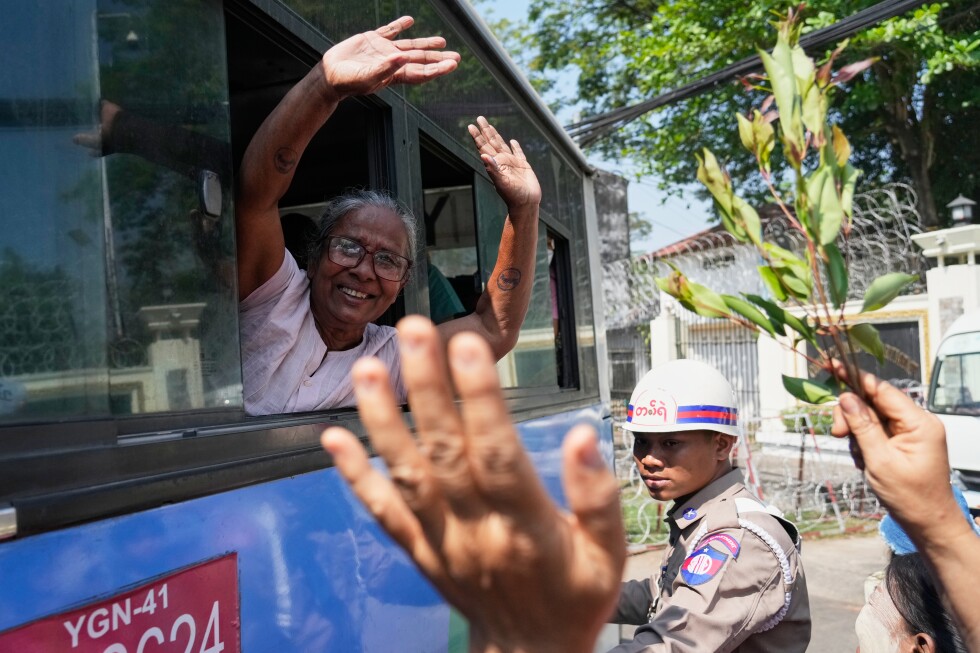
    BANGKOK — Myanmar’s military regime has authorized a sweeping prisoner amnesty, releasing more than 10,000 individuals and reducing sentences for others in observance of Peasants’ Day, a national holiday honoring agricultural workers. State-controlled MRTV television confirmed the move ordered by Senior General Min Aung Hlaing, head of the ruling junta that seized power in February 2021.

    The amnesty includes 7,337 prisoners convicted under the country’s controversial counterterrorism legislation, which carries potential death penalties and has been extensively utilized to detain political opponents, journalists, and dissenters since the military takeover. A separate government announcement indicated that 12,487 individuals facing prosecution or evading authorities under the same law will have their incitement cases terminated.

    Notably absent from the release is former democratic leader Aung San Suu Kyi, who remains incarcerated while serving a 27-year sentence following what international observers have denounced as politically motivated trials. The 80-year-old Nobel laureate has been held virtually incommunicado since the coup.

    The prisoner release coincides with mounting political tensions, occurring just two weeks before parliament reconvenes for its first session in over five years. The recent electoral process preceding this parliamentary gathering has been widely criticized by international bodies as neither free nor fair.

    Additionally, ten foreign nationals will be released and deported from Myanmar, though specific identities of those pardoned remain undisclosed. While mass amnesties during national holidays represent established practice in Myanmar, the current release holds particular significance given the country’s ongoing political crisis.

    According to independent monitoring by the Assistance Association for Political Prisoners, Myanmar held over 22,800 political detainees as of last Friday, highlighting the extensive suppression of dissent under military rule. The organization maintains detailed records of arrests and casualties linked to the nation’s continuing political conflicts.

  • UK will allow US to use its bases to strike Iranian missile sites, Starmer says

    UK will allow US to use its bases to strike Iranian missile sites, Starmer says

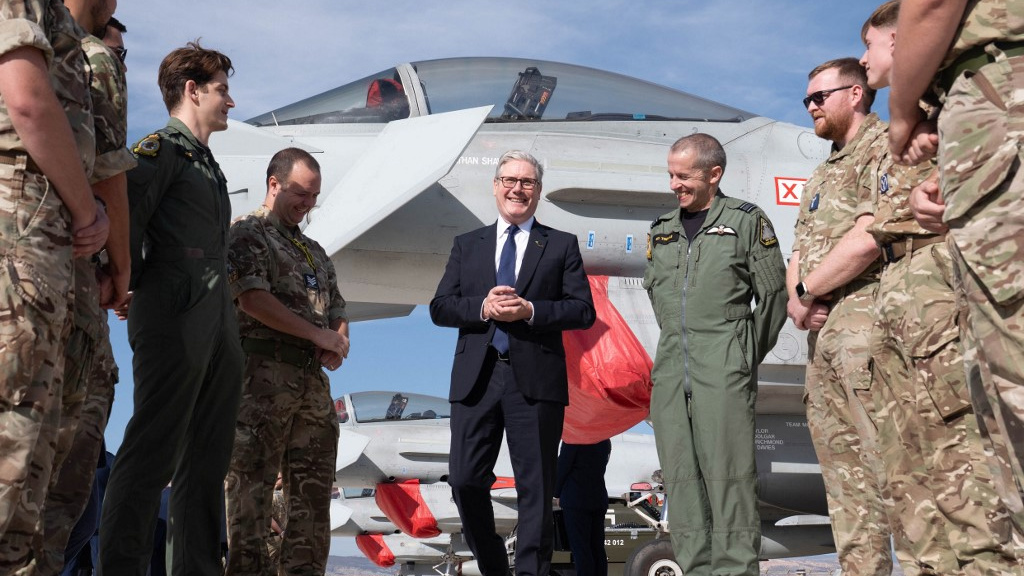
    In a significant strategic shift, British Prime Minister Keir Starmer has authorized the United States military to utilize UK-operated bases for conducting defensive operations aimed at neutralizing Iranian missile capabilities at their source. This decision follows Iran’s recent missile campaigns across the region, which have directly threatened British interests and citizens.

    While emphasizing the defensive nature of this cooperation, Starmer revealed that British fighter jets have already participated in coordinated defensive operations, successfully intercepting several Iranian strikes. The Prime Minister stated that the authorization specifically permits targeting missile storage depots and launchers to prevent further attacks.

    The decision comes after Iran targeted locations with significant British presence, including airports and hotels housing UK citizens. Starmer highlighted that approximately 200,000 British nationals currently reside or travel through the region, with hundreds of troops narrowly avoiding missile impacts in Bahrain recently.

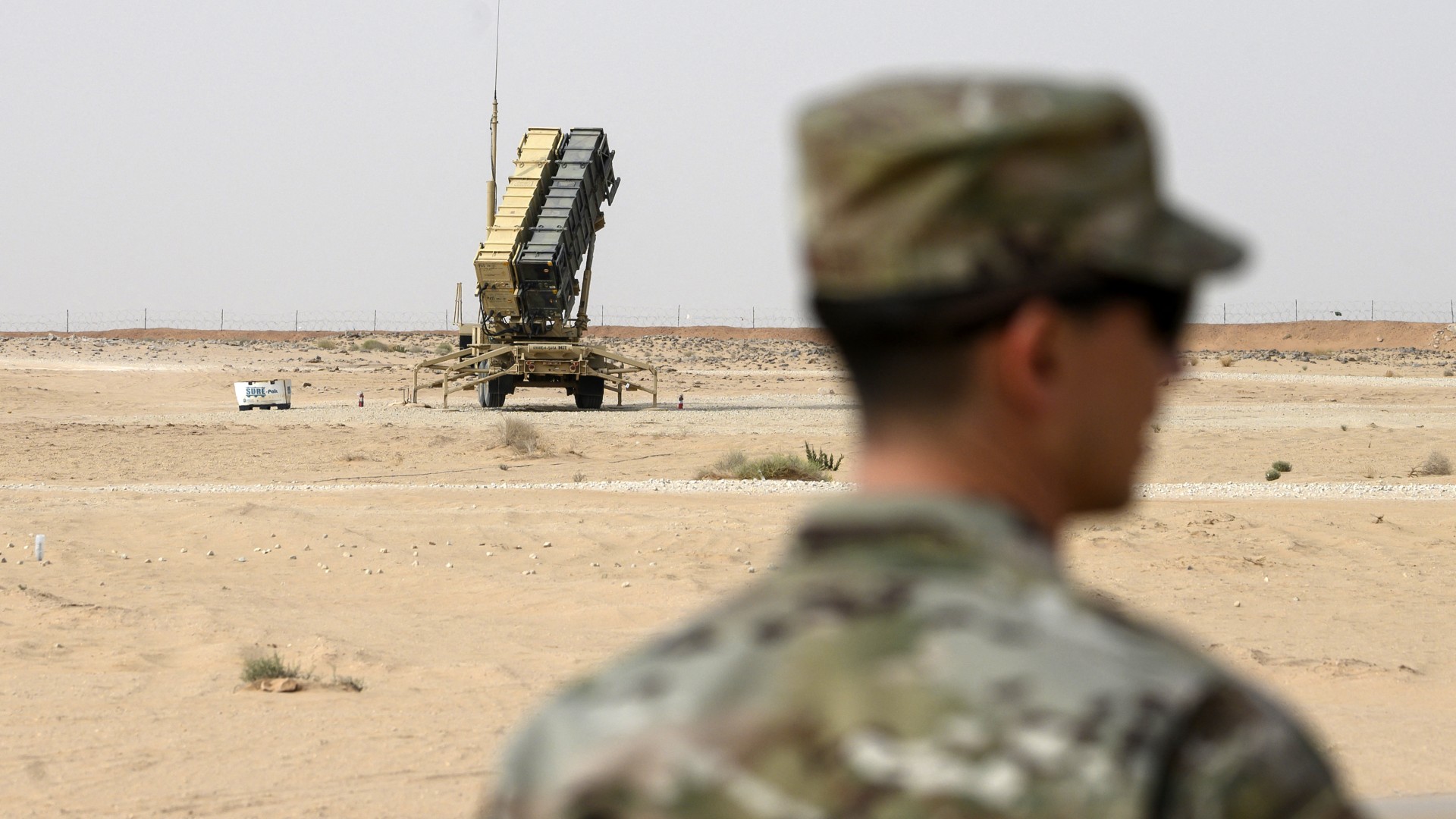
    Strategic military analysis indicates that Diego Garcia, the joint UK-US facility in the Indian Ocean’s Chagos Archipelago, will likely serve as the primary operational base for these defensive measures. This positioning places US bomber aircraft within operational range of Iranian territories while remaining vulnerable to Iran’s Shahed-136 kamikaze drones.

    The British government has committed to publishing a summary of legal advice received regarding this decision, grounding its actions in the principle of collective self-defense with allied nations. Despite calls for diplomatic solutions regarding Iran’s nuclear program, the immediate threat to British personnel and interests has necessitated this defensive posture.

    Political opposition has emerged from multiple fronts, with Green Party leader Zack Polanski expressing concerns about potential escalation and invoking lessons from the Iraq conflict. Reform UK and the Conservative Party had previously advocated for base access, creating unusual political alignments on Middle East security policy.

  • US troop deaths ignite anger over ‘war for Israel’

    US troop deaths ignite anger over ‘war for Israel’

    The Pentagon confirmed on Sunday that three American service members lost their lives and five sustained serious injuries during joint military operations with Israel against Iranian targets. This development marks the first US combat fatalities since the initiation of this conflict. According to US Central Command, several additional personnel received minor shrapnel wounds and concussions, with many already returning to active duty while major combat operations persist.

    The incident, reported by NBC News to have occurred in Kuwait based on US official sources, has ignited substantial political backlash within the United States. Critics from across the political spectrum have intensified their condemnation of Washington’s decision to engage in a conflict that many argue primarily serves Israeli strategic interests rather than American national security objectives.

    Prominent Republican figures including former congresswoman Marjorie Taylor Greene offered condolences to bereaved families while simultaneously denouncing the military intervention as “absolutely unnecessary and unacceptable.” Greene emphasized that she and other Trump allies had campaigned explicitly against foreign wars and regime change operations.

    Democratic Senator Chris Van Hollen similarly criticized the escalation, noting that fallen soldiers “should still be with us” and characterizing the conflict as “Trump’s war of choice” despite campaign promises to avoid such entanglements.

    The criticism extends beyond traditional political channels, with influential voices from Trump’s own MAGA movement expressing vehement opposition. Longtime Trump ally Tucker Carlson described the joint US-Israeli operation as “absolutely disgusting and evil” during an ABC News interview, predicting substantial realignment within Trump’s political base due to this decision.

    Pro-Trump commentator Tim Pool joined the criticism, labeling the military action a betrayal of core campaign promises, while influential MAGA commentators Keith and Kevin Hodge explicitly rejected the intervention’s rationale, stating that freeing Iranian people was not their motivation for supporting Trump.

    The fatalities have intensified fundamental debates about whether American forces are effectively advancing national interests or primarily supporting Israeli strategic objectives in the region, raising questions about the future direction of US foreign policy in the Middle East.

  • Deadly strikes hit Israel as Iran promises to avenge Khamenei’s killing

    Deadly strikes hit Israel as Iran promises to avenge Khamenei’s killing

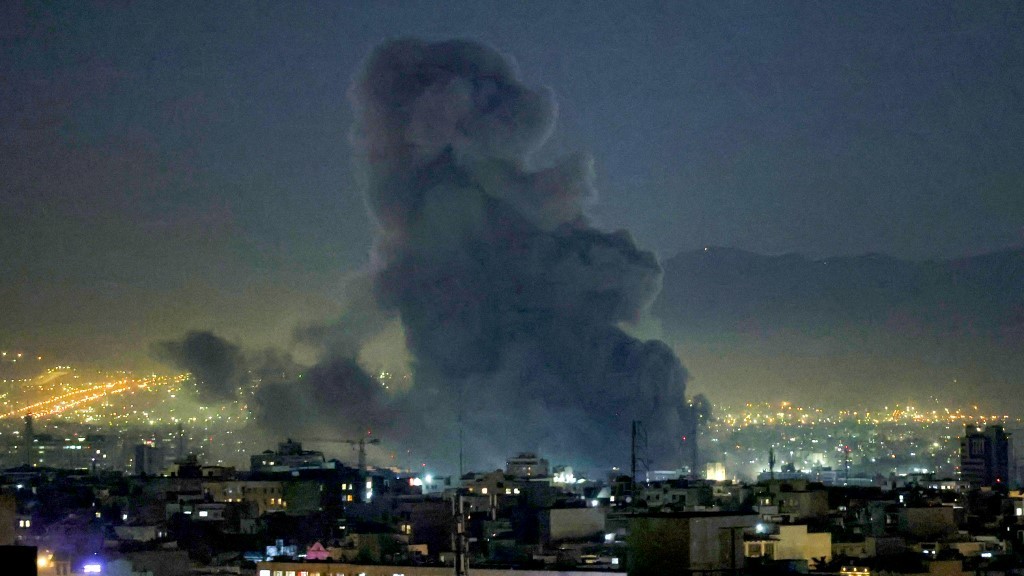
    The Middle East plunged deeper into a widespread military confrontation as Iran, reeling from the assassination of its Supreme Leader Ali Khamenei, announced an interim governing council and vowed severe retaliation against the United States and Israel. For a second consecutive day, the region endured a relentless exchange of missile and drone attacks, marking a significant escalation in hostilities.

    Iranian authorities confirmed the deaths of several high-ranking officials, including Islamic Revolutionary Guard Corps (IRGC) Commander Mohammad Pakpour, Defence Council Secretary Ali Shamkhani, and Defence Minister Aziz Nasirzadeh, attributing their killings to coordinated strikes by Israel and the U.S. Former U.S. President Donald Trump claimed that 48 Iranian leaders had been eliminated since operations commenced on Saturday.

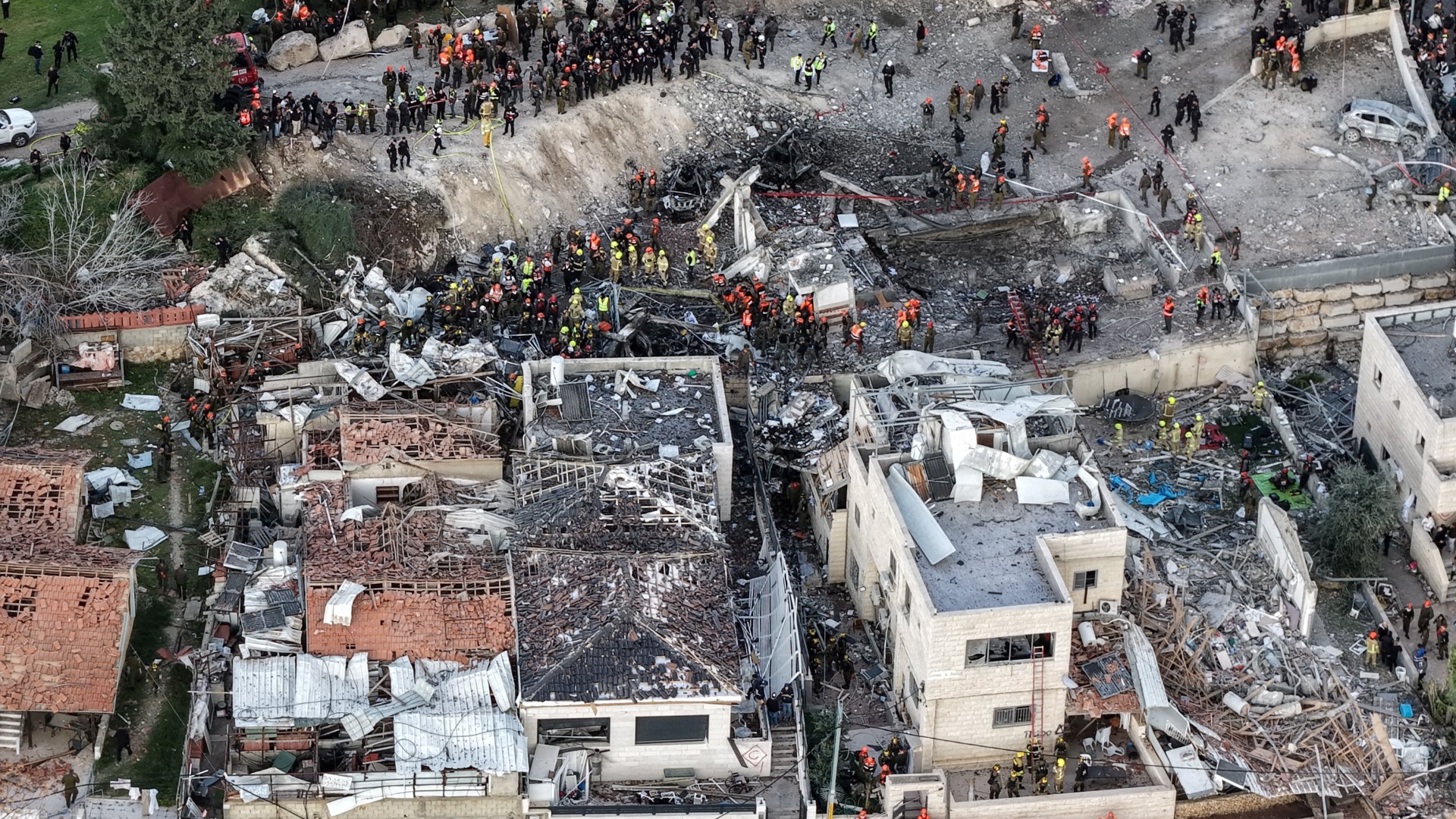
    Despite these significant losses, Tehran continued its offensive operations. An Iranian missile struck a bomb shelter in the densely populated ultra-Orthodox town of Beit Shemesh, Israel, resulting in at least nine fatalities and raising the Israeli death toll to twelve since the conflict began. Simultaneously, Iranian forces launched attacks across the Gulf, targeting capitals including Riyadh, Abu Dhabi, Dubai, Manama, Doha, and Kuwait City, as well as Oman—a nation previously engaged in mediation efforts. Civilian casualties were reported, with three killed in the UAE and one in Kuwait.

    The U.S. military reported three personnel killed and five seriously wounded during ‘Operation Epic Fury.’ In a strategic move with global economic implications, Iran closed the Strait of Hormuz, a critical chokepoint for 20% of the world’s oil supply. Attacks on two vessels in the strait, including an oil tanker reported to be sinking, threatened to trigger a surge in crude prices. The U.S. claimed to have sunk an Iranian warship in the Gulf of Oman, while the IRGC asserted an attack on the USS Abraham Lincoln, a claim promptly denied by the Pentagon.

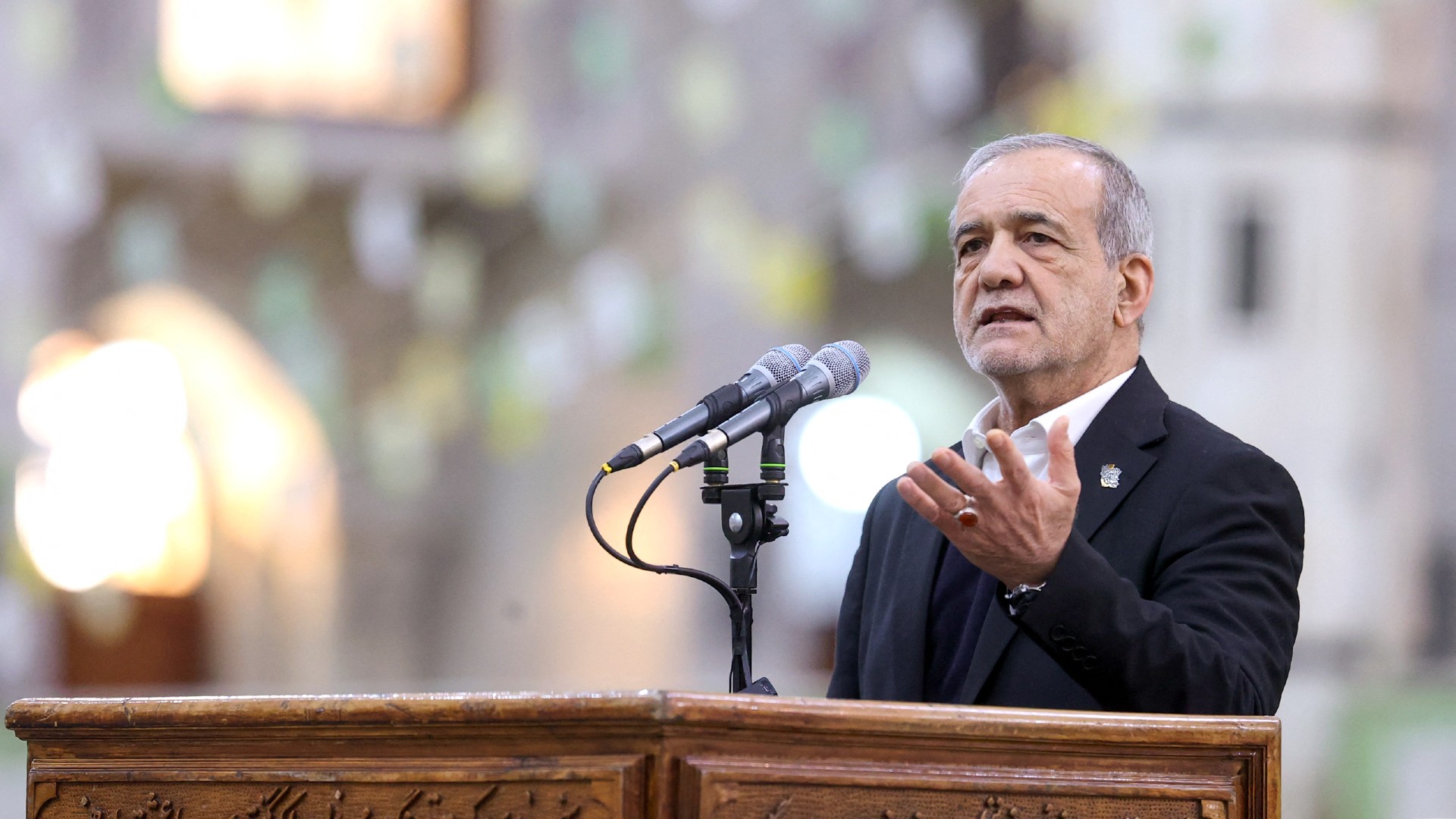
    In response to the leadership vacuum, Iranian President Masoud Pezeshkian appeared on state television alongside Judiciary Chief Gholam-Hossein Mohseni-Ejei and senior religious scholar Ayatollah Alireza Arafi, forming a three-man interim council. President Pezeshkian declared a ‘legitimate duty and right to avenge’ Khamenei’s killing, which he labeled a ‘historic crime.’

    The political atmosphere within Iran was deeply fractured. Organized pro-government rallies demanding ‘severe revenge’ dominated the streets of Tehran, Isfahan, and Qom. Conversely, celebrations erupted in some areas, such as the conservative holy city of Mashhad, where residents distributed sweets and openly flouted hijab laws, highlighting the nation’s internal divisions. The Iranian Red Crescent reported a preliminary toll of at least 201 killed and 747 wounded in airstrikes, with a devastating strike on a girls’ primary school in Minab claiming 153 lives, most of them children aged seven to twelve.

    Israeli Prime Minister Benjamin Netanyahu declared that the campaign would intensify, with 100,000 reservists called up and strikes continuing ‘at the heart of Tehran.’ He warned the situation would ‘only escalate in the days ahead,’ signaling no near-term de-escalation despite unverified claims from Trump about potential negotiations and a reported refusal from Tehran for a ceasefire.

  • As China’s economy slows, some young people are snapping up cheap apartments to ‘retire’ early

    As China’s economy slows, some young people are snapping up cheap apartments to ‘retire’ early

    Across China, a profound demographic shift is underway as young professionals abandon high-pressure careers in megacities for affordable tranquility in smaller communities. This movement represents a dramatic reversal of China’s traditional urbanization pattern, where previous generations flocked to booming metropolitan centers seeking economic advancement.

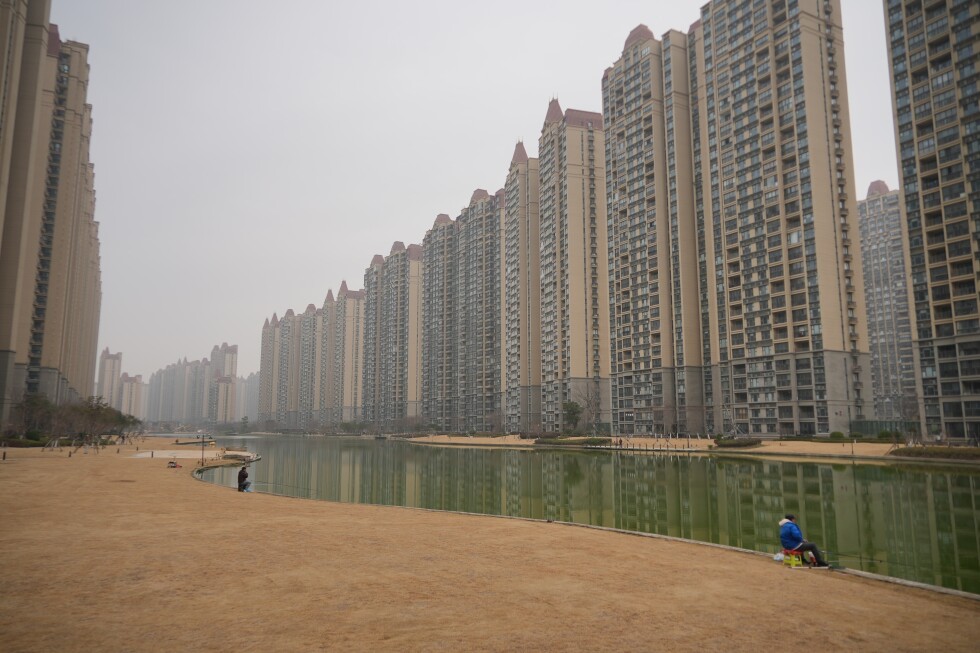
    The partially abandoned ‘Life in Venice’ development in Jiangsu province exemplifies this trend. Originally conceived as a luxury weekend resort for wealthy Shanghai residents, this massive replica of the Italian city now stands largely empty after China’s property market collapse bankrupted developer Evergrande in 2024. With less than 20% occupancy, the development has become an unlikely haven for young urban refugees like Sasa Chen, a former finance professional who left her 700,000 RMB ($98,480) Shanghai job at age 28.

    Chen now pays just 1,200 RMB ($168) monthly for her apartment, enabling her to retire early through careful savings and investment returns. ‘I have all the time in the world, the freedom of doing whatever I want,’ Chen explains. ‘I never believed that work is the meaning of life.’

    This phenomenon reflects broader economic pressures facing Chinese youth. The economy grew just 5% in 2025—respectable globally but significantly below China’s historical double-digit growth. Youth unemployment reached 16.5% in December, driving many to reject the grueling ‘996’ work culture (9 a.m.-9 p.m., six days weekly) that dominates Chinese tech and finance sectors.

    Instead, young Chinese are embracing the ‘lying flat’ movement—shunning competitive careers for ‘low-desire living’—or pursuing FIRE (Financial Independence, Retire Early) principles more aggressively than Western counterparts due to China’s extremely low regional living costs.

    Migration patterns confirm this trend: Beijing lost approximately 1.6 million residents in their twenties and early thirties between 2019-2024. Some are flocking to extremely affordable regions like Hegang, a northeastern mining city where apartments now sell for as little as $3,000—less than many cars.

    Professor Chen Zhiwu of Hong Kong University observes: ‘Young people are facing reality and thinking hard about their futures.’ As economic opportunities diminish in traditional urban centers, China’s youth are fundamentally redefining success, prioritizing personal freedom and well-being over conventional career advancement.

  • US futures and Asian shares open lower, oil prices soar as US and Israeli attack Iran

    US futures and Asian shares open lower, oil prices soar as US and Israeli attack Iran

    Financial markets worldwide experienced significant turbulence early Monday following military actions by the United States and Israel against Iranian targets. The geopolitical escalation triggered immediate reactions across global asset classes, with risk-off sentiment dominating trading patterns.

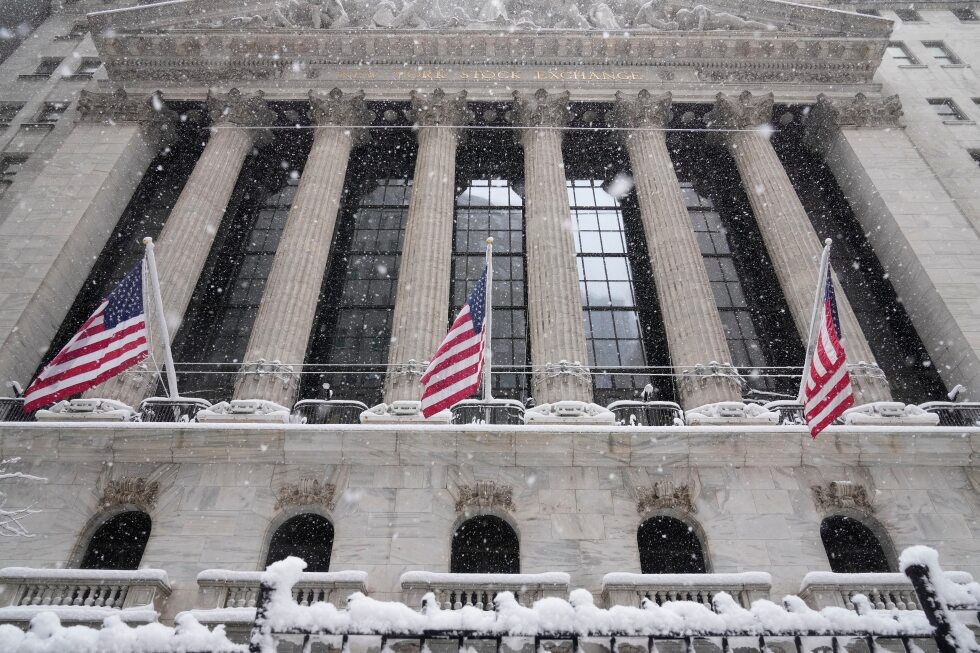
    Asian equity markets opened substantially lower, with Japan’s Nikkei 225 index plummeting 2.4% to 57,430.18 and Australia’s S&P/ASX 200 declining 0.4% to 9,159.60. U.S. stock futures pointed to sharp opening losses, with S&P 500 futures down 1.1%, Dow Jones Industrial Average futures falling 1.2%, and Nasdaq composite futures slipping 1.1%.

    The energy sector witnessed dramatic movements as Brent crude oil surged 7.5% to $78.33 per barrel while U.S. benchmark crude skyrocketed 6.8% to $71.58. The price surge reflects mounting concerns about potential disruptions to Middle Eastern energy exports, particularly through the critical Strait of Hormuz waterway where recent attacks have already constrained shipping activities.

    Safe-haven assets experienced substantial inflows, with gold climbing 2.3% to $5,380.60 and silver advancing 2.1% as investors sought protection from market volatility. Treasury yields declined as capital moved toward government debt instruments.

    Market analysts emphasized the strategic significance of the affected region, with Stephen Innes of SPI Asset Management noting, ‘Roughly one-fifth of global oil and LNG flows squeeze through the Strait of Hormuz. This is not an obscure canal. It is the aorta of the global energy system.’

    The inflationary implications of sustained energy price increases present additional complications for monetary policy. Friday’s wholesale inflation data showing a 2.9% year-over-year increase—substantially exceeding economists’ 1.6% expectation—had already created uncertainty about the Federal Reserve’s timing for interest rate reductions. Higher energy prices could further delay anticipated rate cuts, maintaining pressure on both equity valuations and economic growth prospects.

    Iran’s daily export volume of approximately 1.6 million barrels, primarily destined for China, represents another potential supply disruption factor that could sustain elevated energy prices if military actions persist.

  • Explained: Who will lead Iran now and what happens next?

    Explained: Who will lead Iran now and what happens next?

    Iran confronts an unprecedented leadership vacuum following the death of Supreme Leader Ali Khamenei, who held power for nearly four decades. His passing triggers constitutional protocols that place temporary authority with a three-member council consisting of President Masoud Pezeshkian, Judiciary Chief Gholam-Hossein Mohseni-Ejei, and Ayatollah Alireza Arafi from the Guardian Council.

    The succession process reveals the complex architecture of Iran’s political system, centered on the concept of Marja al-Taqlid (source of emulation) in Shia Islam. The Assembly of Experts, comprising 88 high-ranking Shia scholars, holds constitutional responsibility for selecting the new leader. However, this body operates within a carefully constructed vetting system that ensures only Khamenei-loyal candidates participate in the selection process.

    Multiple structural challenges complicate the transition. The Guardian Council, with half its members directly appointed by the late leader, serves as the primary filter for Assembly candidates. Additional vetting comes from the Ministry of Intelligence and the IRGC’s intelligence branch, creating what analysts describe as an impenetrable loyalty screen.

    The practical difficulties of convening the Assembly during heightened regional tensions present further complications. Recent targeted strikes against Iranian officials have raised questions about the safety of gathering members physically, potentially delaying the selection process.

    Several names have emerged as potential successors, including Ayatollah Arafi (already serving on the interim council), former judiciary head Ayatollah Sadeq Larijani, former president Hassan Rouhani, and Khamenei’s son Mojtaba. Beyond formal qualifications requiring religious expertise, political vision, and administrative capability, the successful candidate must maintain functional relationships with the powerful Revolutionary Guards and navigate competing fundamentalist and conservative factions.

    The 1989 selection of Khamenei himself, despite his then-questionable religious credentials, suggests that political considerations may ultimately outweigh strict doctrinal requirements in determining Iran’s next supreme leader.