标签: Asia

亚洲

  • Indonesia preparing to deploy up to 8,000 soldiers to Gaza

    Indonesia preparing to deploy up to 8,000 soldiers to Gaza

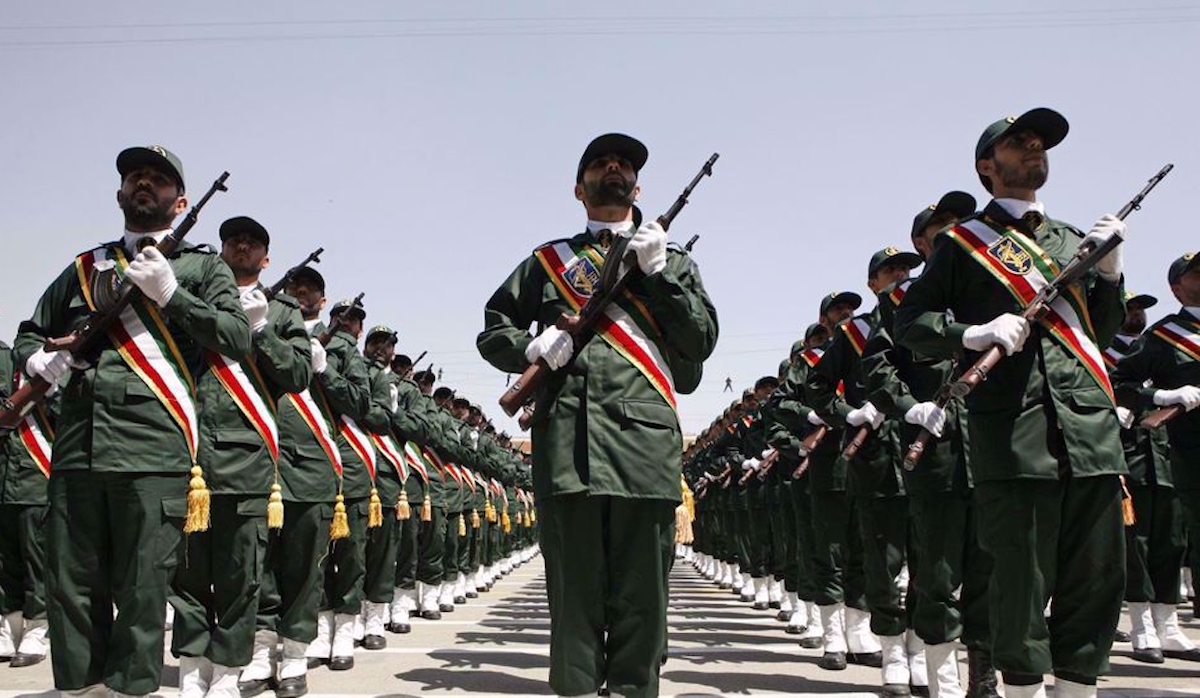
    In a significant development for Middle East peace efforts, Indonesia has announced preparations to deploy up to 8,000 military personnel to Gaza as part of the second phase of the ceasefire agreement negotiated by the United States. This deployment marks the first national commitment to the international stabilization initiative.

    General Maruli Simanjuntak, Army Chief of Staff, confirmed that specialized training is already underway for Indonesian forces who will primarily serve in medical and engineering capacities within the conflict zone. The deployment timeline and specific operational parameters remain under finalization.

    This military commitment aligns with Indonesia’s recent participation in President Donald Trump’s Board of Peace, established last month with a United Nations Security Council mandate. The board’s mandate includes forming an International Stabilization Force (ISF) to secure Gaza’s border regions and oversee demilitarization efforts, including the disarmament of Hamas.

    The peace board, scheduled to convene its inaugural meeting in Washington on February 19th, will additionally supervise the establishment of a technocratic Palestinian administration in Gaza and coordinate post-conflict reconstruction initiatives.

    President Prabowo Subianto has championed Indonesia’s involvement despite domestic criticism from certain Islamic groups. These factions have expressed discontent with perceived American support for Israel’s military operations in Gaza. Defending his position, President Subianto emphasized that as the world’s most populous Muslim nation, Indonesia bears responsibility to contribute to regional stabilization and advance the two-state solution framework.

    Israeli media outlet Kan has reported that a specific area between Rafah and Khan Younis in southern Gaza has been designated for constructing barracks to accommodate several thousand Indonesian personnel.

    While other Muslim-majority nations including Turkey and Pakistan contemplate similar peacekeeping contributions, they have explicitly stated their troops would not participate in Hamas disarmament operations. The viability of the international force remains uncertain given ongoing tensions, with Hamas refusing to surrender weapons while Israeli forces maintain presence in portions of Gaza.

  • Filipino priest exposes ex-Philippine president Duterte’s war on drugs with traveling museum

    Filipino priest exposes ex-Philippine president Duterte’s war on drugs with traveling museum

    As former Philippine President Rodrigo Duterte approaches his February 23 confirmation of charges hearing at the International Criminal Court, a powerful grassroots movement is ensuring the victims of his controversial drug war are not forgotten. Father Flaviano Villanueva, a reformed drug dependent turned advocate, has created ‘Lakbay Museo ng Paghilom’ (Traveling Museum for Healing) – a mobile exhibition documenting the human cost of Duterte’s anti-drug campaign.

    The museum, which has toured schools, church parishes, and government buildings including the Philippine Senate and Congress, displays artifacts, photographs, and personal narratives from families affected by extrajudicial killings. Among the most poignant exhibits is the bloodied shirt of three-year-old Myca Ulpina, killed during a police raid targeting suspected drug dependents.

    ‘To remember the victims by name, by story, by the fullness of their humanity—is to declare that the victims were not statistics, not collateral damage, not disposable,’ Father Villanueva stated during the exhibit’s opening. He emphasized that ‘memory protects truth when lies become louder’ and prevents building ‘a future on erasure.’

    The exhibition emerges as Duterte faces ICC charges of crimes against humanity related to his anti-drug operations. Human rights organizations estimate the campaign resulted in up to 30,000 deaths during his presidency from 2016-2022. The former leader, currently detained at the ICC prison in Scheveningen near The Hague, faces three sets of charges covering murders dating back to his tenure as Davao City mayor and subsequent presidential actions against alleged drug figures.

    While Duterte denied authorizing extrajudicial killings, he openly threatened to kill drug suspects and encouraged authorities to use lethal force if suspects resisted arrest – orders that Amnesty International claims led to thousands of unlawful deaths predominantly among poor communities.

    The traveling museum has sparked intense debate across Philippine society. Duterte supporters dismiss it as ‘black propaganda’ and argue that victims of drug-related violence deserve equal recognition. Some pro-Duterte social media commentators suggest the exhibition aims to divert attention from allegations against current President Ferdinand Marcos Jr., whom his own sister Senator Imee Marcos has alleged to be an illegal drug user.

    With emotions running high both online and in public discourse, the mobile memorial serves as a poignant counter-narrative to official accounts of the drug war as the nation awaits a landmark legal reckoning at the international level.

  • Milan Cortina Olympics apologizes for podium surface damaging skaters’ blades

    Milan Cortina Olympics apologizes for podium surface damaging skaters’ blades

    MILAN — Olympic organizers have issued a formal apology after the medal podium at the Milano Ice Skating Arena caused unexpected damage to figure skaters’ blades during team medal celebrations. The abrasive anti-slip surface resulted in nicks and blemishes on the precision equipment of multiple athletes, prompting concerns about competitive impact.

    Among those affected were American gold medalists Madison Chock and Evan Bates, along with Japanese silver medalist Kaori Sakamoto, who immediately inspected her blades while celebrating. The Japanese Olympic Committee subsequently filed an official complaint regarding the podium’s problematic surface.

    In response to the incident, the Milan Cortina organizing committee announced immediate corrective measures. “We are taking steps to replace the surface to prevent a reoccurrence,” stated officials, while also arranging for complimentary blade-sharpening services and additional training sessions for the impacted teams from the United States, Japan, and Italy.

    The committee praised the Olympic spirit demonstrated by National Olympic Committees offering assistance to affected athletes from other countries. “We apologize for the inconvenience caused and reiterate our commitment to ensuring the best possible conditions for all athletes,” the statement concluded.

    The timing raised competitive concerns as some speculated whether blade damage might have contributed to Chock and Bates’ narrow defeat to French competitors Laurence Fournier Beaudry and Guillaume Cizeron in Monday’s rhythm dance event. However, Bates dismissed such theories, stating, “I think the skates are fine. The blades are good. We skated great. We felt like it was really strong.”

    Organizers have scheduled the next medal ceremony for Tuesday afternoon following the mixed team relay in short-track speedskating, with the next figure skating medal presentation set for Wednesday night. All future podium events will feature a resurfaced platform to prevent further equipment damage.

  • Xinjiang through my eyes: The sound from Pamir Plateau

    Xinjiang through my eyes: The sound from Pamir Plateau

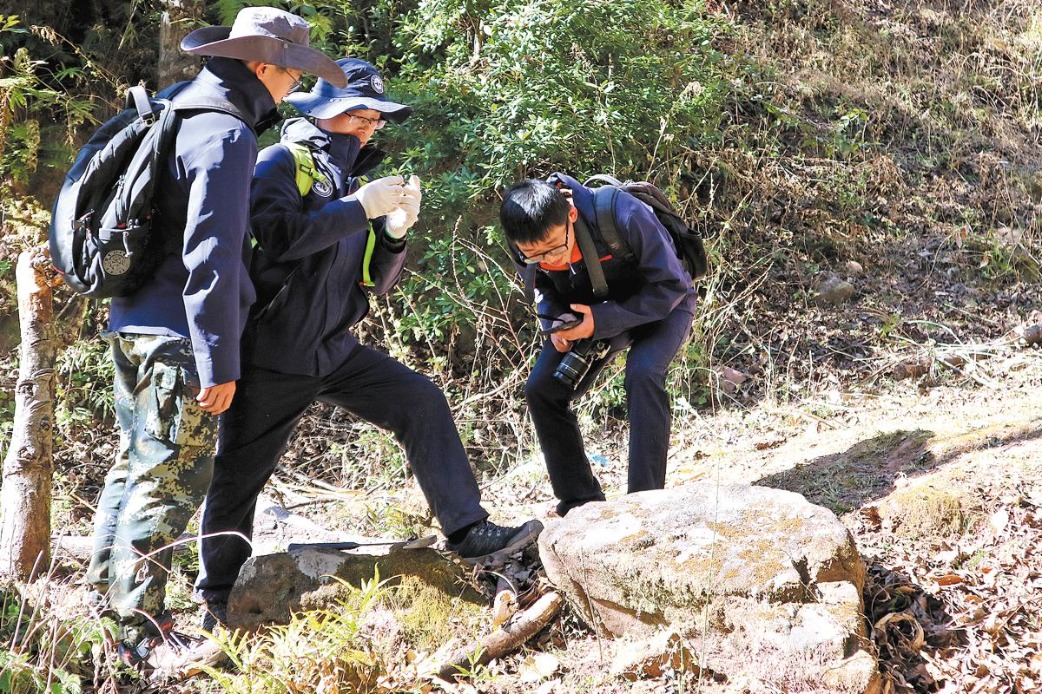
    In the high-altitude terrain of the Tashikurgan Tajik Autonomous County within China’s Xinjiang region, a unique cultural preservation story unfolds through the dedication of Aikebaier, a local artist. Once a professional dancer and now a drummer, Aikebaier has devoted his life to mastering and promoting the traditional eagle bone flute—an instrument recognized as part of China’s intangible cultural heritage.

    During his leisure hours, Aikebaier engages in rigorous practice sessions, documents the flute’s distinctive melodies, performs for community gatherings, and instructs younger generations in playing techniques. His efforts represent a personal mission to safeguard this auditory emblem of Tajik culture from fading into obscurity.

    “The eagle bone flute embodies my lifelong passion,” Aikebaier stated, emphasizing his commitment to both preserving and popularizing this traditional art form. His aspiration extends beyond local recognition—he aims to introduce the haunting sounds of the Pamir Plateau to international audiences, ensuring the flute’s legacy continues resonating globally.

    This cultural initiative reflects broader efforts within Xinjiang to maintain ethnic traditions while fostering intercultural dialogue. Through Aikebaier’s dedication, the eagle bone flute transforms from a historical artifact into a living testament to Tajik heritage, demonstrating how traditional arts can thrive in contemporary society.

  • China moving early as confidence in US debt frays

    China moving early as confidence in US debt frays

    Chinese financial regulators have issued directives to the nation’s largest commercial banks to curtail their exposure to US Treasury securities, signaling a strategic shift in how Asian capital perceives American debt instruments. This measured intervention into global finance mechanisms reveals growing regional concerns about concentration risks emanating from Washington.

    According to financial sector sources, Chinese authorities have verbally instructed major banking institutions to avoid increasing their already substantial positions in US government debt and to gradually reduce holdings where exposure is deemed excessive. Notably, these guidelines contain no specific targets or deadlines and explicitly exclude China’s official state foreign exchange reserves.

    As of September, Chinese banks held approximately $298 billion in dollar-denominated bonds, though the exact Treasury allocation remains unspecified. The regulatory move reflects concerns about volatility rather than creditworthiness, highlighting emerging doubts about the stability of what was long considered the world’s safest financial asset.

    For decades, Asian financial institutions treated US Treasuries as foundational assets—highly liquid, deeply traded, and presumed insulated from political manipulation. They served as critical balance sheet stabilizers during periods of market stress throughout the region from Tokyo to Singapore.

    The transformation stems not from changes in the instruments themselves but from evolving perceptions of their issuer. The current US administration has pursued more openly political fiscal policies, embraced expansionary deficits as permanent features rather than temporary necessities, and discussed the dollar as a tactical instrument for advancing domestic priorities including tariff implementations.

    When volatility metrics for US Treasuries recently fell to multi-year lows, Chinese regulators recognized the historical pattern where periods of unusual stability often precede sharp market repricing. This understanding has triggered a recalibration of risk assessment frameworks across Asian financial institutions.

    While foreign holdings of US Treasuries reached a record $9.4 trillion in November and auctions remain well-subscribed, China’s influential position as Asia’s largest capital allocator means its risk reassessment sends powerful signals throughout the region. Japanese banks, Southeast Asian sovereign funds, and regional insurers typically incorporate such directional shifts into their own stress testing models and investment assumptions.

    The strategic adjustment represents a quiet but significant evolution in global capital flows—not through dramatic exits but through marginal buyers stepping back, concentration being trimmed at the edges, and accumulation slowing gradually. This measured approach ultimately reshapes demand more effectively than wholesale divestment ever could.

  • Mobile museums bring cultural heritage of Gansu onto train

    Mobile museums bring cultural heritage of Gansu onto train

    In an innovative fusion of cultural preservation and modern transportation, Northwest China’s Gansu province has launched a groundbreaking ‘mobile museum’ initiative aboard high-speed rail services during the 2026 Spring Festival travel period. The program, which commenced on February 9th, transforms ordinary train carriages into dynamic cultural spaces where passengers encounter genuine artifacts and expert interpretations from nine of China’s most prestigious national first-grade museums.

    The specially designated train G848, traveling the extensive route from Lanzhou West Railway Station to Guangzhou South Railway Station, carries not just passengers but a carefully curated selection of Gansu’s cultural treasures. Representatives from renowned institutions including the Dunhuang Academy and Gansu Provincial Museum serve as onboard cultural interpreters, providing passengers with direct access to historical knowledge and traditional customs typically confined to museum walls.

    This initiative represents a significant advancement in cultural dissemination, effectively breaking down the physical barriers between heritage institutions and the public. During one of China’s busiest travel periods, when millions journey home for family reunions, passengers now experience an unexpected cultural enrichment opportunity. The mobile exhibition allows travelers to physically engage with replicas of artifacts while learning about the Silk Road’s historical significance, Buddhist cave art from Dunhuang, and various traditional practices indigenous to the Gansu region.

    The program’s timing during the Spring Festival travel rush—known as ‘chunyun’—is particularly strategic, capitalizing on captive audiences during long journeys while simultaneously addressing the cultural education needs of modern society. This approach demonstrates how traditional cultural promotion can adapt to contemporary lifestyles, making heritage appreciation accessible outside conventional museum settings. The initiative has been widely praised for its creative approach to public education and its success in transforming travel time into culturally productive experiences.

  • AI risks widening divide in ASEAN

    AI risks widening divide in ASEAN

    The rapid global expansion of artificial intelligence presents a dual-edged scenario for Southeast Asia, where technological advancement risks exacerbating pre-existing economic and digital divisions across the region. According to industry analysts, while nations like Singapore, Malaysia, and Vietnam stand to gain substantially from AI integration, less developed ASEAN members face the prospect of falling further behind in the technological race.

    Priyanka Kishore, Director and Principal Economist at Singapore-based consultancy Asia Decoded, emphasized that countries deeply embedded within global AI supply chains possess distinct advantages. “Singapore and Malaysia’s established positions within these networks provide them with continued opportunities to leverage the AI boom,” Kishore noted, adding that Singapore currently leads regional AI deployment with Vietnam demonstrating significant progress.

    Research from French investment bank Natixis, published in January, indicates that rising semiconductor demand driven by AI-related supply constraints will substantially contribute to Asian GDP growth throughout the first half of 2026. This technological surge particularly benefits economies with robust digital infrastructure, extensive tech ecosystems, and skilled digital workforce capabilities.

    Dominic Ligot, Founder of Manila-based AI training firm CirroLytix, warned of emerging disparities. “Urban centers with superior infrastructure and talent development pipelines will capture the majority of AI benefits,” Ligot stated. He further cautioned that regions lacking these resources face diminished innovation capacity and reduced business competitiveness, ultimately resulting in widened productivity gaps and unequal access to AI-enabled value chains.

    The labor market faces particular challenges, with Ligot identifying “polarization” as a significant risk. High-skilled workers capable of complementing AI systems may command increased wages, while routine service positions face potential displacement through automation.

    Lavanya Venkateswaran, Senior Economist for ASEAN at OCBC Bank, acknowledged AI’s potential to enhance productivity and stimulate growth across the region but noted adoption isn’t limited to supply chain participants. The technology nevertheless highlights the substantial economic disparities within ASEAN, which encompasses both highly developed economies like Singapore and emerging nations such as Laos and Timor-Leste.

    A July 2025 study by the Economic Research Institute for ASEAN and East Asia (ERIA) revealed significant digital readiness disparities among governments, corporations, and individuals throughout the region. Digital uptake varies considerably between nations with established technological infrastructure and those with limited resources.

    Elina Noor, nonresident scholar in the Asia Program at the Carnegie Endowment for International Peace, noted that existing digital divides complicate accurate assessment of AI’s economic impact across ASEAN. Noor also highlighted that current discourse frequently overlooks the environmental and social costs associated with AI-related investments, presenting additional considerations for regional policymakers.

  • UAE bats first against New Zealand at T20 World Cup. Pakistan faces US

    UAE bats first against New Zealand at T20 World Cup. Pakistan faces US

    In a crucial Group D encounter at cricket’s T20 World Cup in Chennai, the United Arab Emirates won the toss and elected to bat first against a formidable New Zealand side. The match represents a significant challenge for UAE, who face disciplinary issues with batter Muhammad Zohaib being sent home on the eve of the game for unspecified reasons.

    New Zealand enters the contest with confidence after securing an opening victory against Afghanistan at the same venue. Captain Mitchell Santner expressed optimism about the pitch conditions, noting the red-soiled wicket appeared to have good bounce that would suit his three fast bowlers.

    Meanwhile, in Group A action at New Delhi, the Netherlands celebrated their first tournament victory with a commanding seven-wicket win over Namibia. The triumph was spearheaded by Bas de Leede’s exceptional all-round performance, claiming 2-20 with the ball before smashing an unbeaten 72 off just 48 deliveries, including four sixes and five boundaries.

    The tournament drama continues with Tuesday’s night fixture featuring Pakistan against the United States in Group A. Pakistan narrowly escaped with a three-wicket victory over the Netherlands in their opening match, while the US team carries psychological advantage from their sensational Super Over victory against Pakistan in the 2024 tournament.

    In a significant development, Pakistan has reversed its decision to boycott the highly anticipated match against India and will now take the field as scheduled in Colombo on Sunday.

  • China issues labor guidance for platform firms to protect workers’ rights

    China issues labor guidance for platform firms to protect workers’ rights

    In a significant move to regulate the rapidly expanding platform economy, China’s Ministry of Human Resources and Social Security has jointly issued comprehensive labor guidance alongside six other governmental bodies. The administrative directive specifically targets sixteen major corporations operating within the e-commerce, food delivery, ride-hailing, and logistics sectors, including industry giants Meituan, Didi Chuxing, and YTO Express.

    The newly implemented guidelines mandate that these platform enterprises fully acknowledge and fulfill their employer responsibilities while systematically enhancing their labor management frameworks. The measures specifically aim to safeguard the legitimate rights and interests of workers engaged in new forms of employment that have emerged alongside digital platform economies.

    This regulatory intervention represents a concerted effort by Chinese authorities to address growing concerns regarding labor protections within the nation’s rapidly evolving gig economy. The guidance emphasizes the need for companies to establish more transparent working conditions, fair compensation structures, and improved working environments for their flexible workforce.

    The initiative aligns with the Chinese government’s broader commitment to stabilize and expand employment opportunities while strengthening protections for individuals participating in non-traditional and flexible work arrangements. This development signals a maturing regulatory approach toward the platform economy that seeks to balance technological innovation with fundamental worker protections.

  • Ramadan 2026: One donor sponsors iftar tent serving 8,000 people daily in Dubai

    Ramadan 2026: One donor sponsors iftar tent serving 8,000 people daily in Dubai

    A remarkable display of charitable giving has emerged in Dubai’s Hor Al Anz district, where a single anonymous donor has fully sponsored one of the UAE’s largest Ramadan iftar tents, providing daily meals for approximately 8,000 fasting individuals throughout the holy month.

    According to Khalifa Al Falasi, media and relations consultant for the organizing entity, the benefactor was motivated by both spiritual rewards and the project’s substantial humanitarian impact. The comprehensive initiative requires a multimillion-dirham budget covering all aspects of operation including meal preparation, logistical coordination, daily management, and on-site execution.

    The scale of the operation demands meticulous planning, with food preparation beginning in early morning hours to ensure quality, safety, and timely distribution before iftar. A coordinated effort between operational teams, volunteers, and suppliers ensures the smooth daily service of 8,000 meals throughout Ramadan.

    Al Falasi noted a significant evolution in charitable giving patterns, with donors increasingly preferring targeted, project-specific contributions rather than general donations. This trend reflects a growing desire among philanthropists to witness tangible results within defined timeframes, particularly during seasonal initiatives like iftar tents, food parcels, and zakat al-fitr distributions.

    Despite this shift toward project-specific funding, Al Falasi emphasized that general donations remain crucial for addressing urgent and critical cases that require flexible response from charitable organizations.

    The sponsorship model for iftar tents offers various engagement levels, with costs ranging from tens of thousands to millions of dirhams depending on tent size and beneficiary numbers. Additionally, digital donation methods including online links and QR codes have significantly enhanced efficiency, often enabling contributions to transform into actual meals or assistance within the same day.