标签: Asia

亚洲

  • China’s first sea-based rocket net recovery platform delivered

    China’s first sea-based rocket net recovery platform delivered

    China has achieved a significant milestone in its commercial space ambitions with the recent delivery of its inaugural seaborne rocket recovery platform. This groundbreaking infrastructure, officially named “Linghangzhe” (Pathfinder), represents the nation’s first certified marine-based system designed specifically for retrieving rocket components using advanced net technology.

    The platform received formal certification from the China Classification Society, marking its compliance with all necessary class and statutory requirements for maritime rocket recovery operations. This development provides crucial support infrastructure for China’s rapidly expanding reusable launch vehicle programs, potentially revolutionizing how space companies recover and reuse rocket stages.

    This achievement follows i-Space’s August launch of their specialized landing vessel “Xingjiguihang” (Stellar Return), featuring an expansive 40-by-60-meter recovery deck engineered to retrieve the first stage of the company’s SQX-3 reusable methane-liquid oxygen rocket. The simultaneous progress across multiple Chinese aerospace entities indicates a coordinated national push toward reusable space technology.

    The same period witnessed China’s new-generation manned launch vehicle, the Long March-10, successfully complete its initial static fire test. This vehicle family includes two configurations: the standard Long March-10 and the reusable Long March-10A variant, demonstrating China’s parallel development of both government and commercial space capabilities.

    Chinese aerospace companies are accelerating reusable vehicle development through competitive innovation. LandSpace conducted successful ground ignition tests for its Zhuque-3 rocket’s first-stage propulsion system in June, while multiple entities have completed essential vertical takeoff and landing demonstrations—critical validation steps for reusable rocket technology.

  • Victim at centre of murder probe named

    Victim at centre of murder probe named

    The family of Vijay Kumar has issued an emotional tribute following the 30-year-old’s tragic death after being discovered with critical injuries on Barbourne Road in Worcester. The incident occurred during the early hours of November 25th at approximately 04:15 GMT, with police confirming five individuals have been arrested on suspicion of murder and subsequently released on bail as investigations proceed.

    In a moving statement, Kumar’s relatives painted a portrait of a man who embodied “purpose, passion and heart” in his daily life. They described how he consistently “brought energy, joy and laughter” to those around him, creating an atmosphere where “life was never dull with him around.”

    The family emphasized Kumar’s resilient character, noting that “even in hard times, his spirit was unbreakable” and highlighting his profound care for loved ones through “small gestures, shared glances and unexpected kindness” rather than mere words. They expressed the profound impact of their loss, stating his “tragic departure has left us devastated and has created a void in our lives” despite his “unbelievably short” time with them.

    West Mercia Police detectives continue to investigate the circumstances surrounding the attack and have appealed to the public for any information that might assist their inquiry. The family concluded their tribute by vowing to honor Kumar’s memory, acknowledging they would miss him “deeply and carry his memory forward” through the difficult days ahead.

  • Israel says killed 40 fighters over past week in Gaza tunnels operation

    Israel says killed 40 fighters over past week in Gaza tunnels operation

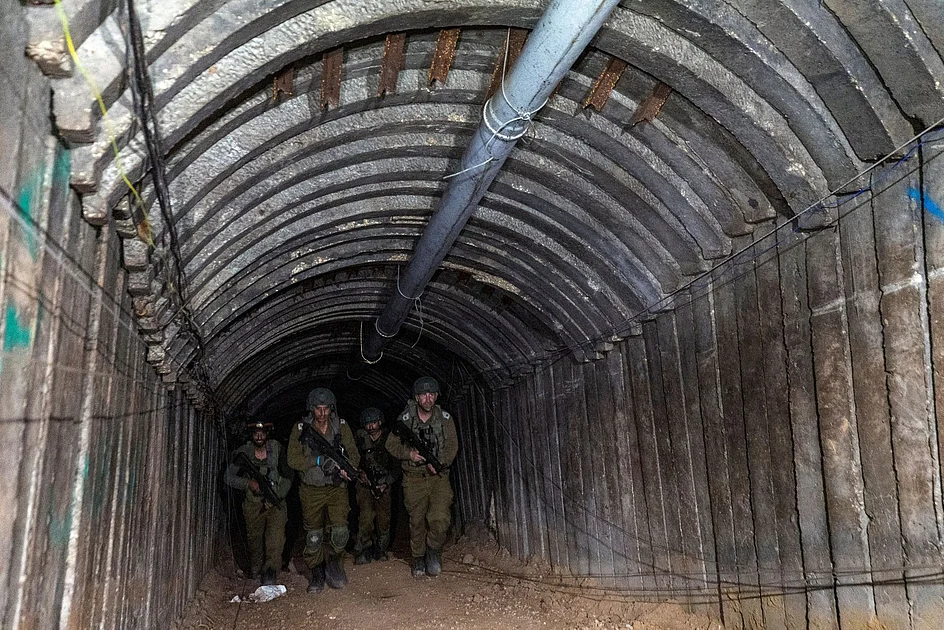
    The Israeli military has reported eliminating over 40 Hamas operatives during intensive tunnel clearance operations in southern Gaza’s Rafah region over the past week. According to official statements released Sunday, these targeted missions focused on dismantling underground networks beneath Israeli-controlled zones where dozens of militants remain entrenched.

    The operations, concentrated in eastern Rafah for 40 consecutive days, have resulted in the destruction of numerous tunnel shafts and terrorist infrastructure sites both above and below ground. This development comes amid delicate negotiations regarding the fate of an estimated 60-80 Hamas fighters trapped in tunnels on the Israeli-controlled side of the Yellow Line demarcation boundary established under the current ceasefire agreement.

    Hamas official Husam Badran stated the group’s fighters ‘cannot accept surrendering or handing over their weapons to the occupation,’ while accusing Israel of stalling the transition to the next phase of the US-brokered truce. The ceasefire, mediated by Egypt, Turkey, and Qatar alongside American diplomats, took effect October 10 but remains precarious with mutual violations alleged by both sides.

    The conflict originated with Hamas’s October 7, 2023 attack that killed 1,221 Israelis. Israel’s subsequent military campaign has resulted in at least 70,103 Palestinian fatalities according to Gaza’s health ministry, with 356 additional deaths reported since the ceasefire began. The humanitarian situation in Gaza remains critically severe as diplomatic efforts continue to address both the immediate tunnel standoff and broader regional stability concerns.

  • Working during UAE National Day holidays? How does compensatory leave work

    Working during UAE National Day holidays? How does compensatory leave work

    As the UAE prepares for its National Day celebrations, private-sector employees anticipating a four-day weekend should note their legal entitlements when required to work during official holidays. UAE labor regulations provide clear compensation mechanisms that employers must follow for holiday shifts.

    The foundational legislation, Article 28 of the UAE Labour Law titled ‘Official Holidays and Requiring Worker to Work Therein,’ establishes two compensation options for holiday work: employers must either provide a substitute rest day or pay the normal daily wage plus a minimum 50% bonus based on the employee’s basic wage. This effectively guarantees at least 1.5 times the regular compensation for holiday work.

    Legal protections extend uniformly across the workforce hierarchy, covering senior staff, junior employees, and contract workers without discrimination. All private-sector employees benefit from these safeguards under federal law.

    Human resources consultant Ghina El Naber observes that many workers, particularly in retail and hospitality sectors, remain unaware of their entitlements. ‘The law is unequivocal. Working on a public holiday should never be treated as an ordinary shift,’ El Naber emphasized. ‘Employees should scrutinize their pay slips and assert their rights through proper channels when compensation is absent.’

    For non-compliant employers, the Ministry of Human Resources and Emiratisation (MoHRE) provides complaint mechanisms, with labor dispute tribunals consistently enforcing strict adherence to Article 28 provisions.

    The 2025 holiday schedule sees National Day observations moving to December 1-2 (Monday-Tuesday), creating an extended weekend for many workers. Those working during this period should verify their compensation through either additional pay reflected in their earnings or substitute leave days allocated by their employer.

  • Indian analyst urges more China-India flights, exchanges

    Indian analyst urges more China-India flights, exchanges

    Prominent Indian political analyst Sudheendra Kulkarni has issued a compelling appeal for significantly enhanced aviation connectivity and cultural exchanges between China and India, characterizing current bilateral efforts as merely “a very small step” toward realizing the full potential of this critical relationship.

    As founder and chairman of the Forum for a New South Asia and former aide to Indian Prime Minister Atal Bihari Vajpayee, Kulkarni possesses substantial expertise in Sino-Indian relations. In an exclusive interview with China Daily, he articulated a visionary framework for bilateral engagement that matches the demographic and economic scale of both nations.

    Kulkarni emphasized that with both countries representing populations of 1.4 billion people experiencing rapid economic growth, the existing aviation infrastructure remains woefully inadequate. Rather than maintaining the current limited flight operations, he proposed an ambitious expansion to approximately 100 direct flights connecting twenty different cities across both nations.

    The seasoned analyst underscored that robust people-to-people exchanges constitute the fundamental bedrock of stronger diplomatic and economic ties. He specifically highlighted student exchange programs as particularly valuable mechanisms for fostering mutual understanding and long-term cooperation between the two Asian giants.

    Kulkarni’s recommendations arrive at a crucial juncture in China-India relations, suggesting that enhanced civilian connectivity could potentially facilitate improved diplomatic engagement between the world’s two most populous nations.

  • Airbus narrows software crisis as airlines ride out A320 recall

    Airbus narrows software crisis as airlines ride out A320 recall

    Airbus SE is rapidly containing a global software crisis affecting its A320-family aircraft, with airlines reporting faster-than-expected implementation of emergency fixes mandated after a vulnerability to solar flare interference was identified. The issue emerged following a mid-air incident involving a JetBlue Airways aircraft that experienced an altitude drop, prompting what industry sources describe as the most extensive emergency recall in Airbus history.

    Regulators worldwide issued a sweeping directive requiring software updates before further flight operations, initially affecting approximately 6,000 aircraft—roughly half the global A320-family fleet. The emergency measure raised concerns about potential travel disruption during the busy US Thanksgiving weekend, but carriers from Asia to the Americas executed retrofits with surprising speed.

    The technical solution involves reverting to a previous software version that controls the aircraft’s nose angle, requiring engineers to upload the update via physical data loaders directly connected to cockpit systems—a security measure designed to prevent cyber intrusion. While most aircraft required approximately three hours for the software reset, a subset of older jets will need complete computer replacements, though the number affected has been revised downward from initial estimates of 1,000 aircraft.

    Industry executives note the crisis represents Airbus’s first encounter with global safety scrutiny on this scale since rival Boeing’s 737 MAX troubles. In a notable departure from traditional aviation industry communication practices, CEO Guillaume Faury issued a public apology—a response strategy observers attribute to lessons learned from Boeing’s reputational damage following perceived hesitation and lack of transparency during its crisis.

    The episode revealed operational challenges within Airbus’s monitoring capabilities, as the manufacturer lacks real-time awareness of which software versions operate across its global fleet due to reporting delays. Several airlines initially struggled to identify affected aircraft because the blanket alert didn’t include specific serial numbers, though carriers subsequently refined their assessments downward as implementation progressed.

  • Beijing’s AI sector output expected to top $63 billion

    Beijing’s AI sector output expected to top $63 billion

    Beijing’s artificial intelligence sector is projected to achieve unprecedented growth with industrial output expected to exceed 450 billion yuan ($63.6 billion) by the conclusion of 2025, according to an official white paper released by municipal authorities. The comprehensive industry report, jointly published by the Beijing Science & Technology Commission and the Administrative Commission of Zhongguancun Science Park, reveals remarkable expansion metrics for the first half of the year, with sector output reaching 215.22 billion yuan—representing a substantial 25.3 percent year-on-year increase.

    The Chinese capital has solidified its position as the nation’s premier AI hub, hosting more than 2,500 specialized enterprises and 183 registered large-scale AI models. Industry analysts note that Beijing’s innovation ecosystem has matured significantly, developing what the white paper describes as ‘a globally competitive industrial chain’ that spans research, development, and commercialization phases.

    Technological breakthroughs continue to emerge from the region, including the recent launch of Bohrium by the AI for Science Institute. This pioneering platform claims to be the world’s first comprehensive AI research system capable of managing the entire scientific process from literature review through computation, experimentation, and cross-disciplinary collaboration.

    Commercial applications are demonstrating robust performance, with leading technology firms including Baidu and Douyin reporting record-breaking revenue figures and user engagement metrics. The successful monetization pathways underscore the sector’s transition from experimental development to sustainable economic contribution, positioning Beijing at the forefront of global AI innovation and implementation.

  • 3.3-magnitude earthquake strikes Bahrain, UAE’s NCM reports

    3.3-magnitude earthquake strikes Bahrain, UAE’s NCM reports

    A minor seismic event registering 3.3 magnitude occurred near Bahrain in the early hours of Monday, December 1, 2025, according to official reports from the UAE’s National Centre of Meteorology (NCM). The earthquake, which struck at precisely 3:58 AM local time, originated at a depth of approximately 8 kilometers beneath the Earth’s surface. While the tremor was reportedly felt by residents within Bahrain territory, neighboring United Arab Emirates experienced no detectable impact from the geological activity. The NCM’s seismic monitoring systems successfully tracked and recorded the event, providing crucial data for regional earthquake preparedness networks. This incident highlights the ongoing geological activity within the Arabian Gulf region, though seismic events of this magnitude typically cause minimal to no structural damage. The timely reporting by meteorological authorities demonstrates the effectiveness of cross-border seismic monitoring cooperation among Gulf nations. No casualties or property damage have been reported in connection with this earthquake, and no tsunami warnings were issued following the event. The occurrence serves as a reminder of the region’s active seismic profile while reassuring residents through demonstrated monitoring capabilities and inter-agency communication systems.

  • Gaza faces deepening humanitarian crisis despite ceasefire

    Gaza faces deepening humanitarian crisis despite ceasefire

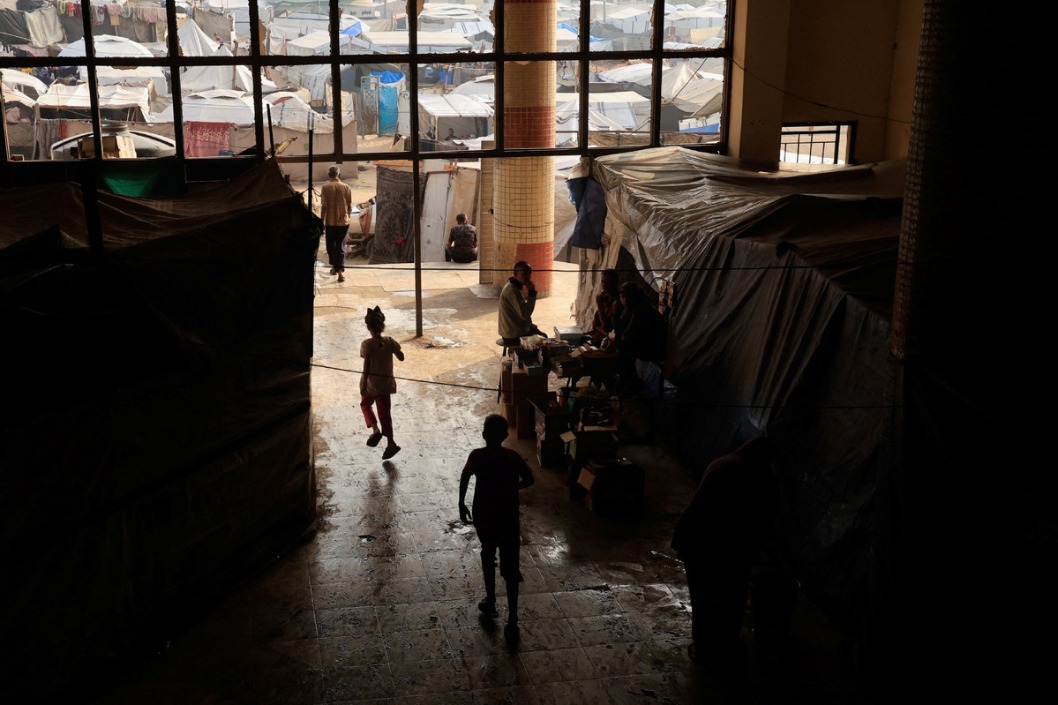
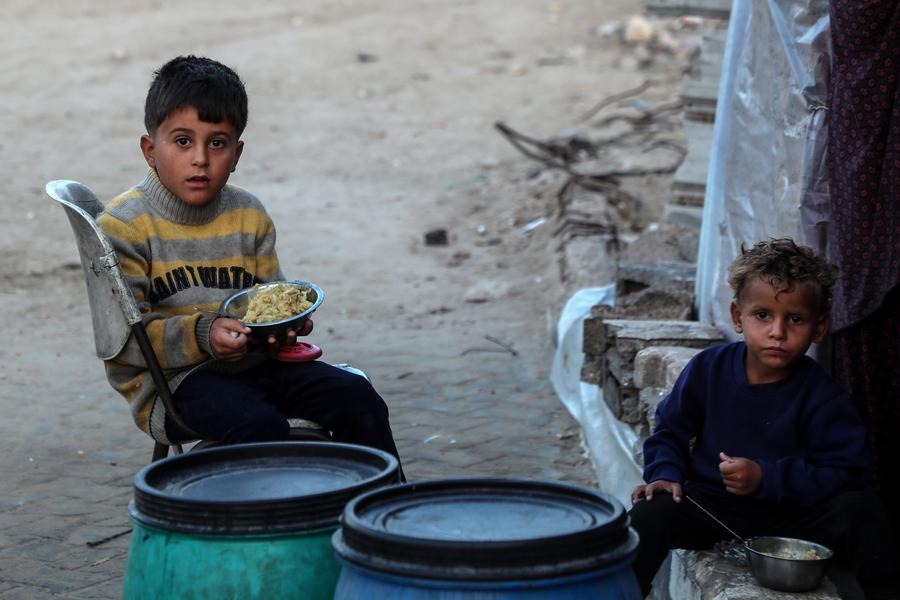
    Despite a ceasefire agreement enacted on October 10, 2025, the Gaza Strip continues to descend into a severe humanitarian emergency. Two months into the truce between Israel and Hamas, approximately two million residents remain trapped in dire conditions, primarily living in temporary tents and shelters with no substantial improvement in basic living standards.

    Critical infrastructure continues to deteriorate at an alarming rate. Water and sewage systems are failing, massive piles of waste and rubble block access routes, and municipal services are collapsing due to an extreme fuel shortage. The Union of Municipalities in Gaza issued a stark warning that Israeli authorities persist in blocking fuel deliveries, having allowed only a five-day supply since the ceasefire began. This restriction severely impedes road clearing, debris removal, and support for displaced families.

    The healthcare system is operating with the same limited resources available during active conflict. Medical facilities face critical shortages of medicines, equipment, and specialized staff. According to Bassam Zaqout, Director of Medical Relief in Gaza, no reconstruction of damaged health facilities has occurred. Israeli restrictions on medical delegations are exacerbating shortages of personnel, pharmaceuticals, and laboratory tools. Health authorities specifically warn that 4,000 glaucoma patients risk permanent vision loss without urgent supplies and specialized care.

    This unfolding humanitarian disaster occurs alongside renewed violence. Palestinian security sources reported Israeli shelling and airstrikes in central and southern Gaza, including near the Bureij refugee camp and east of Rafah. Health officials report three fatalities in the past 24 hours, bringing the post-ceasefire death toll to 357, with 908 wounded. Since the conflict’s escalation in October 2023, the cumulative casualties stand at 70,103 killed and 170,985 wounded.

    The Hamas-run government media office has accused Israel of 591 ceasefire violations, describing these actions as flagrant breaches of international humanitarian law. They have called for intervention from the United States, international mediators, and the UN Security Council.

    Meanwhile, Gaza’s Civil Defense Authority faces a grim task with approximately 10,000 bodies believed buried beneath destroyed structures. With only one excavator available for recovery operations, spokesperson Mahmoud Basal urgently appealed for additional heavy equipment to retrieve the deceased amid extremely challenging conditions.

  • Gaza children face adult responsibilities as war leaves families without breadwinners

    Gaza children face adult responsibilities as war leaves families without breadwinners

    In the war-ravaged streets of Gaza, a profound generational crisis is unfolding as children increasingly assume adult responsibilities amid the ongoing humanitarian catastrophe. The conflict that erupted in October 2023 has created a devastating reality where minors have become primary breadwinners for families decimated by violence and loss.

    Eleven-year-old Mahmoud Abu Awda navigates through muddy, damaged streets of Gaza City clutching a small plastic box of biscuits and canned goods. His worn-out shoes sink into puddles left by winter rains as he attempts to sell enough to sustain his family. “I became the eldest and the only provider after my father was killed,” Abu Awda explains. “My mother is sick, and my brothers are still very young.”

    The phenomenon extends throughout the Gaza Strip. In Khan Younis, 13-year-old Yasmin Khader scavenges through piles of garbage adjacent to her family’s makeshift displacement camp, collecting plastic scraps for sale. Her academic aspirations of becoming a doctor vanished when her father perished in an airstrike. “Now I work because there is no one else to support my mother and sister,” she states.

    Meanwhile, in Gaza City’s Rimal neighborhood, Abbas al-Ghazali, also 13, sells water bottles despite sharply declining sales during winter months. He carries his schoolbag with him while working, occasionally reading books during breaks. “I used to be an excellent student,” he remarks wistfully.

    According to local authorities, the conflict has produced severe developmental consequences for Gaza’s youth. The Hamas-run government media office reports thousands of children lacking safe shelter or environments conducive to healthy development. With education disrupted for over two years and numerous schools damaged or destroyed, child labor has surged dramatically. Public spaces including markets and streets have become commonplace workplaces for children forced from classrooms.

    Psychologist Ghadeer Al-Muqayyad, specializing in child development in Gaza City, emphasizes that the conflict has thrust children into situations exceeding their emotional and physical capacities. “These children endure trauma, loss, displacement, and exposure to violence, which can result in symptoms of post-traumatic stress,” she explains. Prolonged stress increases risks of anxiety, behavioral challenges, and emotional withdrawal among minors.

    The rise in child labor exposes vulnerable youth to dangerous conditions while threatening their long-term wellbeing. Al-Muqayyad stresses that “reintegrating children into safe learning environments is essential to reducing the psychological impact of the conflict”—a challenging prospect given the ongoing humanitarian crisis and infrastructure damage throughout the region.