标签: Asia

亚洲

  • S. Korean stocks open sharply lower amid lingering Middle East conflict, global oil price surge

    S. Korean stocks open sharply lower amid lingering Middle East conflict, global oil price surge

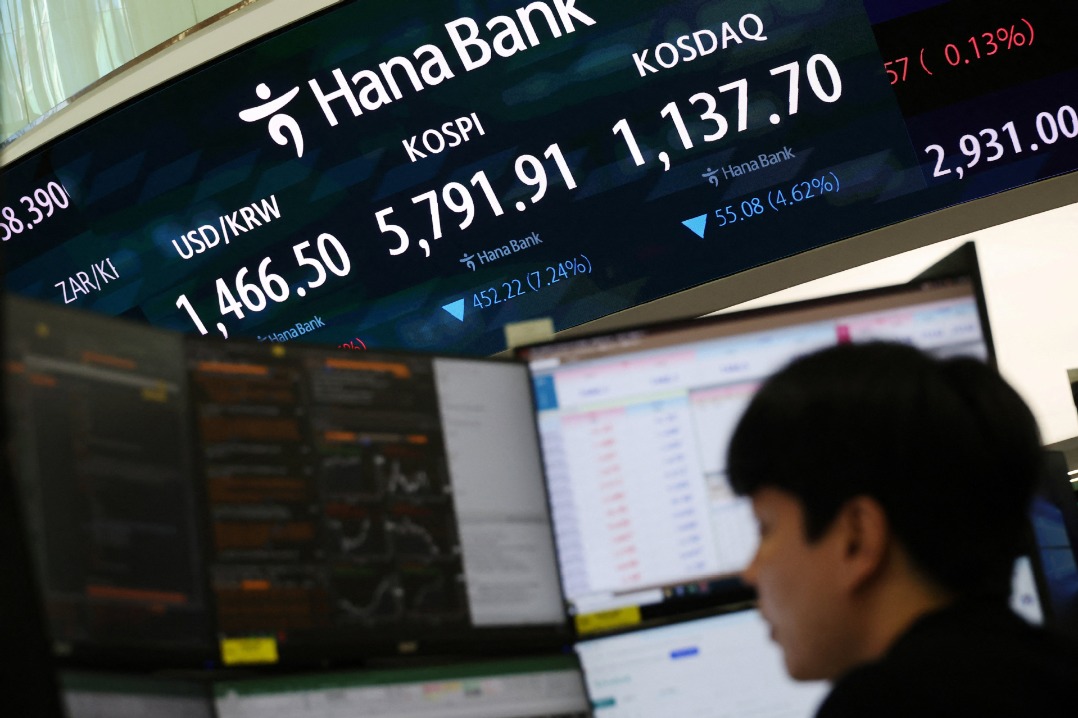
    South Korea’s financial markets experienced a severe downturn at Monday’s opening bell as escalating Middle East conflicts and surging global oil prices triggered widespread investor panic. The benchmark Korea Composite Stock Price Index (KOSPI) plummeted dramatically, shedding 319.5 points to reach 5,265.37—representing a staggering 5.72 percent decline within minutes of trading commencement.

    The market collapse stems primarily from energy security concerns after West Texas Intermediate crude, the US benchmark, breached the $100 per barrel threshold on Sunday. This marks the first time oil prices have reached this critical level since July 2022, creating ripple effects across global financial markets. Investor confidence has been severely undermined by the combination of geopolitical instability and commodity price volatility, forcing a massive sell-off across multiple sectors.

    Financial analysts attribute this sharp correction to the compound effect of prolonged Middle Eastern tensions finally manifesting in energy markets. The price surge indicates growing market anticipation of potential supply disruptions should regional conflicts intensify further. South Korea, as a major energy-importing nation, faces particular vulnerability to these price movements, which directly impact production costs and corporate profitability.

    The market’s reaction demonstrates how geopolitical events in one region can trigger immediate financial consequences across global markets. Trading volumes surged dramatically during the opening session as institutional investors moved to limit exposure to energy-sensitive stocks while retail investors joined the selling frenzy. Market regulators are monitoring the situation closely for any signs of abnormal trading patterns or liquidity issues that might require intervention.
  • Guangdong remains at forefront of opening-up

    Guangdong remains at forefront of opening-up

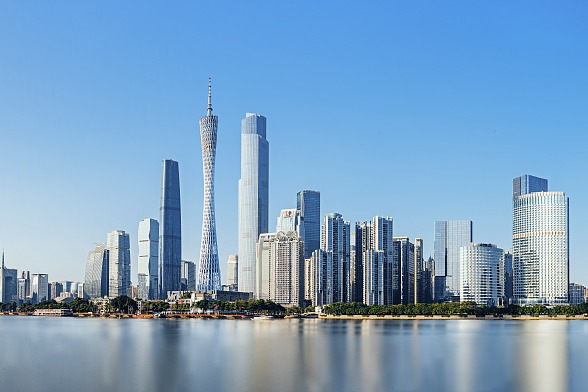
    Guangdong Province is positioning itself at the vanguard of China’s next phase of economic transformation through comprehensive reforms and expanded global engagement. During the National People’s Congress deliberations, provincial leadership outlined an ambitious roadmap for the 15th Five-Year Plan period (2026-30) that leverages the Guangdong-Hong Kong-Macao Greater Bay Area’s development momentum to create a globally competitive economic hub.

    Huang Kunming, Guangdong Party Secretary and NPC deputy, revealed the province has achieved remarkable technological advancement with R&D intensity reaching 3.6% across all sectors. This investment has spawned multiple trillion-yuan industrial clusters, including a 300-billion-yuan core artificial intelligence industry. The province now aims to cultivate additional trillion and multi-trillion-yuan clusters in cutting-edge fields including 6G technology, low-altitude economy, embodied intelligence, and quantum technology.

    Building on the successful co-hosting of the 15th National Games with Hong Kong and Macao, Guangdong will intensify regional cooperation to accelerate development of a world-class urban cluster. Huang emphasized the maturation of collaboration frameworks, particularly noting the “abundant advantages, ample opportunities and vast potential” for developing the Guangdong-Macao In-Depth Cooperation Zone in Hengqin.

    Governor Meng Fanli highlighted Guangdong’s unique position as home to China’s largest population, highest economic output, greatest number of market entities, and widest range of application scenarios. The province will prioritize high-quality development of its service sector to drive industrial and economic growth while supporting manufacturing advancement.

    A significant international opportunity emerges with Shenzhen’s hosting of the APEC Economic Leaders’ Meeting in November. Mayor Qin Weizhong stated the city is accelerating its transformation into a globally influential economic center, with plans to upgrade international infrastructure, broaden global partnerships, and strengthen cooperation in artificial intelligence, new energy, and green transformation. The APEC meeting is expected to provide powerful momentum for Shenzhen’s reform and innovation-driven development, enhancing its global competitiveness and accelerating its emergence as a world-class metropolis.

  • Australia urges diplomats’ families to evacuate UAE

    Australia urges diplomats’ families to evacuate UAE

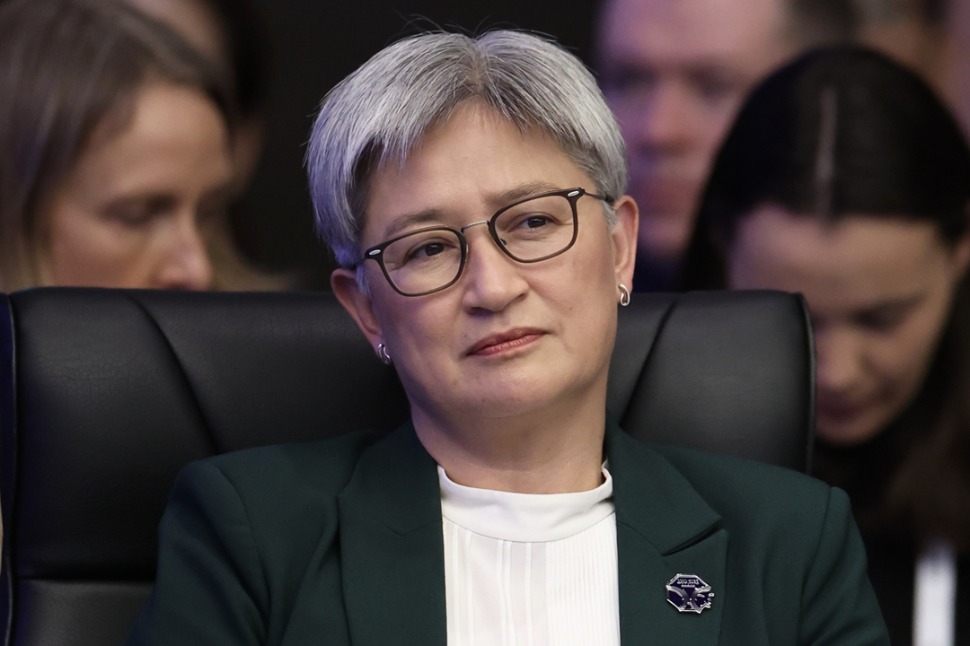
    The Australian government has issued an emergency directive for the immediate evacuation of diplomatic dependents from the United Arab Emirates, citing rapidly deteriorating security conditions across the Middle East region. Foreign Affairs Minister Penny Wong announced the decisive measure through an official statement released on social media platform X during Sunday evening.

    This evacuation order follows concerning developments in regional security dynamics. UAE authorities reported extensive targeting of national infrastructure and civilian areas by over 1,400 ballistic missiles and drone strikes originating from Iran. These attacks have resulted in confirmed civilian casualties, though specific numbers remain undisclosed.

    The current evacuation represents an escalation of previous travel advisories. On February 28, Australian officials had initially recommended all citizens consider departing the UAE. Minister Wong confirmed that government resources are now actively facilitating the departure of Australians seeking to leave the country.

    According to recent demographic assessments, approximately 24,000 Australian citizens were registered as residing in the UAE at the beginning of March, with an estimated 115,000 Australians spread throughout the broader Middle Eastern region. The evacuation specifically targets family members of diplomatic personnel, indicating heightened concerns about potential further escalation in regional hostilities.

    The Australian government’s decision reflects growing international apprehension about the expanding scope of conflict in the Middle East and its potential impact on previously stable regional hubs like the UAE, which has traditionally maintained relative security amidst regional tensions.

  • China’s opening-up sends positive signal: Analysts

    China’s opening-up sends positive signal: Analysts

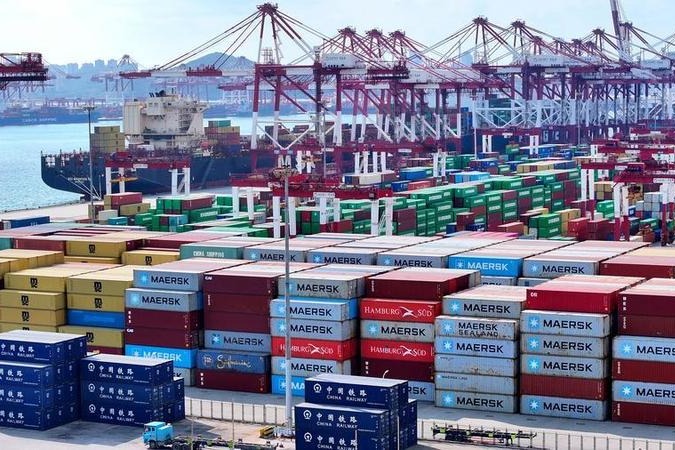
    Amid growing fragility in global trade frameworks, China’s reaffirmed commitment to market liberalization is emerging as a stabilizing force for the world economy, according to international analysts. The policy direction, outlined in the Government Work Report presented to China’s national legislature on March 5, 2026, emphasizes substantial expansion of market access, particularly within the services sector.

    Professor Seo Chang-bae, honorary president of the Korean-Chinese Association of Social Science Studies at Pukyong National University, characterized China’s announcement as strategically significant. “Given the substantial uncertainties created by the weakening World Trade Organization framework,” Seo noted, “China’s decision to further broaden market accessibility will positively influence international economic collaboration and reinforce global supply chain resilience.”

    The initiative includes pioneering liberalization trials across multiple high-value sectors: value-added telecommunications, biotechnology, fully foreign-owned medical facilities, and accelerated progression toward joining the Digital Economy Partnership Agreement (DEPA). This digital trade pact, currently comprising Chile, New Zealand, Singapore, and South Korea, facilitates enhanced digital commerce and connectivity among member nations. China formally applied for DEPA membership in 2021.

    While applauding the directional shift, Seo emphasized that tangible outcomes would depend on effective implementation mechanisms rather than policy announcements alone.

    Concurrently, economic observers are analyzing China’s moderated growth projections. Suan Teck Kin, Head of Research and Executive Director at United Overseas Bank’s Global Economics and Markets Research division, interpreted China’s 2026 growth target of 4.5-5% as indicative of economic maturation. “This reflects a strategic transition from pursuing aggressive expansion to targeting an appropriate range that prioritizes qualitative development over quantitative metrics,” Suan explained.

    The challenging global environment, characterized by rapidly evolving trade rules, makes ambitious GDP targets particularly difficult for major economies like China to achieve, he added.

    For ASEAN member states, China’s market opening presents significant opportunities. “As emerging economies, ASEAN nations require technological support, investment, and infrastructure development,” Suan observed. “This creates natural synergies for bilateral business cooperation.”

    The proposed pilot program for wholly foreign-owned hospitals particularly interests Suan, who noted China’s advancements in medical technology and research could foster mutually beneficial partnerships and knowledge exchange in the healthcare sector.

  • Xinjiang NPC deputy: Draft bill to strengthen ethnic unity

    Xinjiang NPC deputy: Draft bill to strengthen ethnic unity

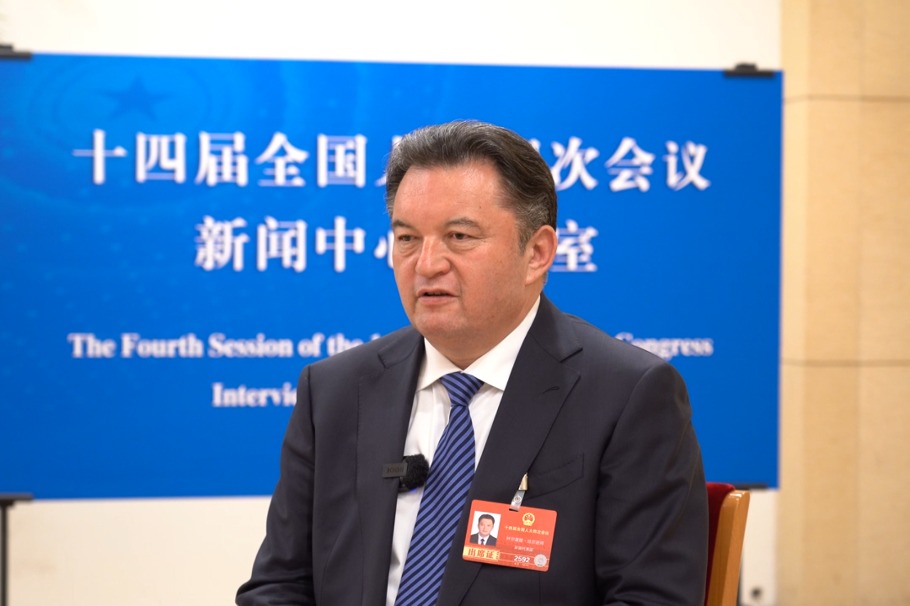
    Yershat Tursonbay, a National People’s Congress deputy representing China’s Xinjiang Uygur Autonomous Region and serving as governor of Ili Kazak Autonomous Prefecture, has announced a significant legislative initiative aimed at fortifying ethnic unity through comprehensive legal measures. The proposed draft bill on promoting ethnic unity and progress currently under parliamentary review marks a strategic shift from policy guidance to formal legal frameworks.

    According to Tursonbay, China has historically advanced ethnic cohesion through multifaceted approaches including policy implementation, educational programs, and practical community engagement. The new legislation represents a transformative step that will elevate national consciousness from mere ideological awareness to legally binding obligations, effectively converting popular will into institutional commitment.

    This legislative move establishes stronger legal foundations for ethnic unity efforts, potentially creating more structured approaches to inter-ethnic relations and community development. The transition from voluntary participation to legally supported implementation signals China’s commitment to institutionalizing ethnic harmony through statutory mechanisms.

    The proposed legislation emerges as part of broader national efforts to strengthen community bonds across China’s diverse ethnic landscape, particularly in regions like Xinjiang where multiple ethnic groups coexist. The legal framework aims to provide consistent standards and measurable outcomes for unity initiatives nationwide.

    Tursonbay’s announcement during the NPC sessions highlights the government’s methodical approach to ethnic relations, emphasizing the importance of sustainable, legally-grounded solutions rather than temporary measures or ideological campaigns alone.

  • China’s birth-friendly initiative supports women’s ‘full lifecycle’

    China’s birth-friendly initiative supports women’s ‘full lifecycle’

    Chinese lawmakers are championing a transformative approach to women’s welfare, moving beyond conventional rights protection to embrace comprehensive support throughout women’s entire lifespan. This paradigm shift emerges as China commemorates International Women’s Day, with national legislators advocating for systemic changes addressing reproductive health, childcare infrastructure, workplace equity, and career advancement.

    The revised strategy recognizes that addressing China’s demographic challenges requires more than financial incentives. Female representatives participating in the National People’s Congress sessions emphasize that building a truly birth-friendly society necessitates structural reforms that eliminate the traditional dichotomy between family and professional aspirations.

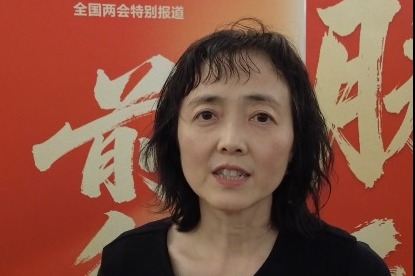
    NPC Deputy Hu Chunlian from Hunan delegation articulated the evolving perspective: “Our focus has transitioned from basic rights safeguarding to encompassing women’s complete life cycle. This evolution reflects both social progress and a pragmatic response to demographic pressures.” Hu proposes integrating women’s reproductive health into public health services, advocating for conditions like ovarian dysfunction and adenomyosis to receive chronic disease-level management.

    This legislative reorientation aligns with China’s broader initiative to cultivate a birth-friendly environment amid accelerating population aging and declining birth rates. Official statistics reveal concerning demographic trends, with 2025 recording 7.92 million births—a significant decrease from 9.54 million the previous year—contributing to a overall population reduction of 3.39 million.

    Lawmakers interpret these demographic shifts through a progressive lens, recognizing women’s increased workforce participation as societal advancement rather than merely a fertility challenge. NPC Deputy Dai Yin emphasized that synchronized women’s rights advocacy and pro-fertility policies represent a new era where women need not choose between career and family.

    “These systemic reforms prevent women’s social or professional isolation during childbirth,” Dai noted, referencing her emblematic red flower inscribed with “Labor is the Most Glorious.” “Economic participation remains fundamental to gender equality. A birth-friendly society honors women’s dual contribution to both workforce development and future generations.”

    The national initiative additionally addresses historical inequities in childcare distribution. Huang Qinmei, NPC deputy from Guangxi Zhuang Autonomous Region, highlighted how her previous advocacy for childcare subsidies and enhanced support systems influenced national policy implementation last year.

    “Women experience extended perinatal periods requiring flexible occupational and educational mechanisms,” Huang explained. “Prolonged societal disconnection undermines personal development, making integrated support systems imperative.”

    Innovative proposals include establishing paid paternity leave ranging from one to two months, inspired by documented cases of paternal engagement in childcare activities. Legislators simultaneously challenge perceptions that birth-friendly policies coercively promote higher fertility.

    NPC Deputy Chen Jieying underscored the importance of holistic support: “We must prioritize women’s psychological and physical wellbeing, creating environments where professional women can thrive without excessive pressure while contributing to societal advancement through multiple dimensions.”

  • Shanxi ‘slow train’ offers affordability, convenience

    Shanxi ‘slow train’ offers affordability, convenience

    Cutting through the rugged terrain of northern China’s Taihang Mountains, a remarkable railway service continues to bridge communities while defying modern transportation trends. Operated by China Railway Taiyuan Group, the 8818/8817 public welfare train has served as an essential lifeline for remote villages since its inauguration in 1991.

    This 305-kilometer journey connects Taiyuan Station with Lingqiu Station, traversing the landscape at a deliberate pace of under 45 kilometers per hour. The seven-and-a-half-hour voyage offers unparalleled affordability, with fares ranging from just 4 yuan (approximately $0.58) to 34.5 yuan for the complete route. The train’s strategic placement of stops directly at village thresholds has made it an indispensable resource for mountain communities.

    The service, affectionately dubbed ‘The Train of Happiness,’ has fundamentally transformed mobility for residents like 71-year-old Liu Ronghua from Lingqiu county. Having contributed to the railway’s construction in his youth, Liu now benefits from the connectivity it provides. ‘This public service train enables us to transcend mountain barriers and experience the wider world,’ he remarked.

    Beyond mere transportation, the train has catalyzed life-changing opportunities. Sun Zhibin, an educator at Lingqiu No. 7 Middle School, attributes his personal and professional trajectory to the railway. In 2002, a 19.5-yuan ticket—painstakingly saved from his father’s modest income—facilitated his journey to Taiyuan for education. That fateful trip not only launched his academic career but also led to meeting his future wife. Today, Sun revisits the route with his children, sharing his educational heritage.

    The train regularly transports students like Sun Nan, a graduate researcher at Shanxi Agricultural University, who carries agricultural technology materials between campus and hometown. His livestock research has dramatically improved sheep breeding outcomes, doubling local survival rates and significantly boosting family incomes.

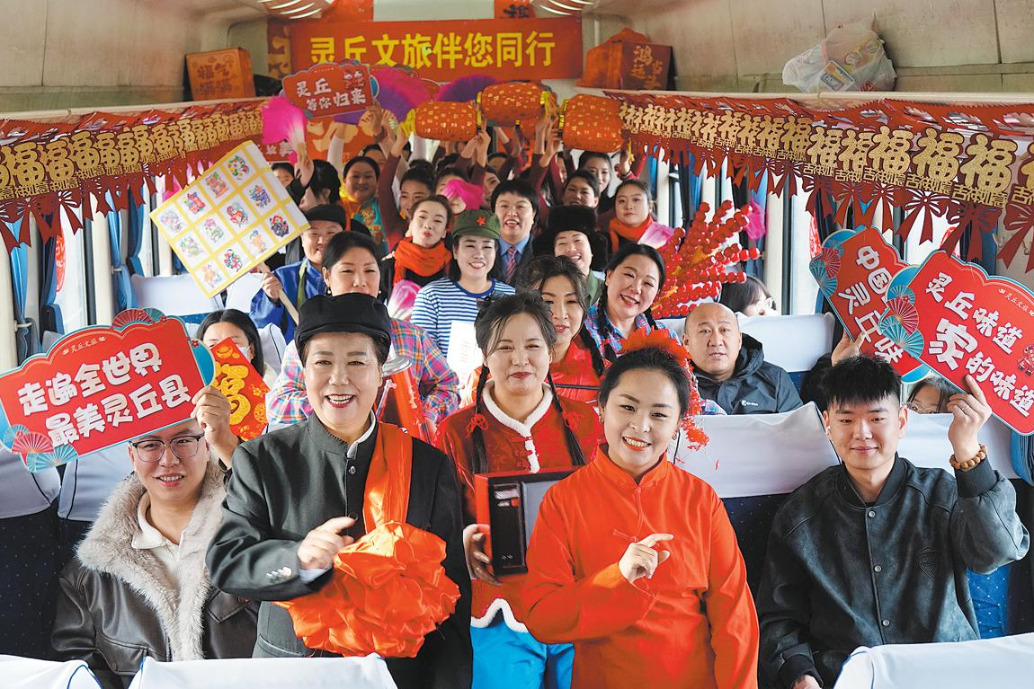
    Cultural enrichment accompanies practical transportation, with folk art troupes periodically performing for passengers. The route winds past historical landmarks including Yanmen Pass and Mount Wutai, blending cultural preservation with contemporary mobility needs. As China advances with high-speed rail networks, this deliberate connection between historical significance and modern accessibility continues to serve as a vital artery for mountain communities.

  • Oil firms cut output as crisis blocks key shipping lane

    Oil firms cut output as crisis blocks key shipping lane

    Major oil producers across the Gulf region have initiated significant production cuts as escalating regional tensions continue to block shipments through the critical Strait of Hormuz, creating substantial disruptions to global energy supplies.

    The Abu Dhabi National Oil Company (ADNOC) announced on Saturday that it is implementing strategic output adjustments to manage storage constraints while maintaining operational readiness. “This approach preserves operational flexibility and will enable the company to resume normal operations without prolonged delay,” ADNOC stated, emphasizing that its onshore operations continue unaffected.

    The strategic waterway, currently impassable due to regional conflicts now entering their tenth day, typically facilitates approximately 20% of global oil and liquefied natural gas shipments. Energy analysts had previously warned that storage capacities would reach critical levels, forcing production reductions.

    ADNOC confirmed it is utilizing alternative export routes bypassing the strait and international storage facilities to maintain supply continuity to global markets. Simultaneously, Saudi Arabia’s Aramco is temporarily redirecting crude shipments to the Red Sea port of Yanbu to serve customers unable to access Gulf routes.

    Kuwait Petroleum Corporation joined the growing list of producers implementing cuts, declaring force majeure on Saturday following similar moves by Iraq and Qatar. The Kuwaiti company described its production adjustment as “strictly precautionary” while emphasizing its readiness to restore output once conditions normalize.

    Industry analysts note that while increased shipments from Red Sea ports provide some mitigation, they fall significantly short of compensating for the massive supply disruption caused by the closure of the world’s most important oil transit channel. The situation remains fluid with companies assessing impacts on a product-by-product basis while implementing established security protocols to protect personnel and infrastructure.

  • Strikes target civilian, energy sites despite Tehran’s apology

    Strikes target civilian, energy sites despite Tehran’s apology

    The Middle Eastern geopolitical landscape witnessed significant escalation over the weekend as military operations intensified despite diplomatic overtures. United States and Israeli forces executed coordinated strikes against Iranian targets, including a devastating attack on the Shahran oil depot near Tehran that triggered substantial fires and prompted immediate fuel rationing measures across the capital region.

    Iranian state media confirmed subsequent restrictions on civilian fuel purchases, reducing personal allocations from 30 to 20 liters amid supply disruptions. The Israeli military publicly claimed responsibility for targeting energy infrastructure allegedly connected to Iran’s armed forces.

    Simultaneously, Iran prepared for a historic leadership transition with the Assembly of Experts finalizing selection of a new Supreme Leader. Ahmad Alamolhoda, an assembly member, confirmed through Mehr News Agency that the decisive vote had occurred, though the identity of the successor remained undisclosed pending formal announcement.

    The conflict expanded beyond Iranian borders with Tehran reporting counterstrikes against US assets across the region. Iran’s Khatam al-Anbiya Central Headquarters asserted significant casualties among US Fifth Fleet personnel, claiming 21 fatalities with additional injuries. Reports also indicated approximately 200 casualties at Al Dhafra Air Base near Abu Dhabi and attacks on US commercial vessels in the Persian Gulf.

    In a notable diplomatic development, Iranian President Masoud Pezeshkian issued a video apology to Gulf nations affected by Tehran’s military operations, clarifying that strikes specifically targeted US facilities rather than regional neighbors. However, the president simultaneously reaffirmed Iran’s sovereign right to self-defense against what he termed “military aggression by the United States and the Zionist regime” in a subsequent social media statement.

    The regional tension manifested beyond the Persian Gulf as northern Israel intercepted three drones launched from Lebanese territory, though no casualties resulted from these incidents according to Israeli media reports.

  • Highlights of foreign minister’s news conference

    Highlights of foreign minister’s news conference

    Foreign Minister Wang Yi articulated China’s strategic foreign policy positions during a press conference held alongside the National People’s Congress session in Beijing on Sunday. The comprehensive briefing covered critical international relationships and global governance challenges.

    Regarding China-Russia relations, Minister Wang characterized the partnership as “rock solid against all odds,” emphasizing strategic independence, profound political mutual trust, and close coordination between the two nations. He described the relationship as possessing strong strategic resilience that enables it to withstand external pressure and instigation.

    On Middle Eastern affairs, the Foreign Minister cautioned that “might does not make right,” asserting that military force provides no sustainable solutions to regional conflicts. He emphasized that Middle Eastern people should determine their own affairs independently, without external interference through color revolutions or regime change attempts.

    Minister Wang presented China’s Global Governance Initiative as essential to strengthening the United Nations system, warning that creating parallel structures or exclusive blocs outside the UN framework proves unpopular and unsustainable. He called for broader international participation in revitalizing the UN to enhance its effectiveness.

    Addressing neighborhood diplomacy, Wang Yi highlighted China’s traditional cultural emphasis on good neighborliness and mutual assistance. He positioned China as an anchor for regional security, an engine for development prosperity, and a champion of shared Asian values.

    The Foreign Minister identified the Global South as an emerging positive force in international relations, stressing that multilateralism remains vital for these nations. He affirmed China’s fundamental alignment with Global South interests, noting that international rules should be formulated through inclusive participation.

    Regarding European relations, Wang challenged protectionist approaches, stating that “interdependence is not a risk” and “intertwined interests are not threats.” He welcomed European engagement with China’s market opportunities rather than building isolationist barriers.

    On the Palestinian question, the Minister reaffirmed China’s support for the two-state solution as the only equitable and widely recognized resolution. He emphasized the Palestinian people’s legitimate right to peace and development free from turmoil and conflict.

    The press conference also covered China’s relationships with Latin America, Africa, Japan, India, and addressed specific regional issues including the South China Sea and Taiwan. Minister Wang consistently emphasized principles of non-interference, mutual benefit, and peaceful resolution of disputes throughout his responses.