标签: Asia

亚洲

  • Sri Lanka counts cyclone cost as death toll hits 465

    Sri Lanka counts cyclone cost as death toll hits 465

    Sri Lankan authorities have announced a staggering $7 billion reconstruction estimate following the devastating impact of Cyclone Ditwah, which has claimed 465 lives and left 366 individuals missing amid catastrophic mudslides and flooding. Commissioner-General of Essential Services Prabath Chandrakeerthi, overseeing recovery operations, revealed the preliminary assessment while detailing immediate relief measures including $81 payments for home cleaning and $8,100 compensation for families who lost residences.

    The disaster has affected over 1.5 million people nationwide, with approximately 200,000 currently housed in government-operated shelters. While floodwaters in Colombo have begun receding, numerous areas within the central highlands remain completely inaccessible due to damaged infrastructure, hampering rescue and assessment efforts.

    President Anura Kumara Dissanayake emphasized the critical need for international assistance, noting the particularly cruel timing as Sri Lanka continues its fragile recovery from the 2022 economic crisis that resulted in sovereign default on $46 billion of external debt. Despite implementing IMF-mandated austerity measures following a $2.9 billion bailout, the nation now faces compounded challenges.

    In a contrasting development highlighting resilience efforts, Sri Lanka welcomed a luxury cruise ship to Colombo Port this week. The tourism board characterized the arrival as a strategic message reaffirming the country’s operational status and commitment to welcoming international visitors despite ongoing recovery operations.

  • Beijing court tackles legal disputes in ice and snow economy

    Beijing court tackles legal disputes in ice and snow economy

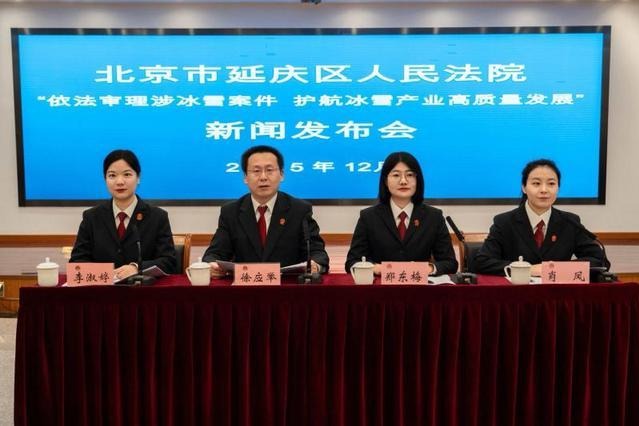
    In a strategic response to the rapidly expanding winter sports sector, a Beijing court has implemented groundbreaking judicial measures to address the complex legal challenges emerging from China’s burgeoning ice-snow economy. The Yanqing District People’s Court, located in a key winter sports region, reported a striking 328% increase in snow-related cases over three years, with 30 disputes adjudicated in just the first ten months of 2025 compared to merely seven throughout 2023.

    According to Chief Judge Zheng Dongmei of the court’s first civil division, this dramatic surge correlates directly with innovative business models that have transformed the winter tourism landscape. The industry has evolved beyond traditional skiing to encompass integrated operations, venue leasing arrangements, specialized children’s snow parks, educational programming, and professional sports training. These developments, coupled with emerging consumption patterns like prepaid packages and group purchasing schemes, have significantly complicated legal relationships between service providers and consumers.

    The judicial system has responded with a multi-faceted approach that includes cross-regional collaboration with courts in Hebei province’s Zhangjiakou and Chongli districts—key venues from the 2022 Winter Olympics. This cooperation has produced standardized judicial interpretations for common legal issues within the winter sports industry, ensuring consistent application of legal principles across jurisdictions.

    Beyond adjudication, the Yanqing court has established specialized rapid-response channels and dedicated offices specifically for winter sports disputes, significantly streamlining legal processes for consumers and skiing enthusiasts. The court has also initiated an extensive outreach program, deploying legal teams to conduct over 50 educational seminars at communities, businesses, and ski resorts to enhance public awareness of legal rights and protections.

    Looking beyond immediate jurisdictional boundaries, the court has engaged in knowledge-sharing with nine provincial courts from traditionally winter sports-intensive regions including Jilin and Heilongjiang. This collaborative network, strengthened by academic partnerships with China University of Political Science and Law and Beijing Sport University, focuses on developing specialized legal expertise and cultivating judicial talent equipped to handle the unique complexities of winter sports litigation.

  • Dubai’s Rayhan Thomas starts strong at Korn Ferry Q-School with mindset-driven 67

    Dubai’s Rayhan Thomas starts strong at Korn Ferry Q-School with mindset-driven 67

    Indian golfer Rayhan Thomas, representing Dubai Creek Golf & Yacht Club, opened his Stage Two campaign at the Korn Ferry Tour Qualifying School with impressive composure, carding a five-under-par 67 at The Landings Golf & Athletic Club in Savannah, Georgia. The 26-year-old demonstrated remarkable mental fortitude and strategic discipline amid challenging weather conditions that tested the 76-player field.

    Thomas’s performance placed him tied for ninth position after the opening round, firmly positioning him within the projected qualification threshold for the Final Stage. Japan’s Tatsunori Shogenji currently leads the tournament at eight under par.

    The Dubai-born athlete showcased exceptional resilience early in his round when confronted with a bogey on the second hole during heavy rainfall. Rather than allowing this setback to disrupt his rhythm, Thomas responded with three consecutive birdies on holes three, four, and seven, concluding the front nine with a two-under-par 34. He maintained his precision on the back nine, adding three additional birdies to finish with a back-nine 33.

    Thomas emphasized the psychological demands of qualifying tournaments, noting the critical balance between aggression and restraint. “It’s a different mindset when you play in qualifying events—knowing when to attack and when to play safe,” Thomas explained from Georgia. “I’m getting used to knowing what I have to do.”

    The tournament structure offers significant stakes: the top 15 finishers will advance to the Final Qualifying stage at TPC Sawgrass facilities in Ponte Vedra Beach, Florida, scheduled for December 11-14, 2025. At the Final Stage, the top five competitors will receive full PGA Tour cards for the following season, while the next 40 players (including ties) will secure full Korn Ferry Tour membership for 2026.

    Thomas, exempt from Stage One qualifying as a 2025 Korn Ferry Tour cardholder, enjoys support from sponsors Hero, Wilson, Cadillac, and Dubai Basketball—partners committed to his long-term professional development in competitive golf.

  • New high-speed rail cuts Nanning-Vietnam border travel time to 75 mins

    New high-speed rail cuts Nanning-Vietnam border travel time to 75 mins

    A transformative high-speed rail connection has officially commenced operations, dramatically reducing travel duration between Nanning and the Vietnam border to just 75 minutes. This strategic infrastructure development, announced by China State Railway Group, represents a significant advancement in regional transportation networks.

    The newly inaugurated 81-kilometer Pingxiang-Chongzuo line seamlessly integrates with existing rail infrastructure connecting Chongzuo to Nanning, the capital of Guangxi Zhuang Autonomous Region. This integration has effectively collapsed the previous four-hour journey into a remarkably efficient 75-minute transit, marking a 178-minute reduction from conventional rail services.

    Operating at peak velocities of 250 kilometers per hour, the railway will initially deploy four pairs of high-speed trains daily. The service introduces a flexible, market-responsive pricing structure designed to accommodate diverse passenger requirements while optimizing operational efficiency.

    Beyond immediate travel conveniences, this corridor establishes Nanning’s first high-speed rail connection to border cities including Pingxiang, Ningming, and Longzhou. The project serves as a critical component within China’s broader strategy to enhance transnational connectivity with neighboring nations, particularly within the ASEAN Free Trade Area framework.

    The railway’s inauguration promises substantial economic implications by facilitating improved mobility for goods and personnel, supporting development initiatives in border regions, and strengthening China’s economic and logistical ties with Southeast Asian markets through enhanced transportation infrastructure.

  • Malaysia says search for flight MH370 to resume in December

    Malaysia says search for flight MH370 to resume in December

    Malaysian authorities have announced the recommencement of search operations for the missing Malaysia Airlines Flight MH370, scheduling the renewed underwater exploration to begin December 30th. This development follows the government’s contractual agreement with marine robotics company Ocean Infinity, finalized earlier this year.

    The Transport Ministry confirmed Wednesday that the sophisticated seabed scanning operations will proceed intermittently across a 55-day period. The search parameters will concentrate on specifically targeted zones identified through advanced data analysis as possessing the highest probability of aircraft detection.

    This renewed initiative stems from the service agreement established between the Malaysian government and Ocean Infinity on March 25, 2025. Official statements emphasize the administration’s continued dedication to resolving one of aviation’s most profound mysteries and delivering conclusive answers to affected families.

    The tragedy of MH370 dates to March 8, 2014, when the Boeing 777 passenger jet vanished during its scheduled flight from Kuala Lumpur to Beijing. The aircraft disappeared from air traffic control radar systems with 239 passengers and crew members aboard, initiating one of the most extensive and costly search operations in aviation history. Previous multinational search efforts covered vast stretches of the southern Indian Ocean but failed to locate the main wreckage, though several confirmed debris fragments have been recovered from various Indian Ocean shorelines over subsequent years.

  • GBA cultural investment conference secures 6 billion yuan

    GBA cultural investment conference secures 6 billion yuan

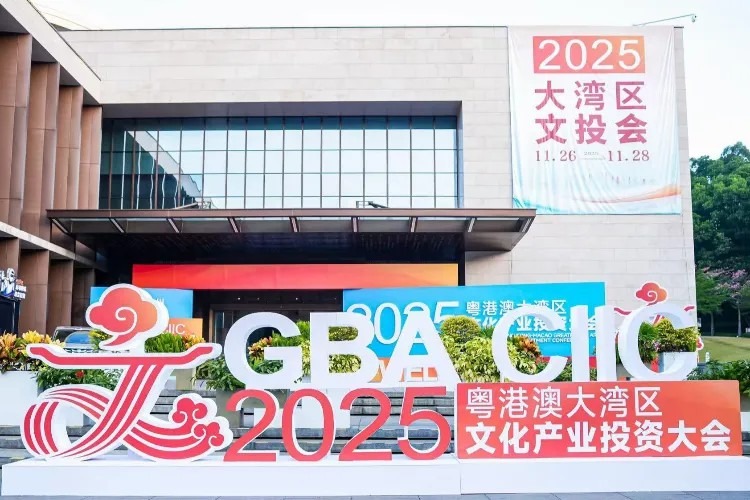
    GUANGZHOU – The 2025 Guangdong-Hong Kong-Macao Greater Bay Area (GBA) Cultural Industry Investment Conference has concluded with a monumental achievement, securing approximately 6 billion yuan ($850 million) in intended investment commitments. This landmark event solidifies the region’s position as China’s undisputed cultural industry powerhouse.

    The conference served as a dynamic marketplace for innovative cultural projects, with a particular emphasis on cutting-edge sectors including artificial intelligence applications in cultural production, digital intelligence creativity, cultural intelligent manufacturing, and film and television ventures. This strategic focus highlights the region’s commitment to merging technological innovation with cultural development.

    Over three intensive days, the conference attracted robust participation from the investment community, drawing representatives from more than 120 investment institutions. The event also welcomed 350 cultural enterprises seeking funding and partnerships, while thematic sessions throughout the conference attracted over 1,200 participants engaged in specialized discussions and networking.

    The annual gathering has evolved beyond a conventional investment forum into a comprehensive ecosystem for connecting capital with innovation. It has established itself as the premier platform for attracting both investment institutions and high-quality cultural projects to the Greater Bay Area, facilitating meaningful connections that drive economic growth.

    According to official statistics presented at the conference, Guangdong’s cultural industrial output value has maintained its national leadership for an impressive 22 consecutive years. The province’s cultural sector reached a significant milestone in 2024, generating revenue exceeding 3 trillion yuan and accounting for approximately one-sixth of China’s total cultural industry revenue, demonstrating the region’s outsized contribution to the national cultural economy.

  • ‘Surveillance tool’: India’s Congress seeks parliament debate on govt app for phones

    ‘Surveillance tool’: India’s Congress seeks parliament debate on govt app for phones

    India’s political landscape has been stirred by a contentious government directive requiring smartphone manufacturers to preinstall a state-developed application on all devices sold within the country. The opposition Congress party has formally requested an urgent parliamentary discussion regarding what they characterize as a significant privacy infringement and potential surveillance mechanism.

    The controversial application, named Sanchar Saathi (Communication Partner), has been mandated by India’s telecommunications ministry for installation on all smartphones from major manufacturers including Apple, Samsung, and Xiaomi. According to official statements, the software is designed specifically to track stolen mobile devices, remotely disable them, and prevent their unauthorized usage.

    However, privacy advocates and political opponents of Prime Minister Narendra Modi’s administration have raised substantial concerns regarding the program’s implementation. Senior Congress leader Randeep Singh Surjewala has formally challenged the legal basis for requiring a non-removable application on personal devices, warning that such mandatory installation could potentially create backdoor access to user data, fundamentally compromising individual privacy rights.

    The telecommunications ministry maintains that the measure represents a necessary cybersecurity initiative addressing what they describe as ‘serious endangerment’ of digital security. This development occurs amidst growing tensions between technology companies and regulatory authorities, with Reuters reporting that Apple intends to contest the mandate and express its reservations directly to Indian officials.

  • Production halted at Chinese factory making ‘child-like’ sex dolls

    Production halted at Chinese factory making ‘child-like’ sex dolls

    Chinese authorities have launched a formal investigation into a manufacturing facility in Guangdong province accused of producing customizable sex dolls with childlike characteristics. The factory has been ordered to cease all operations immediately following reports that its products were being marketed through major e-commerce platforms and social media channels.

    This development comes amid growing international scrutiny of online retailers selling controversial adult products. Last month, global fast-fashion retailer Shein implemented a worldwide ban on all sex doll sales after public outcry over merchandise featuring childlike appearances. The Singapore-headquartered company, which originated in China, reinforced its keyword filtering systems to prevent sellers from circumventing listing restrictions.

    The issue has drawn attention from multiple governments worldwide. French authorities have investigated AliExpress, Alibaba’s international marketplace, regarding similar products. Despite repeated denials from the China-based company about selling such items, Reuters reported in November that AliExpress had banned a seller specializing in sex dolls.

    Sweden has joined the international effort, with Social Services Minister Camilla Waltersson Gronvall announcing potential legislative measures if e-commerce platforms fail to voluntarily eliminate these products. “I now start from the principle that electronic commerce companies assume their responsibilities and do everything possible to end the marketing of sexual dolls that resemble children,” Gronvall told AFP.

    Technological advancements have complicated the situation, with artificial intelligence enabling enhanced customization capabilities for online-ordered dolls, including conversational features. Chinese state media outlet The Paper reported that multiple factories in southern Guangdong were producing dolls with what authorities described as “childlike pornography characteristics,” prompting intensified regulatory action.

  • UAE: Over 133 tribes to take part in Union Parade at Sheikh Zayed Festival

    UAE: Over 133 tribes to take part in Union Parade at Sheikh Zayed Festival

    Abu Dhabi prepares for a monumental display of national unity as over 133 Emirati tribes converge at the Sheikh Zayed Festival site in Al Wathba for the annual Union Parade on December 4th. This grand celebration, marking the UAE’s 54th National Day, represents the largest tribal gathering in the country and demonstrates profound national pride and loyalty to leadership.

    The Presidential Court has revealed that participation has grown significantly from previous years, with 120 tribes participating in the 51st National Day celebrations compared to this year’s 133 tribes. The expansion reflects the event’s deepening cultural significance and its successful embodiment of Emirati unity.

    This year’s parade introduces innovative segments blending traditional and contemporary elements, including heritage performances, folk displays, and youth-led showcases that bridge past and present. The meticulously organized event will feature artistic representations of the UAE’s diverse environments—marine, desert, and mountainous regions—creating a comprehensive cultural tapestry.

    Organizational coordination begins months in advance through close collaboration with tribal elders and representatives. Each tribe maintains its own coordinator, ensuring seamless integration into the parade’s structure. Security and logistical planning involve precise coordination of procession routes, timing, and safety measures to guarantee a flawless execution.

    The Union Parade serves multiple purposes: reinforcing national identity, strengthening intergenerational connections to heritage, and demonstrating social cohesion to international audiences. Accompanying educational initiatives promote heritage awareness by preserving folk practices and engaging youth in cultural preservation.

    Officials anticipate record attendance from both participants and spectators, noting that the event practically demonstrates the meaning of union beyond symbolic significance. The Presidential Court maintains complete oversight of planning and execution, ensuring the presentation aligns with the UAE’s global reputation for excellence and unity.

  • China’s poverty victory and America’s poverty shame

    China’s poverty victory and America’s poverty shame

    A recent adjustment by the World Bank—raising the global poverty threshold from $2.15 to $3 per day—has instantly reclassified 125 million people as living in poverty, revealing fundamental flaws in how we measure human welfare. This technical change underscores that current metrics track survival thresholds rather than meaningful quality of life.

    China’s achievement in lifting 943 million people above subsistence levels demonstrates extraordinary state capacity through coordinated resource mobilization. The country deployed rapid economic growth, rural infrastructure investment, targeted poverty alleviation campaigns, and expanded social insurance programs, with the state directly orchestrating resource reallocation to impoverished regions.

    However, this spreadsheet victory obscures grim realities. Health inequality among China’s low-income population has actually widened since 2010, with chronic disease disparities between rich and poor increasing significantly. Rural-urban health gaps persist despite income gains, and the country’s shift toward consumption-driven growth creates new vulnerabilities for rural elderly, internal migrants, and low-wage workers who require continuous, high-quality care rather than episodic minimal coverage.

    Meanwhile, America generates unprecedented wealth while systematically denying healthcare to millions through Medicaid cuts and insurance rollbacks. The nation’s poorest 10% now claim just 1.8% of national income—comparable to Bolivia—despite per capita output six times higher than China’s. From 1980 to 2023, middle-income Americans’ share relative to top earners dropped from over 50% to just 42.5%, with current policies further reducing bottom-decile household income by nearly 7%.

    Both superpowers are conducting vast experiments in population health with opposite pathologies. China achieved universal basic subsistence but burdened its poor with catastrophic healthcare costs that perpetuate intergenerational inequality. America delivers world-class care for those who can afford it while tolerating worse population-level health outcomes than many poorer nations.

    The COVID-19 pandemic temporarily demonstrated alternative possibilities—expansions of cash transfers and health coverage sharply reduced poverty—but subsequent rollbacks revealed political systems unprepared to sustain these measures.

    Taiwan offers an instructive counterpoint, exempting all medical co-payments for low-income patients and those with catastrophic illness while achieving both economic development and health protection. For developing nations observing this contrast, the lesson isn’t to choose either model but to recognize that poverty eradication without health equity merely creates different forms of suffering.

    The climate imperative adds urgency: lifting people from extreme poverty generates just 5% of global emissions, but providing middle-income living standards requires fundamentally different development pathways that neither superpower has achieved sustainably. What matters isn’t whether someone crosses a $3 threshold but whether they can access healthcare without bankruptcy, feed their family nutritious food, and escape intergenerational poverty traps.