标签: Asia

亚洲

  • Trash everywhere: UAE residents take action against National Day litter

    Trash everywhere: UAE residents take action against National Day litter

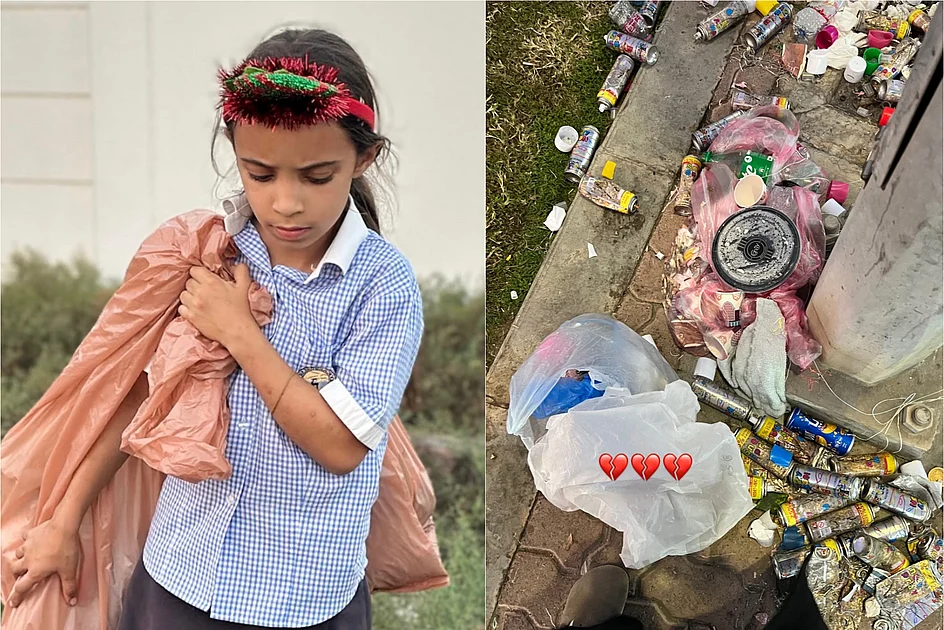
    In an inspiring display of civic responsibility, UAE residents launched a nationwide cleanup campaign on December 3rd to address extensive littering left after the country’s 54th National Day celebrations. The movement gained momentum following a social media appeal by Sheikha Shamma Al Nahyan, President and CEO of Frontier25, who expressed heartfelt disappointment at the state of public spaces.

    The initiative, dubbed “Pride into Action,” was rapidly organized in collaboration with Tadweer (Abu Dhabi Waste Management Company) and saw remarkable community participation. Volunteers from diverse backgrounds—including citizens, expatriates, families, and corporate teams—converged at designated assembly points equipped with gloves and garbage bags to tackle the stubborn remnants of party sprays and silly string that had adhered to roads and public areas.

    Sheikha Shamma documented the effort on Instagram, highlighting particularly touching moments such as a young schoolgirl who joined the cleanup directly after classes, whom she praised as “a young eco warrior.” The business community also contributed significantly by encouraging employee participation, demonstrating widespread commitment to environmental stewardship.

    The cleanup operation, which commenced at 5 PM, addressed not only conventional waste but also the challenging residue from festive materials that required dedicated effort to remove. Sheikha Shamma emphasized that even those unable to join organized locations could contribute by cleaning their immediate surroundings, reinforcing the message that civic responsibility extends to all residents.


  • ruya bank’s digital-first Islamic model aims to redefine finance with ethics and inclusion

    ruya bank’s digital-first Islamic model aims to redefine finance with ethics and inclusion

    UAE-based ruya Bank is spearheading a transformative approach to Islamic finance through its fully digital operating model that combines technological innovation with strict ethical compliance. As global Islamic financial assets surge beyond $4.5 trillion with projections indicating growth to $6.7 trillion by 2027, the institution represents a new generation of financial entities leveraging automation while maintaining core religious principles.

    Chief Executive Christoph Koster emphasizes that technology serves as an enhancement rather than replacement for traditional Shariah governance. “Automation and AI are tools, not substitutes for Shariah compliance,” Koster states. “Our model integrates digital efficiency with human oversight, ensuring transparency and purpose remain fundamental to our operations.”

    The bank’s technological infrastructure enables account opening in under five minutes through UAE Pass verification, yet maintains rigorous oversight through a traditional Shariah Supervisory Board that reviews every product, contract, and disclosure. This dual approach combines digital agility with ethical accountability, creating what Koster describes as “auditable algorithmic decisions” that maintain human interpretation.

    ruya’s Retail Islamic Wealth platform provides accessible entry to Shariah-compliant investment portfolios including stocks, ETFs, gold, sukuk, and digital assets. Simultaneously, the institution addresses the financing needs of small entrepreneurs through a fully digital SME platform, targeting a segment historically underserved by conventional lenders.

    Koster highlights that financial inclusion extends beyond basic access, noting that while only 3% of UAE adults remain unbanked, approximately 31% are under-banked using just one financial product. “Our mission transcends account opening to deliver meaningful access to wealth creation and growth opportunities,” he explains.

    The bank’s Banking-as-a-Service (BaaS) infrastructure extends its ethical financial approach to fintech partners, embedding Islamic-compliant solutions into digital ecosystems targeting youth, women, and micro-enterprises. Koster advocates for collaborative ecosystem development, asserting that “to unlock inclusion at scale, Islamic banks must partner with the ecosystem rather than compete against it.”

    Beyond financial services, ruya’s Nature Protect initiative demonstrates the institution’s commitment to broader social responsibility, conserving one square foot of primary forest for every Dh1,000 maintained in customer accounts for a decade. This initiative reinforces Koster’s conviction that faith-based finance must serve higher purposes, asserting that “profit and purpose represent two sides of the same Shariah coin.”

  • 3-year-old Indian boy becomes youngest chess player to earn official rating

    3-year-old Indian boy becomes youngest chess player to earn official rating

    In an unprecedented achievement in competitive chess, three-year-old Indian prodigy Sarwagya Singh Kushwaha has officially become the youngest player in history to obtain a FIDE rating. At just three years, seven months, and twenty days old, the nursery school student from Madhya Pradesh has surpassed his compatriot Anish Sarkar’s previous record set in November 2024.

    Kushwaha’s remarkable accomplishment required defeating multiple FIDE-rated opponents in official tournaments across India, ultimately earning him a rapid chess rating of 1,572. This rating system, distinct from player rankings, serves as an objective measure of competitive strength based on performance against other rated competitors.

    The chess phenom’s father, Siddharth Singh, expressed immense pride in his son’s achievement, telling Indian media outlets that they aspire for him to become a grandmaster. This milestone adds another chapter to India’s growing legacy in competitive chess, a nation that has produced legendary players including current world champion Gukesh Dommaraju and five-time World Cup winner Viswanathan Anand.

    For context, the world’s top rapid chess player Magnus Carlsen currently maintains a rating of 2,824, illustrating the competitive landscape into which young Kushwaha has entered. The International Chess Federation requires players to defeat at least one FIDE-rated opponent to obtain an official rating, making Kushwaha’s achievement particularly impressive given his age and limited competitive experience.

  • Colours of pride: The deeper meaning behind the UAE flag

    Colours of pride: The deeper meaning behind the UAE flag

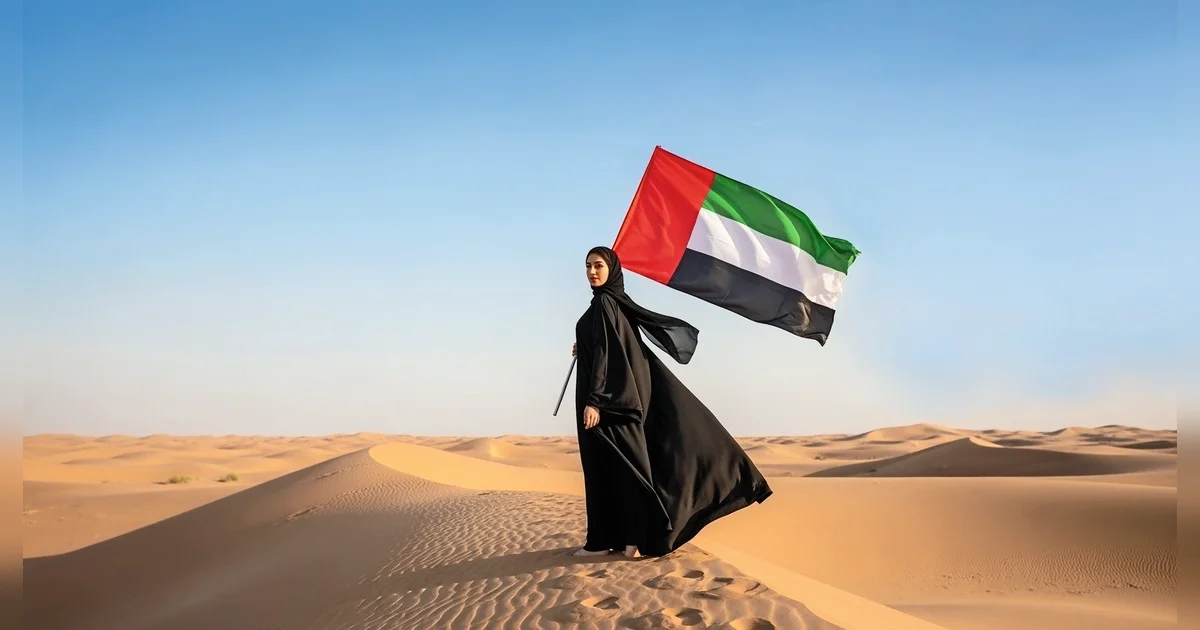
    Across the United Arab Emirates, from towering skyscrapers to local mosques, the national flag stands as a powerful symbol of identity and unity. Adopted on December 2, 1971, during the nation’s formation, this iconic banner carries profound meaning through its four distinctive colors that embody the country’s historical legacy and future aspirations.

    The vertical red band at the hoist represents the immense sacrifices made by earlier generations who protected the land long before modern statehood. This crimson hue symbolizes both the physical courage displayed by ancestors and the unifying force that brought together seven distinct emirates into a single, powerful nation. The red stripe visually connects all other colors, emphasizing how unity remains fundamental to the UAE’s continued strength and resilience.

    Green embodies the nation’s remarkable transformation from desert landscapes to a thriving modern society. This color signifies growth, prosperity, and hope—reflected in the UAE’s commitment to sustainable development and environmental innovation. Beyond representing agricultural achievements, green captures the spirit of renewal that drives the country’s ambitious vision for the future, including extensive renewable energy projects and urban green spaces.

    White stands as a testament to the UAE’s dedication to peace, honesty, and moral integrity. This color reflects the nation’s ongoing humanitarian efforts, charitable initiatives, and role as a global advocate for tolerance and dialogue. The white band serves as a constant reminder of the country’s commitment to maintaining harmonious relations both domestically and internationally through ethical leadership and generous spirit.

    Contrary to common associations with darkness, the black stripe symbolizes formidable strength, determination, and resilience. This color represents the mental fortitude and unwavering willpower that enabled the Emirati people to overcome historical challenges and build a nation that commands global respect. Black signifies the courage to defend national values and confront obstacles with united confidence.

    Together, these four colors create more than a national emblem—they form a visual narrative of a country that honors its past while steadily progressing toward an innovative future. The flag’s symbolism continues to inspire citizens and residents alike, serving as a daily reminder of the shared values and collective journey that define the UAE’s unique identity on the world stage.

  • UAE lunar exploration: Rashid Rover 2 to pioneer historic far side moon mission in 2026

    UAE lunar exploration: Rashid Rover 2 to pioneer historic far side moon mission in 2026

    The United Arab Emirates is preparing to make space exploration history with its Rashid Rover 2 mission, scheduled for launch in 2026. This ambitious endeavor will position the UAE as only the second nation to attempt a landing on the Moon’s mysterious far side, following China’s successful Yutu-2 deployment in 2019.

    Developed entirely within the UAE by the Mohammed Bin Rashid Space Centre (MBRSC), the rover represents a significant leap in the country’s space capabilities. The mission forms a crucial component of the Emirates Lunar Mission program, which aims to deploy multiple rovers to various lunar locations, each with distinct scientific objectives. The program honors the legacy of the late Sheikh Rashid Bin Saeed Al Maktoum, the visionary builder of modern Dubai.

    Rashid Rover 2 will face extraordinary challenges operating on the Moon’s far side, where rugged terrain, complex communication barriers, and extreme environmental conditions present formidable obstacles. The rover has undergone rigorous testing, including thermal vacuum simulations conducted in France, to ensure its systems can withstand the lunar environment’s harsh realities.

    International collaboration plays a pivotal role in this mission. The UAE has partnered with Texas-based Firefly Aerospace, whose Blue Ghost Mission 2 will transport the rover to the Moon using the Elytra Dark orbital vehicle. Additionally, a memorandum of understanding with the French space agency CNES will provide advanced imaging technology, including two high-resolution cameras and a CASPEX imaging module proven effective in previous planetary missions.

    The scientific objectives are both ambitious and practical. Researchers will study geological and thermal aspects of the lunar surface, analyze dust properties, map electrical charge processes, and conduct experiments on materials and mobility systems. Particularly valuable will be testing various materials fitted to the rover’s wheels, with results informing future designs for spacesuits, habitats, and vehicles destined for lunar or Martian operations.

    This mission follows the loss of Rashid Rover 1 in 2023 when its lander failed during descent. Rather than deterring the space program, this experience strengthened the UAE’s resolve, leading to enhanced technological refinement and mission precision.

    Sheikh Hamdan bin Mohammed bin Rashid Al Maktoum, Crown Prince of Dubai and President of MBRSC, emphasized that the mission represents the UAE’s commitment to “generate meaningful knowledge that contributes to humanity’s understanding of the universe.” The project aligns with the nation’s broader vision for economic diversification, scientific advancement, and inspiring future generations to pursue STEM fields.

    As the rover proceeds to the United States for prelaunch preparations, the UAE stands at the threshold of a new era in space exploration—one driven not by prestige but by purpose, collaboration, and a genuine contribution to global scientific knowledge.

  • Oxford Union’s new president says pro-Palestine voices face ‘disproportionate scrutiny’

    Oxford Union’s new president says pro-Palestine voices face ‘disproportionate scrutiny’

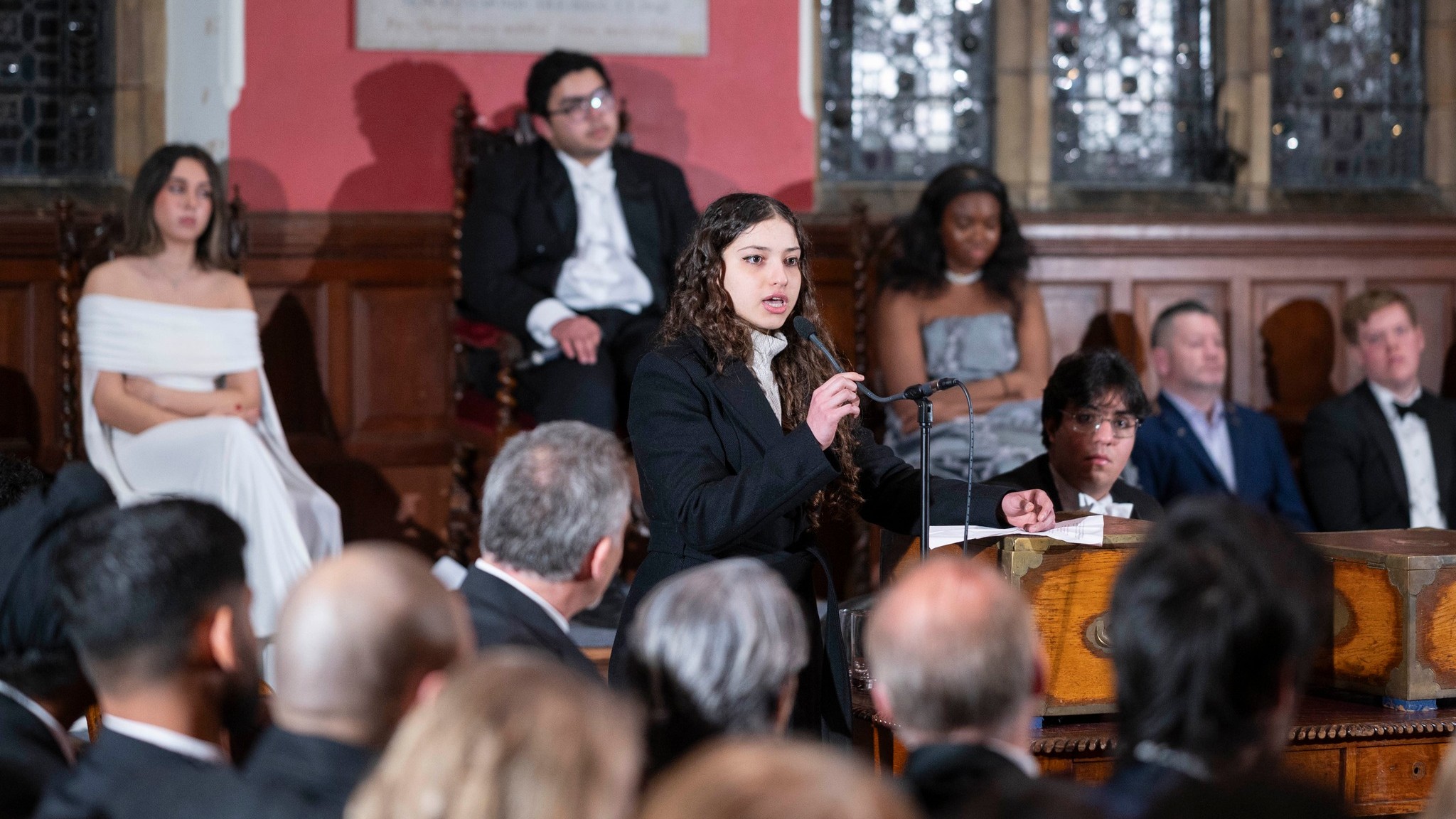
    In a groundbreaking electoral victory, Arwa Hanin Elrayess has become the first Palestinian, first Arab woman, and first Algerian to assume the presidency of the prestigious Oxford Union. However, her triumph is shadowed by revelations of systematic targeting of pro-Palestinian candidates within the influential debating society.

    Elrayess, a second-year Philosophy, Politics, and Economics student from Gaza, disclosed to Middle East Eye that her campaign faced unprecedented opposition characterized by smear tactics and institutional pushback. She reported being labeled an extremist, accused of supporting terrorist organizations, and subjected to baseless counter-terrorism investigations that discouraged potential allies from joining her campaign.

    This pattern of discrimination mirrors the experience of her predecessor, Ebrahim Osman-Mowafy, the Union’s first Arab president, who was temporarily removed from office after organizing a debate on Israeli apartheid and genocide allegations. Osman-Mowafy was only reinstated following significant student mobilization and intervention from former presidents who acknowledged the disproportionate targeting of individuals from ‘non-traditional’ backgrounds.

    Elrayess’s election occurs against a backdrop of escalating suppression of pro-Palestinian activism across UK universities. Since October 2023, student groups have faced increased surveillance, disciplinary actions, and police intervention for expressing solidarity with Gaza. Muslim and Arab students report being disproportionately targeted through Prevent strategy referrals and accusations of extremism.

    Despite these challenges, Elrayess views her presidency as a watershed moment for representation within an institution that has produced numerous members of Britain’s ruling class. She emphasizes the critical importance of ensuring Palestinian voices are included in conversations about self-determination and autonomy, particularly when these discussions have historically occurred without their participation.

    Elrayess remains committed to transforming the institution from within, arguing that withdrawal would concede vital spaces needed for meaningful change. Her leadership represents not just a victory for Palestinian representation but for all marginalized causes within influential institutions.

    The Oxford Union did not respond to requests for comment regarding these allegations.

  • Keeping teens safe in the digital world: A shared responsibility

    Keeping teens safe in the digital world: A shared responsibility

    In an era where adolescent development is increasingly intertwined with digital interactions, the United Arab Emirates has emerged as a global leader in promoting responsible online ecosystems. The nation’s pioneering initiatives, particularly the Digital Wellbeing Pact established in collaboration with the Digital Wellbeing Council, demonstrate a proactive approach to creating age-appropriate digital experiences for younger users.

    The convergence of physical and virtual worlds has created unprecedented challenges for modern parenting, with concerns ranging from cyberbullying and harmful content exposure to data privacy violations. Recent international studies indicate these apprehensions remain consistently high among caregivers worldwide, highlighting the critical need for embedded safety mechanisms within digital platforms rather than treating protection as an optional feature.

    Technology companies are responding with innovative solutions that balance parental oversight with adolescent autonomy. Snapchat’s recently introduced Home Alerts feature exemplifies this approach, enabling guardians to receive notifications when teens reach designated safe locations while requiring explicit consent from the young users. This dual emphasis on protection and independence aligns with the UAE’s vision of creating environments where families feel both empowered and secure.

    Beyond technical features, Snap’s enhanced Family Center provides comprehensive resources including step-by-step guides, frequently updated instructional videos, and region-specific materials adapted for cultural relevance. The platform’s quarterly refreshed materials and downloadable conversation starters facilitate meaningful family dialogues about digital citizenship.

    The complexity of online safety demands collaborative engagement across multiple sectors. The UAE’s multi-stakeholder approach brings together policymakers, technology platforms, and educational institutions through frameworks like the Digital Wellbeing Council and the Abu Dhabi Early Childhood Authority. This cooperative model recognizes that effective digital protection requires ongoing commitment rather than seasonal attention.

    While technological solutions provide critical safeguards, experts emphasize that open family communication remains fundamental to digital wellbeing. Continuous conversations about online risks—including misinformation, social pressure, and mental health impacts—build trust and resilience among young users. Educational resources such as Digital Wellness Toolkits and Family Safety Hubs equip both generations with necessary navigation skills.

    As digital landscapes continue evolving, the collective responsibility shared by families, technology companies, and governments will determine whether online spaces become environments where teenagers can genuinely thrive rather than merely exist. The UAE’s leadership in this arena offers a replicable model for global digital safety initiatives.

  • Investigation ordered after Iraq appears to designate Hezbollah and Houthis terrorists

    Investigation ordered after Iraq appears to designate Hezbollah and Houthis terrorists

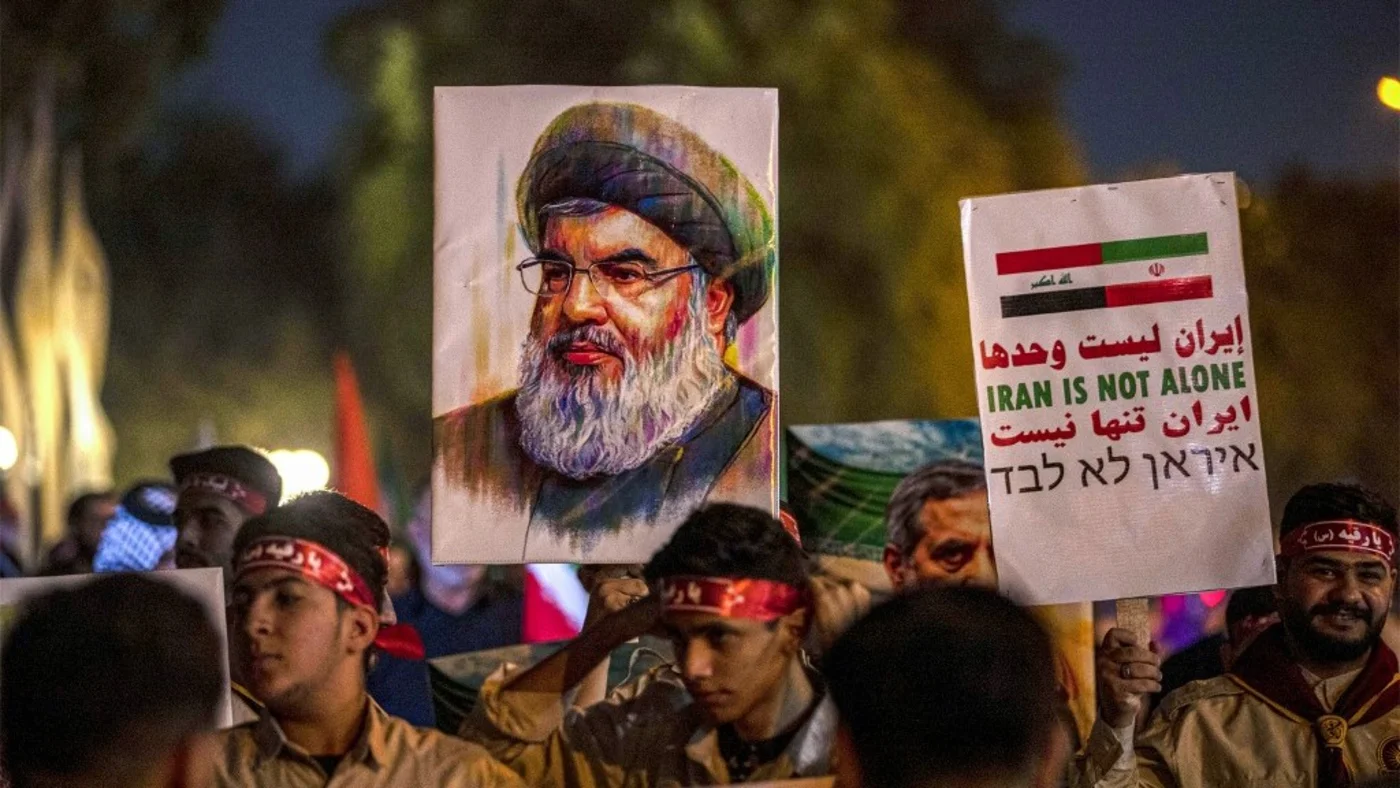
    A significant diplomatic incident erupted in Iraq on Thursday following the apparent, and subsequently retracted, designation of Lebanon’s Hezbollah and Yemen’s Houthi movement (Ansar Allah) as terrorist organizations by the government in Baghdad. The controversial move, published in the official state gazette by the Justice Ministry on November 17, initially placed the Iran-aligned groups on a sanctions list alongside ISIS and al-Qaeda, sparking immediate confusion and fierce internal criticism.

    The decision was met with astonishment, given the Iraqi government’s close ties to numerous powerful political parties and armed factions that are themselves allies of both Hezbollah and the Houthis. Initial interpretations suggested Prime Minister Mohammed Shia al-Sudani might be succumbing to intense pressure from the United States to curb Iranian influence across the region.

    However, attention only swelled on Thursday when news outlets reported the listing. Later that day, the Iraqi government issued an official clarification through its state news agency, declaring the inclusion a grave administrative error. The published document was described as an ‘unrevised version’ that should never have been released. Acting on instructions, the Central Bank’s acting deputy governor formally requested the Committee for the Freezing of Terrorists’ Funds to delete the clause containing the groups’ names. Prime Minister al-Sudani announced an investigation to identify and hold accountable those responsible for the blunder.

    Analysts were quick to highlight the profound risks such a designation would entail. Iraqi expert Ali al-Mikdam warned that labeling these groups as terrorist organizations ‘carries significant risks and could provoke serious internal tensions with allied factions,’ particularly within the Iran-backed Popular Mobilisation Forces. The controversy raised pressing questions among observers: was this a genuine mistake, or a hasty government backtrack to quell fury from its core allies?

    The incident underscores the immense pressure Baghdad faces as it attempts a delicate balancing act. The government strives to maintain positive relations with Washington while honoring its deep commercial, military, and political ties with neighboring Iran. As Israel’s war in Gaza inflames regional tensions, al-Sudani has been praised for largely keeping Iraq out of a wider conflict. Nevertheless, increasing pressure from U.S. officials, including new envoy Mark Savaya, demands a crackdown on Iran-linked armed groups.

    The timing is particularly sensitive as al-Sudani seeks a new term following recent elections, a process requiring the crucial consent of Iran-aligned parties. The erroneous listing, therefore, represents a severe political misstep that threatens to undermine his leadership aspirations and reveals the government’s vulnerability to influential internal actors tied to regional powers. As Mikdam concluded, the episode was an ‘inadequately considered’ step that generated political confusion, leaving the administration exposed.

  • Meta starts removing under-16s from social media in Australia

    Meta starts removing under-16s from social media in Australia

    In a groundbreaking regulatory move, Australia has implemented the world’s first comprehensive ban prohibiting minors under 16 from accessing major social media platforms. Tech giant Meta confirmed on December 4, 2025, that it has initiated the removal process of underage users from Instagram, Threads, and Facebook in compliance with the new legislation that takes full effect on December 10.

    The Online Safety Act mandates that digital platforms including TikTok and YouTube implement stringent age verification systems, with non-compliant companies facing substantial penalties of up to AU$49.5 million (approximately US$32 million). Meta’s spokesperson acknowledged the complexity of full compliance, stating, “While we are working hard to remove all users who we understand to be under the age of 16 by December 10, compliance with the law will be an ongoing and multi-layered process.”

    The policy has sparked significant controversy across multiple fronts. YouTube has publicly criticized the legislation, arguing that removing account requirements for under-16s would actually diminish safety by eliminating platform-controlled content filters. Meanwhile, digital rights organization The Digital Freedom Project has mounted a legal challenge in Australia’s High Court, contending the ban constitutes an unfair restriction on freedom of speech.

    Communications Minister Anika Wells defended the legislation, citing concerning connections between social media algorithms and youth mental health crises. “Some Australian teens had killed themselves as algorithms latched on—targeting them with content that drained their self-esteem,” Wells revealed to reporters. She emphasized that while the law wouldn’t address all internet harms, it would create safer digital environments for adolescents.

    The implementation challenges are substantial, with experts anticipating that determined teenagers might employ artificial intelligence to alter their appearance or submit falsified identification documents. Australia’s eSafety Commissioner has acknowledged that “no solution is likely to be 100 percent effective” against such circumvention attempts.

    With an estimated 350,000 Australian Instagram users aged 13-15 alone, the ban’s impact will be widespread. The legislation exempts certain platforms including WhatsApp, Roblox, and Pinterest, though this list remains under ongoing review. International observers are closely monitoring Australia’s experiment, as Malaysia and New Zealand have indicated plans to introduce similar age restrictions in the coming year.

  • Israel ‘bulldozed bodies’ of Palestinian it killed at Gaza aid sites into unmarked graves

    Israel ‘bulldozed bodies’ of Palestinian it killed at Gaza aid sites into unmarked graves

    A comprehensive CNN investigation has uncovered disturbing evidence of Israeli soldiers using bulldozers to dispose of Palestinians killed while attempting to access humanitarian aid near the Zikim crossing into northern Gaza. The remains were reportedly pushed into shallow, unmarked graves or left exposed for extended periods in areas deemed too dangerous for recovery operations.

    The investigation, which analyzed hundreds of videos, photographs, satellite imagery, and eyewitness accounts, reveals a pattern of mishandling the dead that international legal experts indicate violates humanitarian law. Testimonies from aid truck drivers, civil defense workers, and former Israeli military personnel describe recurring scenes of decomposing bodies being bulldozed into sand with no effort toward identification or proper burial.

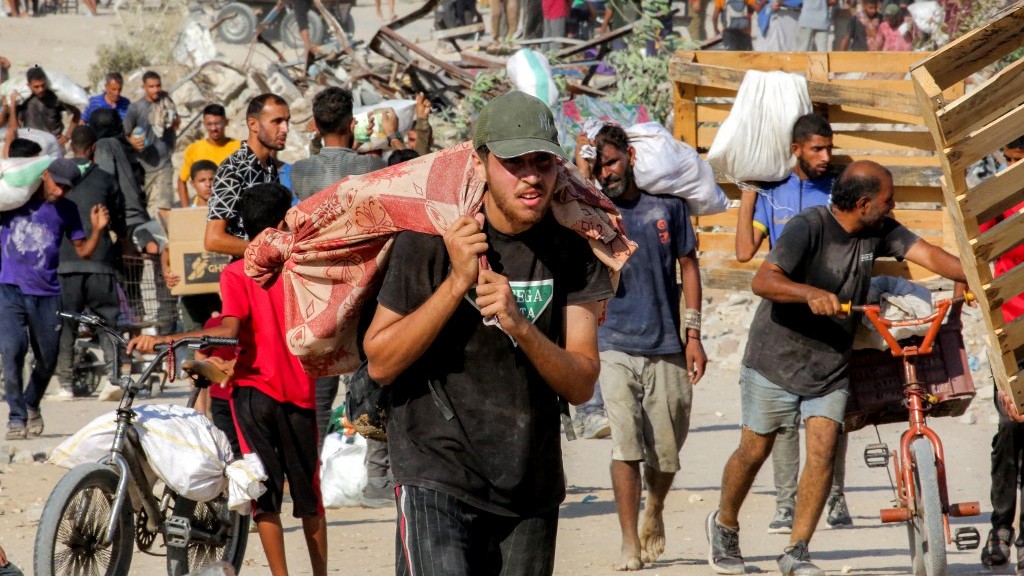
    Multiple videos geolocated to the Zikim area show the aftermath of shootings targeting Palestinian aid seekers. Footage from June depicts partially buried bodies surrounding an overturned aid truck, while September recordings capture Palestinians fleeing under heavy fire while carrying sacks of flour. Audio forensic analysis confirmed gunfire originating from approximately 340 meters away—corresponding to the distance of an identified Israeli military position.

    Eyewitness accounts describe horrific conditions, with one civil defense worker reporting: ‘The bodies we recovered were decomposed, they had clearly been there for a while, there were signs that dogs had eaten parts of them.’ Another aid driver characterized the area as ‘like the Bermuda Triangle – no one knows what’s happening in that area.’

    The investigation further reveals that this practice appears systemic across Gaza. An Israeli military whistleblower described how nine unarmed Palestinians’ bodies were left to rot near his outpost in early 2024, with commanders ordering bulldozers to cover them with sand. Another former officer confirmed receiving no protocols for handling casualties, leading to ad-hoc decisions to use bulldozers for makeshift burials.

    Satellite imagery shows persistent bulldozing activity around the crossing from mid-June until its closure on September 12, with some operations having no clear operational purpose beyond moving soil and debris. International humanitarian law explicitly requires conflict parties to protect the dignity of the dead, facilitate identification, and allow for proper burial—obligations that legal experts say are being violated by these practices.