标签: Asia

亚洲

  • UAE flights: Flydubai aircraft damaged in accident at Maldives airport

    UAE flights: Flydubai aircraft damaged in accident at Maldives airport

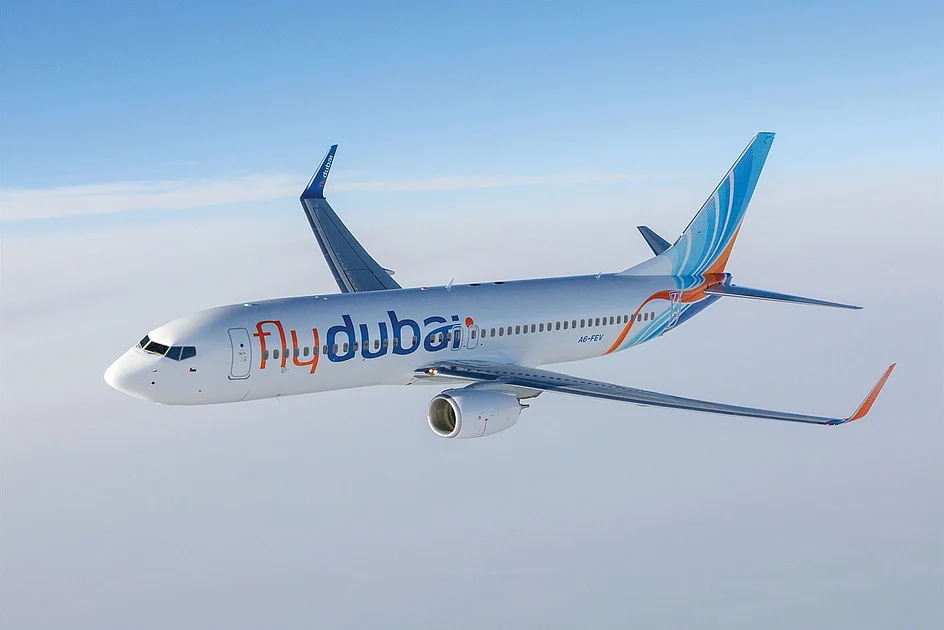
    A Flydubai aircraft experienced significant damage during a ground handling incident at Velana International Airport (MLE) in the Maldives on December 4, 2025. The Dubai-based carrier confirmed all passengers and crew members safely disembarked without injuries and were rebooked on subsequent flights.

    The aviation incident resulted in structural damage to the aircraft’s wing section, prompting an immediate comprehensive inspection. Flydubai officials emphasized that the damaged aircraft will undergo extensive repairs to meet stringent international aviation safety standards before returning to service.

    This occurrence highlights operational challenges at Maldives’ primary aviation gateway, which has been experiencing congestion due to soaring tourist arrivals. The island nation, renowned as a premium vacation destination for UAE residents and international travelers, is currently expanding its airport infrastructure to accommodate growing passenger traffic.

    Tourism Minister Thoriq Ibrahim previously disclosed that Velana International Airport’s new terminal, scheduled for operational readiness by year-end, will significantly enhance capacity to 7 million passengers annually. This development aims to alleviate current congestion issues.

    The Maldives incident follows another aviation safety occurrence involving an Emirates Airbus A380 at Manchester Airport, where a fuel tanker collision caused engine cowling damage. Both incidents underscore the aviation industry’s ongoing focus on ground operation safety protocols.

    Flydubai reiterated that passenger and crew safety remains their utmost priority, consistent with the airline’s operational philosophy and international aviation regulations.

  • Watch: Russia’s Putin gets red-carpet welcome from Modi as he lands in India

    Watch: Russia’s Putin gets red-carpet welcome from Modi as he lands in India

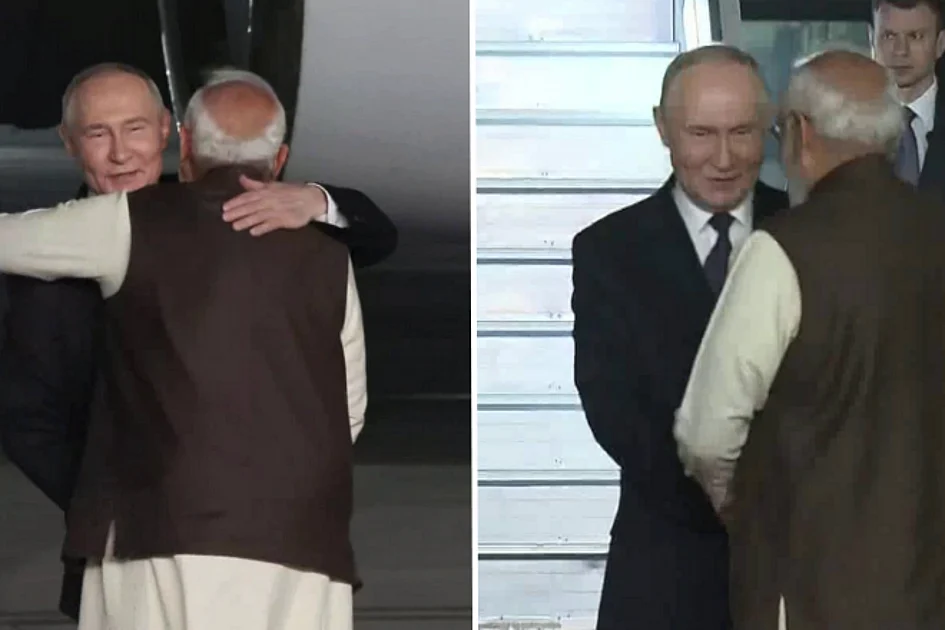
    Russian President Vladimir Putin received a ceremonial welcome from Indian Prime Minister Narendra Modi upon arriving in New Delhi for a pivotal two-day summit. The visit, occurring against the backdrop of intensified US pressure on India regarding Russian oil imports, marks Putin’s first journey to India since the commencement of the Ukraine conflict.

    Modi personally greeted the Russian leader at the airport with an embrace on the red carpet, subsequently escorting him in the same vehicle—a display of diplomatic warmth between the two nations. The Russian delegation included Defense Minister Andrei Belousov, with anticipated discussions focusing on enhanced defense cooperation, including potential agreements on Su-57 fighter jet co-production and expanded S-400 air defense system supplies.

    In pre-summit remarks broadcast by India Today, Putin expressed enthusiasm about meeting “my friend” Modi, highlighting the extensive scope of bilateral collaboration spanning aircraft manufacturing, nuclear energy, and space exploration. The agenda includes a private dinner hosted by Modi on Thursday evening followed by formal negotiations on Friday.

    This diplomatic engagement occurs as India navigates complex geopolitical pressures, particularly from the United States where President Donald Trump imposed 50% tariffs on Indian goods in August, directly citing India’s continued Russian oil purchases. Despite recently reducing crude imports due to sanctions on Russian energy giants Rosneft and Lukoil, India remains a significant consumer of Russian petroleum, creating economic savings while providing Moscow with crucial export revenues.

    Kremlin spokesman Dmitry Peskov emphasized Russia’s commitment to strengthening bilateral trade without external interference, noting that two-way commerce reached $68.7 billion in 2024-25—though with a substantial imbalance favoring Russia. Indian officials are seeking greater market access for pharmaceuticals, automobiles, and service industries to address this disparity.

    International relations experts characterize the summit as a strategic recalibration at a critical juncture. Professor Harsh V Pant of King’s College London noted that Modi’s reception demonstrates India’s assertion of “strategic autonomy,” while Putin’s rare international travel underscores the relationship’s importance to Moscow. An anonymous Indian foreign ministry official described Russia-India ties as “the most stable relationship in modern times,” though downplayed the meeting as routine annual diplomacy.

  • Israel strikes south Lebanon after warning, official media says

    Israel strikes south Lebanon after warning, official media says

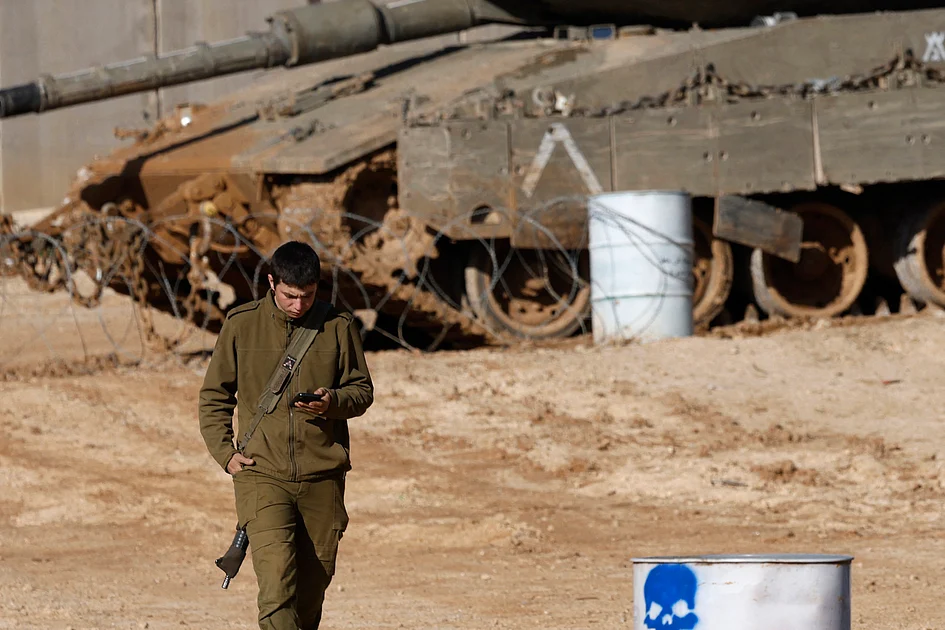
    Israeli military forces conducted airstrikes in southern Lebanon on Thursday, December 4, 2025, targeting what they identified as Hezbollah military infrastructure. The operation followed explicit evacuation warnings issued by the Israeli military earlier in the day.

    According to Lebanon’s official National News Agency, Israeli warplanes struck the town of Mahrouna while simultaneously conducting another raid targeting a residential structure in Jbaa. The Israeli military confirmed the operations, stating they had “begun conducting strikes on Hezbollah terror targets in southern Lebanon.”

    The escalation occurs amid ongoing tensions along the Israel-Lebanon border, where cross-border exchanges between Israeli forces and Hezbollah militants have intensified in recent months. The Israeli military’s pre-strike evacuation warning represents a tactical approach aimed at minimizing civilian casualties while targeting what they classify as terrorist infrastructure.

    This development marks another significant chapter in the complex geopolitical dynamics of the Middle East, particularly within the context of Israel’s security operations against Iranian-backed Hezbollah forces. The strikes come as regional powers continue to navigate delicate security arrangements and power balances across the Levant region.

    Military analysts note that such targeted operations reflect Israel’s continued strategy of preemptive and responsive actions against perceived threats along its northern border. The long-standing conflict between Israel and Hezbollah has seen periodic escalations since the 2006 Lebanon War, with both sides maintaining military readiness along the contested border area.

  • One-step renewal: UAE combines passport, Emirates ID updates in new service

    One-step renewal: UAE combines passport, Emirates ID updates in new service

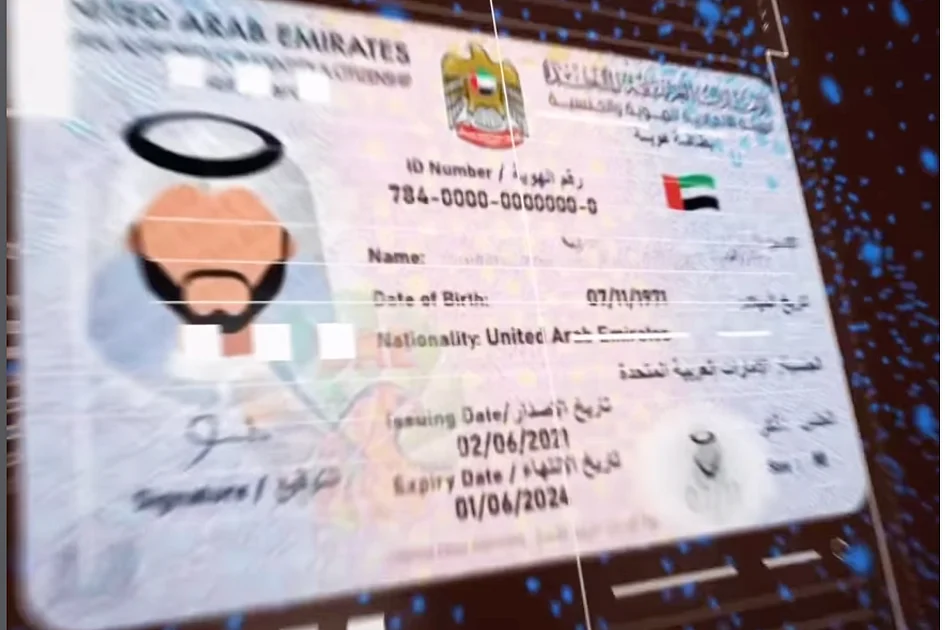
    The United Arab Emirates has introduced a groundbreaking administrative reform that merges passport and Emirates ID renewal processes into a single streamlined service. This transformative initiative, launched by the Federal Authority for Identity, Citizenship, Customs and Port Security (ICP), represents a significant advancement in digital governance and citizen convenience.

    Under the newly implemented system, Emirati citizens can now simultaneously renew both critical identification documents through the UAEICP smart application. This integrated approach eliminates the previously separate renewal procedures that often resulted in mismatched expiration dates and administrative complications. The innovation directly addresses one of the most frequent concerns raised by residents during the government’s ‘Zero Bureaucracy Expo’ earlier this year.

    The technical implementation allows citizens whose passports have expired and whose Emirates IDs are within six months of expiration to renew both documents on a single application page. This consolidation transforms what was once a fragmented process involving multiple forms and payment procedures into a seamless, unified transaction. Users can now review personal data, submit applications, and complete payments for both documents in one efficient digital session.

    Beyond individual convenience, the UAEICP application serves as a comprehensive family management portal where citizens can handle all passport and identity documentation for entire households. This development exemplifies the government’s commitment to its ‘Zero Bureaucracy’ initiative, which aims to eliminate unnecessary administrative barriers and create more efficient public services.

    Officials noted that this enhancement evolved from citizen feedback into a comprehensive smart solution, demonstrating the government’s responsive approach to public service innovation. The system ensures synchronization between these essential documents, preventing the administrative confusion that previously resulted from staggered renewal schedules.

  • Palestinian prisoners face ‘hunger, overcrowding and violence’, Israeli report finds

    Palestinian prisoners face ‘hunger, overcrowding and violence’, Israeli report finds

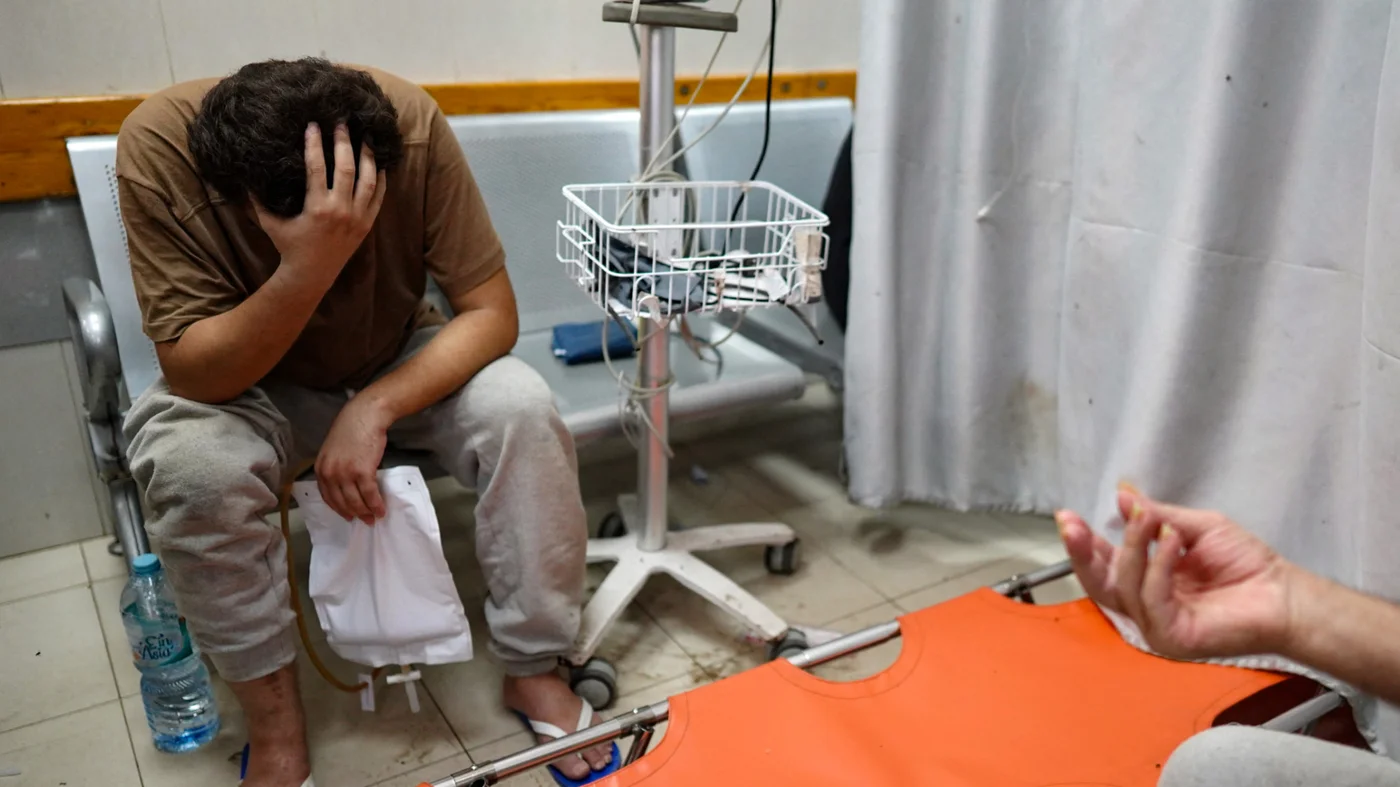
    A damning report from Israel’s own Public Defender’s Office has exposed a humanitarian crisis within the nation’s detention facilities, documenting systematic violence, extreme malnutrition, and severe overcrowding affecting Palestinian prisoners. The investigation, conducted through multiple facility visits in 2023 and 2024, reveals conditions that have drastically deteriorated since October 2023.

    The report details how the Israel Prison Service (IPS) implemented a separate, nutritionally inadequate menu specifically for ‘security prisoners’—a designation predominantly applied to Palestinians. This has resulted in widespread malnourishment, with released detainees describing meals consisting of minuscule portions of undercooked rice shared among several inmates for an entire day. The Public Defender’s Office documented severe hunger manifesting in dramatic weight loss, extreme weakness, and frequent fainting spells among the prison population.

    Despite a Supreme Court ruling in September mandating the provision of adequate food, the report indicates conditions have failed to improve, with some prisoners alleging further reductions in rations. Representatives observed clear signs of severe malnutrition and dehydration during visits, noting many inmates appeared dangerously emaciated.

    The investigation further uncovered widespread and systematic violence perpetrated by prison staff. Detainees reported frequent, unprovoked physical abuse during cell searches, beatings during transfers between wings, and assaults while being transported to court appearances. The Public Defender emphasized this violence was not precipitated by events requiring the use of force.

    These findings align with extensive documentation by media and human rights groups of systemic abuse and torture of Palestinians in Israeli custody, which has surged to unprecedented levels. Since October 2023, at least 100 prisoner deaths have been reported under these conditions, occurring amid widespread accounts of physical abuse, sexual assault, medical neglect, and starvation. Classified Israeli data indicates civilians constitute the majority of these fatalities. The circumstances surrounding these deaths remain largely concealed by prison authorities, and no legal proceedings or accountability measures have been initiated to date.

    The crisis has been exacerbated by a massive arrest campaign following the outbreak of the Gaza war in 2023, which pushed the prison system into extreme overcrowding. The IPS detainee population surged by 3,000 within just two months, reaching approximately 23,000 inmates by late 2024—far exceeding the system’s official capacity of 14,500. Approximately 90% of Palestinian prisoners were confined to living spaces smaller than three square meters, with thousands deprived of beds. Inmates were typically held for 23 hours daily in dark, poorly ventilated cells with inadequate sanitation, sleeping on mattresses on the floor.

    Basic hygiene has become nearly impossible to maintain due to critical shortages of toilet paper, soap, and towels. Cells were stripped of all personal belongings except for a Quran. The report also noted outbreaks of scabies in several Palestinian wings that reached near-epidemic proportions.

    According to Palestinian prisoner-monitoring groups, these deplorable conditions have persisted even after the recent Gaza ceasefire. While at least 9,250 Palestinians are currently held in Israeli jails, the actual figure is believed to be significantly higher, as Israel withholds information on hundreds abducted from Gaza. Nearly half of all Palestinian detainees are held without charge or trial under indefinitely renewable administrative detention orders.
  • Sharjah Police reunite mother and son after 12-year separation

    Sharjah Police reunite mother and son after 12-year separation

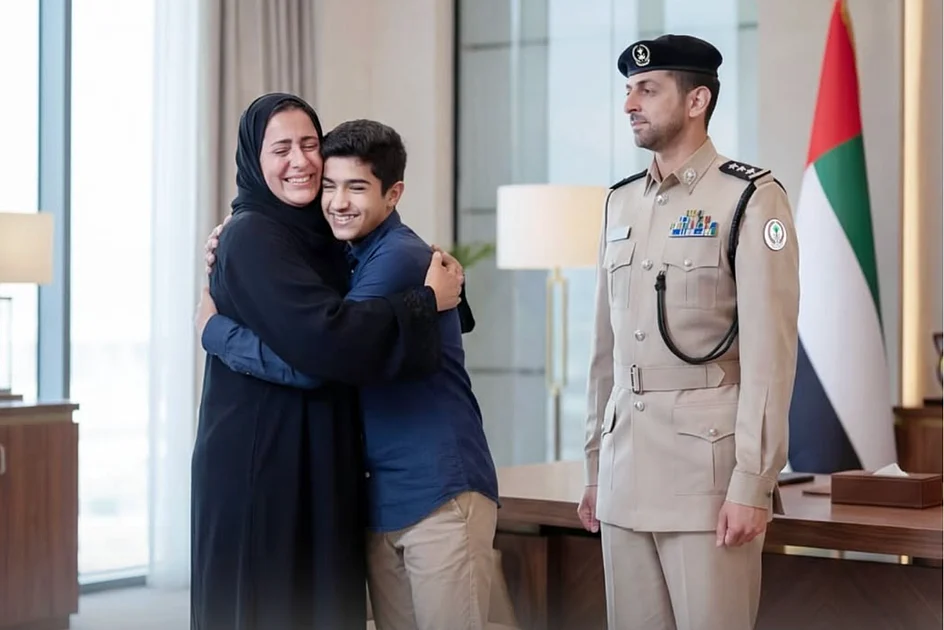
    In a remarkable display of humanitarian policing, Sharjah Police have successfully reunited a mother with her son following a twelve-year separation caused by familial disputes and personal hardships. The emotional reunion marks the culmination of a complex search operation that demonstrates the UAE’s commitment to family welfare and social cohesion.

    The mother, who had been separated from her child shortly after his birth due to escalating family conflicts, faced numerous challenges in her quest to reconnect. After separating from her husband and losing her primary source of income, she was compelled to leave the UAE in 2013. Her departure initiated years of relentless but unsuccessful efforts to locate her son and ascertain details about his wellbeing, education, and living conditions.

    Upon exhausting all other avenues, the determined mother recently returned to the UAE and sought assistance from Sharjah Police authorities. The police force immediately launched a comprehensive search operation supported by specialized social work professionals. The team meticulously verified the young man’s whereabouts and current living situation through intensive investigative efforts conducted in record time.

    The successful coordination of the long-awaited reunion highlights the evolving role of law enforcement in addressing social and family matters. Brigadier Ahmed Al Marri, Director of the Community Protection and Prevention Department, emphasized that this case reflects the humanitarian values championed by the UAE’s leadership, which prioritizes family stability and social support structures.

    In an official statement, Sharjah Police articulated their philosophical approach: ‘Human beings have always been at the heart of the priorities of the UAE’s wise leadership, which has established a firm approach built on compassion, strengthening social cohesion, and supporting community welfare. Our swift response to alleviate individual suffering represents not merely an official responsibility, but a set of ethics and values deeply embedded in our daily operations.’

    The authority further emphasized that their protective care extends to all segments of society without exception, noting that restoring hope and resolving human suffering constitutes one of their most significant missions. This successful reunion serves as a powerful testament to the UAE’s broader commitment to social welfare and the evolving role of police forces in addressing community needs beyond traditional law enforcement.

  • Israeli collaborator Yasser Abu Shabab reportedly killed in Gaza

    Israeli collaborator Yasser Abu Shabab reportedly killed in Gaza

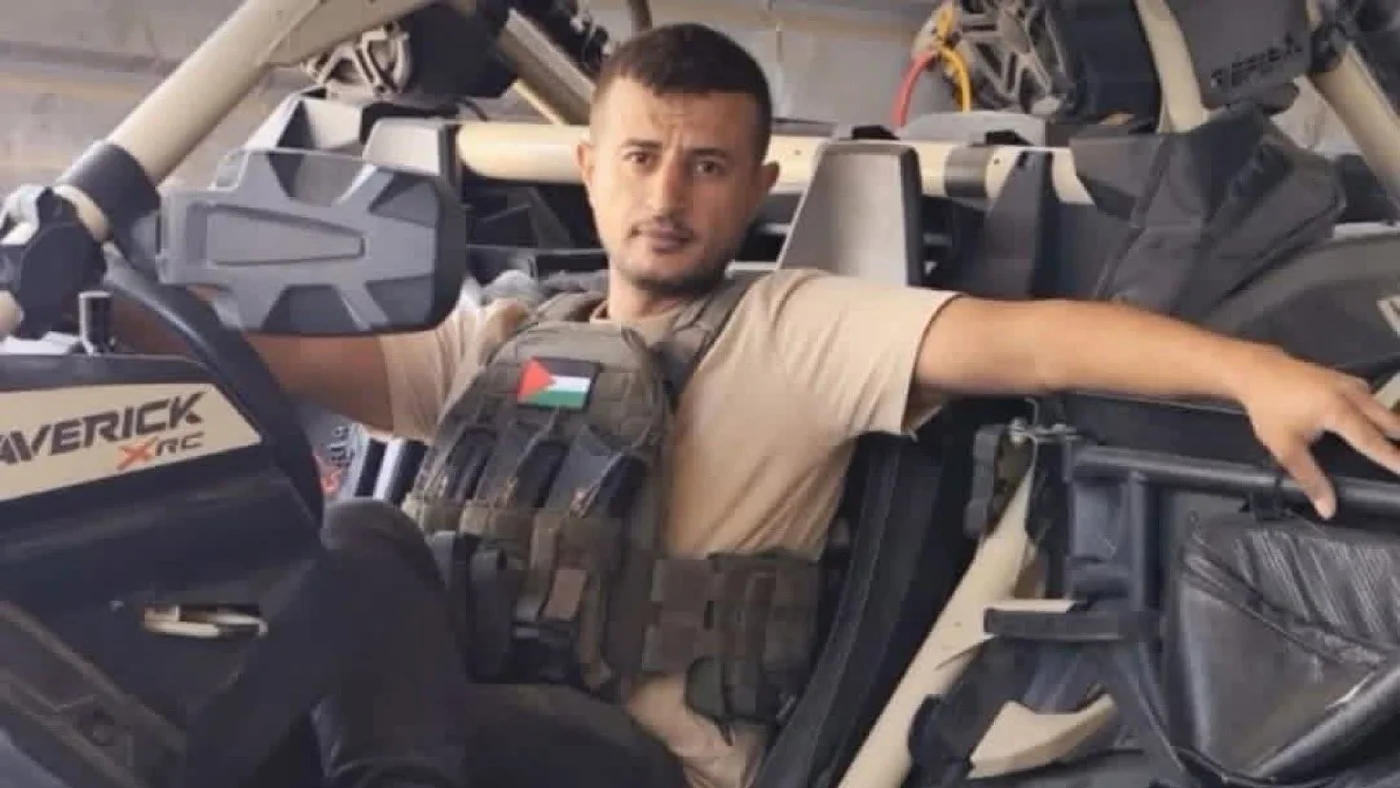
    Yasser Abu Shabab, the most-wanted Hamas target and leader of the controversial Popular Forces militia, was reportedly killed in Gaza on Thursday amid conflicting accounts surrounding his death. Multiple Israeli media outlets confirmed the demise of the notorious figure, though precise details regarding the perpetrators and methodology remain undisclosed.

    The incident allegedly occurred in Rafah, a southern Gaza region currently under comprehensive Israeli military control. Abu Shabab had maintained extensive collaboration with Israeli forces throughout the two-year conflict, engaging in activities that included humanitarian aid looting, civilian kidnappings, and targeted operations against Hamas personnel.

    Israeli Channel 12 reported that Abu Shabab was transported to Soroka Hospital following the attack but was declared dead upon arrival—a claim subsequently denied by hospital authorities. Prominent Israeli political commentator Amit Segal characterized the elimination as a “bad development for Israel,” highlighting the strategic complications arising from the death of a key collaborator.

    Following news of his death, Palestinian crowds flooded Gaza streets in spontaneous celebration, distributing sweets and firing celebratory gunshots into the air. Hamas security forces had previously vowed to track down the militia leader during the ongoing conflict.

    The Popular Forces group, which Abu Shabab led, has faced condemnation from multiple Palestinian factions for its traitorous activities, including coordinated attacks on civilians, systematic aid diversion, and alleged connections to both Israeli forces and the Islamic State organization. While Abu Shabab publicly framed his militia as a legitimate opposition movement to Hamas governance, internal United Nations reports from 2024 identified the group as “the most influential stakeholders behind the systematic and massive looting of convoys.”

    Israeli Prime Minister Benjamin Netanyahu had previously acknowledged providing weaponry to Abu Shabab’s forces. The militia enjoyed unprecedented access to humanitarian resources in areas under its control—primarily through systematic theft—while the broader Gaza population faced severe starvation conditions.

    The development occurs against the backdrop of a nominally agreed ceasefire that has witnessed nearly 600 violations by Israeli forces, resulting in over 360 fatalities and 900 injuries since October. Israel continues to block patient transit through the Rafah crossing with Egypt and restricts aid deliveries to approximately 200 trucks daily, significantly below the agreed 600-truck threshold.

  • Industry voices see growth opportunities as Putin’s India visit renews trade momentum

    Industry voices see growth opportunities as Putin’s India visit renews trade momentum

    Russian President Vladimir Putin’s landmark state visit to India has generated significant optimism among industry leaders, marking his first trip to the nation since the onset of the Ukraine conflict in 2022. The high-level discussions have centered on revitalizing bilateral trade relations, addressing existing imbalances, and identifying innovative sectors for economic collaboration.

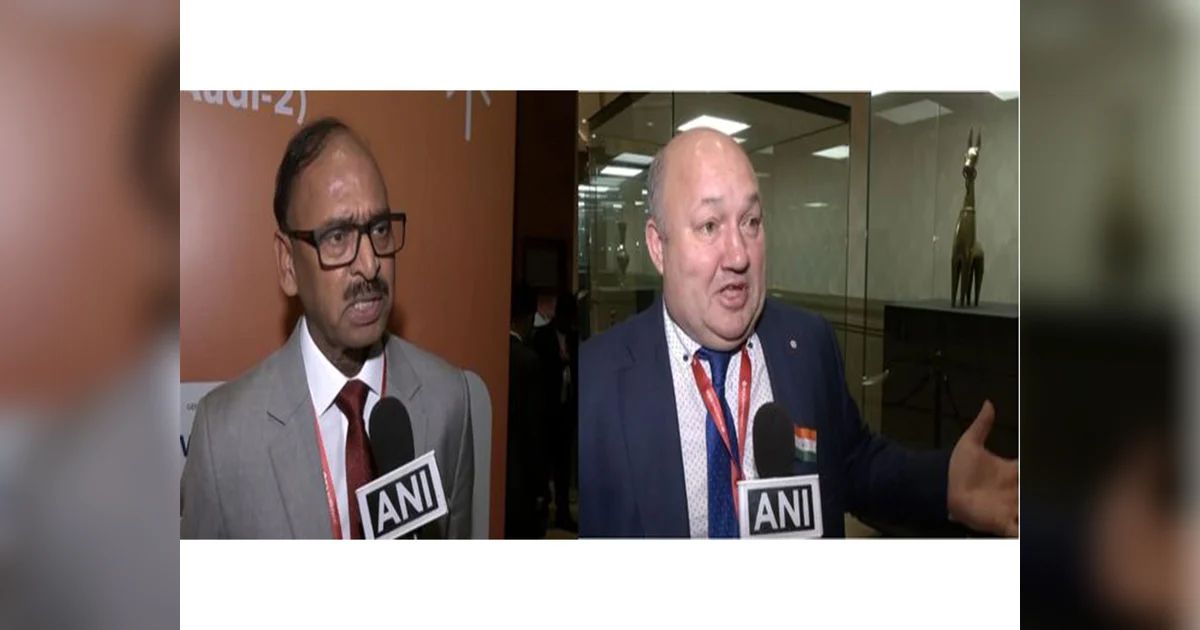
    Trade analysis reveals a substantial imbalance in current economic exchanges. According to Ajay Sahai, Director General and CEO of the Federation of Indian Export Organisations (FIEO), India imported approximately $63 billion worth of Russian goods last year while exporting only $5 billion. “This trade is slightly skewed, so we need to balance it and diversify it,” Sahai noted, emphasizing the urgent need for structural trade reforms.

    Despite a sharp decline to $2 billion during the Ukraine conflict, Indian exports to Russia have rebounded to approximately $5 billion. Industry experts identify emerging opportunities in digital payments, fintech integration, and hospitality services as promising avenues for expansion. A substantial Indian business delegation is concurrently exploring opportunities in Russia’s new-age industries, signaling mutual interest in technological exchange.

    Russian industry representatives echo this enthusiasm, recognizing India’s substantial market potential. Stanislav Kislov, CEO of Science-and-Production Centre Mineral Coating Technologies LLC, expressed strong confidence in bilateral cooperation: “India presents remarkable growth potential. After twenty years of operation in Russia, we are now entering the Indian market which offers excellent prospects for our technological solutions.”

    The visit represents a significant diplomatic re-engagement between the two nations, with stakeholders from both countries expressing commitment to developing more balanced trade relationships through sectoral diversification and technological collaboration.

  • UAE-backed forces raise South Yemen flag as they seize control in east

    UAE-backed forces raise South Yemen flag as they seize control in east

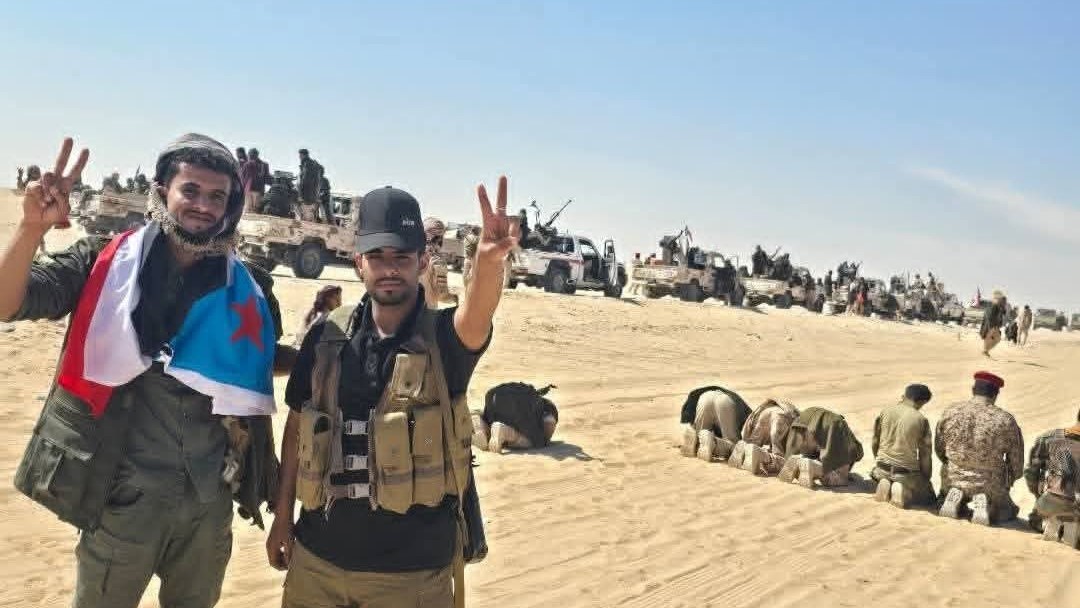
    A significant geopolitical shift is underway in southeastern Yemen as forces aligned with the Southern Transitional Council (STC) have successfully captured extensive territories, including the strategically vital Hadhramaut province. The military operation, codenamed “The Promising Future,” has resulted in the hoisting of the historic South Yemen flag across administrative buildings and critical infrastructure points throughout the region.

    The STC’s military wing, known as the Hadrami Elite Forces, executed a rapid offensive that secured control of Seiyun, one of Hadhramaut’s largest urban centers, along with its presidential palace and international airport. This development effectively places approximately one-third of Yemen’s territory under STC authority, including regions containing 80 percent of the nation’s modest oil reserves.

    The campaign encountered initial resistance from the Saudi-backed Hadramout Tribal Alliance, which briefly seized PetroMasila, Yemen’s largest oil company facility, in a preemptive maneuver. However, STC forces subsequently reclaimed the installation, compelling tribal forces to withdraw following Saudi-mediated negotiations that prevented direct confrontation between Saudi and UAE-backed factions.

    Symbolically significant actions have accompanied the territorial gains, with armed personnel replacing Yemeni national flags with the South Yemen banner at strategic locations including the Shahn border crossing with Oman. This flag, featuring a light blue chevron and red star representing the former Yemeni Socialist Party, hadn’t flown officially since Yemeni unification in 1990.

    Analysts indicate these developments substantially enhance the STC’s position within Yemen’s complex political landscape. The council now commands crucial supply routes and logistical corridors connecting to anti-Houthi forces in Marib, potentially altering the balance of power within the Presidential Leadership Council that has governed southern Yemen amid internal divisions.

    The STC’s foreign ministry justified its military campaign by characterizing Hadhramaut as a “haven for terrorism” and breeding ground for extremist organizations including ISIS and al-Qaeda. Open-source intelligence reports indicate the separatists employed UAE-supplied military equipment during their offensive, including Chinese-manufactured artillery systems and Emirati-produced armored vehicles, underscoring the complex international dimensions of Yemen’s multilayered conflict.

  • Our countries are tied with a solid, time-proven friendship, says Russian Defence Minister

    Our countries are tied with a solid, time-proven friendship, says Russian Defence Minister

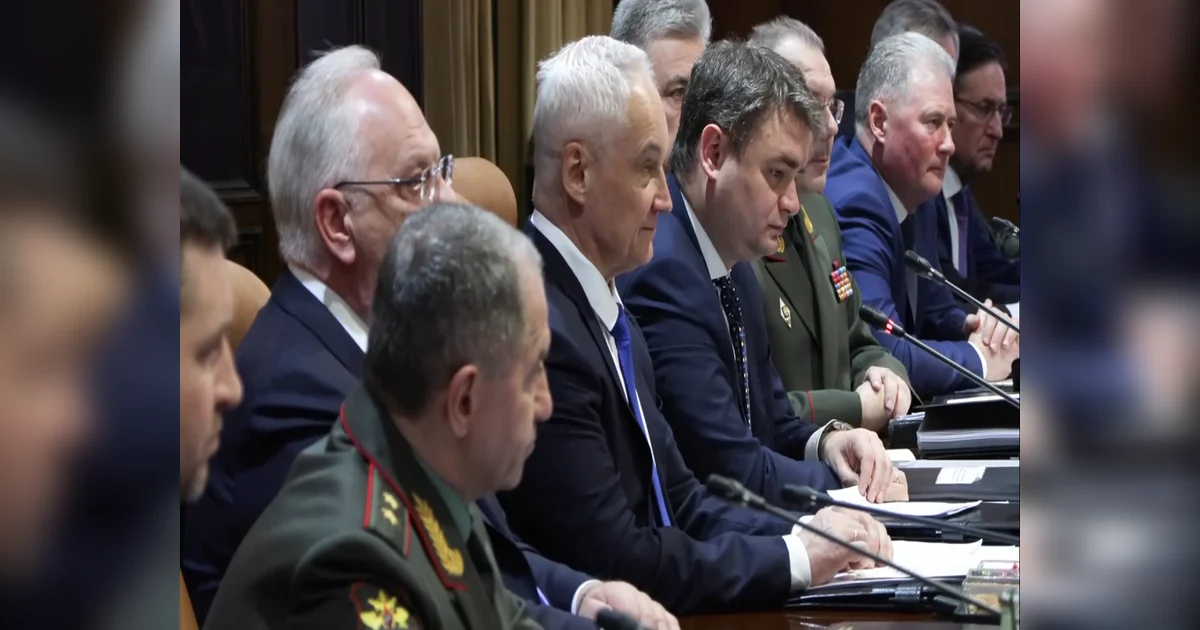
    Russian Defense Minister Andrei Belousov affirmed the enduring strategic alliance between Russia and India during the 22nd India-Russia Inter-Governmental Commission on Military and Military Technical Cooperation meeting in New Delhi. Speaking alongside Indian Defense Minister Rajnath Singh on December 4, 2025, Belousov characterized the bilateral relationship as “a solid, time-proven friendship grounded in mutual respect.”

    The minister emphasized the partnership’s critical role in maintaining regional equilibrium, stating that cooperation with India serves as “a key factor for balance in the South Asian region and global stability in general.” This declaration comes amid evolving geopolitical dynamics that have prompted India to diversify its defense partnerships while maintaining historical ties with Russia.

    Belousov specifically acknowledged India’s participation in May 2025 commemorations marking the 80th anniversary of Victory in the Great Patriotic War (1941-1945), expressing personal gratitude for the Indian delegation’s presence in Moscow. The Russian minister also extended congratulations to the Indian Navy on National Navy Day, highlighting comprehensive military cooperation spanning army, air force, and naval development.

    Indian Defense Minister Rajnath Singh reciprocated the positive sentiments, confirming that Russia remains India’s strategic partner in technology and defense despite recent global developments. Singh noted that the ongoing relationship operates within the framework of the “special privileged partnership” between the nations, which he believes will be further strengthened through upcoming engagements between Prime Minister Narendra Modi and President Vladimir Putin.

    The intergovernmental commission, which both ministers praised for producing “effective and mutually beneficial decisions in the military domain,” serves as the primary institutional mechanism governing defense cooperation. Both parties committed to building upon existing achievements while identifying new collaborative objectives for future bilateral defense initiatives.