标签: Asia

亚洲

  • Intl students showcase business acumen at Shanghai competition

    Intl students showcase business acumen at Shanghai competition

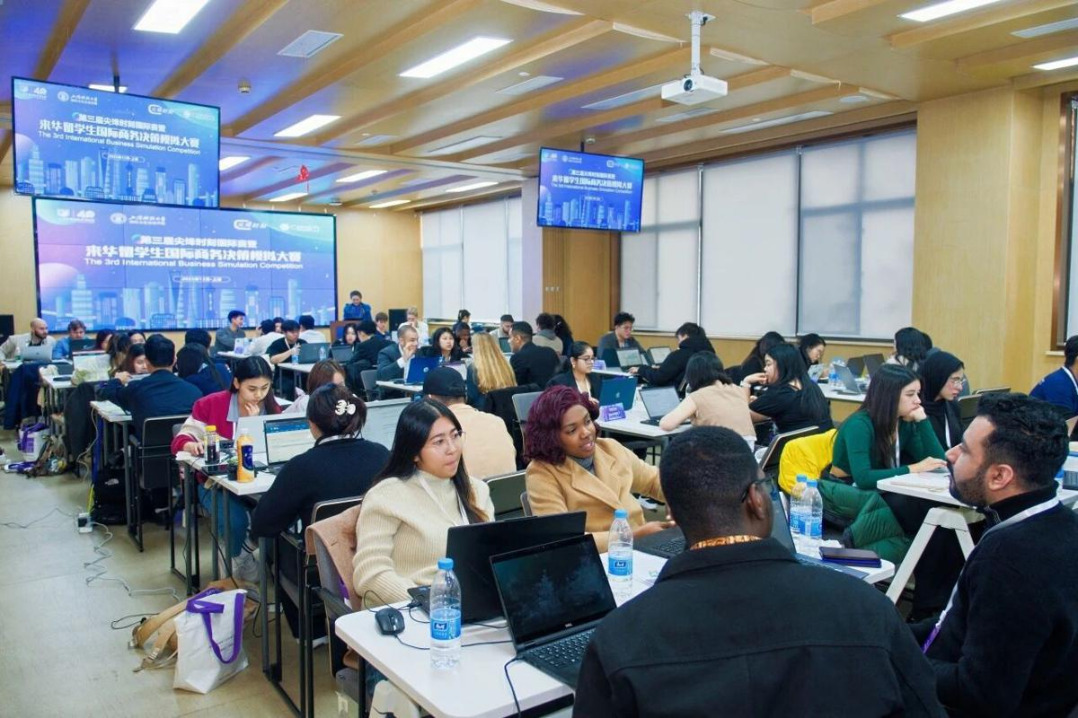
    Shanghai University of Finance and Economics recently hosted the third International Business Simulation Competition, an event that brought together 450 students from 74 countries and regions. The two-day competition, held from December 2-3, featured 140 teams representing 25 Chinese universities, with Shenzhen University’s ‘absolute four’ team claiming top honors among 33 finalists.

    This year’s competition introduced an innovative ‘AI coach’ system, reflecting the growing integration of artificial intelligence into business education. The event emphasized AI-driven decision-making while maintaining focus on sustainable development and corporate social responsibility principles.

    Vice-President Yao Lingzhen of SUFE highlighted the university’s commitment to digital transformation in business education. ‘As a pioneer in business education in China, SUFE maintains its dedication to cultivating financial talent while embracing technological innovation,’ Yao stated during the opening ceremony. ‘The incorporation of AI coaching represents our progressive approach to combining artificial intelligence with practical business education.’

    The competition’s interdisciplinary nature proved particularly valuable, bringing together students from diverse academic backgrounds. Chong Hong Xuan, a Malaysian international student at Fudan University, noted how varied expertise enhanced the experience: ‘Our team’s diverse backgrounds in economics, international affairs, and journalism sparked productive debates that significantly enriched our decision-making process.’

    The event served as both a competitive platform and a demonstration of how international education in China is evolving to incorporate cutting-edge technology while fostering global collaboration and cross-cultural exchange in business education.
  • Secretariat for Global South alliance launched in Shanghai

    Secretariat for Global South alliance launched in Shanghai

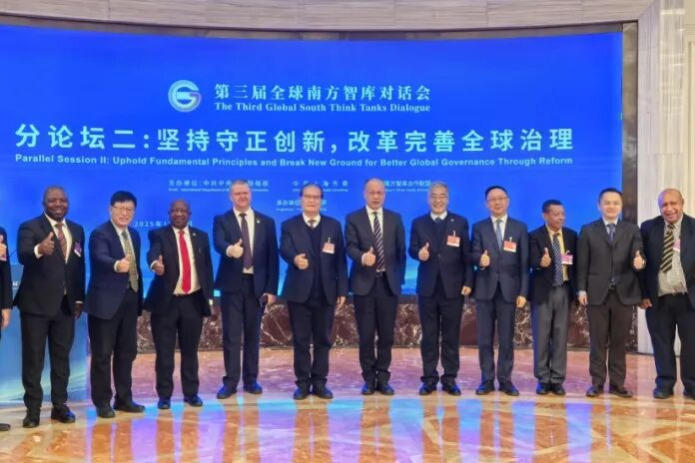
    Shanghai’s Fudan University has become the permanent home for a new international intellectual cooperative as the Secretariat of the Global South Think Tanks Alliance was formally inaugurated on Thursday. The establishment occurred during the third Global South Think Tanks Dialogue, marking a significant advancement in South-South cooperation frameworks.

    The alliance, initially proposed during the ‘BRICS Plus’ leaders’ dialogue in Kazan, Russia in October 2024, represents a strategic initiative to strengthen collaborative networks among developing nations. Its core mission centers on advocating for a more balanced multipolar world order and promoting inclusive global governance structures that better represent Global South interests.

    Operating under the auspices of Fudan University’s School of International Relations and Public Affairs, the Secretariat will function as the central coordinating body for member institutions worldwide. It will facilitate academic exchanges, joint research initiatives, and expert personnel deployments across the alliance network. The Secretariat will additionally serve as a knowledge repository and resource hub supporting collaborative projects among participating think tanks.

    A distinctive feature of the initiative involves leveraging Fudan University’s artificial intelligence capabilities to address development challenges specific to Global South nations. The Secretariat will pioneer innovative cooperation models through technological integration, positioning AI as a transformative tool for southern hemisphere development.

    Fudan University President Jin Li emphasized the institution’s longstanding commitment to Global South studies during the launch ceremony. ‘Our university has cultivated specialized expertise in Global South research and educated generations of students dedicated to southern hemisphere development,’ Jin stated. He further committed to deepening collaboration with alliance members to advance modernization efforts across developing nations and establish a more equitable international architecture.

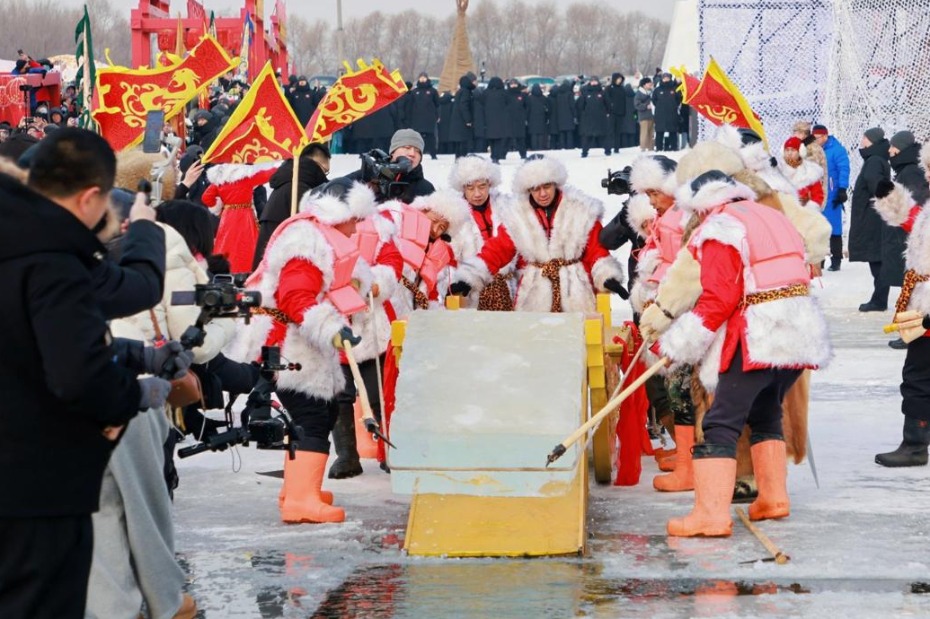
  • Harbin kicks off annual Ice Harvest Festival on Songhua River

    Harbin kicks off annual Ice Harvest Festival on Songhua River

    Harbin launched its sixth annual Ice Harvest Festival this Sunday along the frozen expanse of the Songhua River, strategically timed to coincide with Daxue, the traditional Chinese solar term marking ‘Major Snow.’ The ceremony unfolded with deep cultural reverence as workers adorned in historical costumes performed the ritual extraction of the inaugural ice block from the river’s thick frozen surface.

    The opening ceremony featured a formal blessing reading that paid homage to ancient traditions before the skilled harvesters commenced their work. This ceremonial commencement signals the official start of Harbin’s winter tourism season, drawing both domestic and international visitors to witness this unique cultural spectacle.

    The Ice Harvest Festival serves multiple purposes: preserving northeastern China’s winter cultural heritage, boosting local tourism during the cold months, and providing raw materials for the city’s world-renowned ice sculpture exhibitions. The harvested ice blocks, known for their exceptional clarity and structural integrity from the Songhua River’s pristine waters, will be transformed into elaborate artistic installations throughout the city.

    This year’s festival continues Harbin’s legacy as China’s ‘Ice City,’ combining traditional practices with modern tourism development. The event showcases how ancient winter survival techniques have evolved into celebrated cultural practices that attract global attention and contribute significantly to the regional economy during the winter season.

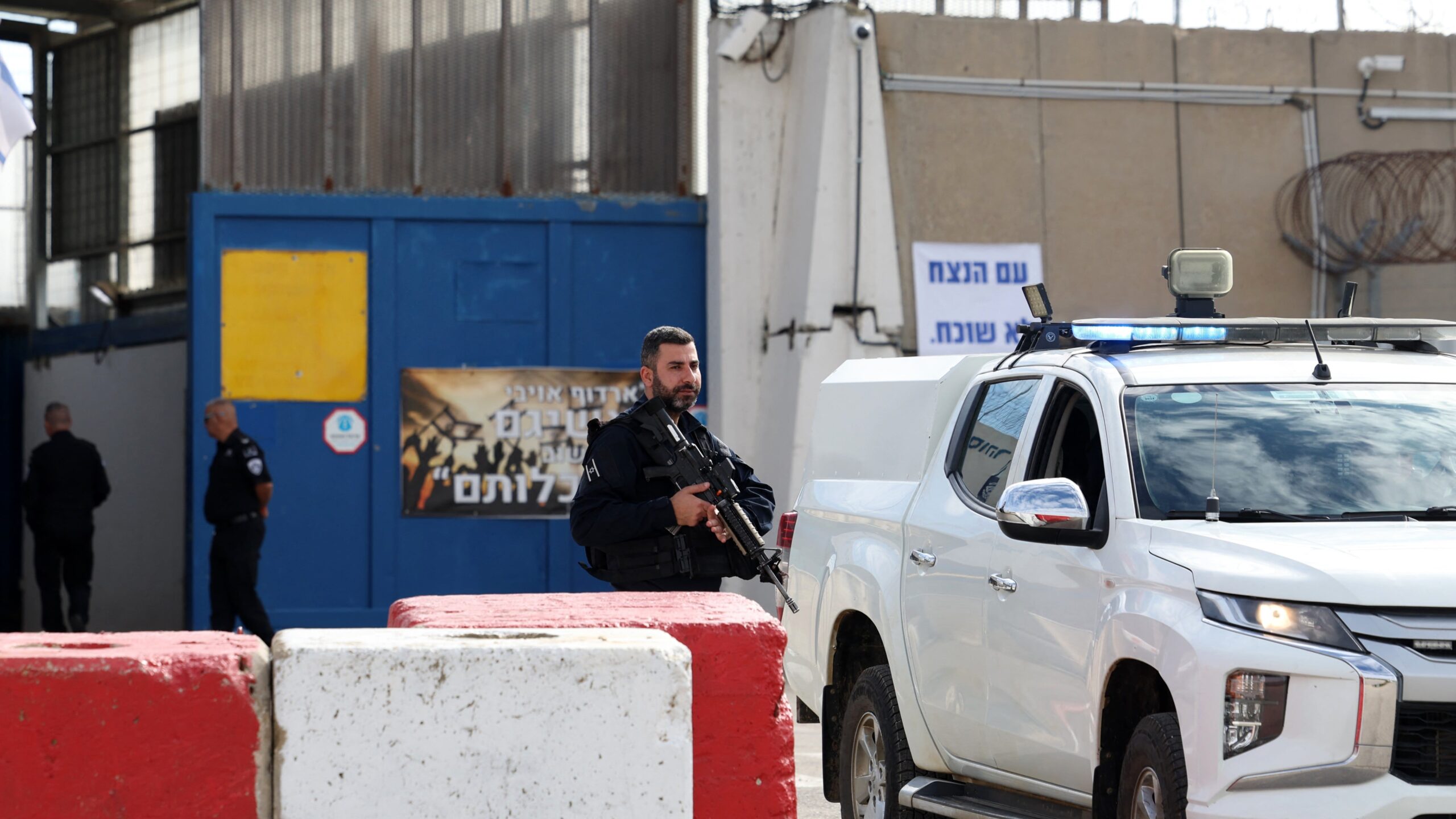
  • ‘Record high’ number of Palestinians died in Israeli prison as a result of Ben Gvir’s policies

    ‘Record high’ number of Palestinians died in Israeli prison as a result of Ben Gvir’s policies

    Israeli media outlet Walla has revealed a disturbing surge in Palestinian fatalities within Israeli detention facilities, documenting 110 deaths over the past two and a half years under the restrictive policies of far-right National Security Minister Itamar Ben Gvir. This figure represents a dramatic escalation when compared to historical data, which recorded approximately 187 Palestinian detainee deaths between 1967 and 2007—an average of fewer than five per year. The current rate equates to nearly one death per week, a pace described as a “record high” by the report.

    The investigation attributes this alarming mortality rate to a series of severe measures implemented by Ben Gvir. These include significantly reduced food rations, deprivation of sunlight, limitations on warm clothing and access to showers and hygienic products, and systematic violent beatings and cell raids. While Walla’s data indicates that most deaths occurred in hospitals during treatment rather than inside detention centers, the conditions leading to these medical emergencies are directly linked to prison policies.

    Human rights organizations have long documented the mistreatment of Palestinian detainees, but reports confirm that abuses have intensified sharply since the onset of Israel’s war on Gaza in October 2023. Systemic torture and abuse have reached unprecedented levels, with at least 100 prisoner deaths documented under these conditions. Both international and Israeli human rights groups, including B’Tselem, have condemned the situation, with the latter referring to the prisons as “torture camps.”

    Israel’s Public Defender’s Office recently reported on deteriorating conditions, noting that Palestinians endure extreme hunger, overcrowding, and systematic violence by prison staff. This assessment was corroborated by a UN Committee Against Torture report last month, which found the use of torture by the Israeli state to be “organised and widespread” and noted a grave intensification since October 2023.

    An estimated 9,250 to 10,000 Palestinians are currently held in Israeli prisons, with nearly half detained without charge or trial under indefinitely renewable administrative detention orders. This reporting on prison deaths emerges alongside deliberations on a new bill, championed by Ben Gvir, that would allow the death penalty for Palestinian prisoners convicted on “nationalistic” grounds—a penalty that would not apply to Israelis under similar circumstances. The bill has advanced through a preliminary reading in the Knesset, with Ben Gvir symbolically wearing a noose pendant during discussions to emphasize his commitment to the legislation.

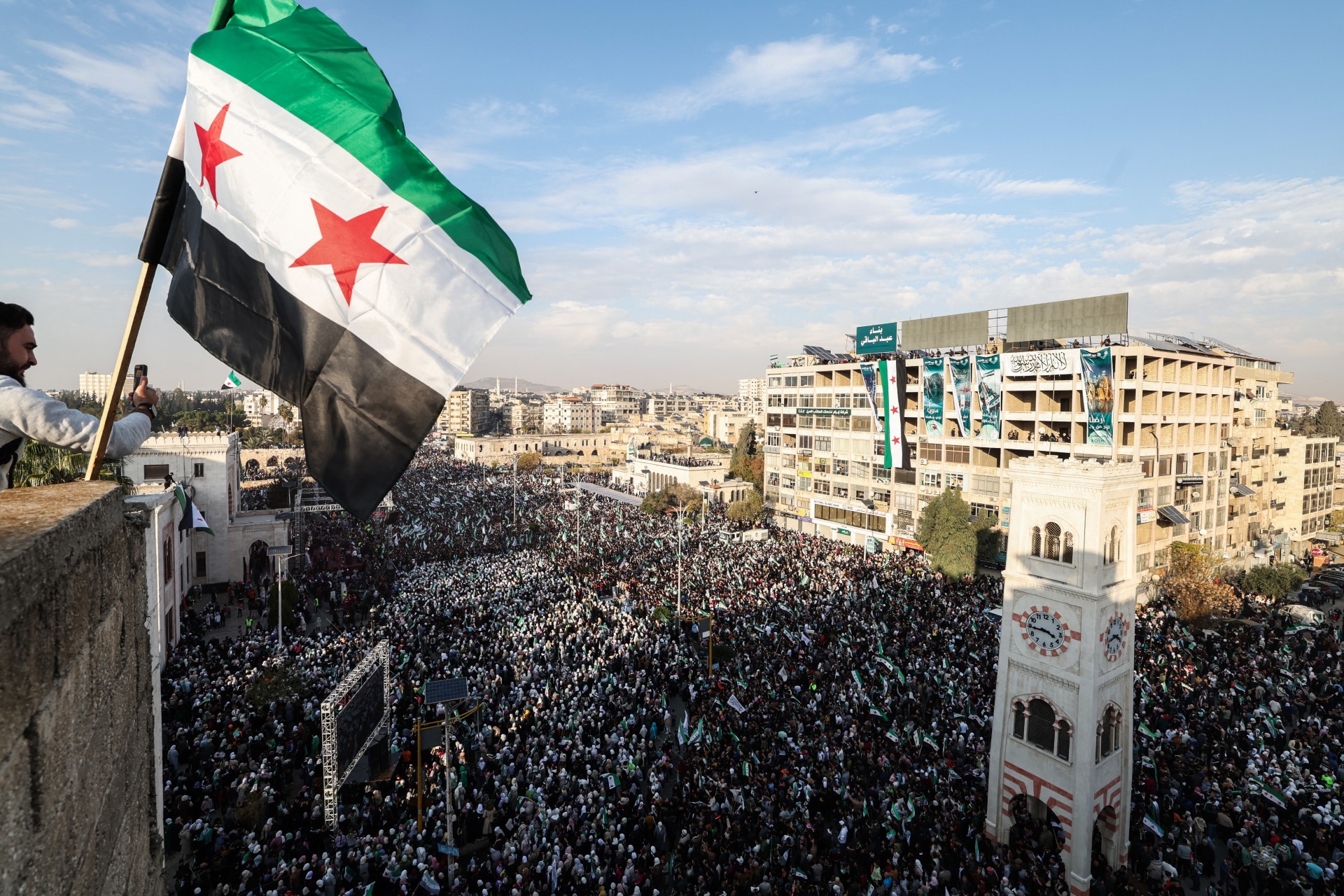
  • ‘We got rid of a tyrant’: Syria’s tumultuous first year without Assad

    ‘We got rid of a tyrant’: Syria’s tumultuous first year without Assad

    December 8, 2024, marked a seismic shift in Syrian history as Bashar al-Assad’s five-decade dynastic rule abruptly collapsed under a lightning rebel offensive. The overnight disappearance of his regime transformed Damascus from a surveillance state to a city of liberation, with Assad’s omnipresent portraits replaced by revolutionary martyrs’ memorials.

    The initial euphoria saw prisoners emerging from notorious detention centers while citizens celebrated in streets once patrolled by leather-jacked security forces. Yet this victory remains bittersweet for families like that of content creator Abd al-Hadi Safi, whose brother vanished into Assad’s prison system in 2012. “We got rid of a tyrant, but without justice, this story isn’t finished,” Safi told Middle East Eye, echoing sentiments of thousands seeking accountability.

    President Ahmad al-Sharaa’s transitional government faces monumental challenges in reconciling sectarian divisions that erupted violently throughout the year. Alawi communities suffered retaliatory massacres despite comprising only 10-15% of the population, while July’s Sweida province operations triggered catastrophic Druze-Bedouin violence that killed hundreds and required tribal peace agreements.

    The Kurdish northeast presented different complications, with nominal reintegration agreements masking deep distrust between the Syrian Democratic Forces and Damascus. While Sharaa’s administration canceled millions of Assad-era travel bans and formed transitional justice committees, many victims’ families perceive continued impunity for former regime officials.

    Internationally, Syria’s diplomatic transformation has been remarkable. Sharaa’s pragmatic approach—dismantling Assad’s captagon empire, confronting Hezbollah supply lines, and cooperating on counterterrorism—earned him an unprecedented Oval Office meeting and gradual sanctions relief. Analyst Kamal Alam notes: “Sharaa understood the previous regime never compromised and paid the price. He has been the opposite—flexible, pragmatic.”

    One year into this transition, Syria stands between celebration and reckoning—having toppled a dictator but not yet built a fully just state from the ruins of his police regime.

  • India’s Goa state orders probe after nightclub fire kills 25

    India’s Goa state orders probe after nightclub fire kills 25

    A catastrophic nightclub fire in India’s popular coastal state of Goa has resulted in 25 fatalities, triggering an immediate government response including a formal investigation and victim compensation packages. The blaze erupted at the Birch by Romeo Lane establishment in the village of Arpora during the early hours of Sunday morning, marking one of the deadliest entertainment venue incidents in recent Indian history.

    Goa Chief Minister Pramod Sawant confirmed the initiation of a magisterial inquiry to determine the fire’s origins and establish accountability. ‘I have ordered a comprehensive judicial investigation to identify the cause and fix responsibility for this tragedy,’ Sawant stated via social media platform X, noting that six injured individuals remained in stable condition under medical supervision.

    Indian Prime Minister Narendra Modi expressed his condolences to bereaved families following personal communications with state leadership. The Prime Minister’s Office announced substantial compensation packages, committing 200,000 rupees (approximately $2,200) to each victim’s family and 50,000 rupees to those injured in the devastating incident.

    Local authorities reported receiving emergency alerts at 12:04 a.m. local time (1834 GMT Saturday), with firefighting teams working throughout the night to contain the blaze. Police officials confirmed to media outlets that all victims had been recovered from the scene, with preliminary reports indicating at least four tourists and fourteen club staff among the deceased.

    The tragedy strikes at the heart of Goa’s vital tourism industry, which has welcomed approximately 5.5 million visitors during the first half of the year, including over 271,000 international travelers according to government statistics. The coastal region, renowned for its picturesque beaches and vibrant nightlife, faces renewed scrutiny regarding safety protocols within its entertainment establishments as investigation proceedings commence.

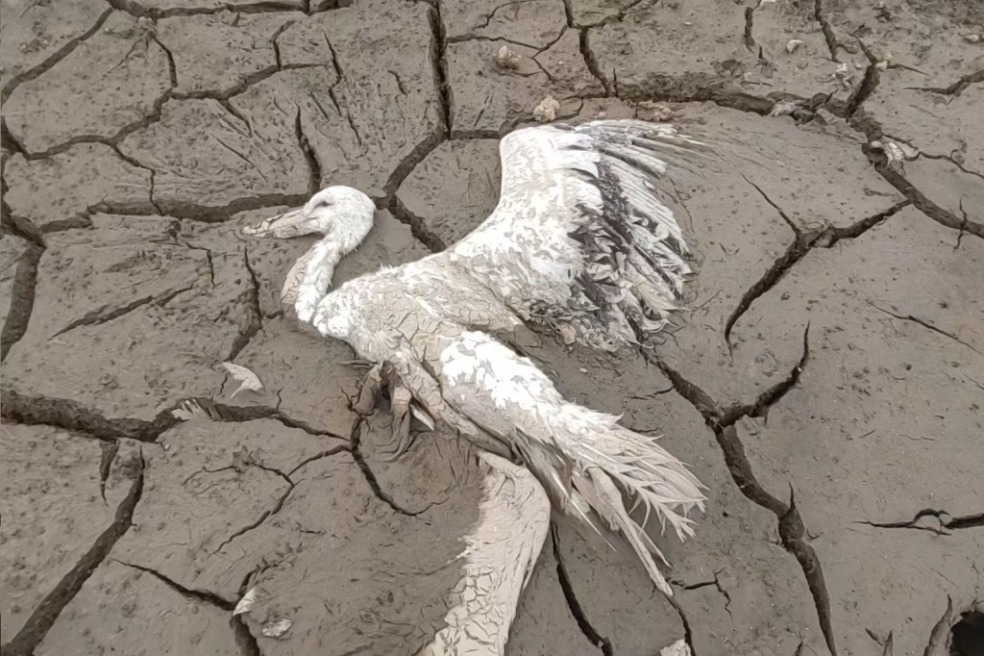
  • Trio investigated for suspected wildlife poisoning in Poyang Lake

    Trio investigated for suspected wildlife poisoning in Poyang Lake

    Chinese authorities in Jiangxi Province have launched a criminal investigation after three individuals were apprehended for allegedly poisoning wildlife within the ecologically sensitive Poyang Lake wetland ecosystem. The Yugan County Public Security Bureau disclosed the detentions on Monday, December 8th, 2025, following urgent reports from conservation volunteers.

    The case unfolded last Saturday when volunteer monitors alerted officials to suspected poisoning activities within the vast Poyang Lake basin. In rapid response, law enforcement agencies coordinated with forestry authorities to establish a specialized task force. This joint operation conducted immediate field inspections at the identified locations where wildlife casualties were reported.

    Law enforcement officials have identified the suspects only by their surnames—Zhou, aged 57, alongside two accomplices aged 69 and 50. All three individuals currently face criminal coercive measures as the comprehensive investigation continues to develop.

    Police spokespersons reiterated the critical importance of safeguarding Poyang Lake’s fragile ecosystem, emphasizing that protecting this natural heritage represents a collective social responsibility. Authorities explicitly pledged a ‘zero-tolerance’ stance toward all activities that compromise ecological security, particularly those threatening endangered species.

    The investigation highlights the ongoing conservation challenges facing Poyang Lake, China’s largest freshwater body and a vital hub within the East Asian-Australasian Flyway. This internationally recognized migratory route depends on the lake’s wetlands, which provide essential wintering grounds for countless bird species that journey thousands of kilometers annually to feed, rest, and survive the winter months. The preservation of this habitat proves critical not only for regional biodiversity but for maintaining global ecological balance along this crucial avian migration corridor.

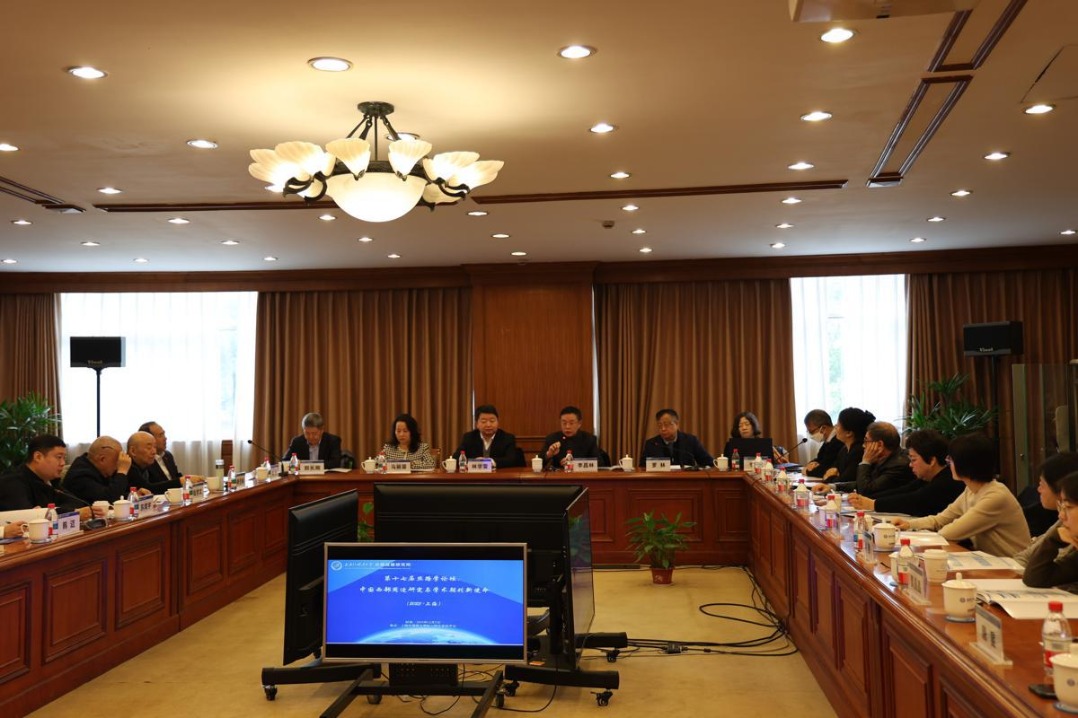
  • Silk Road forum highlights Xinjiang’s key role in BRI

    Silk Road forum highlights Xinjiang’s key role in BRI

    Academic and policy experts concluded the three-day 17th Silk Road Studies Forum at Shanghai International Studies University on Saturday, with particular emphasis on Xinjiang’s growing strategic importance within China’s Belt and Road Initiative framework. The gathering brought together 40 specialists from Beijing, Shanghai, and Xinjiang Uygur Autonomous Region to examine critical dimensions of China’s western development strategy.

    Forum discussions centered on autonomous knowledge production in western China’s neighboring regions, discourse system development, and quality enhancement within BRI core zones. Participants unanimously stressed that research concerning western China’s border areas must maintain alignment with appropriate political, value-based, and academic orientations to ensure strategic coherence.

    Xinjiang received significant attention as experts identified the region’s evolving function as a crucial operational nexus within the BRI infrastructure. Representatives from Xinjiang Arts University presented concrete methodologies for cultural empowerment through artistic initiatives implemented in recent years. Meanwhile, officials from Shanghai’s publicity department outlined major cultural enrichment projects that Shanghai has pioneered in Xinjiang.

    A Ministry of Education official highlighted the dual significance of western regional research, noting its fundamental role in both understanding historical Silk Road dynamics and supporting China’s contemporary diplomatic and foreign policy architecture. The forum, now in its seventeenth iteration, has established itself as one of China’s most influential platforms for BRI-related academic exchange.

    The Institute of Silk Road Strategy Studies at SISU, marking its tenth anniversary, reported substantial advancements in research covering western China’s neighboring territories. Looking forward, the institute plans to intensify exploration of China’s autonomous knowledge production pathways to facilitate high-quality BRI collaboration over the next five-year period.

  • Thailand says deploys fighter jets, Cambodia claims Thai soldiers open fire amid border tension

    Thailand says deploys fighter jets, Cambodia claims Thai soldiers open fire amid border tension

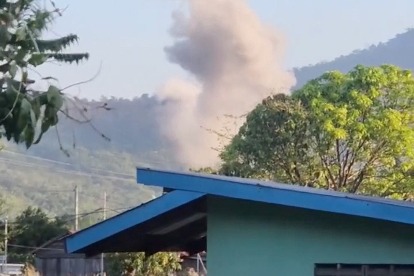
    A dangerous military escalation has erupted along the contested Thai-Cambodian border, with both nations trading accusations of initiating hostilities that have resulted in casualties and prompted the deployment of air power.

    The Thai Army confirmed it has deployed fighter jets following what it described as Cambodian attacks on Monday morning. According to Thai Army Spokesperson Winthai Suvaree, the incident occurred approximately at 07:00 local time in the Chong Bok area of Nam Yuen District. Thai soldiers operating in the region reportedly came under attack with ‘supporting fire weapons,’ resulting in two soldiers killed and four wounded.

    This deadly engagement followed an earlier clash in the nearby Chong An Ma area around 05:05 local time, when Cambodian troops allegedly opened fire with small arms and indirect weapons. The Thai Army stated it responded under established rules of engagement.

    In response to the casualties and what it termed a ‘direct threat to national security,’ the Royal Thai Air Force confirmed it has commenced air operations targeting Cambodian military infrastructure. RTAF Spokesperson Jackkrit Thammavichai stated: ‘These developments prompted the use of air power to deter and reduce Cambodia’s military capabilities to the minimum level necessary to safeguard national security and protect civilians.’

    Meanwhile, Cambodian authorities presented a starkly different account of the events. Cambodian Defense Ministry’s Undersecretary of State and Spokesperson Lt. Gen. Maly Socheata asserted that Thai military forces launched an unprovoked attack on Cambodian forces in the An Ses area of Preah Vihear province around 05:04 on Monday.

    According to Socheata, Thai forces ‘continued firing multiple shots with tanks at Tamoan Thom temple, 5 Makara in the vicinity of Preah Vihear temple and Chomka Chek area.’ She characterized these actions as part of ‘numerous provocative actions for many days, especially the incident yesterday (Sunday) at Prorlean Thmar area, with the objective of instigating confrontations.’

    The Cambodian spokesperson emphasized that their forces ‘did not retaliate at all during the two assaults’ and continue to monitor the situation ‘vigilantly and with utmost caution standing on the spirit of respecting all previous agreements and resolving conflicts peacefully according to international law.’

    Cambodia has formally informed the ASEAN Observer Team about the incident and plans to request an official investigation into the matter, potentially internationalizing the border dispute that has periodically flared between the Southeast Asian neighbors.

  • Thailand launches air strikes at Cambodia as border tensions reignite

    Thailand launches air strikes at Cambodia as border tensions reignite

    Southeast Asia faces renewed military confrontation as Thailand conducted aerial assaults against Cambodian positions on Monday, marking a severe escalation in long-standing border tensions. The Thai military command confirmed the deployment of aircraft to strike strategic targets after reporting casualties from Cambodian rocket fire.

    The offensive follows the collapse of a U.S.-brokered ceasefire agreement, with both nations accusing each other of violating the peace accord. Thailand’s armed forces disclosed that one soldier was killed and four others wounded during clashes concentrated in the Uran Ratchathani province border region.

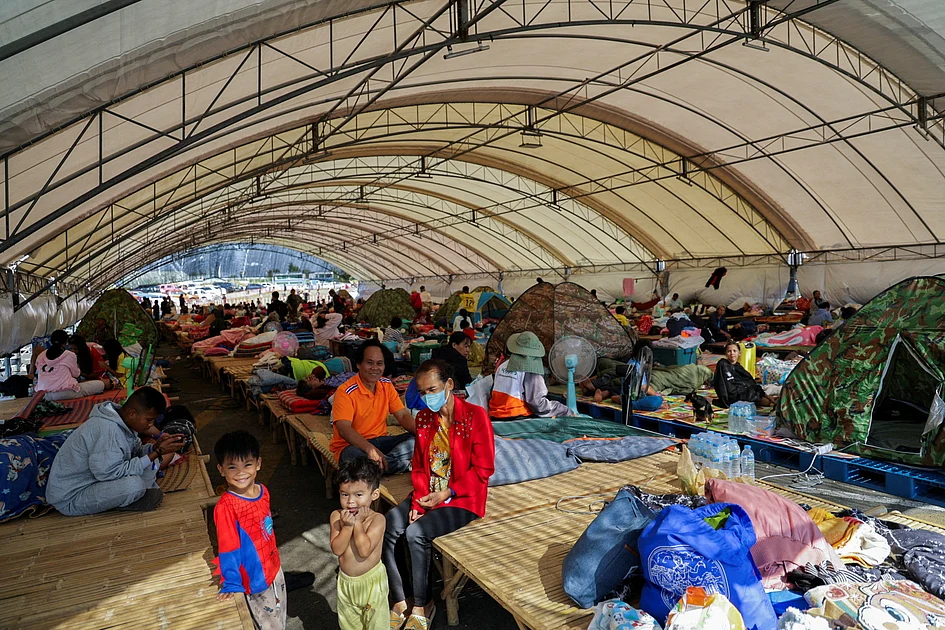
    Civilian displacement has reached critical levels, with Thai authorities evacuating approximately 385,000 residents from four border districts. More than 35,000 evacuees have already been relocated to temporary shelters as artillery exchanges threaten border communities.

    Cambodia’s Defense Ministry issued a counter-statement alleging that Thai forces initiated dawn attacks at multiple locations after days of provocations. Cambodian officials emphasized their troops exercised restraint despite what they characterized as aggressive actions by Thai military units.

    This confrontation represents the most serious breach of security since July’s five-day conflict that resulted in 48 fatalities and displaced 300,000 people. The previous ceasefire was negotiated through diplomatic intervention by former U.S. President Donald Trump and Malaysian Prime Minister Anwar Ibrahim, who witnessed the signing of an expanded peace agreement in Kuala Lumpur last October.

    The current escalation follows a recent landmine explosion that injured a Thai soldier, prompting Thailand to suspend its ceasefire implementation. Cambodia’s influential former leader Hun Sen characterized Thai military actions as provocations designed to elicit retaliation, urging Cambodian forces to maintain disciplined restraint despite established response protocols.

    The territorial dispute originates from imperfectly demarcated borders established during French colonial rule in 1907, with periodic violent outbreaks occurring along the 817-kilometer boundary despite numerous diplomatic resolution attempts.