标签: Asia

亚洲

  • Abu Dhabi consolidates L’IMAD Holding, ADQ to create sovereign investment powerhouse

    Abu Dhabi consolidates L’IMAD Holding, ADQ to create sovereign investment powerhouse

    In a landmark strategic maneuver, the Supreme Council for Financial and Economic Affairs (SCFEA) has mandated the consolidation of L’IMAD Holding Company and the Abu Dhabi Developmental Holding Group (ADQ) under the unified banner of L’IMAD. This decisive action, announced on January 30, 2026, is engineered to establish a formidable sovereign investment entity with a vastly diversified asset portfolio, directly aligning with the Abu Dhabi government’s mandate for sustainable investment and accelerated economic advancement for both the emirate and the wider UAE.

    The consolidation is a direct implementation of UAE President Sheikh Mohamed bin Zayed Al Nahyan’s vision to amplify the scope and influence of the nation’s sovereign wealth funds on domestic and international stages. This initiative is designed to safeguard the enduring stability and continuity of an investment policy framework that has been meticulously developed over five decades.

    Under the leadership of Sheikh Khaled bin Mohamed bin Zayed Al Nahyan, Crown Prince of Abu Dhabi and Chairman of the Abu Dhabi Executive Council, the newly fortified L’IMAD will cultivate globally competitive investment platforms. Its strategic mandate is to build national champions across a spectrum of high-priority sectors, including energy, real estate development, infrastructure, healthcare and pharmaceuticals, food security, aviation, ports, and the financial and banking sectors, alongside a broad array of industrial and technological fields.

    The entity will leverage a multifaceted investment approach, engaging in both direct and indirect investments through specialized funds and participation in public and private financial markets. L’IMAD’s expansive portfolio will integrate operational, developmental, industrial, and financial capabilities, encompassing an impressive network of 25 investment companies and platforms and more than 250 group subsidiaries. Prominent holdings include the energy giant TAQA, real estate developer Modon Properties, Etihad Airways, healthcare leader PureHealth, Etihad Rail, Wio Bank, Abu Dhabi Ports, McLaren, and Louis Dreyfus.

    Guided by Managing Director and CEO Jassem Mohamed Bu Ataba Al Zaabi, L’IMAD is poised to significantly expand its global investment footprint. This expansion will be pursued through private investment funds, both independently and via strategic partnerships in key sectors. The SCFEA maintains oversight of Abu Dhabi’s principal sovereign investment vehicles, which now comprise the Abu Dhabi Investment Authority (ADIA), Mubadala Investment Company, and the consolidated L’IMAD, in addition to the Abu Dhabi National Oil Company (ADNOC).

  • OMODA&JAECOO UAE launches flagship JAECOO J8 SHS at ‘Super Hybrid Night’ in Dubai

    OMODA&JAECOO UAE launches flagship JAECOO J8 SHS at ‘Super Hybrid Night’ in Dubai

    Dubai’s skyline provided a futuristic backdrop for a significant automotive unveiling as OMODA&JAECOO UAE introduced its premier performance hybrid vehicle, the JAECOO J8 SHS, during an exclusive ‘Super Hybrid Night’ gathering. The January 30th event at a prestigious venue assembled government dignitaries, industry executives, media representatives, and VIP guests to witness the brand’s technological advancement in intelligent mobility solutions.

    The evening’s centerpiece featured the formal debut of the JAECOO J8 SHS (Super Hybrid System), representing the manufacturer’s most sophisticated performance-oriented hybrid SUV to date. The vehicle incorporates class-leading hybrid technology that harmonizes power delivery with operational efficiency, achieving an exceptional driving range of 1,300 kilometers on a single charge. This capability positions the J8 SHS as equally suited for metropolitan commuting and extended regional travel.

    Performance specifications establish new benchmarks for the segment, with the variant generating 600 horsepower combined output and 915 Nm of peak torque. The all-wheel-drive configuration enables acceleration from stationary to 100 km/h in merely 5.8 seconds, demonstrating remarkable engineering achievement.

    Attendees experienced the comprehensive Super Hybrid portfolio, including the JAECOO J7 SHS, OMODA C7 SHS, and OMODA C5 HEV models. A dedicated technology zone displayed the innovative chassis architecture and engineering principles underlying the Super Hybrid System, providing transparent insight into the brand’s technical development.

    The program elaborated OMODA&JAECOO’s global strategic vision and long-term renewable energy roadmap, emphasizing Super Hybrid technology as fundamental to future product development. The celebration incorporated customer testimonials, partner recognition, and commemorated the brand’s first anniversary in the UAE market.

    Shawn Xu, CEO of OMODA&JAECOO Automobile International, stated: ‘This launch represents a pivotal achievement for our presence in the UAE. Our Super Hybrid technology embodies our commitment to delivering powerful yet sustainable mobility solutions specifically designed for regional requirements. The J8 SHS exemplifies performance integration with intelligent design, mirroring both our innovative spirit and the UAE’s progressive mobility objectives.’

    Since establishing operations in the UAE, OMODA&JAECOO has maintained market momentum through technological innovation, distinctive design philosophy, and customer-focused development. The successful J8 SHS introduction further solidifies the brand’s emerging prominence within the region’s expanding new-energy vehicle sector.

    The event concluded with ceremonial photography and networking sessions, enabling direct engagement between attendees, corporate leadership, and technical specialists.

  • All subsided food centres to close on Feb 28, move to 48 new locations: Abu Dhabi DMT

    All subsided food centres to close on Feb 28, move to 48 new locations: Abu Dhabi DMT

    Abu Dhabi’s retail landscape is undergoing a significant transformation as the Department of Municipalities and Transport (DMT) announces the permanent closure of all its subsidized food centers effective February 28, 2026. The municipal authority revealed through official social media channels that these operations will be entirely transferred to ADCOOP (Mair Group) branches across the emirate.

    The strategic transition marks a substantial expansion of ADCOOP’s retail footprint, with the company establishing 48 new locations featuring extended operating hours to enhance customer accessibility. This move follows Mair Group’s comprehensive 2024 rebranding initiative that unified seven prominent retail brands under the ADCOOP umbrella, including Abu Dhabi Coop, Al Ain Coop, Al Dhafra Coop, Delma Coop, COOPS, Earth, and Mega Mart.

    According to the Abu Dhabi Media Office, this consolidation solidifies ADCOOP’s position as a retail market leader, offering an enriched shopping experience tailored to Emiratis, Arab residents, and expatriates of all nationalities. The integration creates a cohesive retail identity while maintaining the diverse product offerings that characterized the individual brands.

    The DMT has encouraged community members to contact their offices directly for detailed information regarding branch locations and transition timelines, ensuring a seamless shift for consumers accustomed to accessing subsidized food products through municipal outlets.

  • Lepas L8 arrives in the UAE with personality, inside and out

    Lepas L8 arrives in the UAE with personality, inside and out

    Chery Group’s newly launched automotive marque, Lepas, has officially introduced its flagship plug-in hybrid SUV, the L8, to the United Arab Emirates market. Breaking from conventional automotive design trends characterized by safe, streamlined aesthetics, the L8 makes a distinctive entrance with assertive styling choices and a remarkable combined range exceeding 1,300 kilometers.

    The vehicle’s design philosophy, termed ‘Leopard Aesthetics,’ masterfully blends muscular presence with sophisticated elegance. This approach prioritizes the impression of controlled dynamism over literal inspiration. The front fascia features a sculpted, focused profile with a depth-responsive grille, while semi-flush door handles maintain a clean, uninterrupted silhouette.

    Signature lighting elements substantially contribute to the L8’s identity. ‘Hunter Light’ LED headlights provide a sharp front appearance, complemented by full-width traverse LED taillights and intricate diamond-triangle detailing at the rear. A premium seven-layer paint option, Norway Forest Green, delivers a rich, multidimensional effect that transforms from clean and dimensional in sunlight to a darker, polished tone at night.

    The interior is engineered as a sanctuary of calm. Advanced NVH (Noise, Vibration, and Harshness) suppression technology isolates occupants from external commotion, paired with a high-fidelity audio system ideal for extended journeys such as the Abu Dhabi to Dubai corridor. Built on a 2,800mm wheelbase, the cabin achieves a 66.5% space utilization rate, fostering an open, airy environment enhanced by a wide panoramic sunroof.

    Passenger comfort is paramount. Front seats are equipped with eight-point massage functions, ventilation, and heating. Rear passengers are accommodated with 970mm of legroom and seatbacks that recline up to 122 degrees, effectively transforming the second row into a first-class lounge. Practicality is further elevated by 47 dedicated storage spaces, 11 ‘Magic Hooks’ for securing items, and a rear folding table for added convenience.

    Positioned as a confident alternative in the hybrid segment, the Lepas L8 distinguishes itself through a compelling combination of immediate visual appeal and a thoroughly considered, well-rounded ownership experience.

  • Why are some Iranians boycotting Huda Beauty?

    Why are some Iranians boycotting Huda Beauty?

    A significant consumer backlash has erupted against cosmetics giant Huda Beauty following controversial geopolitical commentary from its founder. Iranian women have launched a coordinated boycott campaign, flooding TikTok and Instagram with videos demonstrating the destruction of Huda Beauty products through burning, crushing, and disposal.

    The controversy originated when Huda Kattan shared content on her Instagram Stories featuring pro-government demonstrators in Tehran burning effigies of Israeli Prime Minister Benjamin Netanyahu, former US President Donald Trump, and Reza Pahlavi, son of Iran’s deposed Shah. This action was widely interpreted as implicit support for Iran’s Islamic Republic regime, particularly during ongoing civil unrest and government crackdowns on protests.

    Kattan responded with a series of video statements attempting to clarify her position: ‘Transparently I am not pro-regime, but I also don’t know enough about the regime. I’ve heard mixed things, and I don’t think I have the right to have an opinion on what’s going on.’ The Iraqi-American entrepreneur drew parallels between Iran’s ‘internal issues’ and the catastrophic consequences of US intervention in her native Iraq, stating unequivocally her opposition to external regime change advocacy.

    The beauty mogul, who has been vocal in her support for Palestinians during the Gaza conflict, rejected comparisons between Iran’s domestic policies and Israel’s military actions, emphasizing the distinction between internal governance issues and international conflicts. Her comments have ignited intense debate across social media platforms, with prominent Iranian creators challenging her characterization of the situation and continuing calls for retailers like Sephora to remove Huda Beauty products.

    While many consumers have condemned Kattan’s statements and endorsed the boycott, others have defended her right to express caution regarding foreign intervention based on her personal experiences with US military action in the Middle East. The incident highlights the complex challenges facing global brands navigating highly charged geopolitical landscapes and the increasing consumer expectation for corporate leaders to adopt informed positions on international human rights issues.

  • Israel to reopen Gaza’s Rafah crossing on February 1 for first time since May 2024

    Israel to reopen Gaza’s Rafah crossing on February 1 for first time since May 2024

    In a significant humanitarian development, Israel will reopen the Rafah border crossing between Gaza and Egypt on February 1, 2026, marking the first resumption of civilian passage through this critical transit point since its closure in May 2024. The announcement was made by COGAT, the Israeli agency coordinating civilian policy in Gaza, though specific daily transit quotas for Gaza’s 2 million residents remain undisclosed.

    The reopening follows Israel’s recovery of the final Israeli hostage’s remains in Gaza this week, a previously stated precondition for border normalization. The move represents a key implementation phase of President Donald Trump’s ceasefire initiative, building upon the October 2025 truce between Israel and Hamas.

    Crossing operations will be strictly regulated, with COGAT emphasizing that “return of residents from Egypt to the Gaza Strip will be permitted, in coordination with Egypt, for residents who left Gaza during the course of the war only, and only after prior security clearance by Israel.” A source familiar with negotiations indicated Israel seeks to limit returning Palestinians to approximately 150 persons daily, though Egypt has not formally agreed to this arrangement.

    Notably, the reopening applies exclusively to pedestrian transit while vital humanitarian supplies continue facing restrictions. International Committee of the Red Cross President Mirjana Spoljaric highlighted the ongoing crisis, stating “Many people in Gaza are still living in the rubble without basic services, struggling to stay warm amid harsh winter conditions.” She urged Israel to ease limitations on dual-use items like water pipes and generators essential for infrastructure restoration.

    Israel maintains inspection protocols for Gaza-bound goods, implemented long before the October 2023 conflict, to prevent potential military application of civilian items. The border reopening occurs amid widespread devastation from Israel’s two-year offensive that has left most of Gaza in ruins and displaced nearly its entire population.

  • Traffic alert: Heavy vehicles collide on E311 causing massive tailback

    Traffic alert: Heavy vehicles collide on E311 causing massive tailback

    A significant traffic incident involving multiple heavy vehicles on Sheikh Mohammed bin Zayed Road (E311) caused extensive delays for motorists heading toward Sharjah on Friday afternoon. The collision, which occurred near Exit 24 in the direction of Al Khail, resulted in the complete closure of the two rightmost lanes and created a massive traffic backlog stretching for kilometers.

    According to eyewitness accounts, the accident involved three substantial commercial vehicles, including a cement mixer truck and another heavy transport truck. Additionally, a car carrier trailer transporting four to five vehicles came to a complete stop in the farthest lane, further complicating the situation. Dubai Police promptly issued official alerts warning drivers to approach the area with extreme caution and remain vigilant.

    The aftermath of the collision created severe congestion, with motorists reporting travel delays exceeding 40 minutes as vehicles progressed at barely perceptible speeds. Digital signage along the highway actively displayed warning messages reading ‘Accident, drive slow’ to alert approaching drivers. Multiple police units were deployed to manage the scene and assist with traffic flow restoration.

    This incident marks the second major traffic disruption on Sheikh Mohammed bin Zayed Road within a 48-hour period, following another accident reported on Wednesday morning near the Airport Road exit heading toward Jebel Ali. The recurrence highlights ongoing traffic safety concerns along this critical transportation artery connecting key emirates.

  • Prominent Indian businessman Dr CJ Roy has passed away: Source

    Prominent Indian businessman Dr CJ Roy has passed away: Source

    Dubai-based Indian entrepreneur Dr CJ Roy, Chairman of Confident Group, has died under tragic circumstances during ongoing Income Tax department operations, according to confirmation from close family sources. The incident occurred on Friday, January 30, 2026, with preliminary reports indicating the businessman succumbed to a self-inflicted gunshot wound following intense interrogation sessions.

    Family representatives revealed that Dr Roy faced relentless questioning and perceived intimidation during the tax raids before retreating to his private office. A single gunshot was subsequently heard, prompting immediate medical response. Despite being rushed to a nearby medical facility, medical professionals were unable to revive the prominent business leader.

    Dr Roy leaves behind his wife, daughter, and son, along with a substantial business legacy spanning multiple sectors. Established in 2006, Confident Group pioneered a zero-debt financing model before expanding into Dubai’s real estate market in 2024 with the Confident Lancaster project, followed by Confident Preston in 2025. The conglomerate had diversified into hospitality, education, entertainment, and building materials under Dr Roy’s leadership.

    Beyond his corporate achievements, Dr Roy served as Honorary Consul of the Slovak Republic, fostering bilateral trade and cultural exchanges. The Emirates Hills resident maintained an active social media presence and was recognized for his philanthropic initiatives, including a recent Dh20 million charitable partnership with Kerala Muslim Cultural Center to provide clean water access in remote Indian villages.

    The business magnate was also known for his automotive passion, maintaining an extensive collection of luxury vehicles, and regularly hosting community gatherings at his Dubai residence. The incident has raised questions about enforcement methodologies during financial investigations, though official statements from Indian authorities remain pending at this time.

  • England’s Brook admits to lying about nightclub incident to protect teammates

    England’s Brook admits to lying about nightclub incident to protect teammates

    England’s white-ball cricket captain Harry Brook has publicly confessed to providing misleading statements regarding a late-night altercation in Wellington, New Zealand, that resulted in disciplinary measures against multiple team members. The incident occurred on October 31, preceding the final ODI match against New Zealand, when Brook attempted to gain entry to a nightclub accompanied by teammates Jacob Bethell and Josh Tongue.

    Following investigative reporting by the Telegraph newspaper, Brook retracted his initial claim that he was alone during the confrontation with nightclub security personnel. In an official statement released after England’s Twenty20 victory against Sri Lanka in Pallekele, Brook acknowledged his deception was intended to prevent fellow players from facing consequences for his personal decisions.

    “I fully accept responsibility for my actions in Wellington and confirm that other individuals were present that evening,” Brook stated. “I deeply regret my previous inaccurate comments, which were motivated solely by my desire to protect teammates from being implicated in a situation resulting from my own poor judgment.”

    The England and Wales Cricket Board (ECB) has imposed financial penalties on all involved players and issued Brook with a final warning regarding conduct violations. The regulatory body had previously concealed these disciplinary actions during the recent Ashes series against Australia, only disclosing them this month following England’s 4-1 series defeat.

    In response to multiple alcohol-related incidents during tours in New Zealand and Australia, the ECB has implemented a midnight curfew for all players throughout their current subcontinental tour. Brook has offered repeated apologies to both teammates and supporters, emphasizing his commitment to learning from this challenging professional experience.

  • US war with Iran demands strategy, not just strength

    US war with Iran demands strategy, not just strength

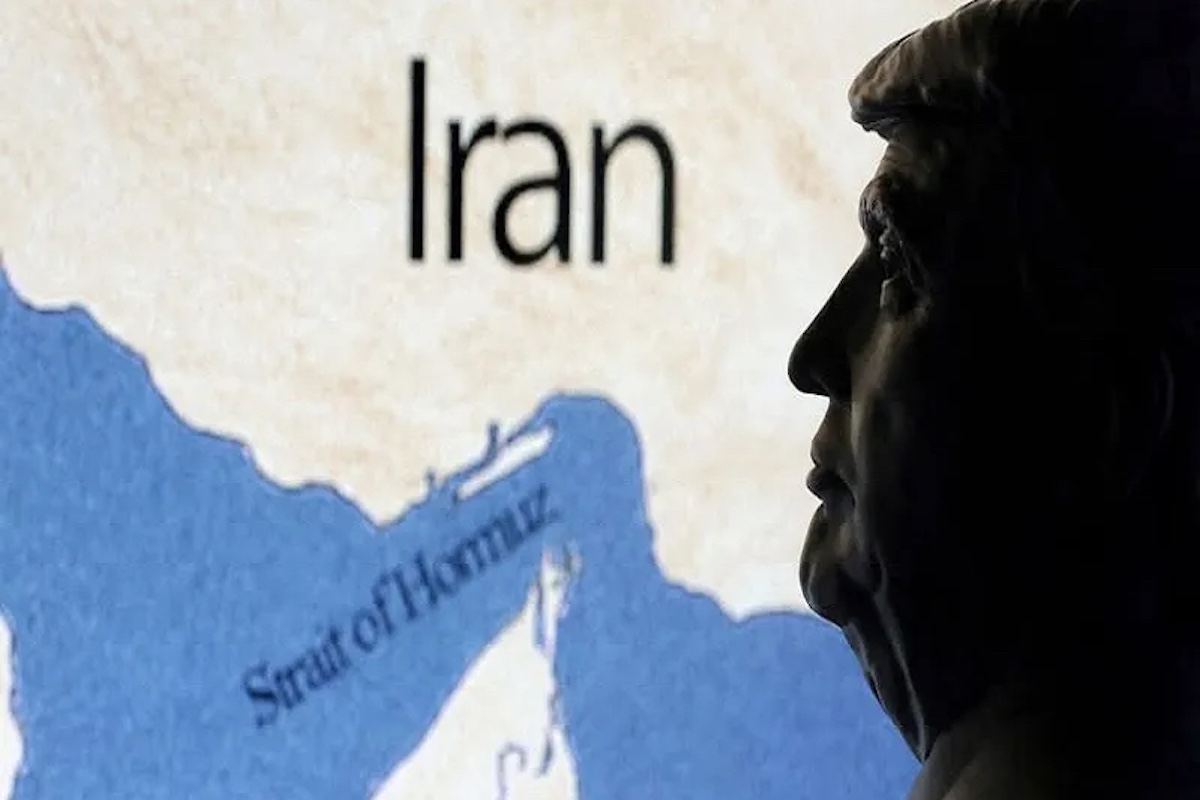
    The international community is witnessing a new paradigm in warfare where conflict trajectories become discernible through observable military preparations long before hostilities commence. Current US military deployments surrounding Iran exemplify this phenomenon, revealing a carefully orchestrated playbook despite unresolved strategic objectives.

    Pentagon movements suggest imminent military action rather than diplomatic resolution. A carrier strike group maintains position in the Middle East while advanced missile defense systems (Patriot and THAAD) deploy throughout the region. Non-essential personnel have been evacuated from forward operating locations in Saudi Arabia and Qatar, accompanied by strategic positioning of air tankers and heavy transport aircraft. These coordinated actions indicate battlefield preparation rather than peaceful negotiation.

    Iran has anticipated these developments through active military preparation rather than passive observation. Tehran has received arms shipments from Russia and China while stockpiling domestic weapons and enhancing air defense capabilities with China’s HQ-9B system. However, these systems remain vulnerable due to insufficient integration, outdated sensors, and lack of real-time coordination—critical weaknesses against modern aerial threats.

    The fundamental question remains not how the US might attack, but why. Historical precedents from Vietnam to Iraq demonstrate America’s tendency to achieve tactical success while lacking clear strategic objectives. Current protests within Iran, while significant, appear secondary to Washington’s primary concern: approximately 400 kilograms of 60% enriched uranium that remains unaccounted for since previous confrontations. This material could yield several nuclear weapons if further enriched.

    Three military options present themselves with varying risks:

    1. Targeted nuclear facility strikes using B-2 bombers carrying GBU-57 bunker busters—a limited operation resembling Israel’s Osirak and al-Kibar strikes but offering temporary delay rather than permanent resolution given Iran’s dispersed, hardened facilities.

    2. Decapitation strikes against Iranian leadership, though this risks creating martyrs in a political culture steeped in martyrdom tradition. Iran’s institutionalized political system maintains contingency plans for leadership succession.

    3. Sustained campaign degrading Iran’s military and security apparatus over weeks or months—the most dangerous option likely triggering calibrated retaliation ranging from attacks on US assets in Iraq to regional escalation involving Gulf states and Israel.

    Geographical constraints complicate all options, with limited airspace access forcing reliance on predictable routes through Israel, Jordan, and Iraq or logistically challenging southern approaches via the Indian Ocean.

    The ultimate strategic question remains unanswered: What constitutes success? Without clearly defined objectives—whether nuclear program delay, regime weakening, or governmental change—military action risks becoming an exercise in power demonstration rather than purposeful strategy. History cautions that how wars begin matters less than how they’re intended to end, and on this crucial matter, Washington maintains concerning ambiguity.