标签: Asia

亚洲

  • Traffic alert: Triple-vehicle collision causes hour-long delays on Ras Al Khor Road

    Traffic alert: Triple-vehicle collision causes hour-long delays on Ras Al Khor Road

    A significant traffic disruption unfolded on Ras Al Khor Road during Friday morning rush hour following a triple-vehicle collision involving a trailer, bus, and minibus. The incident, occurring in the direction of Meydan and Downtown Dubai, resulted in extensive lane closures and created a domino effect of congestion along the E44 highway—a crucial national transportation artery.

    Emergency response teams, including police units and ambulance services, swiftly arrived at the scene to manage the aftermath. Visible damage to both the trailer and bus was substantial, with debris and shattered glass covering all three lanes of the ramp connecting to Al Khail Road. Authorities were compelled to close two lanes entirely, while the remaining lane required careful navigation around the wreckage.

    The collision triggered unprecedented delays, with motorists reporting standstill conditions lasting up to two hours. Ann George, an expatriate commuter, revealed her typical 25-minute journey stretched to 1.5 hours with minimal progress. ‘I’ve been stuck at practically the same spot for 20 minutes now,’ she expressed, highlighting the severity of the gridlock.

    Real-time navigation applications compounded commuter frustration by continuously adjusting estimated arrival times. One driver described watching their expected arrival shift from 10:00 AM to 11:01 AM in gradual increments. Despite the inconvenience, many demonstrated remarkable perspective, acknowledging that those directly involved in the accident were experiencing far greater difficulties.

    The timing proved particularly frustrating for Dubai residents, who typically anticipate lighter traffic patterns on Fridays—the last working day of the week for many. Professionals like MT, a sales executive attempting to reach Business Bay, found themselves forced to notify clients of unexpected delays despite leaving with what would normally be sufficient travel time.

    Some motorists employed humor to cope with the situation, with one noting they felt engaged in ‘the world’s slowest race’ with a neighboring Mini Cooper. The incident prompted Dubai authorities to recommend alternative routes and exercise additional caution when approaching affected areas.

  • US war with Iran would be an expensive mistake

    US war with Iran would be an expensive mistake

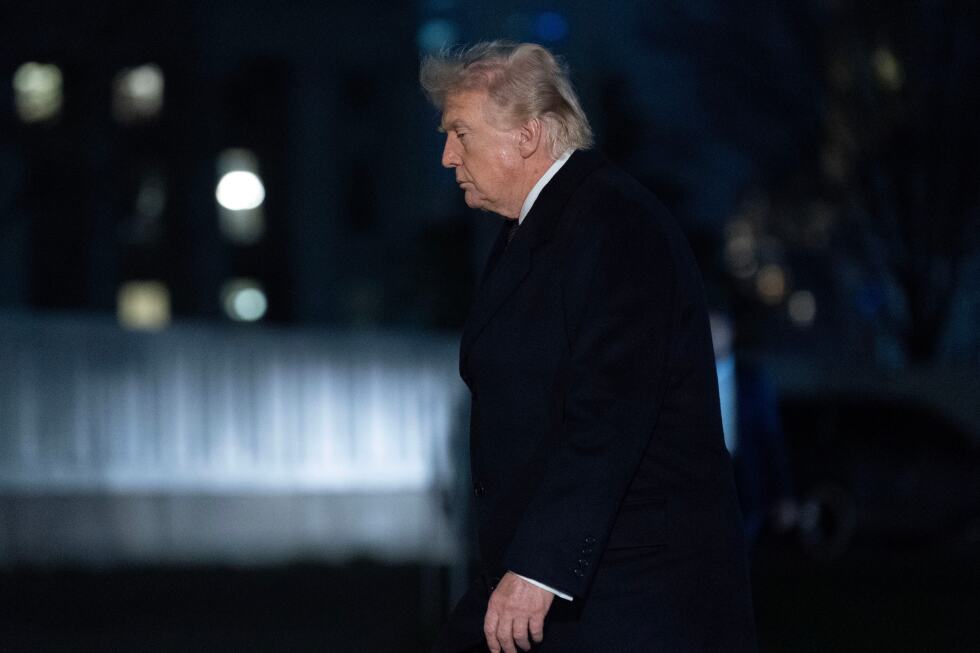
    Recent deployments of US naval assets to the Gulf region have sparked widespread speculation about potential military confrontation with Iran. While President Trump’s administration has issued stern warnings regarding Iran’s nuclear ambitions and regional activities, a deeper analysis reveals strategic brinkmanship rather than genuine preparations for warfare.

    President Trump’s political brand remains fundamentally opposed to prolonged foreign engagements, having built his electoral appeal on ending America’s ‘forever wars.’ This political reality contradicts the narrative of impending conflict with Iran, which would inevitably become exactly the type of costly, extended engagement he has consistently criticized.

    Iran’s military doctrine, developed since the 1979 revolution, emphasizes asymmetric warfare capabilities specifically designed to counter superior conventional forces. Rather than matching US military power directly, Tehran has invested in ballistic missiles, cyber operations, regional proxy networks, and anti-access strategies that would inflict prolonged costs on any aggressor.

    Historical precedents from Iraq and Afghanistan demonstrate the staggering financial implications of Middle Eastern conflicts, estimated at $6-8 trillion when accounting for long-term veterans’ care and reconstruction. A confrontation with Iran—larger, more populous, and better prepared than either Iraq or Afghanistan—would likely follow a similar, if not more expensive, trajectory.

    The current global geopolitical landscape further complicates potential conflict. As multipolar rivalry intensifies, with China and India investing heavily in technological and economic advancement, sustained Middle Eastern engagement would divert crucial resources from strategic competition. Iran’s geographic position astride critical energy routes adds economic vulnerability, as any disruption to Hormuz Strait shipping would spike global oil prices and fuel inflation.

    Regional dynamics also discourage escalation. Gulf states like Saudi Arabia, the UAE, and Qatar have prioritized de-escalation despite their rivalries with Tehran. The Abraham Accords, touted as a foreign policy achievement, depend on regional stability that conflict would jeopardize.

    The greatest danger lies not in deliberate invasion but in miscalculation. Heightened military presence and aggressive rhetoric increase accident risks and potential unintended escalation. Ultimately, strategic realities suggest current movements represent coercive signaling rather than genuine war preparation, with all parties recognizing that some conflicts remain too costly to pursue.

  • Pushed by Trump, US allies are resetting relations with China

    Pushed by Trump, US allies are resetting relations with China

    In a significant geopolitical realignment, Western nations are actively pursuing warmer relations with China, creating a new dynamic in international diplomacy. This strategic shift comes as these countries seek to navigate an evolving global landscape and assert their economic interests independent of traditional alliances.

    Canadian Prime Minister Mark Carney recently concluded a landmark trade agreement with Beijing that substantially reduces tariffs on Chinese electric vehicles and Canadian canola oil. This development was quickly followed by UK Prime Minister Keir Starmer’s Beijing visit—the first by a British leader in eight years—aimed at repairing strained bilateral relations. The diplomatic momentum continues with anticipated visits from German Chancellor Friedrich Merz and recent engagements with Finnish Prime Minister Petteri Orpo.

    This recalibration of foreign policy approaches reflects a broader transformation in international relations since the return of Donald Trump to the American presidency. Traditional U.S. allies are increasingly exploring opportunities with China following tensions with the Trump administration over tariff policies and unconventional demands, including the controversial suggestion regarding Greenland’s transfer from Denmark.

    European leaders are proceeding with what many describe as ‘strategic engagement’ with China despite potential repercussions from Washington. As Canadian Prime Minister Carney stated at the World Economic Forum in Davos, ‘We actively take on the world as it is, not wait around for a world we wish to be.’

    The diplomatic outreach has yielded concrete results: the UK-China partnership has produced agreements on reduced tariffs for Scotch whisky and implemented 30-day visa-free travel for British citizens. Similarly, Finland has secured cooperation agreements covering sustainable construction, energy, and animal disease management.

    However, this geopolitical reorientation has generated concern among some U.S. officials and analysts. Senator Jeanne Shaheen warned that instead of creating a united front against China, Western nations risk pushing allies toward Beijing. President Trump characterized these engagements as ‘very dangerous,’ particularly criticizing Canada’s trade arrangements.

    European officials acknowledge the complexities of dealing with China’s ‘economic coercive practices’ while simultaneously pursuing diversified international partnerships. According to analysts, this represents not a wholesale pivot to China but rather Europe’s effort to assert itself as an independent bloc in global affairs.

    China’s strategy appears focused on maintaining market access to affluent European consumers while offering limited concessions to European businesses in its domestic market. As one expert noted, ‘They need Europe, but they don’t need to fight for Europe.’

    The emerging diplomatic landscape suggests an irreversible transformation in how nations align themselves with the world’s two superpowers, potentially creating new divisions within Western alliances while offering middle powers opportunities for strategic maneuvering.

  • US warship docks in Gulf of Aqaba as fears of Iran strike grow

    US warship docks in Gulf of Aqaba as fears of Iran strike grow

    A United States military vessel commenced docking operations in the Gulf of Aqaba on Friday amid rapidly escalating tensions with Iran, according to reports from Israel’s public broadcaster Kan. This strategic deployment forms part of enhanced military preparations and security coordination between American and Israeli defense forces.

    The naval movement reinforces existing deployments and elevates both defensive and offensive readiness in anticipation of potential regional developments, as confirmed by security sources. The Gulf of Aqaba holds particular strategic significance as it lies directly south of Eilat, the Israeli port city that suspended operations in July following financial difficulties exacerbated by attacks from Yemen’s Houthi movement.

    Concurrent with these developments, Israeli Prime Minister Benjamin Netanyahu convened a high-level security meeting with senior military officials on Thursday to address classified matters. Israeli media outlets reported the discussions centered on potential US military action against Iran’s nuclear and missile programs. Adding to the diplomatic activity, Israel’s military intelligence directorate head, Shlomi Binder, visited Washington on Wednesday for consultations regarding sensitive issues potentially related to Israeli strike capabilities against Iranian targets.

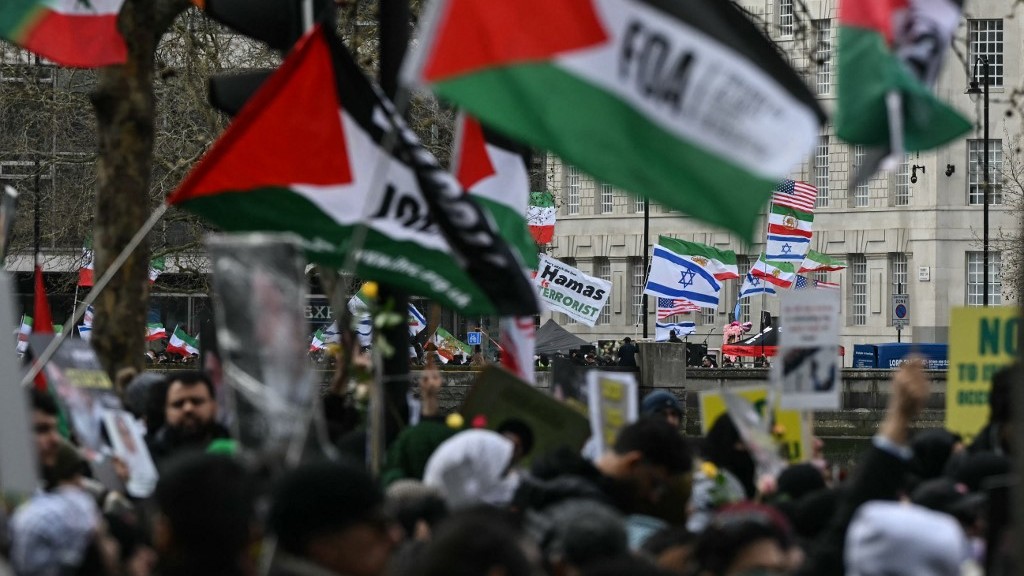
    The geopolitical tensions unfold against the backdrop of ongoing civil unrest in Iran, where protests initially triggered by economic pressures and cost-of-living crises have been met with government crackdowns. Iranian officials, including Foreign Minister Abbas Araghchi, have accused Israel of orchestrating violence and attempting to provoke US military intervention.

    As precautionary measures, several southern Israeli municipalities including Dimona, Beersheba and Gan Yavne have activated public bomb shelters. Israeli military chief of staff Eyal Zamir has directed increased defensive readiness across all military formations according to Haaretz reports.

    The US has significantly reinforced its military presence in the region with the arrival of the USS Abraham Lincoln carrier strike group, positioning forces within striking distance of Iran. Additional deployments include F-15E Strike Eagles to Jordan, B-52 bombers to Qatar, and an expected THAAD air defense battery. President Trump characterized these movements as dispatching a ‘massive armada’ while warning Tehran against nuclear program advancement.

    Iran’s Revolutionary Guard Corps commander Mohammad Akbarzadeh issued counter-warnings that neighboring countries permitting their territory to be used against Iran would be ‘considered hostile.’ Regional powers including Saudi Arabia, Qatar, UAE, Oman and Kuwait have expressed concerns about potential collateral damage from any conflict. Despite tensions, Iranian officials including First Vice President Mohammad Reza Aref have indicated openness to negotiations under ‘fair, balanced and non-coercive terms.’

  • Some UAE content creators face mental health issues as online pressure grows

    Some UAE content creators face mental health issues as online pressure grows

    The glamorous facade of content creation in the United Arab Emirates masks a deepening mental health emergency among digital creators, according to recent psychological assessments and firsthand accounts. What many perceive as a pathway to effortless income and celebrity status has revealed severe psychological consequences including chronic anxiety, professional burnout, and algorithmic-induced stress disorders.

    Content creators across the UAE are reporting deteriorating mental health directly linked to the demands of maintaining online relevance. Asma S., a three-year veteran of the digital content space, initially cultivated her audience through anonymous content featuring Dubai lifestyle segments and daily commute documentation from Abu Dhabi. Her decision to reveal her identity marked a turning point—initial positive engagement rapidly devolved into intense personal scrutiny regarding her appearance, speech patterns, and even inconsequential details she had never considered noteworthy.

    The psychological impact extends beyond mere criticism. Afra, another established creator, described experiencing coordinated hostile commentary that transcended constructive feedback, eventually necessitating professional therapeutic intervention. “There were moments where it stopped feeling like feedback and started feeling like an attack,” Afra recounted, highlighting the emotional toll of persistent online exposure.

    Clinical psychologists specializing in digital workforce mental health note that the architecture of social media platforms exacerbates these issues. Dr. Hasna Matar explains that the algorithmic dependency creates a validation feedback loop where self-worth becomes inextricably linked to unpredictable engagement metrics. “When validation is tied to engagement, creators develop cycles of self-doubt, hyper-vigilance, and difficulty disengaging from work,” she observed, noting this leads to chronic stress conditions and diminished self-esteem.

    Mental health professionals emphasize that content creation lacks the structural boundaries of traditional employment, with creators feeling compelled to maintain constant online presence, respond to audience interactions, and continuously adapt their personal brand. Experts recommend implementing strict digital boundaries, scheduled disconnection periods, and preemptive mental health support to mitigate these occupational hazards.

    As the UAE’s creator economy expands, mental health advocates stress the urgency of addressing these psychological challenges to ensure sustainable working conditions for digital professionals.

  • ASEAN to stick to Myanmar peace plan despite its failure to stop deadly civil war

    ASEAN to stick to Myanmar peace plan despite its failure to stop deadly civil war

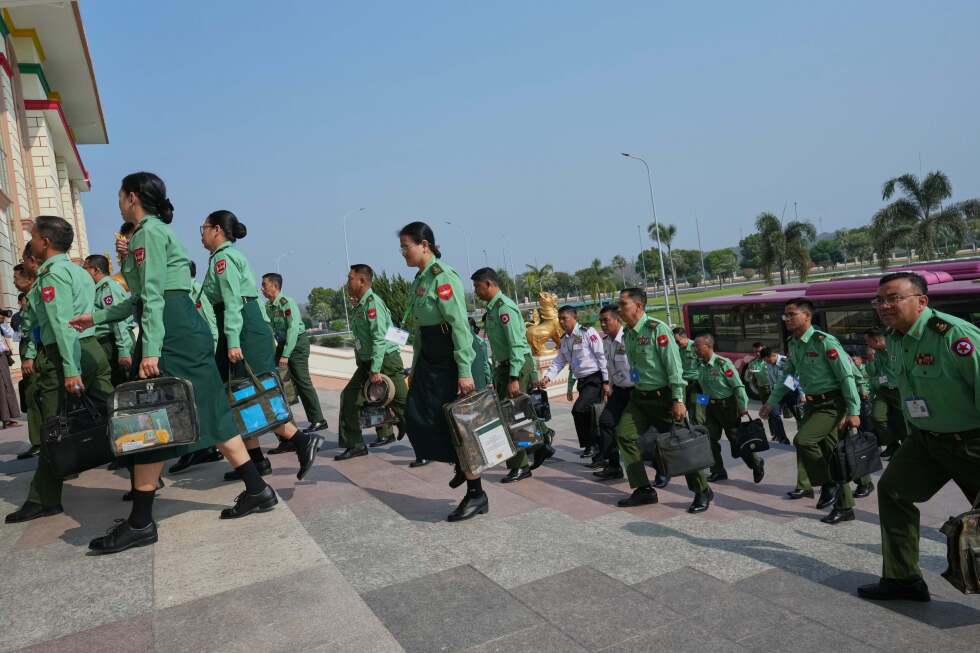
    CEBU, Philippines — Five years after its introduction, the Association of Southeast Asian Nations’ (ASEAN) peace initiative for Myanmar remains unimplemented yet continues to serve as the foundation for regional diplomatic efforts, according to Thailand’s top diplomat on Friday. Thai Foreign Minister Sihasak Phuangketkeow characterized the “five-point consensus” as a crucial starting point for renewed dialogue and reconciliation despite its current stagnation.

    The regional bloc faces one of its most significant challenges following Myanmar’s military coup in February 2021, which ousted Aung San Suu Kyi’s democratically elected government. The violent suppression of widespread protests triggered nationwide armed resistance, creating a complex civil conflict that has embarrassed ASEAN and tested its diplomatic capabilities.

    While acknowledging the plan’s failure to achieve tangible results, Sihasak emphasized ASEAN’s commitment to engagement rather than isolation. “We don’t seek to isolate Myanmar,” he stated in an interview with The Associated Press. “We seek to bring Myanmar back to the ASEAN family.”

    The consensus, established in April 2021, demands an immediate cessation of hostilities, inclusive dialogue facilitated by a special envoy, and unimpeded humanitarian access. Myanmar’s military regime has permitted limited aid delivery under restrictive conditions while disregarding other provisions.

    Recent elections, which ASEAN has declined to recognize, saw military-backed parties secure overwhelming majorities. Philippine Foreign Secretary Theresa Lazaro, representing the current ASEAN chair, confirmed the bloc’s non-recognition stance, noting that the three-phase electoral process conducted between December and January lacked ASEAN endorsement.

    Sihasak suggested potential benchmarks for re-engagement, including reduced violence against civilians, cessation of aerial attacks, and improved humanitarian access. He indicated that compliance could lead to gradually lifting restrictions on Myanmar’s participation in ASEAN meetings.

    In a significant humanitarian appeal, Sihasak revealed he had recently proposed transferring the ailing 80-year-old Suu Kyi from prison to house arrest to improve her medical access. The Nobel laureate is serving a 27-year sentence under conditions widely condemned as politically motivated, having been kept in isolation without legal access since December 2022.

  • China aligns green finance with global standards, boosting renewable leadership

    China aligns green finance with global standards, boosting renewable leadership

    China has emerged as the world’s preeminent force in renewable energy generation and clean technology manufacturing through the strategic development of its sustainable finance system, which has progressively integrated international standards while maintaining distinctive national characteristics, according to a landmark United Nations Environment Programme report.

    The comprehensive analysis, drawing from systematic review of over 50 Chinese policy documents, reveals how China has constructed a multilayered green finance framework over the past eighteen years. This system blends historically steeped administrative approaches with innovative experimentation, fundamentally guided by the nation’s ecological civilization philosophy while simultaneously addressing both green transition objectives and broader socioeconomic development goals.

    Zhu Shouqing, China Policy Advisor at the UN Environment Programme Finance Initiative, presented these findings at the 2026 CSO Global Summit, highlighting how China’s financial mechanisms are systematically redirecting the economy from natural resource dependency toward innovation and capital-driven growth models. The report identifies a clear pattern of gradual transition and harmonization in China’s approach to sustainable finance.

    Over two decades, China has methodically embedded sustainability considerations into its national development framework, establishing economy-wide environmental goals while creating enabling conditions for green and low-carbon advancement. These measures demonstrate intentional alignment with global frameworks including the 2015 Paris Agreement, the 2022 Kunming-Montreal Global Biodiversity Framework, and the UN Sustainable Development Goals.

    The evolution of China’s green finance concept reflects this strategic balancing act. Initially focused primarily on environmental protection, the scope has significantly expanded to incorporate climate considerations, environmental factors, and broader social governance elements. This progression represents a shift from domestically-driven policy initiatives toward internationally integrated practices that maintain responsiveness to China’s unique developmental context and energy resource endowment characterized by coal abundance alongside oil and gas deficiencies.

  • At least 170 killed in air strikes during Myanmar’s widely criticised election, UN says

    At least 170 killed in air strikes during Myanmar’s widely criticised election, UN says

    The United Nations has revealed devastating human rights violations during Myanmar’s recent electoral process, documenting at least 170 civilian fatalities from military aerial operations. According to the UN human rights office, credible sources confirmed these deaths occurred alongside 408 separate military airstrikes between December 2025 and late January 2026, coinciding with the three-phase voting period.

    The election itself has faced international condemnation as fundamentally illegitimate. The military-backed Union Solidarity and Development Party (USDP) claimed an overwhelming victory—an expected outcome given the tightly controlled voting conditions. Significant portions of the country remained unable to participate due to ongoing civil conflict that erupted following the 2021 military coup which ousted democratically elected leader Aung San Suu Kyi.

    UN Human Rights Chief Volker Turk characterized the electoral process as ‘staged by the military,’ noting systematic exclusion of opposition candidates and ethnic minority groups. Turk emphasized that voting decisions were made ‘purely out of fear,’ fundamentally violating internationally guaranteed civil and political rights. The National League for Democracy, which had won previous elections decisively, was prohibited from contesting.

    James Rodehaver, who leads the UN’s Myanmar human rights team, indicated that the casualty figures likely represent an undercount due to communication blackouts and widespread fear among affected communities. The military junta appears positioned to maintain power through proxy political parties despite the widespread international rejection of the electoral process.

  • Xu Faqi sentenced to death with a two-year reprieve

    Xu Faqi sentenced to death with a two-year reprieve

    In a landmark judicial ruling targeting transnational organized crime, Chinese courts have delivered a severe sentence to Xu Faqi, identified as a principal organizer of a major telecommunications fraud syndicate operating from northern Myanmar. The convicted criminal received a death penalty with a two-year reprieve, a punishment that typically commutes to life imprisonment following the probationary period if no further offenses are committed.

    The case represents China’s intensified crackdown on cross-border cyber fraud networks that have victimized countless citizens through sophisticated scam operations. These criminal enterprises typically employ elaborate deception schemes, often targeting vulnerable populations through impersonation tactics, investment scams, and false claims of emergency situations involving family members.

    Judicial authorities emphasized that Xu’s sentence reflects the seriousness of his crimes and the substantial social harm caused by his organization’s activities. The ruling aligns with China’s broader campaign against telecommunications fraud, particularly those operations conducted from overseas locations that target Chinese nationals.

    Legal experts note that suspended death sentences in China serve as the most severe punishment short of immediate execution, reserved for the most egregious crimes while allowing for judicial review and potential rehabilitation. The two-year reprieve period will determine whether the sentence will be commuted to life imprisonment or made permanent based on the prisoner’s behavior and remorse.

    The verdict sends a strong deterrent message to criminal organizations operating across China’s borders, particularly those exploiting jurisdictional complexities in neighboring regions. Chinese authorities have increasingly collaborated with international partners to dismantle these transnational networks and extradite key figures for prosecution.

  • Low risk of Nipah virus spread beyond India, says WHO

    Low risk of Nipah virus spread beyond India, says WHO

    The World Health Organization (WHO) issued a reassuring assessment on Friday, January 30th, 2026, stating that the risk of international spread of the Nipah virus from India remains low. This evaluation comes after the South Asian nation confirmed two isolated cases of the infection.

    In an official statement, the global health body clarified that it does not advise the implementation of any travel restrictions or trade barriers concerning India. This position underscores a confidence in existing containment measures and reflects a data-driven assessment of the outbreak’s scale.

    Nipah virus is a zoonotic pathogen, transmitted initially from animals to humans, often through contaminated food or direct contact. It can lead to severe respiratory illness and encephalitis, with a high fatality rate. Past outbreaks in other parts of Asia have raised significant public health concerns, prompting swift international response.

    The WHO’s calm and measured response aims to balance vigilant monitoring with the avoidance of unnecessary alarm and economic disruption. The organization typically recommends standard precautions for travelers to affected regions, emphasizing hygiene practices and avoiding contact with sick animals or consumption of raw date palm sap, a known transmission route.