标签: Asia

亚洲

  • Lunch at the museum!

    Lunch at the museum!

    Chinese museums are revolutionizing visitor experiences by transforming ancient artifacts into edible cultural encounters. During the 2026 Spring Festival holiday, institutions nationwide reported unprecedented foot traffic, with visitors flocking not only for historical exhibits but increasingly for museum restaurants offering relic-inspired cuisine.

    The Hebei Museum exemplifies this trend with its innovative Changxin Palace Lamp noodles—a regional specialty dish crowned with a steamed egg sculpted to resemble the museum’s 2,000-year-old Western Han Dynasty treasure. ‘It feels like tasting a piece of history,’ remarked Liang, a Beijing traveler who prioritized both national treasures and culinary exploration during her visit.

    This gastronomic movement represents a strategic shift from static exhibition to immersive consumption. According to Li Kexin of the Hebei Museum’s art department, these culinary creations address practical needs while making cultural narratives more accessible. ‘Dining at a museum is part of the cultural experience,’ Li explained, emphasizing how flavor enhances storytelling.

    The phenomenon extends beyond Hebei Province. At Anyang’s Yinxu Museum, visitors consume noodles imprinted with oracle bone inscriptions—each character printed in squid ink representing ancient blessings that are literally consumed. The restaurant reports selling 500-600 daily portions during peak periods.

    Social media amplification has accelerated this trend, with visually striking creations like the Capital Museum’s horse-shaped mousse cake generating viral attention on platforms like Xiaohongshu. The ‘instagrammable’ quality of these dishes has become a significant driver of museum attendance among younger demographics.

    Beyond novelty, practical considerations fuel the trend’s sustainability. Affordable pricing—with dishes starting at 3 yuan at the Sichuan Museum—combined with the convenience of on-site dining addresses visitor fatigue while creating additional revenue streams. Professor Xu Jing of Peking University notes that dining’s recurring nature makes it a stronger consumption driver than traditional souvenir sales.

    Government policies have encouraged this development, with nine central departments jointly promoting innovative cultural products. However, experts caution that sustained success requires moving beyond novelty toward developing enduring cultural narratives that integrate museums into community life rather than merely attracting tourists.

  • ‘We are ready’: Families of victims of Duterte’s war on drugs raring to participate in ICC trial

    ‘We are ready’: Families of victims of Duterte’s war on drugs raring to participate in ICC trial

    THE HAGUE – Nine years after losing both sons in a single day, Llore Pasco stands ready at the International Criminal Court as proceedings against former Philippine president Rodrigo Duterte commence. Alongside fellow complainant Sheera Escudero, whose teenage brother perished in the same brutal campaign, these mothers embody the human cost of a drug war that claimed thousands of lives between 2016 and 2022.

    The confirmation of charges hearings, scheduled from February 23-26 at the ICC’s Netherlands headquarters, mark a watershed moment in global accountability efforts. Despite Duterte’s conspicuous absence from the proceedings, victims’ representatives maintain their resolve. “We’ve waited nine years for this day,” Pasco stated, acknowledging mixed emotions about the former leader’s non-appearance. “I would have wanted to see his reactions as the charges are being read.”

    A coalition of Philippine human rights advocates has mobilized in support of the historic case. Former legislator Neri Colmenares, ICC-accredited counsel Kristina Conti, and leaders from Karapatan and Rise Up organizations have assembled in The Hague to monitor proceedings that could establish precedent for prosecuting state-sanctioned violence.

    Parallel demonstrations unfolded across the Philippines as the trial commenced. In Manila, Bishop Gerardo Alminaza presided over a Mass for Justice and Truth at Our Lady of Remedies Church, declaring the drug war killings represented “not random acts of violence but rather a systematic policy that undermined the fundamental right to life.”

    Security forces heightened alert status nationwide, with Philippine National Police chief Jose Melencio Nartatez confirming surveillance of potential gatherings related to the proceedings. The government’s measured response contrasts with previous administrations’ outright rejection of ICC jurisdiction, signaling possible diplomatic recalibration under current leadership.

    The ICC’s involvement follows years of failed domestic accountability mechanisms and a 2025 Philippine Congressional investigation that first provided victims’ families opportunity to confront their accuser. While legal experts caution that confirmation hearings represent merely the preliminary phase in what could be a protracted judicial process, for families who have endured nearly a decade of seeking justice, this week represents their long-awaited day in court.

  • Tokyo Skytree elevator traps 20 people for over 5 hours, all rescued

    Tokyo Skytree elevator traps 20 people for over 5 hours, all rescued

    A harrowing incident unfolded at Tokyo’s iconic Skytree tower on Sunday evening when an elevator carrying twenty passengers malfunctioned and became stranded approximately 30 meters above ground level. The emergency situation began at approximately 8:30 PM local time and persisted for over five hours before all occupants were successfully evacuated without physical injury.

    According to reports from Japan’s national public broadcasting organization NHK, the technical failure affected two of the four elevators servicing the 350-meter observation deck. While one elevator cabin remained unoccupied, the other contained a diverse group of visitors including children, all of whom found themselves suspended mid-air as the mechanism ceased functioning without warning.

    Tokyo Fire Department rescue personnel executed a complex technical operation to secure the trapped individuals. Using an adjacent elevator that had been carefully maneuvered to match the exact height of the stranded cabin, emergency crews established a secure transfer pathway between the two structures. The meticulous rescue concluded at approximately 2:00 AM Monday morning when the final passenger was safely extracted from the immobilized elevator.

    Law enforcement authorities confirmed that none of the evacuated individuals required medical attention or reported adverse health effects following the prolonged confinement. A comprehensive investigation has been initiated to determine the precise mechanical or electrical factors that precipitated the elevator failure at one of Japan’s most visited tourist destinations.

    The Tokyo Skytree, recognized globally as the world’s tallest broadcasting tower at 634 meters, annually attracts millions of domestic and international visitors. The incident has prompted renewed scrutiny of safety protocols and maintenance procedures for high-rise elevator systems in major tourist attractions.

  • Iran gears up amid heightened tensions

    Iran gears up amid heightened tensions

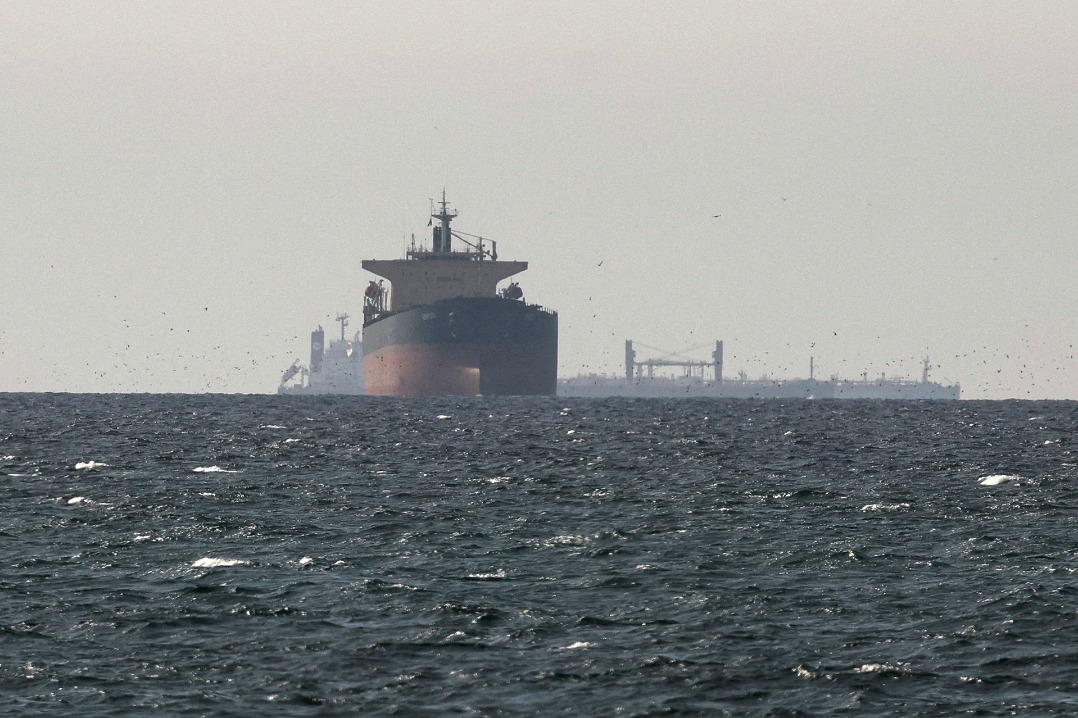
    Iran has dramatically escalated diplomatic tensions with European powers by formally designating the naval and air forces of European Union member states as terrorist organizations. This retaliatory measure comes in direct response to the EU Council’s decision to formally classify Iran’s Islamic Revolutionary Guard Corps (IRGC) as a terrorist entity, implementing asset freezes and financial restrictions across the bloc.

    The geopolitical standoff intensifies as the United States reinforces its military footprint throughout the Middle East, accompanied by explicit threats of potential strikes against Iranian targets. Iranian President Masoud Pezeshkian delivered a nationally televised address emphasizing national resilience, declaring that Iran “will never yield to any difficulties confronting us” while urging citizens to maintain unity amidst external pressures.

    Nuclear negotiations between Washington and Tehran remain deadlocked, with fundamental disagreements regarding the scope of discussions. Iran insists on limiting talks exclusively to nuclear matters, while the United States demands inclusion of Iran’s ballistic missile program and regional activities. Despite diplomatic efforts, the US administration has issued an ultimatum warning that “bad things” would occur without a negotiated settlement within an extended 15-day timeframe.

    The situation has prompted several nations including Sweden, Serbia, Poland and Australia to advise their citizens to depart Iran immediately, citing concerns about potential suspension of commercial flights. Concurrently, hundreds of US troops have been evacuated from military installations in Qatar and Bahrain according to Pentagon officials.

    Meanwhile, a separate diplomatic crisis has emerged following controversial remarks by US Ambassador to Israel Mike Huckabee, who asserted Israel’s “biblical right” to control most of the Middle East. These comments triggered widespread condemnation from over a dozen Arab and Islamic governments, plus major regional organizations including the Arab League and Organization of Islamic Cooperation. Iran joined the condemnation, accusing the ambassador of revealing “American active complicity” in Israeli expansionism.

  • US tariffs deepen Asia’s uncertainty

    US tariffs deepen Asia’s uncertainty

    A recent US Supreme Court ruling declaring presidential authority for reciprocal tariffs unconstitutional has triggered widespread economic uncertainty across Asian economies. This judicial decision comes alongside President Donald Trump’s announcement of an immediate 15 percent global tariff increase, replacing previous reciprocal rates that ranged from 19 to 41 percent for several Asian nations.

    The court’s verdict raises fundamental questions about the validity of bilateral agreements negotiated between the US and multiple Asian economies. These deals typically involved commitments to purchase American energy products and aircraft alongside pledges to reduce tariffs on specific US goods in exchange for favorable tariff rates.

    International analysts characterize this development as reflecting Washington’s preference for “unilateral economic transactionalism.” Mustafa Izzuddin of Solaris Strategies Singapore noted this approach demonstrates the US administration’s consistent pattern of independent economic decision-making.

    Asian economies including India, Malaysia, and Thailand now face complex calculations. According to Professor James Chin of the University of Tasmania, most governments had already incorporated potential US tariff changes into their policy planning and are currently adopting a “wait-and-see” approach. However, numerous private export companies are exploring legal avenues to recover tariffs paid under the now-invalidated reciprocal tariff system.

    The new 15 percent rate creates varied impacts across the region. Malaysian investor Ian Yoong Kah Yin described the change as “a catalyst for equity markets outperformance” for nations previously facing higher tariffs. Singapore remains an exception, maintaining its previous 10 percent levy.

    Regional responses reflect cautious engagement. Indonesian President Prabowo Subianto stated his nation remains “prepared for all possibilities” while respecting US domestic political processes. South Korean officials convened emergency meetings to coordinate policy responses, while Japanese corporations including Toyota Tsusho and Ricoh are carefully monitoring developments, having previously filed legal challenges against the US government.

    The temporary nature of the 15 percent tariff adds another layer of complexity. Under Section 122 of the Trade Act of 1974, such import surcharges can remain in effect for only 150 days without congressional ratification, ensuring continued economic uncertainty for global trade relationships.

  • India and US defer trade talks after Supreme Court’s tariff ruling

    India and US defer trade talks after Supreme Court’s tariff ruling

    India and the United States have postponed critical trade negotiations originally scheduled for this week amid legal and policy developments that have introduced fresh complexities into bilateral economic relations. The decision comes directly from India’s Commerce Ministry, which confirmed that both nations require additional time to assess the implications of recent U.S. judicial and executive actions.

    The scheduled meetings in Washington were intended to finalize an interim trade agreement announced earlier this month between former President Donald Trump and Indian Prime Minister Narendra Modi. That preliminary understanding had proposed reducing U.S. tariffs on certain Indian exports from 50% to 18%, though several aspects of the arrangement remained undefined.

    This development follows a landmark ruling by the U.S. Supreme Court, which determined that the Trump administration overstepped its authority by implementing sweeping global tariffs under the 1977 International Emergency Economic Powers Act. The judicial decision represents a significant setback to the former president’s trade policy agenda. Subsequently, Trump announced intentions to impose a new comprehensive 15% tariff on all imported goods entering the United States.

    The now-deferred negotiations were expected to address outstanding issues, including India’s commitment to reduce standard tariffs on U.S. industrial goods and agricultural products. In return, the United States had agreed to lower reciprocal tariffs affecting approximately 55% of Indian exports. The interim deal, initially anticipated to take effect in April, followed months of trade tensions sparked by Trump’s imposition of 50% tariffs on Indian goods last August, which included penalties for purchasing Russian oil.

    Indian agricultural unions have expressed concerns that tariff reductions on U.S. farm imports could disadvantage domestic producers. Commerce Minister Piyush Goyal has attempted to reassure stakeholders that India has not offered concessions on sensitive products including dairy, genetically modified goods, meat, or poultry, while emphasizing that farmer protections remain in place.

    No rescheduled date has been established for the diplomatic delegation’s visit to Washington, which was originally planned to depart on Sunday. Both governments are now evaluating how the judicial ruling and proposed new tariffs might affect existing and prospective trade agreements between the United States and its international partners.

  • Supreme Court decision against Trump’s tariffs raises uncertainty, but markets stay calm

    Supreme Court decision against Trump’s tariffs raises uncertainty, but markets stay calm

    BANGKOK (AP) — A landmark ruling by the U.S. Supreme Court against former President Donald Trump’s tariff regime has sent ripples across the global economic landscape, triggering cautious responses from major trading partners and creating fresh uncertainty in international markets.

    The court’s decision, delivered Friday, invalidates sweeping tariffs imposed under the International Emergency Economic Powers Act (IEEPA) in April 2025. This judicial intervention potentially unravels complex trade arrangements negotiated over the past two years, forcing a comprehensive reassessment of U.S. trade policy direction.

    China’s Commerce Ministry announced it is conducting a “thorough evaluation” of the legal development. An unnamed ministry spokesperson reiterated Beijing’s consistent position that “there are no winners in trade wars,” emphasizing that Trump’s measures “not only violate international economic and trade rules but also contravene domestic laws of the United States.” The statement urged Washington to lift unilateral tariffs imposed on trading partners.

    In response to the judicial setback, Trump proposed implementing a new 15% global tariff utilizing Section 122 of the 1974 Trade Act, demonstrating his administration’s determination to maintain protectionist trade policies through alternative legal mechanisms.

    The ruling creates a divergent impact across U.S. trading partners. While Asian nations like China and South Korea potentially face reduced import duties, allies including Japan and the United Kingdom might confront increased tariffs under the new proposed structure.

    U.S. Trade Representative Jamieson Greer affirmed that existing trade agreements remain intact regardless of legal challenges. “The deals were not premised on whether or not the emergency tariff litigation would rise or fall,” Greer stated during a CBS News interview, noting that no trading partners had yet attempted to withdraw from agreements.

    South Korean Trade Minister Kim Jung-kwan expressed concerns about prolonged uncertainty if the administration continues implementing tariffs through alternative statutes. “Given the uncertainty over future U.S. tariff measures, the public and private sectors must work together to strengthen our companies’ export competitiveness and diversify their markets,” Kim noted, adding that Seoul would pursue “amicable” discussions with U.S. officials to minimize negative impacts on Korean exporters.

    U.S. Treasury Secretary Scott Bessent projected confidence that tariff revenues would remain stable despite the legal shift, pointing to the proposed 15% global tariff as replacement mechanism. The administration will defer to judicial authorities regarding potential refunds for import taxes already collected under the invalidated tariffs.

    Financial markets exhibited mixed reactions, with U.S. futures declining early Monday while Asian shares mostly advanced. Hong Kong’s Hang Seng index gained 2.4%, reflecting the complex interplay of legal, political, and economic factors reshaping global trade dynamics.

  • Mini landscapes drive village’s economy

    Mini landscapes drive village’s economy

    In Zhouquan Village, Jiangsu Province, an ancient horticultural tradition has evolved into a thriving digital enterprise. Each morning before dawn, over 100 meticulously crafted penjing (miniature potted landscapes) transform the village square into an open-air studio, where livestreamers move among the intricate creations, showcasing them to viewers nationwide.

    The village’s transformation from traditional cultivation to e-commerce powerhouse represents a remarkable case study in rural economic development. Situated along China’s north-south divide, Shuyang County’s mild climate and distinct seasons have historically made it ideal for ornamental plant cultivation. Today, the region generates 35 billion yuan annually from this sector, with livestreamed sales accounting for one-third of the national penjing market.

    Zhouquan’s penjing heritage dates to the Qing Dynasty, when Emperor Kangxi gifted his tutor Hu Jianjing a procumbent juniper landscape in 1671. This ancient specimen, still standing centuries later, inspired the distinctive ‘ox watching the moon’ style featuring over 60 cloud-like tiers with intricate diamond-shaped perforations. This artistic tradition has been passed down through generations, with currently 300 of the village’s 1,200 families engaged in penjing production, generating approximately 300 million yuan annually.

    The industry’s evolution mirrors China’s technological progression: from 1970s bicycle and oxcart transportation to three-wheeled trucks in the 1990s, then to early e-commerce platforms in the 2000s. The pandemic accelerated the shift to livestreaming, which now dominates sales. Pioneer Jiang Aihua, a former teacher who transitioned to penjing after her son’s birth, became the village’s first Taobao seller in 2007. Her adaptation to livestreaming during COVID-19 proved particularly impactful, expanding the customer base beyond traditional older enthusiasts to include younger urbanites seeking mindful hobbies and evergreen species suitable for compact living spaces.

    The industry now stands at another technological crossroads. Jiang is mentoring her university-educated son Zhou Jiangchao in both penjing artistry and digital marketing, emphasizing that genuine appreciation must precede effective sales. Looking ahead, they plan to integrate artificial intelligence to create growth process videos, believing immersive storytelling will further expand their market reach.

  • What now for Asia after Trump’s tariffs struck down?

    What now for Asia after Trump’s tariffs struck down?

    A landmark Supreme Court decision has triggered significant upheaval in international trade relations, declaring numerous tariffs implemented by President Donald Trump in 2025 unlawful. The Friday ruling compelled U.S. Customs to suspend collection of these contested duties on Monday, creating widespread uncertainty among America’s key Asian trading partners.

    In response to the judicial setback, President Trump announced immediate implementation of a universal 15% levy on all goods entering the United States. This sweeping measure represents both a tactical retreat from previous higher rates and a continued commitment to protectionist trade policies that have defined his administration’s economic approach.

    The development deals a substantial blow to nations including India, Indonesia, and Taiwan, which had invested months negotiating bilateral trade agreements with Washington. Many had committed billions in U.S. investments in exchange for preferential tariff treatment. While the flat 15% rate appears favorable compared to previous higher assessments, analysts note it introduces new uncertainties regarding existing arrangements.

    Adam Samdin of Oxford Economics observed: ‘Even if countries pursue negotiations, the current administration remains determined to enforce elevated tariff levels despite judicial interventions. Recent trade agreements lack the binding legal frameworks of traditional pacts, creating vulnerability to further policy shifts.’

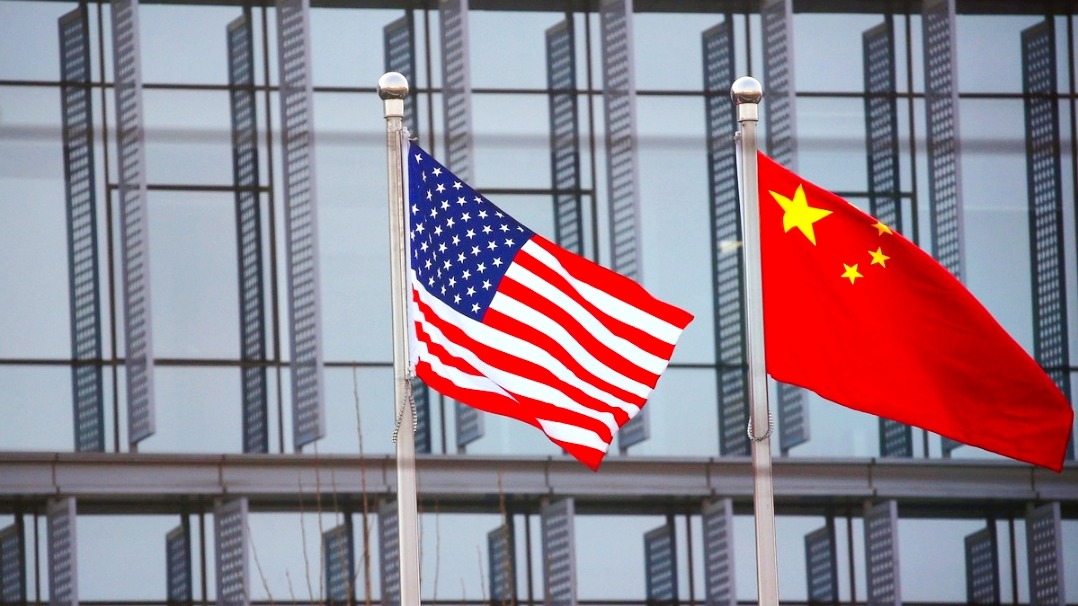
    Asian governments are conducting urgent assessments of the ruling’s implications. China’s Commerce Ministry stated it is ‘conducting a comprehensive assessment of content and impact,’ reiterating Beijing’s opposition to ‘unilateral tariff increases’ and warning that ‘protectionism leads nowhere.’ This evaluation comes as China prepares to host President Trump in early April.

    U.S. Trade Representative Jamieson Greer sought to minimize concerns, asserting the changes wouldn’t affect upcoming talks with Chinese leadership. ‘The purpose of meeting President Xi is not to fight about trade but to maintain stability and ensure Chinese compliance with existing purchase commitments,’ Greer told ABC News.

    Regional allies expressed particular concern. Japanese officials promised to ‘carefully examine the ruling and administration response,’ while South Korea’s Industry Minister acknowledged uncertainty regarding potential refunds for duties already paid. Taiwan and Singapore both indicated they would maintain close communication with U.S. officials while monitoring developments.

    The new 15% tariff, implemented under Section 122 of the Trade Act, serves as a temporary measure that can remain effective for approximately five months before requiring congressional approval. This universal application creates particular challenges for nations like the UK and Australia that previously secured 10% rate agreements, and will likely increase costs for American consumers across imported goods categories.

  • A packed bus plunges off a Nepal highway, killing 19 and injuring 25

    A packed bus plunges off a Nepal highway, killing 19 and injuring 25

    A devastating bus accident in Nepal’s mountainous region has resulted in significant casualties, with 19 confirmed fatalities and 25 individuals injured. The tragedy occurred in the early hours of Monday when the overcrowded vehicle veered off the Prithvi Highway near Benighat, approximately 80 kilometers west of Kathmandu.

    According to Dhading district police reports, the bus was traveling from the popular tourist destination of Pokhara to the nation’s capital when it plummeted down a steep mountainside, ultimately coming to rest on the banks of the Trishuli River. The crash site presented rescuers with challenging terrain as they worked to extract survivors from the wreckage.

    International victims included a 24-year-old British national who perished in the accident, while a Chinese citizen sustained injuries requiring treatment at Kathmandu’s National Trauma Center. Additionally, a 27-year-old New Zealand woman received medical attention for minor injuries at a local hospital. Chinese authorities have reported one additional national missing following the incident.

    Mohan Prasad Neupane, a government administrator, confirmed that emergency response teams reached the location promptly, transporting the injured to medical facilities for urgent care. As of current reporting, only nine victims have been formally identified.

    This tragic event highlights ongoing transportation safety concerns in Nepal’s mountainous regions, where narrow roadways and inadequate vehicle maintenance frequently contribute to accidents. The Himalayan nation’s challenging geography continues to present significant infrastructure challenges, with many areas accessible only via perilous mountain roads.

    The recent accident bears similarities to another tragedy involving two buses that plunged into the same river earlier this year, resulting in 65 casualties with many victims never recovered. One vehicle remained buried in river sediment until its discovery this year.

    Local authorities have launched a full investigation to determine the precise cause of the latest incident, examining factors ranging from road conditions to vehicle maintenance standards.