标签: Asia

亚洲

  • Israel used Palantir technology in its 2024 Lebanon pager attack, book claims

    Israel used Palantir technology in its 2024 Lebanon pager attack, book claims

    A newly published biography has revealed that Israel deployed sophisticated software from the American technology firm Palantir during its controversial 2024 pager bombings in Lebanon. The operation, which targeted communications devices belonging to Hezbollah members, resulted in significant casualties and has drawn condemnation from international human rights experts.

    According to author Michael Steinberger’s ‘The Philosopher in the Valley: Alex Karp, Palantir, and the Rise of the Surveillance State,’ Israel significantly expanded its utilization of Palantir’s technology following the outbreak of conflict in Gaza in October 2023. The book details how this partnership culminated in ‘Operation Grim Beeper,’ where hundreds of Hezbollah fighters were injured by exploding pagers and walkie-talkies that had been covertly rigged with explosives.

    The September 17 attacks saw thousands of pagers detonate simultaneously across Lebanon. Many devices displayed ‘error’ messages and emitted intense vibrations before explosion, effectively drawing victims—including both combatants and civilians—into proximity at the moment of detonation. Subsequent explosions occurred the following day during public funerals for those killed in the initial attacks.

    The aftermath left 42 people dead and thousands wounded, with many survivors sustaining life-altering injuries to their eyes, faces, and hands. While Israeli officials celebrated the operation’s success, United Nations experts condemned the tactics as ‘terrifying’ violations of international law.

    Steinberger’s account notes that Israel’s demand for Palantir’s assistance became so substantial that the company dispatched a team of engineers from London to support Israeli users. This revelation comes amid growing scrutiny of technology companies’ involvement in military operations against Palestinians and neighboring states.

    A July report by UN Special Rapporteur Francesca Albanese accused several tech firms, including Palantir, of profiting from ‘crimes including illegal occupation, apartheid and genocide in occupied Palestine.’ The report specifically cited Palantir’s provision of ‘automatic predictive policing technology’ and its ‘Artificial Intelligence Platform,’ which enables real-time battlefield data integration for automated decision-making.

    Albanese called on UN member states to suspend trade agreements with entities endangering Palestinians and urged international courts to pursue investigations against corporate executives for potential complicity in international crimes. Middle East Eye has reached out to Palantir for comment regarding these allegations.

  • Social media ban kicks in for Australia’s under-16s

    Social media ban kicks in for Australia’s under-16s

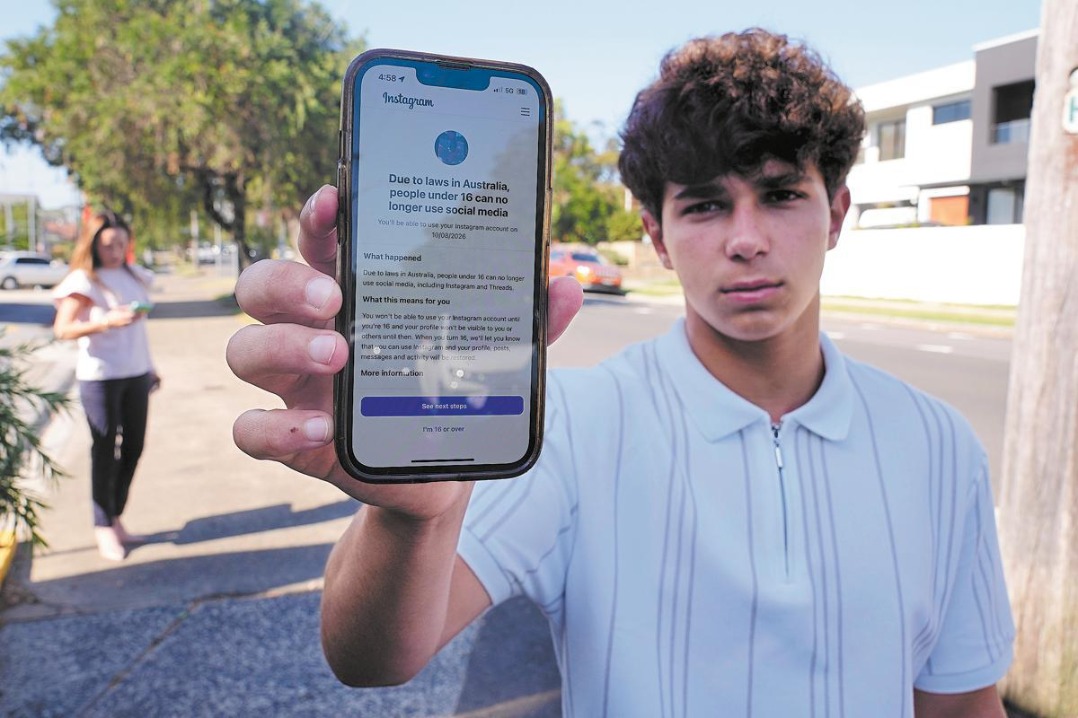
    Australia has enacted groundbreaking legislation prohibiting children under 16 from accessing major social media platforms, becoming the first nation to implement such comprehensive restrictions. The historic ban took effect Wednesday, representing a radical shift in digital safety governance and sparking global interest in its potential implications.

    Platforms including Instagram, Facebook, Threads, X, Snapchat, Kick, Twitch, TikTok, Reddit and YouTube must now implement stringent age verification measures. Companies failing to prevent underage access face severe penalties reaching A$49.5 million ($32.9 million).

    Prime Minister Anthony Albanese hailed the legislation as “world-leading,” emphasizing that “our social media ban is about making sure kids have a childhood.” He acknowledged implementation challenges but stated the initiative was “too important not to give it a crack.”

    According to Professor Julian Sefton-Green of Deakin University, the policy primarily targets social media companies rather than users themselves. “The ban is not so much a ban on users, it’s a ban on social media companies acting irresponsibly,” explained Sefton-Green, who serves on the Australian eSafety Commissioner’s advisory group.

    The professor characterized the move as a national government asserting authority over foreign-owned platforms’ influence. Comprehensive evaluation will assess impacts on youth wellbeing, family dynamics, social relationships, and information access patterns, though conclusive results may require two to three years of observation.

    Platform responses have varied, with TikTok confirming compliance through facial age estimation, credit card authorization, and government ID verification. The company acknowledged these measures “may be upsetting” but necessary for legal compliance.

    Critics including Digital Rights Watch’s Tom Sulston warn the ban might drive youth toward unregulated platforms potentially “more dangerous than those they currently know how to use.” Concerns also extend to data privacy, as age verification requires distributing biometric information and identity documents to companies potentially outside Australian jurisdiction.

    The Australian model has already inspired similar considerations internationally. New Zealand’s Prime Minister Christopher Luxon expressed deep support, while Malaysia plans to prevent under-16 sign-ups next year. Denmark recently agreed to ban under-15s from social media with parental exemption options, and Germany maintains parental consent requirements for 13-16 year olds.

  • Tourists to US may be required to reveal five years of social media history

    Tourists to US may be required to reveal five years of social media history

    The Trump administration has introduced a groundbreaking proposal that would mandate international travelers to disclose extensive digital histories before entering the United States. Published in the Federal Register on Tuesday, the initiative would require all visitors to provide five years of social media activity, five-year histories of personal and business phone numbers, ten-year records of email addresses, and residential information for family members.

    This comprehensive digital screening would apply universally to both visa-required travelers and those from Electronic System for Travel Authorization (ESTA) countries, including the United Kingdom. The proposal, advanced by US Customs and Border Protection (CBP) under the Department of Homeland Security, has initiated a 60-day public commentary period allowing federal agencies and citizens to evaluate the potential implications.

    Following the commentary phase, agencies will conduct thorough analysis of submitted feedback before finalizing regulations with detailed explanations of modifications. The implemented rules would then be codified into the Code of Federal Regulations, establishing permanent entry requirements.

    This proposed policy could significantly impact international tourism, particularly affecting the anticipated five million visitors expected for the 2026 World Cup jointly hosted by the United States, Canada, and Mexico. The measures follow previous travel restrictions that resulted in detained or refused European visitors earlier this year.

    Concurrently, CBP is proposing additional biometric requirements, including voluntary facial image collection and geolocation tracking to verify departure compliance. The agency plans to implement sophisticated verification technology, including live photo authentication and geolocation confirmation systems.

    Furthermore, CBP intends to replace the current ESTA website application with a mandatory mobile application, citing security enhancements and operational efficiency. The agency asserts that these measures address vulnerabilities exploited by malicious actors who submit low-quality photographs or passport images to evade detection.

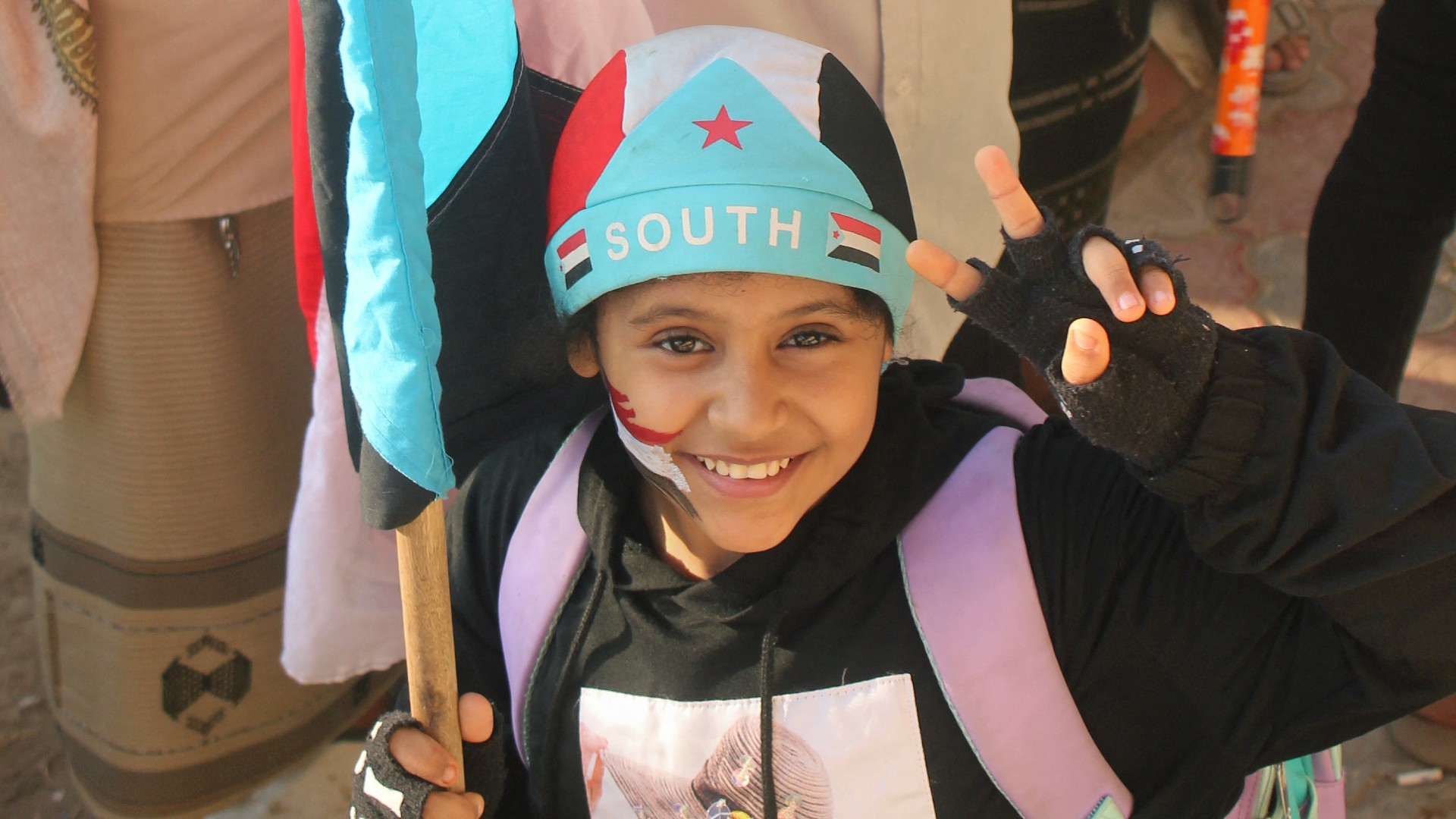
  • What Yemenis in Hadhramaut and al-Mahra think of the STC takeover

    What Yemenis in Hadhramaut and al-Mahra think of the STC takeover

    The Southern Transitional Council (STC), a UAE-backed separatist movement, has consolidated its control over Yemen’s eastern governorates of Hadhramaut and al-Mahra following a swift military campaign. This expansion grants the STC authority over regions containing most of Yemen’s oil reserves and its only two functional border crossings with Saudi Arabia and Oman.

    The takeover, executed by STC-aligned Hadrami Elite Forces earlier this month, represents a significant shift in Yemen’s complex geopolitical landscape. While the STC and its supporters celebrated their territorial gains from their stronghold in Aden, residents in the newly controlled eastern provinces have responded with caution and apprehension.

    Ayman, a 43-year-old resident of Hadhramaut, expressed the ambivalence shared by many locals: “I’m not against the internationally recognized government and not against the STC if they are in Aden. But I’m against anyone who invades us to loot our oil and other wealth and leave us suffering.”

    The military advance began after tribal leaders in Hadhramaut announced in late November they would assume control of oil fields and manage their governorate independently. Saudi Arabia attempted to broker a truce through a delegation on December 3, but these efforts proved unsuccessful. Saudi-backed Dira al-Watan forces withdrew as STC fighters advanced, encountering minimal resistance beyond tribal members and soldiers at few military bases.

    With this expansion, the STC now controls all southern governorates that previously constituted the People’s Democratic Republic of Yemen before unification in 1990. The group emerged in 2018 advocating for an independent southern state but has operated as part of the internationally recognized Yemeni government based in Aden.

    Local resistance appears to be organizing through peaceful means. Ammar, a 38-year-old resident of al-Mahra, stated that residents “won’t seek violent conflict with the STC, but will resist it nonetheless through peaceful means like protests.” Many residents traditionally oppose the STC and now fear potential retaliation.

    STC fighter Mahmoud Taher defended the movement’s actions: “Now we, the STC, lead the south, and its forces need to spread in all governorates, not to fight residents but to keep all governorates safe. We will stop those who try to create chaos.”

    The situation remains tense as the STC seeks to impose its authority on regions historically accustomed to autonomy, with local communities deeply suspicious of outside intervention regardless of its origin.

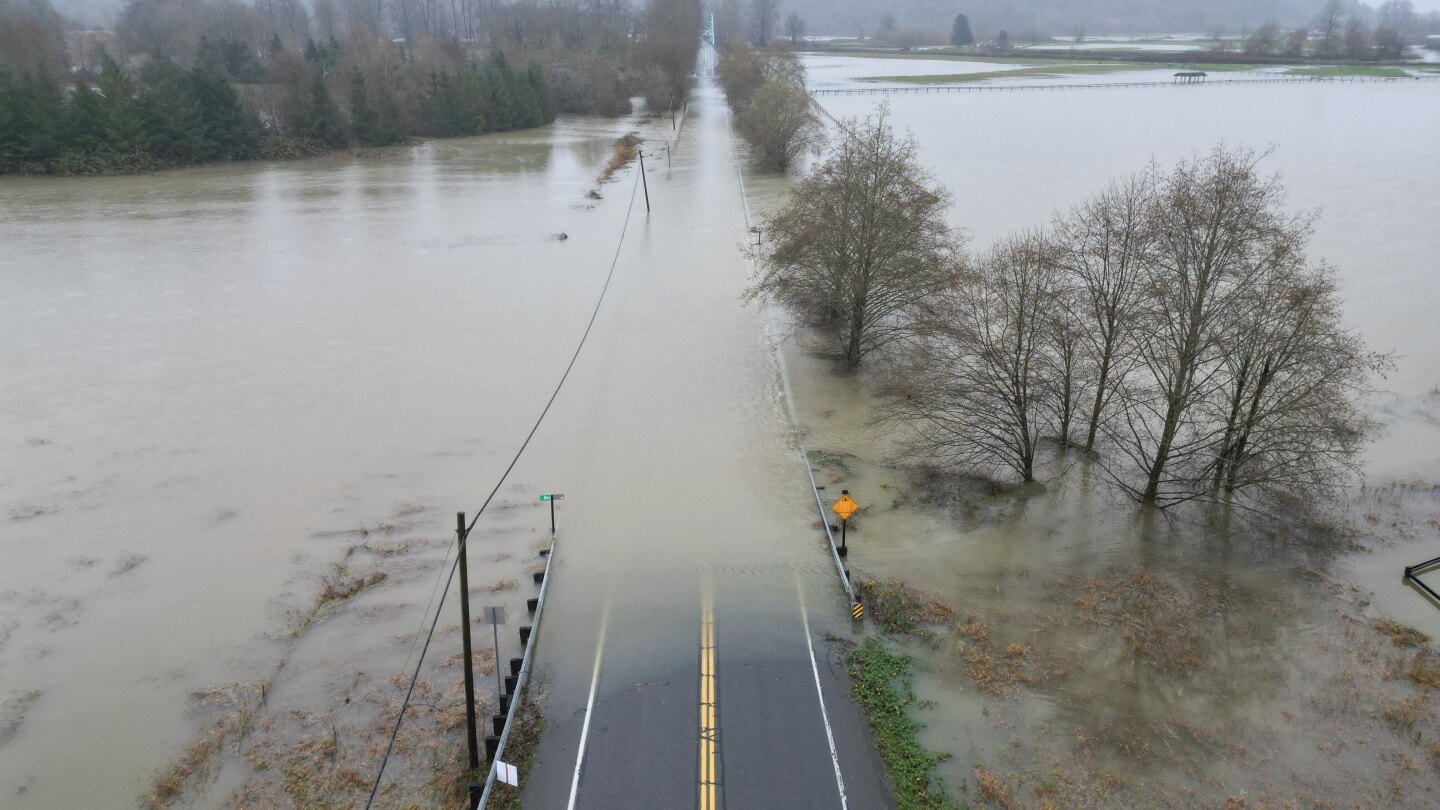
  • Blend of unusual weather conditions brings trillions of gallons in persistent rain to the Northwest

    Blend of unusual weather conditions brings trillions of gallons in persistent rain to the Northwest

    Meteorologists have identified an extraordinary confluence of climatic factors behind the devastating atmospheric rivers that have inundated Washington state with nearly 5 trillion gallons (19 trillion liters) of rainfall over seven days, pushing river systems toward record flood levels.

    The persistent moisture band, described as a relentless “fire hose” by National Weather Service’s western region acting science chief Matt Jeglum, is expected to maintain intensity through Thursday before gradually diminishing. Forecast models indicate the Pacific Northwest may not see relief from this exceptional pattern until Christmas week.

    These atmospheric rivers—elongated corridors of tropical moisture transport—typically occur several dozen times annually in the region. However, current events demonstrate unprecedented scale and intensity fueled by a chain of unusual conditions. The moisture originated several hundred miles north of Hawaii, where abnormally warm ocean temperatures several degrees above normal provided additional energy and vapor content.

    Former NOAA chief scientist Ryan Maue, now a private meteorologist, noted the system’s continual reloading mechanism: “The amount of rainfall in the three-week period could reach 20 to 30 inches. That’s quite extreme.”

    Scientific analysis reveals the event’s connection to broader climatic patterns. The initial trigger occurred two weeks ago near Indonesia, where tropical cyclone flooding interacted with the Madden Julian Oscillation—a tropical weather pattern experiencing its strongest December intensity in decades. This created an unbroken moisture channel extending toward the Americas, subsequently diverted northward by unusual pressure systems and temperature differentials involving Russian warmth and Alaskan cold.

    Climate scientists emphasize the role of human-induced warming in intensifying such events. A Climate Central analysis determined ocean temperatures beneath these atmospheric rivers are ten times more likely to be abnormally warm due to climate change, while elevated Pacific Northwest air temperatures are four to five times more likely. Previous research published this year already indicated atmospheric rivers have expanded their coverage area by 6-9% and increased frequency by 2-6% since 1980.

    Washington state climatologist Guillaume Mauger confirmed the Skagit River watershed faces particularly severe flood risks following combined rainfall from Monday and Wednesday’s systems. The event’s magnitude, while extraordinary, reflects emerging patterns in our warming climate where traditional weather phenomena gain destructive potential through thermodynamic enhancement.

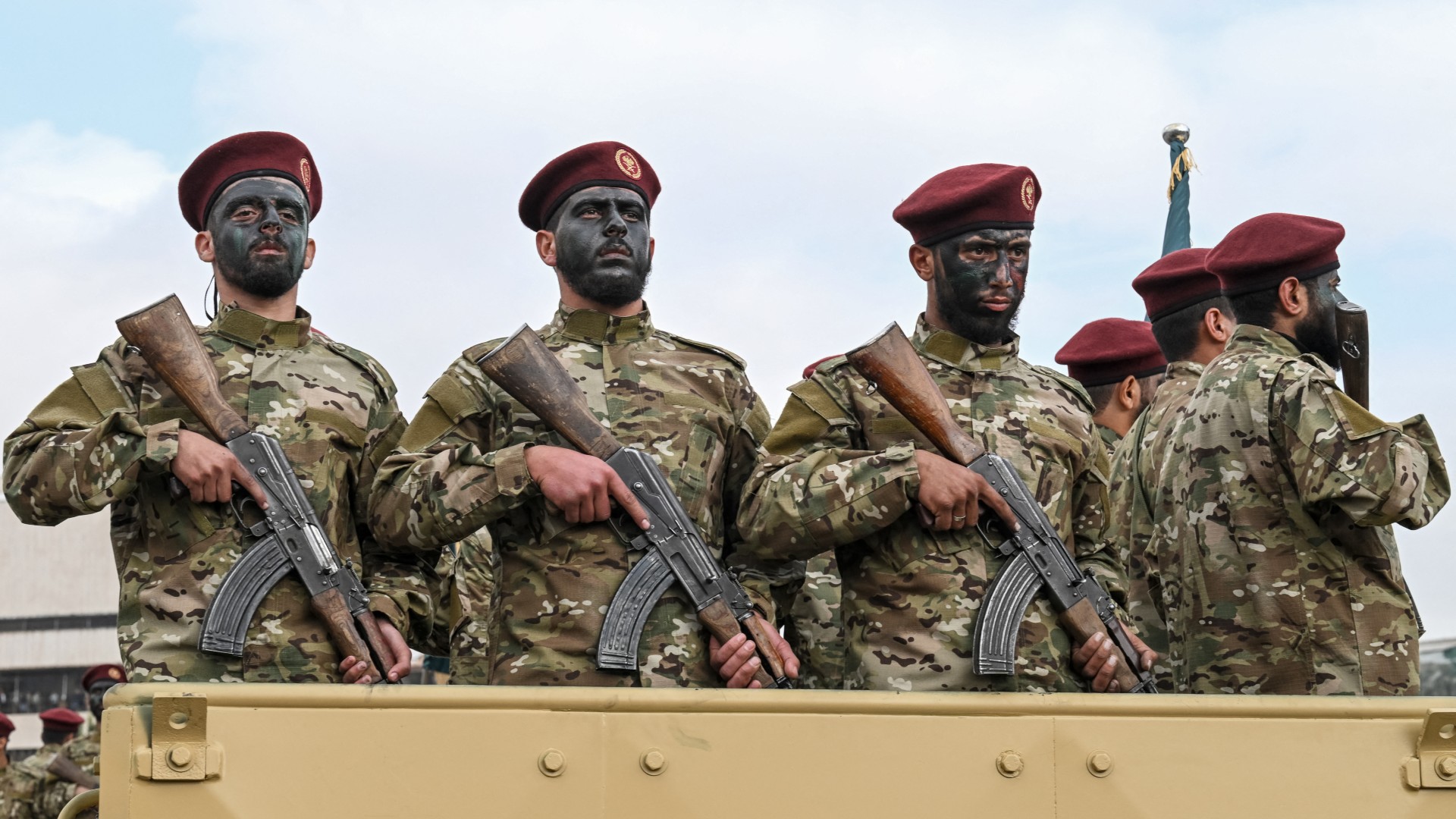
  • Israeli minister says war ‘inevitable’ after Syrian troops chant for Gaza

    Israeli minister says war ‘inevitable’ after Syrian troops chant for Gaza

    Tensions between Israel and Syria have escalated dramatically after Israel’s Minister of Diaspora Affairs, Amichai Chikli, declared war “inevitable” in response to inflammatory footage from a Syrian military parade. The incident occurred during Damascus’ commemoration of the first anniversary of Bashar al-Assad’s fall, where Syrian troops were filmed chanting: “Gaza, Gaza, Gaza, our slogan, night and day, bombing and ruin. We are coming for you, our enemy, coming, coming for you, even if you were a mountain of fire.”

    Chikli, sharing the video originally posted by far-right aggregator Visegrad24, accused Syria of fostering “jihadist terror” and warned that “a full-blown Islamic jihadist caliphate now sits on Israel’s northern border.” The minister emphasized that Israel would not repeat the lessons of October 7th, stating: “Do not let the beast become an untouchable monster.”

    Israeli security officials confirmed that defense establishments have convened emergency meetings to assess the footage, with one anonymous official telling Army Radio: “We deal with the Syrian regime with a doctrine of complete suspicion. We monitor it with mistrust. Its nature is extreme and jihadist, and we cannot afford to misread it.”

    The historical context reveals deepening complexities: Israel has maintained occupation of Syria’s Golan Heights since 1967 and expanded its territorial control following Assad’s downfall. In December 2024, Israel seized the entire UN-patrolled buffer zone that previously separated forces in the region.

    Syrian Interim President Ahmed al-Sharaa countered these developments at a Doha conference, accusing Israel of “exporting crises” to divert attention from Gaza operations. Sharaa detailed extensive Israeli military actions, citing “more than 1,000 air strikes and 400 incursions into Syrian territory” since December 2024, including a recent attack on Beit Jinn that killed at least 13 people.

    The international dimension intensified as U.S. President Donald Trump cautioned Israel against interfering with Syria’s “evolution,” expressing satisfaction with Syria’s progress and emphasizing the importance of maintaining “strong and true dialogue” between the nations.

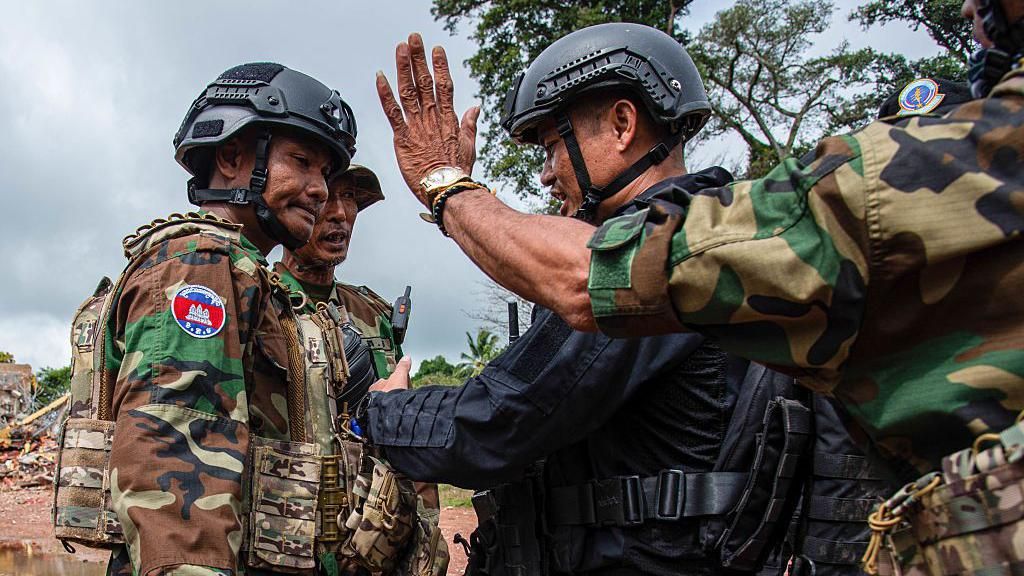
  • Why Thailand and Cambodia are fighting again after Trump ceasefire

    Why Thailand and Cambodia are fighting again after Trump ceasefire

    Artillery fire and aerial bombardments have resumed along the contentious Thai-Cambodian border, shattering the temporary peace established by a US-mediated ceasefire in July. The renewed hostilities have triggered mass evacuations, displacing approximately half a million residents from villages within a hundreds-kilometer conflict corridor for the second time in five months.

    The immediate catalyst emerged from a border incident on Sunday when Cambodian troops allegedly opened fire on a Thai engineering team constructing an access road in disputed territory. While only two Thai soldiers sustained non-life-threatening injuries, the event exposed the profound mistrust between the neighboring nations that has rendered diplomatic resolutions ineffective.

    President Donald Trump’s July intervention, touted as a historic peace achievement, ultimately proved unsustainable. Thailand reluctantly accepted the ceasefire under economic pressure, facing imminent tariff threats on crucial exports to the United States. Cambodia, conversely, welcomed international involvement as leverage against its larger neighbor.

    The conflict has escalated dangerously since July. Cambodian forces have deployed new landmines along the border, resulting in at least seven Thai soldiers suffering limb amputations. Thailand has responded by authorizing military autonomy under Prime Minister Anutin Charvirakul’s minority government, with objectives including permanent neutralization of Cambodian military capabilities and seizure of strategic hilltop positions.

    Political dimensions further complicate the situation. Former Cambodian Prime Minister Hun Sen continues to influence current PM Hun Manet, employing both public appeals for restraint and covert political maneuvers. The leaking of a confidential conversation with former Thai PM Paetongtarn Shinawatra ultimately catalyzed her government’s collapse and intensified Thai public support for military action.

    Prospects for renewed diplomacy appear dim. Thailand insists Cambodia must demonstrate verifiable sincerity—particularly regarding landmine deployment cessation—before considering further negotiations. While US re-engagement remains possible, any ceasefire without addressing underlying tensions and territorial disputes would likely prove equally transient.

  • Ocean warmed by climate change fed intense rainfall and deadly floods in Asia, study finds

    Ocean warmed by climate change fed intense rainfall and deadly floods in Asia, study finds

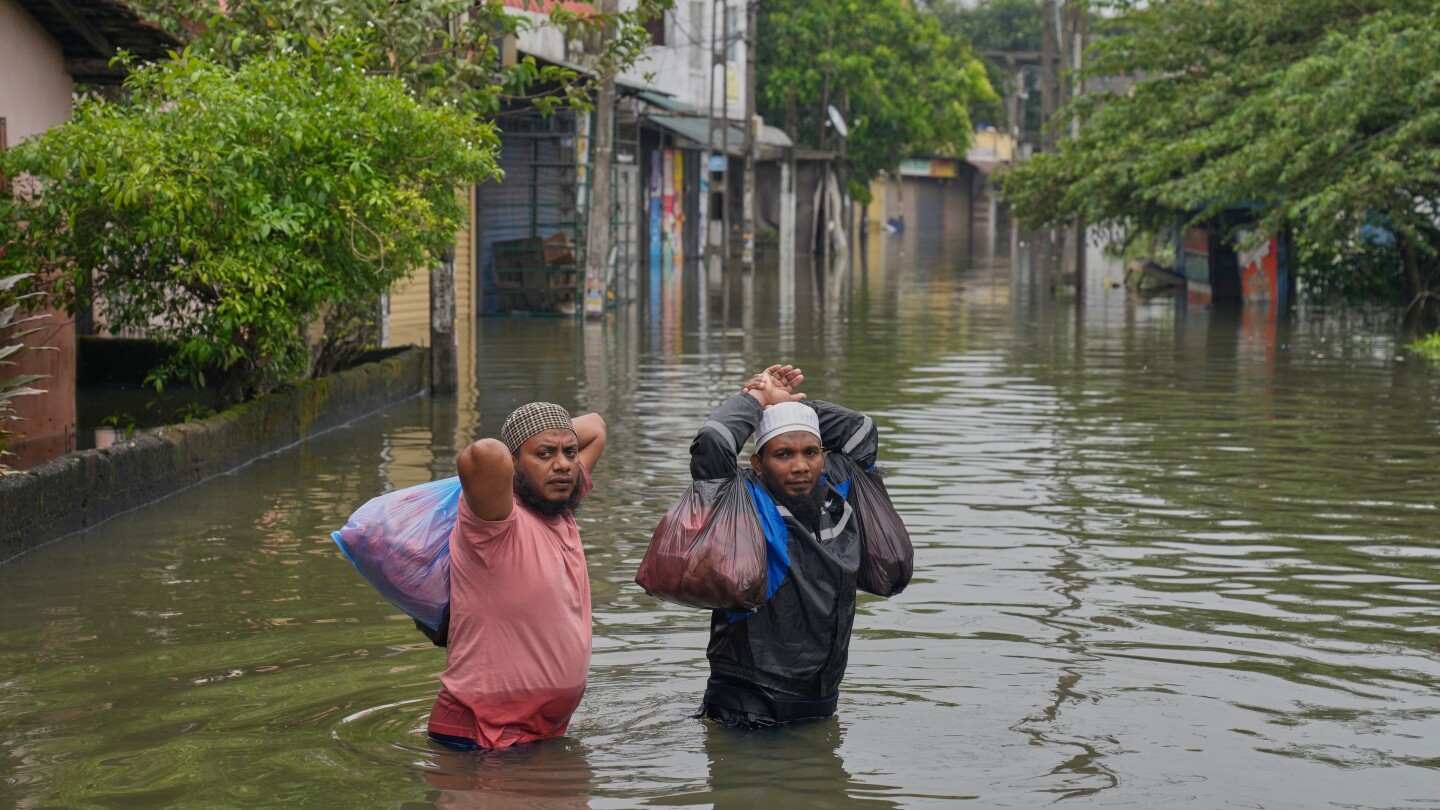
    A groundbreaking rapid attribution analysis has established a definitive connection between human-caused climate change and the devastating cyclones that unleashed catastrophic flooding across Southeast Asia. The World Weather Attribution initiative revealed that abnormally warm North Indian Ocean temperatures, measuring 0.2°C above the 30-year average, provided the critical energy that amplified cyclones Senyar and Ditwah throughout late November and December 2025.

    The research demonstrates that without anthropogenic global warming, ocean surfaces would have been approximately 1°C cooler, substantially reducing the storms’ intensity. The elevated sea temperatures transferred unprecedented heat and moisture into the atmospheric systems, creating conditions for extreme rainfall that triggered lethal floods and landslides across Malaysia, Thailand, Indonesia, and Sri Lanka.

    The human cost has been staggering, with confirmed fatalities exceeding 1,600 individuals and hundreds more remain missing. The calamity represents the latest in an escalating pattern of climate-driven disasters throughout Southeast Asia this year, compounding existing challenges of rapid urbanization, high-density populations, and infrastructure development within flood-prone regions.

    Dr. Mariam Zachariah of Imperial College London’s Centre for Environmental Policy explained the mechanism: ‘A warmer atmosphere possesses significantly greater moisture retention capacity. Consequently, precipitation intensity increases dramatically compared to pre-industrial climate conditions.’

    The WWA employs rigorously peer-reviewed methodologies to conduct rapid climate attribution studies, though researchers noted limitations in precisely quantifying climate change’s contribution due to constraints in regional climate modeling for island territories.

    Independent experts emphasize the broader implications. Jemilah Mahmood of the Sunway Centre for Planetary Health noted that decades of prioritizing economic development over environmental stability have accumulated a ‘planetary debt’ now manifesting through such crises. Relief organizations highlight the disproportionate impact on vulnerable communities who face the longest recovery trajectories.

  • ‘Death run’: New film shot in Cyprus reveals UK military help to Israel during Gaza genocide

    ‘Death run’: New film shot in Cyprus reveals UK military help to Israel during Gaza genocide

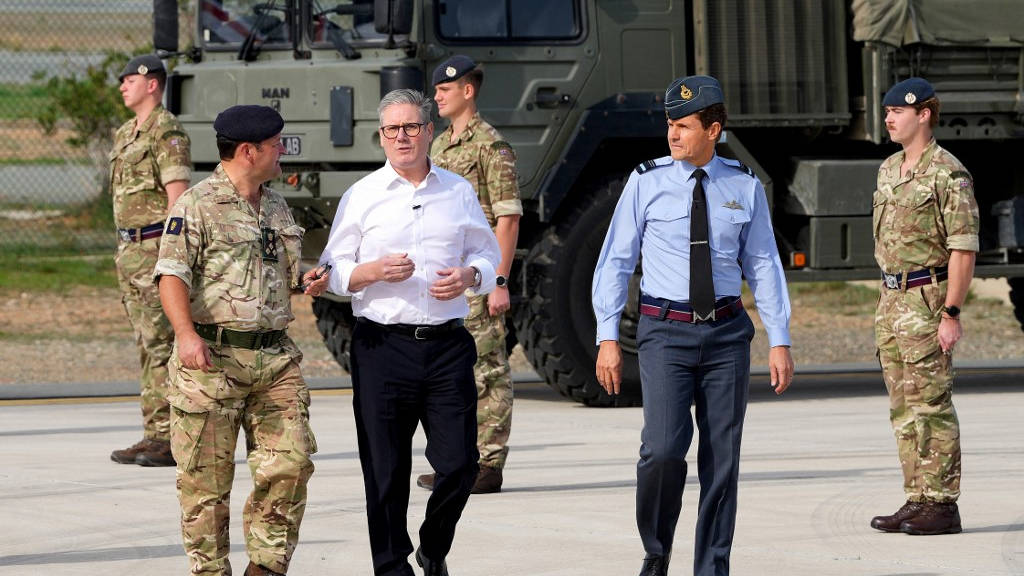
    A groundbreaking investigation by Declassified UK has exposed extensive covert military collaboration between Britain and Israel during the Gaza conflict, challenging official narratives about the purpose of surveillance operations. The documentary ‘Britain’s Gaza Spy Flight Scandal,’ released Thursday, presents evidence of hundreds of Royal Air Force surveillance missions conducted from Cyprus’s RAF Akrotiri base, located merely 40 minutes from Tel Aviv.

    While Britain’s Ministry of Defence maintains these flights exclusively support hostage rescue operations, the investigation reveals significantly broader activities. The film captures unprecedented footage of American contractor-operated spy planes—leased by the RAF—departing from Akrotiri to conduct surveillance over Gaza. These operations reportedly included up to 116 additional missions beyond previously disclosed numbers, utilizing advanced radar imaging systems capable of transmitting high-resolution footage to Israeli forces in real time.

    The documentary highlights the tragic case of James Henderson, a former royal marine killed in an Israeli airstrike on a World Central Kitchen aid convoy on April 1, 2024. Despite RAF aircraft capturing footage from that exact day, the MoD has refused to release the material citing national security concerns—a decision Henderson’s father Neil characterizes as ‘an insult’ that prevents understanding whether aid workers were deliberately targeted.

    Further investigations reveal the MoD possesses additional footage of Israeli strikes that killed eight volunteers from UK charity Al-Khair Foundation in March, yet continues to withhold this evidence under security exemptions. Former RAF technician Steve Masters challenges the official narrative, noting Britain cannot control how Israel utilizes shared intelligence, suggesting the material could easily serve target acquisition purposes rather than purely humanitarian missions.

    The film also documents growing Cypriot opposition to British military operations, featuring local protests and statements from politician Melanie Steliou who condemns the base’s role in facilitating missions that result in civilian casualties. This comprehensive investigation raises serious questions about accountability, transparency, and the ethical implications of military intelligence sharing during active conflicts.

  • France Unbowed ‘has become a target’ of the UAE, Melenchon says

    France Unbowed ‘has become a target’ of the UAE, Melenchon says

    Jean-Luc Melenchon, leader of France’s left-wing La France Insoumise (LFI) party, has publicly denounced what he characterizes as a coordinated influence operation by networks linked to the United Arab Emirates targeting his political movement. The allegations emerge amid a contentious parliamentary inquiry into alleged Islamist connections within French politics.

    The controversy centers on a controversial poll conducted by the French Institute of Public Opinion (Ifop) that suggested a phenomenon of ‘re-Islamization’ in France. Commissioned by the magazine Écran de Veille, which has documented ties to UAE interests, the survey has faced multiple legal challenges from Muslim organizations alleging biased methodology and inflammatory rhetoric.

    LFI has formally lodged a complaint with French prosecutors, arguing the poll serves as platform for discriminatory discourse and may violate laws prohibiting intelligence activities with foreign powers that threaten national interests. The party contends that an Emirati influence network may have infiltrated French institutions, citing connections between Écran de Veille consultants and UAE-linked operatives.

    Media investigations have revealed that Écran de Veille’s parent company, Global Watch Analysis, maintains strong anti-Islamist positions particularly targeting the Muslim Brotherhood—an organization banned in the UAE. According to Le Monde, the publication’s founder, Atmane Tazaghart, communicated with anonymous accounts linked to former Emirati intelligence operatives involved in European influence campaigns.

    The Swiss firm Alp Services reportedly conducted surveillance on hundreds of European individuals and organizations, including LFI, allegedly branding them as Muslim Brotherhood affiliates before forwarding information to Emirati intelligence services for further targeting.

    The political dimension intensified as consultants from Écran de Veille testified before a parliamentary inquiry committee examining connections between political parties and Islamist organizations—an investigation initially requested by right-wing legislators. Melenchon questioned why the committee focused on domestic political ties rather than foreign interference, specifically highlighting UAE’s alleged campaign to settle regional scores with Qatar using French political discourse as a battleground.

    The LFI leader also referenced the case of party member Carlos Martens Bilongo, who faced investigation based on a financial intelligence report later dismissed by prosecutors. Recent investigative reporting suggests the original report contained implausible errors and may have been produced under Emirati pressure following Bilongo’s criticism of UAE policies.

    Historical context indicates ongoing Emirati influence campaigns targeting Qatar and political Islam throughout Western nations, employing methods including character assassination, media manipulation, and policy influence. The UAE has consistently denied involvement in such operations.

    Notably, the French far-right National Rally party reportedly received an €8 million loan through Emirati banking channels in 2017, though the ultimate origin of these funds remains unclear. A subsequent parliamentary inquiry into foreign interference chaired by the National Rally highlighted operations by Russia and China but omitted any mention of similar campaigns by the UAE or Israel.