标签: Asia

亚洲

  • Netflix announces KPop Demon Hunters’ sequel

    Netflix announces KPop Demon Hunters’ sequel

    Netflix has officially confirmed production of a sequel to its record-breaking animated feature ‘KPop Demon Hunters,’ the platform’s most-watched film in history. The announcement arrives amid significant awards season momentum for the original production, which has received two Oscar nominations ahead of Sunday’s Academy Awards ceremony.

    The sequel represents the inaugural project under co-directors Maggie Kang and Chris Appelhans’ newly signed exclusive multi-year creative partnership with Netflix. This strategic collaboration signals the streaming giant’s continued investment in animated content with global appeal.

    The original Sony Pictures production, which follows fictional K-pop girl group Huntr/x as they navigate dual lives as pop idols and supernatural demon hunters, has achieved remarkable critical and commercial success. The film’s soundtrack has already made music history, with the song ‘Golden’ securing a Grammy Award for Best Song Written for Visual Media—marking the first time a K-pop composition has received this prestigious honor.

    Director Maggie Kang expressed profound cultural significance in the project’s continuation, stating via Netflix’s social media announcement: ‘I feel immense pride as a Korean filmmaker that the audience wants more from this Korean story and our Korean characters. There’s so much more to this world we have built and I’m excited to show you. This is only the beginning.’

    The sequel decision demonstrates Netflix’s commitment to expanding successful intellectual properties while celebrating diverse cultural narratives. The combination of K-pop’s global popularity with supernatural animation elements has proven to be a winning formula that resonates across international markets.

  • Iceland and Netherlands intervene in ICJ South Africa v Israel genocide case

    Iceland and Netherlands intervene in ICJ South Africa v Israel genocide case

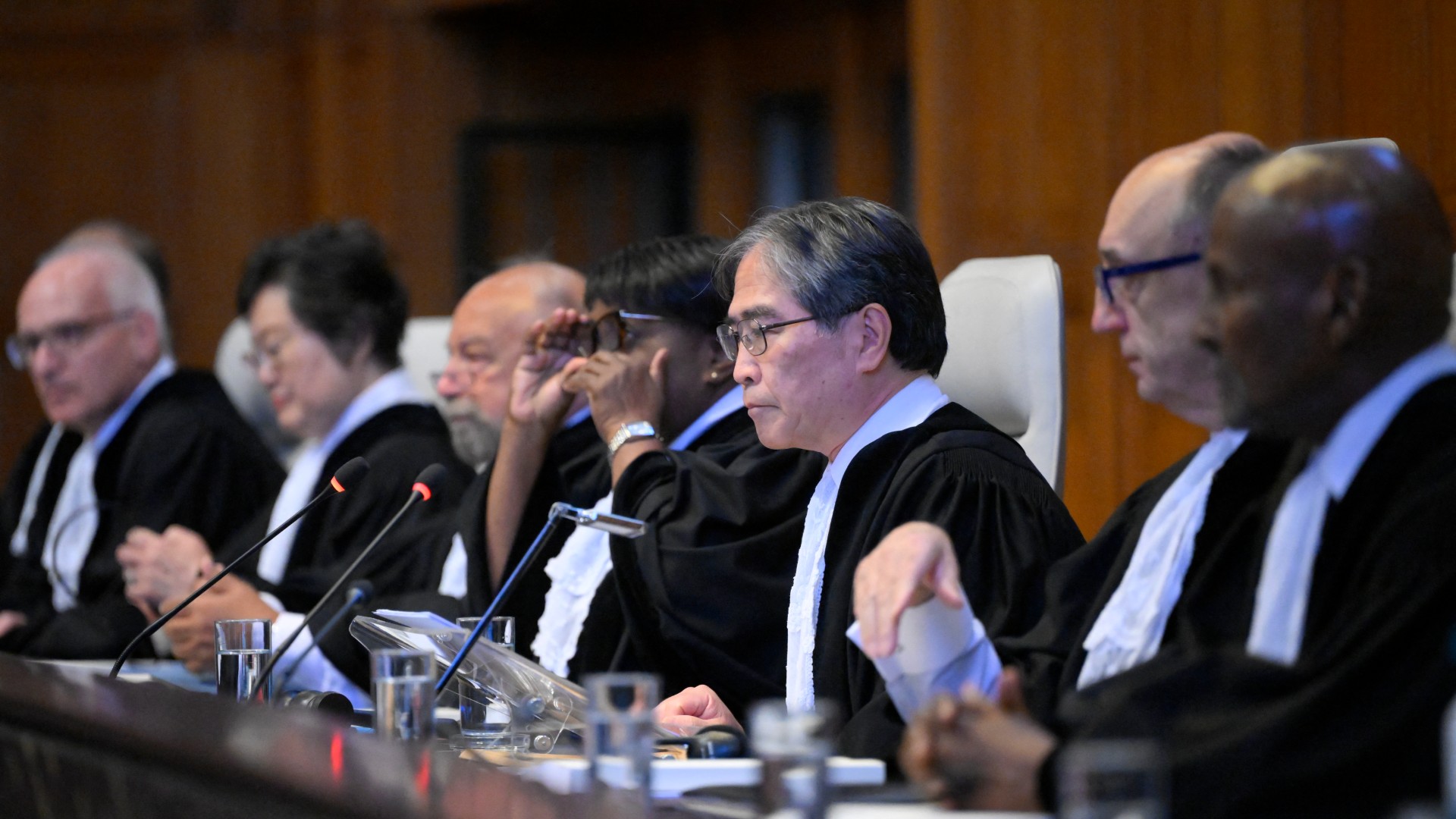
    In a significant development at the International Court of Justice (ICJ), Iceland and the Netherlands formally submitted declarations to intervene in South Africa’s genocide case against Israel on Thursday. This brings the total number of nations seeking participation in these landmark proceedings to eighteen.

    The two European countries filed their interventions under Article 63 of the ICJ statute, a provision enabling state parties to a convention under legal scrutiny to present their interpretive perspectives on the treaty in question. The case centers on allegations that Israel’s military operations in Gaza since October 2023 violate the 1948 Genocide Convention.

    This legal action originated when South Africa initiated proceedings in December 2023, accusing Israel of genocidal acts through its Gaza campaign that has resulted in over 70,000 Palestinian casualties, predominantly women and children. South Africa’s submission contends that Israel’s military operations constitute genocide through systematic killing, infliction of severe physical and psychological harm, and the creation of conditions designed to physically destroy the Palestinian population—charges that Israel vehemently denies.

    The interventions coincide with Israel’s scheduled submission of its counter-memorial on Thursday, presenting its legal arguments responding to South Africa’s allegations after the court granted several deadline extensions. Judicial authorities have yet to confirm the filing’s receipt.

    The growing coalition of intervening states now includes Colombia, Libya, Mexico, Palestine, Spain, Turkey, Chile, the Maldives, Bolivia, Ireland, Cuba, Belize, Brazil, the Comoros, Belgium, and Paraguay. Palestine and Belize have additionally sought intervention under Article 62, which permits state participation when a nation believes its legal interests might be affected by the court’s determination.

    In their legal submissions, Iceland emphasized that the Genocide Convention must be interpreted to support its fundamental objective of preventing and punishing genocide. The Nordic nation argued that genocidal intent can be inferred from behavioral patterns rather than requiring direct evidence, noting that deprivation of essential resources like food, shelter, and medical care could constitute conditions intended to destroy protected groups, with particular vulnerability accorded to children.

    The Netherlands similarly advocated for the consideration of conduct patterns and circumstantial evidence in establishing genocidal intent, suggesting that forced displacement and obstruction of humanitarian assistance might constitute Convention violations depending on contextual circumstances.

    Both nations clarified that their interventions addressed strictly matters of treaty interpretation rather than factual allegations specific to the case. These proceedings have attracted unprecedented international attention, becoming one of the most closely monitored cases in ICJ history with an extraordinary number of third-state interventions.

    The World Court has previously issued binding provisional measures requiring Israel to implement preventive measures against potential Genocide Convention violations and facilitate humanitarian access to Gaza, though it stopped short of mandating a ceasefire. Israel stands accused of repeatedly disregarding these judicial orders.

    Legal experts project that a definitive ruling on whether Israel breached the Genocide Convention might not materialize until 2028, indicating a protracted legal battle ahead at The Hague.

  • Nation urges immediate ceasefire in Mideast

    Nation urges immediate ceasefire in Mideast

    The Middle East crisis has intensified dramatically with no resolution in sight, as global powers remain deeply divided on conflict resolution approaches. Chinese Foreign Minister Wang Yi has issued a forceful appeal for an immediate ceasefire during diplomatic communications with Egyptian counterpart Badr Abdelatty, emphasizing that prolonged hostilities would inflict severe humanitarian suffering and economic devastation across the region.

    Wang, representing China’s position as a responsible global actor, stressed that Beijing and Cairo share common ground in advocating peaceful dialogue over military confrontation. The Chinese diplomat confirmed China’s commitment to maintaining coordination with regional nations to facilitate constructive peacemaking efforts.

    The Egyptian leadership expressed appreciation for China’s balanced diplomatic stance while confirming Cairo’s readiness to collaborate closely in de-escalation initiatives. This diplomatic exchange occurs against a backdrop of escalating violence that has claimed approximately 2,000 lives since joint US-Israeli strikes targeted Iranian interests nearly two weeks ago.

    Iranian President Masoud Pezeshkian has established explicit conditions for conflict termination, demanding international recognition of Iran’s legitimate rights, substantial reparations, and ironclad security guarantees against future aggression. Conversely, US President Donald Trump has declared military victory and promised to complete operational objectives.

    The economic ramifications have reached critical levels, with Iran effectively closing the strategically vital Strait of Hormuz—a maritime passage handling twenty percent of global oil shipments. This blockade has triggered unprecedented market disruptions, driving crude prices above $100 per barrel despite the International Energy Agency’s historic release of 400 million barrels from emergency reserves.

    Regional security has deteriorated further with Iran threatening strikes against American and Israeli economic assets, including banking institutions and technology corporations, prompting multinational companies to evacuate personnel from the crisis zone.

  • Russell and Mercedes dominate again in qualifying for F1’s China sprint

    Russell and Mercedes dominate again in qualifying for F1’s China sprint

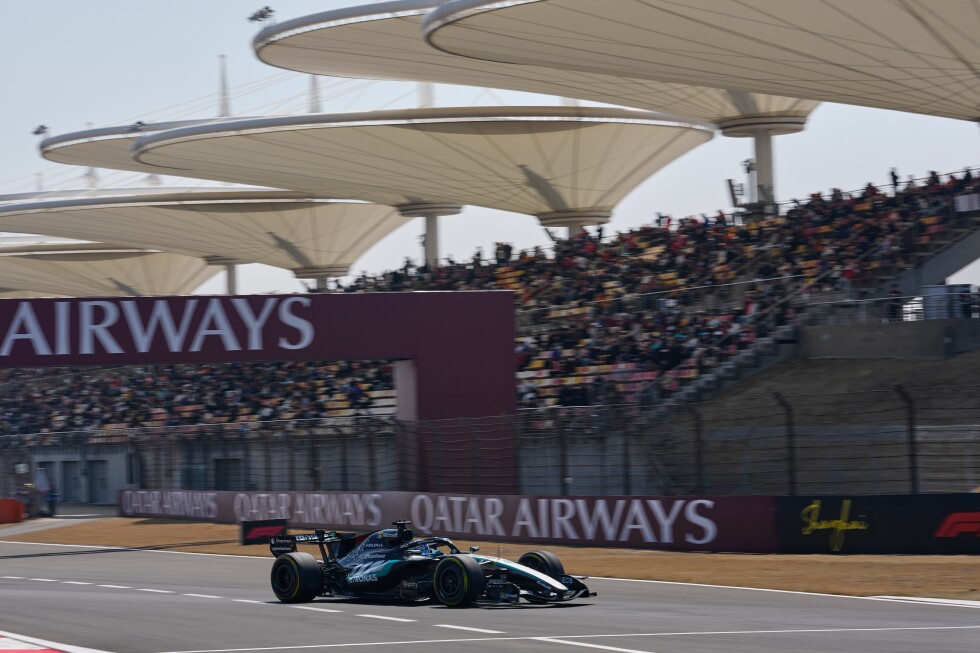
    Mercedes driver George Russell secured a commanding pole position for Saturday’s sprint race at the Chinese Grand Prix, declaring his car “a joy to drive” as the team continued its dominant form in Formula 1’s new regulatory era. Russell’s performance in Shanghai builds upon his decisive victory in Australia last week, with teammate Kimi Antonelli qualifying second to position Mercedes for another potential 1-2 finish.

    The qualifying gap demonstrated Mercedes’ overwhelming advantage, with McLaren’s Lando Norris trailing by 0.621 seconds in third position—a substantial margin in F1 terms. Only Lewis Hamilton (Ferrari) and Oscar Piastri (McLaren) managed to come within one second of Russell’s benchmark time.

    While Max Verstappen, the most vocal critic of the new regulations, endured another difficult qualifying session in eighth, Hamilton emerged as the most likely challenger to Mercedes’ dominance given Ferrari’s demonstrated straight-line speed advantage.

    Technical innovation took center stage as Ferrari debuted its unique rotating rear wing—dubbed the “Macarena” or “flip-flop” wing—which invertes aerodynamically to maximize straight-line speed. Though briefly tested previously and omitted in Australia, the innovative design could potentially help Ferrari compete with Mercedes, though concerns remain about its disruptive effect on airflow for trailing cars.

    Meanwhile, the FIA faces mounting pressure to address technical issues with the new power unit regulations. Drivers have expressed frustration with limited control over electrical power deployment, which Verstappen described as “not a lot of fun and also quite dangerous” after incidents in Australia where cars completed formation laps with depleted batteries.

    The session also featured a notable moment for Chinese motorsport as Zhou Guanyu, though now a reserve driver for Cadillac after leaving Sauber, remained a prominent figure in his home country, potentially boosting the new team’s recognition in this crucial market.

  • Democrats introduce ‘Justice for Hind Rajab Act’ as film about her death gains Oscar buzz

    Democrats introduce ‘Justice for Hind Rajab Act’ as film about her death gains Oscar buzz

    A coalition of Democratic legislators has initiated groundbreaking legislative action compelling the State Department to disclose its investigative actions regarding the killing of six-year-old Palestinian child Hind Rajab. The proposed “Justice for Hind Rajab Act,” introduced by Senator Peter Welch alongside Representatives Pramila Jayapal and Sara Jacobs, mandates comprehensive reporting on whether the January 2024 incident violated US arms export regulations.

    The legislation requires the Secretaries of State and Defense to produce within 45 days a detailed examination of whether Israeli forces violated the Leahy Law and Foreign Assistance Act during the incident that claimed Rajab’s life. This law prohibits US military assistance to foreign units committing human rights violations.

    Central to the inquiry are demands for identification of the soldiers involved and determination of possible US citizenship among perpetrators. The bill further pressures the administration to reveal all knowledge regarding the case, including potential Department of Justice investigations into human rights violations.

    Contextualizing the demand, the legislation notes that the US has provided over $21.7 billion in military assistance to Israel since October 2023, with approximately 10,000 US citizens reportedly activated for service in Gaza. These figures contrast starkly with Gaza Health Ministry reports indicating more than 20,000 child casualties in the conflict.

    The legislative effort coincides with Israel’s discontinuation of another high-profile investigation into alleged torture and rape at the Sde Teiman detention facility. Advocacy group A New Policy, founded by former US officials who resigned over Gaza policy, emphasizes that “Israel can’t be trusted to investigate itself,” advocating instead for international accountability mechanisms.

    The timing strategically leverages attention surrounding the Oscar-nominated documentary “The Voice of Hind Rajab,” which dramatizes the final hours of the child’s life through harrowing phone recordings with rescue workers. Forensic investigations revealed Rajab’s family vehicle was struck by 335 Israeli bullets during their evacuation attempt, with emergency responders also killed before reaching the scene.

  • UK base in Iraq hit by Iranian drones

    UK base in Iraq hit by Iranian drones

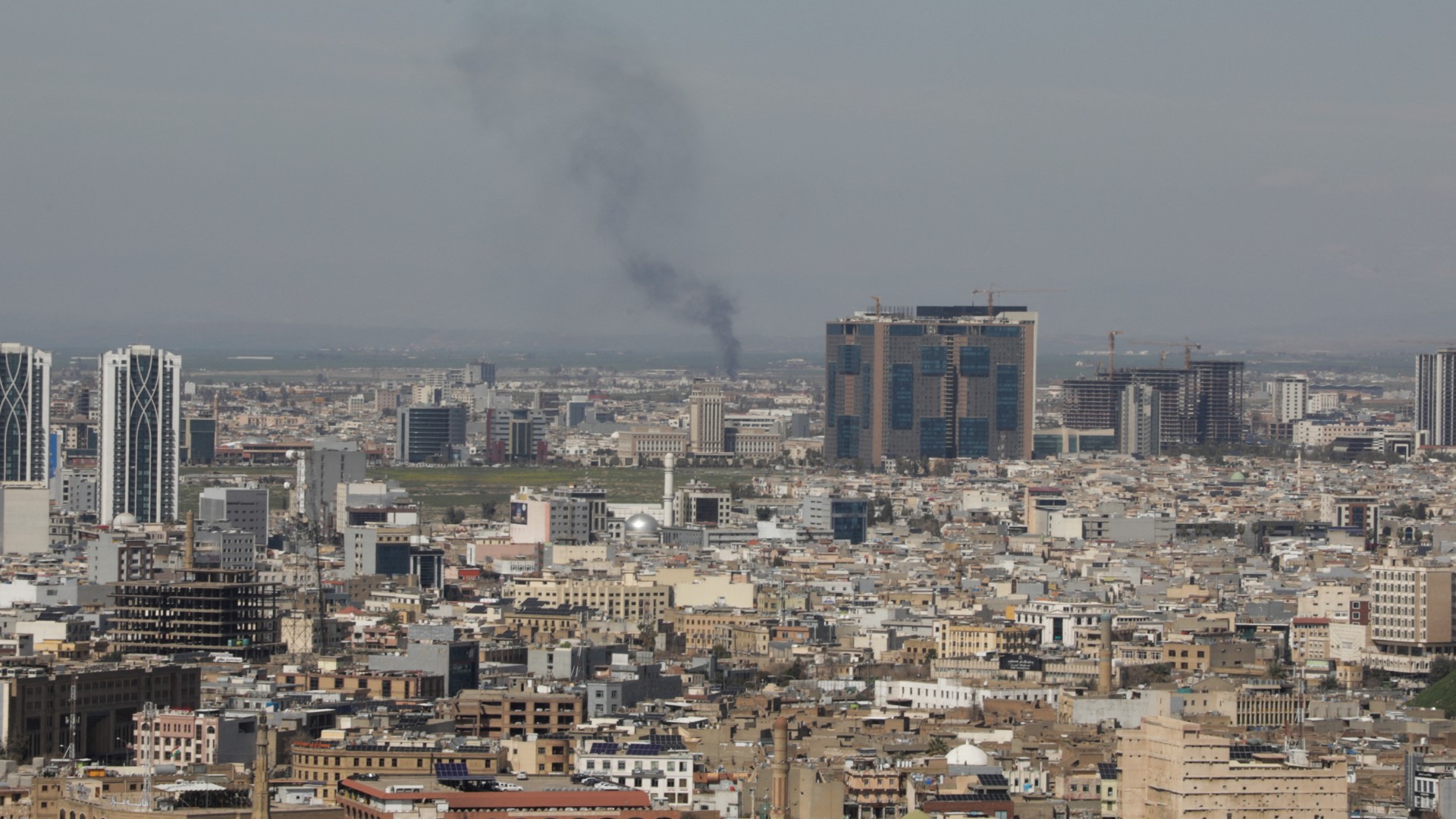
    A British military installation in Erbil, northern Iraq, was successfully targeted by Iranian drone assaults on Wednesday night, resulting in injuries to several American personnel stationed at the base. This incident represents the third successful offensive against British forces in the ongoing regional conflict that commenced nearly two weeks ago.

    According to defense officials, British air-defense units successfully intercepted and destroyed two unmanned aerial vehicles (UAVs), but multiple one-way attack drones penetrated defensive systems and struck the air base. The attack caused minor injuries to an undetermined number of US troops stationed at the facility.

    Brigadier Guy Foden, assistant chief of staff for operations at Permanent Joint Headquarters, confirmed the coordinated nature of the assault: “Erbil and Baghdad were both struck a number of times last night with increasing coordination. Our personnel in Erbil shot down two UAVs coming at the camp, but a number did impact on the camp.”

    This latest attack follows previous incidents targeting British interests in the region. On March 1, the same Erbil base was hit, with British personnel located within 400 meters of the impact site. The following day, a drone struck RAF Akrotiri, the UK’s air base in Cyprus, though Cypriot authorities reported no casualties and “minimal damage.”

    The escalating situation has sparked political controversy in Britain. Jeremy Corbyn, British MP and leader of Your Party, criticized Prime Minister Keir Starmer’s approach: “Keir Starmer has dragged Britain into yet another illegal war. In doing so, he has jeopardised the safety of us all. The government must end its complicity in this illegal war and rescind permission for the foreign use of British bases.”

    Tensions are further complicated by the United States’ utilization of British military installations. Numerous US B-1 Lancer bombers have recently operated from RAF Fairford in Gloucestershire to conduct strikes against Iranian missile sites. Three such bombers returned to the base on Thursday following a mission.

    Prime Minister Starmer has thus far resisted calls from opposition politicians for direct RAF participation in strikes against Iran, while simultaneously refusing to condemn US-Israeli military actions. Diplomatic relations with the United States have been strained due to Britain’s initial refusal to permit US utilization of the joint UK-US base on Diego Garcia for launching strikes against Iran.

    Starmer’s Sunday phone conversation with US President Donald Trump addressed “the latest situation in the Middle East and military cooperation between the UK and US through the use of RAF bases in support of the collective self-defence of partners in the region,” according to Downing Street. The discussion occurred despite Trump’s previous criticisms of Starmer, whom he characterized as “unhelpful” and “no Winston Churchill,” while accusing the British leader of seeking to “join wars after we’ve already won.”

    This remains a developing situation with potential implications for regional stability and international relations.

  • Oil tanker ‘armada’ moves to Red Sea with closure of Strait of Hormuz

    Oil tanker ‘armada’ moves to Red Sea with closure of Strait of Hormuz

    A significant redirection of global oil transport is underway as a fleet of up to 30 large crude carriers converges on Saudi Arabia’s Red Sea port of Yanbu. This massive logistical shift comes in response to Iran’s effective closure of the Strait of Hormuz, a critical chokepoint for Gulf energy exports that typically handles approximately 22 million barrels of oil and refined products daily.

    The strategic East-West Pipeline, stretching 1,200 kilometers from Saudi Arabia’s Abqaiq oil field to Yanbu, has emerged as the primary alternative route for Gulf oil exports. Saudi Aramco CEO Amin Nasser confirmed the kingdom has substantially increased crude flows through this pipeline infrastructure. According to International Energy Agency data, exports through Saudi western ports surged to 5.9 million barrels per day by March 9th—a dramatic increase from the 1.7 million barrels per day recorded in 2025.

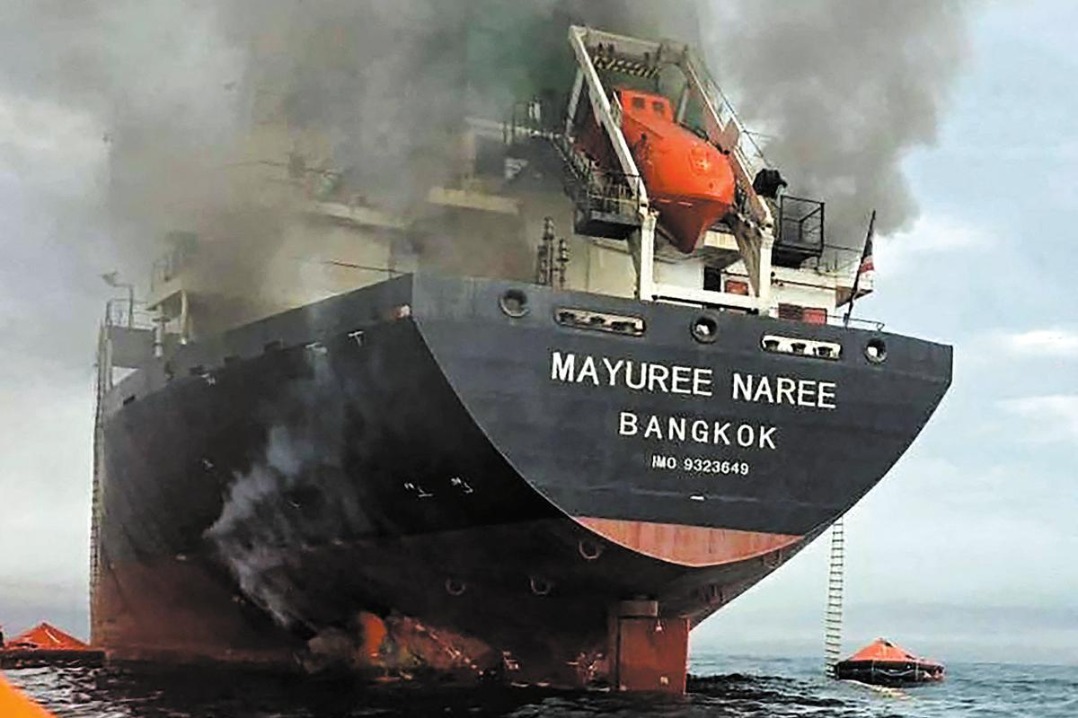
    This emergency rerouting follows escalating tensions in the region, including attacks on at least six vessels in the Gulf this week, with two fuel tankers set ablaze in Iraqi waters. Despite U.S. President Trump’s assertions that Iran’s naval capabilities had been ‘destroyed,’ Tehran has demonstrated its serious intent to block the strategic waterway.

    Energy experts note that the East-West Pipeline was specifically designed for this contingency. ‘This is exactly what it was designed to do—bypass the strategic chokepoint of Hormuz if Iran shut it down and make Saudi Arabia the producer of last resort,’ stated Jim Krane of Rice University’s Baker Institute.

    However, the Red Sea alternative introduces its own geopolitical complexities. Approximately 75% of Saudi crude exports destined for Asian markets must now navigate the Bab el-Mandeb Strait twice—once to collect oil and again to deliver it—placing them within potential reach of Houthi forces. These Iranian-backed militants previously turned the Red Sea into a ‘no-go zone’ for vessels following the outbreak of the Israel-Gaza conflict.

    Even with both Saudi Arabia’s and the UAE’s bypass pipelines operating at maximum capacity—the latter exporting through Fujairah at 2.4 million barrels per day—a substantial gap of approximately 12 million barrels per day remains, leaving countries including Bahrain, Kuwait, and Iraq effectively blocked from exporting their oil.

  • Iran’s new supreme leader says US bases in Gulf must close or will be attacked

    Iran’s new supreme leader says US bases in Gulf must close or will be attacked

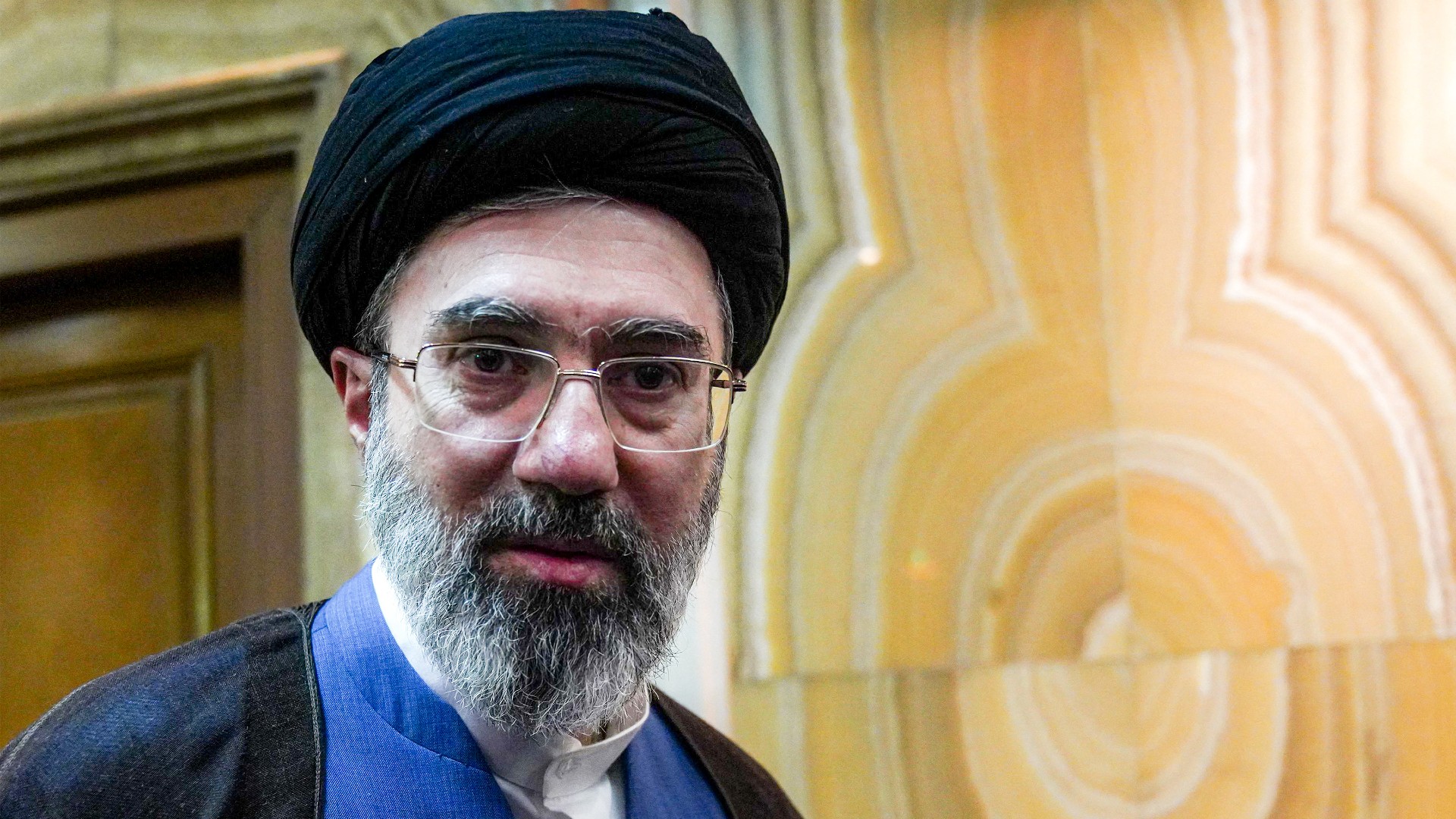
    In his inaugural address as Iran’s newly appointed Supreme Leader, Ayatollah Mojtaba Khamenei has delivered a stark warning to regional powers, demanding the immediate closure of all US military installations throughout the Middle East. The statement, broadcast through Iran’s state-controlled IRIB network, marked the first public communication from the successor to the assassinated Ayatollah Ali Khamenei.

    The reclusive leader, who had remained unseen since the outbreak of recent hostilities, articulated a dual-track approach to regional relations. While expressing Tehran’s commitment to ‘unity and warm relations with its neighbors,’ Khamenei simultaneously issued an unambiguous threat: ‘The countries of the region must close down the US military bases; otherwise, we will be forced to attack them again.’

    Strategic waterways emerged as a central component of Iran’s declared defense strategy. Khamenei explicitly reaffirmed Iran’s continued utilization of the ‘lever of blocking the Strait of Hormuz’ – the critical maritime passage through which approximately 20% of global oil output and one-third of liquefied natural gas shipments transit. This declaration follows over a week of effective closure, with Iranian forces threatening to attack any vessel attempting navigation through the strategic chokepoint.

    The new Supreme Leader outlined an expanded conception of military engagement, referencing ‘other fronts’ where Iran possesses strategic advantages. He specifically acknowledged potential coordination with Ansar Allah (Houthi) forces in Yemen and armed factions in Iraq, though concrete intervention from these groups remains unconfirmed.

    Khamenei announced comprehensive support measures for conflict casualties, promising free medical treatment and financial compensation funded through war reparations. In a significant escalation of financial rhetoric, he declared: ‘We will take war reparations from the enemy for the war it imposed on us. If the enemy refuses, we will seize as much of its assets as we deem appropriate; and if that is not possible, we will destroy an equivalent amount of its property.’

    The leadership transition follows the February 28th airstrike that killed Ayatollah Ali Khamenei along with several family members, including the new leader’s wife Zahra Adel, his mother Mansoureh Khojasteh Bagherzadeh, and other relatives. Born in 1969 in the religious center of Mashhad, Mojtaba Khamenei represents both dynastic continuity and theological legitimacy as the grandson of Shia scholar Sayyed Javad Khamenei.

    His background reflects deep integration within Iran’s power structures. Educated in Qom’s prestigious seminaries under prominent Islamic scholars, Khamenei built his reputation through theological teaching rather than governmental service. His marriage to Zahra Haddad-Adel, daughter of influential conservative politician Gholam-Ali Haddad-Adel, further solidified his position within Iran’s ruling elite, despite his avoidance of elected office.

  • Consumer rights protection disputes in new business models surge in Guangzhou

    Consumer rights protection disputes in new business models surge in Guangzhou

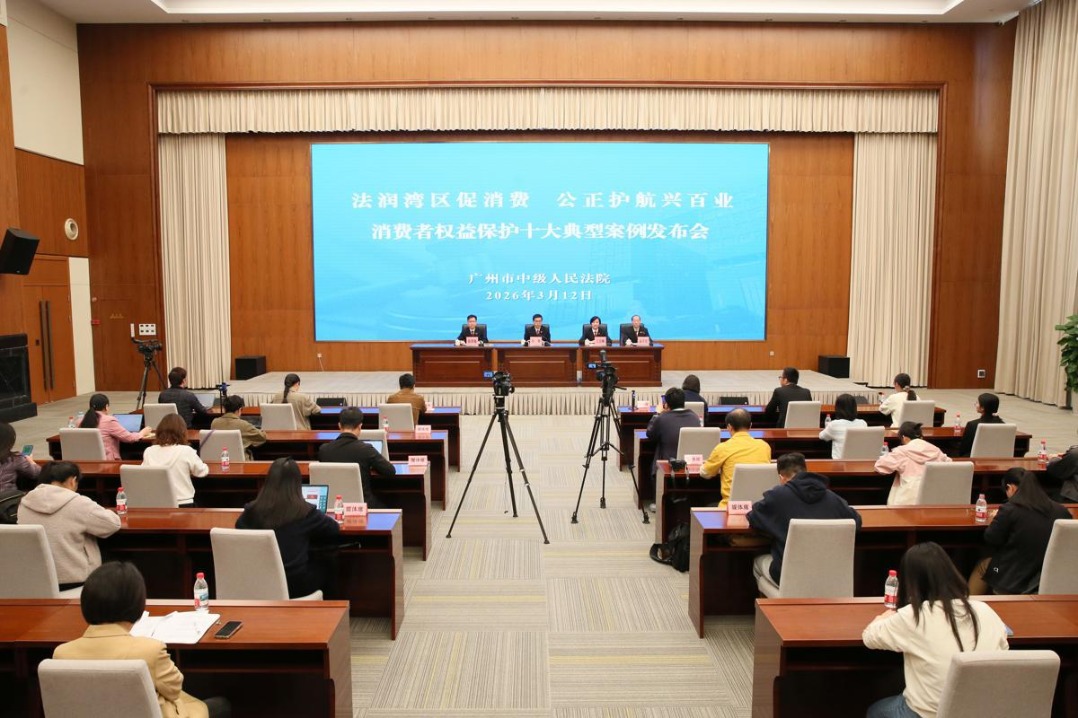
    Judicial authorities in Guangzhou have documented a substantial surge in consumer rights protection cases stemming from digital and emerging service sectors throughout 2025. The Guangzhou Intermediate People’s Court disclosed that disputes linked to novel business formats—including live-stream e-commerce, online education platforms, and digital gaming—have emerged as rapidly growing areas requiring judicial intervention.

    Wu Xiang, Deputy Party Chief of the court, highlighted these trends during a press briefing held on March 12, ahead of International Consumer Rights Day. While the overall number of consumer cases remained stable at over 37,000 annually, the composition of disputes has shifted markedly toward new economic models.

    Prepaid consumption controversies continue to pose significant challenges, particularly regarding refund difficulties. Furthermore, the court identified growing vulnerabilities among elderly and minor consumers, such as deceptive live-stream marketing targeting seniors and training institutions that evade financial obligations after collecting fees from minors.

    In response to these evolving challenges, the court released ten representative cases covering critical areas like prepaid services, e-commerce livestreaming, and gaming consumption. These典型案例 aim to establish judicial precedents and guide consumers and businesses through the legal complexities of emerging commercial practices.

  • French vloggers explore highland scenery and Tibetan culture in Yunnan

    French vloggers explore highland scenery and Tibetan culture in Yunnan

    French travel influencers Nicolas and Mathilde recently documented their immersive journey through Shangri-La, Yunnan province, showcasing the region’s majestic highland landscapes and profound Tibetan cultural heritage. Their expedition offers international audiences a window into the authentic traditions preserved in this Himalayan border region.

    The vloggers initiated their cultural exploration through gastronomy, sampling traditional Tibetan butter tea and local noodle specialties. They described the savory butter tea as an acquired taste that embodies the region’s pastoral heritage, while acknowledging the noodles’ unique flavor profile that distinguishes Tibetan cuisine from other Chinese culinary traditions.

    At the heart of their experience stood the monumental prayer wheel of Shangri-La, where they observed visitors from diverse national and ethnic backgrounds participating in this spiritual practice. The couple expressed how this collective ritual generated authentic feelings of human unity and cross-cultural warmth beyond linguistic barriers.

    Their cultural immersion deepened at Dukezong Ancient Town’s Intangible Cultural Heritage Center, where they attempted Thangka painting—a meticulous Tibetan Buddhist art form. The vibrant mineral pigments, precise brush techniques, and spiritual symbolism embedded in this centuries-old practice revealed what they described as ‘the profound depth of Eastern aesthetics and living historical continuity’.

    The vloggers noted Yunnan’s remarkable ethnic diversity, particularly the distinctive traditions maintained by Tibetan and Naxi communities. From intricately woven textiles to preserved linguistic patterns and ceremonial customs, each ethnic group presented what they characterized as ‘continuous discovery and fascination’.

    Nicolas and Mathilde concluded that Shangri-La represents a rare convergence of breathtaking natural scenery and living cultural heritage. They emphasized that every landscape vista and human interaction contributed to what they deemed an unforgettable journey through one of Asia’s most culturally preserved regions.