标签: Asia

亚洲

  • ‘Trump Gold Card’ offers US permanent residency for $1m, plus fees

    ‘Trump Gold Card’ offers US permanent residency for $1m, plus fees

    The Trump administration has officially launched a premium immigration visa program requiring a minimum investment of one million dollars, branded as the “Trump Gold Card.” Formally initiated through an executive order signed on September 19th, the program was personally announced by President Donald Trump at a White House roundtable and promoted on his Truth Social account as “SO EXCITING.

    Prospective applicants must first submit a non-refundable $15,000 processing fee to the Department of Homeland Security (DHS) to trigger an expedited eligibility review. The program’s website promises residency “in record time,” claiming processing can be completed in a matter of weeks. Upon approval, a mandatory $1 million “gift payment” is required as evidence the individual will “substantially benefit the United States.”

    The program extends beyond individuals to corporate sponsorship. Companies can pay $2 million per employee to sponsor foreign workers, with a unique provision allowing the transfer of this payment to a new employee’s application without an additional fee if sponsorship ceases.

    While similar to a Green Card in granting lawful permanent residence and a pathway to citizenship, the website compares its legal classification to EB-1 and EB-2 visas, noting final determination is “subject to availability” by DHS. All gift payments are directed to the Department of Commerce, not DHS or the State Department.

    Additional financial burdens include the same $1 million payment and $15,000 fee applied to each family member of the primary applicant. The website also mentions potential additional fees from the State Department without clarifying if they are one-time or recurring. All cardholders will be subject to U.S. worldwide income tax, with a forthcoming “Trump Platinum Card” advertised to provide tax benefits on foreign income.

    This initiative marks a stark contrast to the administration’s broader immigration policy, which has included revoking at least 85,000 visas in under a year and restricting pathways for poorer demographics. The website notes that Gold Card status can be revoked for national security or criminal risks.

    The program has drawn immediate criticism, notably from U.S. Senator Dick Durbin, who condemned it as “an illegal pay-to-play scheme that undermines our values and rewards wealth over hard work, talent, and a love for America.” He accused the president of “rolling out the welcome mat for Russian oligarchs and cartel bosses” instead of creating fair policies.


  • ‘How can you not know?’: Sister of Palestine Action hunger striker hits back at Lammy

    ‘How can you not know?’: Sister of Palestine Action hunger striker hits back at Lammy

    A deepening humanitarian and political crisis is unfolding within Britain’s prison system as eight detainees affiliated with the proscribed group Palestine Action continue a prolonged hunger strike, now exceeding 40 days for some. The situation has escalated into a direct confrontation between the UK government and advocates for the prisoners, casting a harsh spotlight on Justice Secretary David Lammy.

    The core of the controversy stems from Lammy’s claimed ignorance of the coordinated protest. Shahmina Alam, sister of hospitalized hunger striker Kamran Ahmed, publicly challenged the minister at a Christmas event, presenting him with a letter she asserts was previously sent to his office detailing the strike and its demands. Lammy’s response—’I didn’t know anything about this’—has been met with accusations of incompetence or dishonesty.

    With five strikers already hospitalized suffering severe weight loss and dangerous ketone levels, medical concerns are acute. Lawyers for the prisoners have issued a dire warning to the Ministry of Justice (MOJ), stating there is a ‘real and increasingly likely potential that young British citizens will die in prison, having never even been convicted of an offence.’

    The political pressure on Lammy is intensifying. Labour MP John McDonnell raised a point of order in the House of Commons, condemning the government’s silence on his own correspondence as ‘totally unacceptable.’ Meanwhile, the MOJ maintains its standard procedures are being followed, with a spokesperson stating, ‘The deputy prime minister is being kept informed of the situation,’ and that prisoner wellbeing is continually assessed.

    Families report being systematically kept in the dark regarding their relatives’ medical conditions, citing horrendous experiences with prison staff who offer no support or updates. The MOJ justifies this by citing legal restrictions on sharing healthcare information with ‘unverified callers.’ This standoff, pitting prisoner welfare and transparency against official procedure and the enforcement of proscription orders, presents a significant challenge for the new Justice Secretary.

  • UK: Millions of British Muslims could lose citizenship, warns new report

    UK: Millions of British Muslims could lose citizenship, warns new report

    A landmark investigation has exposed how Britain’s expansive citizenship revocation authorities are systematically endangering approximately nine million residents, predominantly from Muslim backgrounds, creating what researchers term a “racialized hierarchy of belonging.” The collaborative study by Runnymede Trust and Reprieve reveals that 13% of the UK population—disproportionately those with heritage links to South Asia, Africa, and the Middle East—face legal vulnerability to having their citizenship revoked at the Home Secretary’s discretion.

    The analysis demonstrates staggering racial disparities: while merely one in twenty white Britons faces citizenship deprivation risk, three in five people of color inhabit this precarious status. Individuals with familial connections to Pakistan, Bangladesh, Somalia, Nigeria, and North African nations emerge as particularly vulnerable groups within this framework.

    Legal provisions enable the government to strip citizenship based on presumed eligibility for alternative nationality—even when individuals have never resided in or identified with those countries. Since 2010, over 200 individuals have lost citizenship under “conducive to the public good” provisions, with overwhelming majority being Muslims. The 2022 legislation further intensified these powers by permitting revocation without notification.

    Campaigners draw direct parallels to the Windrush scandal, noting identical institutional failings and absence of effective safeguards. Maya Foa of Reprieve warned that “nine million people whose rights could be taken away by the next home secretary have every reason to be worried,” while Runnymede Trust CEO Shabna Begum condemned the “chilling undercurrent of citizenship stripping” disproportionately targeting Muslim communities.

    The report traces how counterterrorism legislation has transformed citizenship revocation from exceptional wartime measure to routinely deployed tool. Even judicial victories prove hollow—a 2025 statute ensures citizens remain stripped during government appeals that can span years, regardless of court rulings.

    Researchers document multiple cases of erroneous deprivation resulting in unlawful statelessness, with the Shamima Begum case representing the most prominent example where Bangladesh publicly denied her eligibility. The commission chaired by former Irish Lord Chief Justice Declan Morgan recently concluded that deprivation frequently proceeds based merely on presumed nationality rather than established facts.

    With conservative politicians advocating expanded deportation schemes, organizations demand immediate moratorium on citizenship stripping, abolition of Section 40(2) of the British Nationality Act, and restoration of citizenship to all previously deprived under these powers.

  • Photographer captures wild mandarin ducks  in Guizhou

    Photographer captures wild mandarin ducks in Guizhou

    In a remarkable display of natural beauty, a photographer has documented the annual winter return of wild mandarin ducks to Tongren’s Tianshengqiao Resort in Guizhou province. The captivating images showcase these vibrantly colored waterfowl gliding gracefully across crystal-clear waters and engaging in playful behaviors that highlight their social nature.

    These mandarin ducks (Aix galericulata) represent a significant conservation success story as they are classified as Class II protected species under China’s wildlife protection laws. Their consistent return to this specific location underscores the ecological importance of the preserved canyon ecosystem maintained by the resort. The area’s pristine water conditions and undisturbed habitat provide ideal wintering grounds for these migratory birds.

    Photographer Wu Weidong’s documentation reveals multiple specimens thriving in their natural environment, demonstrating successful conservation efforts in the region. The images provide valuable documentation of species behavior and habitat quality that can assist conservationists in monitoring population health.

    This annual migration event has become a subject of interest for both wildlife enthusiasts and conservation biologists, offering insights into migratory patterns and habitat preferences of protected avian species in Southwest China. The continued presence of these ducks indicates positive environmental conditions and effective habitat preservation measures in Guizhou’s canyon ecosystems.

  • Infrared cameras and drones record Tarim red deer in Xinjiang

    Infrared cameras and drones record Tarim red deer in Xinjiang

    In a significant ecological breakthrough, advanced monitoring technology has documented a rare gathering of five Tarim red deer (Cervus elaphus yarkandensis) along the Tarim River banks in Alaer city, Xinjiang Uygur Autonomous Region. This marks the first confirmed sighting of this endangered species group using combined infrared camera and drone surveillance systems.

    The Tarim red deer represents a remarkable desert-adapted subspecies endemic to Xinjiang, distinguished as the world’s exclusive population of red deer capable of surviving in arid environments. These resilient creatures demonstrate extraordinary biological adaptations, enduring extreme temperatures, prolonged drought conditions, and highly saline-alkaline terrain. Their survival capabilities include consuming heavily mineralized water sources and maintaining a diverse dietary range, establishing them as critical indicator species for assessing overall ecosystem health within the Tarim River Basin.

    Professor Wang Zhichao of Tarim University’s School of Life Sciences and Technology emphasized the sighting’s conservation significance, attributing this success to comprehensive ecological management initiatives throughout the river basin. The expansion of ecological barriers along the adjacent Taklimakan Desert has further contributed to creating favorable habitats for wildlife rehabilitation.

    Current ecological surveys indicate the basin now supports 249 distinct wildlife species, with populations demonstrating sustained growth patterns. Among these, 50 species enjoy national protected status, reflecting China’s strengthened commitment to biodiversity conservation and habitat restoration efforts in ecologically sensitive regions.

  • Beijing issues alerts for snowstorms and road icing

    Beijing issues alerts for snowstorms and road icing

    The Chinese capital is preparing for its first significant snowfall of the season as meteorological authorities issued dual weather warnings on Thursday. The Beijing Meteorological Bureau has activated a blue alert for snowstorms—the lowest level in China’s four-tier warning system—alongside a more severe orange alert for road icing, the second-highest alert level.

    According to forecasts from the National Meteorological Center, the winter precipitation is expected to commence in Beijing’s western mountainous regions during the early hours of Friday, gradually advancing toward urban districts by midday. The snowfall is projected to persist throughout the afternoon and the first half of the night, creating potentially hazardous conditions across the metropolitan area.

    Meteorological data indicates that most areas within Beijing municipality will experience accumulations exceeding 4 millimeters, with localized mountainous regions in Fangshan and Mentougou districts potentially receiving up to 8 millimeters of snowfall. The combination of precipitation and rapidly dropping temperatures presents particular concerns for transportation infrastructure as surface temperatures are forecast to fall below freezing.

    Authorities have warned that road icing conditions will likely develop from Friday midday through Saturday, significantly impacting traffic mobility and road safety. In response to the impending weather event, government agencies and relevant departments have been urged to implement comprehensive preparedness measures for both snowstorm management and frost damage mitigation.

    Critical infrastructure sectors including transportation networks, power grid operations, and communication systems have been advised to conduct thorough inspections and preventive maintenance on roads, railways, and electrical lines. The Beijing Emergency Management Bureau has simultaneously issued public safety recommendations, advising residents to exercise extreme caution while walking outdoors and to prioritize public transportation whenever possible.

    Motorists have been specifically cautioned to navigate roadways with increased vigilance and to equip their vehicles with appropriate anti-skid devices to enhance traction on potentially icy surfaces. The coordinated response effort reflects the city’s comprehensive approach to managing severe winter weather events while minimizing disruption to daily life and economic activities.

  • Beijing district recovers nearly 100 million yuan in scam losses

    Beijing district recovers nearly 100 million yuan in scam losses

    In a significant crackdown on telecommunications fraud, Beijing’s Tongzhou district has demonstrated remarkable success in financial recovery and crime prevention throughout 2025. Official data reveals that authorities have successfully intercepted approximately 100 million yuan ($14.2 million) in illicit funds, marking a substantial 21% year-on-year increase in recovered losses for victims.

    Deputy Director Tan Long of the district’s public security department announced these achievements during a Thursday press conference, highlighting a consistent ‘double decline’ in both fraud cases and associated financial damages. Despite these gains, law enforcement faces evolving challenges as criminals develop increasingly sophisticated methods targeting vulnerable demographics.

    Demographic analysis indicates that young and middle-aged residents constitute the primary targets, with individuals aged 18-40 representing over 50% of victims and those between 40-60 accounting for approximately 30%. Fraudsters have adapted their strategies by leveraging mainstream social media platforms, online gaming websites, and trending topics including heatwave subsidies and digital investment opportunities to lure victims toward niche fraudulent platforms.

    Offline tactics have similarly evolved, with perpetrators distributing explicit cards in areas including Majuqiao and Zhangjiawan to entice victims through QR code scanning operations. The methods for transferring illicit funds have become notably more concealed, requiring enhanced investigative techniques.

    To combat these sophisticated operations, Tongzhou police have established specialized investigation teams and strengthened collaborative mechanisms with financial institutions and telecommunications providers. This multi-agency approach has yielded impressive results, with fraud-related fund returns increasing by 54% compared to 2024 figures.

    China Unicom’s Tongzhou branch manager Zhang Cheng reported extensive public awareness campaigns, with employees conducting outreach visits to residential communities, educational institutions, and suburban areas. The company has distributed over 40,000 informational brochures to enhance public vigilance against fraudulent activities.

    The Bank of Tianjin’s Tongzhou branch head Li Yi confirmed successful resolution of 16 telecom fraud cases through police-bank collaboration, preventing potential losses exceeding 2.6 million yuan. Financial institutions have incorporated advanced technological solutions and conducted security lectures alongside law enforcement to strengthen the anti-fraud infrastructure.

    While these measures demonstrate substantial progress, officials acknowledge the continuous need for adaptive strategies against evolving fraudulent schemes that threaten public financial security.

  • China’s immigration hotline adds French language support

    China’s immigration hotline adds French language support

    China’s National Immigration Administration (NIA) has announced a significant enhancement to its 12367 Government Service Platform with the introduction of French language support effective December 11, 2025. This strategic expansion forms part of China’s ongoing initiative to optimize immigration and entry-exit services for international visitors and residents.

    The upgraded interactive voice response system now offers five language options: English, French, Russian, Korean, and Japanese. While English queries receive immediate automated responses, calls in French, Russian, Japanese, or Korean initiate a sophisticated three-way conference system connecting the caller simultaneously with a professional translator and an immigration specialist. This integrated approach ensures comprehensive service delivery under the administration’s “one number, immediate response, service completed” operational philosophy.

    As China’s premier integrated customer service portal for both domestic and international travelers, the 12367 platform maintains multiple access channels including telephone hotline, dedicated mobile application, WeChat and Alipay mini-programs, and an official website. The system serves as a critical interface for addressing urgent concerns and operational challenges related to China’s immigration management frameworks.

    Since its inauguration on April 8, 2021, the platform has processed over 20 million service inquiries originating from 165 countries and regions. The system has demonstrated exceptional performance metrics with a 98.82% average satisfaction rate and a remarkable 99.94% first-call resolution rate across various immigration-related matters including policy consultations and procedural guidance.

    The NIA has confirmed its commitment to further developing the 12367 platform through continued expansion of service channels, additional language options, and enhanced functionality to better facilitate international travel and cross-border mobility.

  • UK faces mounting pressure to repatriate British nationals detained in Syria

    UK faces mounting pressure to repatriate British nationals detained in Syria

    The British government confronts escalating demands to address the humanitarian and legal crisis surrounding its nationals arbitrarily detained in northeastern Syria. This complex issue involves both citizens stripped of their citizenship and numerous young children trapped in detention facilities controlled by Kurdish authorities.

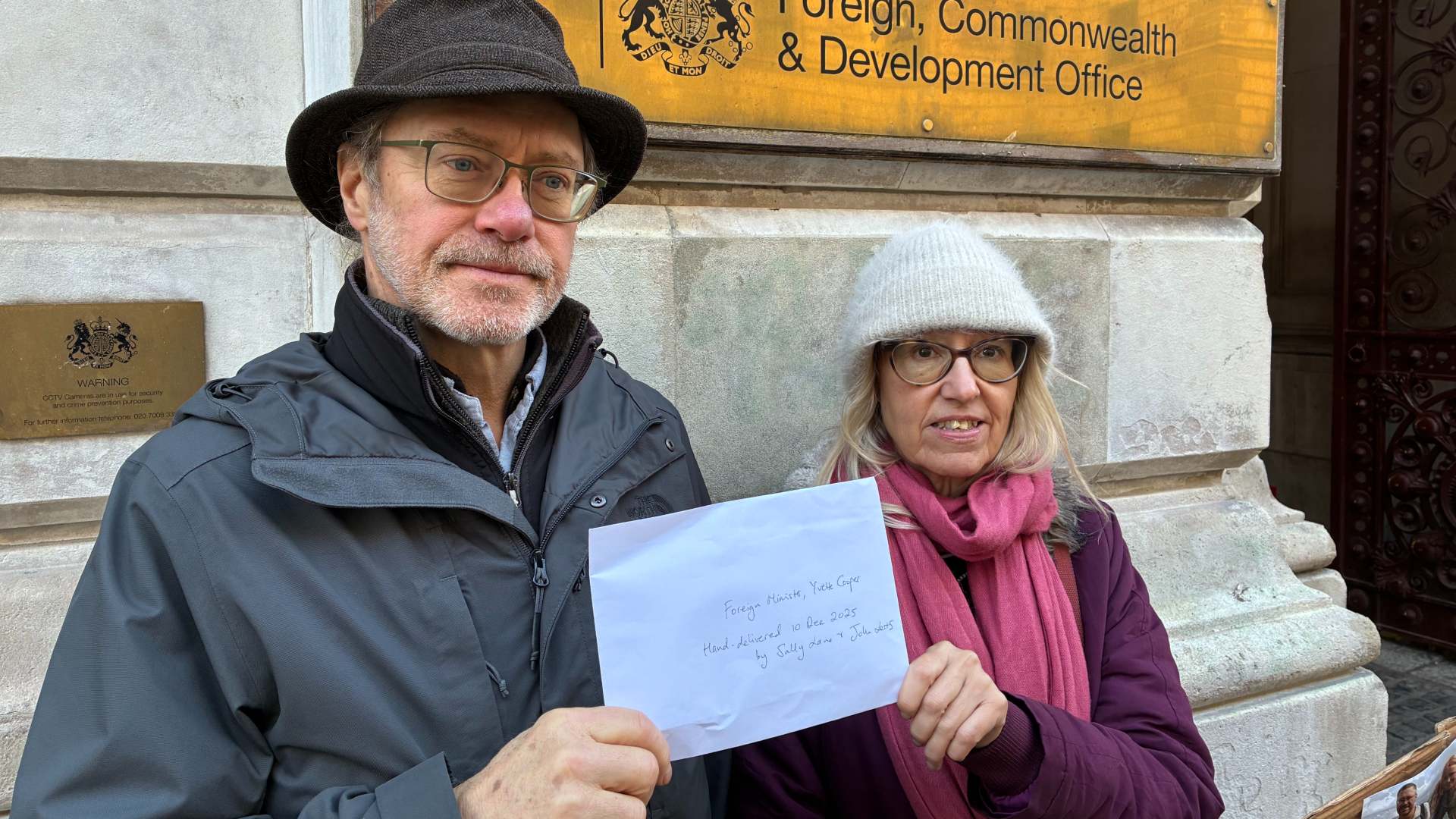
    Recent protests outside London’s Foreign, Commonwealth & Development Office highlighted the growing frustration among families of detainees. Sally Lane, mother of imprisoned British-Canadian Jack Letts, articulated the urgent need for government action, stating: “I want to force the government to tell us what their plan is. They’ve fudged the issue for so long and had such a wide range of excuses.”

    The protests coincide with the publication of a landmark report by the Independent Commission on UK Counter-Terrorism Law, Policy and Practice. Led by former Northern Ireland Lord Chief Justice Sir Declan Morgan, the three-year review condemned Britain’s approach as increasingly untenable and violating international human rights obligations. The report documented “inhuman, dangerous, and degrading” conditions in camps like Al-Hol and Al-Roj, where many women and children face coercion, trafficking, and exploitation.

    Statistical analysis reveals Britain’s outlier status among nations. According to Rights and Security International data, the UK has repatriated merely four women and 21 children from Syria. Current estimates suggest between 55-72 British nationals remain detained, including approximately 10 men, up to 20 women, and around 40 children—mostly under age 10.

    Former UN Special Rapporteur Fionnuala Ni Aolain emphasized Britain’s exceptional position: “The UK is a complete outlier, and actually with very little reasonable basis for that, given we’ve seen successful repatriation in other countries and recidivism is really low. On every single measure, the UK is out of step with its partners.”

    The geopolitical landscape has shifted dramatically with the fall of Bashar al-Assad’s government and conclusion of Syria’s civil war. The transitional government under Ahmed al-Sharaa has signed agreements with Kurdish leaders to transfer camp responsibilities to Damascus within six months. This development, coupled with accelerated Iraqi repatriations and a UN conference urging member states to act, creates renewed urgency for resolution.

    Security experts warn of continuing risks, including potential IS revival in unstable regions and the transformation of detention facilities into incubators for future insurgency. Human rights organizations have compared the lack of due process and arbitrary detention conditions to those at Guantanamo Bay.

    The controversy surrounding citizenship-stripping powers remains particularly contentious. Critics argue this policy damages Britain’s international standing by transferring responsibility to other nations through sometimes tenuous citizenship claims, effectively creating a system of “medieval exile and banishment.”

    Despite the change in government from Conservative to Labour in July 2024, policy continuity has largely prevailed. Both administrations have defended citizenship-stripping on national security grounds while maintaining ad hoc, sporadic repatriation practices.

    For families like the Letts, who haven’t had contact with their son since January 2020, the situation remains desperately personal. John Letts summarized the fundamental demand: “He needs to see people. He needs medical help. We need to know he’s alive. Let’s talk to him. Is that so much to ask as a father after nine years?”

  • Memorial held for Indian doctor who served in China

    Memorial held for Indian doctor who served in China

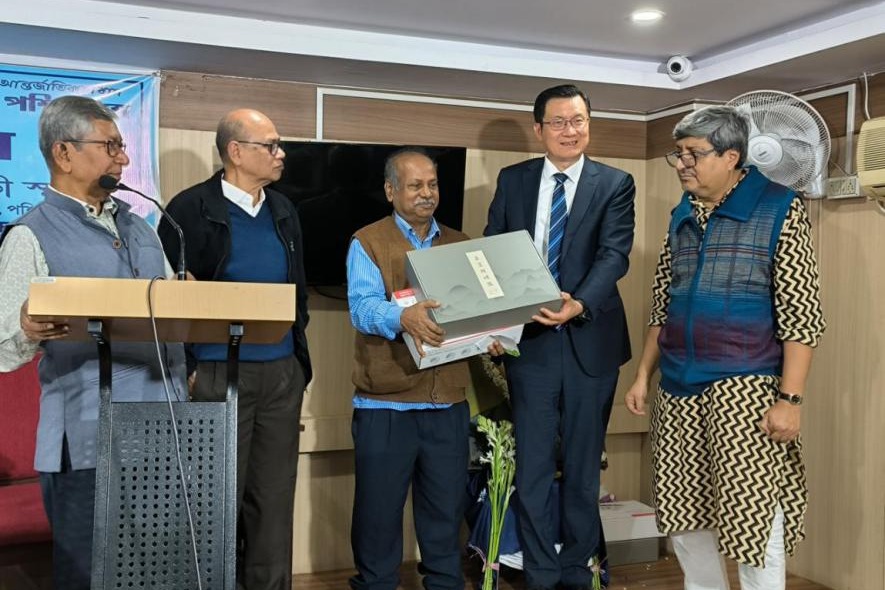
    A solemn memorial ceremony was convened in India’s West Bengal state this week to honor the enduring legacy of Dr. Dwarkanath Kotnis, an Indian physician whose heroic service and ultimate sacrifice in China during a pivotal period in history continues to symbolize deep-rooted bilateral friendship. The December 9th event, organized by the Dr. Dwarkanath Kotnis Memorial Committee, marked the 83rd anniversary of the doctor’s passing in 1942.

    Attended by over 100 dignitaries including Mrigendranath Gantait, president of the memorial committee, and Pallab Sengupta, president of the World Peace Council, the gathering paid tribute to Dr. Kotnis’s extraordinary humanitarian contributions during the Chinese People’s War of Resistance against Japanese Aggression (1931-1945). Participants highlighted how his medical expertise saved countless Chinese lives while embodying principles of internationalism and anti-fascist solidarity.

    The commemorative event holds particular significance as 2025 marks the 80th anniversary of the victory in the World Anti-Fascist War. Chinese Consul General in Kolkata Xu Wei delivered an address emphasizing how Dr. Kotnis arrived in China when the nation was suffering under Japanese militarist aggression, demonstrating ‘a love beyond borders and race’ through his medical service and courage.

    ‘China will never forget the international friends who helped it fight against aggression,’ Consul General Xu stated, pledging that the Chinese Consulate General would continue collaborating with partners across eastern India to perpetuate Dr. Kotnis’s spirit. In a practical demonstration of this commitment, the consulate donated acupuncture supplies to the memorial committee to help spread traditional Chinese medical benefits among broader Indian communities.

    Committee President Gantait reaffirmed the organization’s dedication to actively cultivating this historic spirit of cooperation, vowing to contribute further to strengthening India-China friendship through continued people-to-people exchanges and mutual understanding.