标签: Asia

亚洲

  • Study reveals endophytic fungi fermentation enhances coffee flavor

    Study reveals endophytic fungi fermentation enhances coffee flavor

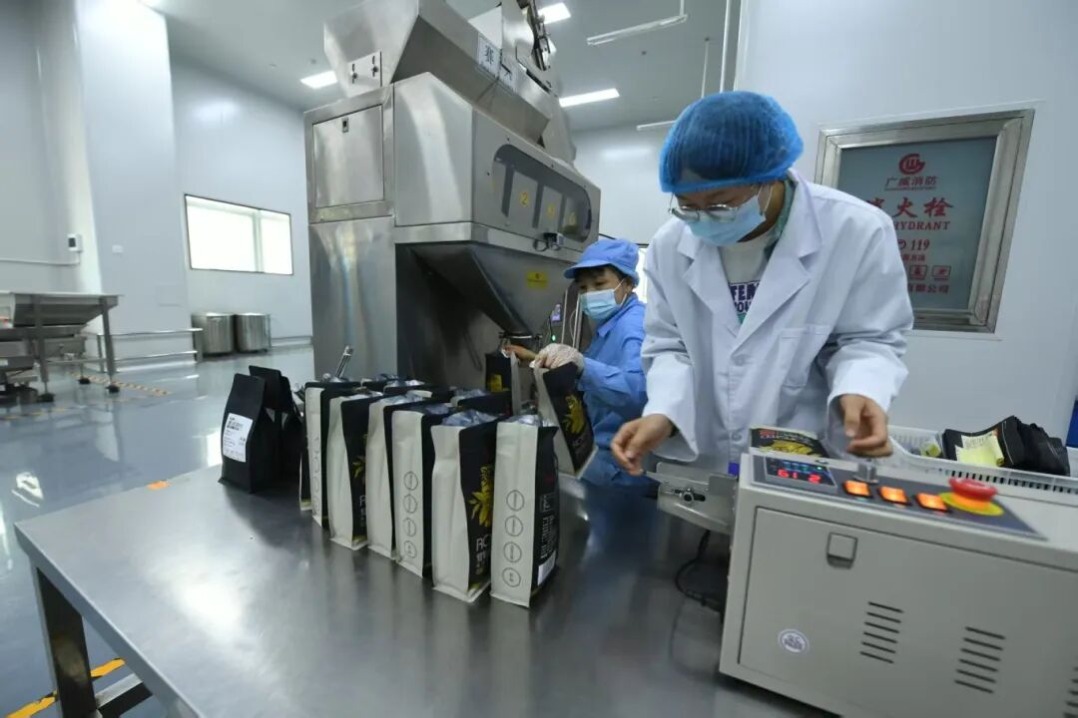
    Groundbreaking research from the Kunming Institute of Botany under the Chinese Academy of Sciences has unveiled a revolutionary biological approach to transforming ordinary coffee beans into premium specialty products through fungal fermentation. The scientific breakthrough demonstrates how specific endophytic fungi can fundamentally enhance coffee’s flavor profile and chemical composition.

    Under the leadership of researcher Qiu Minghua, the scientific team established an extensive microbial repository containing 655 distinct endophytic fungal strains. These were meticulously collected from five different Yunnan Arabica coffee cultivars across three separate maturity stages. Through rigorous screening processes, researchers identified six particularly promising fungal strains capable of significantly improving coffee’s sensory qualities.

    The most remarkable performer, Talaromyces funiculosus strain KQ2, emerged as a fermentation agent capable of elevating coffee’s sensory evaluation score by 1.5 points—sufficient to cross the critical 80-point threshold that defines specialty coffee classification. This transformative fungal treatment imparts distinctive vanilla-cinnamon aromatic notes while substantially improving the bean’s chemical profile. Comprehensive metabolomic analysis revealed a striking 17.11 percent increase in sucrose content following fungal treatment.

    Unlike externally introduced microbial strains, these naturally occurring endophytic fungi function as innate ‘bioprocessing facilities’ within coffee cherries. They demonstrate superior pectinase and cellulase enzymatic activities and possess unique secondary metabolic pathways that efficiently degrade complex pectin polysaccharides. This biological process significantly enriches the diversity and concentration of flavor precursors that ultimately determine coffee’s taste characteristics.

    The research findings, recently published in the prestigious journal Food Chemistry, carry substantial implications for Yunnan’s coffee industry. As China’s largest Arabica coffee producing region, Yunnan has been progressively transitioning from supplying low-cost raw materials to establishing itself as a serious contender in the premium specialty coffee market. This fungal fermentation technology provides a scientific foundation for maintaining consistent, high-quality flavor profiles essential for the industry’s sustainable development and market competitiveness.

  • Xi meets National Leader of the Turkmen People and Chairman of the Halk Maslahaty of Turkmenistan

    Xi meets National Leader of the Turkmen People and Chairman of the Halk Maslahaty of Turkmenistan

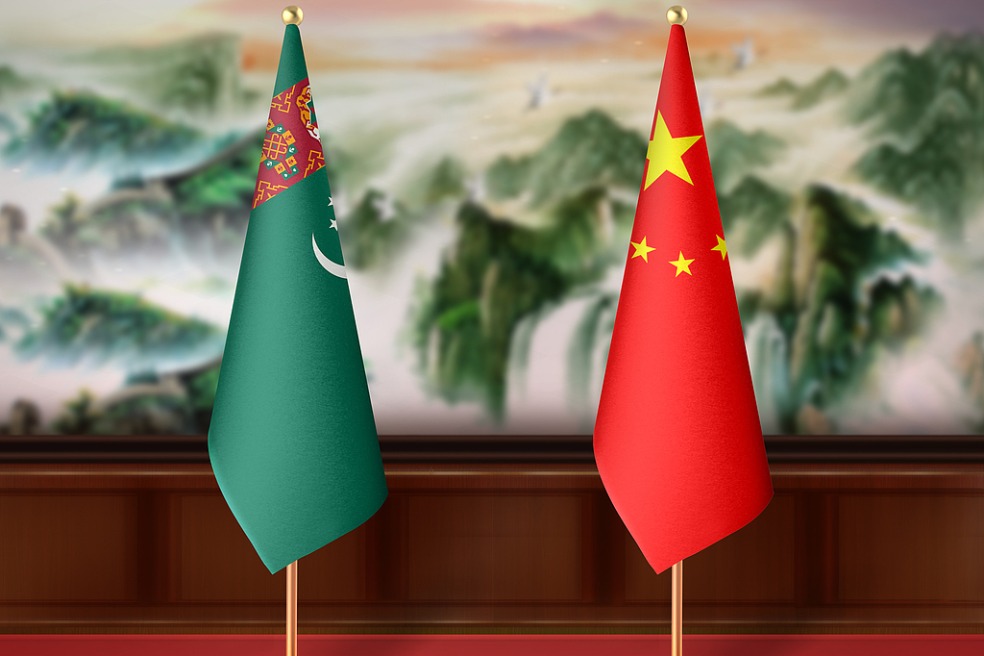
    Chinese President Xi Jinping held a significant diplomatic meeting with Gurbanguly Berdimuhamedov, National Leader of the Turkmen People and Chairman of the Halk Maslahaty of Turkmenistan, in Beijing on Wednesday. The high-level talks marked a substantial step in deepening the comprehensive strategic partnership between the two nations.

    The meeting focused on enhancing bilateral cooperation across multiple sectors, with particular emphasis on energy infrastructure development and regional security coordination. Both leaders exchanged views on implementing previously established agreements while exploring new avenues for economic and technological collaboration.

    President Xi emphasized China’s commitment to the Belt and Road Initiative framework, highlighting Turkmenistan’s crucial role as a key energy partner in Central Asia. The discussions also covered international affairs of mutual concern, with both parties expressing alignment on maintaining regional stability and promoting economic development.

    The engagement represents continued diplomatic momentum following previous high-level exchanges between the two countries. Observers note that strengthened China-Turkmenistan relations contribute to greater economic integration across Central Asia and demonstrate China’s growing diplomatic engagement in the region.

  • China injects stability into turbulent world, experts say

    China injects stability into turbulent world, experts say

    Amid escalating geopolitical tensions and accelerating economic fragmentation, China is systematically providing stability to a volatile global landscape, according to leading experts. The assessment emerged during the Beijing launch of two comprehensive reports compiled by the Institute of World Economics and Politics at the Chinese Academy of Social Sciences on March 17.

    The Annual Report on International Politics and Security (2026) identifies the global shift toward multipolarity as not merely an inevitable trend but an established reality. The report analyzes that current US foreign policy approaches have effectively accelerated this historic transformation. However, researchers caution that multipolarity doesn’t automatically guarantee an equitable international order, noting concerning returns to unilateralism and power politics that threaten global stability.

    Research Fellow Xiao He emphasized China’s growing role in addressing global governance challenges. As traditional international systems face unprecedented pressure, China has demonstrated responsible leadership through initiatives like the Global Governance Initiative, which provides substantive solutions to contemporary governance dilemmas.

    The parallel World Economy Analysis and Forecast (2026) examines serious challenges stemming from geopolitical conflicts and rapid restructuring of global industrial chains. The report identifies artificial intelligence and other revolutionary technologies as dual-edged forces—fostering new growth industries while simultaneously transforming global labor markets and international regulatory frameworks.

    Fellow researcher Gao Lingyun projected global economic growth to slow to 3 percent in 2026 due to combined short-term challenges and profound structural transformations. Within this context, China’s economy is expected to maintain stable expansion, thereby providing crucial stability to worldwide economic recovery efforts.

    Both publications represent systematic analyses of current international dynamics, highlighting China’s increasingly central role in shaping global responses to contemporary challenges through coordinated policy approaches and economic stability.

  • Herdsmen in Inner Mongolia busy with lamb breeding

    Herdsmen in Inner Mongolia busy with lamb breeding

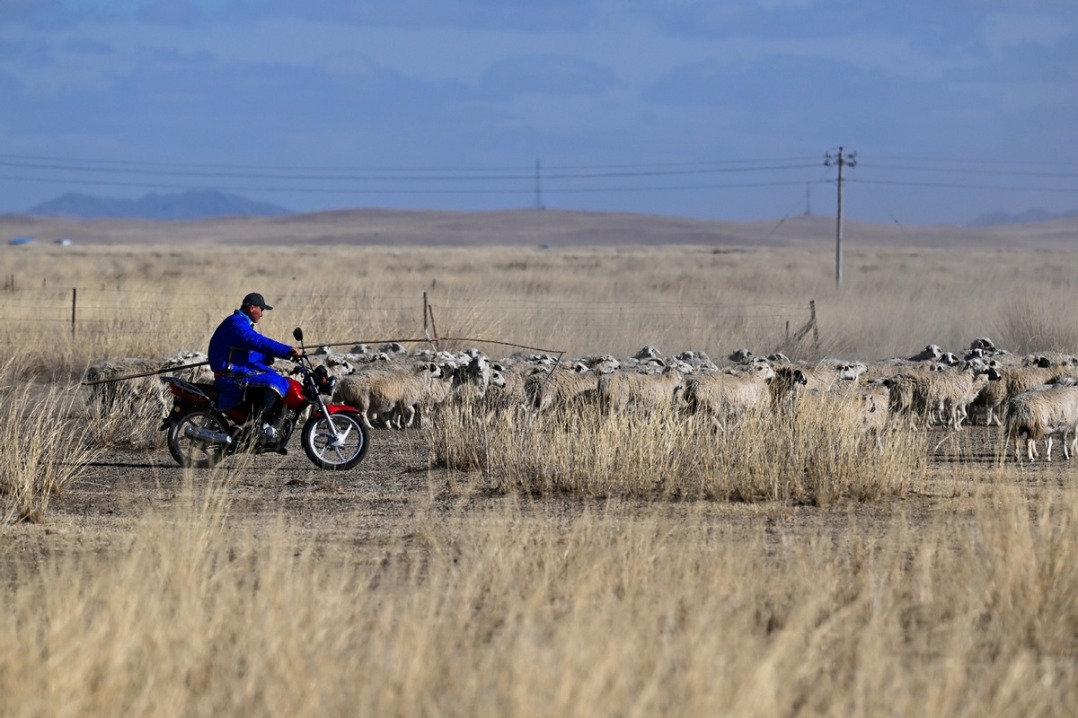
    Across the vast grasslands of Xiliin Gol League in China’s Inner Mongolia Autonomous Region, herdsmen are actively engaged in the critical spring lambing season. This annual period of heightened agricultural activity marks a vital phase in the region’s traditional livestock husbandry practices.

    The current lamb breeding operations coincide with optimal seasonal conditions for animal births in this northern territory. Local pastoral communities are dedicating extended hours to monitoring pregnant ewes, assisting with difficult deliveries when necessary, and ensuring newborn lambs receive proper nutrition and protection from the elements.

    Photographic documentation from East Ujimqin Banner reveals healthy lambs thriving under the care of experienced herdspeople. The scenes represent both the continuation of centuries-old pastoral traditions and the modern economic foundation for many rural families in the region.

    This seasonal cycle demonstrates the ongoing significance of animal husbandry to Inner Mongolia’s cultural identity and economic landscape. The successful breeding season contributes to the sustainability of grassland ecosystems while supporting livelihoods connected to wool, meat, and dairy production.

    The coordinated efforts during this period reflect the deep understanding local herdsmen maintain regarding animal behavior, seasonal patterns, and sustainable grazing practices developed over generations.

  • Japanese politicians hype up China’s defense budget to justify Japan’s hidden military expansion ambitions, says PLA spokesman

    Japanese politicians hype up China’s defense budget to justify Japan’s hidden military expansion ambitions, says PLA spokesman

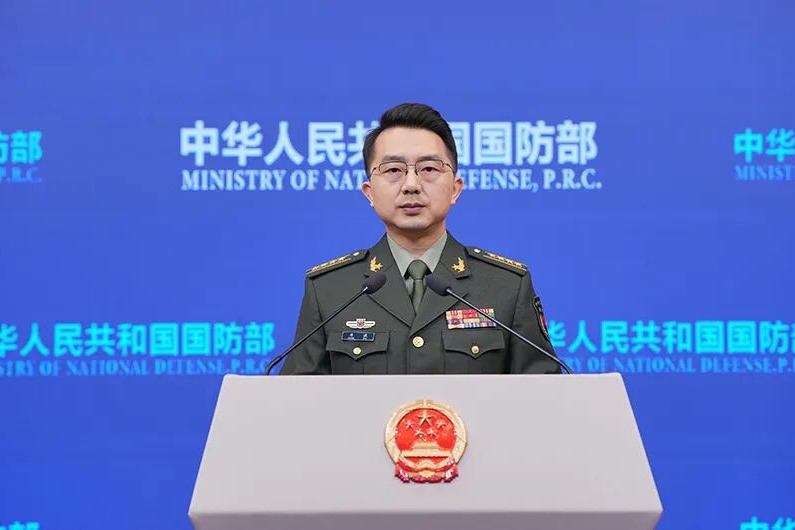
    China’s Ministry of National Defense has issued a sharp rebuke against Japanese political leaders, alleging they are deliberately exaggerating China’s military expenditures to conceal Japan’s own ambitions for military expansion. The statement came from PLA spokesman Jiang Bin, who characterized Japan’s rhetoric as a strategic diversion from its hidden militarization agenda.

    The defense spokesman’s remarks highlight growing tensions between the two Asian powers regarding military transparency and regional security dynamics. Jiang asserted that Japanese officials have consistently misrepresented China’s defense budget increases while simultaneously advancing their own military capabilities under the guise of regional security concerns.

    This diplomatic confrontation emerges against the backdrop of Japan’s recent moves to substantially increase its defense spending and reinterpret constitutional limitations on military operations. Chinese defense officials maintain that their country’s military development remains purely defensive in nature and proportional to its economic growth and security requirements.

    The exchange represents the latest chapter in the long-standing strategic competition between the two nations, with China characterizing Japan’s military modernization efforts as disproportionate to actual regional threats. The Chinese defense establishment has called for greater transparency from Tokyo regarding its military intentions and for cessation of what it describes as misleading narratives about China’s defense posture.

  • Chinese scientists adopt magnetic fluids to treat heart disease

    Chinese scientists adopt magnetic fluids to treat heart disease

    Chinese researchers have unveiled a groundbreaking medical innovation using magnetically controlled fluids to address cardiac complications associated with atrial fibrillation. The pioneering technique, developed through collaboration between the Shenzhen Institutes of Advanced Technology (SIAT) and Fuwai Hospital, represents a paradigm shift in left atrial appendage occlusion procedures.

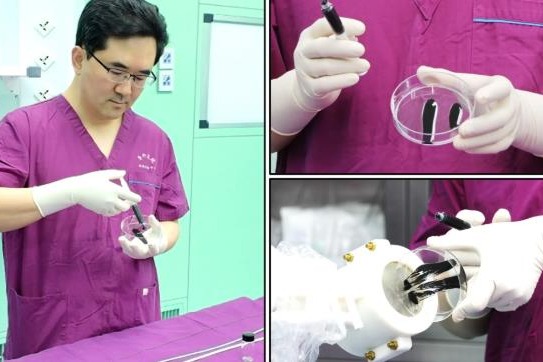
    The research, recently featured in the prestigious journal Nature, introduces a novel approach to preventing stroke-causing blood clots in heart patients. The technology utilizes a unique magnetic fluid composition that combines magnetic particles with curable carrier fluids, creating deformable robotic systems controllable through external magnetic fields.

    According to corresponding authors Dr. Xu Tiantian of SIAT and Dr. Pan Xiangbin of Fuwai Hospital, the magnetofluid solution addresses critical limitations of conventional solid-based occlusion methods. The approximately 2.5 ml fluid volume demonstrates remarkable adaptability, flowing into complex cardiac structures and conforming to irregular cavities while maintaining precise magnetic guidance.

    This innovation specifically targets left atrial appendage thrombosis, a common complication in atrial fibrillation patients that significantly elevates stroke risk. The magnetic fluid system achieves complete fluidic sealing, marking a technological transition from traditional solid adaptation approaches to a more advanced liquid-based methodology.

    The research team emphasizes that this breakthrough offers a safer, more durable stroke prevention strategy while potentially reducing secondary surgical interventions and associated healthcare costs. Ongoing investigations will focus on long-term safety profiles and clinical translation pathways to bring this innovative treatment to patient care settings.

  • ‘Unprecedented expulsion’: UN says Israel displaced 36,000 Palestinians in West Bank

    ‘Unprecedented expulsion’: UN says Israel displaced 36,000 Palestinians in West Bank

    A comprehensive United Nations assessment reveals an alarming escalation in Palestinian displacement throughout the occupied West Bank, with over 36,000 residents forcibly removed from their homes during the twelve-month period ending October 31, 2025. The report documents 1,732 incidents of settler violence resulting in casualties or property damage, representing a nearly 25% increase from previous records.

    The investigation details coordinated attacks involving sustained harassment, intimidation campaigns, and systematic destruction of Palestinian residences, agricultural land, and economic infrastructure. UN analysts note the increasingly indistinguishable nature between state-sponsored actions and settler violence, with Israeli authorities frequently directing, participating in, or enabling these operations.

    Northern territories witnessed the most significant population transfers, with approximately 32,000 Palestinians expelled from Jenin, Tulkarem, Nur Shams, and Far’a refugee camps during extensive military operations. The displacement peaked during the critical October olive harvest season, traditionally a vital economic period for Palestinian farmers. The report documented 42 separate settler attacks that injured 131 Palestinians, including 14 women and one child—the highest monthly casualty rate since UN monitoring began in 2006.

    Gender-based violence emerged as a particularly disturbing trend, with numerous families separated as women and children fled while men remained to protect property. The report concludes that these coordinated displacements, occurring simultaneously with Gaza’s humanitarian crisis, suggest a systematic Israeli policy of mass forcible transfer potentially constituting ethnic cleansing.

    Additionally, the investigation warns of imminent expulsion risks for Bedouin communities northeast of East Jerusalem as Israeli authorities advance new settlement plans. The report emphasizes that such population transfers violate the Fourth Geneva Convention and may amount to crimes against humanity.

    Settlement expansion accelerated dramatically with Israeli authorities approving nearly 37,000 housing units in East Jerusalem settlements and approximately 27,200 additional units across the West Bank. The reporting period also saw the establishment of 84 new settlement outposts, including expansions into Area B territories theoretically under Palestinian Authority jurisdiction according to Oslo Accords provisions.

    According to latest UN figures, Israeli military and settler operations have resulted in at least 1,071 Palestinian fatalities across the West Bank since October 2023.

  • Mainland facilitates 93 Taiwan compatriots stranded in Middle East to return home via Shanghai

    Mainland facilitates 93 Taiwan compatriots stranded in Middle East to return home via Shanghai

    In a significant consular operation, Chinese diplomatic missions across the Middle East have facilitated the safe return of 93 Taiwanese compatriots who found themselves stranded in the region. The evacuation was coordinated through multiple channels with travelers ultimately transiting through Shanghai Pudong International Airport on their journey back to Taiwan.

    The operation involved concerted efforts from several Chinese diplomatic posts, including the Consulate General in Istanbul, which arranged for the transfer of stranded travelers to mainland-operated flights. Simultaneously, the Chinese Embassy in Israel and Consulate General in Dubai provided critical assistance to numerous other Taiwanese nationals, enabling either their safe return to Taiwan or relocation to more secure areas within the region.

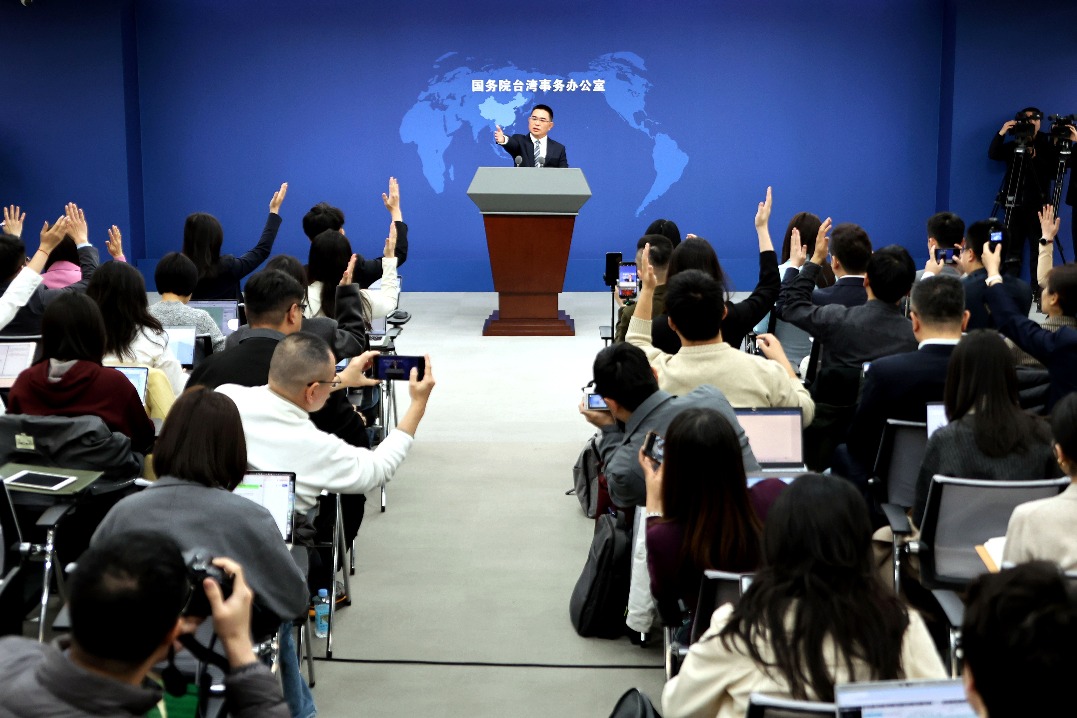
    According to Chen Binhua, spokesman for China’s Taiwan Affairs Office, the compatriots sought assistance through official channels including the China Consular Affairs application and dedicated emergency hotlines. Chen emphasized that Beijing consistently prioritizes the welfare and security of all Chinese citizens abroad, regardless of their region of origin within the nation.

    The successful operation stands in stark contrast to what Chinese officials characterized as “shameful” criticisms from Taiwan’s Democratic Progressive Party authorities, who have repeatedly questioned Beijing’s motives in providing consular protection to Taiwanese nationals. Recipients of the assistance expressed profound appreciation, noting they felt reassured by the motherland’s support and experienced firsthand the familial bonds connecting both sides of the Taiwan Strait.

  • Chengdu rapeseed maze draws spring crowds with living plant labyrinth

    Chengdu rapeseed maze draws spring crowds with living plant labyrinth

    A spectacular living labyrinth crafted from vibrant rapeseed flowers has become the latest spring attraction captivating visitors in Chengdu, Sichuan province. The massive 10,000-square-meter maze, located at the China Tianfu Agricultural Expo Park, has transformed the suburban landscape into an immersive botanical experience that combines natural beauty with recreational adventure.

    The innovative agricultural tourism project demonstrates how traditional farming elements can be reimagined for modern entertainment. The brilliant yellow blooms create a visually stunning pattern when viewed from above, while at ground level, visitors navigate through the winding pathways surrounded by the sweet fragrance of flowering rapeseed.

    Local tourism authorities report unprecedented visitor numbers since the maze opened, with families, photography enthusiasts, and nature lovers flocking to experience this unique blend of agriculture and recreation. The attraction represents a growing trend in China’s tourism sector where agricultural spaces are being transformed into multifaceted destinations that educate while they entertain.

    The timing coincides with peak spring bloom season, when rapeseed flowers typically reach their most vibrant coloration. Organizers have incorporated educational elements throughout the maze, providing information about rapeseed cultivation, its agricultural significance, and the ecological benefits of the crop.

    Tourism experts note that such innovative attractions are becoming increasingly important as domestic travelers seek novel experiences that combine natural settings with interactive elements. The maze’s success demonstrates the potential for agricultural tourism to boost local economies while promoting environmental awareness and appreciation for China’s agricultural heritage.

  • Mainland willing to provide Taiwan with reliable energy supplies after reunification: spokesman

    Mainland willing to provide Taiwan with reliable energy supplies after reunification: spokesman

    BEIJING – In a significant diplomatic overture, Chinese authorities have articulated a comprehensive energy security proposal for Taiwan contingent upon peaceful reunification. Chen Binhua, spokesperson for the Taiwan Affairs Office of the State Council, articulated this position during Wednesday’s regular press briefing in response to growing concerns about Taiwan’s energy resilience amid Middle Eastern geopolitical instability.

    The spokesman addressed specific anxieties regarding potential disruptions to Taiwan’s oil and gas supply chains, emphasizing that cross-strait reunification would fundamentally transform Taiwan’s energy landscape. Chen outlined how full integration would enable the complete resolution of Taiwan’s chronic shortages in electricity generation, natural gas availability, and crude oil supplies through enhanced connectivity infrastructure.

    Beyond mere adequacy, the proposal promises qualitative improvements to Taiwan’s energy ecosystem. Chen guaranteed that post-reunification energy provisions would not only be reliable but also more economically accessible, environmentally sustainable, and operationally stable than current arrangements. The spokesperson framed this energy security commitment as part of broader socioeconomic benefits that would accrue to Taiwanese citizens following peaceful reunification, positioning energy cooperation as a cornerstone of integrated development.

    This energy proposal emerges against the backdrop of ongoing regional volatility that has exposed vulnerabilities in Taiwan’s resource supply chains, presenting Beijing’s vision as a comprehensive solution to both immediate and long-term energy challenges.