标签: Asia

亚洲

  • Casualties rise in Sydney Bondi Beach terrorist attack, no Chinese reported, gunmen identified

    Casualties rise in Sydney Bondi Beach terrorist attack, no Chinese reported, gunmen identified

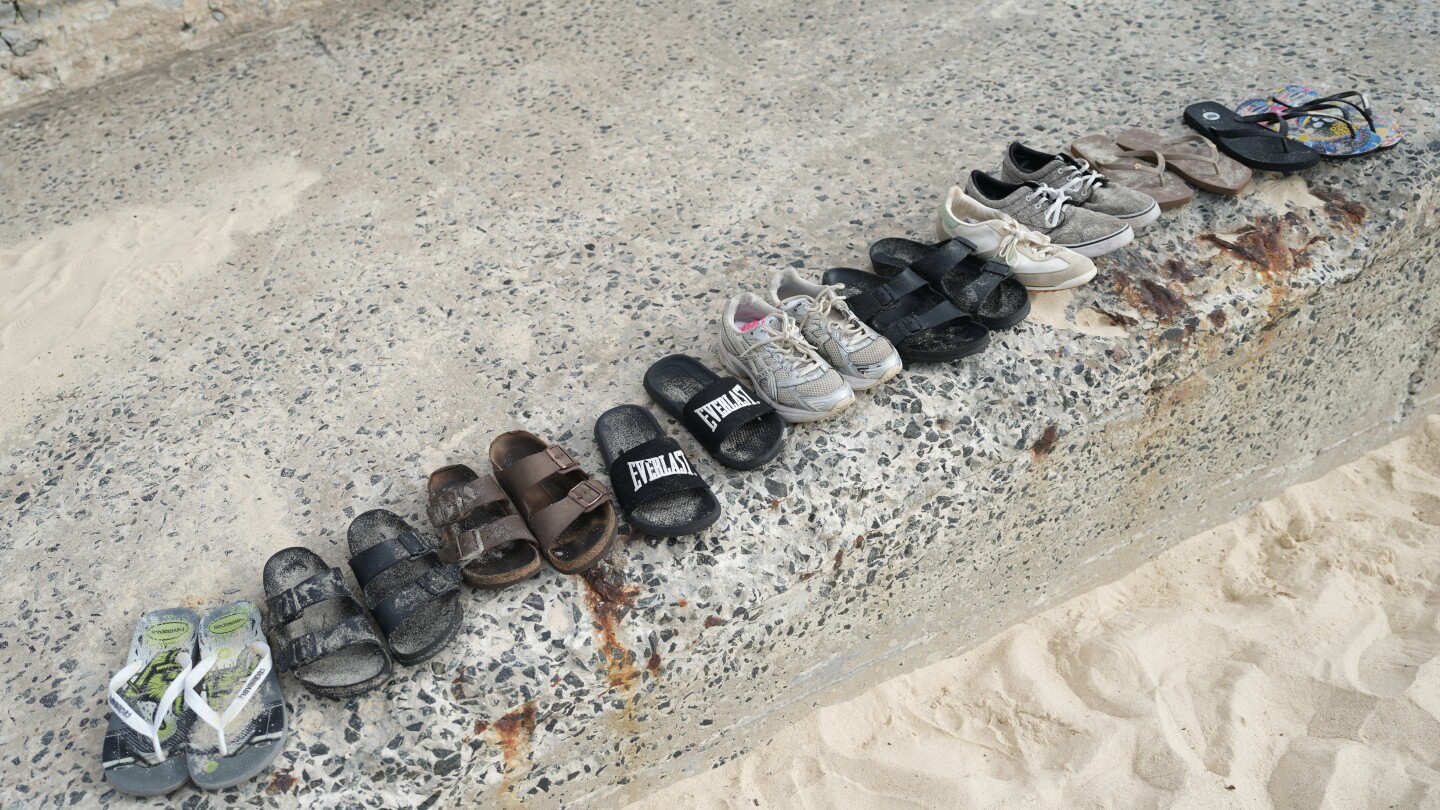
    Sydney’s iconic Bondi Beach became the scene of a horrific terrorist attack on Sunday, December 15, 2025, resulting in a devastating toll of 16 fatalities and 42 individuals hospitalized with injuries. The assault specifically targeted a Jewish community gathering during the first night of Hanukkah celebrations, with victims spanning generations from age 10 to 87.

    New South Wales Police Commissioner Mal Lanyon identified the perpetrators as a father-son duo, aged 50 and 24 respectively. The older assailant was killed during the incident while his son remains under medical care in hospital. Authorities confirmed the deceased gunman held a valid firearms license for a decade, with all six registered weapons in his possession accounted for.

    The violent confrontation resulted in two police officers sustaining critical injuries during an exchange of gunfire with the attackers. Both officers are currently reported in stable but serious condition.

    Australian Prime Minister Anthony Albanese vehemently condemned what he described as ‘an act of pure evil,’ vowing to dedicate all necessary resources to combat anti-Semitism. In a national gesture of mourning, flags across Australia flew at half-mast on Monday to honor the victims.

    The Chinese Consulate-General in Sydney confirmed no Chinese nationals were among the casualties and continues to monitor developments closely. This tragedy marks Australia’s deadliest mass shooting since the 1996 Port Arthur massacre, which prompted comprehensive firearms reform legislation. Prime Minister Albanese indicated potential legislative responses pending investigation outcomes.

  • US ‘strongly condemns’ deadly attack on Jewish festival in Sydney

    US ‘strongly condemns’ deadly attack on Jewish festival in Sydney

    The United States government has issued a forceful condemnation of the deadly antisemitic terrorist attack that claimed multiple lives during a Hanukkah celebration in Sydney, Australia. Secretary of State Marco Rubio characterized the assault as a horrific act of violence targeting the Jewish community, emphasizing that “antisemitism has no place in this world” in his official statement on social media platform X.

    In a significant diplomatic engagement, Secretary Rubio conducted an emergency telephone conversation with Australian Foreign Minister Penny Wong to address the Bondi Beach tragedy directly. The State Department, through spokesman Tommy Pigott, confirmed that both nations are standing in solidarity with the victims’ families and the broader Jewish community affected by this devastating incident.

    President Donald Trump briefly referenced the attack during White House Christmas festivities, explicitly identifying the violence as an antisemitic assault while expressing condolences to the Australian people. The coordinated American response underscores the gravity with which international authorities are treating this act of religiously-motivated terrorism.

    The attack occurred during Hanukkah observances, a traditionally joyous Jewish festival, transforming a celebration of light into a scene of tragedy. Australian authorities continue their investigation into the precise motivations and circumstances surrounding the violence that shocked the global community.

  • Shooting on Bondi Beach pierces Australia’s sense of security. Survivors remember moments of terror

    Shooting on Bondi Beach pierces Australia’s sense of security. Survivors remember moments of terror

    SYDNEY — A festive Hanukkah celebration at Bondi Beach transformed into a scene of terror Sunday evening when two assailants opened fire on hundreds of Jewish community members gathered for the annual ‘Channukah by the Sea’ event. The attack, which authorities have classified as an antisemitic act of terrorism, claimed at least 15 lives and shattered Australia’s longstanding sense of security regarding gun violence.

    At approximately 6:40 p.m., as families enjoyed the summer evening overlooking Australia’s most iconic beach, gunshots erupted without warning. The picturesque setting—where children had been petting zoo animals and climbing rock walls moments earlier—descended into chaos as revelers scrambled for cover from the sustained assault.

    Rebecca, a 33-year-old mother who requested anonymity for safety concerns, described throwing herself over her 5-year-old son beneath a food table. ‘Please don’t let us die,’ she recalled praying while pulling beverage buckets over their bodies for concealment. Just inches away, a man was struck in the chest by a bullet, uttering his final words to her as she attempted to comfort him.

    The attack lasted approximately seven minutes according to eyewitness footage obtained by The Associated Press, during which panicked beachgoers fled in all directions. Some swimmers and surfers rushed toward shore while others sought refuge in the Tasman Sea, including one woman who ran fully clothed into the ocean upon hearing the shots.

    The response included both heroic civilian intervention and subsequent police action. Ahmed al Ahmed, a local fruit shop owner and father identified by Home Affairs Minister Tony Burke, reportedly tackled one shooter and wrestled away his firearm despite being shot in the shoulder. Police eventually engaged both suspects, fatally wounding the 50-year-old alleged perpetrator while injuring his 24-year-old son, who remains hospitalized.

    Among the victims were a 10-year-old girl, a Holocaust survivor, and a respected rabbi—losses that have deeply shaken Australia’s Jewish community. The tragedy has raised urgent questions about rising antisemitism, with survivors noting increased tensions in Sydney and Melbourne over the past year. Many expressed frustration that authorities had not adequately addressed growing concerns before the attack.

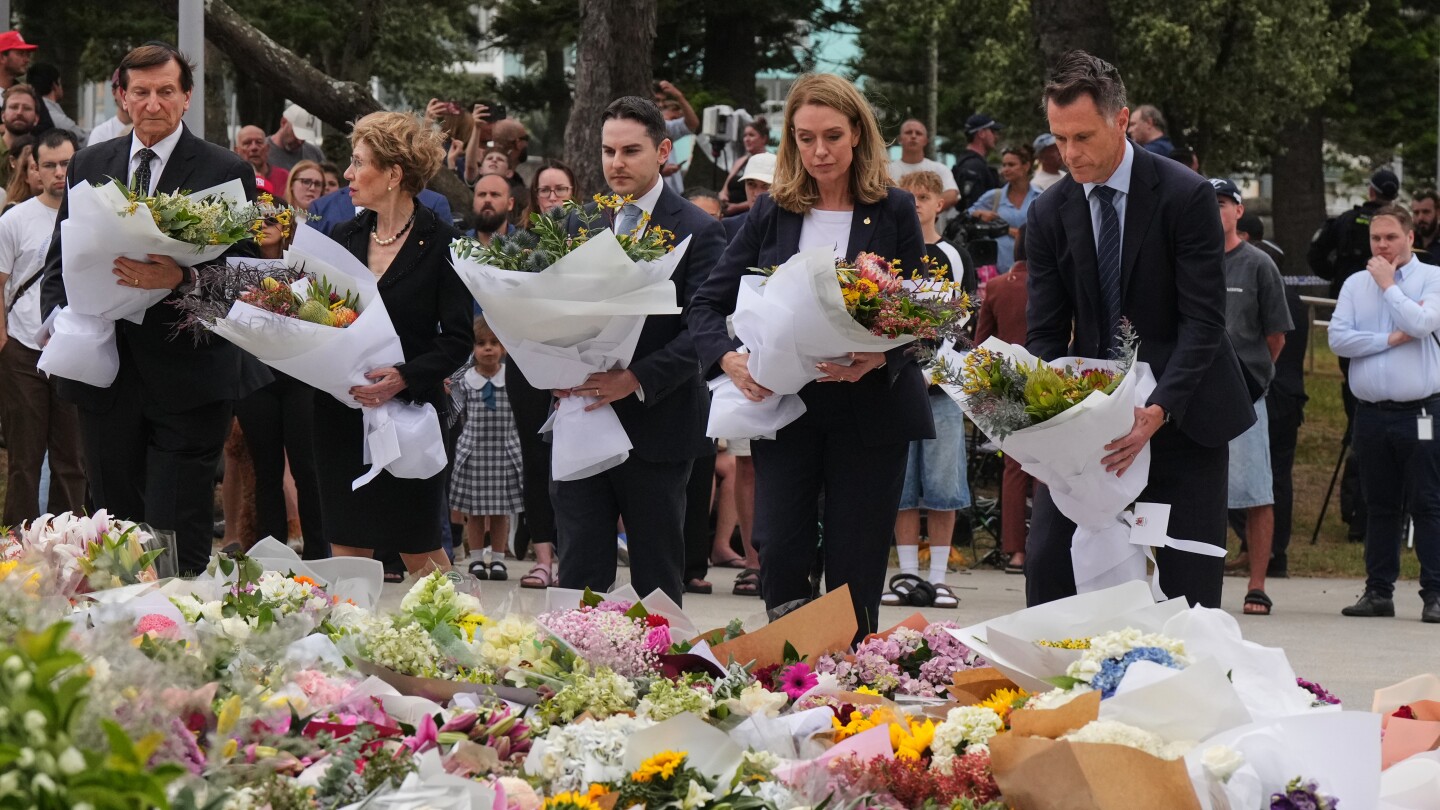
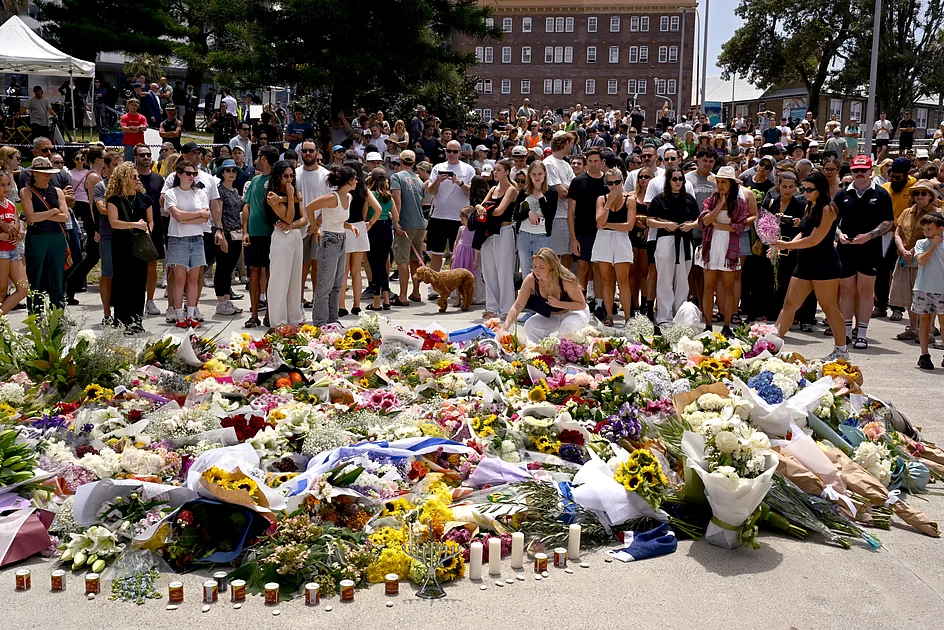
    The incident represents one of Australia’s deadliest mass shootings in decades, particularly striking in a nation with strict firearm regulations that has largely avoided such violence common in other Western countries. As memorials grow at Bondi Beach, the international community watches how Australia will respond to this targeted act of hatred and its implications for religious freedom and public safety worldwide.

  • Jimmy Lai found guilty of violating national security law

    Jimmy Lai found guilty of violating national security law

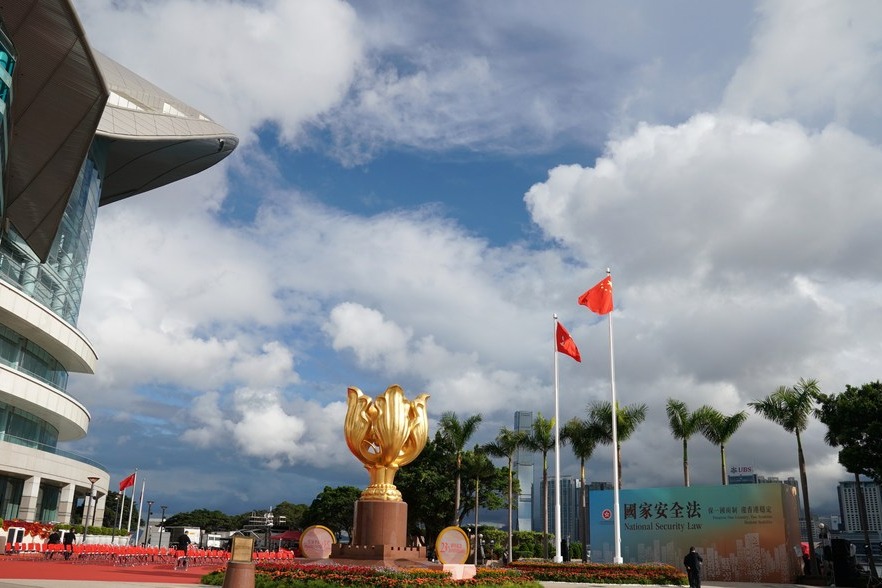
    Hong Kong’s judiciary has reached a landmark verdict in the high-profile case against media tycoon Jimmy Lai, finding the prominent pro-democracy figure guilty of violating the territory’s national security law. The ruling delivered on December 15, 2025, represents a significant enforcement of the controversial legislation imposed by Beijing in 2020.

    The court proceedings, which attracted international attention, concluded after extensive deliberation regarding Lai’s activities that prosecutors argued threatened national security. The verdict underscores Hong Kong’s rigorous implementation of legal measures designed to protect China’s sovereignty and security interests following the 2019 pro-democracy protests.

    Legal experts note this case establishes important precedents for interpreting the national security law’s provisions regarding what constitutes endangering national security. The judgment demonstrates Hong Kong’s judicial system operating within the framework of the “one country, two systems” principle while addressing activities perceived as challenging central government authority.

    The conviction occurs amid ongoing developments in Hong Kong’s political landscape, where authorities continue to balance legal enforcement with maintaining the region’s distinctive characteristics. International observers have closely monitored the case for its implications on freedom of expression and judicial independence in the semi-autonomous territory.

    This judicial outcome follows similar cases under the national security legislation and signals the continued application of legal measures that Beijing describes as essential for maintaining stability while critics argue may affect civil liberties.

  • Cambodia claims Thai bombing is hitting deeper into its territory near shelters for displaced people

    Cambodia claims Thai bombing is hitting deeper into its territory near shelters for displaced people

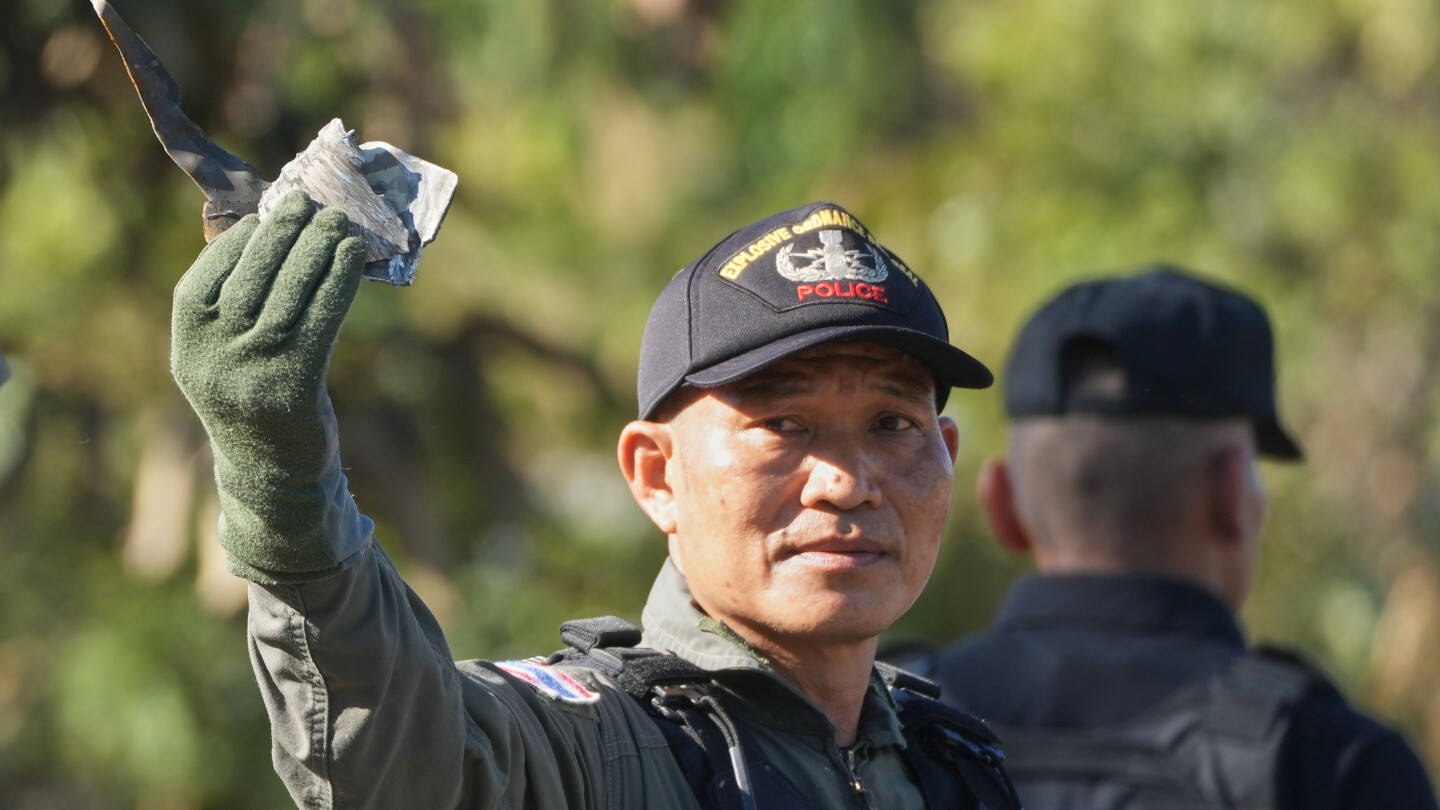
    The protracted military confrontation between Thailand and Cambodia has intensified dramatically, entering its second week with alarming developments. Cambodian authorities report that Thai F-16 fighter jets conducted bombing raids approximately 70 kilometers inside Cambodian territory on Monday, striking areas perilously close to civilian displacement camps in the Oddar Meanchey and Siem Reap provinces.

    The strategic targeting included infrastructure such as bridges in Srei Snam district, dangerously proximate to the internationally renowned Angkor Wat temple complex—a UNESCO World Heritage site representing Cambodia’s most significant tourist destination. This escalation marks a serious expansion of the conflict zone beyond immediate border areas.

    Military assessments from Bangkok claim substantial damage to Cambodian forces, including the destruction of 12 tanks, 10 armored vehicles, multiple artillery systems, and sophisticated anti-aircraft equipment. Thailand additionally reports capturing advanced Chinese-made anti-tank missile systems while acknowledging 16 combat fatalities among their own personnel.

    The human cost continues to mount with officials confirming over two dozen military casualties and approximately 500,000 displaced civilians across both nations. Cambodia reports 15 civilian deaths and 73 injuries, while Thailand announced its first civilian fatality from rocket attacks on Sunday.

    In a significant strategic development, Thai officials revealed efforts to establish supply constraints against Cambodia through maritime controls in the Gulf of Thailand and restrictions at land checkpoints near Laos. Notably, both sides acknowledge damage to historical Ta Kwai temple (known as Ta Krabey in Cambodia), with each nation attributing responsibility to the other.

    The renewed hostilities have effectively nullified the ceasefire agreement previously brokered by Malaysia under pressure from the Trump administration in October. Despite recent claims of renewed diplomatic progress, both governments currently maintain opposing positions regarding conflict resolution and ceasefire commitments.

  • US tariffs are having an uneven effect on holiday prices and purchases

    US tariffs are having an uneven effect on holiday prices and purchases

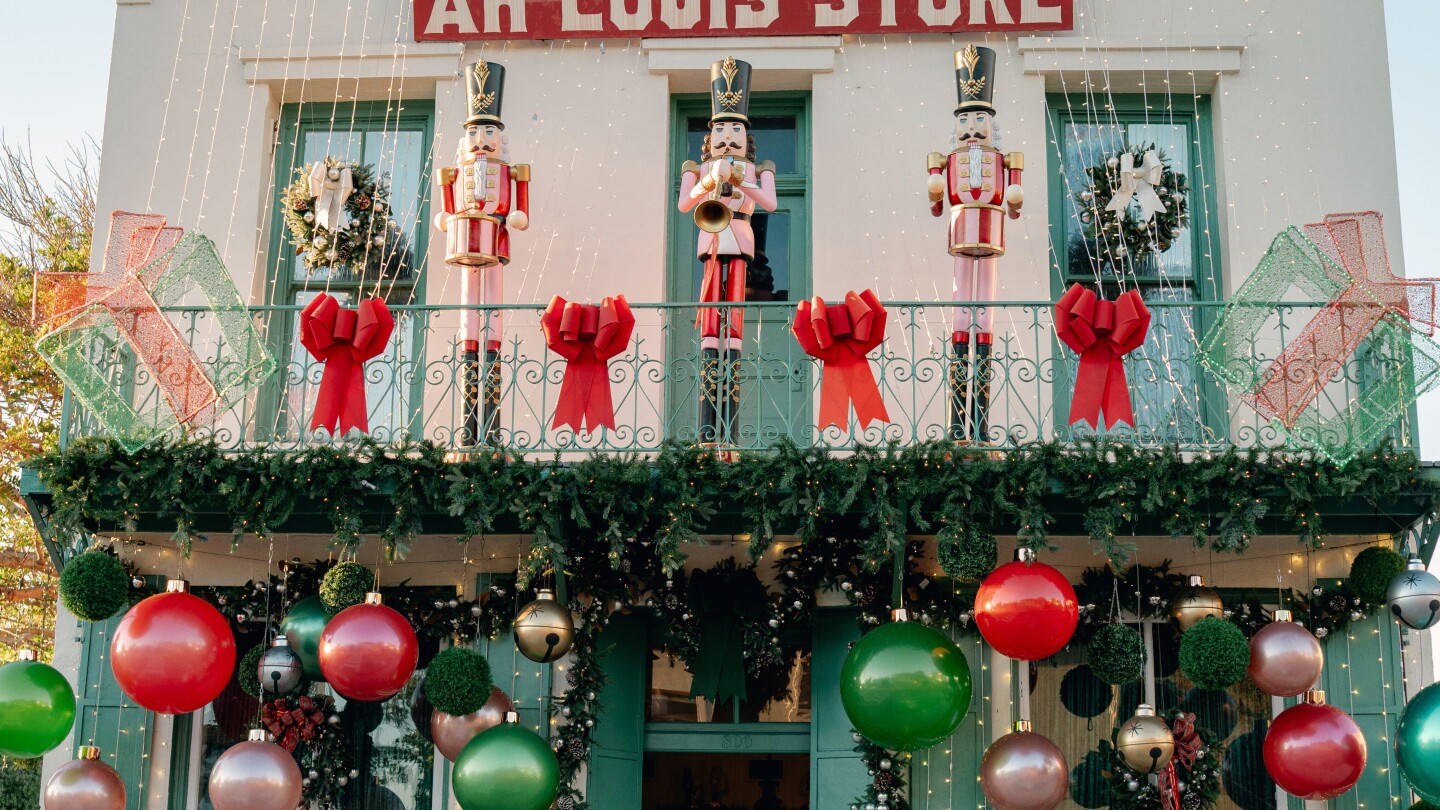
    SAN LUIS OBISPO, Calif. – The historic Ah Louis Store transforms into a seasonal spectacle each holiday period, with its façade adorned by green garlands, oversized nutcrackers, and decorative baubles. Inside, shoppers browse through more than 500 ornament varieties and curated gift baskets. Co-owner Emily Butler emphasizes creating “a magical spot” that spreads holiday cheer. Yet this year, converting foot traffic into sales demanded greater strategy amid economic pressures.

    Butler and her twin sister, who co-manage the business, encountered supply and pricing challenges due to elevated tariffs on imported goods enacted during the Trump administration. Many of their decorations and stocking stuffers, manufactured overseas, either arrived late or carried steeper costs. In response, the sisters streamlined their offerings toward higher-margin products like nutcrackers and pre-assembled baskets.

    Consumers also displayed heightened frugality, frequently opting for a $100 basket instead of a $150 alternative or purchasing a single ornament rather than multiple. “We’re definitely seeing more cautious spending this year,” Butler noted.

    This caution reflects broader economic unease. According to a December AP-NORC Center poll, most American adults have observed unusually high prices for groceries, utilities, and holiday gifts. A Gallup index revealed that economic confidence hit a 17-month low in November, with projected holiday gift spending dropping $229 per person from October—the steepest decline recorded at that point in the season.

    While the worst-case inflationary impact from tariffs predicted by economists did not fully materialize, certain gifting categories felt distinct effects:

    – TOYS AND GAMES: The Toy Association reported significant vulnerability, as most toys sold in the U.S. are manufactured in China. Tariff rates fluctuated dramatically, starting at 10%, peaking at 145%, and settling at 47%. Retailers like Dean Smith, co-owner of JaZams in New Jersey and Pennsylvania, faced wholesale price increases between 5% and 20%, leading to price adjustments that made certain toys less accessible to budget-conscious families.

    – ELECTRONICS: Best Buy acknowledged raising prices due to tariffs but emphasized maintaining a range of price points to attract diverse shoppers. Console manufacturers Sony, Microsoft, and Nintendo each announced price increases for popular gaming systems.

    – JEWELRY: Price increases here were largely driven by soaring gold values rather than tariffs, though trade policies introduced variability. Deals were struck with countries like Switzerland to reduce duties, while diamond importers rushed shipments ahead of new tariffs from India.

    – HOLIDAY DECOR: Sellers like Jeremy Rice of House in Kentucky experienced slowed production and elevated costs for items like artificial flowers and wreaths. Some products saw retail prices rise by over 20% compared to the previous year.

    To mitigate tariff-related price hikes, retail analysts suggest shopping at off-price chains like T.J. Maxx or Marshall’s, which often stock pre-tariff inventory, or focusing on domestically produced goods like books, food, and beverages.

  • UAE’s rainy days mean resort stays: How bad weather drives wellness getaways

    UAE’s rainy days mean resort stays: How bad weather drives wellness getaways

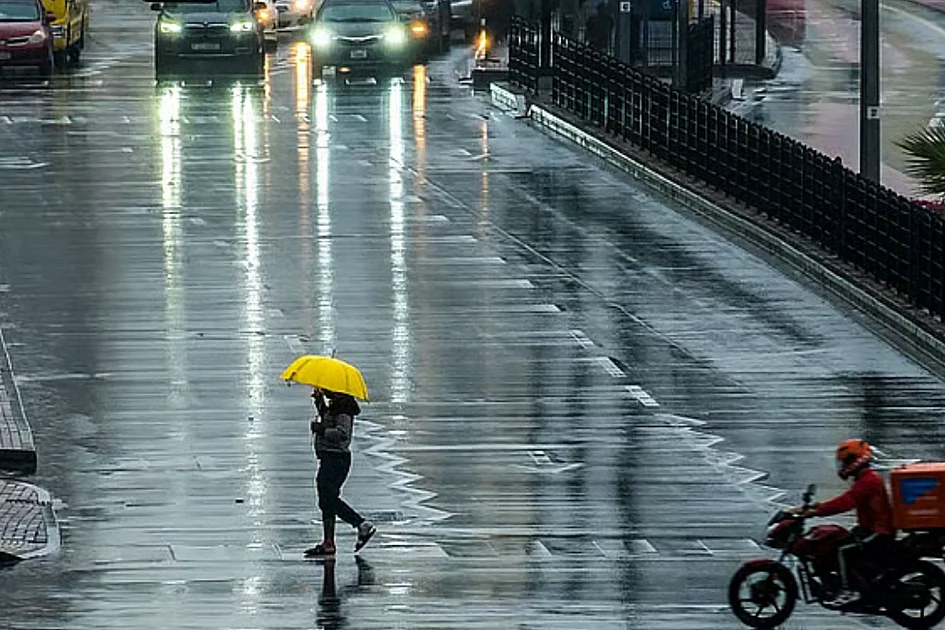
    In the arid climate of the United Arab Emirates, where rainfall remains a rare meteorological phenomenon, an unexpected behavioral pattern has emerged among residents. Rather than viewing impending precipitation as merely a logistical challenge, a growing segment of the population now actively seeks refuge in wellness-oriented getaways when rain appears in forecasts.

    This psychological shift represents a fundamental reimagining of weather-related behavior. Dubai-based entrepreneur Abdullah S. exemplifies this trend, explaining how rain predictions now trigger his planning for retreats to destinations like Sir Bani Yas Island or Fujairah resorts. ‘Rain there feels like a gift in the UAE,’ he noted. ‘I use that time to think clearly, plan new ventures and reflect on business decisions without distractions.’

    The hospitality industry has documented corresponding booking patterns. According to Shilpa Mahtani, co-founder of bnbme holiday homes, ‘We usually see a spike in last-minute staycation bookings when rain is forecasted. Larger apartments and villas with comfortable indoor spaces tend to perform best.’ These bookings frequently include premium add-ons such as in-house chefs, masseuse services, and extended check-out times.

    Clinical psychologist Dr. Laxmi Saranya of Mediclinic provides scientific context for this phenomenon, noting that weather forecasts function as ‘cognitive primes’ that trigger emotional associations and behavioral adjustments even before physical weather changes occur. ‘Rain acts as a socially acceptable justification for slowing down,’ she explained. ‘It provides an external reason to withdraw, cancel plans or reflect without guilt.’

    This behavioral adaptation highlights how urban populations in high-performance environments increasingly value and seek validated opportunities for mental respite, using rare weather events as culturally approved moments for psychological renewal.

  • Affordability ranks high for overseas study choices

    Affordability ranks high for overseas study choices

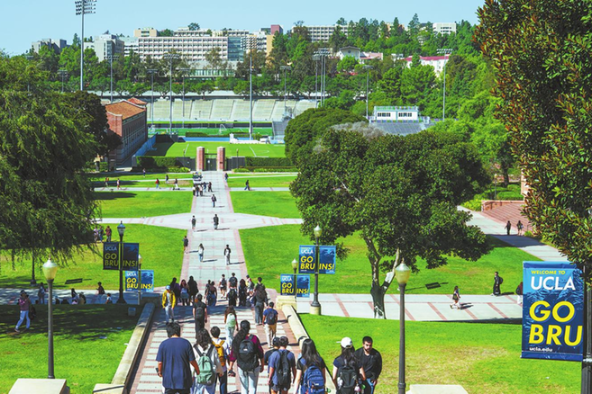
    A significant transformation is underway in China’s overseas education landscape as families increasingly prioritize cost-effectiveness alongside academic quality when selecting international study destinations. According to the latest annual report from Beijing-based EIC Education, financial considerations have substantially gained importance in study abroad decisions while maintaining the persistent emphasis on educational excellence.

    For the fifth consecutive year, educational quality remains the paramount consideration for Chinese families. However, the strategic weighting of ‘study costs’ has notably ascended to sixth position in 2025, climbing from eighth place in both 2022 and 2023. Simultaneously, ‘economic strength’ as a selection criterion has advanced to eighth place, reflecting heightened financial awareness in international education planning.

    This evolving value-for-money approach is redirecting attention toward destinations offering stable policies and reduced overall expenses. European and Asian countries are experiencing growing popularity as financially accessible alternatives to traditional Anglo-American destinations. Germany and France have emerged as prominent examples, attracting Chinese students through reputable public universities—many providing tuition-free education or minimal registration fees—coupled with an expanding portfolio of English-taught programs.

    Statistical evidence confirms this trend: over 38,000 Chinese students enrolled in German institutions during the 2023-24 academic year, while France hosted more than 27,000 Chinese students in the same period.

    Malaysia has demonstrated particularly remarkable growth, with Chinese applicant numbers surging nearly fourfold between 2020 and 2024 to reach 33,216. This appeal largely stems from branch campuses of elite global universities such as the University of Nottingham, where students can obtain identical qualifications at approximately one-third of the cost required in the institution’s home country.

    Concurrent with this financial pragmatism is an intensified focus on employment prospects. Data indicates growing preference for science, technology, engineering, and mathematics (STEM) fields, alongside interdisciplinary studies aligned with evolving job market requirements. EIC’s service data from 2022-2025 reveals consistent annual increases in science and engineering applications. While business and economics majors continue to represent the largest application share, their proportion has steadily declined over this four-year period.

    Post-graduation plans have similarly evolved, with returning to China becoming the predominant choice. This trend is propelled by favorable employment conditions and supportive talent recruitment policies implemented across major Chinese cities.

    The report incorporates firsthand accounts illustrating these patterns. Feng Mingqiu, 25, recently completed a postgraduate program at the University of Malaya, selecting Malaysia primarily for financial considerations. Her total tuition ranging from 60,000 to 70,000 yuan ($8,504-$9,922) represented substantial savings compared to equivalent programs in Hong Kong or the United Kingdom. Additionally, she noted the advantages of English instruction, minimal time difference, and geographical proximity facilitating smoother adaptation.

    Similarly, Yuan Ye, a 24-year-old veteran currently studying at the University of Science and Technology Beijing, plans to pursue postgraduate studies in Singapore citing its shorter program duration (1-1.5 years versus China’s three-year programs), institutional reputation, cultural familiarity, and proximity. He explicitly excluded the United States due to visa complications for veterans, safety concerns, and prohibitive costs estimating approximately 1 million yuan for a two-year master’s program.
  • What to know about the attack on the Jewish festival in Australia that killed 15 people

    What to know about the attack on the Jewish festival in Australia that killed 15 people

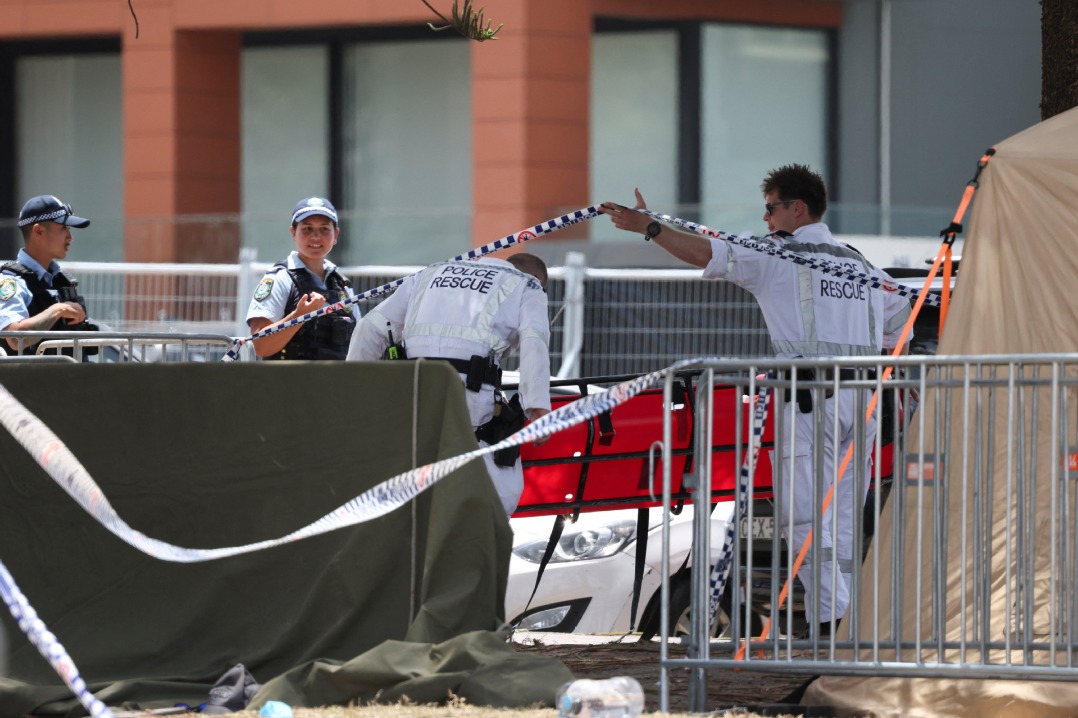
    SYDNEY — Australian authorities are confronting a rare episode of mass gun violence that has shaken the nation’s sense of security. A father and son are suspected of carrying out a deadly shooting at a Hanukkah celebration on Sydney’s iconic Bondi Beach, leaving 15 people dead and dozens injured in what Prime Minister Anthony Albanese has labeled an act of antisemitic terrorism.

    The attack targeted a Jewish community gathering marking the first day of the eight-day holiday festival. Among the victims were a 10-year-old girl, a rabbi, and a Holocaust survivor, highlighting the particularly tragic nature of the assault.

    Authorities revealed that the 50-year-old father, who arrived in Australia in 1998 on a student visa and held resident status, was killed during the incident. His 24-year-old Australian-born son sustained injuries and remains hospitalized under police guard. Investigators are examining suspicious items recovered from the scene, including improvised explosive devices found in one suspect’s vehicle.

    Dramatic footage circulating on Australian media showed a bystander courageously tackling and disarming one gunman before securing the weapon. The father held a legitimate firearms license obtained through membership at a gun club, as target shooting qualifies as a ‘genuine reason’ for firearm ownership under current Australian law, while self-defense does not.

    The tragedy has prompted immediate government action, with Prime Minister Albanese announcing proposed tougher gun laws just one day after the shootings. This response comes amid criticism that authorities had underestimated the severity of rising antisemitic violence across the country.

    Government reports indicate antisemitic incidents have surged more than threefold since Hamas attacked Israel in October 2023 and Israel responded with military action in Gaza. Recent months have seen synagogues and vehicles burned, businesses vandalized with antisemitic graffiti, and physical assaults targeting Jewish communities in Sydney and Melbourne, where most of Australia’s 117,000 Jewish residents live.

    The Bondi Beach shooting represents Australia’s deadliest firearm incident in three decades, reviving memories of the 1996 Port Arthur massacre that claimed 35 lives and prompted sweeping gun law reforms. While Australia maintains strict firearm regulations compared to many nations, this event has exposed vulnerabilities in the system and highlighted growing religious tensions within Australian society.

  • 1 held after gunmen kill 11 in Sydney

    1 held after gunmen kill 11 in Sydney

    A joyous Hanukkah celebration at Sydney’s iconic Bondi Beach descended into terror on Sunday when gunmen opened fire on a crowd of over 1,000 people, resulting in a devastating death toll of 12 individuals and leaving 29 others wounded, including two police officers in serious condition. Australian authorities have officially declared the mass shooting a terrorist incident, confirming one attacker was killed during the event and another is now in custody.

    The attack targeted the ‘Hanukkah by the Sea’ ceremony on the first night of the Jewish festival of lights, transforming what should have been an occasion of religious celebration into a scene of tragedy. New South Wales Police Commissioner Mal Lanyon characterized the event as a deliberate terrorist assault, emphasizing the particularly cruel timing against a peaceful gathering.

    Prime Minister Anthony Albanese addressed the nation, describing the shooting as a ‘dark moment’ for Australia and condemning the targeted violence against Jewish Australians. He pledged full governmental resources to investigate the attack and bring all responsible parties to justice, while urging national unity in response to the tragedy.

    Security operations involved a coordinated response from multiple agencies including the Australian Federal Police, New South Wales police, and the Australian Security Intelligence Organization. Acting Federal Police Commissioner Nigel Ryan committed all available specialist resources and powers to ensure a thorough investigation.

    The Chinese Consulate General in Sydney promptly issued safety advisories to Chinese nationals in the region, recommending heightened security awareness, precautionary measures, and maintained communication capabilities. The consulate emphasized immediate contact with emergency services should any danger be encountered.

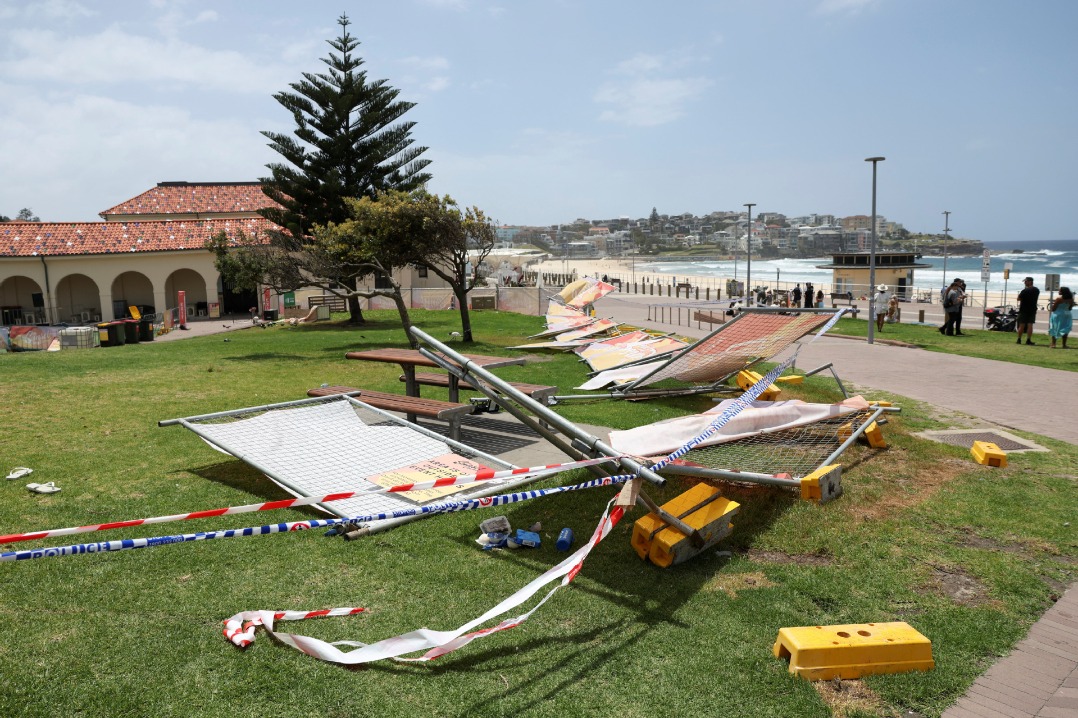
    As the investigation continues, authorities have warned that the security situation remains serious and have urged the public to avoid the Bondi Beach area while operations are ongoing.