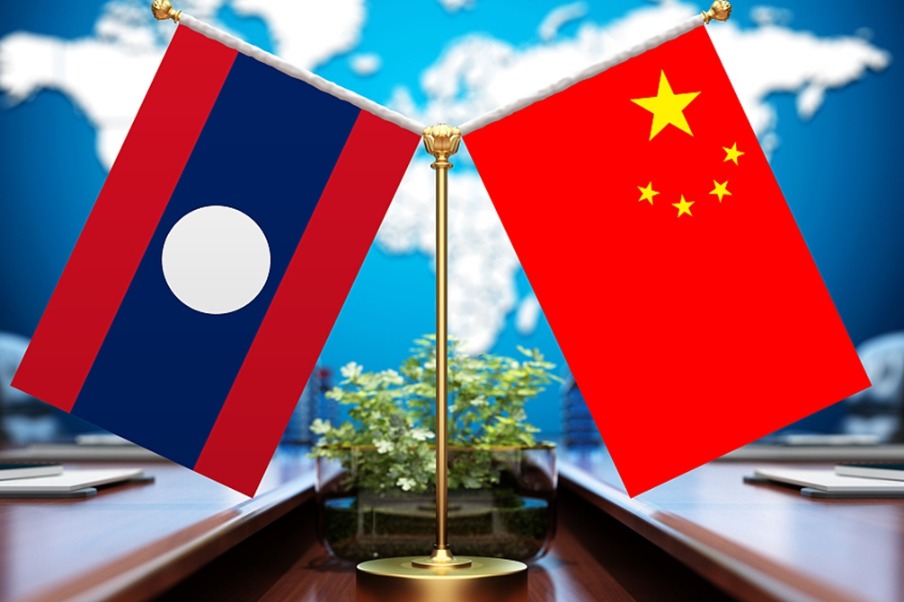
Chinese President Xi Jinping, serving concurrently as General Secretary of the Communist Party of China Central Committee, formally congratulated Thongloun Sisoulith on Monday following his successful re-election as President of the Lao People’s Democratic Republic. The message underscores the continuing diplomatic engagement between the two neighboring socialist states. This exchange occurs within the framework of longstanding bilateral relations characterized by mutual political support and cooperative partnerships across multiple sectors. The congratulatory gesture aligns with diplomatic protocols observed among allied nations and reflects China’s sustained interest in maintaining stable political ties with Laos. The communication represents another chapter in the ongoing dialogue between the two Asian nations, both of which maintain single-party political systems and share ideological common ground. The reaffirmation of leadership in Laos ensures continuity in the countries’ joint initiatives and regional cooperation efforts.
标签: Asia
亚洲
-

Splendid auroras witnessed in NE China’s Heilongjiang
Residents and skywatchers in Northeast China’s Heilongjiang province were treated to a spectacular natural light show as vibrant auroras painted the night sky from March 22 through the early hours of March 23, 2026. The celestial phenomenon, typically associated with polar regions, became visible across multiple locations in China’s northernmost province due to intensified geomagnetic activity.
The auroral display was particularly prominent in Mohe city, China’s northernmost settlement, where photographers captured stunning images of the dancing lights. The phenomenon occurred as charged particles from solar winds interacted with Earth’s magnetosphere, creating the colorful patterns that shimmered across the heavens.
Scientists note that such visible aurora displays at relatively low latitudes remain uncommon, making this event particularly noteworthy for both astronomical observers and the general public. The occurrence provides valuable research opportunities for space weather specialists studying the effects of solar activity on Earth’s magnetic field.
The event attracted significant attention from photography enthusiasts and nature lovers who braved the cold nighttime temperatures to witness the rare atmospheric spectacle. Local tourism officials reported increased visitor interest in the region following the celestial event.
-
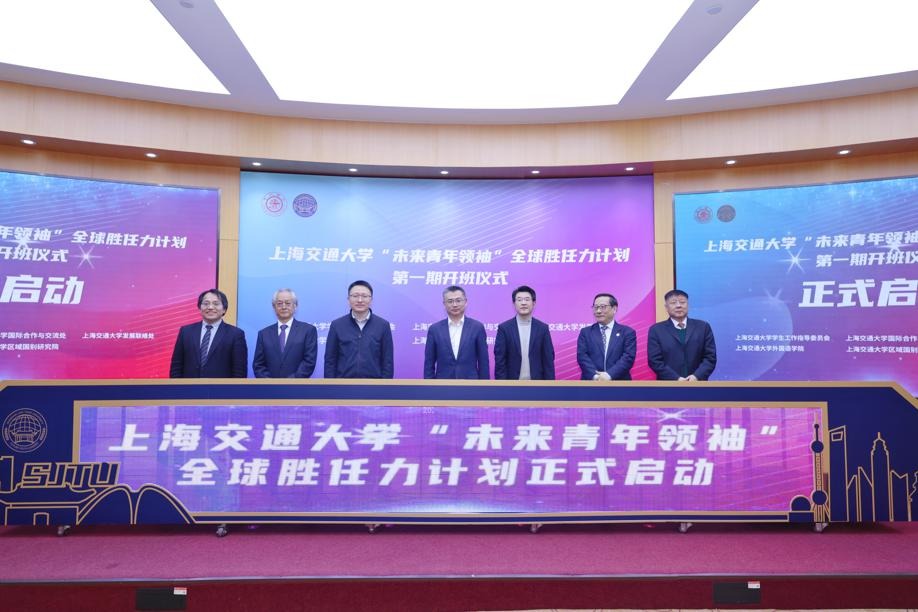
Shanghai university launches ‘future youth leaders’ program
Shanghai Jiao Tong University has officially inaugurated its groundbreaking ‘Future Youth Leaders’ global competence program, marking a significant advancement in international talent development. The initiative, launched during a formal opening ceremony on March 20, 2026, represents a strategic response to evolving global dynamics and increasing international interconnectedness.
The comprehensive program is designed to foster patriotic commitment while simultaneously developing global perspectives, professional capabilities, and practical implementation skills among participants. Through nine specialized project groups, the university provides continuous support in research training, issue analysis, and practical development frameworks. This structured approach aims to cultivate professionals equipped with multilingual communication abilities, technical expertise, regional knowledge, and industry-specific competencies.
During the inaugural ceremony, distinguished professors and guest speakers emphasized the critical need for young leaders possessing global vision, strategic thinking, and actionable implementation capabilities. They highlighted the importance of aligning personal development with national progress and worldwide transformations, encouraging active participation across various industries, international organizations, and global governance platforms.
The program emerges as part of institutional reforms in international talent cultivation, specifically addressing China’s growing requirements for skilled professionals in global governance roles. By integrating academic rigor with practical application, the university seeks to contribute meaningfully to international peace, stability, and collaborative development through empowered youth leadership.
-

From Kuliang roots to new shoots: A global vision
China Daily Information Co. (CDIC) has established stringent copyright protections for all digital content published across its platforms. The comprehensive policy safeguards various media formats including textual articles, photographic images, and multimedia materials against unauthorized republication or usage.
The company mandates formal written authorization prior to any content redistribution, emphasizing the legal requirement for explicit permission. This protective framework extends to all intellectual property assets managed by CDIC, reinforcing the organization’s commitment to maintaining editorial integrity and copyright enforcement.
Technical specifications recommend optimal viewing experiences at 1024*768 resolution or higher, ensuring content displays as intended by the publishers. The publication operates under formal registration and licensing frameworks, including Multimedia Online Publishing License 0108263 and Registration Number 130349.
Additionally, CDIC provides organizational information through dedicated sections covering corporate background, advertising opportunities, contact channels, and employment prospects for both domestic and expatriate professionals. The company maintains an active presence across social media platforms, encouraging audience engagement through multiple digital channels.
-
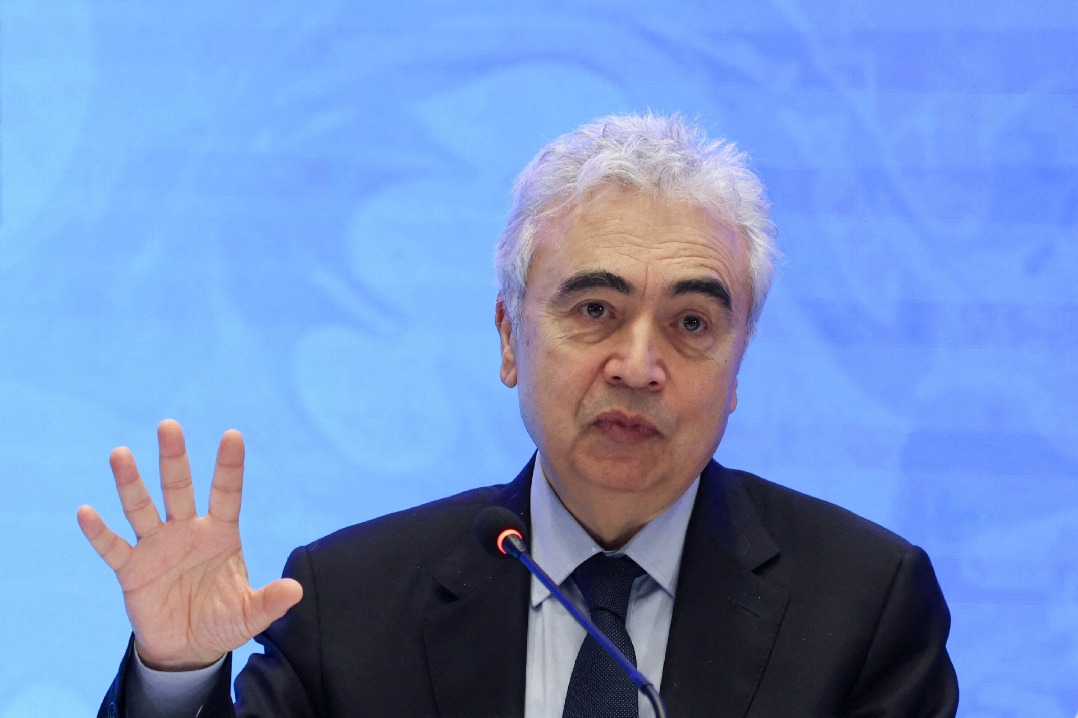
IEA discussing further oil releases, says executive director
CANBERRA – The International Energy Agency is actively engaged in high-level discussions with its member nations regarding the potential release of additional strategic petroleum reserves to address the escalating global oil supply crisis, Executive Director Fatih Birol confirmed on Monday.
Speaking at Australia’s National Press Club, Birol revealed he maintains daily communication with international counterparts about implementing a second coordinated oil release. This follows the agency’s landmark decision in March 2026 to deploy 400 million barrels from emergency stockpiles to stabilize volatile energy markets.
Birol characterized the current supply situation as “very severe” due to ongoing Middle East conflicts disrupting global energy flows. While acknowledging that strategic releases provide temporary market relief, he cautioned that they represent merely a palliative measure rather than a fundamental solution to structural supply deficiencies.
“If market conditions necessitate further action, we will certainly proceed with additional releases,” Birol stated. “However, strategic stock deployments primarily serve to comfort nervous markets and mitigate economic pain rather than resolve underlying supply constraints.”
During his Australian visit, Birol is scheduled to meet with Prime Minister Anthony Albanese to discuss demand-side conservation strategies. These include public transportation initiatives, remote work policies, and reduced air travel—measures the IEA recommends civilians adopt to decrease petroleum consumption amid the protracted supply crisis.
-
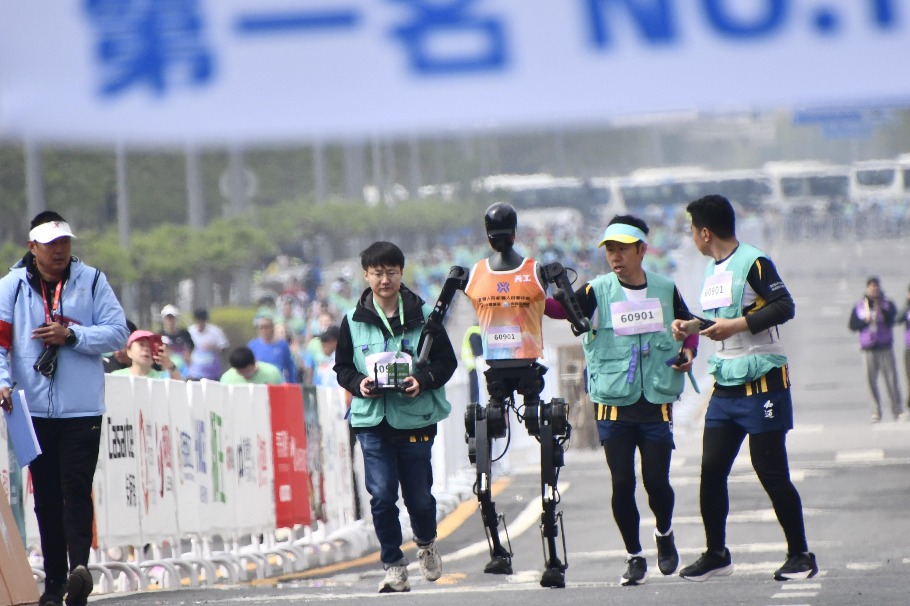
Over 300 humanoid robots to join half-marathon in Beijing next month
In an unprecedented fusion of robotics and athletic competition, Beijing will host the world’s largest gathering of humanoid robots at the 2026 E-Town Half Marathon on April 19. The event will feature over 300 humanoid robots from 76 institutions across China, representing a quantum leap in both scale and technological sophistication compared to last year’s inaugural race.
The participation has expanded nearly fivefold from the previous year, with representation spanning 13 provincial-level regions. The competitors include more than 80 corporate teams alongside over 20 academic institutions and training camps, featuring 26 distinct robot brands. Notably, university engagement has surged tenfold, demonstrating rapidly growing collaboration between academia and industry in China’s robotics sector.
A significant technological milestone will be showcased as 38% of participating teams will deploy robots equipped with autonomous navigation capabilities. This represents substantial advances in real-world mobility and control systems that allow robots to navigate complex outdoor environments without human intervention.
Liu Weiliang, deputy director-general of the Beijing Bureau of Economy and Information Technology, emphasized that the event serves as both a high-profile testing ground and demonstration platform for China’s rapidly advancing humanoid robotics industry. The marathon will provide crucial data on endurance, stability, and adaptive capabilities of bipedal robots in real-world conditions.
The event marks a pivotal moment in the transition from research laboratories to practical commercial applications, showcasing China’s growing leadership in robotics technology. Organizers describe the convergence of human and robotic athletes as a landmark moment that could redefine the future of both sports and robotic development worldwide.
-
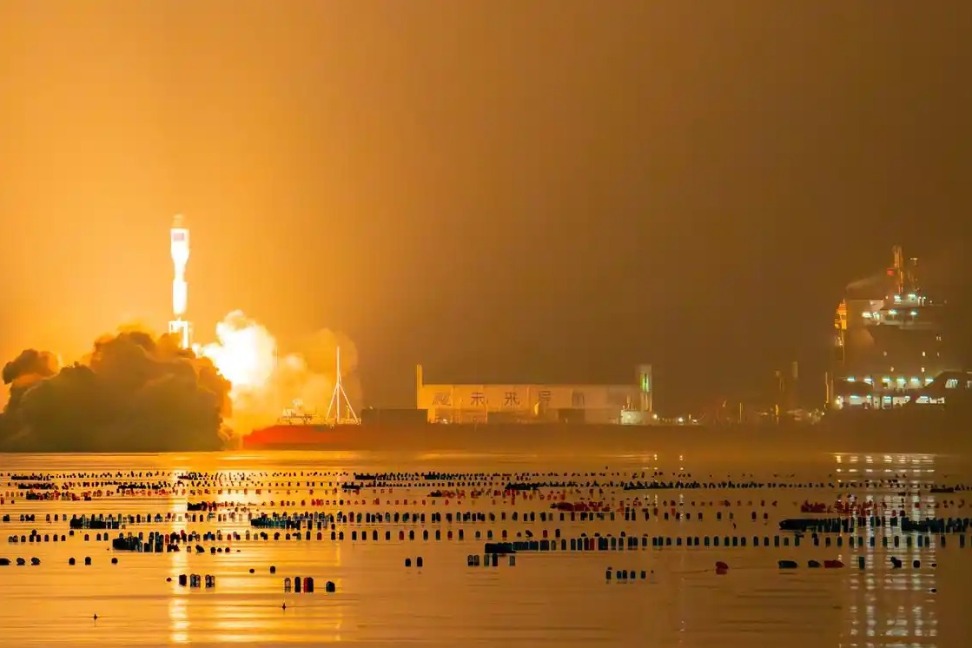
China puts satellites into space via Smart Dragon 3 rocket
China has reinforced its expanding space capabilities with another successful maritime launch operation, deploying ten satellites into orbit using the Smart Dragon 3 carrier rocket. The launch occurred Sunday at 23:49 from a specialized launch service vessel stationed off the coastal waters of Haiyang in Shandong Province.
The China Academy of Launch Vehicle Technology, primary developer of the Smart Dragon rocket series, confirmed the mission’s complete success. The deployed satellites represent the second operational cluster within the CentiSpace satellite network, now positioned in their predetermined orbital slots.
Technical specifications reveal the Smart Dragon 3 as a substantial solid-propellant launch vehicle, standing 31 meters tall with a diameter of 2.65 meters. The rocket possesses a notable launch capacity of 140 metric tons and can transport payloads weighing up to 1.5 tons to sun-synchronous orbits approximately 500 kilometers above Earth.
Beijing Future Navigation Technology, the entity behind the CentiSpace satellite constellation, designed these advanced spacecraft to perform sophisticated functions including high-precision occultation detection, ionospheric data collection, and pioneering inter-satellite laser communication networking.
This launch marks the tenth consecutive maritime deployment for the Smart Dragon 3 system since its inaugural flight in December 2022, when it successfully placed fourteen satellites into orbit from the Yellow Sea. The mission represents China’s seventeenth documented space endeavor of the current year, demonstrating the nation’s accelerating pace in space technology development and deployment.
-
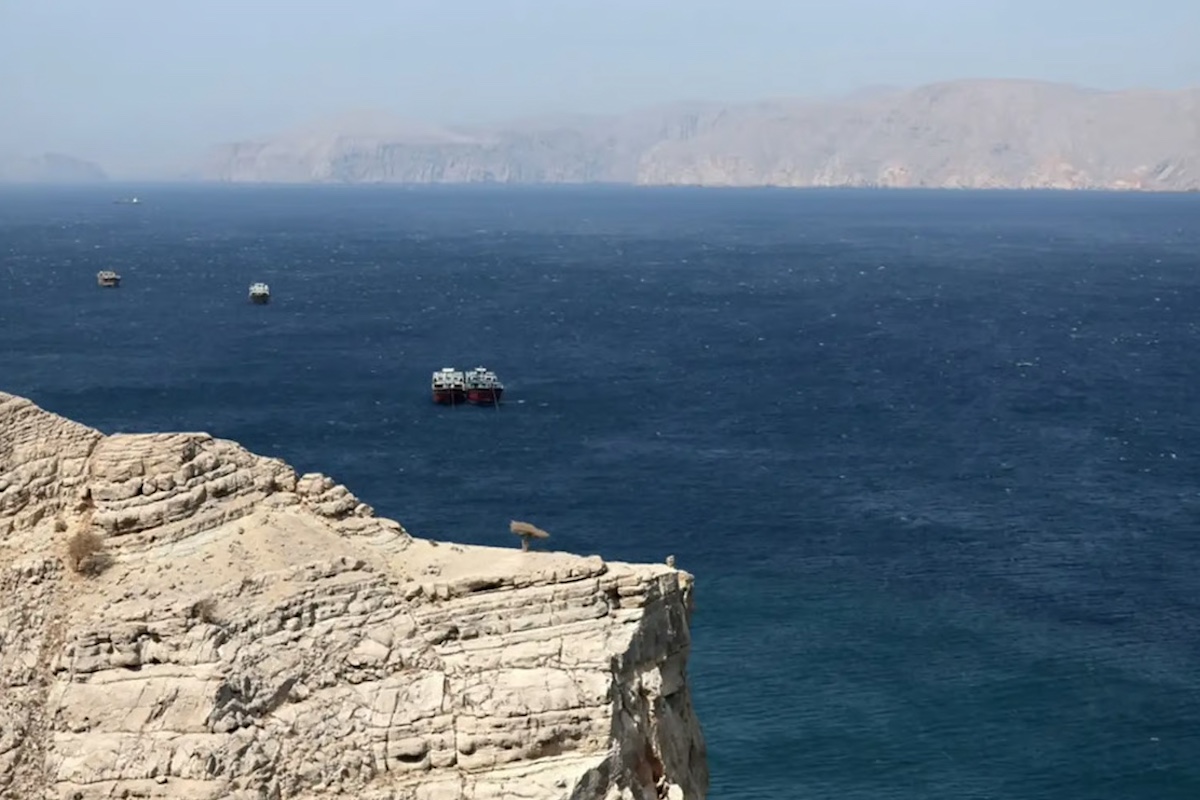
Hormuz blockade may herald end of American globalization
The strategic vision of naval historian Captain Alfred Thayer Mahan—that control of sea lanes translates to global dominance—faces its most significant test in the Strait of Hormuz. Iran’s recent blockade of this critical maritime chokepoint has exposed the inherent vulnerabilities of a global trading system built upon American-enforced maritime security.
Mahan’s 19th-century doctrine, inspired by British naval supremacy, posited that national power derived from command of maritime routes. The United States operationalized this philosophy after World War II, establishing a global network of naval bases to guarantee open navigation—not as altruism but as strategic advantage. This system enabled what became known as American globalization, with predictable movement of oil, goods, and capital through vital chokepoints like the Strait of Malacca, Suez Canal, and Hormuz.
The current crisis reveals the paradox of this dependence. Iran’s geographic leverage—closing a waterway transmitting 20% of global oil supplies and 25% of natural gas—has triggered economic shocks worldwide. Crude prices have nearly doubled to $116 per barrel since the blockade began, while urea fertilizer prices have surged 26%. The strait has become Iran’s strategic bargaining chip, potentially enabling demands for war reparations following U.S.-Israeli airstrikes.
Meanwhile, China is pursuing an alternative vision through its Belt and Road Initiative—a trillion-dollar geopolitical redesign of Eurasian connectivity. By constructing rail links that halve transit times between China and Europe, and building ports from Pakistan to Greece, China challenges Western-controlled maritime chokepoints. This shift aligns with Halford Mackinder’s ‘Heartland Theory,’ which predicted future power struggles would center on control of Eurasian land routes rather than sea lanes.
Iran emerges as the critical hinge in this geopolitical reconfiguration—a bridge between Central Asia and the Indian Ocean possessing the region’s largest combined energy reserves. Reports of Iran considering yuan-based oil payments for Hormuz transit could accelerate de-dollarization, potentially reshaping globalization itself. In this fractured landscape, nations and corporations increasingly prioritize security over cost efficiency—a calculus that may ultimately redefine global trade architecture.
-

US endurance runner traces family trail in China’s mountains
At 82 years old, American ultramarathon veteran Bob Becker returned to China’s Gaoligong Mountains with a mission transcending athletic achievement. The seasoned runner recently completed the challenging 120-kilometer Mt. Gaoligong Ultra race in Tengchong, Yunnan province, marking his second participation in this demanding high-altitude event that attracted nearly 3,800 international trail running enthusiasts from countries including Slovakia and the United States.
Becker’s connection to this remote region runs deeper than athletic pursuit. During World War II, both his father and uncle served as members of the Flying Tigers, the American Volunteer Group of the Chinese Air Force that executed dangerous supply missions over the Himalayan “Hump” route from India to Kunming. These critical operations supported Chinese forces resisting Japanese invasion during the war’s Pacific theater.
“When I look into these skies today, I imagine my father flying through these same mountains over eighty years ago,” Becker reflected emotionally after completing the race. “There’s a profound connection that transcends time—we’ve shared this same space across generations, separated by decades yet united by experience.”
The 2026 edition of the Mt. Gaoligong Ultra served as both physical challenge and historical pilgrimage for Becker, symbolizing how mountain trails can bridge past and present while fostering contemporary international relationships. His participation demonstrates how personal histories continue to shape cross-cultural exchanges and mutual understanding between nations long after historical events have unfolded.
-
European Union says Mercosur free trade deal will start May 1, linking 700 million people
BRUSSELS — After more than a quarter-century of complex negotiations, the landmark European Union-Mercosur free trade agreement will officially take effect on May 1, establishing one of the world’s most significant economic partnerships spanning two continents. The activation follows Paraguay’s formal notification to Brussels that it had completed ratification procedures, triggering the agreement’s implementation clause.
The comprehensive trade deal connects the 27-nation European Union with the Mercosur bloc comprising Brazil, Argentina, Uruguay, and Paraguay, creating an integrated market encompassing over 700 million consumers and representing approximately 25% of global GDP. Bolivia, Mercosur’s newest member state, did not participate in initial negotiations but retains eligibility to join the arrangement in subsequent years.
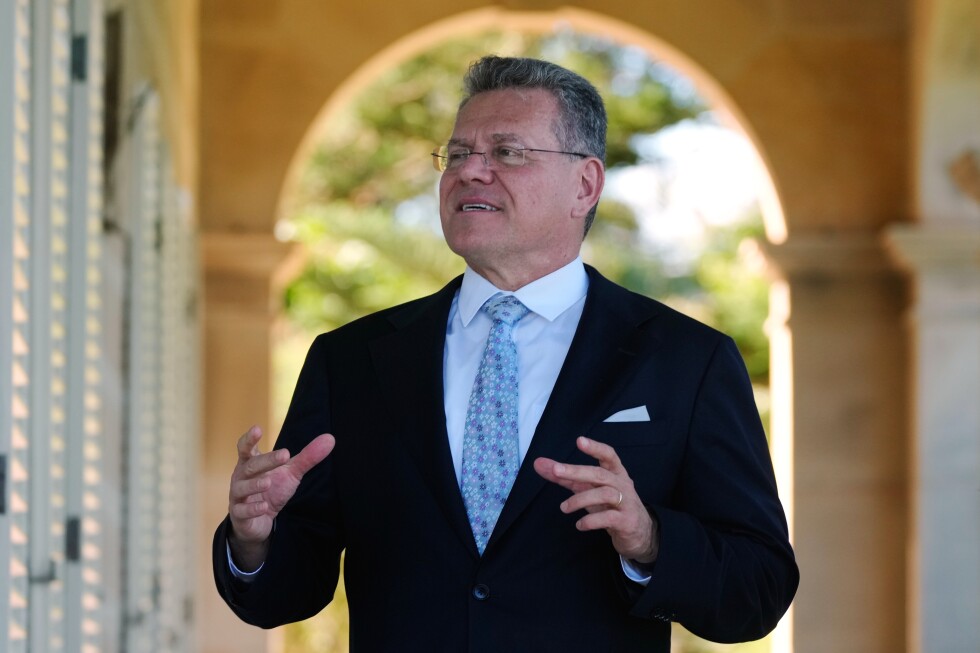
European Trade Commissioner Maroš Šefčovič emphasized the agreement’s strategic importance, stating: “The priority now is transforming this EU-Mercosur agreement into concrete outcomes, providing EU exporters the platform they need to seize new opportunities for trade, growth, and employment.”
The path to implementation encountered significant obstacles, including fierce opposition from European agricultural sectors and environmental advocates that delayed progress in December. The agreement faced further complications when EU lawmakers voted to refer the pact to the bloc’s judiciary for review. In response, the European Commission opted for provisional application—a maneuver that effectively bypasses parliamentary approval while awaiting judicial assessment.
This provisional approach means trade liberalization measures will commence in May, subject to potential suspension only if the European Court of Justice rules against the agreement’s legality. French President Emmanuel Macron criticized this implementation strategy as “a bad surprise,” with France and Poland leading efforts to incorporate stronger protective clauses for consumers and agricultural producers.
European Commission President Ursula von der Leyen has consistently defended the agreement as essential for EU resilience in an increasingly uncertain global economic landscape. “This is about resilience, this is about growth, and Europe shaping its own future,” she declared during a February news conference. The Commission president is currently in Australia pursuing similar trade and critical mineral agreements, underscoring the EU’s broader strategy to diversify economic partnerships beyond China and the United States.