标签: Asia

亚洲

  • Hybrid cargo drone aces test flight

    Hybrid cargo drone aces test flight

    In a significant advancement for unmanned aerial logistics, China has successfully conducted the inaugural test flight of the world’s first hybrid-powered cargo drone. The CH-YH1000S aircraft, developed by the China Academy of Aerospace Aerodynamics (CAAA), completed its maiden voyage from a Chongqing airport on Sunday, marking a breakthrough in sustainable aviation technology.

    The innovative drone represents an evolution of the CH-YH1000 model that first flew in May 2025, now enhanced with a hybrid propulsion system that intelligently switches between electric and gasoline power sources. This dual-power approach enables optimized performance across different flight regimes, with electric motors providing efficiency at lower speeds and conventional engines delivering power during high-speed operations.

    Notably, the propulsion technology emerged from an unprecedented collaboration between aerospace engineers and a leading Chinese electric vehicle manufacturer, representing the nation’s first cross-industrial partnership on core unmanned aircraft technologies. This synergy has enabled shared supply chain resources and modular production methods that substantially reduce both development costs and manufacturing expenses.

    The hybrid configuration confers multiple operational advantages, including shortened takeoff and landing requirements, increased payload capacity, and extended operational range compared to conventional drones. The aircraft maintains the practical design features of its predecessor, including upward-opening nose sections for cargo loading and underside openings for aerial delivery missions.

    CAAA officials outlined diverse applications for the new platform, ranging from international logistics and emergency response operations to weather modification, maritime enforcement, and environmental monitoring. The development continues the Academy’s drone program that began in 1999, leveraging expertise originally cultivated in missile design and aerodynamics research.

    The successful test flight demonstrates China’s growing capabilities in both sustainable aviation technology and cross-industrial innovation, potentially setting new standards for efficiency and versatility in the global cargo drone market.

  • Muammar Gaddafi’s son, Saif al-Islam, killed in Libya

    Muammar Gaddafi’s son, Saif al-Islam, killed in Libya

    Saif al-Islam al-Gaddafi, the once-presumed heir to Libya’s former leader Muammar Gaddafi, has been assassinated by a commando unit at his residence in Zintan, according to his political advisor. The 53-year-old was killed on Tuesday at approximately 2:00 pm local time (1200 GMT) in an operation that saw four unidentified assailants disable security systems before executing the attack.

    His French legal representative, Marcel Ceccaldi, confirmed to AFP that Gaddafi had received security warnings in recent days from close associates about potential threats to his safety. The assassination occurs against the backdrop of Libya’s deeply fractured political landscape, where competing governments in Tripoli and the east vie for control and oil revenues.

    Saif al-Islam had resided in Zintan since his 2017 pardon and release from imprisonment, following his capture during the 2011 Arab Spring uprising that resulted in his father’s death. During the Gaddafi regime, he was widely regarded as the successor-in-waiting and positioned himself as a reformist figure, notably negotiating Libya’s nuclear program abandonment.

    The London School of Economics-educated politician faced serious international charges, including an ICC arrest warrant issued in 2011 for alleged torture of protesters and dissidents. Though convicted in absentia in 2015 for war crimes, he was scheduled to face trial within Libya’s judicial system.

    His death comes at a particularly volatile moment in Libyan politics. Prime Minister Abdul Hamid Dbeibeh’s internationally recognized government, which came to power in 2021 with a mandate to organize democratic elections, has struggled to maintain stability while competing with Khalifa Haftar’s eastern-based administration for control of the country’s valuable oil resources. No official government statement has yet been issued regarding the assassination.

  • Khalifa Haftar makes landmark visit to Pakistan for security cooperation

    Khalifa Haftar makes landmark visit to Pakistan for security cooperation

    In a significant diplomatic development, Libyan Field Marshal Khalifa Haftar undertook an unusual visit to Pakistan this Monday, signaling a potential strategic realignment in regional security partnerships. The eastern Libyan leader, accompanied by his son Saddam Haftar—viewed as his likely successor—and Eastern Libyan Prime Minister Osama Saad Hamad, engaged in high-level talks with Pakistani military and civilian leadership.

    The delegation met with Pakistan’s Army Chief Field Marshal Asim Munir at the General Headquarters in Rawalpindi, where both parties discussed mutual security interests and professional cooperation frameworks. This meeting followed reports by Reuters indicating a substantial $4 billion arms agreement between Haftar’s administration and Pakistan—potentially Islamabad’s largest defense contract—initiated during Munir’s December visit to Benghazi.

    Subsequent discussions with Pakistani Prime Minister Shehbaz Sharif in Islamabad emphasized strengthening bilateral relations and enhancing cooperation in areas of common concern. Both governments expressed commitment to promoting regional peace, stability, and development through deepened partnership.

    Haftar’s journey to South Asia marks a notable expansion of his diplomatic outreach beyond his regular visits to Egypt and Russia. The development occurs against the backdrop of Libya’s political division between the internationally recognized government in Tripoli led by Prime Minister Abdul Hamid Dbeibeh and Haftar’s eastern-based administration.

    This emerging Pakistan-Libya security relationship introduces complex dynamics to regional alliances. Haftar maintains close ties with the UAE and has supported the Abu Dhabi-backed Rapid Support Forces in Sudan, creating tensions with Saudi Arabia and Egypt—both traditional Haftar supporters who now back the opposing Sudanese Armed Forces. Pakistan’s evolving position, balancing relationships with Riyadh, Abu Dhabi, and Ankara while pursuing new partnerships with Libyan factions, reflects the ongoing recalibration of Middle Eastern and North African security architectures.

  • China’s carbon fiber production line thrives

    China’s carbon fiber production line thrives

    China has achieved a monumental breakthrough in advanced materials manufacturing with the successful establishment of its first large-scale T1000-grade carbon fiber production facility in Shanxi province. This development marks a significant shift from technological dependence to global competitiveness in high-performance materials science.

    The pioneering production line, a collaborative effort between the Institute of Coal Chemistry of the Chinese Academy of Sciences and Shanxi Huayang Carbon Material Technology Co, boasts an annual capacity of 200 metric tons of T1000-grade carbon fiber. This achievement represents the initial phase of an ambitious plan targeting 1,000 tons annual production capacity.

    Carbon fiber, renowned for its exceptional strength-to-weight ratio and versatility, serves as a critical component across aerospace, defense, automotive, and sporting goods industries. The material’s unique properties enable substantial weight reduction while maintaining structural integrity in applications ranging from spacecraft and military vessels to athletic equipment.

    Industry analysis from Guoyuan Securities indicates China accounted for over half of global carbon fiber demand in 2024, with domestic production satisfying more than 80% of this demand. Projections suggest this figure will reach 90% by 2026, underscoring the strategic importance of this technological advancement.

    The manufacturing process employs innovative dry-jet wet spinning technology, a significant improvement over traditional methods. This technique involves extruding polyacrylonitrile solution through specialized spinnerets, creating ultrafine filaments that undergo precise oxidation and carbonization processes. The resulting T1000-grade fiber exhibits remarkable properties: with a diameter measuring less than one-tenth of a human hair, it demonstrates strength five times greater than steel while maintaining extreme lightweight characteristics.

    Professor Zhang Shouchun, deputy director of the Institute of Coal Chemistry, illustrates the material’s capabilities: “A bundle of 12,000 one-meter-long T1000 carbon fibers weighs merely 0.5 grams yet can support over 200 kilograms—equivalent to three adult males.”

    This breakthrough concludes a five-decade journey from technological dependency to self-sufficiency. Researchers overcame significant obstacles, including foreign technology embargoes and export controls that previously restricted China’s access to high-end carbon fiber. The development timeline saw Chinese scientists achieving T300 production in 2008—a feat that took Japanese researchers fifteen years—in just three years under intense pressure.

    The successful industrialization resulted from strategic collaboration between government entities, research institutions, and private enterprises. The partnership demonstrates how traditional industries like coal production can transition toward high-tech manufacturing, with Huayang Carbon Material Technology transforming from conventional coal operations to advanced materials production.

    Future applications extend beyond current aerospace and energy sectors into construction and apparel industries. Researchers emphasize that continued innovation and market expansion will be crucial for reducing production costs and maintaining global competitiveness in this rapidly evolving field.

  • Technician’s toil keeps travel rush on track

    Technician’s toil keeps travel rush on track

    As millions embark on their annual pilgrimage home for China’s Spring Festival, an intricate ballet of precision engineering unfolds beneath the carriages of the nation’s rail network. At the heart of this operation stands Gao Bincheng, a 36-year-old technician whose meticulous work ensures the safety of countless travelers during the world’s largest human migration.

    Within the wheel and axle workshop of China Railway Taiyuan Group’s maintenance depot, Gao performs measurements with extraordinary precision—controlling tolerances to within 0.001 millimeters, approximately one-eightieth the diameter of a human hair. Each day, he examines 12-16 wheel sets for conventional trains, taking 21 distinct measurements per unit using specialized micrometers. His steady hands and analytical judgment remain irreplaceable despite technological advancements, as automated systems lack the flexibility to handle unusual wear patterns or select alternative measurement points.

    The 2026 Spring Festival travel period, commencing February 2nd, initiates a 40-day marathon of transportation logistics. While passengers focus on their journeys home, Gao and his colleagues work with the understanding that “millimeters determine safety” in railway maintenance. This philosophy is embedded throughout a rigorous quality control system involving self-inspection, foreman review, departmental quality checks, and final verification by acceptance offices.

    Gao’s connection to railways runs deep—coming from a multigenerational railway family and having joined the depot in 2013 after military service. His dedication has earned him numerous accolades, including recognition as an “advanced worker” and “maintenance star.” Yet despite twelve years of experience, he continues refining his skills during off-hours, recognizing that his behind-the-scenes role carries profound responsibility.

    “There are no shortcuts in this work,” Gao reflects. “It demands continuous practice and refinement. After each shift, I meticulously review the day’s operations—without this ritual, I cannot rest peacefully.” Though distant from the bustling platforms, Gao and his team derive satisfaction from knowing their precision engineering provides passengers with safe passage during this cherished annual tradition.

  • Coal shipments supplement winter power surge

    Coal shipments supplement winter power surge

    Amidst a severe nationwide cold wave, China’s railway infrastructure is demonstrating critical resilience by delivering unprecedented coal shipments to meet surging winter energy demands. While the country continues its transition toward renewable energy, coal remains the fundamental bedrock of national energy security during peak consumption periods.

    In Shanxi province, the nation’s primary coal production hub, rail transport operations have achieved historic levels. The Taiyuan Railway Bureau, under China State Railway Group, has intensified freight services and optimized logistical efficiency to maintain a consistent coal supply throughout the current freezing conditions.

    A significant development in this effort is the deployment of the domestically engineered C96 heavy-duty train. This advanced model carries 96 metric tons per car—surpassing previous standards by 16 tons—enabling a 10,000-ton train unit to operate with 22 fewer cars. This innovation substantially boosts loading capacity and operational throughput.

    The Watang-Rizhao Railway, a 1,269-kilometer corridor linking Shanxi to Shandong province, serves as a vital artery for coal distribution to eastern regions. In 2025, this route transported 104.37 million tons of coal, marking a 5.92% year-on-year increase and setting a new annual record. Enhancements such as raising the maximum operational speed from 80 to 90 km/h have further amplified transport capacity.

    Parallel to these efforts, the Datong-Qinhuangdao Railway is operating at full capacity, with daily shipments exceeding 1.2 million tons. Accounting for one-fifth of national rail coal transport, this line supplies numerous provinces, major power grids, and industrial enterprises.

    Driving these massive trains requires exceptional skill and endurance. Operators like Wang Hailin and Hu Changbao navigate complex challenges including precise braking control, extended shifts lasting up to 17 hours, and hazardous weather conditions that affect traction and braking performance. Despite these difficulties, drivers express profound professional fulfillment knowing their cargo powers homes and industries across the country.

    To streamline coordination, the Taiyuan Railway Bureau serves as a critical intermediary between coal producers and power plants, developing customized supply plans, optimizing scheduling, and establishing dedicated green channels for coal transport—ensuring that China’s energy lifeline remains robust throughout the winter.

  • Reforms to reward relic restorers

    Reforms to reward relic restorers

    China has implemented a groundbreaking national guideline to revolutionize the field of cultural relic restoration, addressing a critical shortage of skilled professionals in heritage conservation. Jointly issued by the National Cultural Heritage Administration and the Ministry of Human Resources and Social Security, this comprehensive policy aims to transform a profession that has historically struggled with recognition and inadequate compensation.

    The initiative comes at a crucial time when China’s vast inventory of 108 million state-owned artifacts faces preservation challenges due to an aging and limited pool of restoration experts. The new framework establishes an eight-level professional ranking system directly linked to income scales, creating structured career development pathways for conservators.

    Veteran specialists like Pan Lu from the National Museum of China welcome the reforms, noting that the 2008 policy of free museum admission dramatically increased public engagement, subsequently revealing the urgent need for artifact conservation. “Protection and restoration form the foundation of museum displays,” Pan emphasized. “Visitors now immediately notice poorly maintained exhibits, which diminishes their cultural experience.”

    The guideline addresses multiple systemic issues, including the current disconnect between practical skill development and academic requirements for professional advancement. Metal relic restorer Ren Wei, who has preserved over 3,000 artifacts throughout his career, highlighted the challenge: “Restorers excel in hands-on craftsmanship rather than academic writing, putting us at a disadvantage in traditional evaluation systems that prioritize published research.”

    The reforms will decouple income advancement from purely academic achievements, instead recognizing practical expertise through standardized skill assessments. Additionally, the policy aims to create a more cohesive training infrastructure, addressing the current fragmented landscape where professionals learn through various channels including private schools, university programs, and apprentice-style training under senior tutors.

    Implementation will require detailed follow-up regulations to effectively assess the specialized work of conservators, but experts agree the guideline represents a significant step toward professionalizing China’s cultural heritage preservation efforts and ensuring the protection of the nation’s historical treasures for future generations.

  • India investigates after jets brush wingtips at Mumbai airport

    India investigates after jets brush wingtips at Mumbai airport

    India’s aviation authorities have initiated a comprehensive safety probe following a ground collision incident between two passenger aircraft at Mumbai’s Chhatrapati Shivaji Maharaj International Airport. The occurrence took place on Tuesday evening at approximately 19:30 local time (14:00 GMT), marking another significant event in a series of recent aviation safety concerns within the country.

    According to the Directorate General of Civil Aviation (DGCA), India’s primary civil aviation regulator, the incident involved an Air India aircraft preparing for departure and an IndiGo plane that had recently landed. The Air India flight, scheduled to travel to Coimbatore in southern India, was positioned on the runway when the IndiGo aircraft, which had just arrived from Hyderabad, made contact with its wingtip during taxiing operations on a parallel route.

    Official statements from both airline carriers confirmed that all passengers and crew members emerged from the incident unharmed. Immediate safety protocols were activated following the collision, resulting in the complete evacuation of passengers from both aircraft. The two involved Airbus A320 planes have been temporarily removed from service pending thorough technical inspections and damage assessments.

    An Air India representative disclosed that their aircraft sustained measurable damage to the wingtip section, necessitating alternative travel arrangements for affected passengers. IndiGo similarly confirmed the safety of all passengers, noting that all individuals had successfully disembarked following the aircraft’s parking procedures. Both airlines have pledged full cooperation with the ongoing official investigation.

    While neither the airlines nor regulatory authorities have publicly disclosed specific passenger numbers, aviation industry sources indicate that Airbus A320 aircraft operating on domestic Indian routes typically accommodate between 150 and 186 passengers, with additional crew members ranging from six to eight personnel.

    This incident occurs against a backdrop of intensified scrutiny regarding aviation safety standards in India, following multiple technical and operational challenges in recent months. Just days prior to this event, an Air India flight experienced grounding in Bengaluru due to a reported fuel control switch malfunction, though subsequent investigations found no mechanical defects. In January, another investigation was launched when an Air India Airbus A350 ingested a cargo container while taxiing at Delhi airport.

    Aviation authorities emphasize that each incident undergoes individual examination according to established safety protocols, with the DGCA maintaining that all events are being addressed through standardized investigative procedures to ensure continued aviation safety standards across Indian airports.

  • UN Security Council condemns the latest militant attacks in Pakistan that killed dozens

    UN Security Council condemns the latest militant attacks in Pakistan that killed dozens

    The United Nations Security Council has issued a forceful condemnation of a devastating wave of militant assaults in Pakistan’s southwestern Balochistan province, which resulted in significant civilian and security force casualties. This strong rebuke comes as Pakistani military operations intensify against insurgent factions in the volatile region.

    According to official statements from federal and provincial authorities, the coordinated offensive, which commenced last Saturday, specifically targeted both civilian populations and installations housing police and security personnel. The initial death toll reports indicate at least 36 non-combatants and 17 members of the security forces lost their lives in the attacks.

    In response, Pakistani security forces launched a comprehensive counter-insurgency campaign, reporting the elimination of 197 militants affiliated with the proscribed Baloch Liberation Army (BLA). This group has publicly claimed responsibility for the recent series of suicide bombings and armed assaults.

    UN Security Council President James Kariuki released an official statement characterizing the multi-location attacks as ‘heinous and cowardly terrorist acts.’ The Council extended its profound sympathies to the families of the victims, the Pakistani government, and its citizens.

    The province of Balochistan has been the epicenter of a long-standing separatist movement, with ethnic Baloch groups engaging in an insurgency seeking either greater regional autonomy or complete independence from the central government in Islamabad. While Pakistani officials have repeatedly declared the insurgency to be largely suppressed, the persistence of violent episodes demonstrates the ongoing challenges in achieving lasting stability in the region.

  • US-Iran drone encounter clouds prospects for talks

    US-Iran drone encounter clouds prospects for talks

    A tense aerial encounter between US and Iranian forces in international waters has cast uncertainty over upcoming diplomatic talks between the longstanding adversaries. The incident occurred Tuesday when a US F-35C fighter jet shot down an Iranian Shahed-139 drone that the US Central Command stated had “aggressively approached” the USS Abraham Lincoln aircraft carrier approximately 800 kilometers from Iran’s coastline.

    The US military characterized the engagement as “an act of self-defense” necessitated by the drone’s “unnecessary maneuvering” toward the carrier. No American personnel were injured nor equipment damaged during the confrontation.

    Iranian media presented a contrasting narrative, with Fars news agency reporting their drone had successfully completed a “surveillance mission” in international waters, monitoring military movements and transmitting real-time data to ground bases. Simultaneously, Tasnim news agency acknowledged Iran had lost contact with one of its drones, with the cause under investigation.

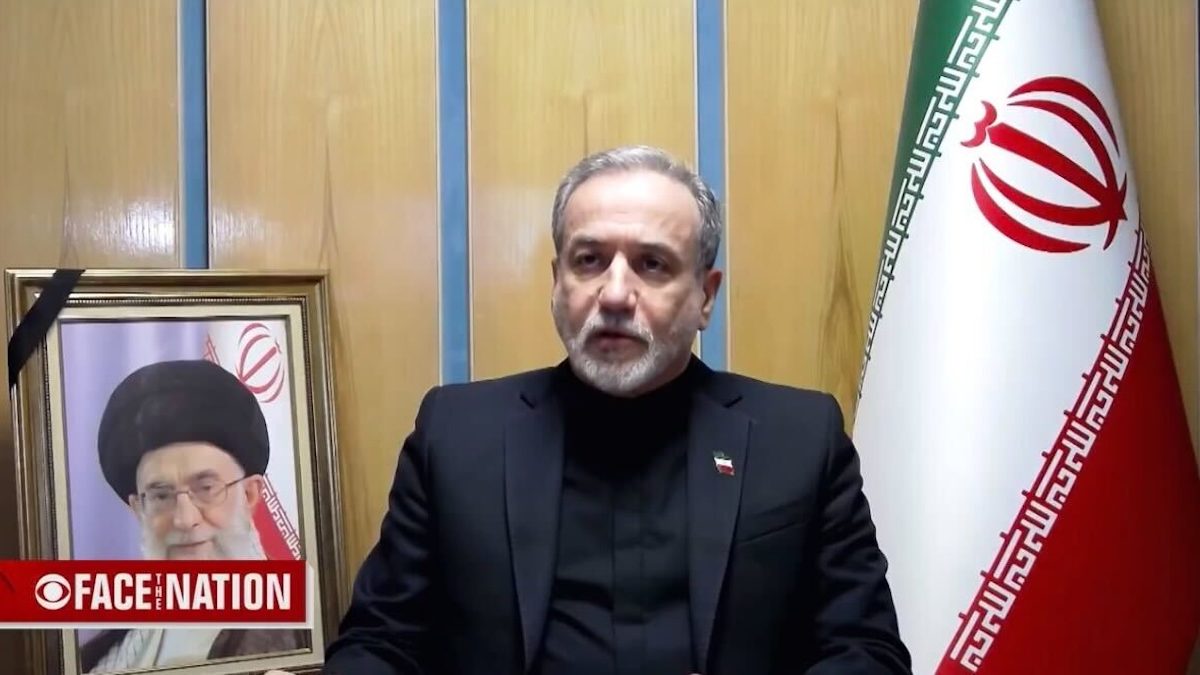
    The aerial confrontation comes amid fragile diplomatic overtures. Iranian President Masoud Pezeshkian announced he had instructed the Foreign Ministry to pursue “fair and equitable” negotiations with the United States, responding to a proposal from US President Donald Trump that regional governments had urged Iran to consider. Pezeshkian emphasized any talks must occur within a framework of “dignity, prudence and expediency.”

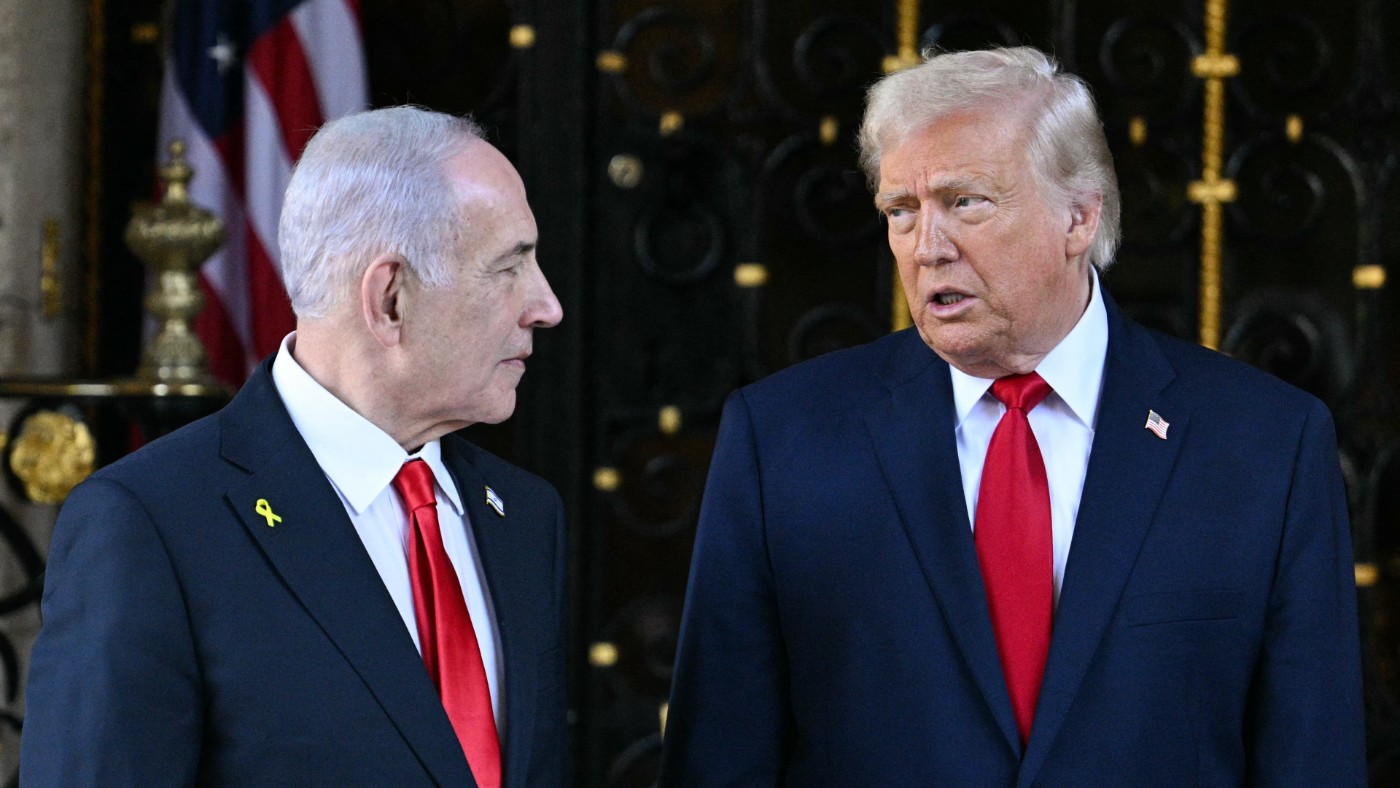
    Diplomatic preparations face multiple complications. While Turkey has offered mediation services, Iran reportedly prefers Oman as a venue and favors direct bilateral talks rather than a broader format involving Arab and Muslim states. The diplomatic initiative has also drawn resistance from Israel, with Prime Minister Benjamin Netanyahu’s office asserting Iran “has repeatedly demonstrated it cannot be trusted to keep its promises.” Israeli officials are reportedly seeking US assurances of “operational freedom of action” against Iran and pressing for complete cessation of Tehran’s ballistic missile program and uranium enrichment.

    Further complicating the diplomatic landscape, Iran faces renewed tensions with the European Union following the bloc’s designation of the Islamic Revolutionary Guard Corps as a terrorist organization. Tehran responded by labeling EU militaries as “terrorist groups” and summoned EU ambassadors to protest the move.

    Domestically, Iranian authorities announced the arrest of 139 foreign nationals in Yazd during recent anti-government protests that began in response to currency depreciation but escalated into violent clashes. Tehran has consistently blamed the United States and Israel for instigating the unrest.