标签: Asia

亚洲

  • China planning to raise age limit for blood donors, shorten the minimum interval

    China planning to raise age limit for blood donors, shorten the minimum interval

    China is poised to implement significant revisions to its national blood donation policy, marking the first major update to the Law on Blood Donation since its inception in 1997. The National Health Commission announced on Wednesday, December 17, 2025, proposed changes that would raise the maximum donor age from 55 to 65 years and reduce the minimum donation interval from six months to just 90 days.

    This regulatory modernization follows extensive review of international practices and contemporary medical research. The World Health Organization’s guidelines recommend donor ages between 18 and 65, with numerous developed nations including the United States, Canada, Australia, and Japan either permitting older donors or establishing no strict upper age limitations. Similarly, the proposed 90-day interval aligns with the 8-12 week standards commonly implemented worldwide.

    The Commission emphasized that all potential donors will undergo comprehensive health screenings to ensure safety. Medical evidence confirms that donating 400 milliliters of blood represents less than 10% of total blood volume, with the human body continuously regenerating blood cells without adverse health effects.

    Several regions including Hainan Province, Jiangxi Province, and Shenzhen City have already successfully implemented similar relaxed standards through local regulations, providing practical demonstration of the policy’s feasibility and safety.

    The draft revision prioritizes donor health protection and blood safety as fundamental principles, proposing enhanced health assessments, scientific donation criteria, improved monitoring systems, and superior donor services. Additional measures include financial subsidies, extended paid leave, and improved medical service access for donors.

    The National Health Commission is currently soliciting public feedback on the proposed revisions until January 17, 2026, before submitting the final draft to the legislative body for approval.

  • Breakthrough in BMI tech aids patients

    Breakthrough in BMI tech aids patients

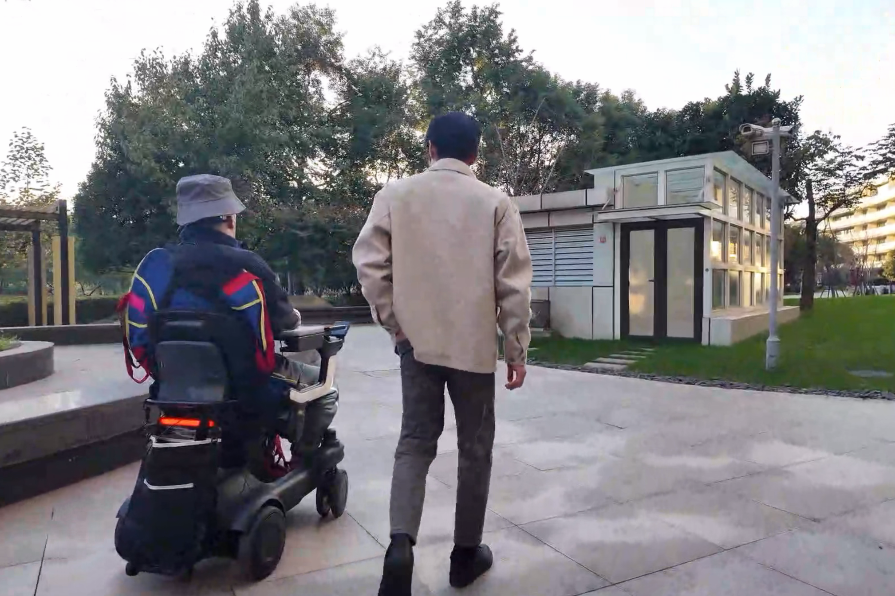
    In a landmark advancement for neurotechnology, Chinese researchers have demonstrated unprecedented brain-machine interface (BMI) capabilities enabling two paralyzed patients to perform complex physical tasks through thought alone. The breakthrough achievements—announced December 17, 2025, by the Center for Excellence in Brain Science and Intelligence Technology of the Chinese Academy of Sciences—include the world’s first mental control of a power wheelchair and robotic dog for delivery retrieval, plus precise manipulation of a robotic arm for drinking activities.

    The two patients, both males in their thirties suffering from high-level paralysis, received minimally invasive BMI implants developed through collaboration between the CAS center, Shanghai Huashan Hospital, and corporate partners. The implant procedures—conducted in June and October 2025 through a mere 5-millimeter cranial puncture—represent the smallest such implementation globally, with the implant device itself being approximately half the size of Neuralink’s comparable technology.

    This research signifies a quantum leap beyond the team’s previous March 2025 achievement where a patient mentally controlled a computer cursor. The new cases enable three-dimensional interaction with the physical environment, dramatically expanding possibilities for self-care, employment, and social participation. One patient has already secured employment as an intern product sorter, utilizing brain control to perform online data annotation for AI verification systems in vending machines.

    Technical innovations were crucial to these advancements. Researchers developed high-compression, high-fidelity neural data compression techniques and created hybrid decoding models capable of extracting usable signals in noisy environments. By addressing ‘cross-day stability’ challenges through neural manifold alignment, the team maintained reliable decoder performance despite environmental interference and physiological variations.

    Perhaps most impressively, the system achieves end-to-end delay of under 100 milliseconds from neural signal acquisition to device execution—faster than the body’s natural neural transmission speed. Patients describe the experience as intuitive and seamless, comparable to controlling video game characters without conscious effort.

    According to lead scientist Zhao Zhengtuo, the research represents significant progress toward practical clinical applications. The team anticipates scalable applications for restoring motor and language functions within three years, breakthroughs in sensory restoration and neuropsychiatric disorder treatment within five years, and highly minimally invasive systems enabling both medical and consumer uses within a decade. Future goals include achieving sufficiently fine control for activities such as playing the piano with mind-controlled robotic fingers.

  • Rights groups denounce ‘impunity’ in Tunisia after man dies following police brutality

    Rights groups denounce ‘impunity’ in Tunisia after man dies following police brutality

    Human rights organizations in Tunisia are demanding justice and systemic reform following the death of a young man who sustained fatal injuries during a police encounter in Kairouan. The incident has ignited public outrage and drawn attention to longstanding issues of police impunity in the North African nation.

    Naim Briki, a thirty-year-old motorcycle rider, died on December 12th from severe head trauma and intracranial hemorrhage days after allegedly attempting to evade a police checkpoint on November 22nd. According to family accounts, Briki was violently beaten by multiple officers following a collision with a police vehicle during the pursuit. Photographic evidence released by the family reveals extensive facial injuries and significant swelling.

    In a powerful joint statement, the Tunisian Forum for Economic and Social Rights (FTDES), the Tunisian League for Human Rights (LTDH), and several other NGOs condemned what they described as “recurring tragedies linked to systematic police violence.” The organizations highlighted the persistent culture of impunity within law enforcement agencies that has allowed such incidents to continue unchecked.

    Independent media outlet Inkyfada reports that at least 31 individuals have died at the hands of police since 2011, when mass protests toppled former President Zine el-Abidine Ben Ali and ignited the Arab Spring movement. Their investigation documents eight demonstration-related deaths, seven fatalities following police chases, and four deaths resulting from excessive force within police stations.

    The problem extends beyond fatal encounters. According to Amnesty International, hundreds of complaints have been filed against Tunisian police for human rights violations and torture, with virtually none of the victims receiving fair trials. The organization notes that most investigations into security forces never progress beyond preliminary inquiries.

    This climate of impunity has reportedly worsened since President Kais Saied’s July 2021 power grab, which dismantled checks and balances and intensified repression of dissenting voices. Rights defenders now fear a return to the police state tactics that characterized the Ben Ali era.

    The announcement of Briki’s death sparked immediate protests in downtown Kairouan, where demonstrators clashed with security forces, threw projectiles, blockaded roads, and burned tires. Local media reported over 21 arrests related to the unrest, though 17 individuals were subsequently released while four remain detained under arrest warrants.

    In response to mounting pressure, the public prosecutor’s office announced Monday the opening of a judicial inquiry into Briki’s death. Meanwhile, rights organizations continue to demand transparent investigations, an end to impunity for police violence, and genuine reform within security forces.

  • British police forces to make arrests over ‘globalise the intifada’ chants

    British police forces to make arrests over ‘globalise the intifada’ chants

    In a significant policy shift, the Metropolitan Police and Greater Manchester Police have declared that chanting the phrase ‘globalise the intifada’ or displaying it on placards at protests will now result in arrests. The announcement, made on Wednesday, follows the recent antisemitic massacre at Bondi Beach in Australia that killed 15 people and wounded 40 during Hanukkah celebrations.

    Police authorities stated: ‘Violent acts have taken place, the context has changed – words have meaning and consequence. We will act decisively and make arrests.’ The forces indicated that frontline officers will receive specific briefing on this enhanced approach, which will include utilizing Public Order Act powers to implement protective conditions around London synagogues during services.

    The move has received support from the Board of Deputies of British Jews, which welcomed it as a ‘necessary intervention’ following their repeated urging. Health Secretary Wes Streeting previously claimed the chant was linked to terrorism, while British Chief Rabbi Ephraim Mirvis stated such chants ‘incite hatred and inspire people to engage in hate action,’ connecting them directly to the Bondi Beach attack.

    However, pro-Palestine activists and civil society organizations have strongly contested these characterizations. Ben Jamal, director of the Palestine Solidarity Campaign, criticized what he called ‘the widespread attempt across the political establishment to use a grotesque and indefensible violent antisemitic massacre as a weapon to further repress those protesting for the rights of Palestinian people.’

    Ismail Patel, chair of Friends of Al-Aqsa, explained that ‘intifada’ means ‘to shake off the Israeli occupation’ and argued that ‘globalising the intifada is simply a way of expressing global solidarity with efforts to end an illegal Israeli occupation.’ The term originates from the Arabic root ‘nafada,’ meaning ‘to shake off’ or ‘to rise up,’ and has been applied to both peaceful uprisings and armed resistance movements throughout Arab history.

  • With freebies, OpenAI, Google vie for Indian users and training data

    With freebies, OpenAI, Google vie for Indian users and training data

    In an unprecedented strategic maneuver, global AI giants OpenAI, Google, and Perplexity have launched an aggressive campaign to capture India’s massive user base through complimentary premium subscriptions. This calculated initiative represents more than mere user acquisition—it constitutes a crucial effort to gather diverse multilingual training data from the world’s most populous nation.

    Market intelligence from Sensor Tower reveals staggering adoption metrics: ChatGPT now commands 73 million daily users in India, more than double its U.S. user base, following a remarkable 607% year-on-year surge. Similarly, Google’s Gemini has experienced a 15% growth spike since November, reaching 17 million Indian daily users compared to just 3 million in the United States.

    The strategic free offerings are substantial: Google provides its $400 Gemini AI Pro subscription at no cost for 18 months to 500 million Reliance Jio subscribers. OpenAI has made its ChatGPT Go plan completely free for one year across India, previously priced at $54 locally. Perplexity has similarly waived its $200 annual Pro subscription fee for Airtel telecommunications users.

    Behind these generous offers lies a critical data acquisition strategy. Five AI analysts confirm that India’s linguistic diversity presents a unique training opportunity for AI models. The complex communication patterns, multiple languages, and distinctive dialects characteristic of Indian users provide invaluable data that current training sets lack.

    Sagar Vishnoi, co-founder of Future Shift Labs, explains: ‘These complimentary initiatives effectively address gaps in AI training datasets that currently lack comprehensive information on regional user behavior patterns.’

    The approach leverages India’s exceptional digital landscape: 730 million smartphone users consuming 21 gigabytes of data monthly at just 9.2 cents per gigabyte—among the world’s most affordable mobile data rates. This price sensitivity has historically responded well to free access models, as demonstrated by Reliance’s successful customer acquisition strategies.

    While users like Hyderabad PhD student Anees Hassan enthusiastically utilize these tools for research and presentation tasks, concerns regarding data harvesting practices persist. Hassan acknowledges implementing opt-out features to prevent his data from contributing to AI training, highlighting the privacy considerations accompanying these free access programs.

  • Eurovision announces it won’t censor boos against Israel amid boycott calls

    Eurovision announces it won’t censor boos against Israel amid boycott calls

    Austrian public broadcaster ORF, host of the 2026 Eurovision Song Contest, has declared it will not censor audience booing directed at Israel’s performance, breaking from previous contest practices. The announcement comes as the popular music spectacle faces unprecedented controversy over Israel’s participation amid the ongoing conflict in Gaza.

    Stefanie Groiss-Horowitz, ORF’s programming director, stated unequivocally that the broadcaster would not employ artificial applause to mask audience disapproval. “We won’t play artificial applause over it at any point,” she confirmed on Tuesday, referencing the controversy that surrounded Israel’s semi-final performance in the 2024 competition.

    The ORF further clarified that all official flags complying with security parameters would be permitted in the audience, widely interpreted as allowing Palestinian flags—a reversal from the 2024 policy that sparked significant backlash when Palestinian symbols were prohibited.

    The contest faces its most severe crisis in its 70-year history, with five European nations—Spain, Ireland, Slovenia, Netherlands, and Iceland—already announcing boycotts of the 2026 event. Ireland’s national broadcaster RTE called Israel’s participation “unconscionable given the appalling loss of lives in Gaza and the humanitarian crisis.”

    Executive producer Michael Kroen acknowledged the challenges, stating organizers aim not to “sugarcoat anything or avoid showing what is happening, because our task is to show things as they are.”

    The European Broadcasting Union (EBU) faces accusations of hypocrisy for its differing treatment of Russia and Israel. Russia was banned from the contest following its 2022 invasion of Ukraine, while Israel continues to participate despite mounting international condemnation.

    Nemo, winner of Eurovision 2024, returned their trophy in protest last week, stating: “The contest was repeatedly used to soften the image of a state accused of severe wrongdoing, all while the EBU insisted Eurovision is ‘non-political’.”

    In response to voting manipulation concerns from the 2024 competition, where Israel unexpectedly topped the public vote, organizers have implemented new measures to “discourage disproportionate promotion campaigns” by third parties, including governments.

    The 2026 contest will feature only 35 participants, the lowest number since 2003, reflecting the growing diplomatic tensions surrounding the event.

  • Foreign Office adviser urged Cameron to support Karim Khan days before he threatened prosecutor

    Foreign Office adviser urged Cameron to support Karim Khan days before he threatened prosecutor

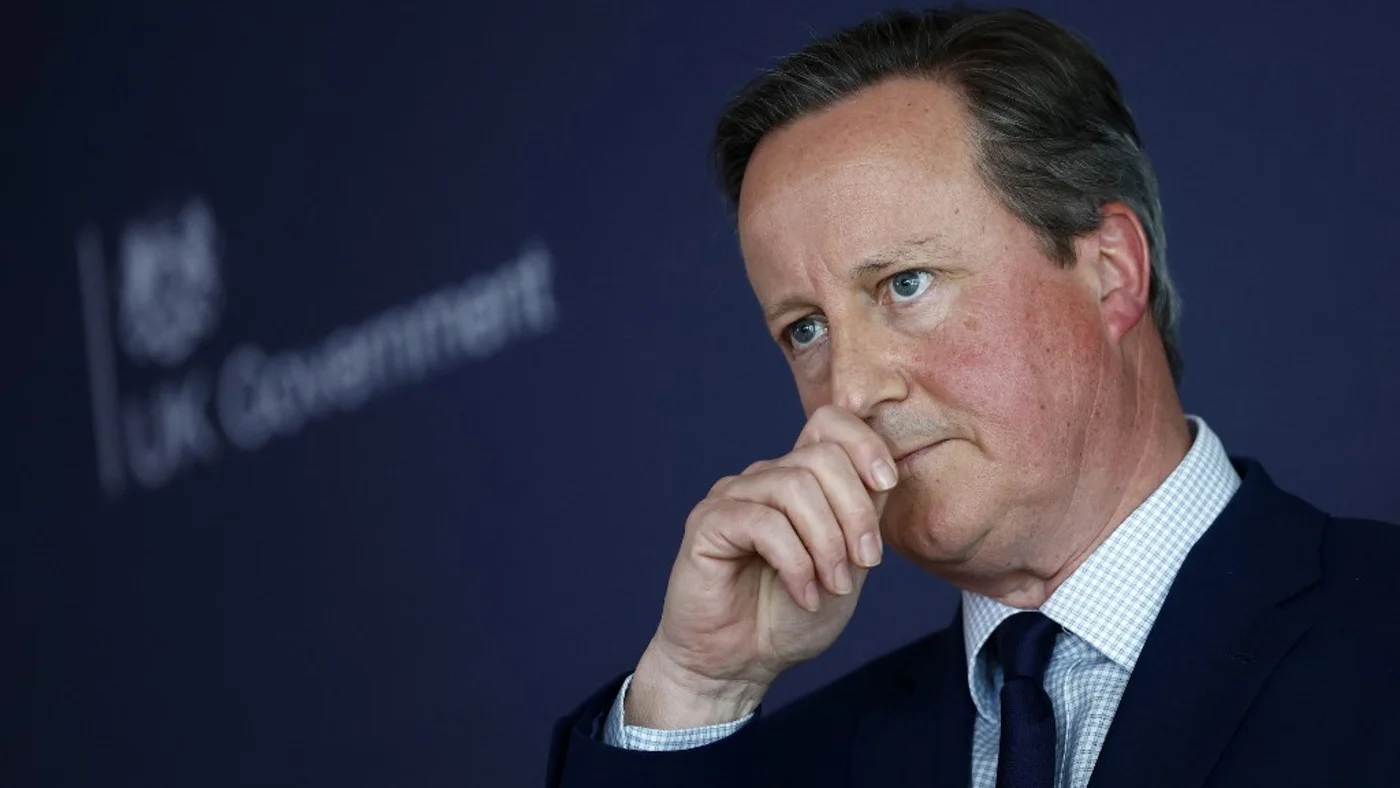
    Newly disclosed documents reveal a significant diplomatic confrontation between the United Kingdom and the International Criminal Court in April 2024. According to emails obtained through Freedom of Information requests, the UK Foreign Office’s top legal adviser, Sally Langrish, initially recommended that then-Foreign Secretary David Cameron meet with ICC Chief Prosecutor Karim Khan. Langrish emphasized that such a meeting would demonstrate Britain’s “strong support for the Court and for Karim Khan as its prosecutor.”

    The recommended meeting was scheduled for April 15, 2024, in London. However, in a notable deviation from this advice, Cameron did not attend the meeting. Instead, Justice Secretary Alex Chalk met with Khan, during which the prosecutor revealed his intention to pursue arrest warrants for Israeli Prime Minister Benjamin Netanyahu, Defense Minister Yoav Gallant, and three Hamas leaders.

    The situation escalated dramatically on April 23, 2024, when Cameron personally contacted Khan while the prosecutor was on an official visit to Venezuela. Multiple sources, including former staff from Khan’s office who have seen meeting minutes, confirm that Cameron employed strong rhetoric during this conversation. The foreign secretary characterized the potential arrest warrants as “like dropping a hydrogen bomb” and warned of their “profound implications” for British politics and his Conservative Party.

    Most significantly, Cameron reportedly threatened that if the ICC proceeded with warrants against Israeli leaders, the UK would “defund the court and withdraw from the Rome Statute”—the ICC’s founding charter. This stance directly contradicted the Foreign Office’s earlier position of strong support for the international judicial body.

    The Foreign Office has consistently declined to comment on these allegations. A source close to Cameron acknowledged the call occurred but characterized it as “robust” rather than threatening, suggesting Cameron was merely highlighting potential political pressures within his party. The incident has prompted calls for official investigation, with former Scottish First Minister Humza Yousaf demanding accountability and transparency regarding the UK’s position on international justice institutions.

  • Chinese technique for making ultrathin metal films named top 10 scientific breakthroughs

    Chinese technique for making ultrathin metal films named top 10 scientific breakthroughs

    A groundbreaking Chinese innovation in materials science has received global recognition, with Physics World naming the development of ultrathin metal films as one of 2025’s top 10 scientific breakthroughs. The prestigious accolade highlights China’s emerging leadership in advanced materials research and development.

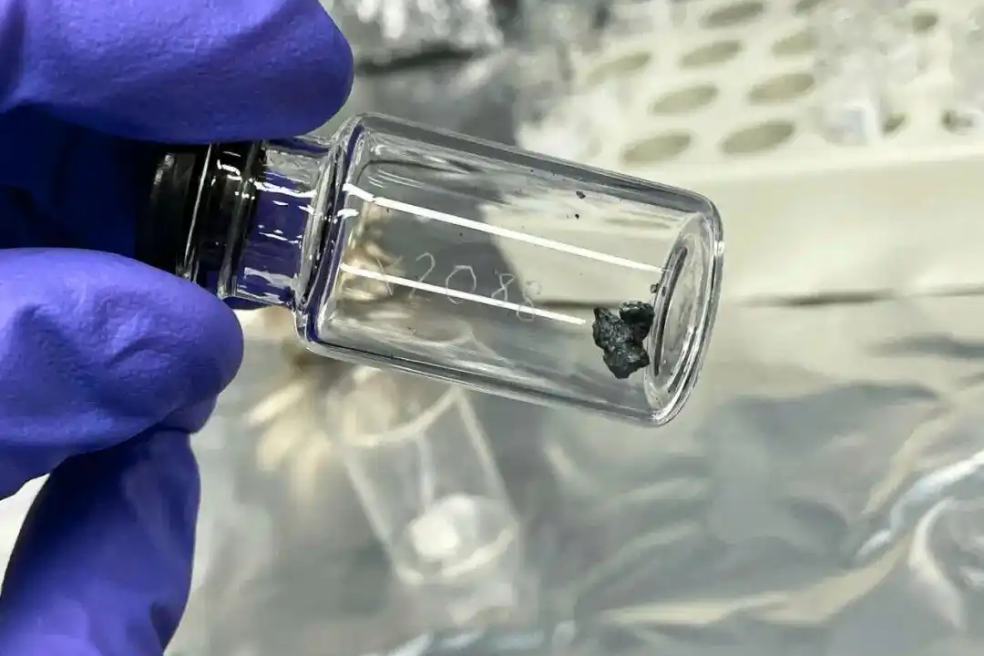
    The pioneering research, conducted by the Institute of Physics at the Chinese Academy of Sciences, has successfully produced the world’s first single-atom-layer metal materials. These revolutionary materials measure at the angstrom scale—approximately one-millionth the thickness of standard A4 paper and one-200,000th the diameter of a human hair.

    This achievement represents a significant milestone in materials science, particularly considering that non-layered metals constitute approximately 80% of the periodic table’s elements. Previously, scientists considered these metals nearly impossible to reduce to single atomic layers due to their tightly bonded three-dimensional atomic structures. While hundreds of two-dimensional materials have been created since graphene’s discovery in 2004, all previously originated from layered crystals.

    The research team overcame this fundamental challenge through an innovative van der Waals squeezing technique. This method utilizes molybdenum disulfide as an anvil to compress two-dimensional metals including bismuth, tin, lead, indium, and gallium.

    The resulting two-dimensional metals exhibit exceptional properties, including remarkable environmental stability with no performance degradation observed for over one year. They feature nonbonding interfaces that enable researchers to better explore the materials’ intrinsic properties while demonstrating higher room-temperature conductivity than conventional alternatives.

    These advanced materials are expected to enable macroscopic quantum phenomena and serve as core components for numerous technological innovations. Potential applications include low-power transistors, high-frequency electronic devices, and ultrasensitive detection systems that could transform multiple industries.

    Physics World’s annual list is widely regarded as one of the most authoritative recognitions in the scientific community. Selection criteria require demonstrated scientific importance, substantial advancement of knowledge frontiers, successful integration of theory and experimentation, and significant attention from physicists worldwide. This achievement marks the seventh time Chinese-led research has been honored since the list’s establishment in 2009.

  • Former senior political advisor of Sichuan sentenced to 14 years

    Former senior political advisor of Sichuan sentenced to 14 years

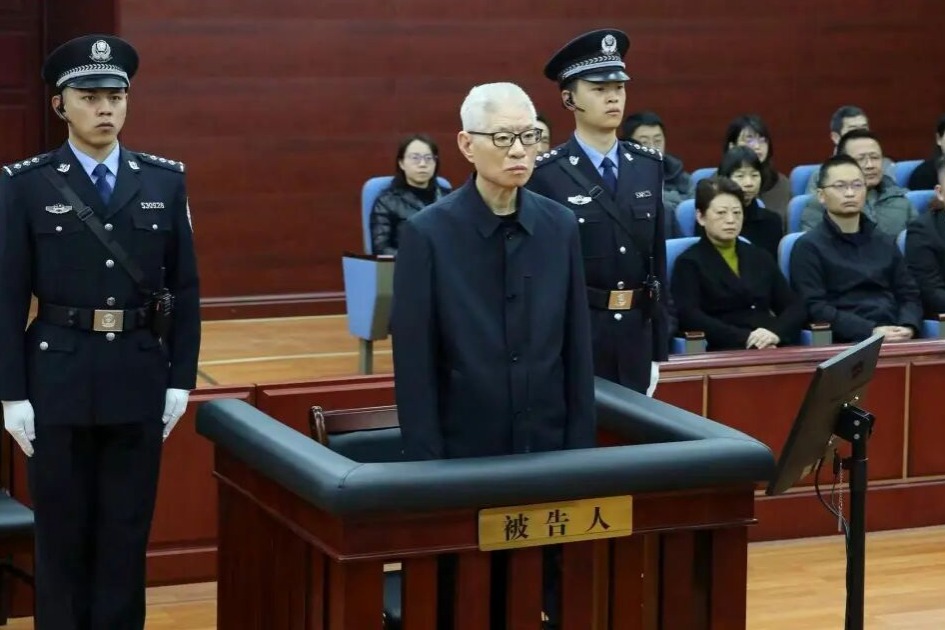
    In a significant judicial ruling, Cui Baohua, formerly a high-ranking political advisor in Sichuan Province, has been sentenced to 14 years imprisonment for corruption offenses. The Intermediate People’s Court of Kunming in Yunnan province delivered the first-instance verdict on Wednesday, additionally imposing a substantial fine of 5 million yuan (approximately $710,000).

    The court investigation revealed that between 2005 and 2024, Cui systematically exploited his official positions to illicitly acquire money and property valued at over 65.39 million yuan. His influential roles during this period included serving as Party secretary of Suining, head of the United Front Work Department of the Communist Party of China Sichuan Provincial Committee, and vice-chairman of the Sichuan Provincial Committee of the Chinese People’s Political Consultative Conference.

    Judicial authorities have ordered the complete confiscation of all illicit assets obtained by Cui, including accrued interest, which will be transferred to the State treasury. This sentencing follows Cui’s expulsion from the Communist Party in March 2025, when he was found guilty of severe violations of Party discipline and national laws.

    The case represents continued efforts by Chinese authorities to combat corruption within government ranks, demonstrating the judicial system’s commitment to holding high-ranking officials accountable for abuse of power and financial misconduct.

  • Beijing has undergone dramatic improvements since 2017’s revamped development plans

    Beijing has undergone dramatic improvements since 2017’s revamped development plans

    Since the comprehensive overhaul of Beijing’s development blueprint in 2017, the Chinese capital has undergone a remarkable metamorphosis in urban planning and ecological restoration. Official data reveals the demolition of over 238 million square meters of unauthorized constructions and the reclamation of approximately 275 square kilometers of land, marking one of the world’s most ambitious urban renewal initiatives.

    The strategic redistribution of urban functions has been central to this transformation. Numerous industrial projects have been systematically relocated to suburban zones or neighboring provinces, while governmental administrative operations have been transferred to the newly established municipal center in Tongzhou District. Concurrently, multiple state-owned enterprises, academic institutions, and medical facilities have established satellite operations in Xiong’an New Area, fostering balanced regional development alongside the capital’s decentralization efforts.

    Ecological enhancement has emerged as a cornerstone achievement. Current statistics indicate that more than 92% of Beijing’s residents now reside within 500 meters of accessible green spaces. The municipal landscape boasts an impressive network of 1,136 parks and hosts upwards of 1,100 annual eco-cultural events, fundamentally altering the urban experience. This greening initiative represents a paradigm shift from purely economic development toward sustainable urban living, creating what planners describe as ‘a city within nature’ rather than nature within the city.

    The coordinated development approach has simultaneously addressed urban overcrowding while promoting economic integration across the Beijing-Tianjin-Hebei region. This seven-year transformation demonstrates how strategic planning can reshape megacities to prioritize livability, environmental sustainability, and balanced economic growth, offering potential lessons for urban centers worldwide grappling with similar challenges of density and development.