标签: Asia

亚洲

  • Japan’s Niigata OKs restart of world’s largest nuclear power plant years after nuclear disaster

    Japan’s Niigata OKs restart of world’s largest nuclear power plant years after nuclear disaster

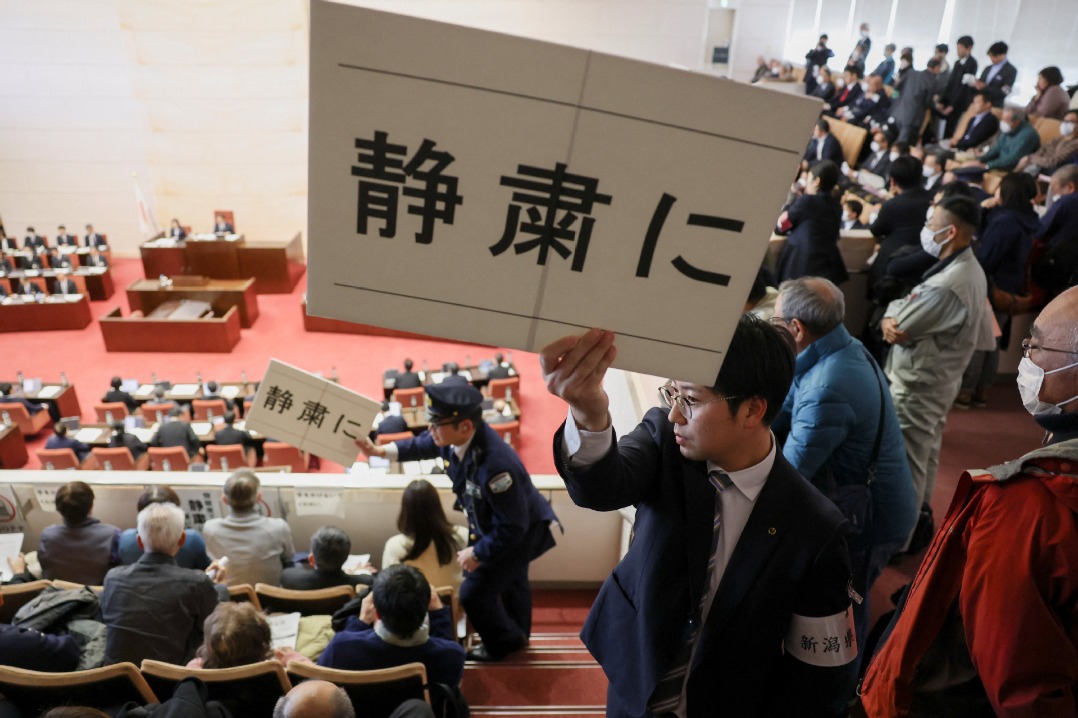
    In a landmark decision signaling Japan’s strategic return to nuclear energy, Niigata Prefecture has granted official approval for the restart of Kashiwazaki-Kariwa Nuclear Power Plant—the world’s largest nuclear facility by generating capacity. This pivotal endorsement comes more than a decade after the 2011 Fukushima Daiichi nuclear disaster that prompted nationwide reactor shutdowns and profound energy policy reevaluations.

    The Kashiwazaki-Kariwa facility, operated by Tokyo Electric Power Company (TEPCO), boasts seven reactors with combined capacity exceeding 8,200 megawatts. Its reactivation represents a critical component of Japan’s strategy to enhance energy security, reduce fossil fuel imports, and meet carbon emission targets. The approval follows extensive safety upgrades and regulatory assessments conducted under Japan’s reinforced nuclear safety standards established post-Fukushima.

    Local authorities emphasized that the restart consent came after thorough consultations with regional stakeholders and implementation of enhanced emergency preparedness measures. The decision reflects growing public acceptance of nuclear power as Japan confronts energy supply challenges and rising electricity costs. However, some community members and activists continue to express reservations about safety protocols and radioactive waste management.

    This development positions Japan to significantly decrease its reliance on imported liquefied natural gas and coal, potentially reshaping regional energy dynamics. The restart process will involve gradual commissioning of reactors following final technical verifications, with initial power generation anticipated within the coming year.

  • Chinese researchers uncover record-high evidence of ancient human activity on eastern Qinghai-Tibet Plateau

    Chinese researchers uncover record-high evidence of ancient human activity on eastern Qinghai-Tibet Plateau

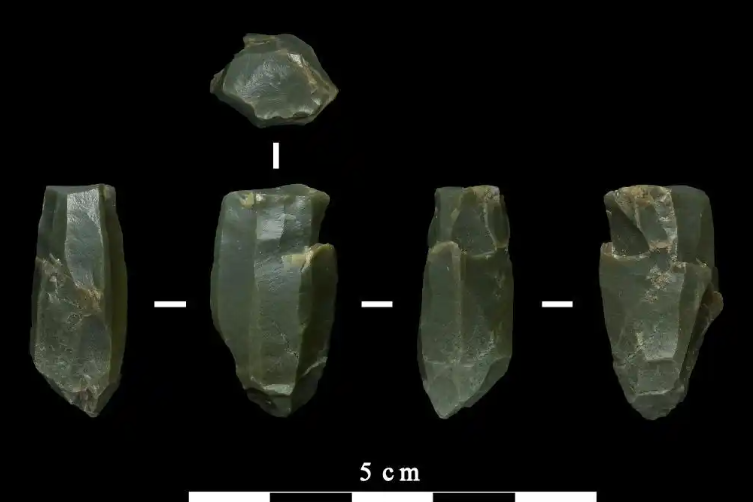
    Chinese archaeologists have made a groundbreaking discovery on the eastern Qinghai-Tibet Plateau, unearthing the highest-altitude evidence of ancient human activity ever recorded in the region. The significant find, located near Tsungqen Co lake in Daocheng county at an extraordinary elevation exceeding 4,300 meters, provides revolutionary insights into early human migration patterns and adaptive capabilities in extreme environments.

    The research team from Peking University and Sichuan Provincial Cultural Relics and Archaeology Research Institute published their detailed findings in the prestigious journal Palaeogeography, Palaeoclimatology, Palaeoecology. The Tsungqen Co site forms part of the renowned Piluo archaeological complex, previously recognized as China’s top archaeological discovery of 2021.

    While the main Piluo site dates back over 200,000 years at 3,750 meters elevation, the newly discovered Tsungqen Co location surpasses it in altitude, with cultural layers dating approximately 12,000 years. Archaeologists excavated over 190 stone artifacts demonstrating sophisticated microlithic technology, indicating specialized adaptations to the high-altitude environment.

    Dr. Zheng Zhexuan, lead archaeologist of the project, emphasized the site’s significance: “This was not merely a temporary camp but rather a habitation site revisited repeatedly. It demonstrates that ancient populations already utilized warmer climatic phases to establish settlements by highland lakes over ten millennia ago, showing remarkable adaptability to plateau conditions.”

    The Qinghai-Tibet Plateau, often called the “Third Pole” due to its extreme elevation, low oxygen levels, and frigid temperatures, has long been considered challenging for human survival. This discovery represents a pivotal breakthrough in understanding how early modern humans in East Asia developed survival strategies under diverse ecological pressures.

    Experts describe the site as a crucial “spatiotemporal key” that bridges critical gaps in the evidence chain of human activity on the “roof of the world.” Ongoing multidisciplinary research involving chronology and environmental archaeology aims to reconstruct a more precise understanding of ancient lifeways in this extreme environment, potentially rewriting chapters of human migration history.

  • Indonesia: At least 16 killed in bus crash; 34 people evacuated

    Indonesia: At least 16 killed in bus crash; 34 people evacuated

    A devastating bus crash on an Indonesian highway has resulted in significant casualties, with at least 16 fatalities confirmed by rescue authorities. The tragic incident occurred during the early hours of Monday when the intercity coach, traveling from Jakarta to Yogyakarta, lost control while navigating a curve at a highway interchange.

    According to Budiono, head of the local search and rescue agency, the vehicle was moving at considerable speed when it collided with a road barrier, causing it to overturn completely. Emergency response teams successfully evacuated 34 survivors from the wreckage, with 15 individuals pronounced dead at the scene and one additional victim succumbing to injuries while receiving medical treatment.

    Multiple injured passengers have been transported to medical facilities in Semarang for urgent care. Distressing footage released by rescue officials shows emergency personnel carefully removing victims from the overturned bus and preparing remains for transportation.

    This tragedy highlights Indonesia’s ongoing challenges with transportation safety. The Southeast Asian archipelago nation consistently experiences such incidents due to aging vehicle fleets, inadequate maintenance protocols, and frequent disregard for traffic regulations. The accident follows similar previous tragedies, including a 2024 Eid al-Fitr celebration journey that claimed 12 lives and a 2019 Sumatran bus plunge that killed 35 people, underscoring systemic transportation safety issues that continue to plague the nation’s infrastructure.

  • China’s draft law on childcare services submitted for first reading

    China’s draft law on childcare services submitted for first reading

    China has taken a significant legislative step toward establishing comprehensive childcare standards with the submission of a draft law to the National People’s Congress Standing Committee for initial review. The proposed legislation, comprising eight chapters and 76 articles, represents a systematic approach to enhancing and regulating childcare services for children under three years old.

    The legislative initiative, formally commenced in 2023, follows extensive field research conducted across multiple regions including Beijing, Guangdong, Heilongjiang, and Inner Mongolia. These investigations enabled lawmakers to identify critical challenges within the current childcare landscape and develop targeted solutions through statutory measures.

    The draft legislation adopts a problem-oriented methodology addressing fundamental concerns regarding service quality, provider qualifications, and institutional oversight mechanisms. Central to its objectives is the creation of a diversified childcare system that prioritizes safety, affordability, and accessibility while reducing the financial burden on families.

    Notably, the proposed law emphasizes the establishment of robust supervision frameworks to ensure compliance with safety protocols and safeguard children’s welfare. By strengthening legal protections for young children, the legislation aims to complement existing policies supporting childbirth and parenting, addressing demographic concerns through improved family support systems.

    The submission of this draft law marks a pivotal development in China’s ongoing efforts to reform childcare services and respond to evolving population needs through comprehensive legal frameworks.

  • Shakib Al Hasan leads MI Emirates to four-wicket win over table-topping Desert Vipers

    Shakib Al Hasan leads MI Emirates to four-wicket win over table-topping Desert Vipers

    In a display of tactical mastery and individual brilliance, MI Emirates extended their winning streak in the DP World ILT20 Season 4 with a calculated four-wicket triumph over league leaders Desert Vipers at Dubai International Stadium. The Sunday night encounter saw the Emirates side successfully chase down a modest target of 125 with 15 deliveries remaining, largely due to Shakib Al Hasan’s exceptional all-round performance that earned him Player of the Match honors.

    The match unfolded on a spinner-friendly surface that challenged batsmen throughout both innings. Desert Vipers, despite having already secured tournament qualification, struggled to build momentum after being put into bat. Their innings never gained substantial traction, culminating at 124/9 from their allotted 20 overs. English batsman Dan Lawrence provided the backbone of their effort with a determined 35 from 34 deliveries, though boundaries proved scarce against disciplined bowling.

    MI Emirates’ bowling unit executed their plans with precision, particularly through the middle overs. Shakib Al Hasan spearheaded the attack with remarkable figures of 2/14 from his four overs, including the crucial wickets of Fakhar Zaman and Sam Curran. His spell effectively stifled the Vipers’ scoring rate, while Zahoor Khan’s death bowling yielded two wickets for just 17 runs, preventing any late acceleration.

    The chase, though seemingly straightforward, encountered early complications as MI Emirates stumbled to 35/2 during the powerplay. David Payne and Lockie Ferguson struck early blows, removing Jonny Bairstow and Muhammad Waseem respectively. The middle overs saw continued pressure from the Vipers’ attack, with additional wickets falling at regular intervals.

    The turning point arrived when veteran all-rounder Kieron Pollard unleashed his power-hitting prowess, smashing 26 from just 15 balls including two massive sixes in the 15th over. Though Pollard fell before seeing the team through, Shakib Al Hasan provided the perfect foil with an unbeaten 17 from 25 deliveries, demonstrating remarkable composure to guide his team across the finish line.

    Post-match reflections highlighted the challenging conditions and strategic approaches. Shakib emphasized the importance of consistent bowling on the favorable surface and his role in stabilizing the chase amidst the fall of wickets. Desert Vipers’ stand-in captain Sam Curran acknowledged the difficult batting conditions while praising his team’s bowling effort and explaining their decision to rotate players given their secured qualification status.

  • Winter solstice golden magic illuminates Beijing’s 17-Arch Bridge

    Winter solstice golden magic illuminates Beijing’s 17-Arch Bridge

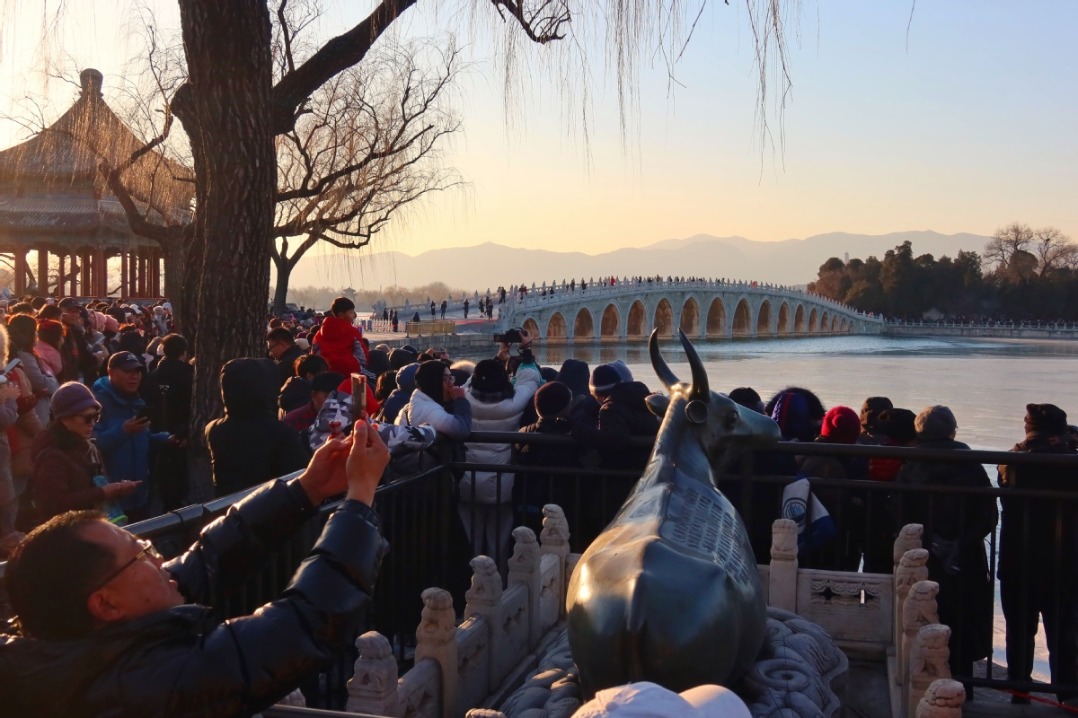
    On December 21, 2025, Beijing’s historic Summer Palace witnessed a breathtaking astronomical phenomenon as the winter solstice sunset aligned perfectly with the iconic 17-Arch Bridge. The precisely calculated positioning of the sun created a stunning visual effect where the golden rays illuminated all seventeen arches simultaneously, casting a warm, ethereal glow across the ancient structure.

    This annual celestial event attracted hundreds of visitors and photography enthusiasts who gathered along the banks of Kunming Lake to witness and capture the spectacular sight. The bridge, originally constructed during the Qing Dynasty between 1736 and 1795, serves not only as a functional passage but also as a masterpiece of Chinese architectural engineering.

    The phenomenon occurs due to the specific alignment of the bridge’s design with the sun’s position during the winter solstice, the shortest day of the year in the Northern Hemisphere. This architectural-astronomical harmony demonstrates the sophisticated understanding of celestial patterns possessed by ancient Chinese builders, who intentionally designed the structure to create this dramatic annual occurrence.

    Photographers patiently waited for the optimal moment when the sinking sun positioned itself directly behind the bridge, transforming the structure into a silhouetted masterpiece against the fiery sunset. The resulting images showcase how traditional Chinese architecture harmonizes with natural phenomena, creating a temporary artistic installation enhanced by nature’s own illumination.

    The event has grown increasingly popular in recent years, drawing both domestic tourists and international visitors interested in experiencing this unique combination of cultural heritage and astronomical wonder. Park authorities maintained orderly viewing conditions while preserving the tranquil atmosphere of the UNESCO World Heritage Site.

  • Gold prices hit record high on Fed rate-cut bets; silver scales fresh peak

    Gold prices hit record high on Fed rate-cut bets; silver scales fresh peak

    Global precious metals markets witnessed historic breakthroughs on Monday as gold and silver prices shattered all-time records, fueled by anticipations of forthcoming U.S. interest rate reductions and intensified safe-haven demand. Spot gold escalated by 1.2% to reach an unprecedented $4,391.92 per ounce, while silver demonstrated even more vigorous growth, surging 2.7% to achieve a landmark $69.23 per ounce during early trading hours.

    This remarkable rally represents the culmination of an extraordinary year for bullion, which has appreciated by 67% year-to-date, successively breaking through the psychologically significant $3,000 and $4,000 thresholds for the first time in market history. Silver has dramatically outperformed its counterpart with a staggering 138% annual gain, driven by substantial investment inflows and persistent supply limitations in the industrial metals sector.

    Market analysts attribute this sustained upward trajectory to multiple converging factors. Matt Simpson, Senior Analyst at StoneX, noted that seasonal patterns typically favor precious metals during December, though he cautioned that diminishing trading volumes toward year-end could potentially trigger profit-taking activities. The metals complex has benefited from a combination of geopolitical uncertainties, sustained central bank acquisitions, and expectations of a more accommodative monetary policy stance from the Federal Reserve in the coming year.

    The weakening U.S. dollar has provided additional momentum, enhancing the attractiveness of dollar-denominated assets for international investors. Current market pricing reflects expectations of two rate cuts in 2026, despite the Federal Reserve’s maintained cautious positioning. This anticipation has created ideal conditions for non-yielding assets like gold and silver to thrive.

    The bullish sentiment extended across the precious metals spectrum, with platinum jumping 4.1% to $2,054.25—reaching its highest valuation in over seventeen years—while palladium advanced 4% to $1,781.32, achieving a near three-year peak. This broad-based rally underscores the robust investor confidence in precious metals as both strategic hedges and value preservation instruments amid evolving global economic conditions.

  • Making it count

    Making it count

    Hong Kong’s contemporary art scene reveals a compelling narrative of female artists navigating complex market dynamics while maintaining artistic integrity. Despite global progress in gender representation, these creators continue to face distinctive challenges in finding sustainable commercial footing for their ambitious works.

    Jaffa Lam, an established artist with international recognition including collections at M+ and Centre Pompidou, creates large-scale installations using recycled materials in collaboration with Hong Kong’s women workers. Her socially-engaged practice, featuring expansive fabric canopies up to 14 meters long, remains difficult to place with conventional collectors due to size and logistical constraints. “The situation hasn’t fundamentally changed,” Lam acknowledges, though representation by Axel Vervoordt Gallery has expanded her clientele.

    Galleries like Alisan Fine Arts have consciously championed women artists for over a decade. Director Daphne King notes her ongoing mission to “balance the narrative” through exhibitions like Women + Ink and international showcases at New York’s China Institute. The gallery represents emerging talents like Angel Hui, whose immersive installations transform traditional cultural motifs into contemporary experiences, including an upcoming Venice Biennale collateral event.

    The path proves particularly challenging for late-career artists. Lindsey McAlister returned to painting after a 40-year hiatus directing youth theater programs. Her vibrant abstract works, now represented by two galleries, attracted attention at Art Central and international fairs despite slower commercial traction. “People seem curious about the journey itself,” McAlister observes, noting her story resonates with women considering creative reinvention.

    Many artists supplement incomes through academic positions and selective commercial collaborations. Angela Yuen’s kinetic sculptures using found objects led to a Hermès commission where she transformed hardware into light installations. Fashion partnerships with luxury brands provide exposure, though artist Man Fung-yi cautions younger colleagues to “know their value and maintain professionalism” in commercial dealings.

    Beyond commercial success, these artists find fulfillment through educational roles and community engagement. Lam describes how teaching at Chinese University of Hong Kong provided meaningful connection following local tragedies, creating space for “quieter, slower, and more human” responses than creating objects alone could achieve.

  • Racing for the rich

    Racing for the rich

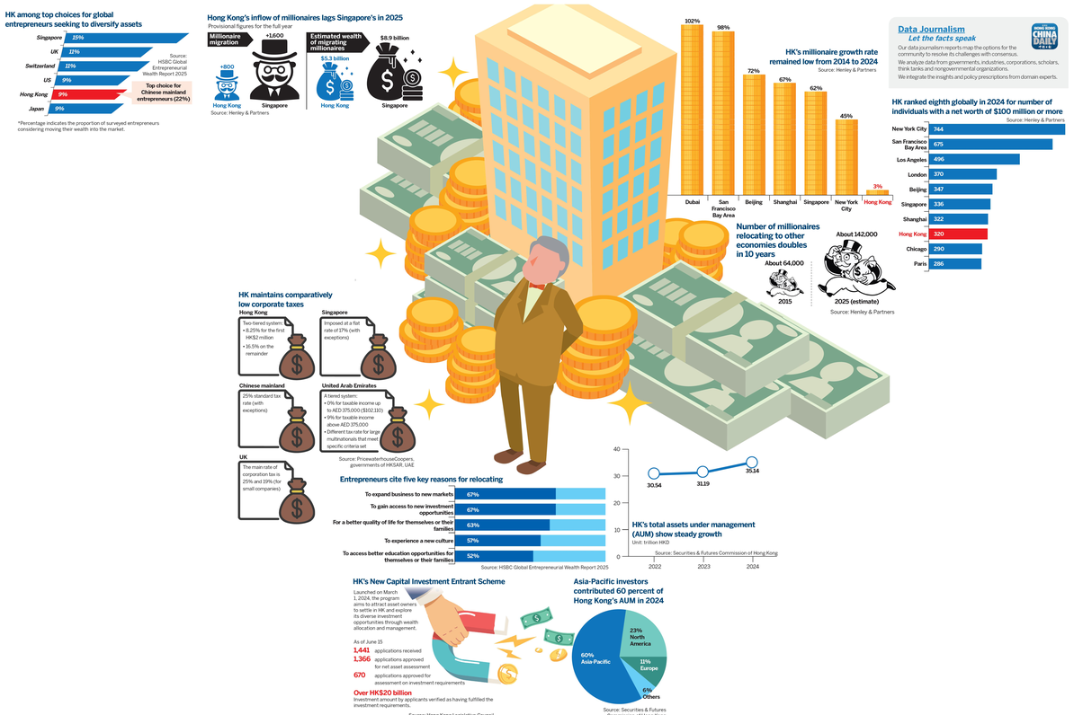
    In the intensifying global competition for high-net-worth individuals and entrepreneurial talent, Hong Kong occupies a uniquely nuanced position. While numerically trailing destinations like the UAE (9,800 millionaires) and Singapore (1,600) in sheer volume, the Special Administrative Region is experiencing a fundamental recalibration rather than decline in its wealth migration patterns, according to the Henley & Partners Private Wealth Migration Report 2025.

    Global jurisdictions have escalated policy competition through attractive residency-by-investment programs, creating what experts describe as a ‘gold-mining zero-sum game.’ Among Asia’s six prominent investment migration destinations—Hong Kong, Singapore, Malaysia, Thailand, Japan, and Kazakhstan—Hong Kong distinguishes itself through superior tax structures, processing efficiency, and established financial systems. The city anticipates a net inflow exceeding 800 high-net-worth individuals this year, ranking 11th globally.

    The narrative of Hong Kong’s perceived shortfall requires contextual examination. Parag Khanna, CEO of AlphaGeo and migration authority, emphasizes that current metrics reflect ‘relative shifts’ rather than absolute decline. ‘Hong Kong has been at the top and remains in the top tier. That’s what matters,’ Khanna asserts, noting that ultra-rich density rankings show negligible practical differences between top-tier wealth hubs.

    Critical to understanding Hong Kong’s evolution is its deepening integration with mainland China’s economy and the Greater Bay Area initiative. This connection generates substantial new wealth streams, with studies indicating significant migration from top-earning executives of Shenzhen’s high-tech corporations. A Deloitte study commissioned by InvestHK revealed over 2,700 single-family offices in Hong Kong by late 2023, predominantly backed by mainland families.

    Immigration specialists Magdalene Tennant and Kitty Lo of Fragomen note Hong Kong’s enduring appeal lies in its strategic positioning: ‘The SAR’s position within the Greater Bay Area gives direct access to one of the region’s most dynamic economic clusters.’ The city maintains competitive advantages through its robust legal system, transparent regulations, simple tax structure, and status as China’s primary offshore capital-raising hub.

    While Singapore leads in pathways to citizenship and quality-of-life metrics, Hong Kong’s unique value proposition remains its unparalleled connectivity to mainland markets. The city’s evolution reflects what Khanna terms the ‘Asianization’ of its financial identity, increasingly integrating with regional networks including Tokyo, Singapore, Sydney, and New Delhi.

    Looking forward, experts identify areas for enhancement including policy flexibility expansion, entrepreneur immigration pathway diversification, and reinforced investor confidence through transparent regulations. These developments will determine Hong Kong’s continued position as a premier destination for global wealth and talent in an increasingly competitive landscape.

  • Unraveling the cosmic puzzle

    Unraveling the cosmic puzzle

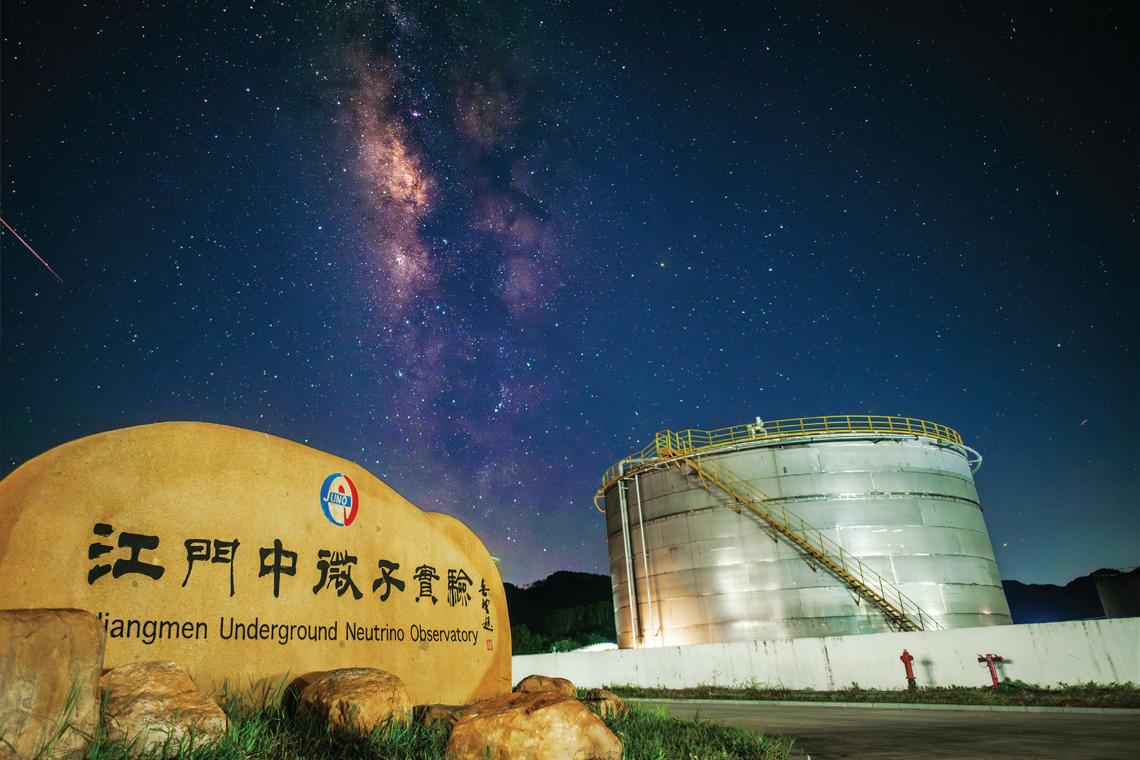
    Deep beneath the earth’s surface in Jiangmen, Guangdong province, an international scientific collaboration has achieved a monumental breakthrough in particle physics. The Jiangmen Underground Neutrino Observatory (JUNO), situated 700 meters underground, has released its first research results just two months after commencing operations, marking a significant advancement in humanity’s quest to understand the universe’s fundamental building blocks.

    This ambitious project represents one of China’s largest international fundamental science initiatives, uniting over 700 scientists from 75 institutions across 17 countries and regions. The observatory features a massive spherical detector spanning 41 meters in diameter, equipped with 45,000 photomultiplier tubes surrounding 20,000 metric tons of liquid scintillator. Its strategic location 53 kilometers from southern China’s nuclear power plants provides ideal conditions for capturing neutrinos—near-massless particles traveling at near-light speed that hold keys to understanding matter’s origins, stellar evolution, and physics beyond the standard model.

    The international collaboration faced extraordinary challenges, including constructing entirely new underground facilities from scratch and navigating pandemic restrictions that forced overseas scientists to work remotely. Despite these obstacles, the project demonstrated remarkable global cooperation, with countries contributing specialized expertise: Italy developed the liquid scintillation system, France provided cosmic muon tracking technology, and China’s Institute of High Energy Physics led detector design.

    Marcos Dracos, French physicist and chair of JUNO’s Institutional Board, emphasized the project’s unprecedented scale: ‘Previous experiments were nothing compared to JUNO in terms of collaboration size, detector scale, or research context.’ The initial results have validated the decade-long design and construction period, confirming the detector meets all design expectations and positioning JUNO for advanced neutrino physics research over its planned 30-year operational lifespan.

    Beyond scientific achievement, JUNO represents China’s strategic evolution from follower to leader in foundational scientific discovery. The project has enhanced China’s reputation as a global research hub while serving as a training ground for new generations of scientists and engineers. As researchers now focus on measuring neutrino mass ordering within approximately six years, the collaboration stands as a testament to international scientific cooperation’s power in pushing knowledge boundaries, demonstrating that while scientists have national affiliations, fundamental science truly knows no borders.