标签: Asia

亚洲

  • Dubai court sentences man to jail for impersonating judge in Dh3.15-million WhatsApp scam

    Dubai court sentences man to jail for impersonating judge in Dh3.15-million WhatsApp scam

    In a landmark ruling underscoring the seriousness of digital fraud, Dubai Criminal Court has handed down a five-year prison sentence to a 41-year-old African national convicted of orchestrating an elaborate Dh3.15 million scam through judicial impersonation and threats via messaging platforms.

    The court mandated full restitution of the embezzled Dh3,154,731 to the victim, alongside confiscation of all electronic devices employed in the criminal operation and deletion of associated digital evidence. The convicted individual will face deportation following completion of his prison term.

    Court documents reveal the sophisticated scheme originated on marriage-oriented social media platforms, where the perpetrator adopted a falsified identity as a UAE national working offshore. After establishing romantic rapport with the victim, the fraudster transitioned communications to WhatsApp where he masqueraded as a judicial authority.

    Prosecutors demonstrated how the defendant systematically issued threats of imminent arrest and legal retaliation unless substantial financial transfers were directed to specified bank accounts. Intimidated by these assertions of judicial authority, the victim progressively transferred funds exceeding Dh3.15 million.

    Forensic analysis of digital evidence—including WhatsApp message histories and banking transaction records—established a consistent pattern of deception and coercion. Prosecutors successfully argued that the interconnected offenses of official impersonation, threat dissemination, and financial fraud constituted a unified criminal enterprise under UAE jurisprudence.

    The judicial panel affirmed that electronic documentation and investigative findings provided unequivocal proof of guilt. This case exemplifies the severe consequences awaiting those who exploit digital platforms to impersonate government officials and manipulate victims through intimidation tactics.

    Authorities reiterate advisories against responding to financial demands received through messaging applications, particularly those invoking official authority, and emphasize the critical importance of independent verification before any fund transfers.

  • US, Iran talk in Oman amid fears of conflict

    US, Iran talk in Oman amid fears of conflict

    Diplomatic channels between the United States and Iran reopened on Friday in Muscat, Oman, marking the first bilateral discussions on Tehran’s nuclear program since June. The talks, initially planned as a multilateral meeting in Istanbul, were reconfigured at Iran’s insistence into a direct dialogue within the neutral territory of the Gulf sultanate.

    The negotiations commenced under a cloud of mutual distrust and sharply divergent agendas. Iranian Foreign Minister Seyed Abbas Araghchi emphasized prerequisites for successful diplomacy through a social media statement, declaring that ‘equal standing, mutual respect and mutual interest are not rhetoric—they are a must and the pillars of a durable agreement.’

    Meanwhile, the United States maintained its pressure campaign alongside diplomatic efforts. President Donald Trump issued vague warnings about potential consequences should negotiations fail, while the State Department reiterated its advisory for American citizens to depart Iran immediately. The military dimension remained prominently visible with the USS Abraham Lincoln carrier strike group positioned in regional waters.

    Regional security concerns dominated the backdrop of discussions. Gulf Arab nations expressed apprehension that any military confrontation could escalate into a broader regional conflict. These fears gained credibility following recent incidents including the US downing of an Iranian drone and Tehran’s attempted interception of a US-flagged vessel in the strategically vital Strait of Hormuz.

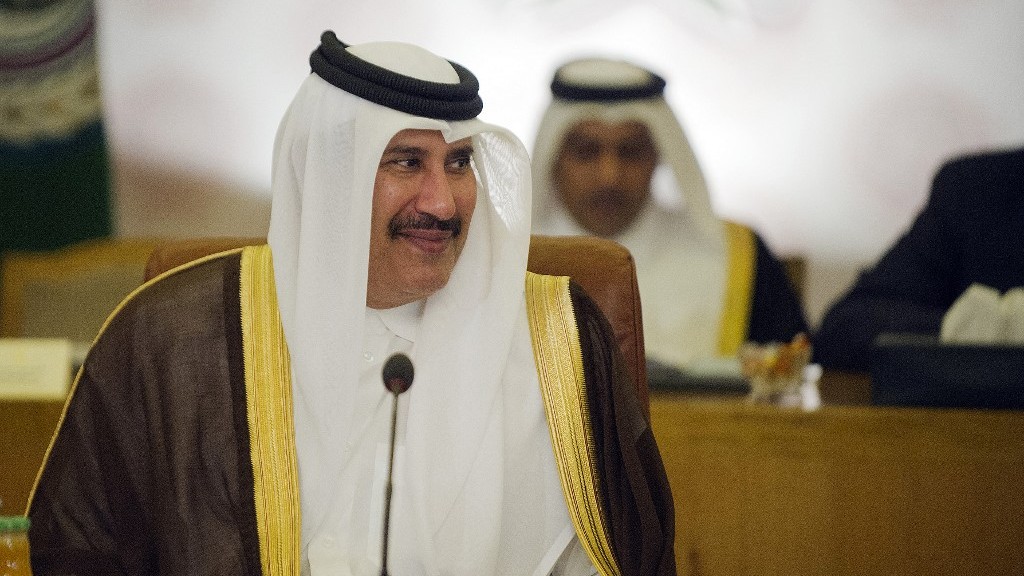
    According to multiple reports, a proposal mediated by Egyptian, Qatari, and Turkish diplomats suggested Iran halt uranium enrichment for three years, export its highly enriched uranium stockpiles, and commit to non-initiation of ballistic missile attacks. However, Tehran maintained that discussions would exclusively address its nuclear activities, which it insists remain peaceful despite longstanding accusations from Washington and Tel Aviv.

    Analytical perspectives ranged from skeptical to pessimistic regarding the talks’ potential outcomes. Former Iranian diplomat Nosratollah Tajik cited ‘structural issues, the gap between goals and expectations’ as fundamental obstacles. Edmund Fitton-Brown of the Foundation for Defense of Democracies think tank suggested military conflict appeared more likely than diplomatic breakthrough given the significant concessions required from Iran.

  • Report finds declining Chinese tourists in Japan

    Report finds declining Chinese tourists in Japan

    Japan’s tourism-dependent retail sector faces mounting pressure as a significant decline in Chinese visitors threatens to reshape the country’s economic landscape. The downturn follows diplomatic tensions stemming from Japanese Prime Minister Sanae Takaichi’s controversial remarks on Taiwan in November 2025, which triggered a chain reaction affecting bilateral relations.

    Industry data reveals a stark picture: mainland Chinese arrivals plummeted 45.3% year-on-year in December 2025 to just 330,400 visitors, continuing a downward trajectory from 562,600 in November. The Japan National Tourism Organization’s January report indicates this trend may intensify during the crucial Spring Festival period (February 15-23, 2026), traditionally a peak season for Chinese tourism.

    The economic implications are substantial. Chinese tourists historically contributed 21% of Japan’s 8.12 trillion yen ($51.7 billion) in 2024 visitor spending, particularly favoring luxury goods, cosmetics, and high-end jewelry. The Japan Research Institute projects potential losses reaching 1.2 trillion yen ($7.64 billion) annually if relations continue deteriorating.

    Retail institutions are already feeling the impact. Yoshiharu Nishisaka, executive director of the Japan Department Stores Association, reports approximately 40% declines in both Chinese visitor numbers and sales. ‘The negative impact is so large that gains in other regions cannot fully offset it,’ he noted.

    Profit forecasts paint a concerning picture for luxury retailers. J. Front Retailing anticipates a 53% operating profit decline, while Matsuya Department Store projects an 81% drop. Overall, department stores face an estimated 24% profit reduction for the December-February period according to Nikkei Asia analysis.

    Beyond immediate financial consequences, industry experts warn of longer-term cultural and commercial ramifications. Kenta Maruyama of Mitsubishi UFJ Research notes that reduced tourism diminishes the ‘gateway effect’ through which Chinese visitors develop appreciation for Japanese cuisine and products, ultimately driving demand for Japanese brands within China.

    The situation has prompted official responses. China’s Foreign Ministry issued travel advisories on January 26, 2026, warning citizens to avoid Japan during Spring Festival. Major Chinese airlines concurrently offered flexible rebooking options for Japan-bound flights, facilitating the travel reduction.

    Industry leaders like Hiroyuki Takahashi, chairman of the Japan Association of Travel Agents, express hope for diplomatic resolution, recognizing that restored people-to-people exchanges are essential for both economic recovery and sustained cultural influence.

  • Experts say tariffs stall innovative development

    Experts say tariffs stall innovative development

    A sweeping tariff regime has unleashed widespread disruption across American industry, severely hampering innovation and forcing countless small businesses to abandon product development in favor of mere survival. Economic analysts and corporate leaders report a year of unprecedented stagnation, with supply chain paralysis and soaring manufacturing costs creating a hostile environment for growth.

    The profound impact was notably absent from the world’s largest consumer electronics showcase, CES in Las Vegas, where many exhibitors lacked the new product models that traditionally define the event. This innovation deficit stems directly from tariff-induced operational shifts that have redirected engineering talent from research and development to crisis management.

    Daniel Anthony, President of economic research firm Trade Partnership Worldwide, confirms the alarming trend. ‘We’ve heard from a multitude of businesses where everything simply went on hold,’ Anthony stated. ‘The uncertainty has triggered massive downsizing, reduced sales, and widespread employment cuts across sectors.’

    Kitchen robotics company Suvie exemplifies the crisis. CEO Robin Liss described 2025 as ‘unquestionably the most disruptive year of my career,’ noting the complete cessation of R&D activities following tariff implementation. Previously manufacturing in Suzhou, China, the company experienced significant growth before the policy shift forced radical changes.

    ‘Tariffs are fundamentally anti-innovation,’ Liss declared during a CES panel discussion. ‘We halted all innovation and new product development because our entire engineering team had to relocate to Tijuana and Hanoi to focus on factory construction instead of technological advancement.’

    The relocation solution has proven both costly and inefficient. Liss emphasized the impossibility of replicating China’s manufacturing ecosystem—highly specialized clusters in cities like Suzhou where integrated networks of component makers employ hundreds of thousands of workers. The United States lacks comparable capacity for producing essential components like oven shelves and cabinets, making domestic sourcing impractical.

    Anthony predicts the disruption will persist for years as companies struggle to relaunch product development cycles. Businesses face reduced earnings, higher production costs, and missed revenue opportunities typically generated by new product launches.

    The resolution may ultimately depend on political and judicial intervention. Anthony emphasizes the critical importance of congressional engagement and pending Supreme Court decisions regarding tariff authority. ‘Everyone is hoping someone else solves the problem,’ he noted, suggesting political calculations may determine whether legislative relief emerges.

  • Islamic State affiliate claims suicide bombing that killed 31 at Shiite mosque in Pakistani capital

    Islamic State affiliate claims suicide bombing that killed 31 at Shiite mosque in Pakistani capital

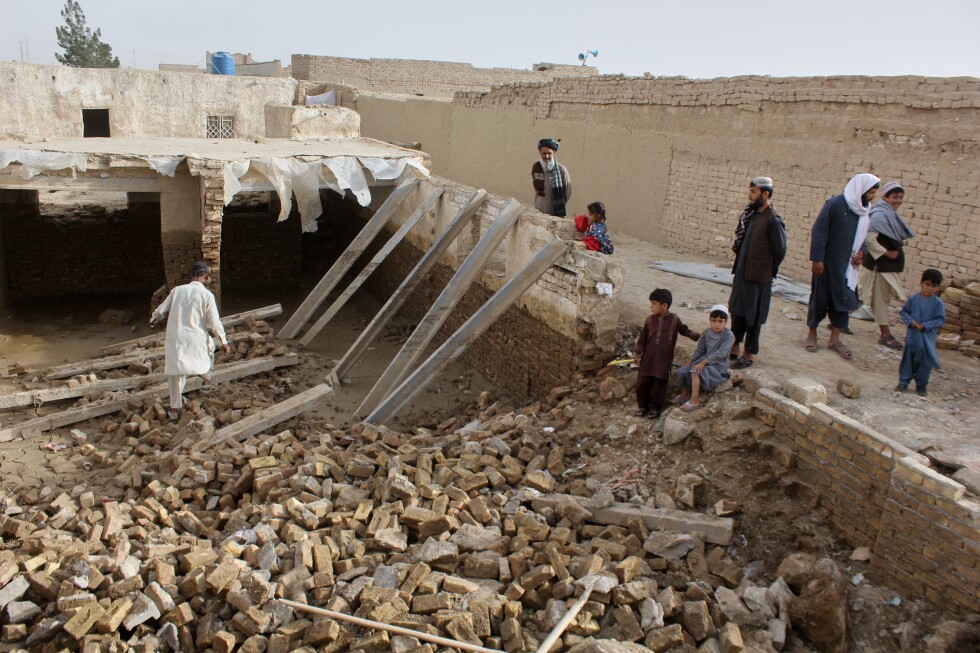
    A suicide bombing at a Shiite mosque on the outskirts of Islamabad has resulted in a devastating death toll of 31 individuals, with 169 others wounded, marking the deadliest attack in the Pakistani capital in over a decade. The regional affiliate of the Islamic State group, known as Islamic State in Pakistan, has officially claimed responsibility for the assault in a statement released through its Amaq News Agency.

    According to the terrorist group’s account, the attacker initiated the violence by opening fire on security personnel at the mosque’s main entrance before detonating his explosive vest at the inner gate. The ISIS statement contained explicitly sectarian language, referring to Pakistani Shiites as a ‘human reservoir’ providing recruits to Shiite militias opposing ISIS in Syria, thereby justifying them as legitimate targets.

    This tragic incident represents the most severe bombing in Islamabad since the 2008 Marriott Hotel attack that killed 63 people. The bombing occurs amid a significant surge in militant violence across Pakistan, creating substantial security challenges for Prime Minister Shehbaz Sharif’s government. Pakistani authorities have identified the bomber as a Pakistani national who had recently traveled to Afghanistan.

    In response to the attack, security forces conducted overnight raids in Islamabad and northwestern Pakistan, resulting in multiple arrests including the brother, mother, and other relatives of the suicide bomber. Tragically, one police officer lost his life during these operations.

    On Saturday, more than 2,000 grief-stricken mourners gathered under tight security at the same mosque for funeral services. Senior government officials and Shiite community leaders attended ceremonies for approximately a dozen victims, with remaining funerals scheduled to take place in the victims’ hometowns.

    The attack has drawn strong international condemnation from the United States, Russia, the European Union, and other nations. Prime Minister Sharif expressed gratitude for the global support following what he described as a ‘heart-wrenching suicide attack,’ emphasizing that international cooperation remains crucial to Pakistan’s counterterrorism efforts.

    The bombing has also heightened tensions between Pakistan and Afghanistan’s Taliban government. Pakistan’s Defense Minister Khawaja Mohammad Asif suggested that Pakistan-based militants operating from Afghanistan were responsible for the attack, drawing a sharp response from Afghan authorities who condemned the minister’s remarks as ‘irresponsible.’ Pakistan has repeatedly accused Afghanistan of harboring militants, including members of the Pakistani Taliban (TTP), allegations that Kabul consistently denies.

  • Streamlined services for overseas visitors unveiled

    Streamlined services for overseas visitors unveiled

    China has launched a comprehensive digital initiative designed to eliminate technological barriers for international travelers and non-mainland residents. The Cyberspace Administration of China, in collaboration with ten other government departments, has released the “Implementation Guidelines on Improving the Convenience of Digital Services for Inbound Overseas Visitors,” marking a significant step in the nation’s high-standard opening-up policy.

    The guidelines establish a two-phase roadmap targeting 2027 as the deadline for resolving persistent challenges in telecommunications, mobile payments, tourism, and public transportation systems. The ultimate objective is to achieve world-class digital services that seamlessly integrate local systems with international standards.

    Key measures include modernizing urban rail systems to accept international bank cards, requiring transportation apps to provide multilingual services, and simplifying telecom registration processes for foreign visitors. The policy specifically addresses payment integration challenges by encouraging support for overseas electronic wallets and decoupling mobile payment systems from mandatory domestic phone number verification.

    Additionally, the initiative promotes the development of digital international medical platforms that collaborate with major insurance companies to facilitate secure health record sharing. While advancing these convenience measures, the guidelines emphasize strengthened data security protocols and enhanced personal information protection, particularly for cross-border payments and online reservation systems.

    Industry experts have welcomed the changes, noting that previous systems often operated on domestic assumptions that created obstacles for short-term visitors. The transformation is expected to boost inbound tourism spending, revitalize travel and lodging sectors, and provide new momentum for China’s digital economy development.

  • Under US scrutiny, CATL rolls out new batteries and investment

    Under US scrutiny, CATL rolls out new batteries and investment

    Contemporary Amperex Technology Co Ltd (CATL), the global leader in electric vehicle battery production, has unveiled a series of strategic advancements this week despite increasing geopolitical tensions. The Chinese battery giant announced new European investment initiatives, breakthrough performance data for its ultra-long-life lithium batteries, and a pioneering sodium-ion battery partnership with Changan Auto.

    These developments occur against a backdrop of heightened US regulatory pressure on Chinese battery manufacturers. The US House Select Committee on Strategic Competition recently challenged Ford Motor Company regarding its licensing agreement with CATL, a Department of Defense-designated Chinese military company. This scrutiny focuses on Ford’s plans to repurpose US facilities for lithium iron phosphate (LFP) battery production using CATL’s technology.

    The political concerns stem from a February 2023 agreement where CATL agreed to supply LFP technology for Ford’s $3.5 billion Michigan battery plant. This arrangement has faced sustained examination since the US Defense Department added CATL to its Chinese military companies list in January 2024, citing alleged ties to China’s armed forces.

    Despite these transatlantic headwinds, CATL continues to advance its European localization strategy. The company operates a major German facility, is constructing a large-scale Hungarian factory, and is developing a joint-venture battery project in Spain with Stellantis. This expansion continues despite the EU imposing definitive anti-subsidy duties of 7.8-35.3% on Chinese EVs, though batteries and key components were exempted from additional tariffs.

    Technologically, CATL revealed impressive specifications for its 5C lithium-ion battery, capable of full charging in approximately 12 minutes while enduring about 3,000 full charge-discharge cycles—equivalent to 1.8 million miles of service life. This represents roughly six times the industry average, achieved through denser cathode coatings, self-healing electrolyte additives, and advanced thermal management systems.

    The company’s sodium-ion breakthrough with Changan Auto marks another significant advancement. These batteries deliver over 400 kilometers of range with energy density of 175 watt-hours per kilogram while maintaining more than 90% capacity at extreme temperatures of -40°C. Though bulkier than lithium alternatives, their superior cold-weather performance makes them particularly suitable for northern climates.

    According to industry analyst Zhang Dachuan, “Both the US and Europe have tightened scrutiny of new-energy supply chains over the past two years, and policy resistance facing CATL’s overseas manufacturing plans is clearly rising. Boosting localization rates and strengthening supply-chain resilience have become urgent priorities.”

    CATL maintained its dominant 38% global market share in 2025, followed by BYD (16-17%), with LG Energy Solution (9-10%) as the leading non-Chinese supplier. The company’s continued innovation and strategic expansion demonstrate its determination to maintain technological leadership despite growing geopolitical challenges in the global battery industry.

  • Tourism changes face of poverty-ridden Hebei county

    Tourism changes face of poverty-ridden Hebei county

    Nestled within the rugged terrain of the Taihang Mountains, Luotuowan village in Fuping county, Hebei province, has undergone a remarkable metamorphosis from one of China’s most impoverished communities to a flourishing tourism destination. The village’s stone courtyards now adorned with red lanterns and the sounds of cultural performances signal a dramatic departure from its recent past.

    A decade ago, Luotuowan faced severe challenges with rocky, unproductive land, inadequate infrastructure, and mass youth migration seeking employment opportunities elsewhere. More than 70% of residents lived below the poverty line with per capita disposable income under 950 yuan ($137). The turning point emerged through strategic government-led poverty alleviation initiatives that prioritized rural tourism development.

    The transformation accelerated in 2017 when former migrant workers like Bai Long returned to establish homestay businesses with government support. Today, the village operates 137 homestays offering over 300 beds, many managed through cooperatives led by the local Communist Party of China branch. Tourism has fundamentally reshaped the local economy, with annual visitor numbers surpassing 500,000 in 2025.

    Beyond economic metrics, the revival has generated profound social changes. More than 70 young residents have returned to Luotuowan and neighboring Gujiatai village to establish restaurants, manage tourism accommodations, and market local agricultural products online. Elderly villagers maintain economic activity through homestay operations, with some like 78-year-old Sun Zhenze converting family homes into modest guest accommodations.

    The county’s success has attracted international recognition, hosting university students from abroad and delegations from Brazil studying China’s rural poverty governance approaches. Local specialties including high-altitude apples and shiitake mushrooms have gained prominence among visitors.

    With the anticipated 2027 opening of a high-speed railway connecting the region to Beijing and Shanxi province, local authorities anticipate further tourism growth. The Luotuowan model now serves as a national benchmark for culture-led rural revitalization, demonstrating how ecological assets and community-based tourism can create sustainable development in previously marginalized regions.

  • Report: China’s world heritage sites thriving

    Report: China’s world heritage sites thriving

    China’s comprehensive system for protecting its World Heritage sites has yielded exceptional results, with all natural heritage locations maintaining excellent condition while simultaneously driving economic benefits for local communities, according to a landmark assessment report released by the National Forestry and Grassland Administration.

    The extensive evaluation, covering four decades of conservation efforts from 1985 to 2025, reveals that China’s 15 natural heritage sites and 4 mixed cultural-natural sites have experienced no severe human-caused damage or threats to their outstanding universal value. These protected areas span approximately 80,000 square kilometers across 20 provincial regions, encompassing extraordinarily diverse ecosystems ranging from mountains and forests to wetlands, deserts, and coastal zones.

    At a recent press conference, Liu Jiaqi, an academician with the Chinese Academy of Sciences, emphasized that China has achieved remarkable success through its protected areas system, particularly in institutional development, regulatory frameworks, heritage value presentation, and public awareness initiatives. The country has pioneered distinctive governance models that integrate nature and culture, implement regionally coordinated management, promote sustainable tourism development, and establish community co-governance structures.

    International conservation assessments corroborate China’s positive trajectory. According to Yuan Jiming, director of the administration’s nature reserve management department, four editions of the IUCN World Heritage Outlook published between 2014 and 2025 consistently demonstrate that China’s natural and mixed heritage sites outperform global averages in conservation effectiveness.

    Beyond strict protection measures, China has actively developed mechanisms to transform ecological value into sustainable community benefits. Through eco-cultural tourism, nature education programs, study tours, and under-forest non-timber economies, heritage sites have become engines of local development. Notably, over 90% of these sites prioritize employing local residents in conservation roles, while tourism has emerged as a pillar industry in numerous regions.

    In 2024 alone, these heritage destinations attracted more than 180 million tourist visits, generating approximately 184.3 billion yuan ($26.6 billion) in consumption. At iconic locations like Jiuzhaigou, Huangshan Mountain, and Wulingyuan, tourism-related revenue constitutes over 50% of local GDP.

    The administration has pledged to continue enhancing protection measures while promoting sustainable utilization of these natural treasures. Future strategies will focus on ecological conservation and green development, with particular emphasis on building diversified ecological product systems that meet public aspirations for improved quality of life while advancing regional economic, social, and cultural progress.

  • Hainan to establish tropical marine national park

    Hainan to establish tropical marine national park

    China is redefining its national park system by extending conservation efforts from terrestrial landscapes to marine ecosystems with the establishment of a tropical marine national park in Hainan province. This groundbreaking initiative represents a significant shift toward integrated land-sea conservation management that could establish global benchmarks for ocean stewardship.

    The development follows the implementation of China’s National Park Law on January 1, 2026, which legally enables the designation of marine areas within the national park framework based on natural ecological distribution patterns. For Hainan—bordered by approximately 2 million square kilometers of ocean and hosting biodiverse coral reefs, mangroves, seagrass beds, and rare marine species—this legislation provides a clear regulatory pathway to enhance marine protection.

    According to Wang Aimin, chief scientist at the Hainan International Blue Carbon Research Center, “A marine national park transcends mere geographical demarcation. It represents a comprehensive commitment to preserving the authenticity and integrity of marine ecosystems with the same rigor applied to terrestrial conservation.”

    The park initiative forms part of Hainan’s broader strategy to position itself as a center for deep-sea technology innovation, modern marine industries, and international marine cooperation. This conservation effort coincides with robust growth in Hainan’s ocean economy, which recorded a 7.9 percent year-on-year increase in gross ocean product last year.

    Emerging sectors are driving this expansion, particularly deep-sea oil and gas exploration. The independently developed Deep Sea No 1 gas field—China’s inaugural ultra-deepwater project—recently completed its 100th crude oil shipment since commissioning, with total oil and gas output exceeding 4.5 million metric tons of oil equivalent in the previous year. New fields including Dongfang 29-1, Dongfang 13-3, and Wenchang 16-2 have also commenced production.

    Hainan’s offshore energy sector demonstrated remarkable growth with crude output reaching approximately 611,100 tons (a 125 percent increase from 2024) and natural gas output hitting about 5.6 billion cubic meters (a 62 percent rise). The renewable energy sector similarly expanded as major offshore wind power projects in Danzhou and Lingao county connected to the grid, driving the marine power industry’s added value to 1.3 billion yuan—a 306 percent year-on-year surge.

    Traditional marine industries are simultaneously evolving toward more sustainable practices. Marine fisheries are transitioning to shore-based operations, deeper water exploration, and international collaboration. Sanya Yazhou Bay Agriculture and Aquaculture Development Company exemplifies this transformation through its adoption of intensive, intelligent production systems. The company recently imported African clawed frogs for scientific research applications in green pest control and pesticide resistance studies.

    Future plans include introducing foreign fish breeding stock, particularly groupers, to enhance genetic diversity and address inbreeding complications such as stunted growth and disease susceptibility, according to Bai Zemin, the company’s deputy general manager.