标签: Asia

亚洲

  • China has broken disability-poverty link, Rome seminar hears

    China has broken disability-poverty link, Rome seminar hears

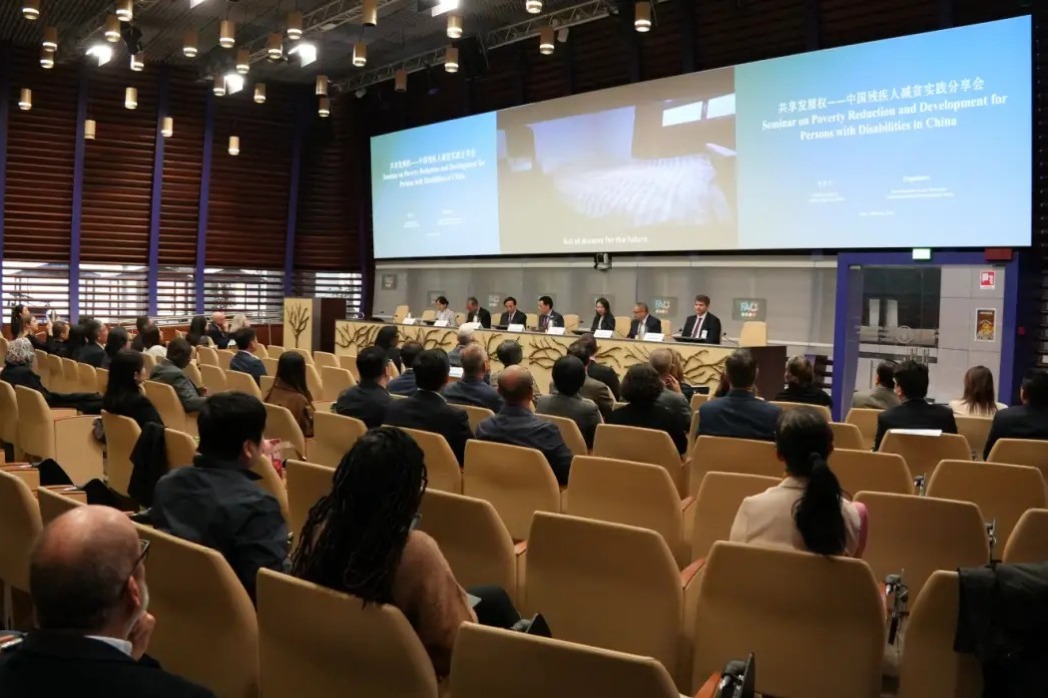
    ROME – In a landmark address at an international seminar in Rome, China has unveiled its transformative success in eradicating poverty among disabled populations, marking a historic decoupling of disability from economic hardship. Cheng Kai, Chairman of the China Disabled Persons’ Federation, detailed the nation’s achievement in lifting 7.1 million rural residents with disabilities out of poverty during the event titled ‘Sharing Development Rights: China’s Practices in Poverty Reduction for Disabled Persons’.

    The seminar, co-hosted by the China Disabled Persons’ Federation, the China International Communications Group, and China’s Permanent Mission to the UN Food and Agriculture Organization (FAO), showcased China’s innovative integration of disability inclusion into its national development framework. Cheng emphasized that addressing disability poverty has been central to China’s broader anti-poverty campaign and ongoing consolidation efforts.

    ‘By achieving this milestone, China has fundamentally disrupted the persistent correlation between disability and poverty through context-specific approaches tailored to our national circumstances,’ Cheng stated. The comprehensive strategy combines targeted poverty alleviation measures with preventive mechanisms against disability-induced economic hardship.

    Notably, China’s model aligns with the FAO’s principle of ‘leaving no one behind,’ offering valuable insights for global poverty reduction efforts, particularly in developing nations. Cheng expressed China’s commitment to enhancing multilateral cooperation through deepened dialogue with FAO member states across various sectors.

    FAO Director-General Qu Dongyu acknowledged the global significance of China’s accomplishment, noting that approximately 15% of the world’s population lives with disabilities who frequently face barriers to resources, services, and employment, especially in rural areas. ‘China’s practices and achievements provide not only a crucial reference for international agencies and developing countries but also substantially strengthen global confidence in pursuing inclusive development and disability poverty reduction,’ Qu affirmed.

    The seminar represents a significant moment in global social development discourse, demonstrating how national strategies can effectively address complex socioeconomic challenges while contributing to international knowledge sharing and cooperative development initiatives.

  • Another 3 members of Iran’s women’s soccer team decide against staying in Australia as refugees

    Another 3 members of Iran’s women’s soccer team decide against staying in Australia as refugees

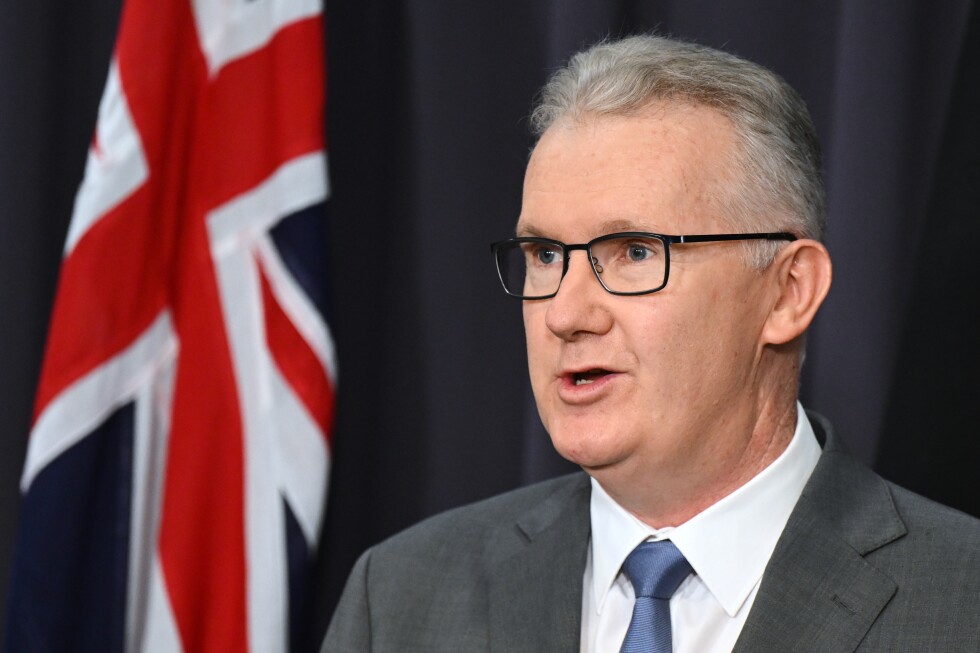
    MELBOURNE, Australia — In a significant reversal, three additional members of Iran’s national women’s soccer team have opted to return to their homeland after initially accepting refugee status in Australia, according to an official government announcement on Sunday.

    Australian Home Affairs Minister Tony Burke confirmed the development, stating that the athletes made the conscious decision to rejoin their teammates for the journey back to Iran. “After informing Australian officials of their choice, the players were provided multiple opportunities to discuss alternative options,” Minister Burke emphasized in his formal statement.

    The team originally arrived in Australia to compete in the Women’s Asian Cup tournament last month, prior to the escalation of Middle East conflicts that began on February 28. Of the 26-member delegation, seven individuals—including six players and one support staff member—initially sought humanitarian protection visas following the competition.

    The recent departures mean only three of the original seven asylum seekers remain in Australia. One additional member had previously reversed her decision and left the country earlier. The remaining Iranian contingent had already departed from Sydney to Malaysia on March 9, leaving behind those who initially pursued refugee status.

  • Miss Jasmine on the Pleatau

    Miss Jasmine on the Pleatau

    In the high-altitude classrooms of Lhasa, a transformative educational initiative is taking root through the dedication of 20 volunteer teachers from Jiangsu province. Among them, Xu Xiaoqin has earned the affectionate nickname ‘Miss Jasmine’ from her students at Lhasa-Jiangsu Experimental School, symbolizing the fragrant impact of cross-regional educational cooperation.

    This teaching corps represents a significant interprovincial support program designed to bridge educational disparities between China’s developed coastal regions and plateau areas. The Jiangsu educators bring innovative teaching methodologies, advanced curricular resources, and fresh pedagogical perspectives to Tibetan classrooms, creating an enriching learning environment that combines eastern educational expertise with local cultural context.

    The program extends beyond conventional knowledge transfer, focusing on sustainable educational development through teacher training programs, digital learning resources, and shared educational infrastructure. These efforts aim to create lasting educational improvements rather than temporary interventions, with teachers spending extended periods embedded within the local educational ecosystem.

    Students at the experimental school have demonstrated remarkable engagement with the new teaching approaches, showing particular enthusiasm for interactive learning methods and multimedia educational tools introduced by the Jiangsu team. The initiative has also fostered cultural exchange, with teachers incorporating elements of Tibetan culture into their lesson plans while sharing perspectives from Jiangsu’s advanced educational system.

    This educational assistance program forms part of broader regional development strategies that emphasize knowledge transfer and capacity building as key components of regional development. The ‘Miss Jasmine’ phenomenon illustrates how personalized connections between educators and students can become powerful symbols of interregional cooperation and educational innovation.

  • Fear grips Iranians as missiles fall and loyalist forces roam the streets

    Fear grips Iranians as missiles fall and loyalist forces roam the streets

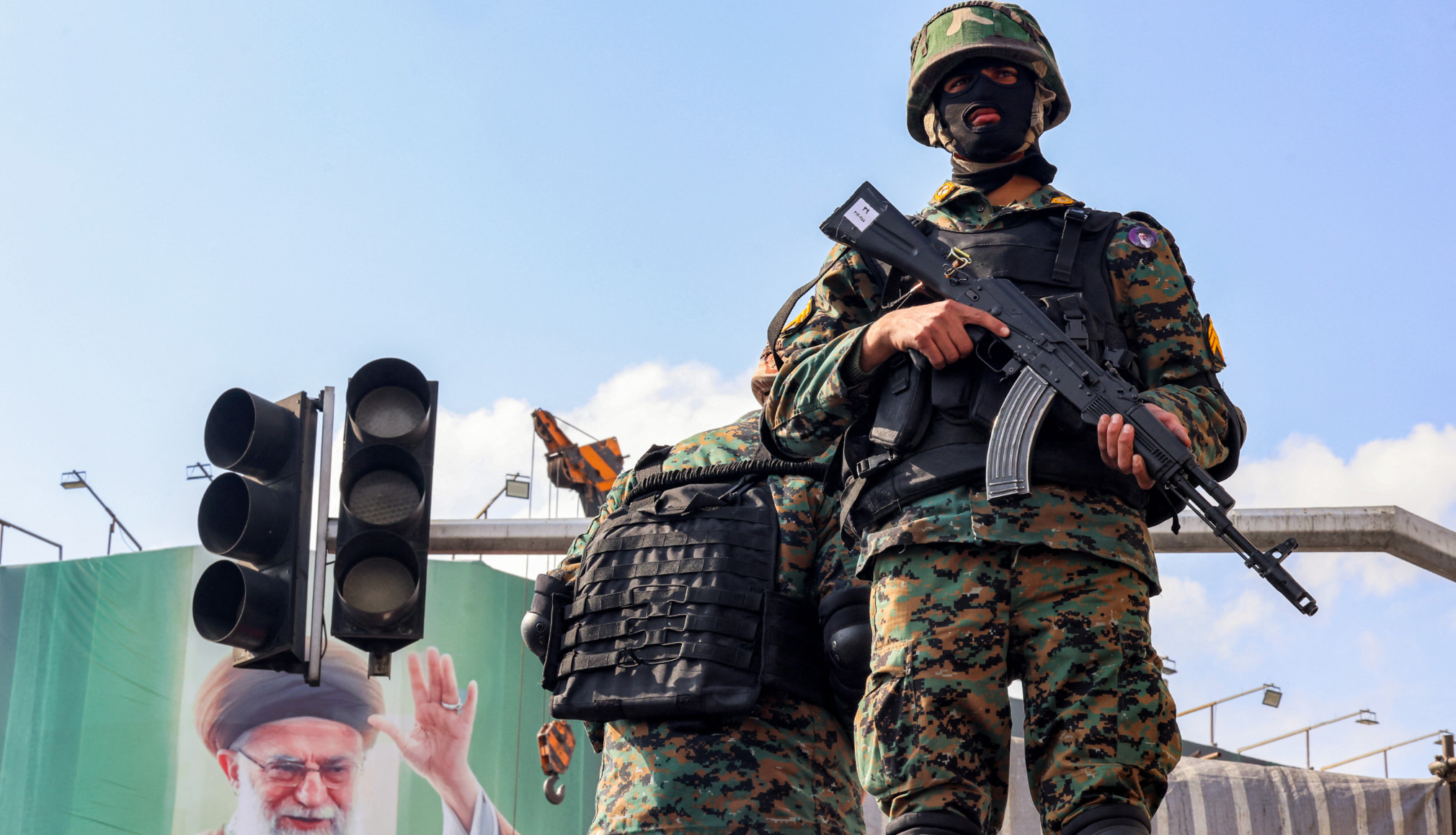
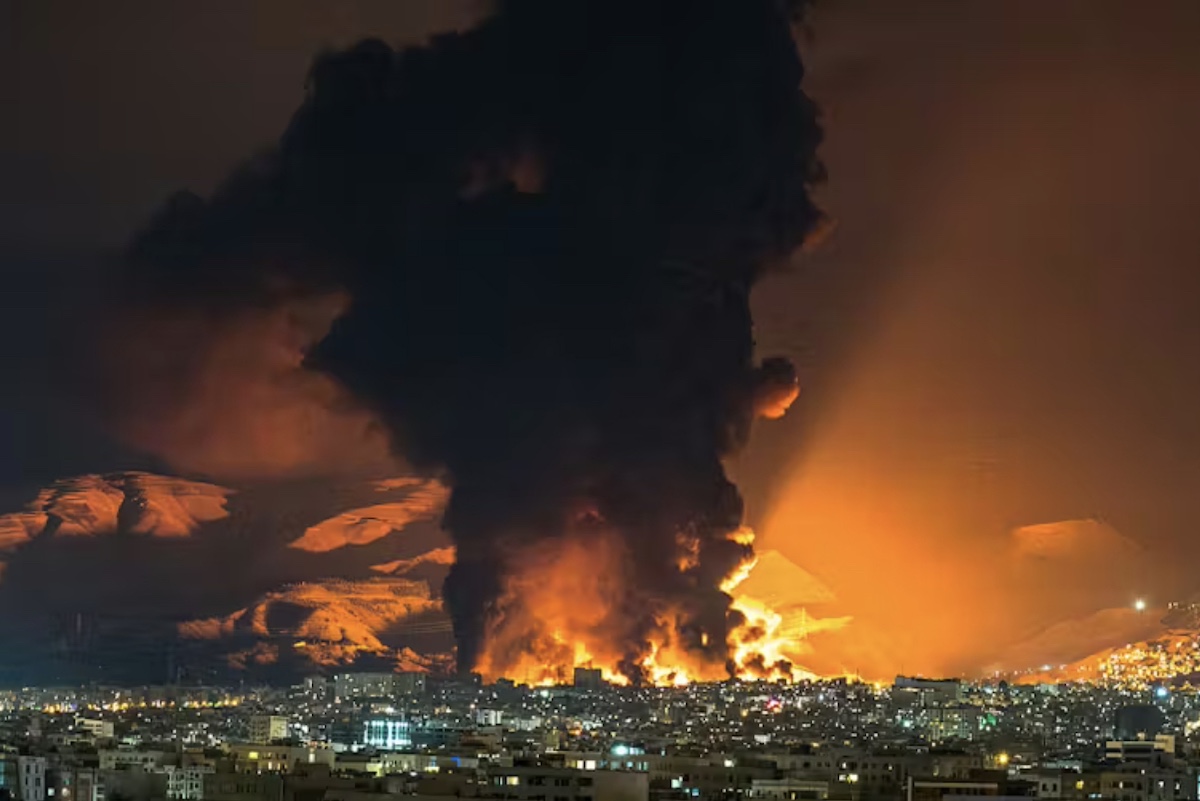
    Beneath the ongoing aerial conflict between the US-Israeli alliance and Iran, a profound internal crisis is unfolding within Iranian urban centers. In the fortnight since the demise of Supreme Leader Ali Khamenei, a palpable climate of apprehension has taken root among civilians, who now find themselves caught between external military threats and an increasingly aggressive domestic security apparatus.

    Pro-government paramilitary units and security forces have established a pervasive presence nationwide. These elements, including the Basij volunteer militia, now routinely stage orchestrated rallies, erect countless checkpoints, and directly confront citizens on public streets. This strategic mobilization has been openly encouraged by Iranian officials; Parliament Speaker Mohammad Bagher Ghalibaf publicly urged loyalists to demonstrate their ‘presence in the streets’ via social media, a directive analysts interpret as an effort to project unwavering control after a significant leadership vacuum.

    The human impact of this strategy is severe and widespread. Personal accounts gathered from multiple cities describe a terrifying reality. Seema, a 42-year-old mother from Yazd, recounted being trapped in her car with her young son by motorcyclists chanting pro-regime slogans, who proceeded to violently assault her vehicle. In Tehran, residents like Ali describe an ‘oppressive’ and ‘toxic’ atmosphere, where young, armed volunteers man checkpoints to interrogate citizens with ‘pointless questions.’ The recent Quds Day rallies, an annual pro-Palestine event, were further stage-managed, with participants reportedly bused in to create an illusion of massive popular support for television broadcasts.

    Simultaneously, Iranian security officials have issued stark warnings against any form of dissent. National Police Chief Ahmad Reza Radan explicitly threatened to treat anyone protesting at the ‘enemy’s request’ as an enemy combatant. This has effectively ceded control of public spaces to regime loyalists, leaving ordinary Iranians feeling silenced and endangered. The situation is compounded by the fact that these very checkpoints and security installations have become secondary targets in the international conflict, with Israeli strikes hitting such positions in Tehran, raising the grim specter of civilian casualties.

    This convergence of external war and internal crackdown has generated complex and conflicting emotions among the populace. While many express deep-seated anger towards the regime’s repressive tactics, there is also growing disillusionment with foreign military action, which is seen as indifferent to civilian lives. As one Tehran resident, Ghazaleh, starkly summarized, citizens feel ‘trapped between two groups of criminals,’ where neither the Islamic Republic nor its international adversaries prioritize the welfare of the Iranian people. The prevailing fear is that the nation may endure the devastation of war only to emerge with an even more brutal and entrenched government.

  • Royal College of Art center launched in Shanghai

    Royal College of Art center launched in Shanghai

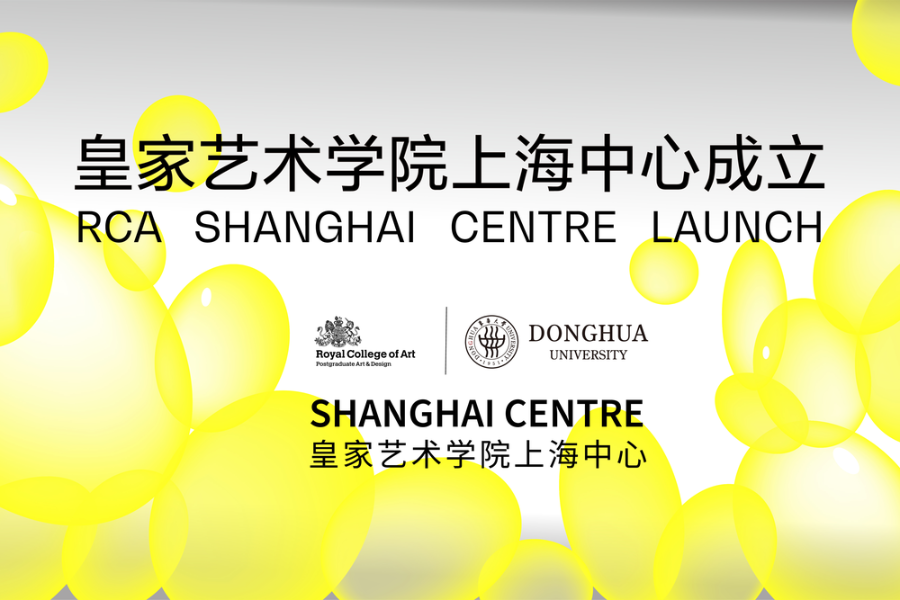
    Shanghai has cemented its position as a global design education hub with the inauguration of the RCA Shanghai Centre, a groundbreaking collaborative initiative between Donghua University and the United Kingdom’s prestigious Royal College of Art. The launch ceremony on March 14, 2026, marked a significant advancement in international educational cooperation within China’s design sector.

    This strategic platform represents the first of its kind in China, establishing a comprehensive framework for cross-border design education innovation. The center will leverage world-class educational resources to cultivate exceptional talent, directly supporting Shanghai’s ambitious development as an international ‘City of Design’ and fashion capital.

    Donghua University President Xiang Yanxun emphasized the center’s transformative potential, stating it would ‘inject new momentum’ into Shanghai’s creative industries through superior educational resources and innovative approaches. The initiative aligns with China’s broader educational opening policies and international collaboration strategies.

    Royal College of Art President Christoph Lindner recognized Shanghai’s emerging status as a major global hub for creative education and cutting-edge industries. ‘Building on a shared vision for development,’ Lindner noted, ‘our institutions will jointly address environmental challenges and navigate the AI era through creative thinking.’

    The partnership extends beyond traditional design education, incorporating sustainability considerations and technological adaptation strategies. The center will serve as a nexus for academic exchange, research collaboration, and industry innovation, positioning Shanghai at the forefront of global design education evolution.

  • 9.41 billion cross-regional trips made during 2026 Spring Festival travel rush

    9.41 billion cross-regional trips made during 2026 Spring Festival travel rush

    China’s transportation networks witnessed unprecedented activity during the 2026 Spring Festival travel period, with official data revealing a staggering 9.41 billion cross-regional journeys completed nationwide. This remarkable figure establishes a new benchmark in the history of China’s seasonal migration patterns, demonstrating both the massive scale of domestic mobility and the recovery of travel enthusiasm following recent global challenges.

    The Spring Festival travel rush, known locally as ‘Chunyun,’ represents the world’s largest annual human migration event. The 2026 iteration saw hundreds of millions of Chinese citizens traversing the country to reunite with families for the Lunar New Year celebrations. Transportation hubs across China operated at maximum capacity, with railways, highways, airways, and waterways all experiencing substantial passenger volume increases compared to previous years.

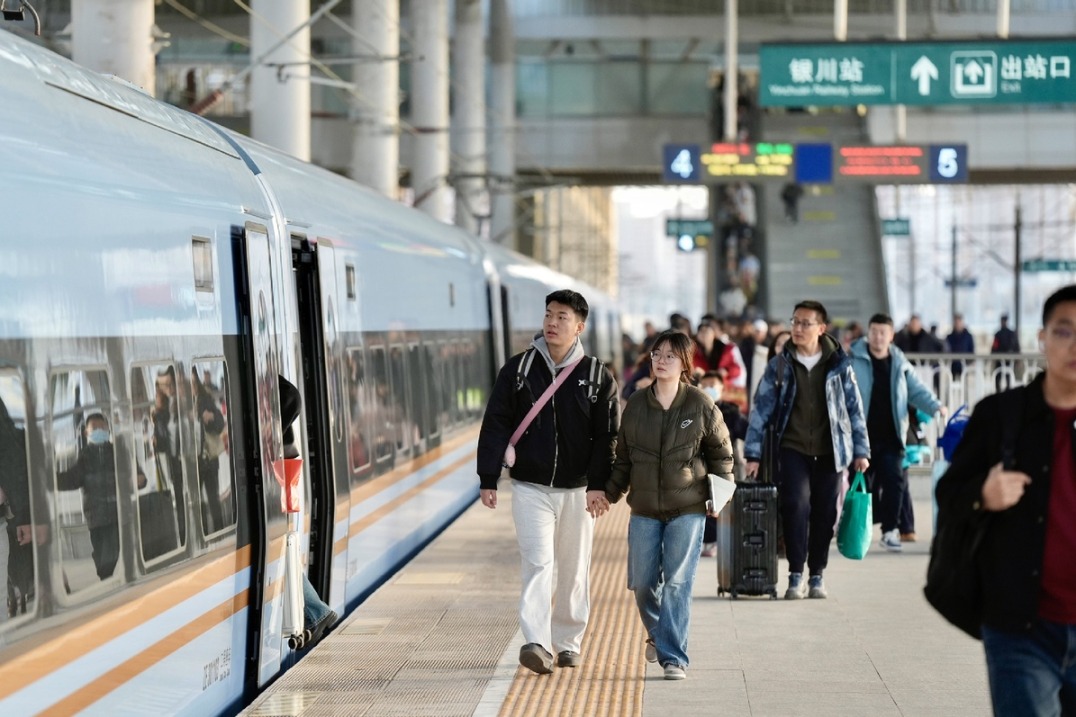
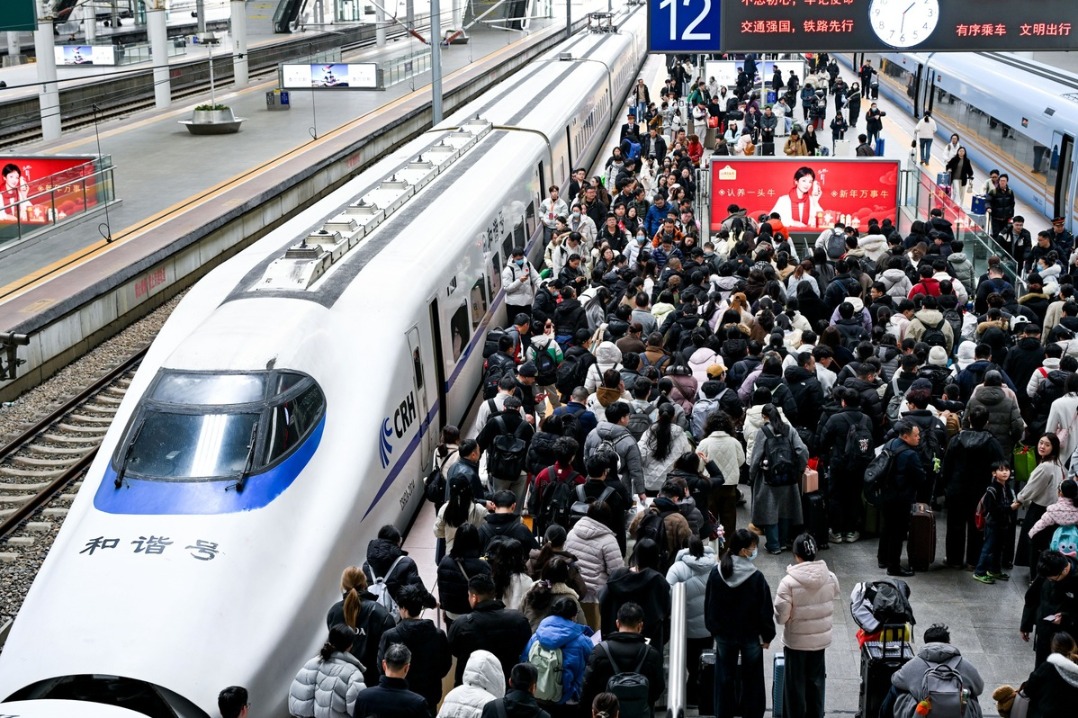
    Photographic evidence from Yinchuan Railway Station in Northwest China’s Ningxia Hui autonomous region captured the immense crowds on February 23, 2026, as travelers hurried to board trains. The scene represented a microcosm of the nationwide phenomenon, with similar congestion observed at major transportation centers throughout China.

    The record-breaking travel numbers reflect several underlying developments: significant infrastructure investments in China’s transportation networks, growing economic prosperity enabling more citizens to travel long distances, and the cultural importance of family reunification during traditional holidays. Authorities implemented comprehensive crowd management strategies and deployed additional transportation resources to accommodate the massive surge in passenger movement.

    This transportation milestone occurred alongside other significant spring developments across China, including early blooming kapok flowers in Guangzhou, the premature return of migratory birds to Xingkai Lake, and the inauguration of Beijing E-Town’s pioneering smart elderly care robotics station.

  • Rapeseed festival boosts rural vitalization in Sichuan

    Rapeseed festival boosts rural vitalization in Sichuan

    The sixth annual Rapeseed Flower Cultural Festival commenced on Friday in Zhaohua district, Guangyuan, Sichuan province, marking a significant development in China’s rural revitalization strategy. This innovative event transcends traditional agricultural exhibitions by creating an integrated platform that combines contract farming agreements, cultural heritage presentations, immersive field experiences, and digital commerce initiatives.

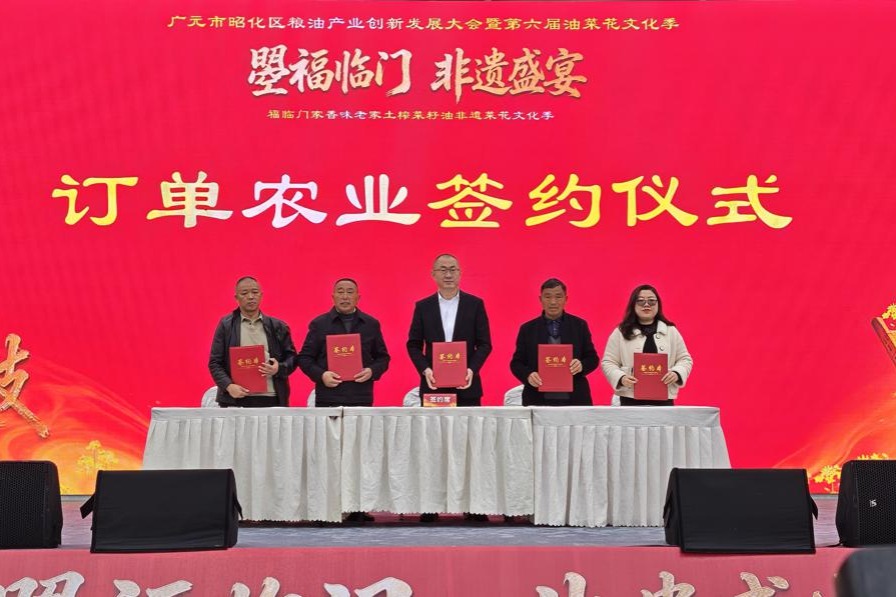
    During the opening ceremony, COFCO Oils & Oilseeds (Guangyuan) Co Ltd solidified procurement partnerships with multiple regional suppliers, establishing a strengthened framework for local rapeseed production and distribution. Unlike conventional tourism-focused festivals, the Zhaohua event strategically leverages the region’s agricultural resources to build a comprehensive industrial chain around rapeseed cultivation and processing.

    The festival’s multidimensional approach demonstrates how rural communities can effectively merge cultural preservation with economic development. By incorporating livestream e-commerce capabilities alongside traditional farming practices, organizers have created a sustainable model that benefits local farmers while promoting regional specialty products to broader markets. This initiative represents a sophisticated evolution in how agricultural regions can harness their natural and cultural assets to drive meaningful economic transformation.

  • Pulpit to Pentagon: the evangelicals who see Iran war as God’s plan

    Pulpit to Pentagon: the evangelicals who see Iran war as God’s plan

    Amid escalating military tensions between the United States, Israel, and Iran, a distinctive theological framework is increasingly influencing American political and military perspectives. Prominent Christian leaders are interpreting the conflict through an apocalyptic lens, with figures like John Hagee of Christians United for Israel describing the warfare as divinely ordained fulfillment of biblical prophecy. ‘Prophetically, we’re right on cue,’ Hagee declared in a recent sermon, while artist-activist Sean Feucht referenced ‘end-time open doors’ in Iran following potential regime change.

    This worldview finds its roots in 19th-century Protestantism when American preachers adopted more literal biblical interpretations. The theological movement known as dispensationalism—which divides human history into distinct ages governed by divine plan—has evolved into modern Christian Zionism. This ideology maintains strong support for Israel based on Genesis’ covenant narrative, believing current events signal the approaching ‘end times’ preceded by a period of tribulation centered in Israel.

    The 1967 Six-Day War marked a critical turning point, with Israel’s territorial victories reinforcing evangelical beliefs about divine intervention. The capture of Jerusalem particularly fueled expectations of temple rebuilding and end-times scenarios, popularized through cultural phenomena like the ‘Left Behind’ series that sold over 80 million copies.

    Recently, this ideology has penetrated government structures with concerning implications. The Military Religious Freedom Foundation reports over 200 complaints regarding military commanders presenting the Iran conflict as part of divine plan to personnel. The 2025 appointment of former Arkansas Governor Mike Huckabee—a prominent Christian Zionist who led Holy Land tours—as ambassador to Israel further signals this theological framework’s growing political influence. Huckabee has publicly emphasized the Genesis 12 paradigm: ‘Those who bless Israel will be blessed, those who curse Israel will be cursed.’

    This alignment represents a significant evolution from earlier decades when Jewish organizations hesitated to partner with conversion-focused Christians. Post-9/11 anti-Islam sentiment and increasing international criticism of Israel’s Palestinian policies gradually fostered this unlikely alliance, now manifesting in highest levels of American governance and military strategy.

  • China’s rail network sets new Spring Festival travel records

    China’s rail network sets new Spring Festival travel records

    China’s national railway network has achieved unprecedented operational milestones during the recently concluded 40-day Spring Festival travel period, setting remarkable new benchmarks in passenger volume and cargo transportation. According to official data released by China State Railway Group on March 14, 2026, the system handled an extraordinary 538 million passenger journeys between February and March, representing a substantial 4.8% increase compared to the previous year’s figures.

    The record-breaking transportation effort also extended to freight services, with national railways moving 424 million metric tons of cargo during the same period, marking a 2.1% year-on-year improvement. Both metrics established new historical records for the Spring Festival travel rush, demonstrating the system’s expanding capacity and efficiency.

    Rail infrastructure operated at unprecedented levels throughout the holiday season, with nationwide networks running an average of 12,861 passenger train services daily. The single-day peak reached an impressive 14,037 trips, while overall transport capacity surged by 8.3% compared to the previous year’s performance.

    Company officials attributed this exceptional performance to strategic infrastructure expansions implemented throughout 2025, including the commissioning of several major high-speed rail corridors. The newly operational Guangzhou-Zhanjiang, Baotou-Yinchuan, and Xi’an-Yan’an high-speed railways significantly enhanced network connectivity, while additional Fuxing bullet trains augmented fleet capacity.

    Enhanced coordination across transportation resources—including railway lines, station facilities, locomotives, and rolling stock—combined with optimized scheduling protocols contributed substantially to maximizing operational efficiency. The digital infrastructure supporting these operations also received significant upgrades, with the 12306 online ticketing system processing a record 23.115 million ticket sales on February 9 alone, establishing a new single-day transaction benchmark for the Spring Festival period.

  • Pakistan’s president says Afghan Taliban forces crossed a ‘red line’ with drone attacks on civilians

    Pakistan’s president says Afghan Taliban forces crossed a ‘red line’ with drone attacks on civilians

    Tensions between Pakistan and Afghanistan’s Taliban government have dramatically escalated into open hostilities, with both sides exchanging aerial attacks across their shared border. The conflict reached a critical turning point when Afghan drones struck Pakistani territory, prompting President Asif Ali Zardari to declare that Kabul had “crossed a red line” and brought “grave consequences upon itself.

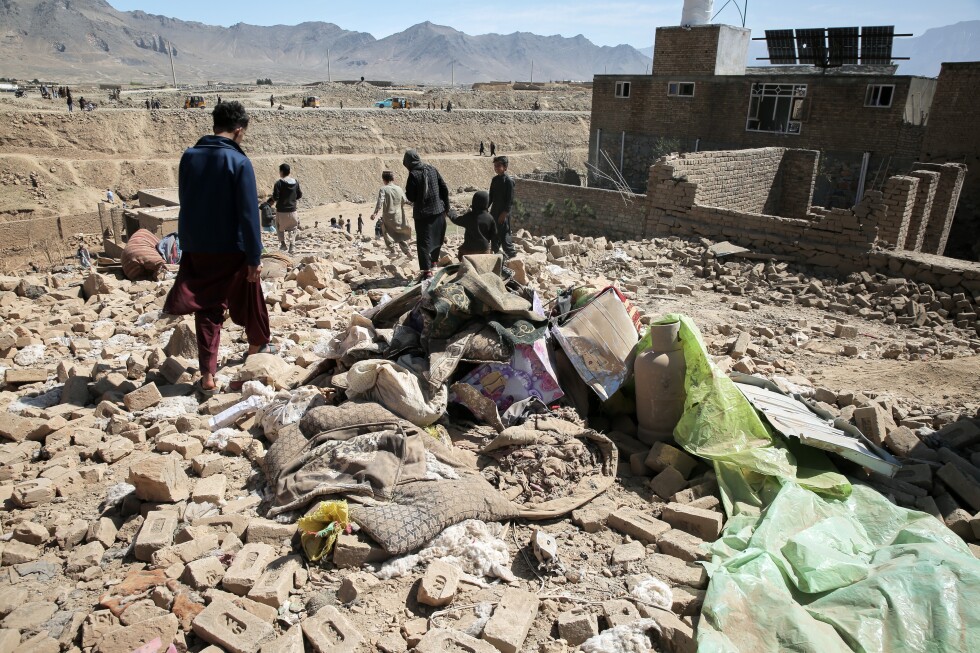
    The recent violence represents the deadliest fighting between the neighboring nations to date, with Pakistan reporting intercepted drones causing civilian injuries in Quetta and other areas. Simultaneously, Afghanistan alleges Pakistani airstrikes killed six civilians and wounded fifteen in Kabul and eastern regions. Kabul claims its air force subsequently targeted military installations near Islamabad and northwestern Pakistan in retaliation.

    Pakistan maintains its operations specifically target Pakistani Taliban militants and their support networks, denying any intentional strikes against civilians. Islamabad has characterized the situation as an “open war,” raising international concerns about regional stability amid broader Middle East tensions.

    Complicating the conflict, Afghanistan alleges Pakistani aircraft struck fuel depots belonging to private airline Kam Air near Kandahar airport, which reportedly supplies both civilian and United Nations flights. Pakistan counters that the Afghan Taliban government provides sanctuary to militant groups operating across the porous border, including those allied with India—a charge Kabul denies.

    The human cost continues to mount, with seven Pakistani police officers killed by a roadside bomb in Lakki Marwat district on Friday. Despite diplomatic efforts by China and Turkey to broker a ceasefire, the violence shows no signs of abating. Chinese Foreign Minister Wang Yi has urged peaceful resolution, warning that military action exacerbates tensions and threatens regional stability. China’s special envoy is currently shuttling between both nations promoting restraint, while Afghanistan’s foreign minister has expressed preference for dialogue over military conflict.

    Previous mediation attempts, including a Qatari-brokered ceasefire in October that temporarily reduced tensions, and subsequent talks in Turkey, have failed to produce a lasting agreement.