标签: Asia

亚洲

  • How UAE expat whose body shut down at 21 due to Covid now helps others get healthy

    How UAE expat whose body shut down at 21 due to Covid now helps others get healthy

    A young expatriate in the UAE has transformed personal tragedy into professional purpose after COVID-19 triggered a life-altering chronic condition. Liam Kotecha, now 26, has become a beacon of hope for others battling invisible illnesses after his own medical journey reshaped his career path and life perspective.

    In 2020, while studying dentistry in Madrid, Kotecha contracted COVID-19 expecting a routine recovery. Instead, he developed crushing fatigue, widespread pain, and neurological symptoms that defied conventional diagnosis. His body essentially shut down at age 21, leaving him struggling with basic tasks like walking, carrying groceries, and even opening water bottles.

    Over 18 months, Kotecha consulted 17 specialists across Madrid and Dubai, facing repeated dismissals and misdiagnoses before finally receiving confirmation of fibromyalgia—a chronic condition characterized by widespread pain, fatigue, and cognitive difficulties. The diagnosis brought both relief and devastation as he learned the condition was incurable.

    The physical decline forced Kotecha to abandon his dental studies just two years from completion, a heartbreaking decision that felt like ‘grieving a life already planned.’ Beyond academic loss, he struggled with social isolation and the perception of being ‘lazy or dramatic’ as he canceled plans and left gatherings early.

    This personal crisis became a transformational turning point. Kotecha turned to nutrition and naturopathic medicine, implementing gradual changes to his diet, movement, and lifestyle. Through elimination of inflammatory foods, reformer Pilates, yoga, stress reduction, and sleep optimization, he gradually reclaimed functionality—though not complete recovery.

    Now in his final year studying nutritional therapy and naturopathy, Kotecha utilizes social media platforms to educate thousands about chronic illness, post-viral fatigue, and gut health. He participates in wellness talks and community events, connecting particularly with young adults who feel medically dismissed and misunderstood.

    Kotecha emphasizes that healing doesn’t necessarily mean being symptom-free but rather ‘learning how to live well again with patience, support, and the right care.’ While his path diverged dramatically from his original dental aspirations, he has found profound meaning in helping others navigate similar health challenges.

    His story emerges amid growing recognition of post-viral conditions and their impact on young populations, highlighting the need for greater understanding of invisible chronic illnesses within medical systems and broader society.

  • China firmly opposes US additional tariff on semiconductors from China

    China firmly opposes US additional tariff on semiconductors from China

    BEIJING – China has issued a firm diplomatic protest against the United States’ decision to impose additional tariffs on Chinese semiconductor products, denouncing the move as unjustified and contrary to international trade norms.

    The Ministry of Commerce spokesperson He Yongqian stated on Thursday that China categorically rejects the findings of the US Section 301 investigation into China’s semiconductor policies. The strong response comes after the Office of the United States Trade Representative published investigation results outlining planned tariff measures against Chinese semiconductors.

    According to the US plan, the tariffs will commence with a zero percent initial rate before escalating to a yet-to-be-determined higher level within an 18-month timeframe. The final tariff rate is scheduled to be announced at least 30 days prior to June 23, 2027.

    China has formally expressed its objections through established bilateral consultation channels, utilizing the China-US economic and trade consultation mechanism to lodge stern representations with American officials. The Chinese government maintains that the proposed tariffs represent an unfair trade practice that could disrupt global semiconductor supply chains and undermine international economic cooperation.

    The escalating trade measures occur against the backdrop of ongoing technological competition between the world’s two largest economies. Semiconductor chips have become a focal point in this technological rivalry, with both nations implementing policies to strengthen their domestic capabilities in this critical industry.

    Chinese officials emphasized their commitment to protecting the legitimate rights and interests of Chinese enterprises while calling for constructive dialogue to resolve trade differences. The ministry spokesperson reiterated China’s position supporting multilateral trade rules and opposing unilateral protectionist measures that could destabilize global markets.

  • Algeria declares French colonisation a crime and demands reparations

    Algeria declares French colonisation a crime and demands reparations

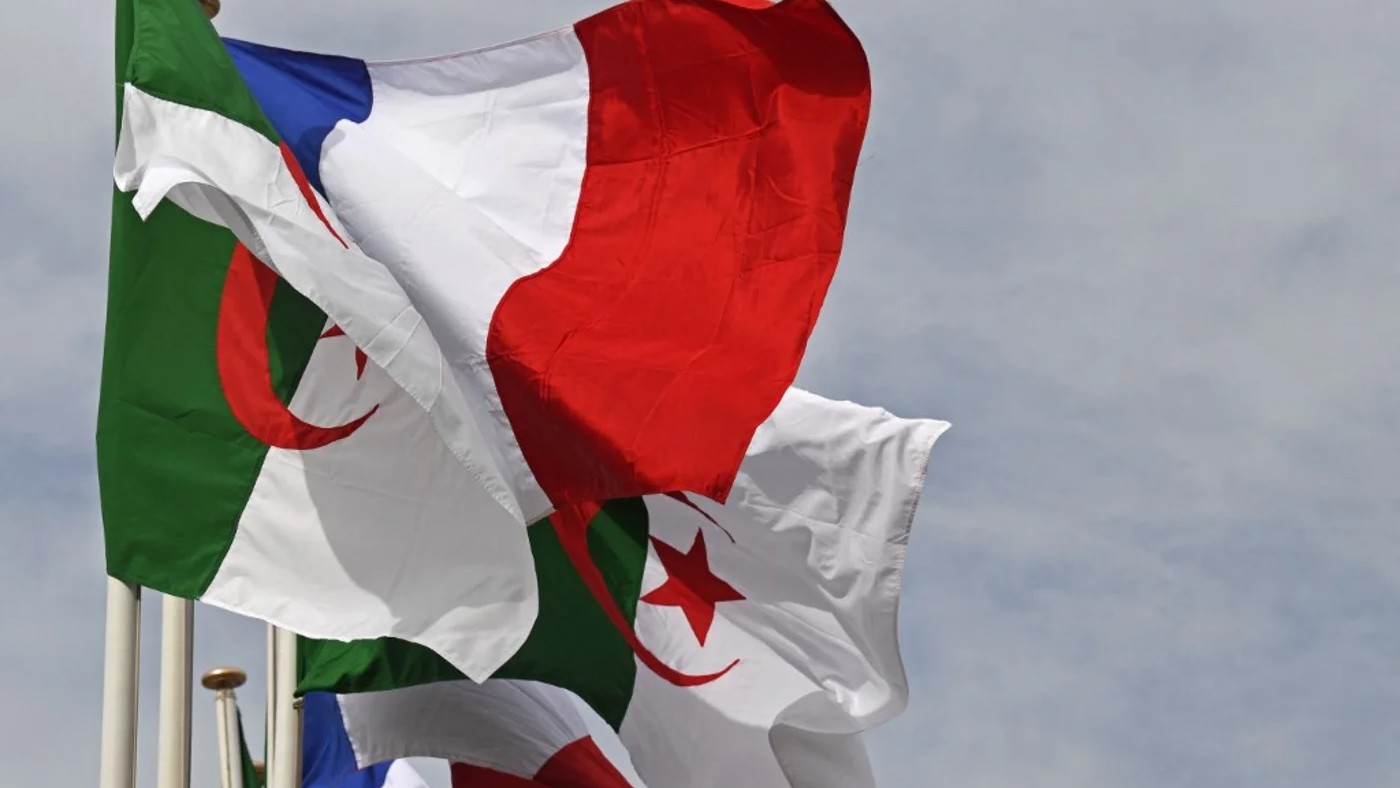
    In a historic parliamentary move, Algeria has unanimously enacted groundbreaking legislation that formally classifies France’s colonial occupation as a criminal act. The new law mandates an official apology and comprehensive reparations from France for its 132-year colonial rule, which resulted in approximately 1.5 million Algerian deaths during the independence struggle from 1954 to 1962.

    The comprehensive legislation establishes France’s legal responsibility for colonial-era atrocities and asserts Algeria’s incontestable right to full compensation. The law additionally criminalizes any glorification of French colonial practices, marking a significant step in Algeria’s national reckoning with its traumatic past.

    The parliamentary session culminated in emotional celebrations as lawmakers, draped in national colors, chanted ‘long live Algeria’ following the vote. The legislation specifically references the systemic violence, mass killings, torture, deportations, and second-class status imposed on native Algerian Muslims during French occupation that began in 1830.

    This legislative action occurs amidst growing global demands for former colonial powers to address historical injustices through artifact repatriation and reparations. Algeria has specifically demanded the return of the 16th-century bronze cannon Baba Merzoug, taken by French forces in 1830 and currently located in Brest, France.

    The political context remains complex, with French President Emmanuel Macron having previously characterized colonization as a ‘crime against humanity’ while stopping short of offering a formal apology. Meanwhile, far-right factions in France, including Marine Le Pen’s National Rally, continue to resist acknowledging colonial atrocities, with some members openly defending colonial practices.

    Algeria recently hosted a conference of African states to advance reparations claims, with Foreign Minister Ahmed Attaf emphasizing that restitution should constitute neither ‘a gift nor a favor.’ Historical experts note the persistence of colonial-era mentalities, with historian Benjamin Stora describing France’s current ‘obsession with Algeria’ as summoning a ‘colonial unconscious’ that continues to affect bilateral relations.

  • Qinghai-Xizang Railway sets passenger record during 14th FYP period

    Qinghai-Xizang Railway sets passenger record during 14th FYP period

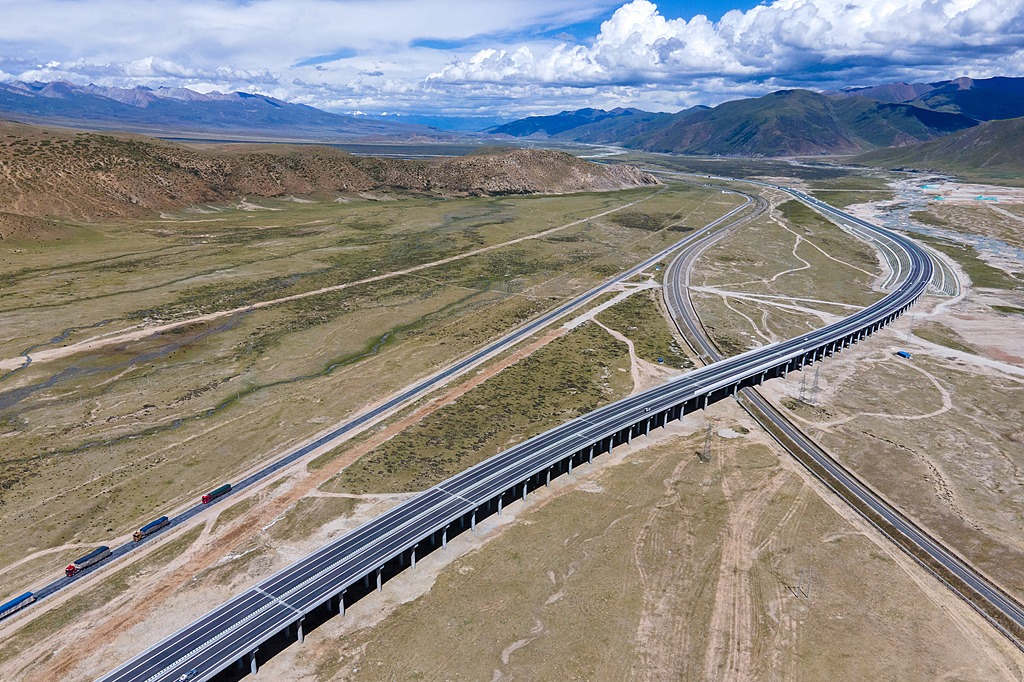
    The Qinghai-Xizang Railway has demonstrated remarkable growth and operational success during China’s 14th Five-Year Plan period (2021-2025), transporting a record-breaking 12.25 million passengers according to China Railway Qinghai-Xizang Group. This achievement underscores the railway’s expanding role as a critical infrastructure asset in the region.

    The extensive 4,060-kilometer network, which continues to develop, incorporates both high-speed G-series trains and conventional K-series services. This dual-system approach has significantly enhanced transportation accessibility while functioning as a pivotal catalyst for regional economic advancement and social development.

    Substantial infrastructure enhancements have contributed to improved efficiency, with new stations at Tuotuohe, Budongquan, and Yanshiping supplementing the existing Y-shaped main corridor that connects Lhasa, Nyingchi, and Shigatse. These developments have produced dramatic reductions in travel duration, most notably slashing the Lhasa-Nyingchi journey from approximately eight hours to just over three hours.

    Concurrently, freight operations have experienced substantial expansion, moving 34.5 million metric tons of cargo throughout the five-year period. The implementation of integrated logistics services has accelerated delivery timelines, reinforcing the railway’s central position in regional supply chains. The comprehensive rail network now serves as an indispensable component of Tibet’s transportation ecosystem, driving economic modernization while improving logistical coordination across the region.

  • Japan’s offensive space policy is extremely dangerous: spokesman

    Japan’s offensive space policy is extremely dangerous: spokesman

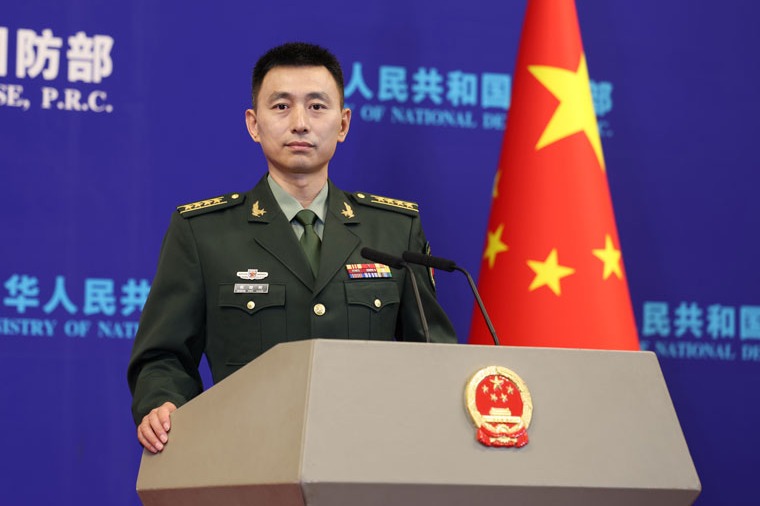
    China’s Ministry of National Defense has issued a stern warning regarding Japan’s accelerated development of satellite-jamming capabilities, characterizing these advancements as a dangerous escalation in space weaponization. Defense Spokesperson Zhang Xiaogang addressed these concerns during a Thursday press briefing in Beijing, responding directly to Japan’s claimed technological breakthroughs in systems capable of disrupting other nations’ orbital assets.

    The spokesperson emphasized that Japan’s aggressive space policy is triggering alarm bells within the international community, particularly given the nation’s historical precedent for surprise military attacks. Zhang specifically referenced growing apprehensions about a potential ‘Pearl Harbor scenario’ unfolding in the space domain, drawing parallels between current developments and Japan’s past military actions.

    Zhang underscored the critical importance of maintaining space as a peaceful domain, noting that lasting security in orbit is fundamental to global stability and prosperity for all nations. The Chinese military official expressed particular concern that Japan’s unrestrained pursuit of counter-space capabilities is not only accelerating the militarization of space but also potentially fueling a dangerous arms race beyond Earth’s atmosphere.

    The statement comes amid increasing international scrutiny of space warfare capabilities and follows Japan’s recent announcements regarding substantive progress in satellite disruption technologies. Chinese defense officials characterize these developments as extremely dangerous and contrary to global consensus on maintaining space as a weapons-free environment.

  • How UN sanctions reshaped life for Iranians – press review

    How UN sanctions reshaped life for Iranians – press review

    Two decades of international sanctions have fundamentally reshaped Iran’s socioeconomic landscape while driving strategic military realignments and technological investments, according to recent analyses from Iranian media outlets.

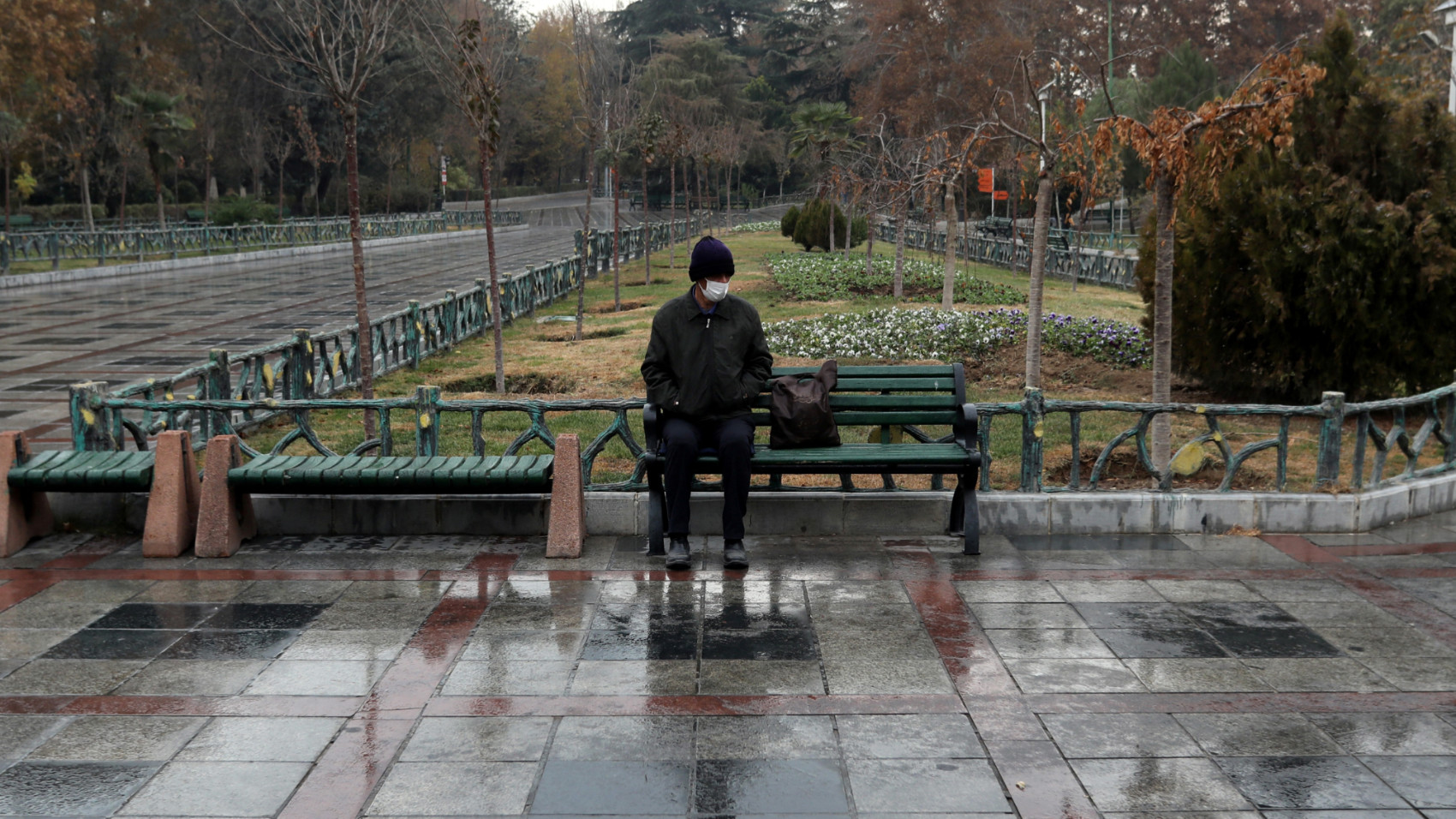
    The economic toll of sustained sanctions has been devastating, with Ham Mihan daily documenting a dramatic rise in poverty from 9 million to 25.5 million people between 2006-2021. Concurrently, marginalized settlements expanded to accommodate over 14 million residents. Report author Farzaneh Tehrani notes that purchasing power has severely deteriorated, with meat and dairy disappearing from low-income diets and school dropout rates increasing significantly.

    Tehrani emphasizes the profound societal transformation: “The Iran of 2025 is not the Iran of 2006. People have endured approximately 50% inflation, with millions descending below poverty thresholds. Housing costs have escalated while living spaces have diminished, forcing migration to cheaper cities and peripheries. Families now allocate larger income portions to food yet consume less nutritionally.”

    This economic pressure coincides with strategic military developments. Following Iranian Foreign Minister Abbas Araghchi’s visit to Belarus, state media confirmed expanded military cooperation between the two Russian-aligned nations. While specifics remain undisclosed, unofficial reports suggest Belarus seeks Iranian technology for producing low-cost Shahed military drones.

    Concurrently, Iran has restructured its air defense command following criticism of its performance during June’s 12-day conflict with Israel and the US. The appointment of Brigadier General Alireza Elhami to lead both the Khatam al-Anbiya Joint Air Defence Headquarters and Army Air Defence Force signals efforts to unify command structures. Journalist Jafar Yousefi, close to conservative circles, describes this as prioritizing “unity of command during crises” amid potential upgrades involving Chinese and Russian technical cooperation.

    Parallel to military adjustments, Iran inaugurated its first national artificial intelligence center at Shahid Beheshti University. Named after assassinated nuclear scientist Amir Hossein Feqhhi, the Shahid Feqhhi Centre for Artificial Intelligence and Data Science potentially signals Tehran’s intent to integrate AI into its nuclear program. Officials announced plans for five additional specialized AI centers within universities nationwide, creating an integrated research network addressing the country’s practical needs.

  • Prime minister hopeful Tarique Rahman arrives in Bangladesh

    Prime minister hopeful Tarique Rahman arrives in Bangladesh

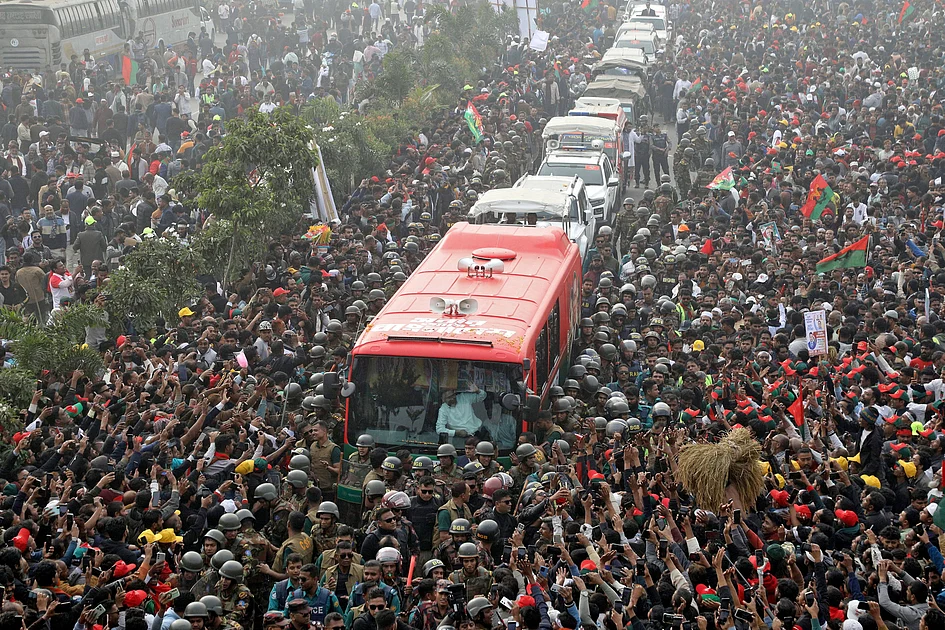
    In a watershed moment for Bangladeshi politics, Tarique Rahman, the exiled opposition leader and heir apparent to the Bangladesh Nationalist Party (BNP), made a dramatic return to Dhaka on Thursday after 17 years of self-imposed exile. The politically charged homecoming attracted massive crowds of enthusiastic supporters who had been gathering since early morning, transforming the capital’s streets into a sea of banners and festoons bearing Rahman’s image.

    The emotional significance of the occasion was palpable as Rahman, accompanied by his wife and daughter, performed a symbolic gesture upon arrival—removing his shoes to touch and collect soil from his homeland in a display of reverence. The BNP’s acting chairman, who had resided in London since 2008 citing political persecution, was greeted by senior party leaders at Hazrat Shahjalal International Airport before departing under tight security.

    Rahman’s return occurs against a backdrop of profound political upheaval following the ouster of former Prime Minister Sheikh Hasina, whose 15-year autocratic rule ended with a student-led uprising last year. The upcoming February 12 general election represents the first electoral contest since Hasina’s departure, with Rahman positioned as the BNP’s prime ministerial candidate should the party secure a majority.

    The political landscape has been further complicated by recent unrest triggered by the assassination of student leader Sharif Osman Hadi, a prominent critic of India, whose death sparked violent protests including attacks on media outlets perceived as pro-Indian and the Indian High Commission in Chattogram. These events have strained diplomatic relations with India, historically Bangladesh’s ally, which is currently considering extradition requests for the exiled Hasina, convicted in absentia for her administration’s crackdown on protesters.

    Adding to the tensions, religious divisions surfaced recently when a Hindu garment worker was lynched by a mob over blasphemy allegations on December 18, reigniting anti-India sentiments in the predominantly Muslim nation.

    Rahman’s legal standing has shifted significantly since Hasina’s fall from power, with courts acquitting him of the most serious charge—a life sentence connected to a 2004 grenade attack on a political rally, which he consistently denied. His return symbolizes hope for many supporters like former BNP lawmaker Jahan Panna, who described him as ‘the symbol of hope for this country’ capable of ending the current ‘cycle of anarchy.’

    The BNP’s main rival, Hasina’s Awami League party, has been barred from contesting the upcoming elections, potentially clearing the path for a BNP victory. Meanwhile, Rahman’s ailing mother, former Prime Minister Khaleda Zia, remains hospitalized in Dhaka after being admitted to intensive care shortly after vowing to campaign in November.

    During his exile, Rahman maintained political engagement through social media and significant meetings, including a June discussion in London with Nobel Peace Prize laureate Muhammad Yunus, who leads the interim government until the February elections.

  • New beetle discovered in Potala Palace structures

    New beetle discovered in Potala Palace structures

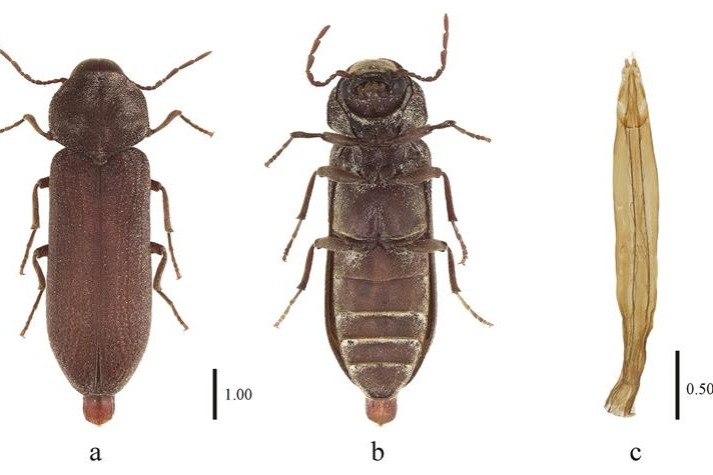
    Scientists have made a significant entomological discovery within the ancient wooden structures of Tibet’s Potala Palace, identifying a previously unknown genus and species of beetle. The finding, detailed in an international zoological taxonomy journal, represents a major advancement in Coleoptera research with important implications for cultural heritage preservation.

    The insect, named Lhasella potala, measures between 4.8 to 6.9 millimeters and exhibits a distinctive reddish-brown coloration. Research team member Zhou Xuan, a PhD student, confirmed the species’ unique taxonomic status through comprehensive morphological analysis, anatomical examination, and DNA barcoding techniques.

    This discovery has revealed potential conservation challenges, as the beetle’s wood-boring larvae may pose structural risks to the UNESCO World Heritage site. Subsequent investigations have detected the species in multiple historical locations throughout Lhasa, indicating a broader distribution than initially presumed.

    Kunga Tashi, deputy director of the Potala Palace Management Office, emphasized the critical importance of integrating ecological research with cultural conservation methodologies. This interdisciplinary approach aims to simultaneously protect both biodiversity and invaluable heritage structures.

    The research collaboration brought together experts from Peking University, the Xizang Plateau Institute of Biology, and the Potala Palace Management Office. Scientists now plan to conduct further studies on the beetle’s biology and behavior to develop more effective management strategies for historical preservation sites across the region.

  • Dubai motorist jailed for drunk driving, injuring 2 in car crash

    Dubai motorist jailed for drunk driving, injuring 2 in car crash

    Dubai’s judicial authorities have sentenced an Asian motorist to imprisonment following a serious traffic incident involving alcohol impairment and signal violation that resulted in two casualties. The Public Prosecution disclosed on December 25, 2025, that the convicted individual operated a vehicle while intoxicated, proceeding through a red traffic signal before colliding with another car, causing physical injuries to two persons and property damage.

    The prosecution brought multiple charges against the driver, including alcohol consumption, driving under the influence of intoxicants, inflicting bodily harm, and property destruction due to traffic signal disobedience. Pending comprehensive investigation, authorities have ordered the defendant’s detention with intentions to apply maximum penalties under the United Arab Emirates’ stringent traffic regulations.

    Recent legislative amendments in the UAE have substantially elevated penalties for impaired driving offenses. Current statutes mandate fines reaching AED 200,000 for operating vehicles under the influence of narcotics or psychotropic substances. The judicial system employs escalating consequences for recidivists, beginning with imprisonment and minimum AED 30,000 fines for initial offenses alongside six-month license suspensions. Second violations trigger one-year license cancellations, while third offenses result in permanent license revocation accompanied by substantial financial penalties.

    This case aligns with Dubai’s pattern of strict enforcement, exemplified by last year’s sentencing of a motorist to two years imprisonment with AED 100,000 in fines for combined drug impairment and traffic violations. In another precedent, an Arab woman received conviction earlier this year for causing a fatal alcohol-impaired accident in Dubai’s Al Qudra area, resulting in AED 10,000 fines and AED 200,000 blood money payments to victims’ families following a multi-vehicle collision.

  • Investigators dismantle 200 professional criminal gangs, uncovering $4b illegal funds

    Investigators dismantle 200 professional criminal gangs, uncovering $4b illegal funds

    Chinese authorities have delivered a massive blow to organized financial crime networks, announcing the dismantling of over 200 professional criminal gangs and the uncovering of nearly 30 billion yuan ($4.27 billion) in illicit funds. The sweeping nationwide operation, revealed at a Ministry of Public Security press conference on Thursday, represents one of the most significant financial crime crackdowns in recent years.

    The six-month coordinated campaign, jointly initiated by the Ministry of Public Security and the National Financial Regulatory Administration, targeted 17 key provinces and municipalities across China. Investigators filed more than 1,500 cases as part of a comprehensive effort to purify the country’s financial market ecosystem from illegal and quasi-illegal financial activities.

    Hua Liebing, Director of the ministry’s Economic Crime Investigation Bureau, detailed the sophisticated nature of these criminal operations. ‘Prominent financial consumption disputes in recent years have fueled the proliferation of illegal intermediary chaos,’ Hua stated. ‘These operations have evolved into well-established industrial chains that severely infringe on the legitimate rights and interests of financial consumers.’

    The criminal networks demonstrated alarming levels of organization, featuring complete chains covering false advertising, regulatory evasion tutorials, standardized script customization, forgery of counterfeit certificates, and professional negotiation representation services. The schemes have attracted increasingly professional participants, including lawyers and collection agency professionals who have joined criminal groups driven by profit motives.

    Criminal methodologies have grown notably more covert, with offenders leveraging advanced technologies and AI-generated tools to evade detection. Hua emphasized that as regulatory pressure intensifies, these financial crimes are expected to become even more hidden with increasingly sophisticated and variable modus operandi.

    The Ministry has pledged to strengthen collaboration with financial regulators, maintain regular crackdowns and deterrence measures, participate in rectifying illegal financial intermediaries, and contribute to the high-quality development of China’s financial industry.