标签: Asia

亚洲

  • China’s high-speed rail network surpasses 50,000 kilometers

    China’s high-speed rail network surpasses 50,000 kilometers

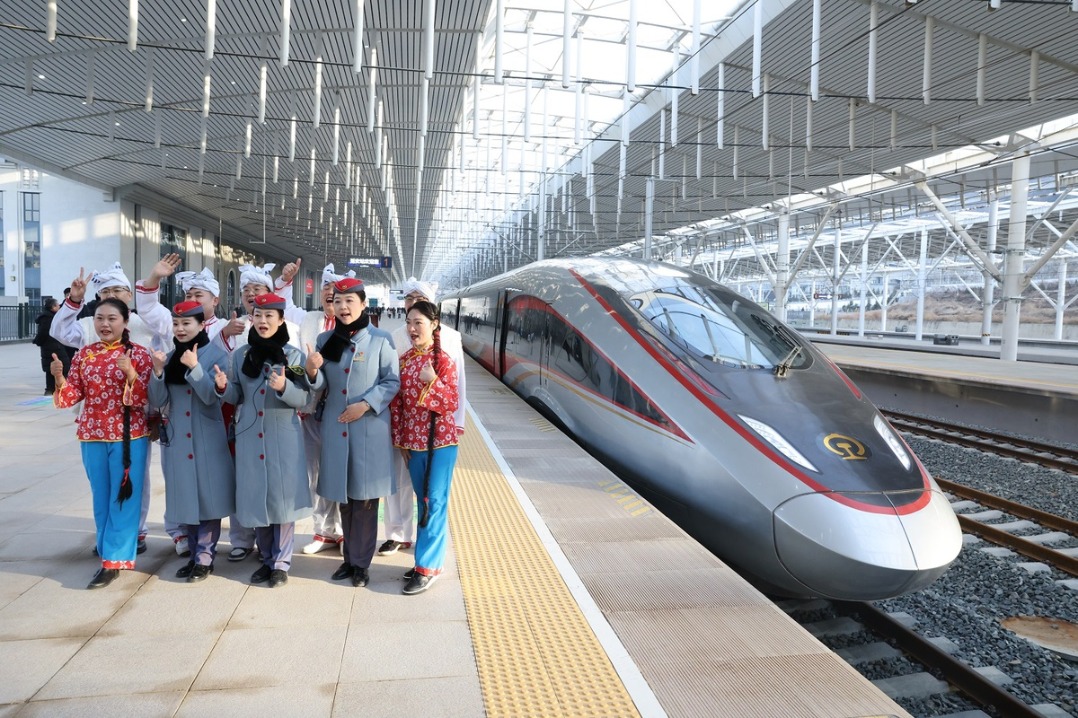
    China has achieved a monumental breakthrough in transportation infrastructure as its high-speed railway network officially exceeded 50,000 kilometers in operational length on December 26, 2025. This landmark achievement was realized with the inauguration of the Xi’an-Yan’an High-Speed Railway in Shaanxi province, further cementing China’s global leadership in high-speed rail technology and implementation.

    The newly launched 299-kilometer rail corridor dramatically reduces travel duration between Xi’an, the provincial capital, and the historically significant city of Yan’an from over two hours to approximately one hour. This engineering marvel traverses the challenging terrain of Shaanxi’s Loess Plateau, connecting 10 strategically located stations including Fuping South, Tongchuan, and Luochuan.

    Beyond its technical achievements, the railway serves as a vital link between regions that played crucial roles in China’s revolutionary history and modern urban centers. The enhanced connectivity promises to stimulate regional economic development, facilitate cultural exchange, and improve accessibility to historically significant areas.

    This expansion represents the latest chapter in China’s ambitious transportation modernization program, demonstrating the country’s continued commitment to advancing rail technology and infrastructure development. The network’s unprecedented scale now provides comprehensive coverage across diverse geographical regions, serving millions of passengers annually with unprecedented efficiency and speed.

    The achievement underscores China’s engineering capabilities in overcoming complex geographical challenges while maintaining rigorous safety and environmental standards. The high-speed rail system continues to transform domestic travel patterns and set new global benchmarks for railway development and operational excellence.

  • At least 15 injured in a knife and chemical attack at a factory in Japan

    At least 15 injured in a knife and chemical attack at a factory in Japan

    A violent attack unfolded at a Yokohama Rubber Co. facility in Mishima, Japan, on Friday, resulting in multiple casualties. According to the Fujisan Nanto Fire Department, a 38-year-old assailant was apprehended by Shizuoka prefectural police on allegations of attempted murder.

    The incident involved a dual-pronged assault where the perpetrator reportedly stabbed eight individuals with a survival knife and hurled a corrosive substance, believed to be bleach, at seven others. Emergency services confirmed that all fifteen victims were transported to nearby hospitals for treatment. Five of those stabbed were reported to be in serious condition, though specific details on their injuries were not immediately disclosed.

    Citing investigative sources, the Asahi newspaper reported the suspect was equipped with a gas mask during the attack, suggesting possible premeditation. The motive behind the assault at the central Japanese factory remains unclear, as authorities have not provided an immediate explanation.

    This event highlights a concerning pattern of violent incidents in a nation celebrated for its stringent gun control measures and generally low crime rates. While Japan experiences rare occurrences of violent crime, this attack adds to a series of notable knife-related assaults that have occurred in recent years.

  • Stricter race rules planned for second robot half-marathon

    Stricter race rules planned for second robot half-marathon

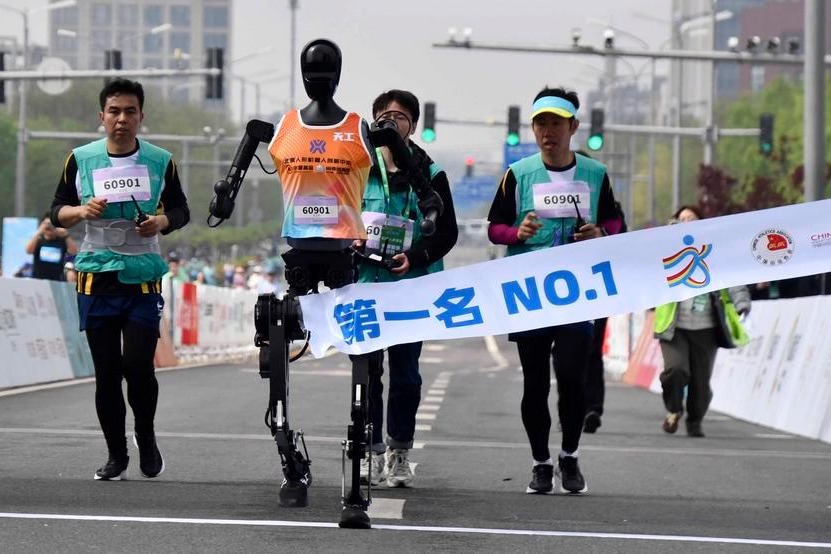
    Beijing officials have announced significantly enhanced competition regulations for the second edition of the world’s pioneering humanoid robot half-marathon, scheduled for April 19, 2026. The event will return to the Beijing Economic-Technological Development Area (Beijing E-Town), where the inaugural race captivated a global audience of approximately 128 million viewers in April 2025.

    The revised framework introduces stringent penalties designed to minimize human intervention during the competition. Teams will face substantial consequences for on-track battery replacements or robot substitutions, effectively forcing developers to prioritize endurance, reliability, and complete operational autonomy. This strategic shift aims to transform the event from a demonstration into a genuine testing ground for robotic capabilities under real-world conditions.

    Liang Liang, Deputy Director of Beijing E-Town’s administrative committee, emphasized that ‘autonomy is no longer optional—it is the core goal of the competition.’ The organizers expect participants to demonstrate significantly longer battery life and substantially reduced reliance on human operators compared to the first edition, where several robots required assistance to complete the course.

    The race will feature humanoid robots running alongside human athletes along a route beginning in a commercial district and concluding at Nanhaizi Park. Beyond the main event, Beijing E-Town will host two training camps in January and February 2026 to prepare teams for the heightened challenges.

    Jiang Hongchao, Deputy Director of the Beijing Municipal Bureau of Economy and Information Technology, highlighted that humanoid robotics has emerged as one of Beijing’s fastest-growing technology sectors. The city continues to leverage real-world scenarios like the marathon to drive technological breakthroughs and industrial advancement.

    Industry participants recognize the event’s growing significance. Cheng Hao, Founder and CEO of Booster Robotics—whose robots have excelled in international competitions—noted that public demonstrations are accelerating progress across the humanoid robotics industry, pushing developers toward more ambitious technological boundaries.

  • Illegal fintech activities worth 30b yuan weeded out

    Illegal fintech activities worth 30b yuan weeded out

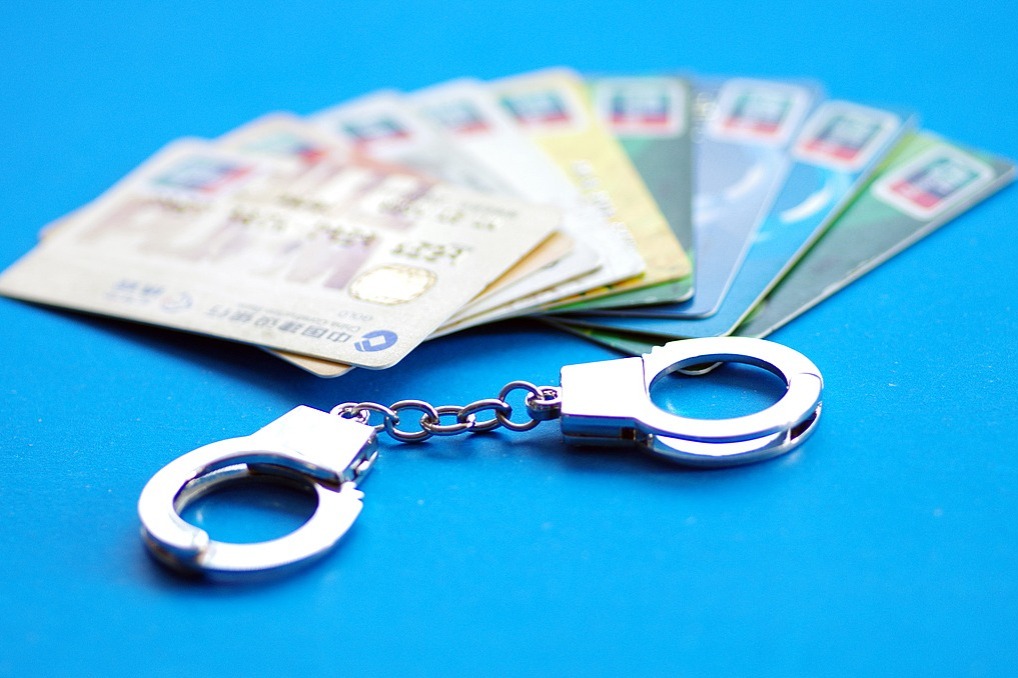
    Chinese authorities have dismantled a massive network of illegal financial operations totaling approximately 30 billion yuan ($4.27 billion) during a comprehensive six-month nationwide campaign. The joint operation between the Ministry of Public Security and the National Financial Regulatory Administration targeted 17 key provinces and municipalities from June to November 2025, representing one of the most significant crackdowns on financial misconduct in recent years.

    The specialized campaign resulted in the investigation of over 1,500 cases through nearly 60 coordinated raids, effectively dismantling more than 200 professional criminal organizations. According to official data released Thursday, the operation specifically addressed the growing threat of sophisticated financial ‘black and gray industries’ that have evolved into highly organized criminal enterprises.

    Hua Liebing, Director of the Ministry’s Economic Crime Investigation Bureau, revealed that these illicit operations have developed into full-fledged industrial chains encompassing false advertising, customized deception scripts, forged documentation, and specialized agency negotiations. The criminal networks have attracted highly qualified professionals, including lawyers and debt collection agency employees, who leverage their legal expertise to create ‘anti-debt collection’ teams for substantial profit.

    The technological sophistication of these operations presents particular challenges for enforcement agencies. Criminals increasingly employ artificial intelligence tools and complex internet technologies to create multilayered, nested products that complicate identity verification and detection processes. Additionally, these operations demonstrate growing internationalization trends, with criminals exploiting legal loopholes and disguising illegal purposes as legitimate financial activities.

    A representative case from Qingdao, Shandong province, involved a loan fraud scheme masterminded by suspect Wang and accomplices. Since 2020, the group developed a network of over 10 second-tier intermediaries recruiting locals to carry debt. Through forged bank statements, property deeds, and work certificates, they qualified debt carriers for high-value mortgages while colluding with appraisal firms to inflate property values and bribing bank staff to secure fraudulent loan approvals—defrauding over 120 million yuan in housing loans.

    Xing Guijun, Director of the NFRA’s Investigation Bureau, emphasized that these industries have evolved into ‘high-tech, large-scale, intelligent and industrialized fraud’ that outpaces traditional risk control measures. Effective governance requires strengthened law enforcement and judicial coordination, with financial institutions assuming primary responsibility for comprehensive risk management.

    The regulatory collaboration has already yielded significant results. Since March 2025, when the NFRA and Ministry of Public Security established formal case transfer regulations, authorities have processed over 4,500 financial crime leads involving 21 billion yuan. Financial institutions, under official guidance, have independently reported 1,700 cases involving 17 billion yuan.

    Looking toward 2026, the NFRA plans intensified crackdowns on key illegal financial activities, particularly targeting unlawful loan intermediaries and agency services. Authorities will enhance cross-departmental cooperation with market regulators and judicial bodies, develop standardized evidence transfer protocols, and conduct joint research to advance legislative recommendations for financial crime regulation.

  • Unit 1 of Taipingling nuclear power plant starts fuel loading in China’s Guangdong

    Unit 1 of Taipingling nuclear power plant starts fuel loading in China’s Guangdong

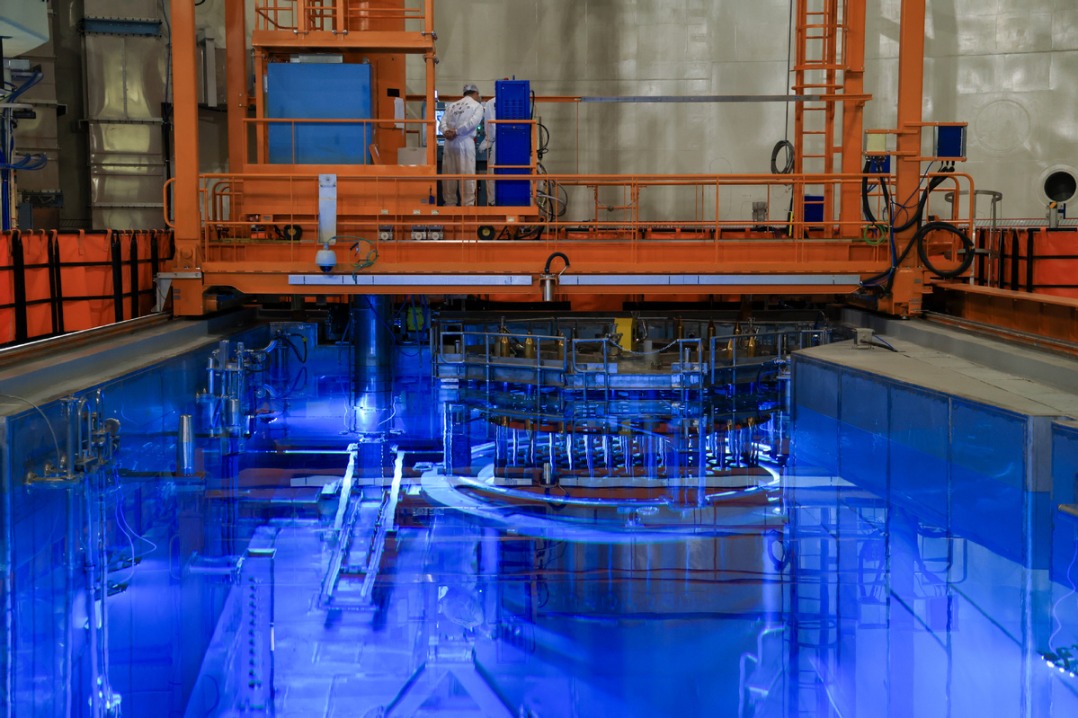
    GUANGDONG, CHINA – A pivotal moment in China’s nuclear energy advancement occurred on December 24, 2025, as the Taipingling Nuclear Power Plant initiated fuel loading operations for its inaugural reactor unit. Developed and operated by the China General Nuclear Power Group (CGN), the facility represents a significant stride in the nation’s clean energy infrastructure.

    The Unit 1 reactor employs the Hualong One (HPR1000) technological design, a fully domestic third-generation pressurized water reactor celebrated for its enhanced safety protocols and operational efficiency. This installation is notably the first deployment of the Hualong One technology within the strategically vital Guangdong-Hong Kong-Macao Greater Bay Area, a major economic hub.

    The commencement of fuel loading signifies the reactor’s transition from a construction phase to pre-operational testing, bringing it closer to grid connection and commercial operation. This procedure involves the meticulous placement of nuclear fuel assemblies into the reactor core, a foundational step before achieving criticality. The progress at Taipingling underscores China’s growing expertise and self-reliance in advanced nuclear technology, aligning with broader national goals to expand low-carbon energy sources and reduce greenhouse gas emissions.

  • New AI alliance to foster open-source tech network

    New AI alliance to foster open-source tech network

    A significant coalition dedicated to advancing artificial intelligence through open-source collaboration has been formally established in Guangzhou, Guangdong Province. This strategic initiative brings together 17 premier academic institutions alongside eight prominent technology firms and research organizations, operating under the auspices of the Ministry of Education’s Department of Science, Technology, and Informatization.

    The alliance features China’s most prestigious universities including Tsinghua University, Peking University, Shanghai Jiao Tong University, Zhejiang University, and Beijing University of Posts and Telecommunications, with Tsinghua University serving as the host institution for the alliance’s secretariat.

    Conceived as an international, open-access, and non-profit strategic platform, the consortium has outlined five primary objectives: undertaking major national AI research initiatives, constructing an independent and controllable AI infrastructure ecosystem, cultivating elite AI talent, promoting AI integration within educational frameworks, and fostering a vibrant open-source technology community.

    To achieve these ambitious goals, the alliance will prioritize educational transformation through updated teaching methodologies, establish innovative talent development systems, coordinate cutting-edge technological research, develop autonomous infrastructure solutions, and enhance global cooperation networks.

    The organizational structure includes five specialized committees led by Tsinghua University, Peking University, Shanghai Jiao Tong University, The Chinese University of Hong Kong, and The Hong Kong University of Science and Technology. These committees will focus on critical areas including educational AI applications, fundamental AI engineering, ethical frameworks and governance standards, and international AI collaboration.

    Tsingshua University President Li Luming, who chairs the alliance, emphasized the strategic importance of this initiative in addressing national priorities and securing China’s competitive position in global AI development. The alliance comprises 25 founding members, including three national innovation institutions and industry leaders Huawei and Tencent.

    President Li outlined three core missions: pioneering original innovation breakthroughs, strengthening international partnerships, and supporting the comprehensive ‘AI Plus’ initiative across educational and research domains. He stressed the necessity of breaking down institutional barriers between academia and industry, noting that universities contribute valuable data and application scenarios while companies provide computational resources and model development capabilities.

    A critical focus will be bridging the gap between theoretical research and practical implementation, ensuring AI advancements move beyond academic publications into real-world classrooms and laboratories. Future initiatives include developing an educational AI network to expand domestic computing power utilization, establishing ethical guidelines and governance frameworks for responsible AI development, and enhancing China’s participation in global AI governance through international platforms and standardization efforts.

  • Kunming police dog is now a natl all-rounder

    Kunming police dog is now a natl all-rounder

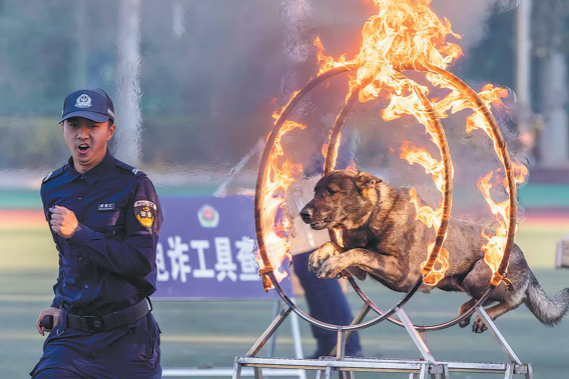
    In the high-altitude terrains of Yunnan province, a remarkable canine success story is unfolding. The Kunming dog, China’s first and only internationally recognized police dog breed with independent intellectual property rights, has evolved from regional specialty to national security asset.

    At the Kunming Police Dog Base, senior trainer Long Ling maintains a unique bond with demonstration dog Kun Kun—a relationship transcending professional duty. “This is not just my job, but also my way of life,” Long reveals, describing weekend visits and personally funded beef supplements for the two-year-old protégé.

    The breed’s development represents six decades of dedicated effort by multiple generations of canine professionals. Originating in the 1950s to address specific operational needs in plateau environments, systematic breeding programs employed group selection and scientific methodologies to create a stable working breed.

    Official recognition came through milestones: 1988 ministry-level verification established the ‘Kunming dog’ designation, while 2007 brought inclusion in the UN Food and Agriculture Organization’s World Watch List for Domestic Animal Diversity. The breed has subsequently earned multiple national science and technology awards.

    Characterized by what trainers describe as an ‘Eastern temperament’—reserved yet intensely loyal once trust is established—these dogs demonstrate exceptional adaptability to China’s diverse climates and operational environments. Their deployment now spans public security agencies, customs, fire services, and military units nationwide.

    The Ministry of Public Security is actively promoting broader implementation, seeking to enhance frontline capabilities and strengthen China’s autonomous police dog technology. As global competition in canine law enforcement intensifies, maintaining indigenous, high-quality working dog resources has become strategically crucial.

    Beyond domestic application, Kunming dogs have become ambassadors of international police cooperation, exported to over ten countries including Singapore, Vietnam and Pakistan—showcasing China’s growing expertise in specialized canine development.

  • Smart drilling systems from China boost efficiency at Iraqi oilfields

    Smart drilling systems from China boost efficiency at Iraqi oilfields

    BAGHDAD—Iraq’s oil industry is experiencing a technological transformation through Chinese innovation, with advanced drilling systems significantly enhancing operational efficiency and safety standards. At the forefront of this revolution is China Oilfield Services, whose cutting-edge equipment has become integral to Iraq’s energy infrastructure.

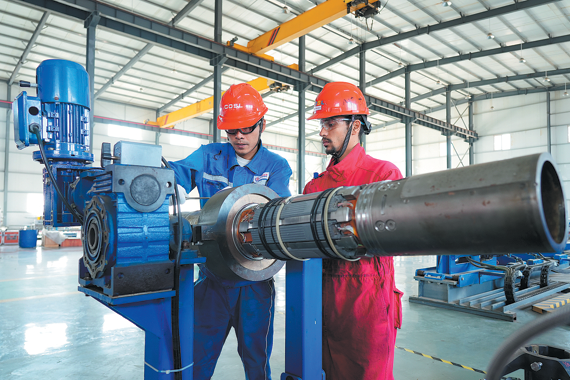
    In Maysan Governorate’s maintenance facilities, Chinese technicians work alongside Iraqi engineers to maintain the sophisticated Xuanji drilling system. This high-end technology, independently developed by China Oilfield Services in 2014, represents a breakthrough in drilling capabilities that previously remained under the exclusive control of Western corporations.

    The Xuanji system incorporates two groundbreaking technologies: rotary steerable drilling that provides enhanced power and safety, and logging-while-drilling that functions as a subterranean vision system. This combination allows precise navigation through rock formations thousands of meters underground, accurately identifying oil-bearing structures with unprecedented accuracy.

    Since its introduction to Iraqi operations in 2020, the system has achieved remarkable milestones, drilling 85,000 cumulative meters with over 21,000 hours of downhole operation. Complementing this technology, the Xuanyue system employs advanced cable-deployed instrumentation using acoustic, electrical, and nuclear magnetic resonance technologies to map hydrocarbon reservoirs, making previously invisible resources detectable and measurable.

    The Xuanyue technology has completed more than 5,000 logging operations in Iraq, directly contributing to increased reserves and production capabilities. Iraqi engineer Hussein Mohammed, who has collaborated extensively with Chinese technicians, confirmed that these advanced systems have made oilfield operations ‘smarter and more efficient.’

    According to An Haiyang, general manager of China Oilfield Services’ Iraq branch, these technologies represent more than just equipment—they embody a new era of energy cooperation between China and Iraq. The successful implementation of these systems has injected fresh momentum into bilateral energy partnerships while promoting technological upgrading within Iraq’s energy sector.

    The collaboration demonstrates how international technological partnerships can create win-win scenarios, enhancing operational capabilities while strengthening diplomatic and economic ties between nations.

  • Former Malaysia PM Najib Razak found guilty in state funds scandal

    Former Malaysia PM Najib Razak found guilty in state funds scandal

    In a landmark ruling that marks another chapter in Malaysia’s extensive 1MDB corruption saga, former Prime Minister Najib Razak has been found guilty on multiple criminal charges. The High Court in Putrajaya delivered convictions on Friday against the 72-year-old leader for abuse of power and money laundering offenses involving approximately 2.3 billion Malaysian ringgit ($569 million).

    The verdict represents the second major legal setback for Najib within a single week and his second conviction overall in connection with the massive sovereign wealth fund scandal. Presiding Judge Justice Collin Lawrence Sequerah found the former leader culpable on four counts of abuse of power and twenty-one counts of money laundering following a protracted seven-year trial that heard testimony from 76 witnesses.

    This latest conviction adds to Najib’s existing legal troubles—he is already serving a six-year prison term from a 2020 conviction involving the misappropriation of 42 million ringgit from SRC International, a former subsidiary of 1MDB. That sentence was subsequently reduced by half last year through a controversial royal pardon.

    The current case centers on substantially larger sums that entered Najib’s personal accounts in 2013, which he maintained were legitimate donations from the late Saudi monarch King Abdullah. The court systematically rejected this defense during proceedings.

    Despite his legal predicament, Najib retains considerable political support. Dozens of loyalists gathered outside the courthouse during the verdict, echoing his legal team’s assertions that he was misled by financial advisers including fugitive financier Jho Low. The scandal’s ripple effects extend beyond Najib to his wife, Rosmah Mansor, who received a ten-year bribery sentence in 2022 and currently remains free on bail pending appeal.

    The 1MDB affair—which involved an estimated $4.5 billion diverted from state coffers—triggered profound political repercussions including the historic 2018 electoral defeat of Najib’s Barisan Nasional coalition, which had governed Malaysia since independence in 1957. The recent verdict has exposed tensions within the current ruling coalition that includes Najib’s United Malays National Organisation (UMNO).

    Prime Minister Anwar Ibrahim has called for universal respect of judicial decisions, while anti-corruption advocate Cynthia Gabriel of the Center to Combat Corruption and Cronyism cautioned that systemic reforms remain incomplete despite high-profile convictions. The case continues to serve as both a warning to powerful figures and a benchmark for Malaysia’s ongoing anti-corruption efforts.

  • Exhibition honors modernizing Qing official

    Exhibition honors modernizing Qing official

    In Tainan, Taiwan, a significant cultural exhibition recently honored the legacy of Shen Baozhen, a prominent Qing Dynasty (1644-1911) official renowned for modernizing the island’s coastal defenses. The 15-day event, organized by the Tainan Culture Association, commemorated the 150th anniversary of the Eternal Golden Castle—a formidable fortress constructed under Shen’s supervision between 1874 and 1876 to protect against Japanese invasions.

    The exhibition featured materials borrowed from mainland China, highlighting Shen’s critical role in strengthening Taiwan’s military infrastructure. The Eternal Golden Castle proved instrumental during the Sino-French War of 1884 and again in 1895 when local forces resisted Japanese naval attacks.

    Zhou Chih-ju, head of the Tainan Culture Association, voiced strong criticism against current Taiwan authorities for their apparent neglect of Qing-era historical figures while emphasizing colonial-era narratives. She specifically contrasted the official silence surrounding Shen’s contributions with the highly publicized commemoration of Japanese engineer Yoichi Hatta, which was attended by Taiwan leader Lai Ching-te in May.

    According to Zhou, educational materials have reduced Qing Dynasty history to mere paragraphs, creating what she describes as ‘cultural amnesia.’ In response, her organization distributed 1,000 illustrated manuals to local teachers to provide students with a more comprehensive historical perspective. The association additionally conducts regular educational tours at historical sites throughout Tainan, aiming to present what they consider a complete and accurate historical narrative to younger generations.

    ‘History must be upheld in its correctness; it cannot be fragmented,’ Zhou stated. ‘We shouldn’t decide which part of history the next generation chooses; we should present the entire historical context.’