标签: Asia

亚洲

  • World’s longest expressway tunnel opens to traffic in Xinjiang by year-end

    World’s longest expressway tunnel opens to traffic in Xinjiang by year-end

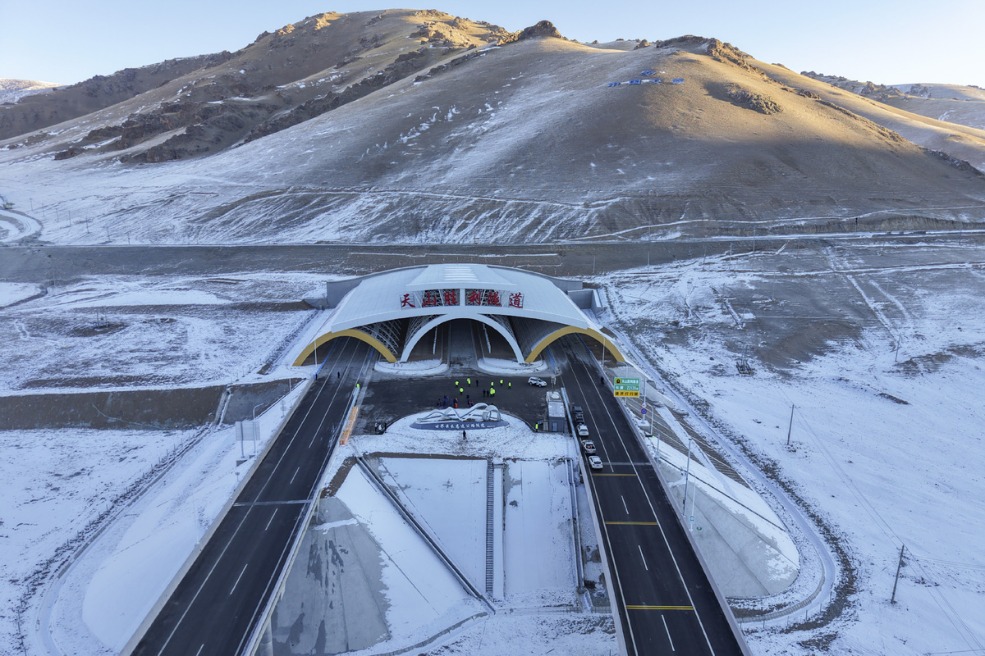
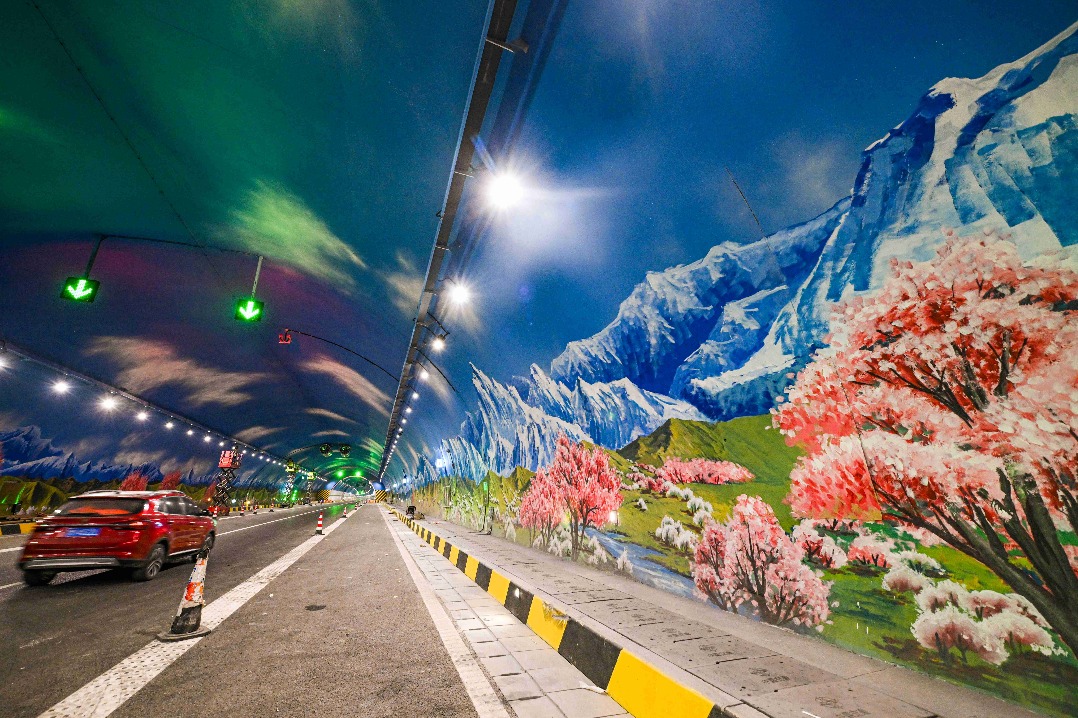
    In a monumental infrastructure achievement, China has officially opened the Tianshan Shengli Tunnel, now recognized as the world’s longest expressway tunnel. This engineering marvel commenced operations on December 26, 2025, creating a vital transportation corridor through the formidable Tianshan Mountains in Xinjiang Uygur Autonomous Region.

    The newly operational tunnel spans an impressive 22.13 kilometers, forming the centerpiece of the Urumqi-Yuli Expressway system. This strategic infrastructure project addresses a persistent transportation bottleneck that has historically impeded regional integration between northern and southern Xinjiang.

    Transportation efficiency has been dramatically transformed by this development. The tunnel reduces the crossing time through the central Tianshan Mountains from several hours to approximately 20 minutes. More significantly, travel duration between Urumqi, the regional capital north of the mountains, and Korla to the south has been slashed from seven hours to just three hours.

    Engineers overcame extraordinary geological challenges during construction, navigating complex mountain terrain and extreme weather conditions. The tunnel’s design incorporates state-of-the-art safety systems and ventilation technology to ensure secure passage for all vehicles.

    This infrastructure milestone promises to stimulate economic integration across Xinjiang, facilitating smoother movement of goods, services, and people while strengthening connectivity between previously isolated regions. The project represents a significant advancement in China’s ongoing efforts to modernize transportation networks in western regions.
  • Xinjiang opens world’s longest expressway tunnel

    Xinjiang opens world’s longest expressway tunnel

    China’s Xinjiang Uygur Autonomous Region has achieved a monumental engineering milestone with the inauguration of the world’s longest expressway tunnel on December 26, 2025. The Tianshan Shengli Tunnel, stretching an impressive 22.13 kilometers through the formidable Tianshan mountain range, now serves as the centerpiece of a newly opened expressway that dramatically transforms transportation connectivity across the region.

    This engineering marvel effectively bridges northern and southern Xinjiang, creating a direct highway link between the regional capital Urumqi and Yuli County in the Bayingolin Mongolian Autonomous Prefecture. The tunnel’s completion has effectively halved travel time between Urumqi and Korla, marking a significant advancement in the region’s infrastructure development.

    While the route immediately opened to most public vehicles upon its December 26 debut, medium and heavy-duty trucks will gain access when the expressway formally begins trial operations on January 1, 2026. The project represents one of China’s most ambitious infrastructure undertakings in recent years, overcoming extreme geographical challenges to create this unprecedented transportation corridor through one of Asia’s most formidable mountain ranges.

    The tunnel’s completion not only sets a new global benchmark for engineering achievements but also promises substantial economic and social benefits for Xinjiang by facilitating smoother movement of goods, people, and services across the previously divided region.

  • Beijing’s Tongzhou Railway Station to open Dec 30

    Beijing’s Tongzhou Railway Station to open Dec 30

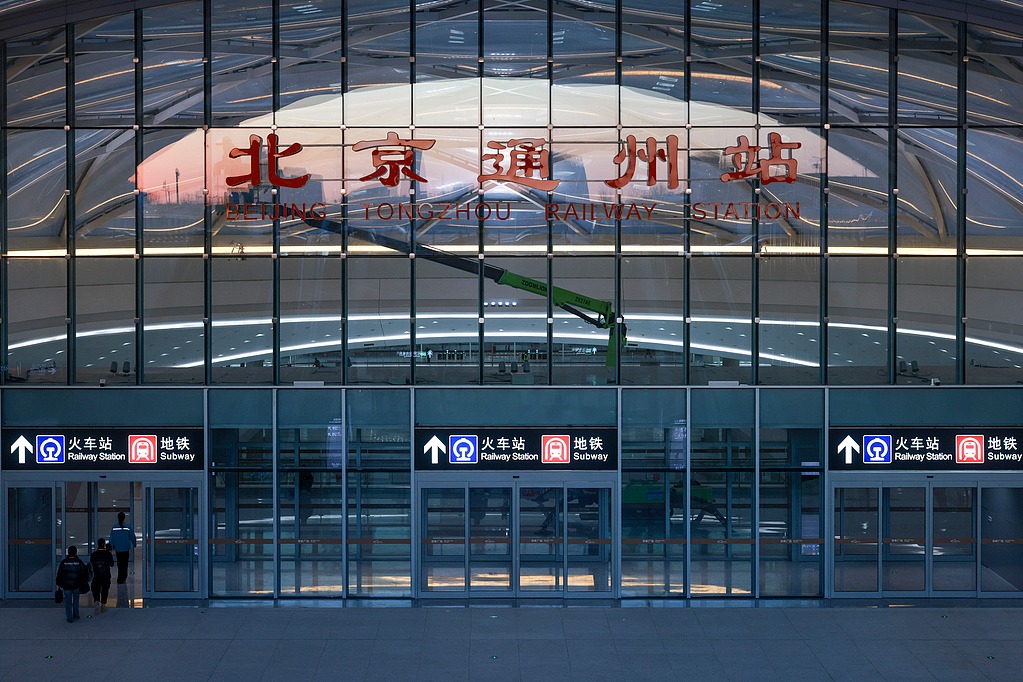
    Beijing’s highly anticipated Tongzhou Railway Station is scheduled to begin full operations on December 30, 2025, according to an official announcement from China Central Television. The state-of-the-art transportation complex, situated within the sub-center transport hub in Beijing’s eastern Tongzhou district, represents a significant advancement in the city’s infrastructure development.

    The five-story facility has been meticulously designed to integrate multiple transportation modalities while incorporating municipal administration and public service functions. Zhao Yinming, an official representative from the Beijing Major Railway Station Areas Administration, emphasized the station’s emphasis on seamless connectivity, featuring comprehensive railway networks, urban rail transit, bus services, and shuttle operations within a single complex.

    Initial operations will see the inauguration of the Beijing-Tangshan and Beijing-Tianjin intercity railway lines, establishing critical connections to multiple regional destinations. The network will extend to key stations including Tangshan, Qinhuangdao, Xianghe, Dachang, and Yanjiao in Hebei province, alongside Beichen in Tianjin municipality.

    Authorities have indicated that the transport hub will implement a phased operational approach, gradually expanding and optimizing its functional layout over time. Passenger flow management and transportation capacity will be dynamically adjusted according to actual travel demand patterns, ensuring efficient service delivery from the commencement date onward.

  • Frozen Yellow River waterfall captivates tourists

    Frozen Yellow River waterfall captivates tourists

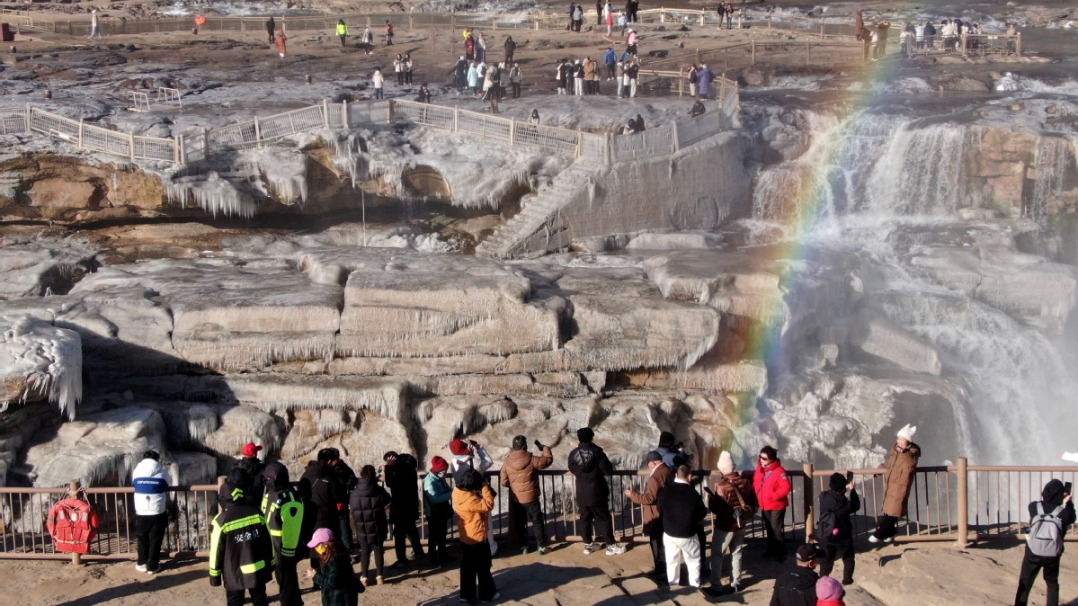
    Nature has unveiled one of its most magnificent winter spectacles at the Yellow River’s Hukou Waterfall, where sustained subzero temperatures have transformed the iconic landmark into a breathtaking frozen masterpiece. Situated along the provincial border between Shanxi’s Jixian county and Shaanxi’s Yichuan county, the waterfall now showcases magnificent layered ice formations that cascade like crystalline curtains.

    The geological marvel has become an unexpected tourist magnet as visitors flock to witness the rare natural phenomenon. Under the winter sun, the ice formations glisten with dazzling intensity, creating a prismatic effect that produces vibrant rainbows arching gracefully above the frozen cascade. This optical phenomenon occurs when sunlight refracts through ice crystals suspended in the misty atmosphere surrounding the waterfall.

    Photographers and nature enthusiasts have captured stunning images of the transformation, with the frozen waterfall providing a dramatic backdrop against the Yellow River’s rugged landscape. Local tourism authorities report significantly increased visitor numbers despite the chilly conditions, with many travelers specifically timing their visits to experience this seasonal wonder.

    The Hukou Waterfall, normally known for its powerful rushing waters during warmer months, demonstrates nature’s remarkable ability to create contrasting seasonal experiences. This winter transformation not only highlights the aesthetic beauty of China’s natural landscapes but also showcases the fascinating interplay between meteorological conditions and geological formations in creating unique tourist attractions.

  • Thailand bombs Cambodian border area as ceasefire talks continue

    Thailand bombs Cambodian border area as ceasefire talks continue

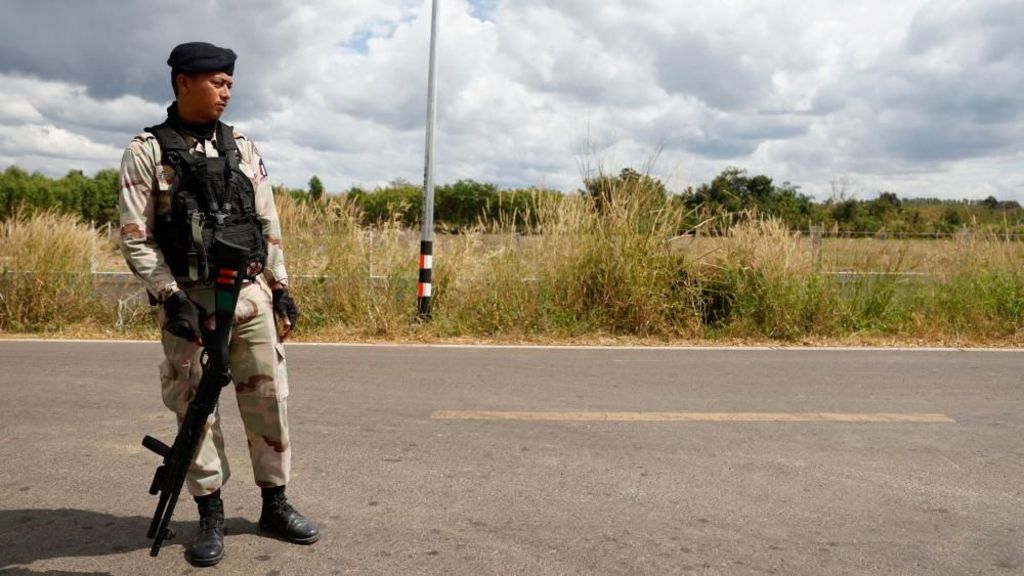
    Escalating hostilities between Thailand and Cambodia have intensified with Thailand’s recent aerial bombardment of disputed border territories, despite ongoing diplomatic efforts to broker peace. The Thai Air Force confirmed targeting what it described as a Cambodian fortified military installation in northwestern Banteay Meanchey province, asserting the operation was executed with precision after civilian evacuations.

    Cambodia’s Defense Ministry presented a contradictory narrative, accusing Thai F-16 fighter jets of deploying approximately 40 munitions in indiscriminate attacks that damaged civilian infrastructure and caused multiple casualties. This latest eruption of violence follows the collapse of a fragile July ceasefire that had temporarily halted five days of intense combat.

    The human toll has reached alarming proportions, with official reports indicating at least 41 fatalities and nearly one million residents displaced since hostilities recommenced earlier this month. Military engagements have now expanded across nearly the entire 500-mile (800km) contested border region.

    Diplomatic channels remain actively pursued as defense ministers from both nations prepare to join third-day negotiations at a border checkpoint. Thai Prime Minister Anutin Charnvirakul expressed cautious optimism about finalizing a new ceasefire agreement, stating, ‘I hope this time will be the last one we’d have to sign, so that peace can occur in the area and people can return to their homes.’

    International powers including the United States and China have engaged in mediation attempts to de-escalate tensions. The current conflict represents the latest chapter in a century-old territorial dispute that has periodically erupted into violence, with a significant escalation occurring in May following a Cambodian soldier’s death and intensifying dramatically in late July with reciprocal artillery barrages and airstrikes.

  • Air India crash, American Airlines mid-air collision: 12 deadly aviation incidents in 2025

    Air India crash, American Airlines mid-air collision: 12 deadly aviation incidents in 2025

    The year 2025 marked one of the most devastating periods in modern aviation history, with a series of catastrophic incidents that shook the global air travel industry and raised serious questions about flight safety standards worldwide.

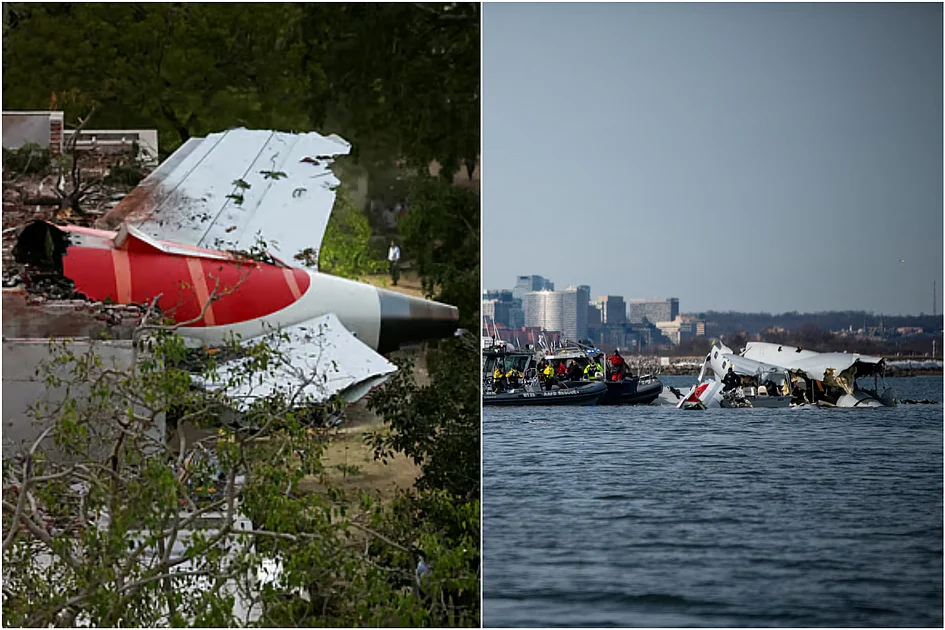
    January began with unprecedented tragedy when American Airlines Flight 5342, a Bombardier CRJ700 airliner, collided mid-air with a US Army Sikorsky UH-60 Black Hawk helicopter over Washington D.C.’s Potomac River. The catastrophic impact claimed all 67 lives aboard both aircraft, representing the deadliest U.S. aviation disaster since 2001.

    The following months witnessed a disturbing pattern of accidents across multiple continents. Med Jets Flight 056 crashed shortly after takeoff from Philadelphia, killing all six onboard plus two ground casualties. Alaska’s Bering Air Flight 445 vanished from radar before its scheduled arrival in Nome, resulting in ten fatalities. While Delta Connection Flight 4819 saw all 80 passengers survive a hard landing in Toronto, the incident highlighted continuing landing safety challenges.

    June brought the year’s most horrific single event when Air India Flight 171, a Boeing 787-8 Dreamliner, crashed into a medical university campus mere moments after departure from Ahmedabad. The fireball explosion claimed 241 of 242 onboard plus 19 ground casualties, making it the deadliest aviation disaster of the decade and the first fatal incident involving a Boeing 787.

    Subsequent months continued the tragic pattern: Russia’s Angara Airlines flight crashed during poor visibility conditions killing all 48 aboard; an Emirates cargo plane skidded off a Hong Kong runway into the sea, killing two ground staff; and Mombasa Air Safari Flight 203 crashed in Kenya, claiming 11 lives including foreign tourists.

    November witnessed two distinct tragedies: UPS Airlines Flight suffered engine separation during takeoff from Kentucky, crashing into an industrial area with 14 fatalities, while the Dubai Airshow turned tragic when an Indian LCA Tejas fighter jet crashed during maneuvers, killing Wing Commander Namansh Syal in full view of spectators.

    The year concluded with the December crash of a Libyan military delegation’s Falcon 50 aircraft near Ankara, killing the armed forces chief and several high-ranking officials along with three crew members.

    These consecutive disasters throughout 2025 prompted urgent global reviews of aviation safety protocols, aircraft maintenance standards, and air traffic control procedures, with the international aviation community calling for coordinated action to address emerging safety concerns.

  • Sixth-gen clay figurine heir focuses on spirit over color

    Sixth-gen clay figurine heir focuses on spirit over color

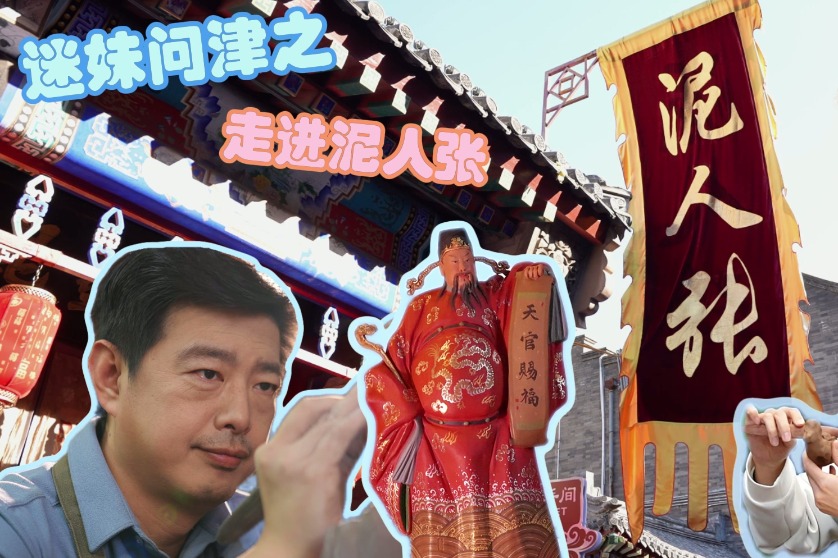
    In a Tianjin studio, sixth-generation inheritor Zhang Yu is revolutionizing the century-old Clay Figurine Zhang tradition by prioritizing spiritual essence over vibrant coloration. His monochromatic sculpture of writer Lu Xun stands in deliberate contrast to the brightly painted folkloric figures typically associated with this nationally recognized intangible cultural heritage.

    Zhang believes this minimalist approach better aligns with contemporary aesthetics. ‘Traditional clay figures are very colorful,’ he acknowledged, ‘but raw clay allows the form and spirit of the figure to stand out.’ This philosophical shift represents both personal artistic preference and response to evolving public tastes.

    The Clay Figurine Zhang school, dating to the late Qing dynasty (1644-1911), has historically been celebrated for its exquisitely painted, expressive figures drawn from historical, operatic, and mythological themes. Zhang Yu maintains this expressive tradition while refining its presentation. His creative process emphasizes capturing the subject’s inner essence, insisting that ‘every line must serve the spirit of the character.’

    This principle manifests in his Lu Xun sculpture through furrowed brows and penetrating gaze, achieved through simplified yet profoundly expressive lines. Alongside these serious portraits, Zhang creates playful pieces targeting younger audiences, including a horse carrying a gold ingot—a visual pun for ‘wealth arrives on horseback’ designed for the upcoming Year of the Horse.

    ‘We need to make young people feel clay sculpture is fun, not aloof and distant,’ Zhang explained. By introducing lighter, cuter designs, he aims to enhance accessibility for the traditional art form. He emphasizes that each generation of the Clay Figurine Zhang family has developed distinctive styles rather than rigidly replicating predecessors. While maintaining traditional subjects like Zhong Kui and Guan Yu, Zhang considers innovation essential for the craft’s survival. ‘Our task is to let ancient art continue to live in the present,’ he concluded.

  • China sanctions 20 US defense companies and 10 executives over massive arms sales to Taiwan

    China sanctions 20 US defense companies and 10 executives over massive arms sales to Taiwan

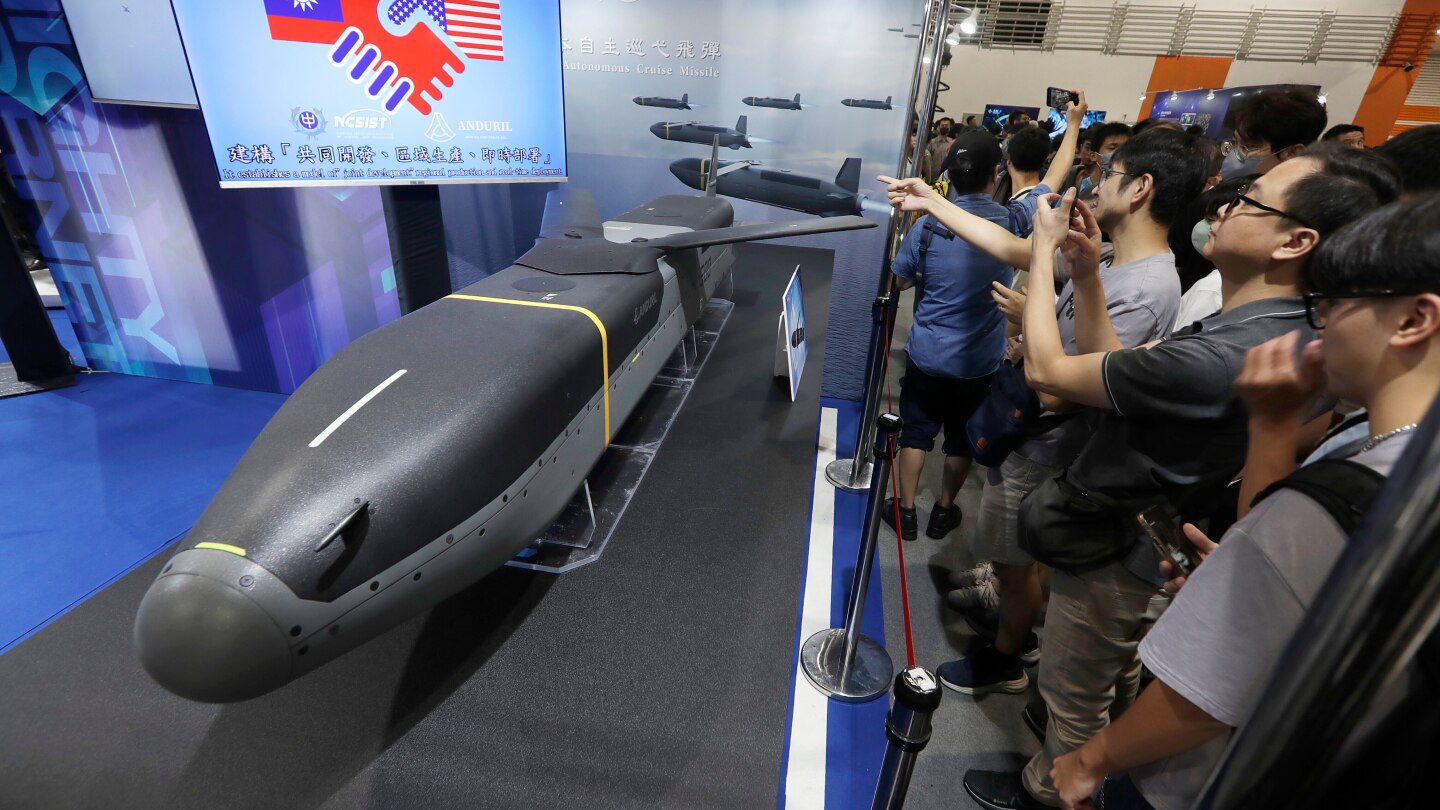
    In a significant escalation of diplomatic tensions, China has enacted sweeping sanctions against twenty American defense corporations and ten senior executives in response to Washington’s recently announced $10 billion arms package for Taiwan. The punitive measures, unveiled by China’s Foreign Ministry on Friday, include complete asset freezes within Chinese territory and comprehensive business prohibitions.

    The sanctions list encompasses major defense contractors including Northrop Grumman Systems Corporation, L3Harris Maritime Services, and Boeing’s St. Louis division. Notably targeted is Palmer Luckey, founder of defense technology firm Anduril Industries, who now faces entry bans and business restrictions in China alongside the other sanctioned executives.

    This decisive action comes precisely one week after the United States revealed its intention to proceed with what would become the largest-ever weapons transfer to Taiwan should it receive Congressional approval. Chinese authorities have characterized the proposed arms sale as ‘dangerous moves of arming Taiwan’ that violate established diplomatic agreements between the two nations.

    The Chinese Foreign Ministry emphasized in an official statement: ‘The Taiwan question resides at the very core of China’s fundamental interests and represents the primary red line that must not be crossed in China-U.S. relations. Any entity or individual participating in arms sales to Taiwan will face consequences for their actions.’

    Taiwan continues to serve as the most volatile flashpoint in Sino-American relations, with analysts expressing concern that the escalating tensions could potentially erupt into military confrontation. China has significantly intensified its military presence around Taiwan in recent years, conducting near-daily exercises involving warships and fighter jets in proximity to the island.

    This development further strains already tense bilateral relations, which have been tested by ongoing disputes spanning trade, technology transfer restrictions, and human rights issues. The United States maintains its position that federal law obligates Washington to provide Taiwan with necessary self-defense capabilities, a stance that Beijing consistently challenges as interference in China’s internal affairs.

  • China’s high-speed rail mileage tops 50,000 km

    China’s high-speed rail mileage tops 50,000 km

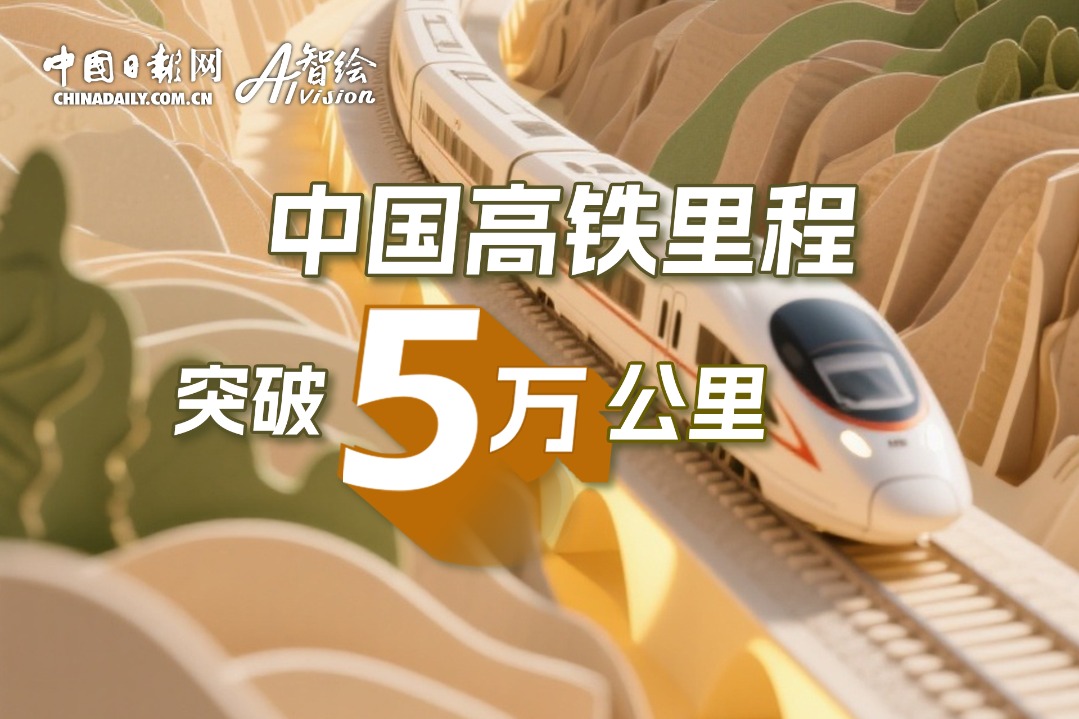
    China has reached a monumental infrastructure achievement as its high-speed rail network surpassed 50,000 kilometers in operational length following the inauguration of the Xi’an-Yan’an high-speed railway on December 26, 2025. This new corridor through Northwest China’s Shaanxi province represents the latest expansion of the world’s most extensive bullet train system.

    The milestone underscores China’s decades-long strategic investment in cutting-edge transportation infrastructure that has transformed domestic travel and set global benchmarks for railway technology. The network now connects virtually all major population centers across the nation’s vast territory, with trains operating at speeds exceeding 300 kilometers per hour.

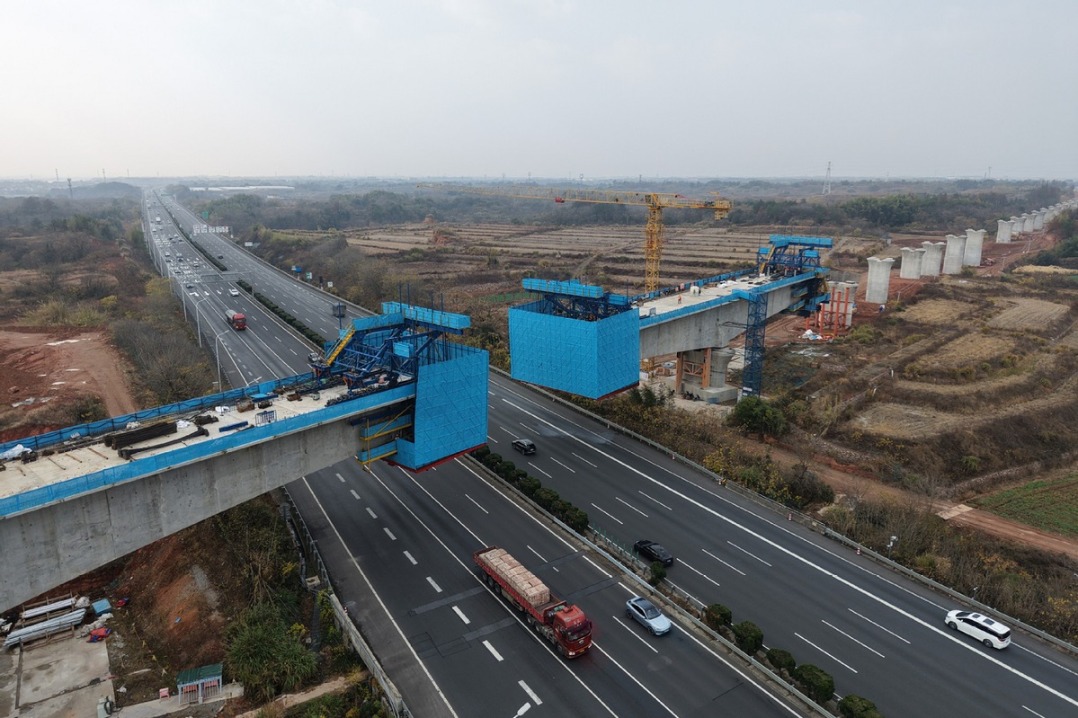
    Concurrent with this achievement, construction continues on additional routes including the Quzhou-Lishui railway in Zhejiang province, demonstrating the ongoing expansion of China’s rail infrastructure. The high-speed rail program has become a cornerstone of China’s economic development strategy, reducing travel times between cities while stimulating regional economic integration and growth.

    This transportation revolution has positioned China as the global leader in high-speed rail technology and implementation, with the system carrying billions of passengers since its initial development. The network’s growth continues to reflect China’s commitment to technological innovation and sustainable mass transportation solutions.

  • Quzhou-Lishui railway under construction in Zhejiang

    Quzhou-Lishui railway under construction in Zhejiang

    China Daily Information Co. (CDIC) maintains strict copyright protection over all content published on its platform. This comprehensive protection extends to textual materials, photographic elements, multimedia information, and all other forms of content available through the site. According to the published guidelines, republication or utilization of any protected content in any format is expressly prohibited without obtaining prior written authorization from CDIC.

    The notice further provides technical recommendations for optimal user experience, suggesting that visitors utilize browsers with a screen resolution of 1024*768 pixels or higher. The publication operates under formal licensing arrangements for multimedia online publishing, specifically referencing license number 0108263. The organization maintains official registration status under number 130349.

    Additionally, the platform offers multiple channels for user engagement and information access. These include comprehensive sections detailing corporate information, advertising opportunities, general inquiries, and career services. The latter encompasses both standard employment opportunities and specialized positions for expatriates. The organization also encourages visitors to maintain connection through various social media and follow platforms.