标签: Asia

亚洲

  • Japan: 15 injured in stabbing, liquid spray attack; suspect arrested

    Japan: 15 injured in stabbing, liquid spray attack; suspect arrested

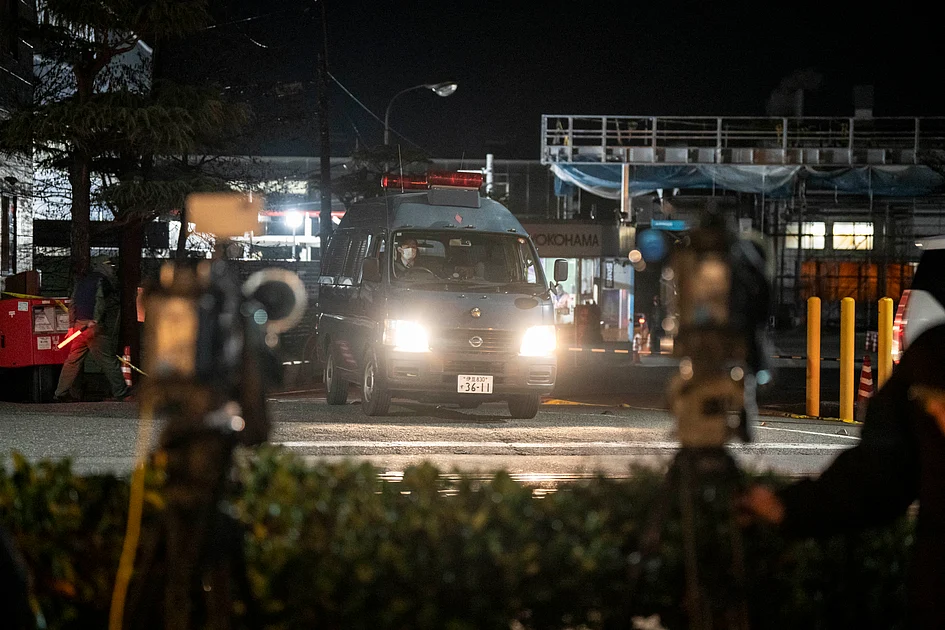
    A violent assault involving both stabbings and a chemical spray unfolded at a Yokohama Rubber Co. factory in Mishima, Japan, on Friday afternoon, resulting in injuries to fifteen individuals. Emergency services received a distress call at approximately 4:30 PM local time (0730 GMT) reporting multiple stabbings and the deployment of an unidentified spray substance.

    According to fire department officials, the victims were promptly transported to nearby hospitals. The injuries were categorized into two distinct types: eight individuals sustained stab wounds, while seven others were affected by the sprayed liquid, which preliminary reports from local media suggest was a bleach-based solution. While five victims were initially classified as requiring urgent emergency care, all remained conscious following the attack.

    Japanese law enforcement swiftly responded to the incident and apprehended a male suspect on suspicion of attempted murder. Media outlets, including NHK and Asahi Shimbun, identified the individual as a 38-year-old man allegedly connected to the factory. Reports describe him as being equipped with a survival knife and wearing a gas mask during the assault, indicating a degree of premeditation.

    The factory, which specializes in manufacturing tires for trucks and buses, became the site of a significant emergency response, with a fleet of ambulances and fire trucks visible in aerial news footage. The incident has sent shockwaves through the local community and drawn national attention.

    This attack stands in stark contrast to Japan’s generally low rates of violent crime, which are maintained through some of the world’s most stringent firearm regulations. However, the nation has experienced several high-profile violent incidents in recent years, including the 2022 assassination of former Prime Minister Shinzo Abe. The event also evokes memories of historical tragedies, most notably the 1995 sarin gas attack on the Tokyo subway system by the Aum Shinrikyo cult, which remains a profound national trauma. This factory assault adds to a concerning pattern of isolated but severe acts of violence in the country.

  • Poland temporarily closes two airports due to Russian strikes on Ukraine

    Poland temporarily closes two airports due to Russian strikes on Ukraine

    In response to intensified Russian military operations against Ukraine, Polish authorities have implemented temporary closures at two southeastern airports. The Polish Air Navigation Services Agency confirmed through social media platform X that Rzeszow and Lublin airports suspended operations Saturday as Polish armed forces deployed fighter jets following nearby aerial combat activities.

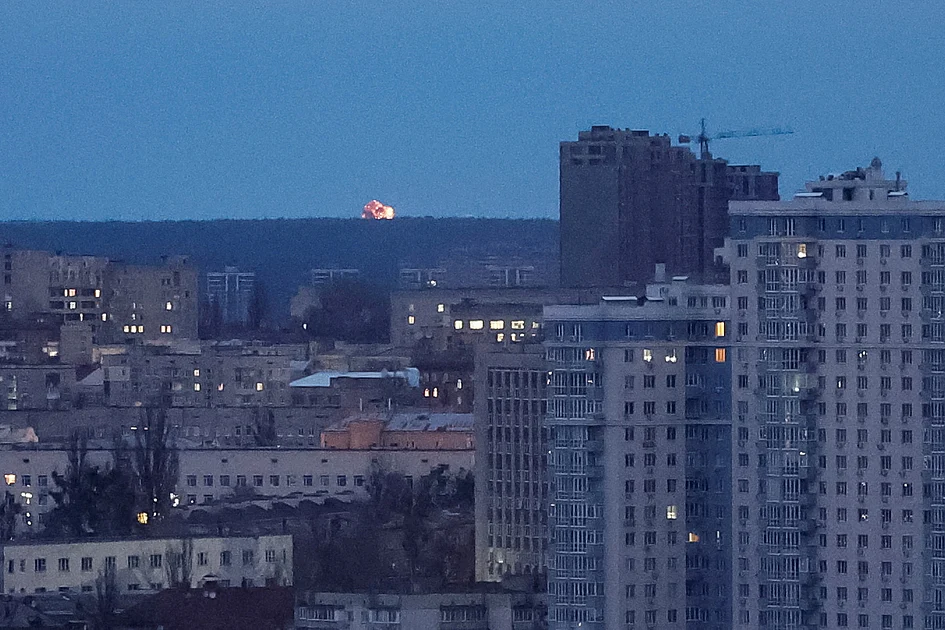
    The airport closures coincided with a major Russian offensive employing missiles and drone strikes targeting Kyiv and multiple Ukrainian regions. Ukrainian air defense systems engaged incoming threats throughout the capital region, with military authorities reporting active missile deployments via Telegram communications. Air force officials identified Russian drones focusing attacks on Kyiv alongside northeastern and southern territories.

    Ukrainian President Volodymyr Zelenskiy had previously characterized his upcoming meeting with U.S. President Donald Trump as crucial negotiations toward resolving the prolonged conflict. Scheduled for Sunday in Florida, the discussions were intended to address territorial control arrangements following potential cessation of hostilities that began with Russia’s February 2022 invasion.

    The latest assaults occurred against the backdrop of Europe’s deadliest military confrontation since World War II, now approaching its fourth year. Kyiv maintained air raid alerts for approximately four hours during the engagement, though initial reports indicated no immediate infrastructure damage or power disruptions resulting from the overnight attacks.

  • Two dead in 50-vehicle pile up on Japan highway

    Two dead in 50-vehicle pile up on Japan highway

    A catastrophic chain-reaction collision involving 56 vehicles on Japan’s Kan-etsu Expressway has resulted in one confirmed fatality and multiple injuries, with authorities continuing investigation and recovery operations. The massive pileup occurred during hazardous winter conditions in Minakami, Gunma Prefecture, approximately 160 kilometers northwest of Tokyo, at approximately 7:30 PM local time on December 26th.

    According to law enforcement officials, the initial collision between two commercial trucks triggered a devastating domino effect that rapidly engulfed multiple vehicles in flames. The ensuing fire proved particularly challenging for emergency responders, requiring approximately seven and a half hours to fully extinguish.

    Tragically, a 77-year-old Tokyo woman lost her life in the incident, while another victim was discovered in the driver’s seat of a completely burned-out truck. The human toll included five individuals sustaining serious injuries and twenty-one others receiving treatment for minor wounds, according to official police statements.

    Meteorological conditions played a significant role in the disaster, with active heavy snow warnings in effect at the time of the accident. Preliminary investigation points to icy road surfaces as the likely cause for the initial loss of vehicle control that precipitated the massive collision.

    The aftermath presented a scene of extensive devastation, with numerous vehicles charred beyond recognition and strewn across the outbound lanes. Recovery crews worked methodically to clear the wreckage while the expressway operator, Nexco, implemented full closure of the affected section. The company has issued travel advisories urging motorists to avoid the highway entirely until further notice.

    Eyewitness accounts described terrifying moments during the incident. One male survivor in his sixties recounted hearing a substantial explosion from the forward section of the pileup before observing flames rapidly spreading between vehicles. Approximately fifty people were evacuated to a nearby toll gate facility, where many spent the night in hallway accommodations as emergency response continued.

    Nexco engineers have initiated comprehensive infrastructure assessments to determine potential damage to road surfaces caused by the intense and prolonged fire. The complete investigation into the precise sequence of events and contributing factors remains ongoing.

  • UAE weather: Red alert issued for fog; speed reduction activated in Abu Dhabi

    UAE weather: Red alert issued for fog; speed reduction activated in Abu Dhabi

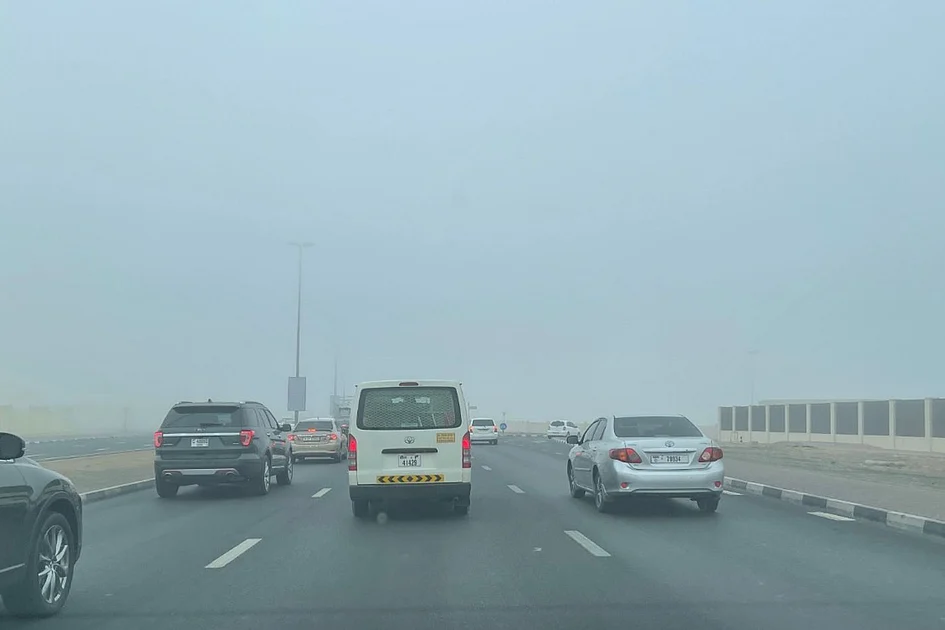
    The United Arab Emirates’ National Centre of Meteorology (NCM) has escalated weather warnings to red alert status due to hazardous fog conditions blanketing various regions. Meteorological authorities reported significantly deteriorated horizontal visibility, particularly affecting western internal areas from 03:00 until 09:30 on Saturday morning.

    The intensified fog conditions prompted immediate safety responses, including the activation of reduced speed limits to 80 km/h on critical roadways. Abu Dhabi Police implemented these measures specifically on Al Wiqan Road between Shiab Al Ghaf Roundabout and Al Dhahir, while fog concentrations were particularly severe along the Abu Dhabi-Al Ain roadway near Al Katim and Arjan districts.

    According to NCM’s classification system, red alert status indicates active fog formation reducing visibility to less than 1,000 meters, creating potentially dangerous driving conditions. Supplementary yellow alerts remained in effect for adjacent areas experiencing less severe but still concerning visibility reduction.

    Beyond the immediate fog concerns, meteorological forecasts indicate additional weather variability including light rainfall anticipated in coastal and northern regions. Skies are predicted to range from fair to partly cloudy throughout Saturday, with humidity levels rising overnight into Sunday morning across internal and coastal zones.

    Wind patterns will maintain light to moderate intensity from southeasterly to northeasterly directions, occasionally reaching speeds of 35 km/h. Marine conditions in both the Arabian Gulf and Sea of Oman remain generally calm with moderate wave activity, though tidal schedules vary significantly between the two bodies of water.

    Temperature readings across major urban centers show moderate conditions, with Dubai ranging between 19-26°C, Sharjah 16-26°C, and Abu Dhabi 17-25°C. The nation’s lowest temperature of 7.6°C was recorded at Jebel Jais in Ras Al Khaimah on Friday, indicating the seasonal cooling trend.

  • Thailand, Cambodia sign agreement on ceasefire

    Thailand, Cambodia sign agreement on ceasefire

    In a significant diplomatic development, Thailand and Cambodia have formalized a ceasefire agreement through their top defense officials. The pact was signed on Saturday, December 27, 2025, at a border checkpoint in Thailand’s Chanthaburi Province.

    The signing ceremony brought together Thai Defense Minister Natthapon Nakpanich and Cambodian Deputy Prime Minister and Defense Minister Tea Seiha, representing their respective nations in this crucial bilateral engagement. The meeting at the border location symbolized the agreement’s focus on regional stability and cross-border cooperation.

    This diplomatic achievement follows periods of tension along the shared border and represents a concerted effort by both Southeast Asian nations to foster peaceful relations through formalized military understanding. The ceasefire agreement establishes frameworks for communication, conflict prevention, and coordinated response mechanisms between the two neighboring countries.

    The choice of Chanthaburi Province as the signing venue carries symbolic significance, as the eastern Thai province has historically served as an important trade and cultural crossroads between the two kingdoms. This agreement marks a proactive step toward ensuring long-term regional stability and demonstrates both governments’ commitment to resolving differences through diplomatic channels rather than military confrontation.

    Defense analysts suggest this agreement could serve as a model for conflict resolution among other ASEAN member states facing similar border tensions. The timing of the agreement, during the final week of 2025, positions it as a potential cornerstone for improved relations in the coming year.

  • Indonesian rescuers search for a Spanish family after boat sinks near Komodo Island

    Indonesian rescuers search for a Spanish family after boat sinks near Komodo Island

    JAKARTA, Indonesia — Indonesian rescue teams are conducting an intensive search operation for a family of four Spanish nationals after their tour vessel capsized near Padar Island within the renowned Komodo National Park. The incident occurred Friday evening when the boat experienced mechanical failure during transit from Komodo Island.

    According to Fathur Rahman, head of the Maumere Search and Rescue Office, the vessel was carrying eleven individuals: six Spanish tourists, four crew members, and one local guide. Initial rescue efforts successfully recovered seven persons—three rescued by a passing ship and four others located by search teams. The missing individuals constitute a complete family unit: husband, wife, and their two children.

    Emergency response faced significant challenges overnight due to adverse maritime conditions, including powerful waves reaching 2.5 meters (8.2 feet) and limited visibility. Survivors received immediate medical attention at the port office in Labuan Bajo city.

    As weather conditions improved Saturday morning, rescue operations expanded with multiple rigid inflatable boats, a dedicated rescue ship, and assistance from local fishing communities. The National Search and Rescue Agency released video footage documenting the complex operation in turbulent waters.

    Komodo National Park, designated a UNESCO World Heritage site, attracts thousands of international visitors annually for its exceptional biodiversity, including the endangered Komodo dragon, and its world-class diving and trekking opportunities. This incident highlights ongoing transportation safety concerns in the Indonesian archipelago, which comprises over 17,000 islands where maritime travel is essential but sometimes compromised by insufficient safety regulations and vessel overcrowding.

  • Watch: Meteor lights up sky over Japan’s Mount Fuji

    Watch: Meteor lights up sky over Japan’s Mount Fuji

    A breathtaking astronomical event captivated observers across Japan as a brilliantly luminous meteor streaked across the night sky, creating a stunning visual display against the iconic silhouette of Mount Fuji. The extraordinary phenomenon, captured by numerous eyewitnesses and surveillance systems, occurred during optimal nighttime viewing conditions, transforming the region into a temporary theater for celestial observation.

    According to astronomical experts, this particular meteor belongs to the category of exceptionally bright fireballs, characterized by its intense luminosity and prolonged visibility. The spectacular display lasted several seconds as the space rock descended through Earth’s atmosphere, undergoing rapid disintegration while generating tremendous heat and light through atmospheric compression.

    Japan’s geographical position and typically clear atmospheric conditions make such sightings relatively frequent compared to other regions, though the proximity to the nation’s most recognizable natural landmark created particularly dramatic viewing circumstances. The meteor’s trajectory appeared to originate from the asteroid belt between Mars and Jupiter, though precise orbital calculations remain ongoing by scientific organizations.

    The event has generated significant interest within the scientific community, with researchers emphasizing the importance of such occurrences for studying the composition of interplanetary material. Simultaneously, the visual documentation provides valuable data for refining meteor trajectory prediction models and understanding atmospheric entry dynamics of extraterrestrial objects.

  • UAE winter: Al Ain families return to life in the desert

    UAE winter: Al Ain families return to life in the desert

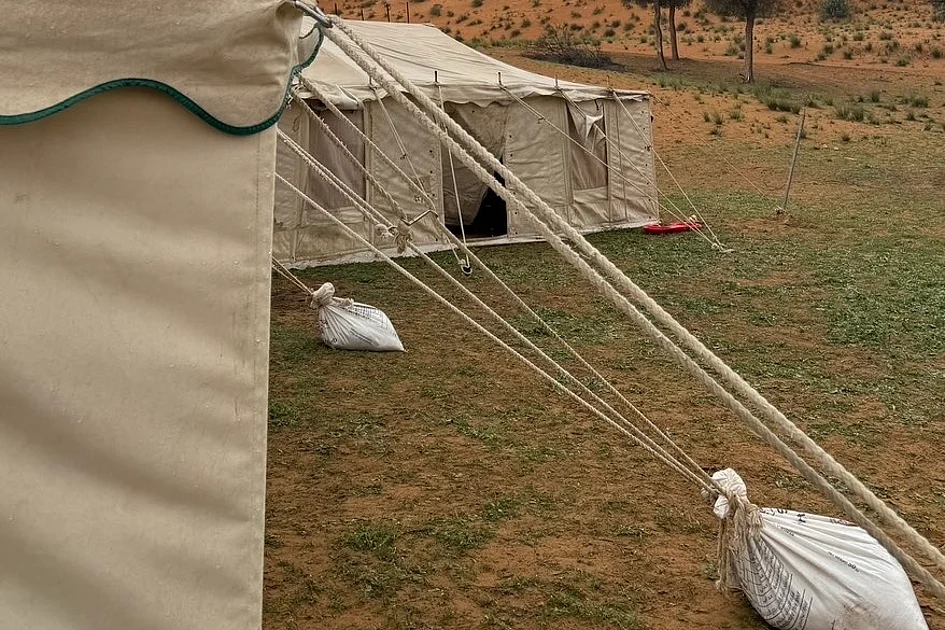
    As winter’s cool embrace settles across the United Arab Emirates, a remarkable seasonal migration unfolds in Al Ain where numerous families are reviving ancestral traditions by transitioning from urban residences to their desert dwellings. This annual exodus from city congestion to arid landscapes represents both a cultural preservation effort and a pursuit of tranquility during the cooler months from December through February.

    The practice, deeply embedded in local heritage, sees families exchanging modern urban comforts for simpler desert living. Mohammed Al Rashidi, an Al Ain resident, characterizes this tradition as generations-old: “Winter possesses a distinctive flavor here—the pleasant, cool weather draws us away from metropolitan traffic toward peace and nature. The desert provides psychological comfort and reconnects us with authenticity.”

    Desert existence contrasts sharply with city rhythms, offering a deliberate pace of life devoid of urban cacophony. Saeed Al Khaili elaborates: “We relish the clean, calm air and absolute tranquility. Winter rains revitalize the land, camels reach their prime condition, and these elements combine to create the season’s unique charm. This practice has become intrinsic to our identity since childhood.”

    Beyond environmental benefits, this migration strengthens familial bonds through shared activities and collective engagement. Al Khaili emphasizes the value of togetherness: “Cooking, conversing, and sharing experiences fortify our connections. This season imparts lessons in patience and simplicity while providing mental respite from urban pressures.”

    While acknowledging challenges like limited services and occasional cold spells, families note that modern amenities such as electricity have significantly improved desert living conditions compared to previous generations. Many participants encourage others to experience this traditional lifestyle, describing it as spiritually rejuvenating and offering profound perspective on life’s essentials.

  • Connecting cities, changing lives

    Connecting cities, changing lives

    In the heart of Beijing, Hou Qingjuan meticulously packs gifts and children’s clothing for her regular journey home—a routine made possible by China’s transformative high-speed rail network. Her destination: Liaocheng in Shandong Province, where her young son awaits reunions that have evolved from rare occasions to regular occurrences.

    Just seven years ago, Hou’s pilgrimage home involved six grueling hours aboard slow-moving ‘green trains,’ with total travel time consuming entire days. The psychological burden of separation from her children nearly drove her to abandon her Beijing career entirely. ‘The cumulative effect of station transfers and extended travel made the journey overwhelming,’ Hou recalls. ‘I constantly contemplated leaving the capital to return home permanently.’

    The transportation revolution arrived in late 2019 with upgraded rail services that slashed travel time to 3.5 hours at approximately 60 yuan ($8). By 2024, further infrastructure advancements reduced the fastest journeys to just 2.5 hours—democratizing mobility for millions of Chinese citizens.

    ‘This transformation redefined my possibilities,’ Hou explains. ‘Home visits transitioned from meticulously planned expeditions to spontaneous opportunities during free time.’ The enhanced connectivity prompted her to maintain her Beijing career while actively participating in her children’s upbringing—a balance previously unimaginable.

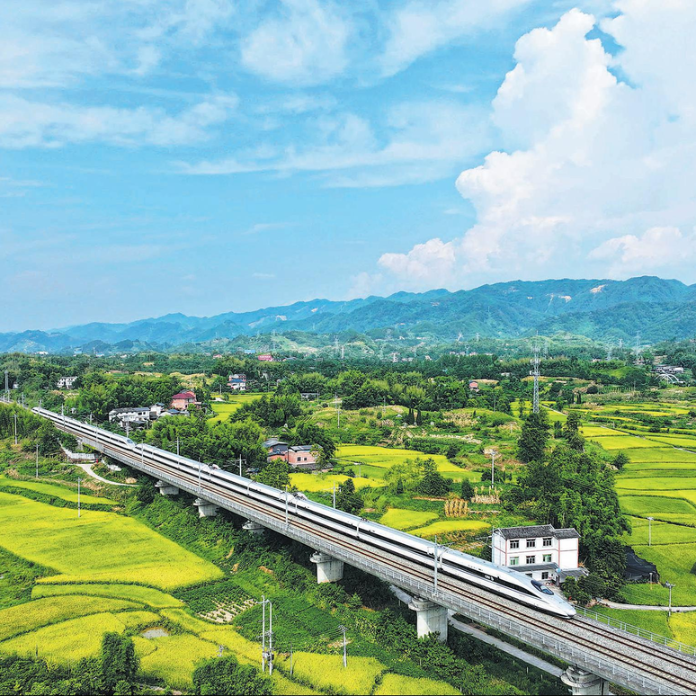
    Hou’s experience mirrors a national phenomenon where accelerated rail infrastructure is reshaping socioeconomic patterns across China. The Zhengzhou-Chongqing high-speed railway, captured in recent imagery cutting through golden fields against clear skies, symbolizes this new era of interconnected urban centers and revitalized regional communities.

    This transportation network evolution has fundamentally altered how citizens approach work-life balance, family dynamics, and geographic mobility—proving that infrastructure investment transcends concrete and steel to directly impact human relationships and life choices.

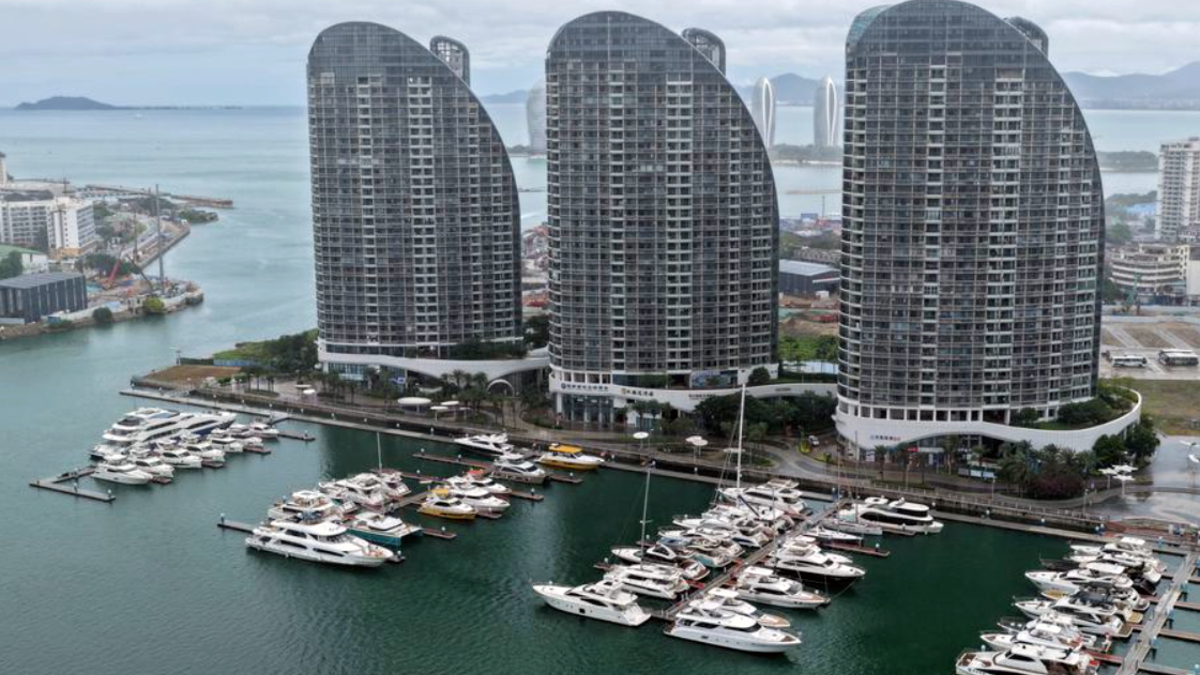
  • China sealing Hainan customs borders to make full free trade port

    China sealing Hainan customs borders to make full free trade port

    China has initiated a transformative economic experiment by establishing Hainan Island as a fully operational free trade port (FTP), implementing a groundbreaking customs framework that has generated contrasting interpretations among analysts worldwide. The scheme, activated on December 18, introduces a sophisticated three-tier model characterized as “opening the front line, controlling the second line, and enabling free internal movement.”

    The strategic architecture establishes Hainan’s external boundary as the ‘front line’ where zero-tariff policies apply for imported raw materials and production equipment. Meanwhile, the ‘second line’ constitutes the customs border with mainland China, featuring enhanced monitoring mechanisms to prevent market disruption. Internally, the island facilitates unrestricted movement of people, creating a unique economic ecosystem.

    Manufacturers operating within Hainan now benefit from tariff-free importation of materials, with finished products qualifying for mainland market access provided they achieve 30% local value-added content. The initiative simultaneously expands Hainan’s duty-free shopping privileges, allowing both domestic and international consumers with recent overseas travel records to purchase luxury goods tax-free, subject to an annual spending limit of 100,000 yuan (approximately $14,000).

    Chinese authorities have outlined a comprehensive development timeline: establishing fundamental policy frameworks by 2025, maturing institutional systems by 2035, and achieving international recognition as a high-standard free trade port by mid-century. Proponents argue the FTP will attract foreign direct investment, stimulate external trade, and position Hainan as a strategic gateway connecting China with global markets, particularly ASEAN nations.

    Professor Yu Fenghui of Huazhong University of Science and Technology emphasizes the scheme’s distinctive approach: “This isn’t merely replicating Singapore or Dubai. The critical differentiation lies in second-line control mechanisms, where authorities have established ten regulatory ports implementing smart inspections achieving clearance within approximately two minutes—creating an arbitrage firewall while maintaining openness.”

    The policy has expanded zero-tariff coverage from 21% to 74% of imported items, significantly reducing production costs. Industry analysts anticipate major benefits for high-end manufacturing, modern services, and digital economy sectors, with aircraft maintenance, renewable energy vehicles, healthcare, education, and data-driven industries identified as primary beneficiaries.

    However, international commentators express skepticism regarding the initiative’s viability amid deteriorating China-West relations. Canada-based analyst Ngan Shun-kau notes: “Beijing’s assertive diplomacy has precipitated widespread deterioration of external relationships. American and advanced economy capital is disengaging, foreign enterprises are departing, and China’s external trade is diminishing—precisely the elements a free trade zone requires to succeed.”

    Geopolitical dimensions further complicate the assessment, as the Hainan FTP represents China’s strategic response to evolving trade dynamics following US tariff implementations. Some observers note that manufacturers serving US markets are more likely to relocate to Southeast Asia than Hainan, while established industrial hubs in the Pearl and Yangtze River Deltas retain competitive advantages.

    Long-term objectives include using Hainan as a testing ground for high-standard international trade agreements like the Comprehensive and Progressive Agreement for Trans-Pacific Partnership (CPTPP) and Digital Economy Partnership Agreement (DEPA). Experts emphasize that Hainan must enhance its service sectors and align more closely with global regulatory standards to fulfill its potential as China’s experimental frontier in economic liberalization.