标签: Asia

亚洲

  • Seized from a Gaza hospital, Dr Hussam Abu Safiya still held by Israel a year on

    Seized from a Gaza hospital, Dr Hussam Abu Safiya still held by Israel a year on

    Dr. Hussam Abu Safiya, a 52-year-old Palestinian physician, has endured a full year of administrative detention in Israeli custody without formal charges or a trial. His arrest occurred on December 27, 2024, when Israeli military forces conducted a raid on Kamal Adwan Hospital in northern Gaza, an operation that culminated in the facility’s forced evacuation and subsequent incapacitation.

    Dr. Abu Safiya is being detained under Israel’s ‘illegal combatant’ statute, a legal framework that permits indefinite imprisonment without charging individuals and denies them access to evidence presented against them. An Israeli court in Beersheba has twice extended his detention—first in March 2025 and again in October 2025—sanctioning his continued imprisonment absent any criminal charges.

    Allegations of severe mistreatment have emerged from his family and human rights advocates. Incarcerated within the notorious Ofer prison, Dr. Abu Safiya is reported to have lost over 30% of his body weight, endured brutal physical assaults, and been systematically denied medical attention. His pre-existing health conditions, which include heart disease, hypertension, vision impairment, and scabies, have reportedly gone untreated, with no specialist medical assessment provided.

    In response, the Palestinian Forum in Britain has initiated the ‘Red Ribbons Campaign,’ advocating for his immediate release alongside that of over 9,100 other Palestinians currently detained in Israeli prisons, a population reported to include more than 450 women and children. The campaign held a public vigil in London to highlight his case and decry the systemic practice of mass detention.

    Dr. Abu Safiya had remained at his post in Kamal Adwan Hospital through repeated Israeli assaults, refusing to abandon his patients and colleagues. His eldest son, Ilyas, who spoke to Al Jazeera after the family fled to Kazakhstan, stated that his father’s sole ‘crime’ was his dedication as a medical professional. The family’s tragedy was compounded when Israeli shelling killed Ilyas’s 20-year-old brother, Ibrahim, inside the hospital on October 26, 2024.
  • China’s first subway through karst spring area becomes operational

    China’s first subway through karst spring area becomes operational

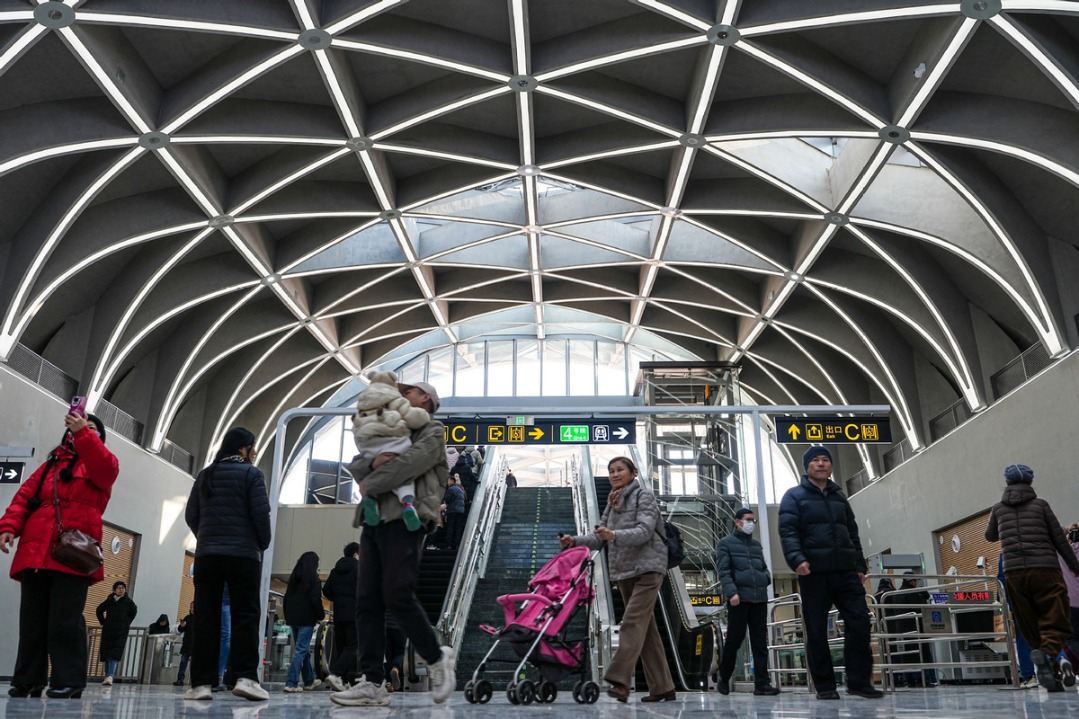
    Jinan, renowned as China’s ‘City of Springs,’ has achieved a groundbreaking engineering feat with the December 27, 2025 inauguration of the nation’s first subway line traversing a fragile karst spring region. The commencement of Subway Line 4 represents a significant advancement in urban transit infrastructure while addressing critical environmental preservation challenges.

    The newly operational line serves one of Jinan’s most congested transportation corridors, substantially reducing commute times and alleviating chronic road traffic congestion. However, the project’s development faced years of delays due to legitimate concerns about potential damage to the city’s unique hydrogeological system. Experts worried that conventional tunneling methods might disrupt the delicate groundwater flows originating from southern mountains that feed Jinan’s approximately 1,000 natural artesian springs.

    To reconcile urban development with environmental protection, engineering teams implemented innovative solutions throughout the construction process. Comprehensive geological surveys identified spring-sensitive zones, enabling route adjustments to avoid critical aquifers. Construction depth was increased strategically, and customized shield tunneling machines equipped with earth pressure balance technology were deployed to prevent ground settlement.

    At crucial station locations, engineers installed specialized U-shaped groundwater diversion channels to maintain natural water flow patterns. The effectiveness of these protective measures is demonstrated by monitoring data showing Baotu Spring, Jinan’s most iconic water feature, reaching 30.32 meters—its highest water level since 1966.

    ‘This achievement validates our scientific approach to spring protection and innovative engineering methodologies,’ stated Huang Yongliang, Senior Spring Protection Engineer at Jinan Rail Transit Group Co., Ltd. The successful implementation provides a valuable blueprint for future infrastructure projects in environmentally sensitive regions worldwide.

  • First and second largest economies in charts and figures

    First and second largest economies in charts and figures

    While China maintains its position as the world’s second-largest economy, its economic trajectory relative to the United States reveals a complex narrative of contrasting development models. Recent data indicates China’s nominal GDP has actually declined from 78% to 65% of US GDP between 2021 and 2024, raising questions among analysts about whether China will ever close the economic gap with the world’s leading economy.

    The two economic superpowers demonstrate fundamentally different structural approaches. China dominates global manufacturing with a purchasing power parity share over four times that of the United States, installing 8.6 times more industrial robots in 2024 alone. The Asian giant produced 12.7 times more steel and delivered over 1,000 times the gross tonnage of commercial ships compared to its American counterpart. China’s export prowess remains unmatched, shipping 73% more merchandise by value and 3.7 times more high-tech goods than the United States.

    Infrastructure development highlights another dimension of China’s economic approach. The country has built a highway system twice the length of America’s and dominates public transportation with 65% of the world’s high-speed rail (48,000 km versus 136 km in the US) and metro systems seven times longer than those in the United States. China’s urban landscape features four times the skyscrapers over 150 meters and five times those over 200 meters, supported by 13 times more 5G base stations.

    Human capital development reveals equally striking contrasts. China now graduates 12.2 million college students annually compared to 3.2 million in the US, including 1.7 million engineering and computer science graduates—6.7 times America’s output. Chinese universities produce twice as many scientific papers and lead in both the Nature Index and critical technology research, dominating 66 of 74 crucial technologies tracked by the Australian Strategic Policy Institute.

    The consumption patterns reflect each economy’s distinctive characteristics. China accounts for half of global e-commerce sales and 46% of luxury goods purchases, while Americans spend significantly more on services including healthcare, education, and housing. Notably, both countries now show identical life expectancies of 79 years, though China maintains a higher healthy life expectancy despite spending $1 trillion on healthcare compared to America’s $5 trillion expenditure.

    This economic dichotomy presents a fundamental question about development philosophy: whether China’s manufacturing and infrastructure-focused model can ultimately surpass America’s service-oriented, high-value economy, or if the world’s two largest economies will continue to evolve along their distinct developmental paths.

  • BBC visits Myanmar polling station as civil war rages on

    BBC visits Myanmar polling station as civil war rages on

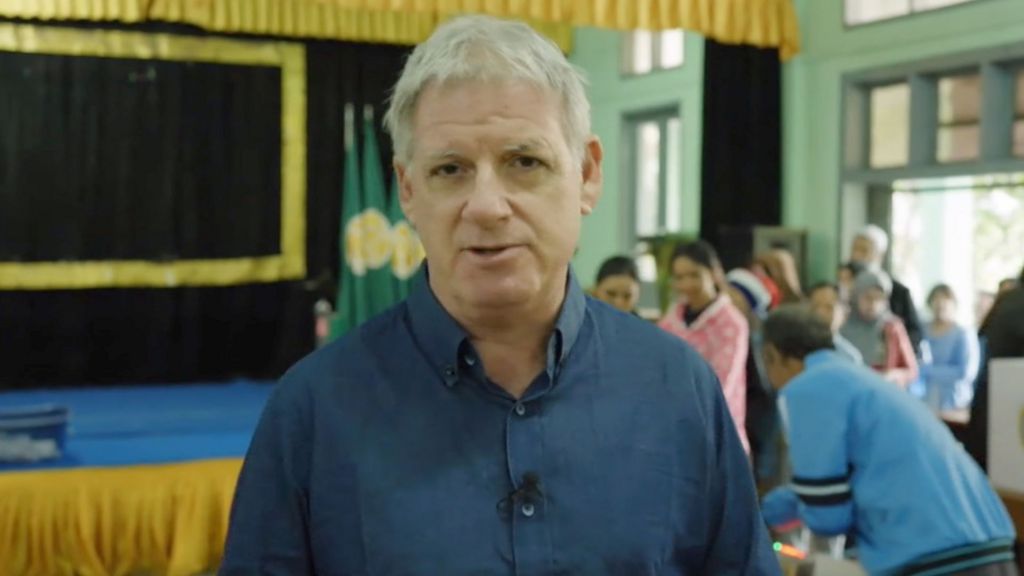
    Amidst an intensifying civil conflict, Myanmar conducted national elections under circumstances described by international observers as profoundly compromised. A firsthand report from a BBC correspondent stationed within the country reveals a voting process marred by widespread apprehension and coercion.

    Voters at polling stations, under the watchful eyes of military personnel, confided to journalists about the palpable atmosphere of fear inhibiting free political expression. This electoral event, criticized by many global powers as a sham, lacks participation from major opposition groups and is being held while the nation is engulfed in severe internal strife. The ongoing civil war between the ruling military junta and various ethnic armed organizations, alongside pro-democracy resistance forces, has displaced millions and created a humanitarian crisis, forming a stark backdrop to the polling process.

    The junta’s justification for the election centers on a purported “roadmap back to democracy,” a claim heavily disputed by Western nations and the Association of Southeast Asian Nations (ASEAN). Analysts suggest the primary objective of the vote is to cement the military’s political control under a veneer of legitimacy, rather than to facilitate a genuine democratic transition. The international community remains largely skeptical, with many preparing to reject the outcome of a process they deem fundamentally illegitimate and unrepresentative of the Myanmar people’s will.

  • Last UAE Lottery draw of 2025: Winning numbers announced; 3 win Dh100,000 each

    Last UAE Lottery draw of 2025: Winning numbers announced; 3 win Dh100,000 each

    The United Arab Emirates witnessed the final lottery event of 2025 this Saturday evening, marking the conclusion of the year’s gaming calendar with the 29th Lucky Day Draw (No. 251227). This weekly tradition, which has undergone significant structural modifications recently, continues to captivate participants nationwide despite adjustments to its reward system.

    The announced winning combination for December 27th’s draw consisted of six day numbers (1, 6, 7, 27, 28, 29) paired with month number 9. While no participant secured the ultimate jackpot requiring perfect matching of all seven digits, three fortunate individuals achieved substantial wins of Dh100,000 each through the Lucky Chance mechanism. Their identifying codes were revealed as BZ5085484, CI5970515, and DT9633495.

    Notably, the grand prize structure has been substantially reconfigured, with the top jackpot now standing at Dh30 million—a significant reduction from the previous Dh100 million benchmark. The secondary prize remains substantial at Dh5 million, followed by tiered rewards of Dh100,000, Dh1,000, and Dh100 for subsequent achievement levels.

    The event produced numerous additional winners, including 32 recipients of Dh1,000 prizes and 9,323 participants who claimed Dh100 rewards. During the live broadcast, previous winner Mohamed Selim Ayadi, a Tunisian expatriate, shared his experience of playing for over a year before securing his Dh100,000 prize. Another long-term resident, Binu Sreedharan, expressed intentions to invest his winnings into entrepreneurial ventures after thirteen years residing in the UAE.

    The UAE Lottery system has dramatically expanded from its initial single-draw format to now encompass twenty distinct gaming experiences. This diversified portfolio includes daily predictive games like Pick 3 and Pick 4, alongside various scratch cards and electronic instant-win options. Friday’s preceding draws already produced winners in these categories, with multiple participants claiming prizes ranging from Dh850 to Dh25,000 depending on their matching accuracy.

  • Taiwan rattled by magnitude-7 quake; Taipei buildings shake

    Taiwan rattled by magnitude-7 quake; Taipei buildings shake

    A significant seismic event measuring 7.0 on the Richter scale occurred approximately 32 kilometers off the coast of Yilan, a northeastern Taiwanese city, on Saturday evening. The substantial tremor, which originated at a depth of 73 kilometers, caused noticeable building swaying in the capital city of Taipei, according to official reports from Taiwan’s meteorological authorities.

    Initial assessments by Taipei municipal officials indicated no immediate reports of substantial structural damage following the quake. The National Fire Agency has activated comprehensive damage evaluation procedures across affected regions to determine the full impact of the seismic activity.

    Taiwan’s geographical position makes it particularly vulnerable to earthquakes, as the island nation sits at the convergence point of two major tectonic plates. This geological reality has resulted in numerous significant seismic events throughout Taiwan’s history.

    The region has experienced devastating earthquakes in previous decades, including the catastrophic 2016 incident in southern Taiwan that claimed over 100 lives, and the massive 1999 tremor measuring 7.3 magnitude that resulted in more than 2,000 fatalities. These historical events have prompted Taiwan to develop one of the world’s most sophisticated earthquake preparedness and response systems.

    Seismologists continue to monitor aftershock patterns while emergency services remain on high alert across the island. The earthquake’s offshore location and considerable depth potentially mitigated what could have been more severe impacts on population centers.

  • Polls open for military-ruled Myanmar’s first election in 5 years

    Polls open for military-ruled Myanmar’s first election in 5 years

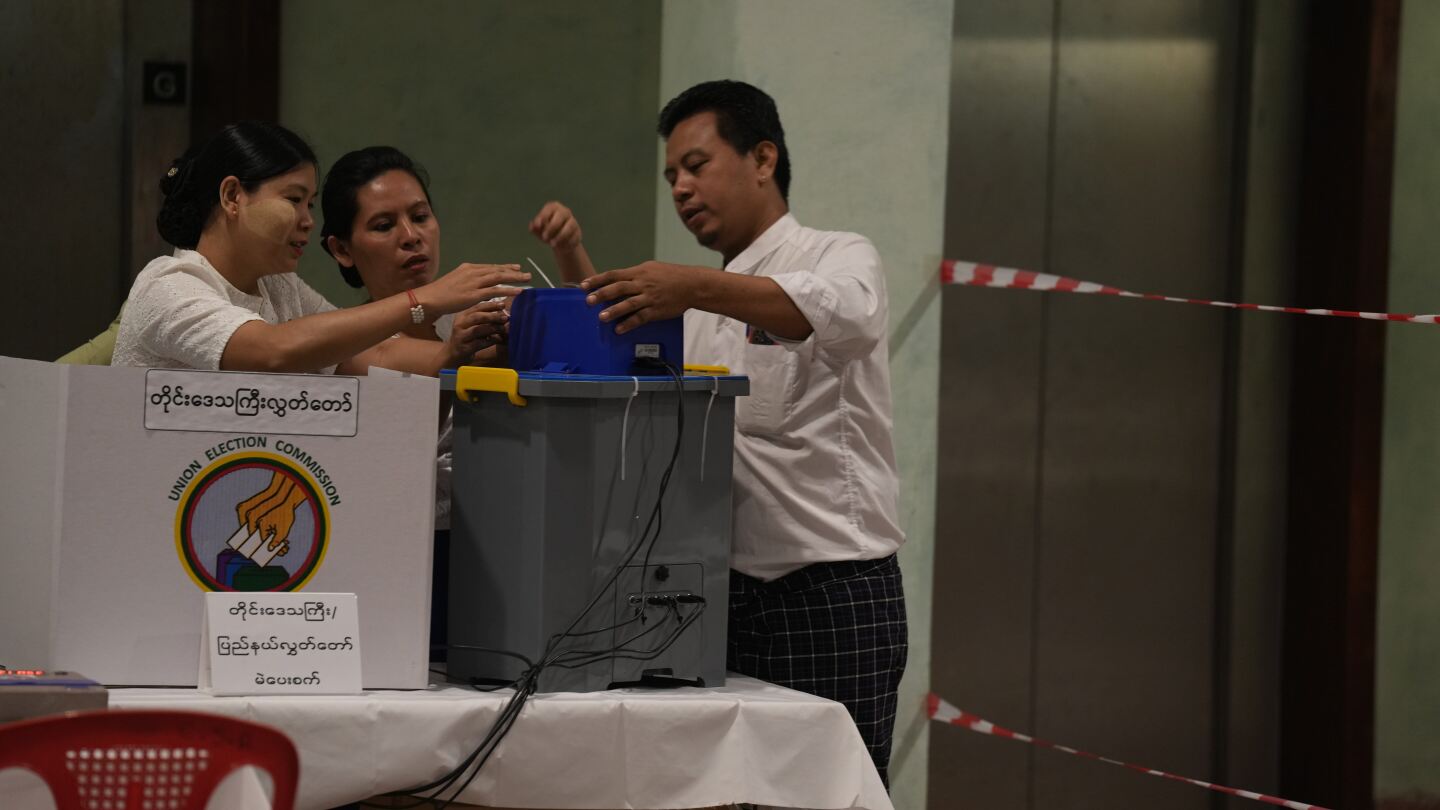
    Myanmar conducted the initial phase of its first general election in five years on Sunday under the supervision of the military government, despite ongoing civil conflict across significant portions of the nation. The polling occurred amid tightened security measures in Yangon, Naypyitaw, and other urban centers, with armed guards stationed at voting locations and military vehicles patrolling streets.

    Critics and international observers have denounced the electoral process as a calculated effort to create a veneer of legitimacy for military rule. The election follows the army’s February 2021 seizure of power, which ousted the democratically elected government of Aung San Suu Kyi. Her National League for Democracy (NLD), which achieved a landslide victory in the 2020 polls, was dissolved in 2023 after refusing to comply with new military regulations.

    The electoral landscape reveals severe constraints on political freedom. Major opposition parties either boycotted the process or were excluded, while a newly enacted Election Protection Law criminalizes public criticism of the polls. According to monitoring organizations, 73% of voters who participated in the 2020 election supported parties that no longer exist in the current political framework.

    Human rights conditions have deteriorated significantly since the military takeover. The United Nations reports that violence and intimidation have intensified, with over 22,000 individuals detained for political offenses and more than 7,600 civilians killed by security forces. The subsequent civil conflict has displaced approximately 3.6 million people.

    Despite these challenges, the military-backed Union Solidarity and Development Party is anticipated to secure a victory, potentially enabling neighboring countries such as China, India, and Thailand to justify continued engagement by citing stability concerns. Western nations, however, have maintained sanctions against Myanmar’s ruling generals due to persistent anti-democratic practices and human rights abuses.

    The voting process will continue in two additional phases scheduled for January 11 and January 25, with final results expected by month’s end.

  • War-torn Myanmar votes in widely criticised ‘sham’ election

    War-torn Myanmar votes in widely criticised ‘sham’ election

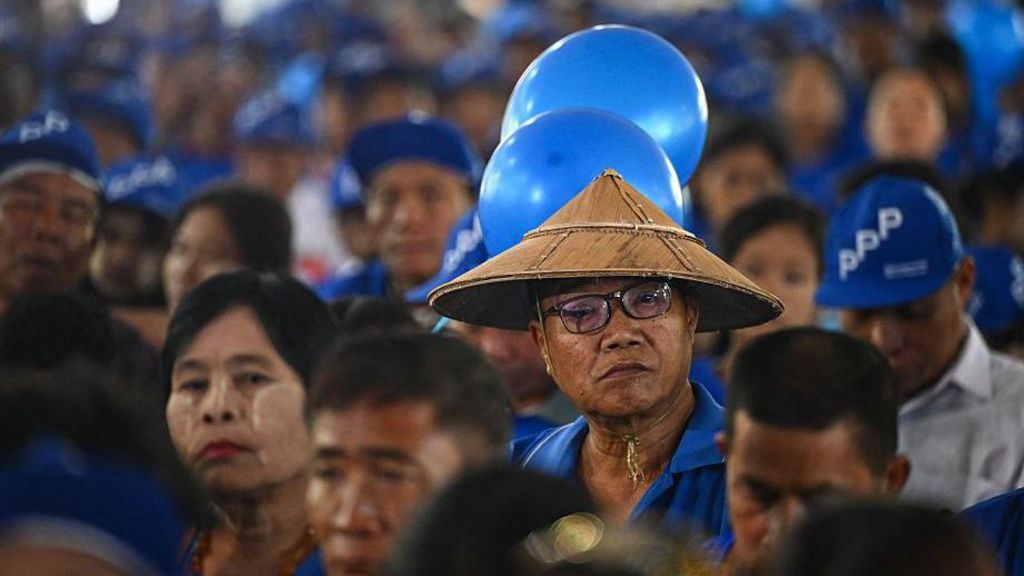
    Myanmar’s military junta has initiated a controversial phased electoral process spanning the next month, a move international observers are characterizing as a thinly veiled attempt to legitimize its power. The election proceeds under circumstances where major political parties remain dissolved, their leadership imprisoned, and approximately half the population unable to participate due to an ongoing and devastating civil war.

    This ballot, the first since the military seized control in a February 2021 coup, unfolds against a backdrop of intense conflict. The junta, bolstered by support from China and Russia, has managed to reclaim some territory this year through relentless airstrikes after suffering significant losses to a coalition of armed resistance groups and ethnic armies. The conflict has resulted in thousands of fatalities, displaced millions, and crippled the nation’s economy.

    To ensure the election proceeds as intended, the regime has enacted severe punitive measures. A law instituted in July criminalizes dissent against the polls, carrying penalties up to the death penalty. Already, prominent cultural figures, including film director Mike Tee and comedian Ohn Daing, have been sentenced to seven-year prison terms for criticizing pro-election propaganda.

    Logistical challenges are immense, with voting scheduled in only 274 of 330 townships, deemed the only sufficiently stable areas. The process is segmented into three phases, a strategy analysts suggest allows the junta to tactically adjust outcomes based on initial results. Only six parties, including the military-backed Union Solidarity and Development Party, are permitted to field candidates nationwide. Notably, Aung San Suu Kyi’s National League for Democracy, which won previous elections overwhelmingly, has been banned.

    International condemnation is widespread. The United Nations High Commissioner for Human Rights, Volker Türk, stated that conditions for free expression or assembly are nonexistent, with civilians “being coerced from all sides.” Western nations and the European Parliament have dismissed the vote as a sham, while ASEAN has called for inclusive political dialogue as a prerequisite for any legitimate election. The junta, however, maintains the election is a step toward restoring a “multi-party democratic system” for the people of Myanmar, defiantly rejecting international criticism.

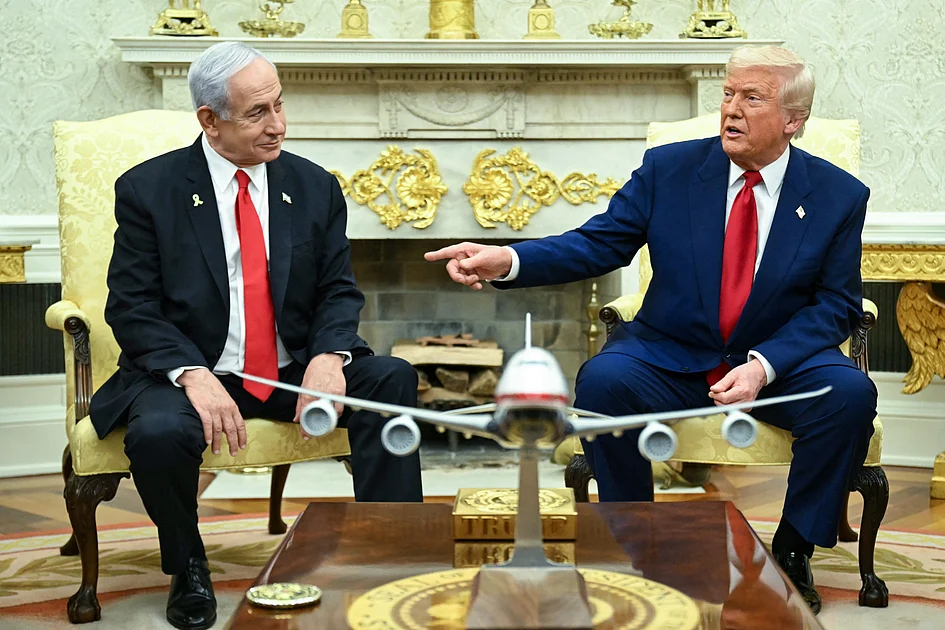
  • Netanyahu to meet Trump in US Monday, discuss Gaza ceasefire’s second stage

    Netanyahu to meet Trump in US Monday, discuss Gaza ceasefire’s second stage

    Israeli Prime Minister Benjamin Netanyahu is scheduled to embark on his fifth official visit to the United States this year, with a pivotal meeting set with President Donald Trump at the Mar-a-Lago resort in Florida on Monday. This high-stakes diplomatic engagement occurs amid intensified efforts by the Trump administration and regional mediators to advance the second phase of the Gaza ceasefire agreement between Israel and Hamas.

    The agenda for this crucial summit encompasses a broad spectrum of Middle Eastern security concerns, including ongoing tensions with Iran, potential security arrangements between Israel and Syria, and maintaining the fragile ceasefire with Lebanon’s Hezbollah. However, the primary focus remains on breaking the deadlock in implementing the next stages of the Gaza peace process.

    According to reports from Israeli media outlet Yedioth Ahronoth and subsequent confirmation by White House officials, the Trump administration has expressed growing frustration with Netanyahu’s approach to the ceasefire. Administration officials allege that the Israeli leader has taken steps that potentially undermine the delicate truce and delay progress toward lasting peace.

    The second phase of the ceasefire agreement, brokered by Washington and regional allies, stipulates three critical components: Israel’s withdrawal from its positions in Gaza, establishment of an interim technocratic authority to replace Hamas governance, and deployment of an international stabilization force. A particularly contentious provision requires Hamas to relinquish its weapons, representing a significant obstacle to implementation.

    Axios reported Friday that White House officials consider the Trump-Netanyahu meeting essential for突破ing the current impasse. The administration aims to promptly announce both the Palestinian technocratic government for Gaza and the composition of the international stabilization force, viewing these elements as crucial for maintaining momentum in the peace process.

    The meeting follows Trump’s mid-December comments to reporters, where he indicated Netanyahu’s desire for consultation during the Christmas holiday period. This diplomatic engagement occurs against the backdrop of a persistently fragile ceasefire, with both Israel and Hamas frequently accusing each other of violations while mediators work to prevent a complete collapse of the agreement.

  • Jebel Ali’s 2025 finale delivers fun, the odd upset and plenty of feel-good racing

    Jebel Ali’s 2025 finale delivers fun, the odd upset and plenty of feel-good racing

    Jebel Ali Racecourse culminated its 2025 racing calendar with a spectacular seven-race meeting on Saturday, delivering a compelling blend of unexpected results and commanding victories that captured the essence of its community-oriented racing ethos. The season finale, renowned for its family-friendly ambiance and unique uphill dirt track, lived up to its reputation as a nurturing ground for emerging talent while showcasing the prowess of established racing figures.

    The afternoon’s competition was highlighted by two feature handicaps: the seven-furlong Glorious Saturday Stakes and the 1900-meter New Year Fest Stakes. In a dramatic turn of events, seven-year-old gelding Kafoo orchestrated a stunning upset in the Glorious Saturday Stakes. Ridden by accomplished jockey Conor Beasley, the son of Dubai World Cup champion Curlin demonstrated exceptional perseverance by surging through the inside rail to defeat The Camden Kid, while heavily favored Telemark could only manage third place after a late outside rally.

    Kafoo’s victory narrative is particularly remarkable given his journey through three different training establishments since his 2021 debut under Bhupat Seemar. His current trainer, Uruguayan veterinarian Julio Olascoaga, has successfully revitalized the horse’s career, with Beasley noting post-race that the distance reduction and straight-track configuration perfectly suited the veteran performer.

    The New Year Fest Stakes witnessed a vastly different outcome as Truth Explained delivered a crushing four-and-a-half-length victory under Panamanian jockey Oscar Chavez. Trainer Doug Watson strategically placed the bottom-weight runner following an unfavorable draw at Meydan, with Chavez executing a tactically masterful ride that demonstrated the horse’s relentless determination.

    Racing luminaries Musabbeh Al Mheiri and Bhupat Seemar maintained their consistent excellence, each securing victories to conclude the meeting. Al Mheiri’s Sirocco Winds triumphed in the Al Shafar Investment Handicap over 1400 meters, while Seemar’s Elusive Trevor captured the closing Al Redha Insurance Stakes.

    The successful season finale reinforced Jebel Ali’s distinctive position within the UAE’s racing landscape, combining competitive excellence with accessibility and community engagement. As the racing community looks toward 2026, the afternoon’s events demonstrated that exceptional racing experiences can flourish beyond the glamour of flagship venues through the combination of quality horseflesh, skilled horsemanship, and passionate spectators.