标签: Asia

亚洲

  • Vietnam opens polls for 16th NA, local council elections

    Vietnam opens polls for 16th NA, local council elections

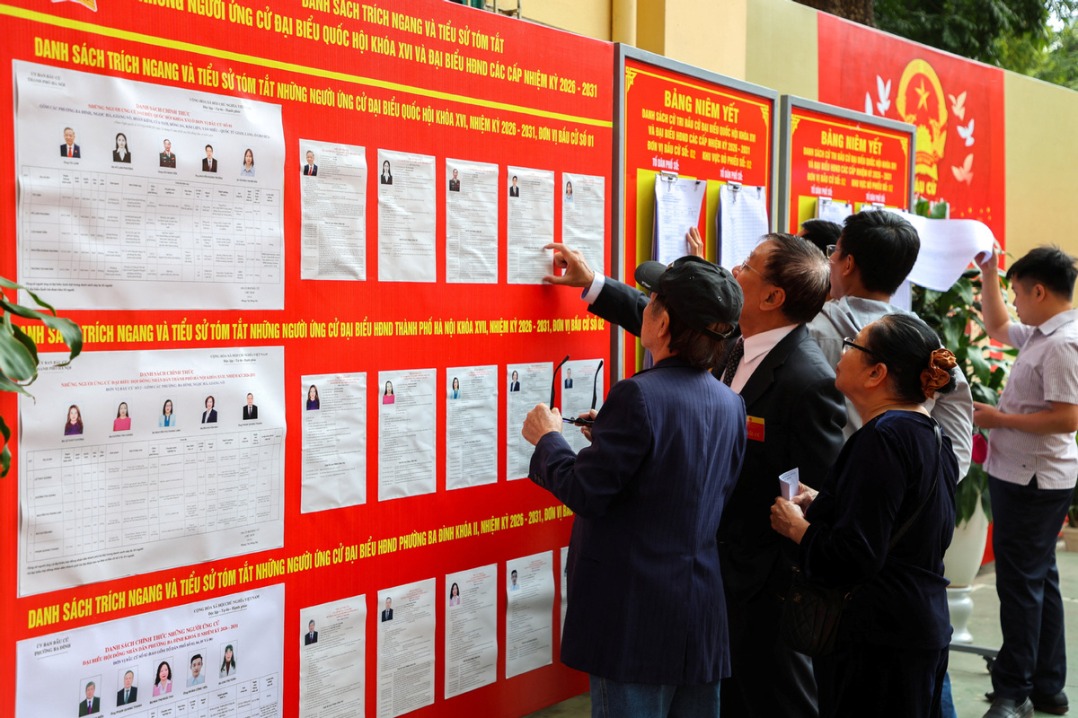
    Vietnam initiated a significant democratic process on Sunday, March 15, 2026, as polling stations nationwide opened for the dual elections of deputies to the 16th National Assembly and members of People’s Councils across all administrative levels. This electoral event, reported by Vietnam News Agency, marks a crucial political milestone for the country’s governance structure for the 2026-2031 term.

    The extensive electoral operation commenced at 7:00 AM local time with an anticipated 79 million registered voters expected to participate across 72,195 established polling stations. These facilities will remain accessible until 7:00 PM, allowing citizens ample opportunity to exercise their democratic rights.

    Voters face substantial choices in both electoral contests. For the National Assembly, citizens will select 500 parliamentary deputies from a competitive field of 864 pre-qualified candidates. Simultaneously, they will determine the composition of People’s Councils at communal, district, and provincial levels, creating a comprehensive renewal of local governance structures.

    National Assembly Chairman Tran Thanh Man has established a clear electoral timeline, mandating that official results must be formally announced by March 25, 2026. Following the conclusion of the electoral process, the newly constituted 16th National Assembly is scheduled to convene its inaugural session commencing April 6, 2026, marking the beginning of Vietnam’s next legislative chapter.
  • Base effect: US power projection and the danger of dispersion

    Base effect: US power projection and the danger of dispersion

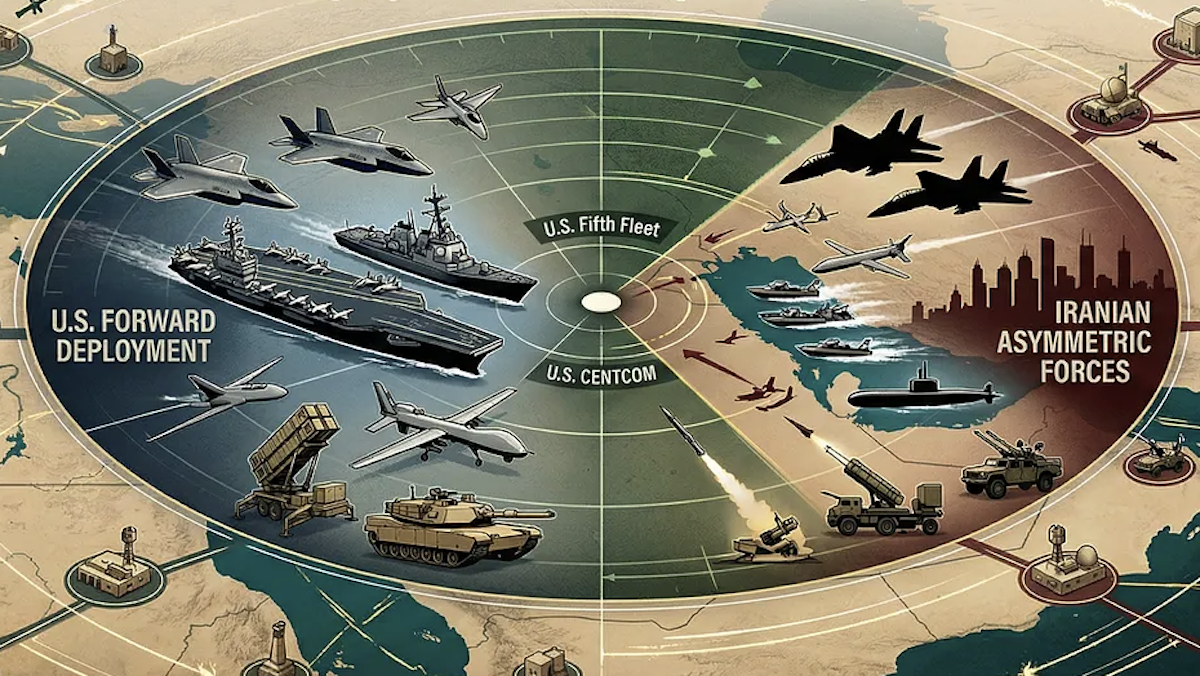
    The recent escalation between the US-Israel alliance and Iran has highlighted a critical geopolitical reality: America’s extensive network of overseas military installations now stands squarely in the crosshairs of Middle Eastern conflicts. This confrontation traces its roots to a transformative journey from isolationism to global military dominance that began over a century ago.

    America’s military expansion commenced following its Civil War era, marked by westward expansion and the philosophical shift toward Manifest Destiny. The pivotal Spanish-American War of 1898 served as the catalyst for overseas territorial acquisitions, establishing foundational bases in Guam, Puerto Rico, and the Philippines. Most significantly, Cuba’s Guantanamo Bay became America’s oldest continuous overseas military installation following the conflict.

    The Second World War precipitated unprecedented growth in US global presence through the Destroyers-for-Bases agreement with Britain. This strategic arrangement secured 99-year leases for installations across Newfoundland, Bermuda, the Caribbean, and South America, primarily safeguarding vital trade routes including the Panama Canal and Mississippi River Delta.

    Cold War geophetics dramatically accelerated base expansion, influenced by Nicholas Spykman’s Rimland Theory which advocated containing Soviet power through peripheral military presence. At its peak, the US maintained over 1,000 overseas installations through Status of Forces Agreements (SOFA) with allied nations, creating a global network that largely persists today.

    The post-9/11 era witnessed renewed Middle Eastern focus with permanent installations established in Qatar (Al Udeid Air Base), Bahrain (Naval Station Bahrain), and Kuwait (Camp Arifjan). These facilities enabled power projection throughout critical regions while simultaneously creating vulnerable targets, as demonstrated by Iran’s recent retaliatory strikes against multiple US installations.

    Current tensions underscore the strategic necessity and vulnerability of forward-deployed forces. While proximity enables rapid response capabilities and reduced operational limitations, it also positions personnel and assets within range of regional adversaries’ weapon systems. The recent conflict has already produced combat casualties at Kuwaiti installations, highlighting the inherent risks of forward deployment.

    The architectural framework of America’s global military presence reflects evolving geopolitical strategies across three centuries. From isolationist beginnings to superpower status, these installations represent both instruments of influence and potential vulnerabilities in an increasingly volatile international landscape.

  • China releases reports on budgets, national economic and social development plans

    China releases reports on budgets, national economic and social development plans

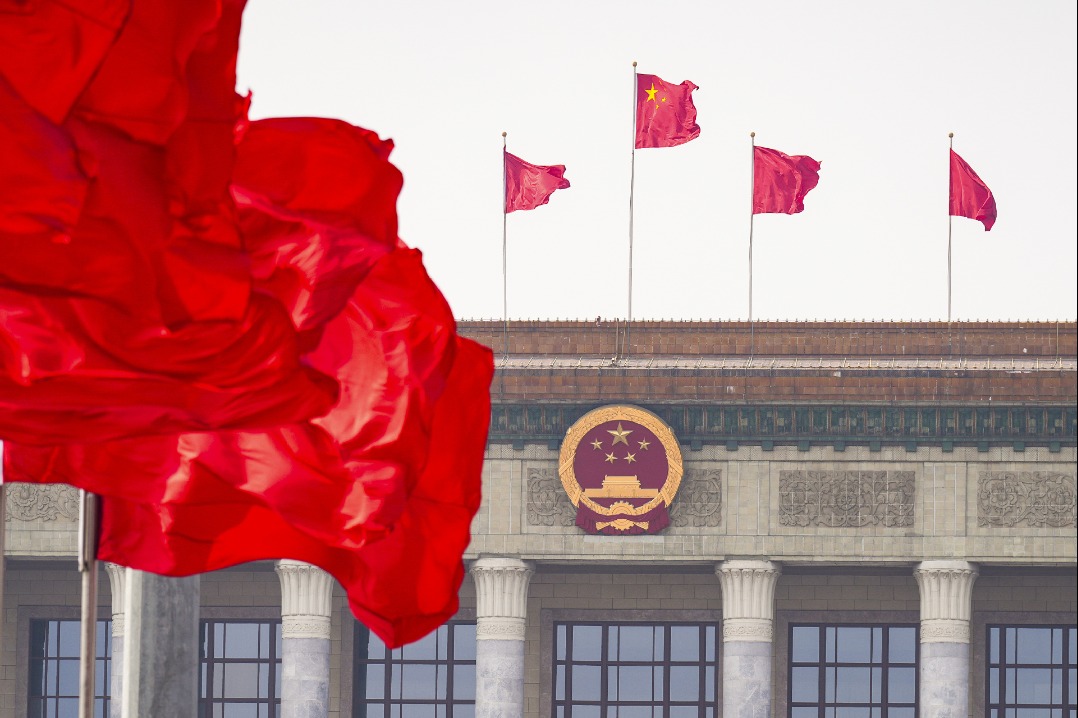
    BEIJING – In a significant move outlining China’s economic trajectory, the National People’s Congress has formally released two comprehensive reports detailing the nation’s economic performance and future fiscal planning. The documents, approved during the recent congressional session and published in full by Xinhua News Agency on Saturday, provide unprecedented insight into China’s economic strategy for the coming year.

    The first report, spanning three substantial sections, delivers a thorough assessment of China’s 2025 National Economic and Social Development Plan implementation while simultaneously presenting the proposed 2026 draft plan. This document meticulously examines economic achievements against established targets, outlines fundamental principles for upcoming development, and establishes clear policy directions for the year ahead.

    Concurrently, the second report presents an exhaustive analysis of central and local budget execution throughout 2025, followed by detailed draft budgets for 2026. This financial blueprint encompasses revenue projections, expenditure allocations, and comprehensive fiscal reform initiatives designed to strengthen China’s economic foundation.

    These publications emerge as critical policy instruments that will guide China’s economic management across various sectors. The development plan establishes measurable objectives for economic growth, employment stability, environmental protection, and technological advancement. Meanwhile, the budget framework allocates resources toward priority areas including social welfare programs, infrastructure development, and innovation initiatives.

    The release timing aligns with China’s ongoing economic transformation efforts, reflecting the government’s commitment to transparent governance and strategic planning. These documents will serve as foundational references for provincial and municipal governments as they formulate corresponding regional development plans and budget proposals.

  • China issues guidelines to enhance professional social work workforce

    China issues guidelines to enhance professional social work workforce

    China’s central government has launched a comprehensive national initiative to significantly bolster its professional social work capabilities, marking a pivotal step in the country’s ongoing social governance modernization efforts. The newly released guidelines, jointly issued by the General Office of the Communist Party of China Central Committee and the General Office of the State Council, outline an ambitious five-year roadmap for workforce development.

  • US-China trade talks open in Paris, paving the way for Trump-Xi summit

    US-China trade talks open in Paris, paving the way for Trump-Xi summit

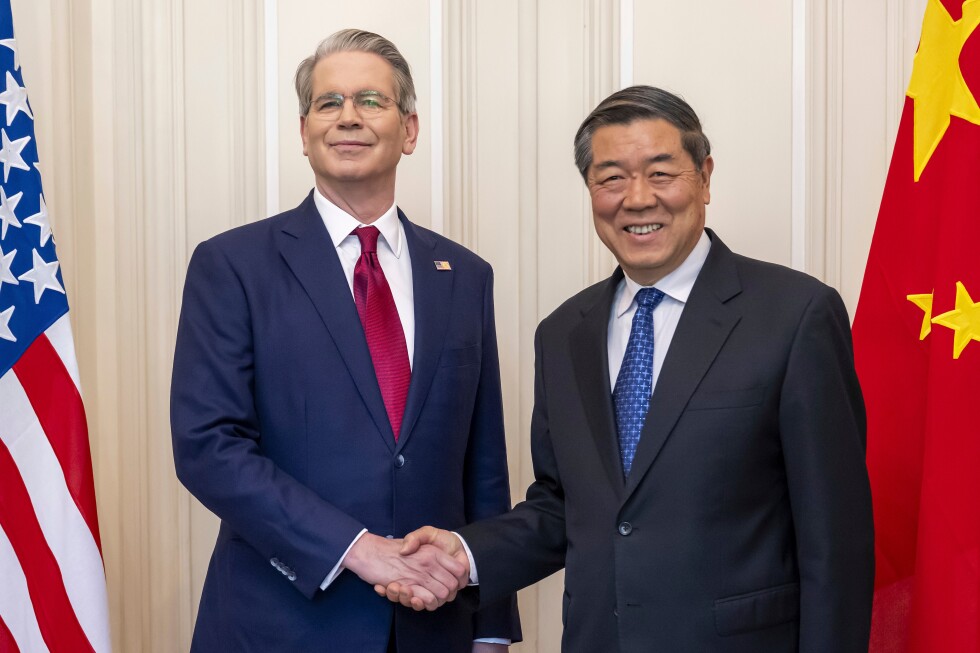
    Senior economic officials from the United States and China initiated crucial bilateral discussions in Paris on Sunday, setting the stage for a potential state visit by U.S. President Donald Trump to Beijing in late March. The negotiations between Treasury Secretary Scott Bessent and Chinese Vice Premier He Lifeng mark the latest diplomatic engagement between the world’s two largest economies amid ongoing trade tensions.

    The Paris meetings, confirmed by China’s Xinhua News Agency, represent the continuation of dialogue channels established throughout previous encounters in Geneva, London, Stockholm, Madrid, and Kuala Lumpur. While the White House has announced Trump’s planned visit from March 31 to April 2, Chinese authorities have maintained diplomatic discretion regarding final confirmation of the itinerary.

    This prospective visit would constitute President Trump’s first official trip to China since his 2017 state visit during his initial term. The summit would occur approximately five months after both leaders convened in Busan, South Korea, where they negotiated a temporary ceasefire in the trade conflict that had previously escalated with reciprocal tariffs exceeding triple-digit percentages.

    Current trade frictions persist as complicating factors, with China’s Commerce Ministry recently criticizing the Trump administration’s new trade investigation targeting 16 nations, including China. This probe, initiated following a Supreme Court decision invalidating previous global tariffs, potentially establishes legal groundwork for future trade restrictions.

    Regional security concerns, particularly regarding the Strait of Hormuz, may additionally feature in discussions. President Trump has publicly solicited international naval support from China and other nations to ensure safe passage through the critical oil transport corridor amid heightened Middle Eastern tensions.

    Economic analysts observe that the Paris dialogue represents perhaps the most significant bilateral engagement preceding the potential Xi-Trump summit. Gary Ng, Senior Economist at Natixis Bank, noted that managing policy inconsistencies remains Beijing’s primary concern, emphasizing the challenge of establishing reliable frameworks amid fluctuating U.S. trade positions.

    The diplomatic atmosphere appears cautiously optimistic, with Chinese Foreign Minister Wang Yi recently characterizing 2026 as a potentially landmark year for Sino-American relations, while acknowledging that high-level exchanges remain under active consideration.

  • Documentary series showcasing Beijing coming to streaming platforms this week

    Documentary series showcasing Beijing coming to streaming platforms this week

    A groundbreaking micro-documentary series offering unprecedented access to Beijing’s urban landscape is set to premiere across streaming platforms on March 17th. Titled ‘QiaoBeijing’ (literally ‘Bridges of Beijing’), the production takes viewers on an immersive journey through the Chinese capital’s diverse neighborhoods and waterways.

    The series traces a captivating route from Xizhimen to Tongzhou, following the scenic Liangma River to the historic Shichahai district, while simultaneously exploring the technological hub of Zhongguancun and the traditional alleyways of Beijing’s ancient hutong neighborhoods. Rather than conventional tourism coverage, the documentary adopts bridges as both physical and metaphorical connectors between the city’s past and present.

    Through intimate encounters with local residents, the series reveals how these architectural structures serve as social crossroads where traditional culture intersects with modern urban development. Each episode focuses on different bridge structures while exploring their cultural significance, engineering marvels, and role in daily Beijing life.

    The production represents a innovative approach to urban documentary filmmaking, utilizing cinematic techniques typically reserved for feature films to capture the capital’s architectural beauty throughout changing seasons. The timing coincides with growing international interest in Chinese urban development models and preservation efforts regarding historical landmarks.

    Early promotional materials suggest the series will address how Beijing maintains its cultural identity while evolving as a global metropolis, particularly examining how infrastructure projects accommodate both preservation and progress. The documentary’s release across multiple streaming platforms indicates targeted distribution toward both domestic and international audiences interested in Chinese culture, urban planning, and architectural history.

  • After quieter weeks, Taiwan reports large-scale Chinese military aircraft presence near the island

    After quieter weeks, Taiwan reports large-scale Chinese military aircraft presence near the island

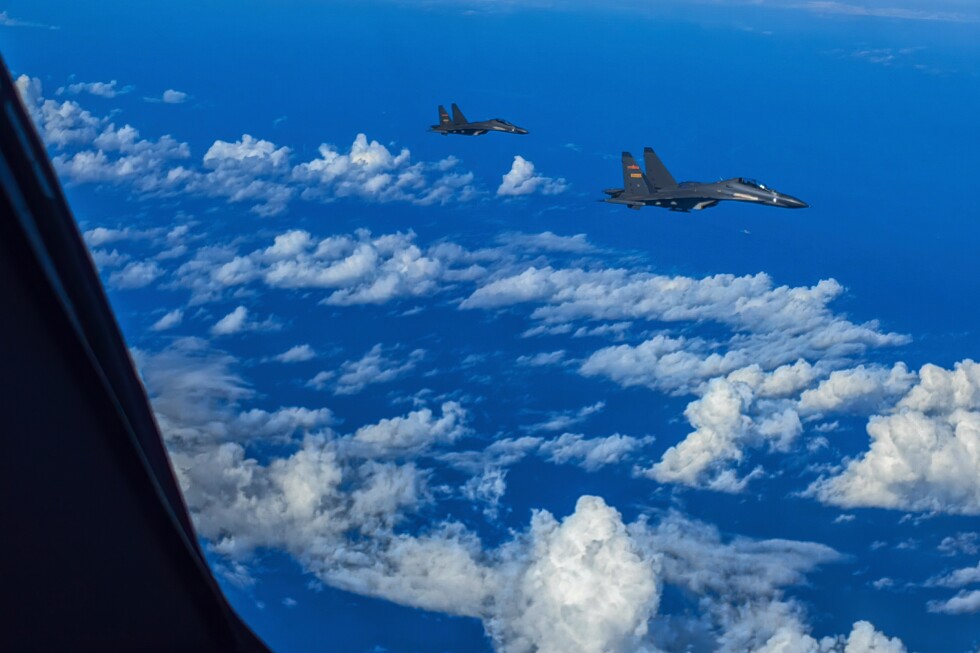
    HONG KONG — Taiwan’s defense ministry reported a significant resurgence of Chinese military aircraft operations around the island on Sunday, following an unusual two-week period of markedly reduced aerial activity that had puzzled regional security analysts.

    The ministry’s latest surveillance data indicates 26 Chinese military planes were detected in Taiwan’s vicinity on Saturday, with 16 aircraft penetrating the northern, central, and southwestern sectors of Taiwan’s Air Defense Identification Zone. Concurrently, seven Chinese naval vessels were observed operating in adjacent waters.

    This escalation ends a perplexing downturn in Chinese aerial operations that began during China’s annual legislative assembly in early March. From February 27 through March 5, Taiwan reported zero incursions by Chinese military aircraft across the median line into its defense zone—a striking deviation from the near-daily operations that have characterized Beijing’s military posture toward Taiwan in recent years.

    Security specialists have proposed multiple theories explaining the unusual reduction. While decreased military activity during major political events isn’t unprecedented, this year’s decline was substantially more pronounced than in previous years. Some analysts suggest China may have been attempting to de-escalate tensions ahead of a potential late-March visit by then-U.S. President Donald Trump, though Beijing never officially confirmed the planned diplomatic engagement.

    Alternative explanations point to possible structural changes within China’s military training protocols. Several observers noted the People’s Liberation Army might be implementing new joint training methodologies as part of its ongoing modernization program, potentially explaining the temporary reduction in aerial operations.

    Despite the fluctuating aerial presence, Taiwan’s defense establishment maintained that China’s naval assets remained consistently active in regional waters throughout the period. Defense Minister Wellington Koo emphasized that Taiwan’s military readiness remained unchanged during the reduction in Chinese flights.

    The resumption of aerial operations reinforces China’s persistent stance regarding Taiwan, which Beijing considers a breakaway province destined for eventual reunification—by military means if necessary. The two territories have functioned under separate governance structures since 1949, when Nationalist forces retreated to the island following their defeat in China’s civil war.

  • Bangladesh wins series 2-1 with 11-run win over Pakistan in 3rd ODI

    Bangladesh wins series 2-1 with 11-run win over Pakistan in 3rd ODI

    In a dramatic conclusion to their one-day international series, Bangladesh secured a hard-fought 2-1 series victory against Pakistan with an 11-run win in the final match at Dhaka on Sunday. The match reached its climax with Pakistani skipper Shaheen Shah Afridi being stumped off the very last delivery while attempting an improbable chase.

    The contest featured exceptional individual performances from both sides. Bangladesh’s opening batsman Tanzid Hasan announced his arrival on the international stage with a magnificent 107 runs, his maiden ODI century that provided the foundation for Bangladesh’s competitive total of 290-5. His innings featured seven sixes and six fours, demonstrating both power and precision on a challenging wicket.

    Pakistan’s response was spearheaded by Salman Ali Agha’s brilliant counterattacking 106 from 98 deliveries, including nine boundaries and four maximums. Despite his team’s precarious position at 82-5, Agha mounted a spectacular recovery effort through strategic partnerships with Saad Masood (38) and later with captain Afridi. His dismissal in the 48th over to Taskin Ahmed’s clever slower delivery ultimately proved decisive in the match outcome.

    Bangladesh’s pace attack, led by Taskin Ahmed’s impressive 4-49 and supported by Nahid Rana’s 2-62, consistently challenged Pakistan’s batting lineup throughout the chase. The visitors, fielding six debutants during the series as part of their rebuilding phase, showed remarkable resilience despite the defeat.

    Captain Mehidy Hasan Miraz praised his team’s performance, particularly highlighting Tanzid’s exceptional batting display. Pakistani skipper Shaheen Shah Afridi expressed pride in his young team’s fighting spirit, emphasizing that they “fought till the last ball” and promising continued support for the emerging talents.

  • Kazakhs vote in referendum on new constitution that could keep the president in power

    Kazakhs vote in referendum on new constitution that could keep the president in power

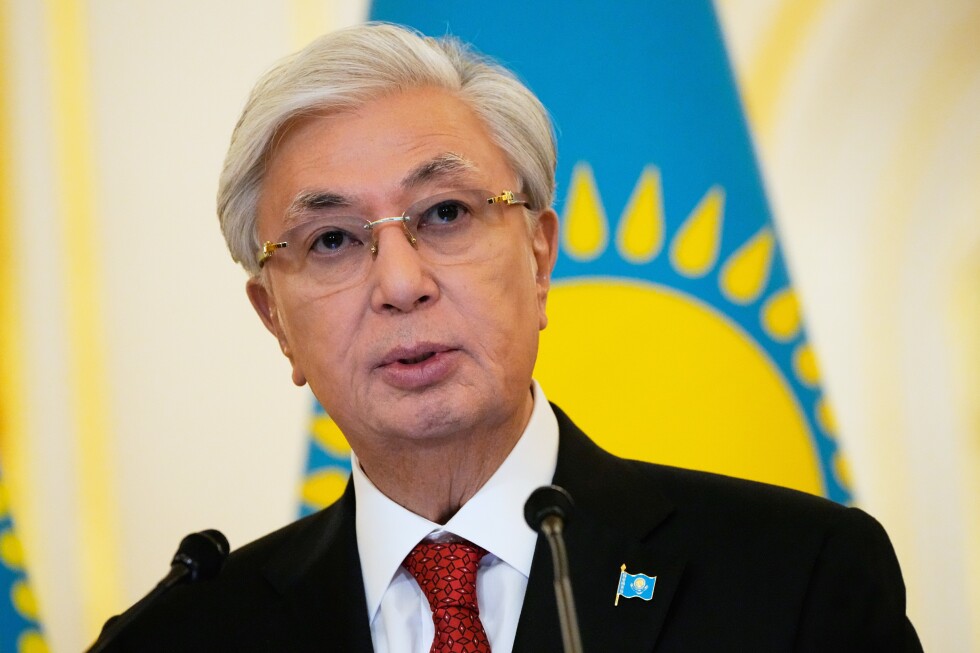
    Citizens of Kazakhstan are participating in a national referendum this Sunday to determine the fate of significant constitutional amendments that would substantially reshape the nation’s political landscape. The proposed changes, championed by President Kassym-Jomart Tokayev, represent the second major constitutional overhaul in just four years.

    The central provisions of the referendum include consolidating the parliament’s two chambers into a single legislative body and granting the president expanded authority to appoint all government officials. The reforms also reintroduce the position of vice-president, further concentrating executive power within the presidential administration.

    President Tokayev, a 72-year-old former Soviet official and Kazakh diplomat with prior service at the United Nations, has framed these constitutional modifications as necessary measures to enhance governmental efficiency. He argues that in an era of rapid global transformation, Kazakhstan requires streamlined decision-making processes to respond effectively to emerging challenges.

    However, political analysts monitoring Central Asian affairs suggest these reforms may serve a more strategic purpose. The current constitution limits President Tokayev to a single seven-year term ending in 2029. Experts including Temur Umarov, a fellow at the Carnegie Russia Eurasia Center, contend that the referendum could potentially reset presidential term limits, creating a constitutional loophole that would enable Tokayev to seek reelection beyond his mandated term.

    The outcome of this referendum will determine whether Central Asia’s largest nation moves toward a more centralized power structure, with implications for both domestic governance and Kazakhstan’s positioning within the complex geopolitical landscape of the region.

  • Japan routs Philippines 7-0 to reach Women’s Asian Cup semis and clinch a World Cup spot

    Japan routs Philippines 7-0 to reach Women’s Asian Cup semis and clinch a World Cup spot

    In a spectacular display of offensive prowess, Japan’s women’s national football team demolished the Philippines 7-0 in Sunday’s Women’s Asian Cup quarterfinal, simultaneously securing their qualification for the 2027 World Cup and advancing to the tournament’s semifinal round. The commanding victory showcased Japan’s tournament dominance, having now scored 24 goals without conceding any in the current championship.

    Tottenham defender Toko Koga, aged 20, emerged as the standout performer with two headed goals—one in first-half stoppage time and another in the 76th minute. Despite completely controlling possession and field position, Japan faced unexpected resistance from a determined Philippine defense during the first half, with goalkeeper Nina Meollo initially keeping the match scoreless.

    The breakthrough finally came through Mina Tanaka’s close-range header following a goalmouth scramble, immediately transforming the game’s dynamics. This ignited a scoring cascade, with Koga adding her first just three minutes later. The second half witnessed continued Japanese dominance with Remina Chiba (65th minute) and Manaka Matsukubo (67th minute) scoring in quick succession before Koga’s second strike. Substitutes Momoko Tanikawa and Riko Ueki completed the rout with additional goals in the final four minutes of regulation.

    Philippines coach Mark Torcaso acknowledged the quality of their opponents, stating: ‘Obviously it’s tough to take but you’re playing probably the best team in Asia… probably one of the top five teams in the world. Our girls showed tremendous determination in that first half.’

    Japan now prepares to face 2022 runner-up South Korea on Wednesday for a chance to advance to the championship final. Head coach Nils Nielsen maintained perspective despite the emphatic victory, noting: ‘It’s always nice to score a lot of goals and for the players to show what they can do, but it’s not going to help us against Korea.’

    The semifinal qualification carries additional significance as all four semifinalists automatically secure placement in the 2027 Women’s World Cup, while losing quarterfinalists enter playoffs for two remaining spots. The tournament continues with China set to face host Australia in the other semifinal matchup.