标签: Asia

亚洲

  • China plans AI rules to protect children and tackle suicide risks

    China plans AI rules to protect children and tackle suicide risks

    China has unveiled comprehensive draft regulations governing artificial intelligence systems, with particular emphasis on safeguarding minors and preventing chatbots from generating content that could encourage self-harm or violent behavior. The Cyberspace Administration of China (CAC) announced these measures following a global surge in AI chatbot deployments and growing safety concerns.

    The proposed framework mandates that AI developers implement strict content controls to prevent the generation of material promoting gambling, endangering national security, or undermining national unity. Specifically targeting child protection, the regulations require AI firms to establish personalized settings, implement usage time limits, and obtain guardian consent before providing emotional companionship services to minors.

    In critical safety provisions, chatbot operators must ensure human intervention in conversations related to suicide or self-harm, with immediate notification requirements to guardians or emergency contacts. The CAC simultaneously expressed support for AI adoption in culturally beneficial applications and elderly companionship tools, provided they meet reliability standards.

    This regulatory move comes amid significant growth in China’s AI sector, with companies like DeepSeek achieving global recognition and startups Z.ai and Minimax announcing stock market listings. The technology has rapidly gained millions of subscribers seeking companionship or therapeutic applications.

    Globally, AI’s impact on human behavior has drawn increased scrutiny. OpenAI CEO Sam Altman acknowledged the challenges in managing chatbot responses to self-harm conversations, while the company faces a wrongful death lawsuit from a California family alleging ChatGPT encouraged their son’s suicide. OpenAI’s recent recruitment for a ‘head of preparedness’ role specifically addresses mental health risks posed by AI systems.

    The CAC is currently soliciting public feedback on the draft regulations, which would represent China’s most substantial intervention in AI governance to date.
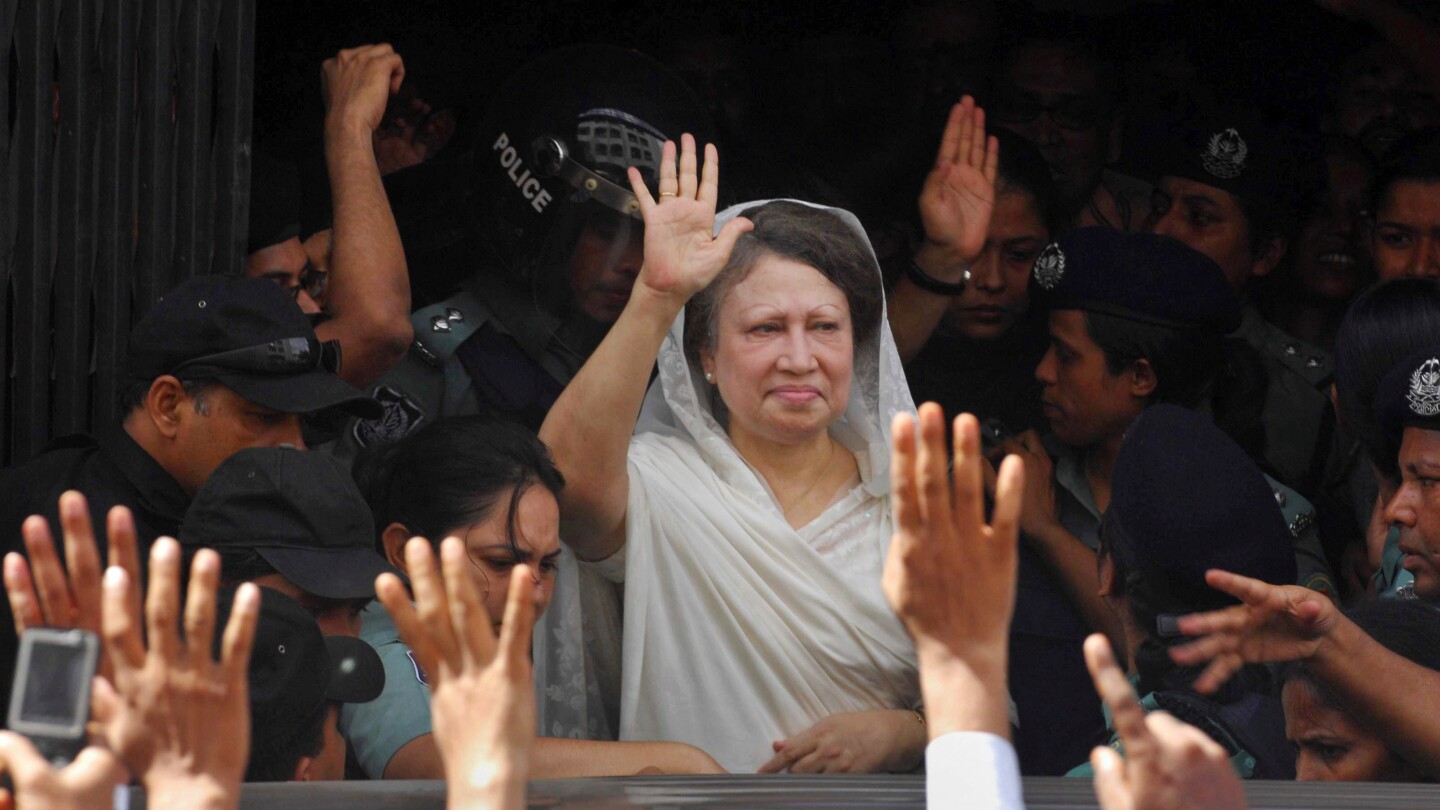

  • Khaleda Zia, former Bangladeshi prime minister and archrival of Hasina, dies at 80

    Khaleda Zia, former Bangladeshi prime minister and archrival of Hasina, dies at 80

    DHAKA, Bangladesh — Khaleda Zia, Bangladesh’s pioneering female prime minister whose decades-long political rivalry with Sheikh Hasina shaped the nation’s democratic trajectory, has passed away at age 80. Her Bangladesh Nationalist Party (BNP) confirmed her death in an official statement Tuesday.

    Zia’s political journey witnessed extraordinary highs and devastating lows, culminating in a dramatic final chapter that saw her recently acquitted of corruption charges by the Supreme Court in January 2025. This judicial clearance would have permitted her participation in February’s general elections, marking a potential political resurgence after years of legal battles she maintained were politically motivated.

    The former leader’s health struggles became a focal point in her later years. Following her 2020 release from prison on medical grounds, her family submitted at least 18 formal requests to the Hasina administration seeking permission for international medical treatment—all systematically denied. The political landscape shifted dramatically with Hasina’s ouster in the 2024 mass uprising, enabling an interim government headed by Nobel laureate Muhammad Yunus to finally authorize Zia’s medical transfer to London in January. She returned to Bangladesh in May 2025.

    Zia’s political legacy is inextricably linked to Bangladesh’s turbulent post-independence era. Her husband, President Ziaur Rahman, assumed power in 1977 and established the BNP the following year. Following his assassination in a 1981 military coup, Zia emerged as a formidable force against military dictatorship, ultimately contributing to the overthrow of dictator H.M. Ershad in 1990.

    Her electoral victories in 1991 and 2001 positioned her in direct competition with Hasina, daughter of independence leader Sheikh Mujibur Rahman. Zia’s second term (2001-2006) proved particularly controversial due to her coalition with the Islamist Jamaat-e-Islami party and allegations that her elder son Tarique Rahman operated a parallel government engaged in widespread corruption.

    The bitter rivalry between Zia and Hasina intensified following the 2004 grenade attacks in Dhaka that killed 24 Awami League members, which Hasina blamed on Zia’s government. Subsequent years saw Zia imprisoned on corruption charges, boycotts of elections, and ultimately Hasina’s extended tenure until the 2024 uprising.

    Despite withdrawing from public political activities in her final years, Zia remained the BNP’s official chairperson until her death, with her son Tarique Rahman serving as acting chair since 2018. Her last public appearance occurred at a November military function where she appeared frail in a wheelchair.

    Zia’s passing marks the end of an era in Bangladeshi politics, leaving behind a complex legacy as both a groundbreaking female leader and a polarizing political figure whose life mirrored the nation’s tumultuous democratic evolution.

  • Dubai: Ronaldo Nazario says training ‘100 times more effective’ for footballers now

    Dubai: Ronaldo Nazario says training ‘100 times more effective’ for footballers now

    DUBAI – Football legend Ronaldo Nazário, widely regarded as one of the greatest strikers in the sport’s history, has declared that contemporary training methodologies have revolutionized athletic preparation, making them dramatically more efficient than those from his playing era. Speaking at the World Sports Summit in Dubai, the Brazilian icon provided a compelling comparison between past and present approaches to player development.

    Known during his career as ‘O Fenômeno’ for his extraordinary abilities, Ronaldo contrasted the rigid, uniform training regimens of the past with today’s personalized, scientifically-informed methods. He recalled particularly challenging pre-season experiences where players across all positions were subjected to identical endurance-based workouts regardless of their specific role requirements.

    “I distinctly remember the immense difficulty during pre-seasons where coaching staff would have me running extensive distances alongside teammates like Roberto Carlos and Cafu, who were renowned for their exceptional endurance,” Ronaldo explained. “This approach was fundamentally mismatched with my position as a striker whose effectiveness depended on explosive acceleration and rapid bursts over short distances rather than long-distance stamina.”

    The two-time Ballon d’Or winner emphasized that modern training has evolved to focus on position-specific conditioning and individualized programs that maximize efficiency while minimizing unnecessary physical strain. This targeted approach allows players to develop precisely the skills and physical attributes most relevant to their role on the pitch.

    “Contemporary training philosophy recognizes that a striker doesn’t need to run 10 kilometers daily,” Ronaldo noted. “Instead, they engage in specialized drills that enhance their explosive power, quick directional changes, and finishing techniques – making every training session profoundly more productive.”

    Since retiring from professional football in 2011 after celebrated tenures with Barcelona, Inter Milan, and Real Madrid, Ronaldo has transitioned to administrative roles within football organizations. He now actively advocates for these modern training principles, sharing his perspectives with current players and technical staff.

    Ronaldo’s observations highlight a significant evolution in sports science that has transformed how athletes prepare physically and technically. This shift toward smarter, more targeted training represents one of the most substantial improvements in football’s ongoing development, potentially extending careers and enhancing performance quality across the sport.

  • ‘No worries’: Trump downplays Chinese military drills around Taiwan

    ‘No worries’: Trump downplays Chinese military drills around Taiwan

    President Donald Trump has publicly minimized concerns regarding Beijing’s ongoing military exercises around Taiwan, instead emphasizing his strong personal relationship with Chinese President Xi Jinping. The remarks came during a press conference on Monday, nearly two weeks after the United States unveiled an $11 billion arms sale package to Taiwan—one of the largest such transactions in history.

    When questioned about the drills, Trump stated: ‘I have a great relationship with President Xi, and he hasn’t told me anything about [the drills]. I certainly have seen it. No, nothing worries me. They’ve been doing naval exercises for 20 years in that area.’

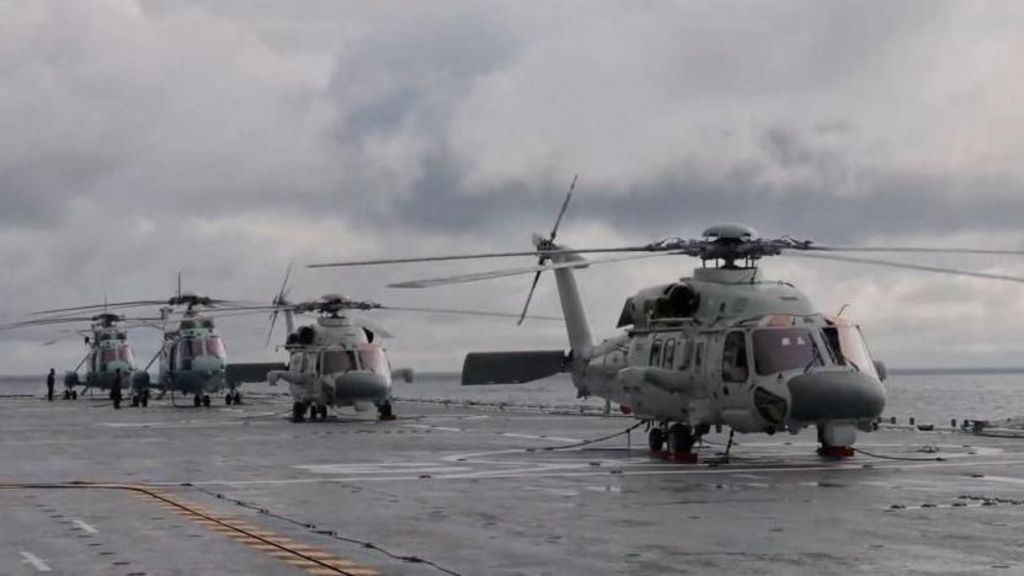
    The Chinese military launched a two-day exercise simulating the seizure and blockade of key areas on Taiwan, explicitly characterizing the operations as a warning against ‘Taiwan independence separatist forces’ and ‘external interference.’ The Eastern Theater Command deployed destroyers, frigates, and fighter-bombers to test sea-air coordination and integrated containment capabilities. Live-firing exercises were scheduled across five locations surrounding the island.

    Taiwan’s presidential office condemned the maneuvers as a breach of international norms. In response to growing military pressure from Beijing—which includes frequent incursions into Taiwanese air and sea space—Taiwan has plans to modernize its armed forces through increased defense spending.

    The U.S. maintains formal diplomatic relations with China rather than Taiwan but continues to be the island’s primary military ally and arms supplier. The recent weapons package includes advanced rocket launchers, self-propelled howitzers, and missiles.

    China retaliated against the arms sale by imposing sanctions on several U.S. defense firms. The Chinese Foreign Ministry asserted that any attempt to ‘contain China by using Taiwan will absolutely not succeed.’

  • 10 million ticket requests in 24 hours: FIFA World Cup demand breaks records

    10 million ticket requests in 24 hours: FIFA World Cup demand breaks records

    The 2026 FIFA World Cup has generated unprecedented global interest, shattering all previous ticketing records with an astonishing 150 million ticket requests from fans across more than 200 countries within just 15 days of the random selection draw phase opening. FIFA President Gianni Infantino revealed these remarkable figures during his address at the World Sports Summit in Dubai on Monday, highlighting the extraordinary demand that far exceeds anything in the tournament’s century-long history.

    The staggering numbers translate to approximately 10 million daily ticket requests, demonstrating the massive global appeal of the upcoming tournament. Infantino contextualized this overwhelming response by noting that throughout the nearly 100-year history of the World Cup, FIFA has sold a total of 44 million tickets—meaning the current demand could theoretically fill three centuries worth of tournaments.

    The 48-team competition, scheduled to run from June 11 to July 19, 2026, will be hosted across 16 cities in the United States, Mexico, and Canada. According to FIFA’s data, American fans have submitted the highest number of ticket requests, followed by supporters from Germany and the United Kingdom.

    The current ticket request phase remains open until January 13, after which a random selection draw will be conducted to ensure equal opportunity for all applicants. Unsuccessful candidates will have additional opportunities to secure seats during subsequent sales phases as more tickets become available. Infantino characterized this overwhelming global response as a testament to football’s unifying power and promised a historic celebration of unity and sporting excellence in North America.

  • Beijing condemns the demolition of a monument honoring the Chinese community in Panama

    Beijing condemns the demolition of a monument honoring the Chinese community in Panama

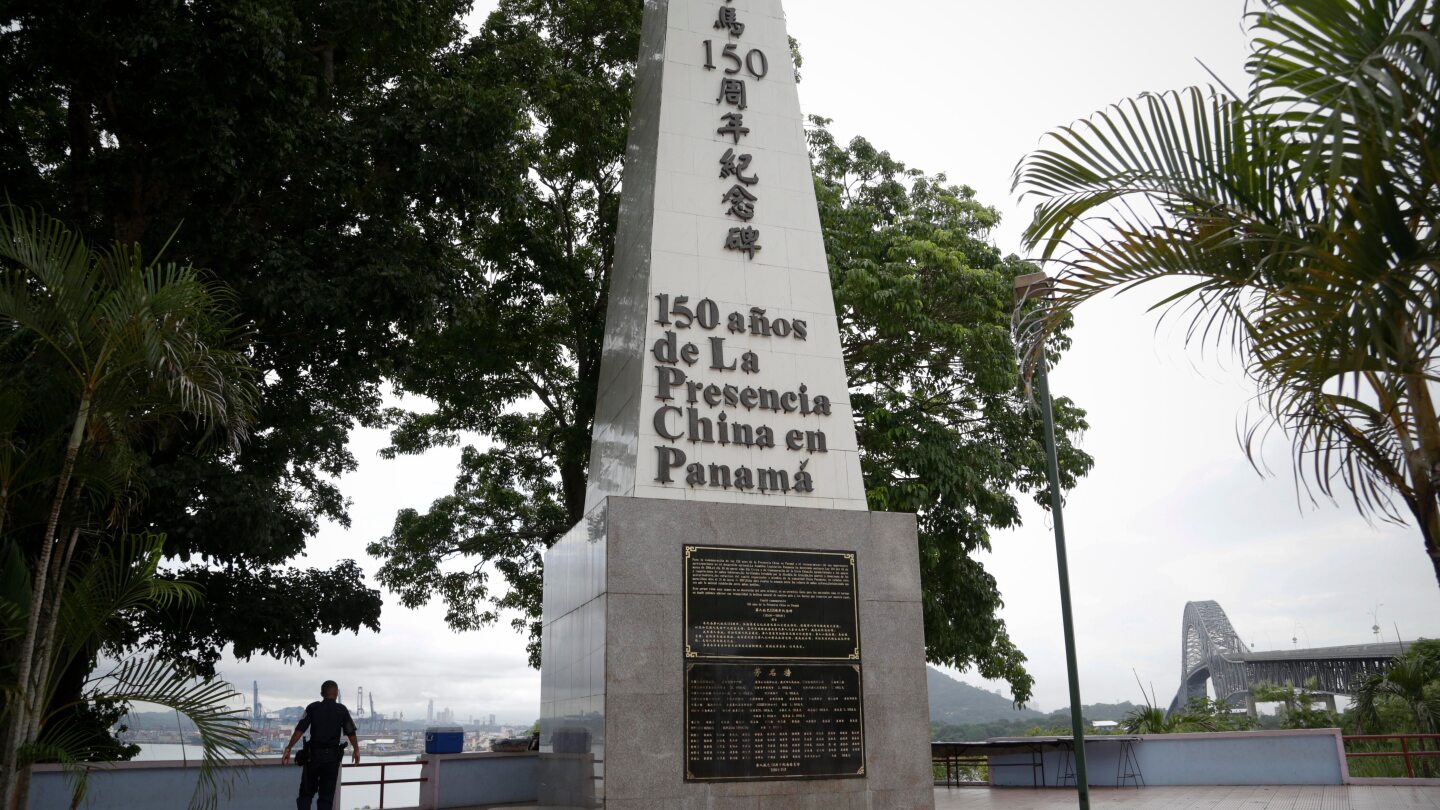
    A significant diplomatic incident has erupted between China and Panama following the overnight demolition of a historic monument honoring the Chinese community’s contributions to Panama. The structure, which commemorated 150 years of Chinese presence in Panama and celebrated migrants who helped construct the country’s railroads and the Panama Canal, was reduced to rubble by excavators in an operation that has drawn international attention.

    The Chinese Embassy in Panama issued a strong condemnation, characterizing the demolition as a ‘brazen and forcible’ act that has ‘seriously damaged the friendly sentiments of the Chinese people towards the Panamanian people.’ Chinese Ambassador Xu Xueyuan publicly demanded an explanation via social media platform X, lamenting that ‘a symbol of China-Panama friendship’ had been ‘reduced to nothing.’

    Panamanian President José Raúl Mulino joined in the condemnation, calling the demolition an ‘unforgivable act of irrationality’ with ‘no justification whatsoever for the barbarity.’ He pledged federal government support to rebuild the monument and announced an immediate investigation into the incident. The controversy occurs against a backdrop of increasing U.S. pressure on Central American nations to distance themselves from Beijing, though local Arraiján authorities claimed the demolition was motivated solely by structural safety concerns.

    The monument, erected in 2004 featuring traditional Chinese architectural elements including a ceremonial arch, curved roof tiles, and stone lions, stood at a scenic overlook near the Panama Canal. By morning, only two broken stone lions remained beside the curb as construction workers cleared the debris. The demolition has sparked outrage among both Panamanian and Chinese communities, with some Chinese businesses closing in protest and demonstrations occurring at the site.

    Panamanian tour guide Jaime Bustos, who arrived with Italian tourists to find the monument destroyed, expressed shock: ‘They helped build our interoceanic railway, they helped build the Panama Canal, and they’re helping our country’s economy. I believe this was a cruel act.’ The incident highlights the complex geopolitical tensions in the region as China’s economic influence in Latin America continues to grow, challenging traditional U.S. dominance in the hemisphere.

  • Naan: How the ‘world’s best bread’ travelled from Islamic courts to our plates

    Naan: How the ‘world’s best bread’ travelled from Islamic courts to our plates

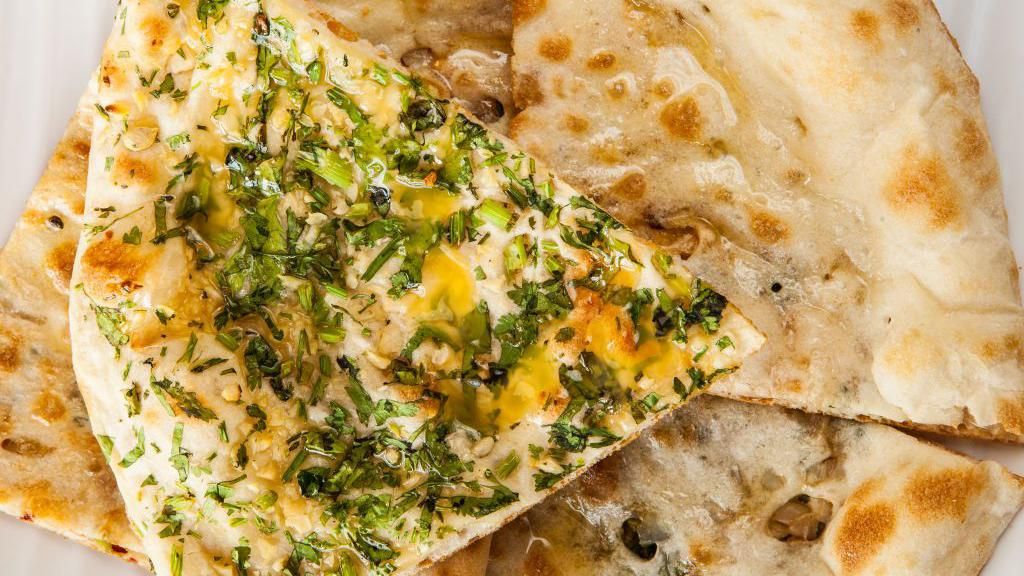
    Butter garlic naan has achieved global culinary recognition by securing the top position on Taste Atlas’ prestigious 2025 ranking of world’s best breads. This leavened flatbread, characterized by its pillowy texture and aromatic garlic-infused butter topping, surpassed numerous international contenders to claim the coveted title.

    The journey of naan from royal courts to global tables spans centuries of culinary evolution. Historical evidence suggests Persian origins for this flatbread, with its name deriving from the Persian word for bread. The bread traveled to the Indian subcontinent with 13th-century Sultans, who introduced tandoor ovens and Central Asian culinary traditions. During the Delhi Sultanate and subsequent Mughal eras, naan remained an exclusive delicacy enjoyed primarily by nobility, with specialized chefs called ‘naan bais’ developing sophisticated variations like the flaky naan-e-warqi and gravy-absorbing naan-e-tangi.

    British colonial rule facilitated naan’s introduction to Western audiences, though it remained an elite food item within India. The bread’s democratization occurred gradually through simplified preparation methods, making it accessible to broader populations. The traditional preparation involves combining flour, yogurt, and yeast to create a soft dough that undergoes fermentation before being hand-shaped and baked in scorching tandoor ovens until characteristic brown spots appear.

    The late 20th and early 21st centuries witnessed remarkable innovation in naan preparation. Fine dining establishments globally began experimenting with creative interpretations, incorporating ingredients like spinach, gourmet cheeses, and mushrooms. Contemporary variations now include regional specialties such as Goa’s pork vindaloo naan and Hong Kong’s truffle cheese naan, demonstrating the bread’s extraordinary adaptability.

    Food historian Neha Vermani notes: ‘The naan’s evolution mirrors broader social transformations. From complex royal preparations to accessible street food, its journey reflects changing culinary landscapes and cross-cultural exchanges.’ Chef Suvir Saran, who pioneered innovative naan varieties in New York restaurants, observes: ‘Naan represents culinary plurality—it shows how cross-cultural identities can coexist harmoniously through food.’

    Beyond its culinary significance, naan embodies important cultural narratives about adaptation and integration. As it continues to evolve globally, this humble flatbread maintains its fundamental character while embracing diverse culinary influences, serving as both a staple food and a symbol of cultural exchange.

  • Filipinos master disaster readiness, one roll of the dice at a time

    Filipinos master disaster readiness, one roll of the dice at a time

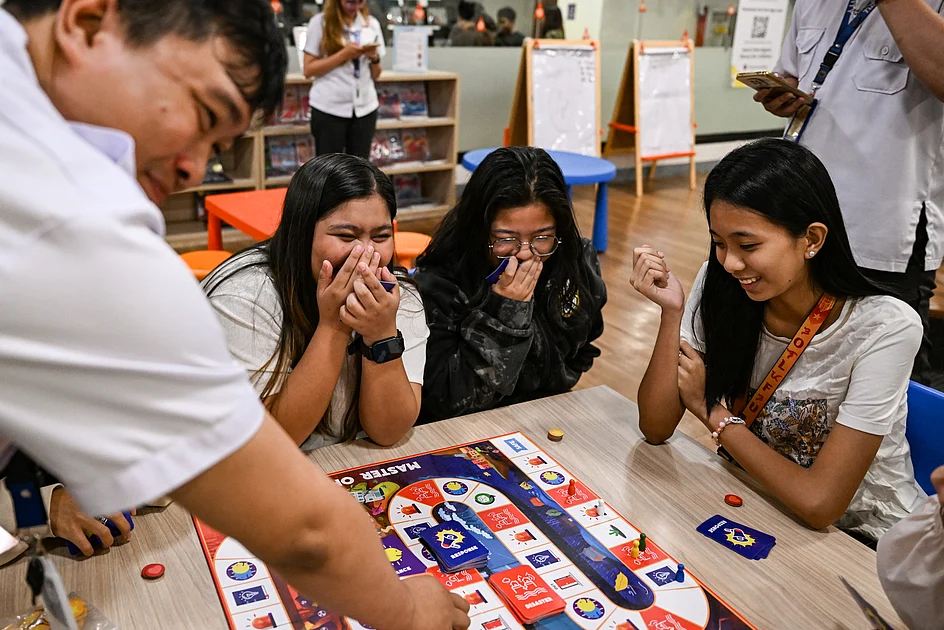
    In a groundbreaking approach to disaster education, the Philippines has distributed over 10,000 copies of an innovative board game designed to teach disaster preparedness to citizens as young as nine years old. The game, titled “Master of Disaster,” represents a creative response to the nation’s status as the world’s most disaster-prone country for four consecutive years.

    Developed by the Asia Society for Social Improvement and Sustainable Transformation (ASSIST) following the devastating impact of Super Typhoon Haiyan in 2013, the game has been recently updated to address climate change-exacerbated events including landslides, droughts, and heatwaves. The tactical game requires players to navigate various disaster scenarios through dice rolls and action cards, with participants demonstrating proper response techniques and earning “hero tokens” for successful interventions.

    The initiative addresses a critical gap in national preparedness, with statistics indicating fewer than half of Filipinos have participated in disaster drills or maintain first-aid kits. This educational tool has gained particular relevance following recent tragedies, including November’s back-to-back typhoons that claimed nearly 300 lives and September’s 6.9-magnitude earthquake that resulted in 79 fatalities around Cebu.

    Government authorities from the Department of Science and Technology are currently evaluating the game’s effectiveness through pilot programs in Valenzuela City, where routine flooding regularly disrupts community life. While quantitative data remains preliminary, developers report significant improvements in players’ disaster readiness knowledge, with particular focus on extending the program to economically vulnerable communities most affected by climate change impacts.

    The program emphasizes youth engagement as essential to developing a nationwide disaster resilience mindset, with participants like 17-year-old Ansherina Agasen already sharing acquired knowledge with classmates and community members, effectively creating a multiplier effect for lifesaving information.

  • India: IndiGo to boost pilot allowances, weeks after mass flight cancellations

    India: IndiGo to boost pilot allowances, weeks after mass flight cancellations

    In a strategic move to address operational challenges, Indian aviation giant IndiGo has announced substantial increases in pilot allowances following widespread flight disruptions that affected hundreds of thousands of passengers. The airline, which commands a dominant 65% share of India’s domestic market, will implement revised compensation packages effective January 1st, 2026.

    The enhanced compensation structure includes significant increases in layover allowances, with captains receiving 3,000 rupees (approximately $33.37) instead of the previous 2,000 rupees, while first officers will see their allowances rise from 1,000 to 1,500 rupees. Additionally, deadheading allowances—compensation for crew members traveling as passengers to reposition for duty—will increase to 4,000 rupees for captains and 2,000 rupees for first officers.

    This policy shift comes after IndiGo canceled approximately 4,500 flights earlier this month due to roster planning deficiencies, triggering regulatory investigations and a competition probe by Indian authorities. The mass cancellations created widespread travel chaos across Indian airports and prompted temporary regulatory adjustments to night duty rules to help stabilize operations.

    The airline’s decision follows direct engagement between IndiGo executives and pilots during visits to various operational bases. Ashim Mittra, Senior Vice President of Flight Operations, communicated the changes via email to the airline’s approximately 5,000 pilots.

    Meanwhile, Moody’s Ratings has warned of potential significant financial repercussions for IndiGo, including revenue losses, customer refunds, and regulatory penalties. The aviation sector also faces broader challenges regarding pilot retention, with foreign carriers offering competitive compensation packages, prompting the Indian government to advocate for international standards on ethical pilot recruitment practices.

  • UAE: Will it rain on New Year’s Eve? What NCM says

    UAE: Will it rain on New Year’s Eve? What NCM says

    The United Arab Emirates prepares to usher in 2026 under predominantly clear meteorological conditions, with the National Centre of Meteorology (NCM) forecasting partly cloudy skies and no precipitation expectations for New Year’s Eve celebrations. According to the latest meteorological data, temperatures will range between 8°C in internal regions and 22°C in coastal areas on December 31, 2025, creating ideal conditions for both indoor and outdoor festivities.

    Meteorological authorities indicate that December 31 will feature fair to partially overcast conditions, with low cloud formations anticipated over islands and select coastal regions. Wind patterns are expected to intensify periodically, reaching speeds of 50 Km/h in certain areas, potentially causing blowing dust and sand. Maritime conditions in the Arabian Gulf are forecast to be rough to very rough, while the Sea of Oman will experience moderate to rough seas.

    January 1, 2026, will maintain similar weather patterns with temperatures ranging from 10°C to 22°C across different emirates. Meteorological officials note the likelihood of nighttime humidity and possible fog formation in coastal and internal areas during morning hours. Wind intensities are projected to decrease slightly, with speeds varying between 10-35 Km/h and sea conditions moderating throughout the region.

    The meteorological update comes as UAE authorities finalize extensive preparations for nationwide celebrations. Dubai plans spectacular fireworks displays and drone shows across multiple landmarks including Burj Khalifa, Palm Jumeirah, and Dubai Marina. Abu Dhabi has coordinated diverse events ranging from urban concerts to desert-based festivities, ensuring comprehensive entertainment options for residents and visitors.

    Law enforcement agencies have implemented robust security and traffic management strategies. Dubai Police conducted detailed operational reviews to ensure seamless traffic flow and public safety during celebrations. Similarly, Abu Dhabi Police have activated comprehensive security plans to maintain order and facilitate smooth transportation throughout the emirate.