标签: Asia

亚洲

  • Mosque gunman wanted online fame. A muted court hearing shows how New Zealand has tried to curb that

    Mosque gunman wanted online fame. A muted court hearing shows how New Zealand has tried to curb that

    WELLINGTON, New Zealand — New Zealand’s judicial system conducted a deliberately subdued hearing this week for the nation’s most notorious criminal, Brenton Tarrant, who sought to retract his guilty pleas for the 2019 Christchurch mosque massacres that claimed 51 Muslim worshippers’ lives.

    The Australian white supremacist’s appeal proceedings unfolded with remarkable restraint at the Court of Appeal in Wellington. Only nine journalists, nine lawyers, and essential court staff were present in the near-empty courtroom, with the public gallery deliberately kept vacant. This calculated minimalism reflects New Zealand’s systematic approach to denying Tarrant the platform and notoriety he previously sought through his racially motivated violence.

    Tarrant, 35, currently serving life imprisonment without parole, claimed through video conference from Auckland Prison that his 2020 guilty pleas to charges of terrorism, murder, and attempted murder were “irrational” admissions made during a “nervous breakdown” induced by his solitary confinement conditions.

    Crown lawyers Barnaby Hawes and Madeleine Laracy presented compelling counterarguments, emphasizing that multiple mental health experts had previously determined Tarrant fit to enter pleas. They characterized the defendant as “an unreliable witness” whose narrative should be “treated with caution.” The prosecution highlighted the overwhelming evidence against Tarrant, including his own livestreamed recording of the attacks, which made a guilty verdict inevitable regardless of trial proceedings.

    Notably absent from the weeklong hearing was any substantive discussion of Tarrant’s white supremacist ideology or the detailed motivations behind his attacks. This omission reflects New Zealand’s broader strategy of suppressing the dissemination of his hateful manifesto and violent imagery, which remain legally prohibited throughout the country.

    The judicial approach stands in stark contrast to other high-profile trials of racist murderers, such as Norway’s extensive coverage of Anders Breivik, whom Tarrant cited as an inspiration. New Zealand’s justice system has implemented measures to minimize public exposure to the shooter, with even news organizations practicing restrained reporting by limiting mentions of his name.

    Crown lawyers emphasized that continuing legal proceedings cause “immense distress” to survivors and victims’ families, hindering their healing process. A three-judge panel will deliver its decision within the coming months, with 90% of appeals court judgments typically issued within three months of hearing conclusion.

    If unsuccessful in revoking his guilty pleas, Tarrant’s case will return to the appeals court for a separate hearing challenging his life sentence without parole.

  • Who is Tarique Rahman, set to become Bangladesh’s next PM?

    Who is Tarique Rahman, set to become Bangladesh’s next PM?

    Tarique Rahman stands on the brink of assuming Bangladesh’s premiership after his Bangladesh Nationalist Party (BNP) clinched a decisive parliamentary majority in the recent general election. The 60-year-old scion of Bangladesh’s influential Zia political dynasty now prepares to lead the nation following a victory that marks a significant shift in the country’s political landscape.

    Rahman’s ascent to power culminates a complex political journey characterized by familial legacy, controversy, and personal tribulation. His elevation to BNP chairman occurred mere weeks before the national polls, succeeding his mother Khaleda Zia—the nation’s first female prime minister—following her recent passing. The Zia family has remained a dominant force in Bangladeshi politics for decades, with both parents having previously governed the country.

    Rahman’s political initiation commenced in 2001 during his mother’s second premiership, though his rapid promotion within party ranks drew immediate accusations of nepotism from opposition forces. His tenure has been shadowed by persistent allegations of corruption and authoritarian leadership styles, with critics labeling him a party ‘hatchet man’ responsible for enforcing discipline.

    The new leader’s path included significant personal challenges: his 2007 arrest under a military-backed caretaker government, allegations of torture during detention, and subsequent 17-year exile in London. During this period, Rahman faced multiple in absentia convictions including charges related to a deadly 2004 grenade attack on a political rally—all of which were eventually overturned.

    Despite physical absence, Rahman maintained substantial influence over BNP strategy and operations, assuming de facto leadership after his mother’s 2018 imprisonment. His December 2025 return to Bangladesh preceded his formal election as party chairman in January, a transition some analysts deemed inevitable given the family’s entrenched political position.

    While some dismiss dynasty politics as irrelevant to effective governance, observers note that Rahman’s true test will be transitioning from party leadership to national statesmanship. Having experienced both the brutal realities of Bangladeshi politics and extended political exile, his capacity to transform personal experience into effective national leadership remains the critical question facing the nation.

  • Australia wins the toss and fields against Zimbabwe at the T20 World Cup

    Australia wins the toss and fields against Zimbabwe at the T20 World Cup

    COLOMBO, Sri Lanka — Australia’s cricket team made strategic adjustments to its lineup as it faced Zimbabwe in a highly anticipated T20 World Cup match on Friday. Captain Mitchell Marsh, who had been sidelined with a testicular injury sustained during pre-match net practice, continued his recovery process while Travis Head retained leadership duties for the encounter.

    The Australian squad implemented two significant changes from their opening victory against Ireland. Middle-order batsman Tim David returned to active play following hamstring rehabilitation that had excluded him from the Big Bash League, replacing Cooper Connolly. Simultaneously, fast bowler Xavier Bartlett made way for Ben Dwarshuis in the bowling department.

    Zimbabwe, fresh from their commanding eight-wicket triumph over Oman, correspondingly adjusted their roster with two modifications. Veteran batsman Brendan Taylor, who retired hurt during the initial match, was substituted by wicketkeeper-batter Tadiwanashe Marumani. The team management opted to rest pace bowler Richard Ngarava, introducing Tony Munyonga into the playing eleven.

    This confrontation marked the first T20 World Cup meeting between the nations since Zimbabwe’s memorable five-wicket upset against Australia during the tournament’s inaugural 2007 edition. The historical context added significance to the Group B encounter as both teams sought to strengthen their positions in the competition.

    Later Friday fixtures featured associate nations in Group D and Group A matches. The United Arab Emirates pursued their first tournament victory against Canada in New Delhi, while the United States, having previously fallen to India and Pakistan, confronted the Netherlands in Chennai.

    Lineups:
    Zimbabwe: Brian Bennett, Tadiwanashe Marumani, Dion Myers, Sikandar Raza (captain), Ryan Burl, Tony Munyonga, Tashinga Musekiwa, Brad Evans, Wellington Masakadza, Graeme Cremer, Blessing Muzarabani.
    Australia: Travis Head (captain), Josh Inglis, Cameron Green, Tim David, Glenn Maxwell, Marcus Stoinis, Matt Renshaw, Ben Dwarshuis, Nathan Ellis, Matt Kuhnemann, Adam Zampa.

  • Trump will announce ‘multi-billion’ Gaza reconstruction and stabilisation force on 19 February: Report

    Trump will announce ‘multi-billion’ Gaza reconstruction and stabilisation force on 19 February: Report

    President Donald Trump is preparing to present a comprehensive multi-billion-dollar reconstruction initiative for Gaza alongside details of a United Nations-mandated stabilization force during the inaugural ‘Board of Peace’ summit on February 19th in Washington, DC. The meeting will convene approximately 20 nations, including multiple heads of state, marking a significant diplomatic effort to address the Gaza crisis.

    The Board of Peace, initially announced by Trump at last month’s Davos Economic Forum, incorporates nearly all major Middle Eastern powers including Qatar, UAE, Saudi Arabia, and Turkey, with additional participation from Pakistan, Armenia, Azerbaijan, and Indonesia. Reuters reports that Trump will announce commitments from several nations to contribute thousands of troops to the proposed stabilization force.

    Indonesia has emerged as a potential major contributor, with Army Chief of Staff Maruli Simanjuntak and President Prabowo Subianto confirming preparations to deploy up to 8,000 soldiers should an agreement be finalized. ‘We are just preparing ourselves in case an agreement is reached and we have to send peacekeeping forces,’ Prabowo stated to journalists.

    The financial architecture of the reconstruction plan envisions wealthier Gulf states including Saudi Arabia, Qatar, and the UAE funding Gaza’s rebuilding. However, these nations have expressed reservations. Saudi Crown Prince Mohammed bin Salman previously demurred when asked about financial contributions, while Qatari Prime Minister Mohammed bin Abdulrahman al-Thani explicitly stated in December that Qatar would not ‘write the check to rebuild what others destroyed,’ referencing Israel’s destructive operations.

    The proposal faces significant geopolitical challenges. Arab and Muslim states remain hesitant to deploy troops, concerned about being positioned between an armed Hamas and Israeli soldiers who continue to occupy approximately 53% of the enclave. Many fear their forces could be perceived as enabling Israel’s occupation and ceasefire violations.

    Despite these obstacles, the Trump administration has made some progress, including backing a committee of Palestinian technocrats reporting to Nickolay Mladenov, the high representative for Gaza. The UAE, currently at odds with Saudi Arabia, has drafted plans to construct compounds for Palestinians in the Israeli-occupied portion of Gaza.

    The situation remains volatile with ongoing ceasefire violations and Israeli strikes continuing to claim Palestinian lives. Hamas refuses to disarm until Israel completely withdraws from Gaza, which remains divided by a ‘yellow line’ and subject to a comprehensive Israeli blockade via the Mediterranean Sea.

  • Thailand uses a birth control vaccine to curb its elephant population near expanding farms

    Thailand uses a birth control vaccine to curb its elephant population near expanding farms

    Thai wildlife authorities have initiated a pioneering conservation strategy by administering contraceptive vaccines to wild elephants in response to escalating human-elephant conflicts. This scientific intervention addresses the critical situation where expanding agricultural activities increasingly encroach upon natural elephant habitats, forcing the animals into human settlements in search of sustenance.

    According to official statistics from Thailand’s Wildlife Conservation Office, wild elephants were responsible for 30 human fatalities and 29 injuries last year, alongside more than 2,000 documented incidents of crop destruction. Sukhee Boonsang, Director of the Wildlife Conservation Office, emphasized that population management has become essential as elephant numbers in proximity to residential areas continue to rise dramatically.

    The vaccination program utilizes an American-developed immunocontraceptive that effectively prevents pregnancy for seven years without suppressing ovulation. Instead, the vaccine works by blocking egg fertilization. Following a successful two-year trial involving seven domesticated elephants that consumed seven vaccine doses, authorities administered the treatment to three wild elephants in Trat province in late January. With 15 remaining doses available, conservationists are currently identifying subsequent priority areas for implementation.

    While the program specifically targets regions experiencing the most severe human-elephant conflicts—where wild elephant birth rates reach 8.2% annually compared to the national average of 3.5%—it has faced criticism from conservation advocates concerned about potential impacts on elephant preservation efforts. Approximately 800 of Thailand’s estimated 4,400 wild elephants inhabit these high-conflict zones.

    Sukhee defended the initiative, stating that without intervention, the situation would become unmanageable for affected communities. The contraception program operates alongside complementary measures including creating additional forest water and food sources, installing protective barriers, and deploying rangers to redirect stray elephants.

    The urgency of these interventions was highlighted recently when a court-ordered relocation operation in Khon Kaen province resulted in the tragic death of an elephant from anesthesia-induced choking. Department of National Parks Director General Athapol Charoenshunsa expressed regret while maintaining that established protocols were followed, with an investigation underway to prevent future incidents.

  • Bangladesh’s BNP wins parliamentary election

    Bangladesh’s BNP wins parliamentary election

    In a decisive political development, the Bangladesh Nationalist Party (BNP) has achieved a parliamentary majority in the nation’s pivotal general election, according to projections from local broadcaster Ekattor TV. The results, tallied as vote counting progressed through Friday, indicate the BNP secured 151 seats in the 300-member parliament, surpassing the crucial halfway mark required to form a government.

    This electoral outcome represents a significant political shift for the South Asian nation, which has experienced considerable political turbulence in recent years. The election was widely viewed as a critical test for Bangladesh’s democratic processes, with international observers closely monitoring the proceedings.

    The BNP’s return to power marks a substantial reversal of political fortunes after years in opposition. Political analysts suggest this victory could herald a new chapter of governance characterized by different policy priorities and international alignments. The election’s conduct and results are being interpreted as a potential stabilizing force for the country’s political landscape, though the transition period will be closely watched for signs of continuity or change in Bangladesh’s domestic and foreign policy directions.

    The substantial majority provides the incoming government with a strong mandate to implement its legislative agenda, though the precise composition of the final parliament remains subject to official confirmation from electoral authorities. The transition of power is expected to proceed following the formal certification of results.

  • The Hindu who stood up for a Muslim and became a hero

    The Hindu who stood up for a Muslim and became a hero

    In an extraordinary display of interfaith solidarity, a Hindu gym owner from Kotdwar, Uttarakhand has emerged as an unexpected national icon after defending a Muslim shopkeeper from religious harassment. Deepak Kumar, 42, intervened on January 26 when he witnessed activists from the hardline Hindu group Bajrang Dal accosting 68-year-old Vakeel Ahmed over his shop name ‘Baba School Dress and Matching Centre’.

    The confrontation escalated when approximately half a dozen vigilantes demanded Ahmed remove ‘Baba’ from his establishment’s signage—a term commonly used across religious lines in India to denote respected elders or spiritual figures. The activists claimed the reference exclusively belonged to Siddhabali Baba, a local Hindu temple deity, and insisted a Muslim merchant had no rights to its usage.

    Kumar’s spontaneous intervention, captured in a viral video, shows him challenging the group’s religious discrimination with the poignant question: ‘Are Muslims not citizens of India?’ When pressed for identification, he deliberately responded ‘Mohammad Deepak’—a symbolic fusion of Hindu and Muslim names—asserting his Indian identity transcends religious boundaries.

    The incident has triggered polarized reactions across the nation. While political figures like Congress MP Rahul Gandhi hailed Kumar as ‘a hero of India’ fighting for constitutional values, the gym owner faced vehement backlash from right-wing groups. Over 150 Bajrang Dal supporters protested outside his business, and Kumar received numerous death threats alongside abusive social media messages.

    The aftermath has taken a personal toll: Kumar’s previously thriving gym now operates at barely 10% capacity as patrons withdraw due to safety concerns, creating financial strain. His family reportedly lives in fear amid ongoing harassment. Nevertheless, support has poured in nationally, with strangers purchasing gym memberships in solidarity and social media users celebrating his courage.

    Police have registered cases from both parties—against unidentified harassers following Ahmed’s complaint, and against Kumar himself based on allegations from Hindu activists. The case continues to spark national dialogue about religious coexistence, constitutional rights, and rising communalism in contemporary India.

    Despite the consequences, Kumar remains resolute, stating: ‘If we remain silent today, tomorrow our children will also learn the same silence.’ His stance has been widely characterized in Indian media as a rare beacon of hope in increasingly polarized times.

  • US troops handover al-Tanf military base to Syria

    US troops handover al-Tanf military base to Syria

    In a significant strategic shift in the Middle East, United States forces have formally withdrawn from the strategic al-Tanf military base in southern Syria, transferring control to Syrian government troops. The move, confirmed by both US Central Command and Syria’s defense ministry on Thursday, represents a deliberate reorientation of American military presence in the region.

    The al-Tanf base, situated at the critical tri-border junction of Syria, Jordan, and Iraq, served as a key operational hub since its establishment following the 2014 intervention against Islamic State. US Central Command characterized the departure as an ‘orderly withdrawal’ executed as part of a ‘conditions-based transition’ to consolidate American positions throughout Syria.

    This withdrawal forms part of a broader American strategic pivot away from the Kurdish-led Syrian Democratic Forces (SDF) toward supporting President Ahmed al-Sharaa’s government. The Trump administration appears to be facilitating Damascus’s ability to fill security vacuums created by the US drawdown, while reportedly relying on regional allies including Turkey, Qatar, and Saudi Arabia to bolster the Syrian government.

    Concurrently, the United States has overseen the transfer of thousands of Islamic State group prisoners from northeastern Syria—previously guarded by SDF forces—to detention facilities in Iraq.

    The base’s strategic significance extended beyond counterterrorism operations, having evolved into a crucial node for disrupting Iranian supply lines to the Assad government and Hezbollah following ISIS’s territorial defeat in 2019. The installation previously came under attack from Iran-aligned militias in 2024 amid escalating tensions between Israel and Iran.

    This realignment follows earlier administration support for offensive operations by Sharaa’s forces against the SDF, which resulted in the Kurdish-led group ceding substantial territories to Damascus. A subsequent US-brokered agreement will integrate SDF fighters into the Syrian army while permitting Kurdish forces to maintain security oversight in Kurdish-majority areas.

    The al-Tanf garrison previously housed US troops alongside a contingent of US-trained Arab rebel fighters. Reports indicate withdrawing personnel will redeploy to Jordan, where America maintains an established network of desert bases along the border region.

  • Oman warns against diving near Orca whales to film them after viral video

    Oman warns against diving near Orca whales to film them after viral video

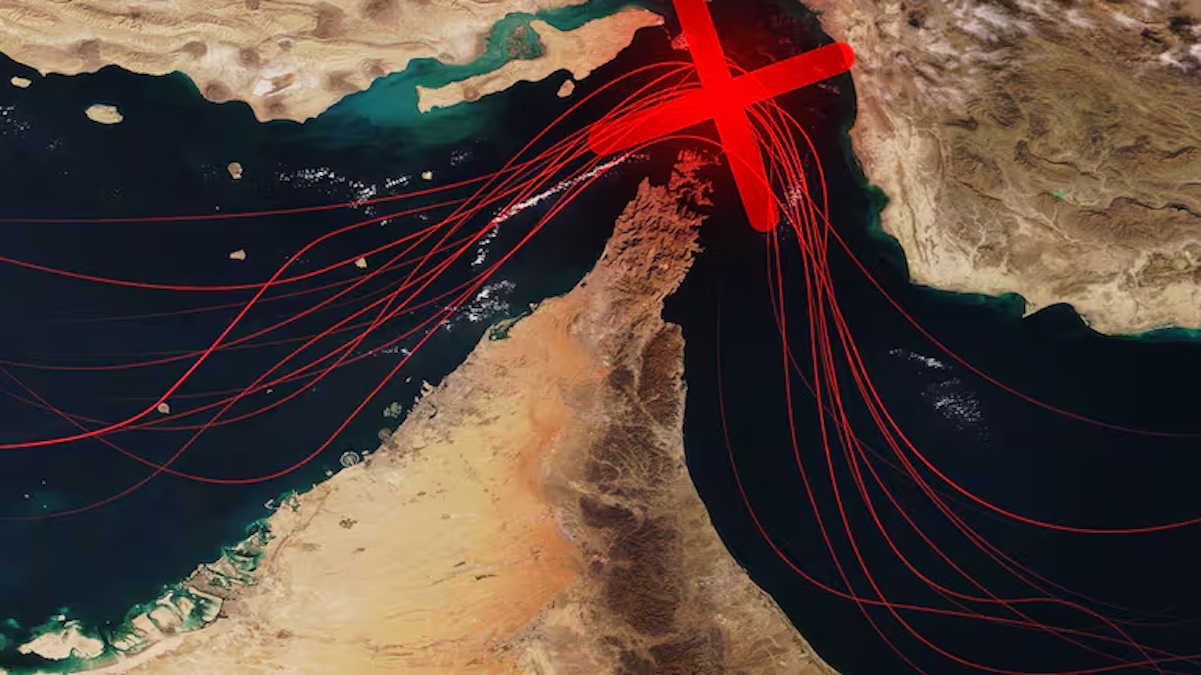
    Omani environmental authorities have issued an urgent advisory against dangerous interactions with marine wildlife following the circulation of a viral video showing a diver approaching an orca whale for filming purposes. The concerning footage, which has garnered significant online attention, prompted officials to emphasize the serious safety risks associated with such behavior.

    The Environment Authority of Oman explicitly stated that approaching orcas represents both incorrect conduct and a substantial threat to personal safety. Characterizing orcas as powerful marine predators with inherently wild instincts, officials noted their behavior remains unpredictable despite their intelligent nature. The authority warned that these animals may demonstrate aggressive responses when perceiving threat or provocation.

    In response to the incident, conservation experts recommend maintaining safe observation distances either from boats or shoreline vantage points. The advisory specifically prohibits diving activities near marine creatures and emphasizes the importance of respecting wildlife boundaries. This guidance aims to protect human lives while preserving the natural behaviors of marine ecosystems.

    The warning emerges amid growing global concerns regarding responsible wildlife tourism and appropriate human-animal interactions. Marine biologists worldwide have consistently cautioned against close encounters with wild orcas, which despite their ‘killer whale’ designation, typically avoid human confrontation unless threatened. Oman’s proactive stance reflects broader regional efforts to balance ecological appreciation with safety protocols in Arabian Gulf waters.

  • Bangladesh Nationalist Party claims victory in country’s first election since 2024 uprising

    Bangladesh Nationalist Party claims victory in country’s first election since 2024 uprising

    DHAKA, Bangladesh — The Bangladesh Nationalist Party (BNP) has declared an electoral triumph in the nation’s first parliamentary contest since the 2024 uprising, potentially heralding a dramatic shift in the country’s political trajectory after years of contentious governance and disputed elections.\n\nThe party’s media division announced via social media platform X on Friday that it had captured sufficient parliamentary seats to establish a standalone government. While the Election Commission has yet to release official results, multiple domestic news organizations have corroborated the BNP’s victory claim.\n\nThis electoral process unfolded under heightened security measures amid widespread apprehensions regarding democratic erosion, escalating political violence, and deteriorating rule of law. The election represents a pivotal milestone following the July 2024 student-led revolution that precipitated the downfall of former Prime Minister Sheikh Hasina, who subsequently sought exile in India.\n\nBNP’s leadership is helmed by Tarique Rahman, the party’s prime ministerial nominee who ended his 17-year self-imposed exile in London last December. The 60-year-old politician, son of late former Prime Minister Khaleda Zia, has positioned himself as a champion of democratic values in a political landscape historically marred by partisan entrenchment, military involvement, and accusations of electoral misconduct.\n\nSenior BNP official Ruhul Kabir Rizvi extended gratitude to the Bangladeshi populace for their electoral support, while Rahman’s press secretary urged supporters to observe special prayers instead of organizing victory processions.\n\nThe United States Embassy in Dhaka formally congratulated Rahman and his party, characterizing the outcome as a \”historic victory.\” U.S. Ambassador Brent T Christensen expressed anticipation for collaborative efforts toward mutual prosperity and security objectives.\n\nThis election was widely perceived as a critical examination of Bangladesh’s capacity to rehabilitate democratic institutions and translate public dissent into substantive political transformation. The BNP had previously boycotted multiple elections during Hasina’s 15-year tenure, alleging systematic vote manipulation and political suppression.\n\nRahman’s return became feasible after corruption and criminal cases against him—which he maintains were politically motivated—were discontinued following the collapse of Hasina’s administration.