标签: Asia

亚洲

  • ‘Deeply saddened’: India, Pakistan leaders condole death of Khaleda Zia

    ‘Deeply saddened’: India, Pakistan leaders condole death of Khaleda Zia

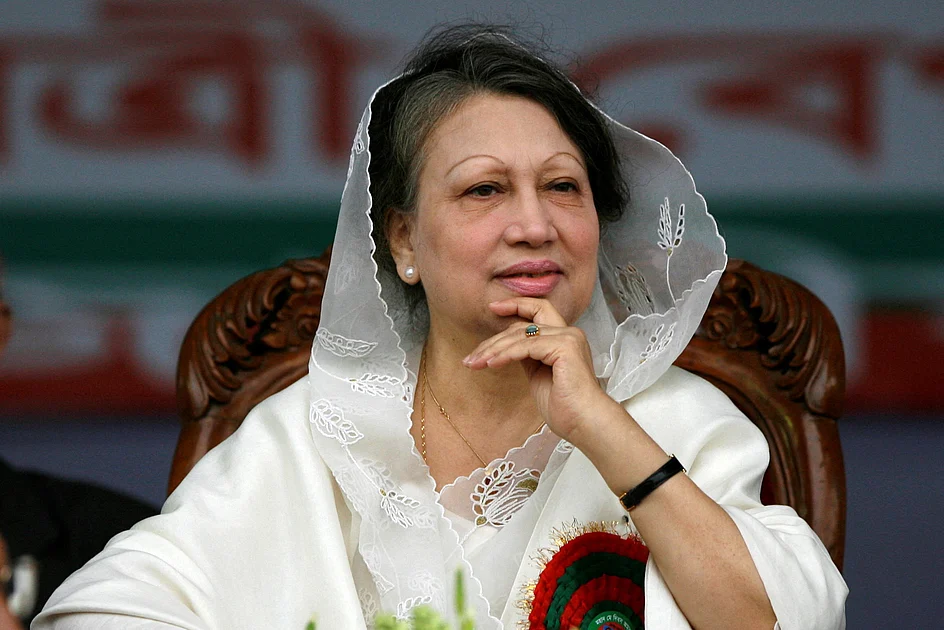
    The South Asian political landscape mourned collectively on Tuesday as former Bangladeshi Prime Minister Begum Khaleda Zia passed away at age 80. The pioneering leader, who made history as Bangladesh’s first female head of government, breathed her last at Dhaka’s Evercare Hospital following prolonged health complications that included heart disease, diabetes, and multiple organ ailments.

    Regional leaders transcended political differences to honor Zia’s legacy. Indian Prime Minister Narendra Modi expressed profound sorrow, recalling their 2015 meeting and emphasizing Zia’s “significant contributions to Bangladesh’s development and India-Bangladesh relations.” Modi stated her vision would continue guiding bilateral partnerships between the neighboring nations.

    Pakistan’s Prime Minister Shehbaz Sharif characterized Zia as “a committed friend of Pakistan” whose lifelong service established an enduring legacy. His condolences highlighted the cross-border solidarity emerging from this moment of regional loss.

    Domestic tributes emerged from across Bangladesh’s political spectrum. Current Awami League Chairperson Sheikh Hasina, despite historical political rivalries, acknowledged Zia’s groundbreaking role as first female premier and her contributions to democratic establishment. Nobel laureate Muhammad Yunus, former interim government adviser, described Zia as a “great guardian” of the nation and a defining figure in Bangladesh’s democratic evolution.

    The scene outside Evercare Hospital reflected national sentiment as crowds gathered to pay respects. Zia’s son Tarique Rahman, acting chairman of her Bangladesh Nationalist Party (BNP), arrived to mourn his mother amidst supporters honoring the woman who reshaped the nation’s political consciousness through decades of public service.

  • Sheikh Hasina condoles passing of former Bangladesh PM and rival Khaleda Zia

    Sheikh Hasina condoles passing of former Bangladesh PM and rival Khaleda Zia

    Bangladesh entered a period of national mourning following the passing of former Prime Minister Begum Khaleda Zia, who died at age 80 during treatment at Evercare Hospital in Dhaka. The three-time premier and first female head of government in Bangladeshi history succumbed to multiple health complications in the early hours of Tuesday, December 30, 2025, shortly after dawn prayers.

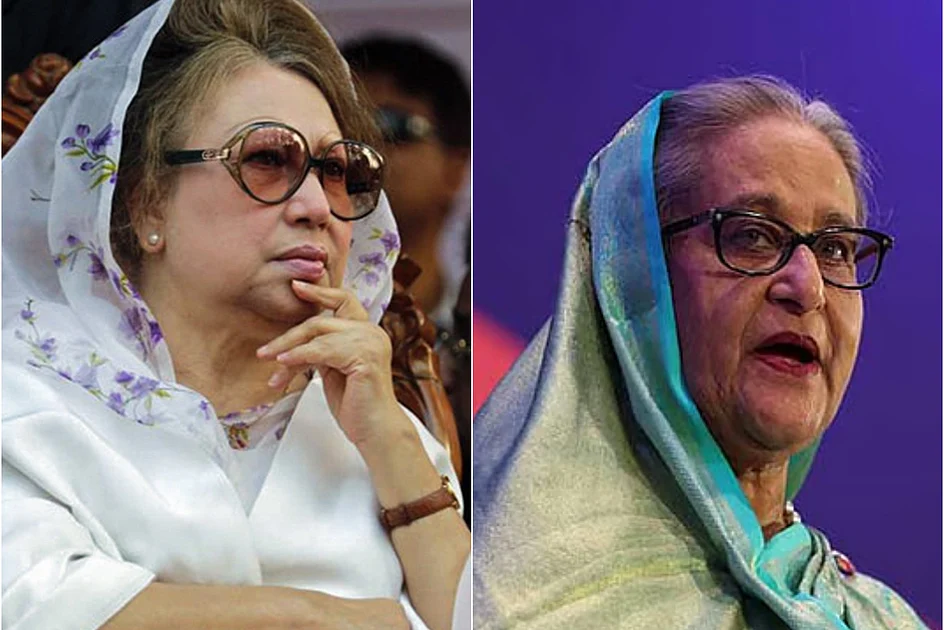
    In a remarkable demonstration of political reconciliation, Prime Minister Sheikh Hasina—her longstanding political rival and leader of the opposing Awami League—issued a comprehensive statement honoring Zia’s legacy. Hasina recognized Zia’s pioneering role as the nation’s first woman premier and acknowledged her substantial contributions to Bangladesh’s democratic development and political landscape. The carefully worded tribute emphasized Zia’s historical significance beyond partisan politics.

    The Bangladesh Nationalist Party (BNP), which Zia led for decades, confirmed her passing through an official social media announcement. Zia had been hospitalized since November 23 with a severe lung infection, compounding existing conditions including cardiac issues, diabetes, liver cirrhosis, and kidney complications. Her medical situation had previously necessitated specialized treatment in London earlier this month.

    The scene outside Evercare Hospital grew increasingly emotional as news of her death spread, with supporters gathering to pay respects. Zia’s son, Tarique Rahman—currently serving as BNP’s Acting Chairman—arrived at the medical facility to lead mourning arrangements.

    Condolences extended beyond national borders, with Indian Prime Minister Narendra Modi recalling his 2015 meeting with Zia and highlighting her role in strengthening India-Bangladesh relations. Within Bangladesh, Muhammad Yunus, Chief Adviser of the interim government, described Zia as a ‘great guardian’ of the nation whose passing represents an irreparable loss to the country’s democratic traditions. Yunus’ message particularly emphasized that Zia transcended mere party leadership to embody a significant historical chapter in Bangladesh’s political evolution.

  • India: Over 110 flights cancelled as thick fog engulfs Delhi; more delays expected

    India: Over 110 flights cancelled as thick fog engulfs Delhi; more delays expected

    New Delhi’s aviation infrastructure faced severe operational challenges on Tuesday, December 30, 2025, as an intense fog blanket engulfed the capital region, triggering massive flight disruptions at Indira Gandhi International Airport. Aviation authorities confirmed the cancellation of 118 scheduled flights—60 arrivals and 58 departures—with an additional 16 aircraft diverted to alternative airports due to critically impaired visibility on runways.

    The Airport Authority of India (AAI) issued an official advisory warning travelers of anticipated delays across multiple airports in Northern India. The regulatory body activated comprehensive passenger facilitation protocols, deploying specialized assistance teams at affected terminals to provide real-time support to stranded travelers. Officials emphasized that reduced visibility conditions would likely persist, potentially extending operational impacts throughout the day.

    Airlines including IndiGo and Air India had previously alerted passengers about weather-related disruptions on Monday, when similar conditions first emerged. Carriers implemented flexible rebooking policies, allowing affected passengers to either reschedule journeys or process full refunds through automated systems. Ground teams received reinforcements to handle increased passenger inquiries and logistical challenges at terminal facilities.

    Aviation meteorologists attributed the severe visibility reduction to atypical temperature inversions combined with elevated humidity levels characteristic of North Indian winters. The airport’s advanced Instrument Landing Systems (ILS) operated at maximum capability but could not fully compensate for the exceptionally dense fog conditions.

    Passengers received explicit guidance to maintain constant communication with their airlines through official channels and allocate substantial additional time for airport procedures. The AAI published dedicated customer support numbers for major carriers including SpiceJet (+91 124 498 3410), Air India Express (+91 124 443 5600), and Akasa Air (9606112131) to streamline information dissemination.

    Industry analysts noted that such severe December fog events, while historically occurring, have shown increased frequency and intensity in recent years. Airport authorities reiterated their commitment to implementing enhanced cold-weather operational protocols developed specifically for such adverse conditions, prioritizing both safety and passenger convenience during weather-induced disruptions.

  • Sustainovation Challenge wins Gold at International Sustainability Awards

    Sustainovation Challenge wins Gold at International Sustainability Awards

    De Montfort University Dubai (DMU Dubai) and its strategic partner Ehfaaz have achieved top honors at the prestigious International Sustainability Awards, capturing the Gold award in the “Best Education and Awareness” category. The recognition was bestowed upon their collaborative Sustainovation Challenge initiative during the inaugural awards ceremony that celebrated exceptional sustainability advancements across the globe.

    The International Sustainability Awards brought together pioneering concepts and transformative projects that demonstrate substantial impact in sustainability practices worldwide. Ehfaaz’s Gold award specifically acknowledges the remarkable success of the Sustainovation Challenge, highlighting the powerful synergy between academic institutions and innovative startups in addressing environmental concerns.

    Aliyu Mohammed Ali, co-founder and CEO of Ehfaaz, emphasized the action-oriented nature of the initiative: “The Sustainovation Challenge transcended conventional awareness campaigns by creating tangible platforms for climate innovators. Rather than conducting traditional workshops, we established a dynamic launchpad that enabled participants to develop, pitch, and prototype practical solutions. This prestigious award validates our vision and recognizes the contributions of all innovators working toward a more circular economy in the UAE.”

    Dr. Adham Fayad, lead organizer and driving force behind the Sustainovation Challenge, expressed profound satisfaction with the international recognition: “Witnessing the evolution of this initiative from conceptual framework to award-winning reality represents a milestone in educational innovation. This achievement celebrates the collective dedication and shared vision of all contributors who believed in transforming sustainability education into actionable solutions.”

    The Sustainovation Challenge emerged from a strategic alliance between DMU Dubai and Ehfaaz, combining academic expertise with entrepreneurial innovation. Their collaborative approach from conceptualization through execution established a new benchmark for academia-startup partnerships in sustainability education. The award underscores the effectiveness of their combined efforts in promoting environmental consciousness through hands-on, practical engagement methodologies that inspire real-world change.

  • ‘Battling Begum’ falls silent: How Khaleda Zia became Bangladesh’s first female PM

    ‘Battling Begum’ falls silent: How Khaleda Zia became Bangladesh’s first female PM

    Khaleda Zia, Bangladesh’s pioneering female prime minister and formidable political force, passed away at 80 after battling prolonged health complications. Her death marks the end of an era for a nation shaped by her decades-long rivalry with contemporary Sheikh Hasina.

    Initially characterized as a shy homemaker devoted to her two sons, Zia’s political destiny transformed following the 1981 assassination of her husband, military leader and President Ziaur Rahman. Assuming leadership of his Bangladesh Nationalist Party (BNP) in 1984, she emerged as an unexpected political powerhouse who would eventually break gender barriers in Muslim-majority governance.

    Zia’s 1991 electoral victory constituted a historic milestone, making her Bangladesh’s first female premier and only the second woman to democratically lead a majority-Muslim nation after Pakistan’s Benazir Bhutto. Her administration implemented significant constitutional reforms, replacing the presidential system with parliamentary governance and instituting progressive policies including free compulsory primary education and economic liberalization measures.

    Her political journey was defined by the legendary rivalry with Sheikh Hasina—daughter of Bangladesh’s founding father—which earned them the collective nickname ‘the battling Begums.’ Their contrasting leadership styles—Zia’s reserved deliberateness versus Hasina’s assertive outspokenness—created a political dichotomy that dominated national discourse for generations.

    Zia’s second term faced significant challenges including militant extremism and corruption allegations. The 2004 grenade attack targeting Hasina’s rally, which killed over 20 people, remains a controversial chapter with her administration facing widespread accusations of involvement.

    Following her 2006 exit from power, Zia endured imprisonment and house arrest on corruption charges she consistently denounced as politically motivated. Her final years witnessed partial political rehabilitation, with August 2024 bringing release from house arrest after Hasina’s ouster, and early 2025 Supreme Court acquittals clearing her of previous convictions.

    The BNP, under leadership of her son Tarique Rahman following his recent return from exile, remains a potent political force as Bangladesh approaches February parliamentary elections. Zia’s legacy endures as that of a transformative leader who reshaped constitutional governance while embodying both the possibilities and perils of dynastic politics in South Asia.

  • Myanmar’s military-backed party claims strong lead in election’s first phase

    Myanmar’s military-backed party claims strong lead in election’s first phase

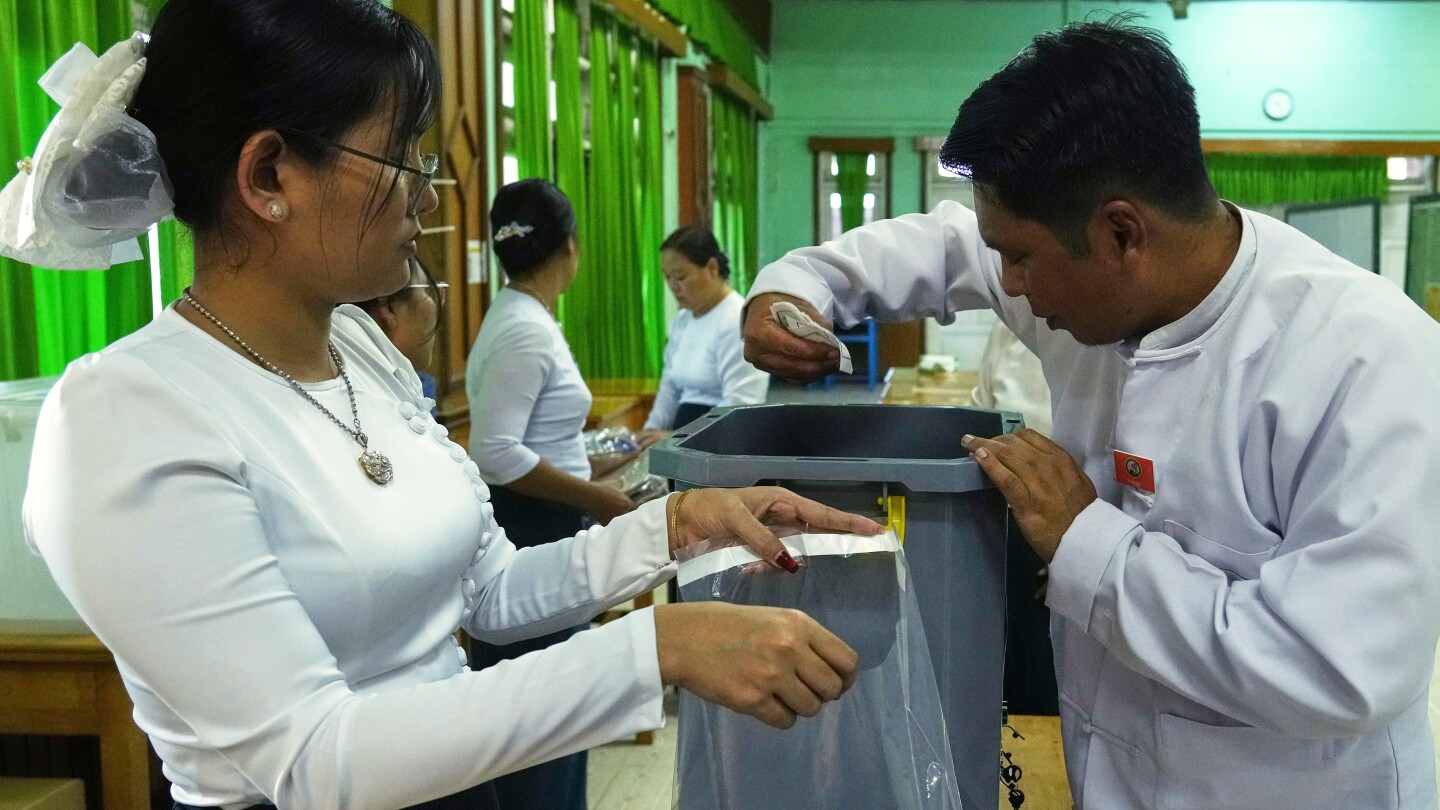
    BANGKOK — Myanmar’s military-aligned Union Solidarity and Development Party (USDP) has asserted a substantial victory in the initial phase of the country’s first general election since the 2021 military takeover, despite the absence of official confirmation from state election authorities.

    The controversial electoral process, conducted amid ongoing civil conflict, commenced on Sunday across 102 of Myanmar’s 330 townships. The remaining voting phases are scheduled for January 11 and January 25, with 65 townships excluded entirely due to security concerns.

    A senior USDP official, speaking anonymously to The Associated Press, claimed the party secured 88 of 102 contested lower house seats and approximately 85% of regional legislature positions in this initial round. The official further noted the party’s sweep of all constituencies in the capital Naypyitaw, a military and government stronghold.

    Myanmar’s political structure allocates 25% of parliamentary seats to the military automatically under the constitution, with the remaining 664 seats distributed through election. The party achieving a combined parliamentary majority holds the authority to select the president and form the new government.

    The election occurs against a backdrop of significant controversy. Human rights organizations and opposition groups have denounced the process as neither free nor fair, asserting that power will inevitably remain with military leader Senior General Min Aung Hlaing. The 2021 coup ousted the democratically elected government of Aung San Suu Kyi, whose National League for Democracy party was dissolved in 2023 after refusing to register under new military regulations.

    Voter eligibility has dropped approximately 35% since the 2020 election, with officials citing armed conflict and displacement as primary factors. Opposition groups have called for an electoral boycott, while state media reported attacks on polling stations in 11 townships during the voting period, resulting in several casualties.

    Final results are anticipated by late January, though it remains uncertain whether interim aggregate figures will be released publicly.

  • Why sustainability is no longer optional in the Gulf

    Why sustainability is no longer optional in the Gulf

    Across the Gulf Cooperation Council (GCC) nations, sustainability has undergone a fundamental transformation from aspirational ideal to operational necessity. What was once primarily viewed through an environmental or ethical lens has emerged as a compelling business case, driven by economic pressures, regulatory mandates, and practical realities.

    The region’s rapid urban development has placed unprecedented strain on infrastructure and resources, particularly evident in energy consumption patterns. Cooling systems alone account for a substantial portion of electricity demand, reaching nearly 70% of peak usage in the UAE. Despite this, many buildings continue to operate with energy-intensive, outdated systems that necessitate frequent maintenance and deliver suboptimal efficiency.

    Governments throughout the GCC have responded with updated building codes, labeling schemes, and high-ambient performance standards that make compliance mandatory rather than voluntary. These regulatory frameworks have established sustainability as the fundamental requirement for market access and professional credibility.

    The persistent misconception that sustainable solutions are inherently more expensive requires correction through a shift in perspective from short-term price to long-term value. While energy-efficient technologies may involve higher initial investments, they deliver superior longevity, reliability, and operational efficiency. When evaluated through the Total Cost of Ownership (TCO) lens, sustainable solutions consistently demonstrate greater financial value over their lifecycle.

    For building owners and developers, failure to adapt carries significant financial consequences. Those who delay sustainability investments will ultimately pay twice—first for outdated systems, and again when retrofitting becomes unavoidable. Sustainability represents a strategic commitment to resilience, enabling structures to withstand economic, environmental, and social changes while delivering comfort, productivity, and profitability over decades.

    The benefits extend across all stakeholders: occupants enjoy healthier indoor environments and reduced utility costs; manufacturers and consultants drive innovation and market leadership; governments advance toward net-zero targets. As the Gulf continues its transition toward a diversified, low-carbon economy, sustainability has become inseparable from long-term competitiveness and regional prosperity.

  • South Korea to end breeding of bears and extraction of their bile

    South Korea to end breeding of bears and extraction of their bile

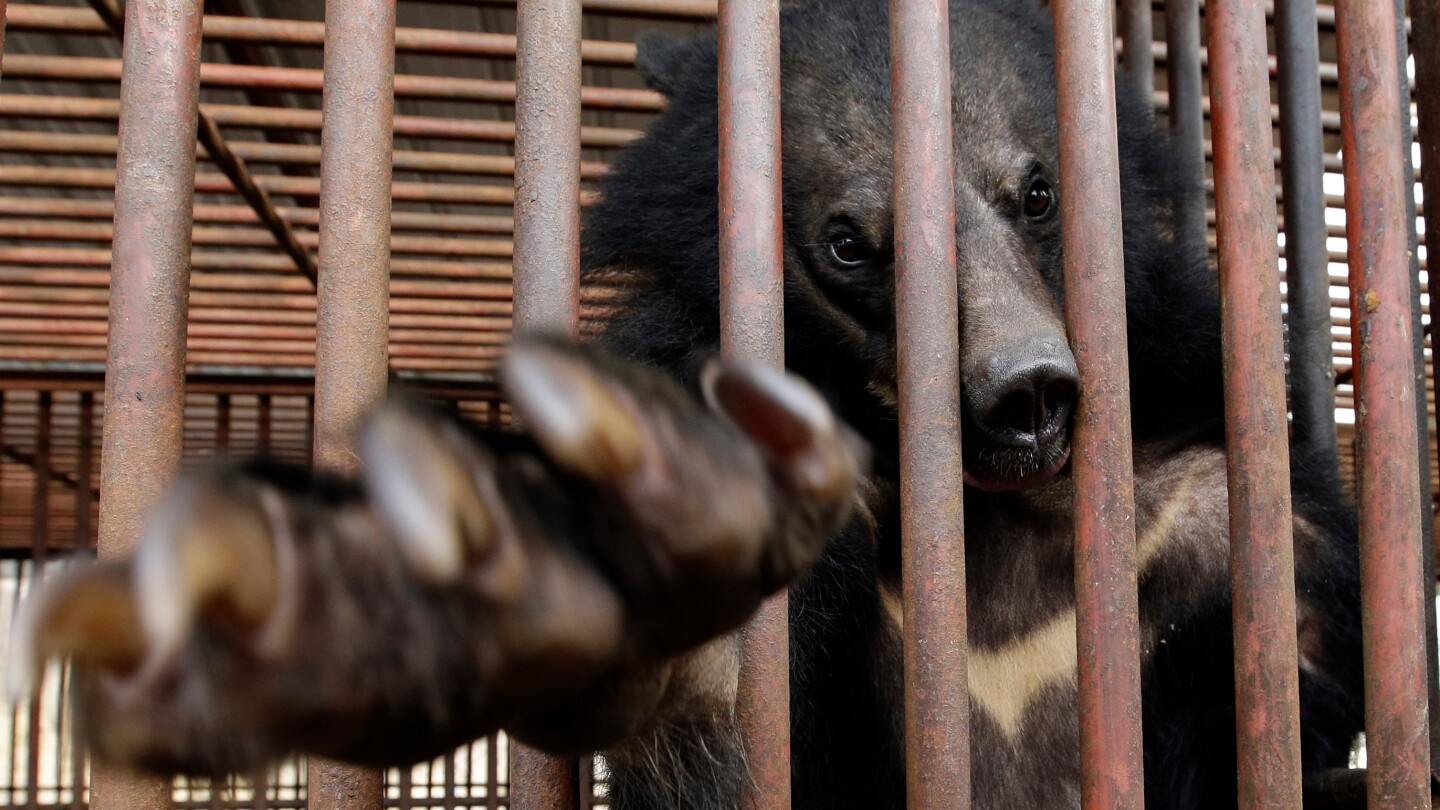
    SEOUL, South Korea — In a historic decision for animal welfare, South Korea has officially prohibited its long-controversial bear bile farming industry effective January 1st. The Ministry of Climate, Energy and Environment announced the comprehensive ban on bear breeding, possession, and bile extraction, implementing revised animal protection legislation that mandates prison sentences of two to five years for violations.

    This industry, one of the few remaining globally, primarily involved Asiatic black bears (moon bears) farmed for their gall bladders used in traditional medicine. The practice has dramatically declined over the past twenty years due to skepticism about medicinal efficacy, availability of affordable alternatives, and growing public consciousness about animal cruelty.

    The prohibition executes a 2022 tripartite agreement between government authorities, farmers, and animal rights organizations to terminate bear bile operations by 2026. Under this arrangement, animal advocacy groups are tasked with purchasing bears from farmers while the government establishes sanctuary facilities.

    Implementation challenges persist as approximately 199 bears remain confined across 11 domestic farms. Disagreements over appropriate compensation amounts have slowed the transition process. Thus far, 21 bears have been successfully relocated to a government-operated sanctuary in Jeolla province.

    The Environment Ministry has instituted a six-month grace period for existing farmers and will enforce financial incentives for those maintaining proper care until bears can be transferred. Environment Minister Kim Sungwhan characterized the move as demonstrating “our country’s resolve to improve welfare of wild animals and fulfill our related responsibility,” pledging to ensure protection “until the last one.”

    Farmer perspectives reveal the economic complexities. Kim KwangSoo, who maintains 78 bears in Dangjin, described the policy as “very bad,” noting substantial debts from upkeep costs despite his intention to comply with regulations.

    While animal rights organizations applaud the prohibition, they highlight infrastructure shortcomings. Current sanctuary capacity remains inadequate, with existing facilities accommodating only 30-49 bears versus the hundreds requiring relocation. A second planned facility has faced delays, now scheduled for 2027 opening due to flooding complications.

    Korea Animal Rights Advocates director Cheon JinKyung acknowledged the government’s progressive stance while emphasizing that “there aren’t sufficient measures to protect bears” and “there aren’t place where these bears can stay.” The industry originated in the early 1980s with bears imported from Southeast Asia, once numbering over 1,000 animals before the recent decline.

  • Key dates in Taiwan’s history: A contested island’s evolution

    Key dates in Taiwan’s history: A contested island’s evolution

    Amidst recent live-fire military exercises conducted by China around Taiwan, featuring advanced aircraft, warships, and rocket launches, Beijing’s foreign ministry has reaffirmed its objective to achieve “complete reunification” with the island territory. Taipei continues to resist these sovereignty claims, maintaining that Taiwan has never existed under the Chinese Communist Party’s governance in its current constitutional framework.

    The island’s complex history reveals a tapestry of colonial influences and political transformations. During the 1600s, Dutch and Spanish colonizers vied for control of Formosa (as Taiwan was then known), establishing footholds while Indigenous populations and Han Chinese migrants inhabited the island. The Dutch East India Company established a southern base near contemporary Tainan, while Spanish forces constructed northern forts.

    In 1662, military leader Koxinga, loyal to China’s Ming dynasty, defeated the Dutch. By 1684, the Qing dynasty incorporated Taiwan into China’s Fujian province, later declaring it a standalone Chinese province under Han Chinese governance in 1885.

    Following Qing defeat in the Sino-Japanese War (1895), Emperor Guangxu ceded Taiwan and the Penghu Islands to Japan, initiating five decades of often harsh colonial rule. Japan’s WWII surrender in 1945 returned Taiwan to the Republic of China under Nationalist Party (KMT) control, even as civil war raged between Nationalists and Mao Zedong’s Communists.

    The Nationalists’ 1949 retreat to Taiwan established de facto self-rule as Mao founded the People’s Republic of China on the mainland. Over one million military personnel, officials, and civilians accompanied Chiang Kai-shek’s government to the island. The KMT maintained its claim as China’s legitimate government throughout its authoritarian rule under martial law (1949-1987), a period marked by political repression known as the White Terror.

    January 1979 witnessed a geopolitical watershed when the United States established formal relations with China, terminating official recognition of Taiwan through its “One China” policy. That April, however, the U.S. Congress passed the Taiwan Relations Act, creating frameworks for unofficial ties and committing to provide Taiwan with self-defense capabilities.

    The 1992 Consensus saw both sides acknowledging “one China” while permitting divergent interpretations. Taiwan’s democratic evolution accelerated with its first legislative elections (1992) and presidential election (1996), won by KMT’s Lee Teng-hui. China responded to Lee’s perceived separatist rhetoric with missile tests encircling Taiwan (1995-1996).

    The 2000 election of Democratic Progressive Party’s Chen Shui-bian marked Taiwan’s first peaceful power transfer, ending five decades of KMT rule. Recent tensions escalated dramatically following U.S. Speaker Nancy Pelosi’s 2022 Taiwan visit, prompting China’s largest-ever military drills around the island. Beijing has since maintained near-daily military presence near Taiwan, with December 2025 exercises responding to perceived provocations from Japan’s leadership and anticipated U.S. arms sales to Taipei.

  • Bangladesh ex-PM Khaleda Zia dies at 80

    Bangladesh ex-PM Khaleda Zia dies at 80

    Bangladesh’s political landscape was shaken on Tuesday by the passing of former Prime Minister Khaleda Zia at age 80. The Bangladesh Nationalist Party (BNP), which she led as chairperson, confirmed her death occurred at 6:00 AM local time following dawn prayers, marking the end of an era for one of the nation’s most influential political figures.

    Her demise comes at a critical juncture in Bangladeshi politics, just as the country prepares for general elections scheduled for February 2026. Despite significant health challenges and a recent hospitalization in late November, Zia had remained politically active, with party representatives submitting nomination papers on her behalf for three constituencies merely hours before her passing.

    The BNP statement memorialized Zia as a “national leader” and requested prayers for her departed soul. Interim leader Muhammad Yunus had previously characterized her as “a source of utmost inspiration for the nation” during her final days.

    Zia’s political career was marked by dramatic highs and lows, including imprisonment on corruption charges in 2018 under the government of her arch-rival Sheikh Hasina. Her release last year coincided with Hasina’s ousting from power following mass protests. Medical treatment complications further complicated her final years, as plans for specialized care in London were thwarted by her unstable condition.

    The political transition continues with her son, Tarique Rahman, recently returning from 17 years of self-imposed exile to assume leadership of the BNP. He is expected to lead the party into the upcoming elections and potentially assume the prime minister role should the BNP secure a majority.

    Prothom Alo, Bangladesh’s leading newspaper, noted that Zia had earned the reputation as the ‘uncompromising leader’ whose life exemplified the extreme challenges faced by political figures—including lawsuits, imprisonment, and persecution. Family members, including Rahman, were present at her bedside during her final moments.