标签: Asia

亚洲

  • Joint operations along Mekong River elevate security, promote well-being

    Joint operations along Mekong River elevate security, promote well-being

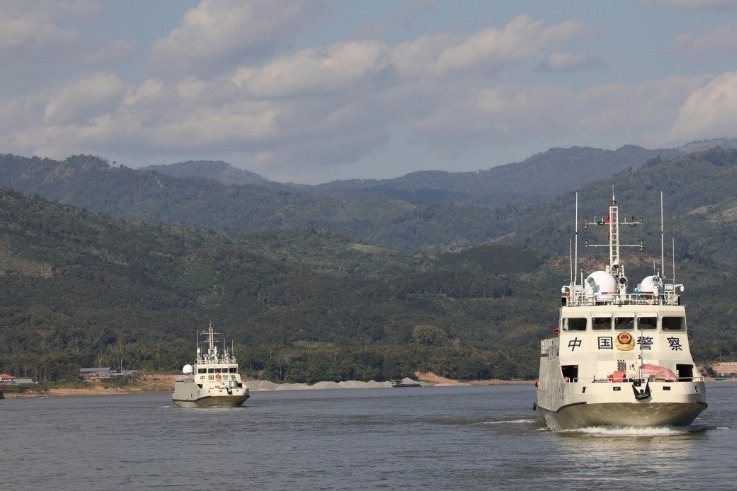
    A landmark security initiative along the Mekong River has yielded transformative results, with China, Laos, Myanmar, and Thailand successfully completing their 160th joint patrol operation. The coordinated effort, conducted from December 27-30, 2025, involved approximately 170 law enforcement personnel and six patrol vessels navigating from Guanlei Port in China’s Yunnan province to Jingha Port.

    The comprehensive patrol mechanism has fundamentally altered the security landscape of this vital waterway. According to Humphan Keovanglat, Political Commissar of Laos’ Luang Namtha military area, “Cross-border travel now occurs smoothly and securely, trade flows without interruption, and local communities report substantially increased feelings of safety and fulfillment.”

    The operation represents one of Southeast Asia’s most successful multinational security collaborations, establishing an intelligence-sharing framework that enables rapid response capabilities. Captain Than Naing Oo of Myanmar’s Patrol Boat 171 emphasized that “this joint mechanism facilitates immediate intelligence exchange, strengthening our collective security cooperation while simultaneously promoting regional development.”

    Chinese veteran officer Ran Xi, who has served with Yunnan’s water patrol division since 2011, confirmed the dramatic security improvements: “Commercial vessels now navigate independently without security concerns, and we’ve witnessed a complete cessation of armed incidents along patrolled sections in recent years.”

    The enhanced security has generated tangible economic and social benefits. Thai tourist Kongkham Khamtip, 51, recently completed a stress-free journey from the Golden Triangle to Guanlei Port, noting “the river feels exceptionally secure, making for a relaxing voyage amid stunning scenery.” Cross-border commerce has similarly flourished, with Myanmar resident Sa Yin, 19, regularly traveling to China to purchase quality animal feed and visit family.

    Local merchant Zhang Yisheng reported significant increases in cross-border shopping, particularly during festival periods when customers from Myanmar routinely spend hundreds to thousands of yuan. The cooperation extends beyond security operations to include cultural exchanges, with personnel from all four nations recently participating in friendship sports events to strengthen interpersonal bonds.

    Jiang Zhida, senior research fellow at the China Institute of International Studies, characterized the initiative as “a crucial safeguard for stability and prosperity throughout the Lancang-Mekong region, establishing the security foundation necessary for building a shared future community.”
  • Huge crowds join funeral prayers for former Prime Minister Khaleda Zia in Bangladesh

    Huge crowds join funeral prayers for former Prime Minister Khaleda Zia in Bangladesh

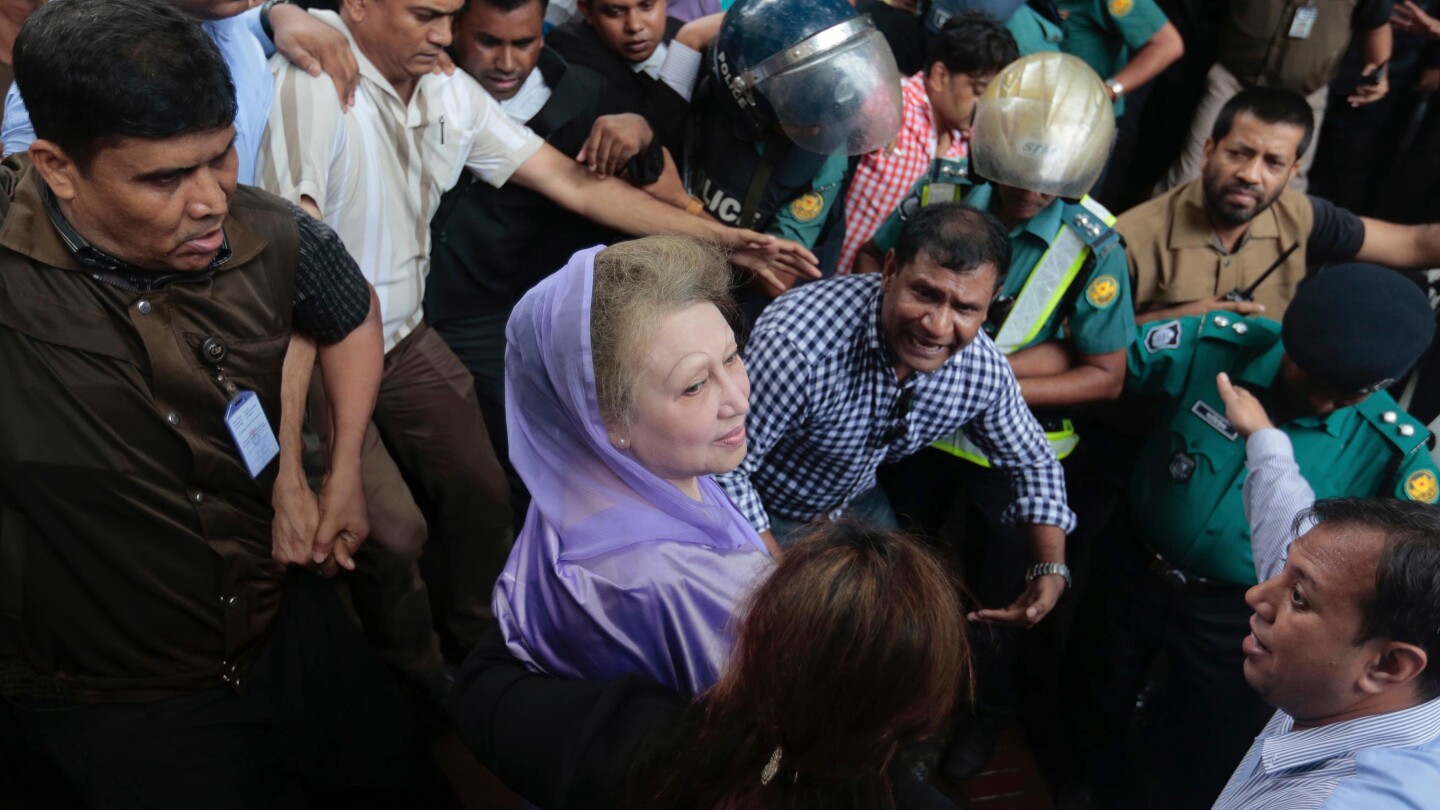
    DHAKA, Bangladesh — The capital city witnessed an unprecedented outpouring of grief Wednesday as immense crowds gathered outside the national parliament building to pay final respects to former Prime Minister Khaleda Zia, who passed away Tuesday at age 80 following extended health complications.

    From early morning, continuous streams of mourners from Dhaka and distant regions converged on Manik Mia Avenue, transforming the parliamentary precinct into a sea of solemnity. Emotional scenes unfolded as distraught supporters, many referring to Zia as ‘mother,’ traveled overnight from rural areas to participate in the funeral prayers. The collective mourning extended kilometers beyond the main venue, with major thoroughfares filling with citizens offering prayers simultaneously.

    The state funeral attracted international attention, with dignitaries from India, Pakistan, Sri Lanka, and Nepal joining representatives from 32 nations according to local media reports. Zia’s flag-draped coffin was transported via security-escorted vehicle from the hospital to her residence before reaching the funeral site, where approximately 10,000 security personnel including military forces maintained order.

    Interim authorities under Nobel laureate Muhammad Yunus declared a three-day national mourning period and a public holiday for Wednesday, with flags flying at half-mast nationwide. Zia will be laid to rest beside her husband, former President Ziaur Rahman, who was assassinated in the 1981 military coup.

    Zia’s political journey began following her husband’s assassination, culminating in her 1991 election as Bangladesh’s first female prime minister through a landslide democratic victory that established parliamentary governance. She led the Bangladesh Nationalist Party (BNP) until her death, maintaining a historic rivalry with former Prime Minister Sheikh Hasina of the Awami League.

    The political landscape remains charged as Zia’s eldest son, Tarique Rahman, currently leads BNP as the front-running party for February’s elections. Meanwhile, Hasina remains in exile in India since August 2024 after receiving a death sentence in November for crimes against humanity related to last year’s mass uprising.

  • Jailed HK tycoon’s ‘teeth rotting and fingernails falling off’, daughter tells BBC

    Jailed HK tycoon’s ‘teeth rotting and fingernails falling off’, daughter tells BBC

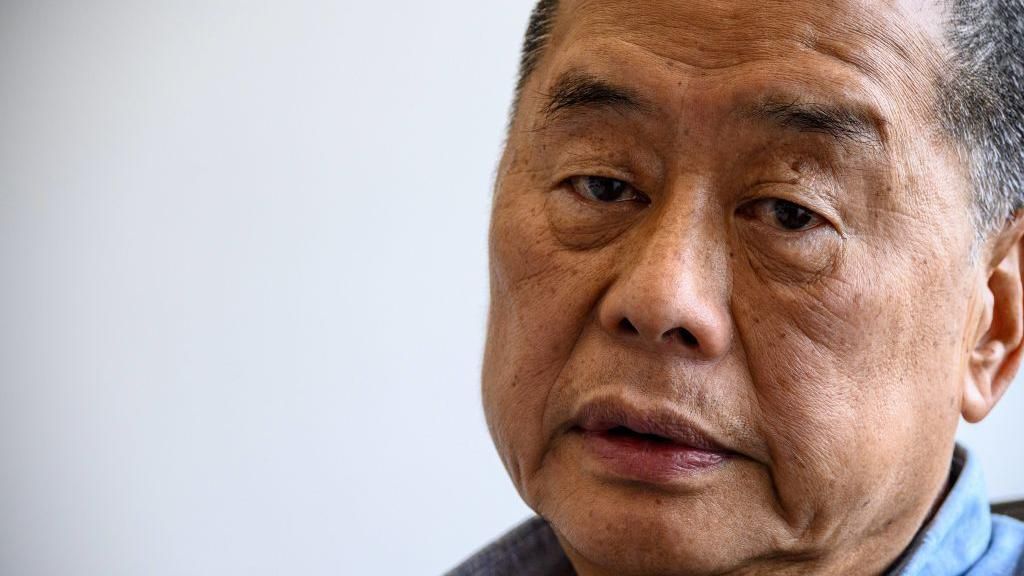
    The deteriorating health of imprisoned Hong Kong pro-democracy publisher Jimmy Lai has sparked international concern as his family intensifies efforts to secure his release. Lai, a 78-year-old British citizen detained since December 2020, faces life imprisonment following his recent conviction under Hong Kong’s national security legislation.

    According to his daughter Claire Lai, who resides in exile in London, her father’s physical condition has significantly declined during his incarceration. She reports concerning symptoms including substantial weight loss, deteriorating dental health, fingernails that “turn purplish grey and sometimes fall off,” and the development of previously nonexistent cardiac issues. The diabetic octogenarian also experiences severe back and waist pain that occasionally prevents him from standing or leaving his bed.

    These claims contradict official statements from Chinese authorities, whose Foreign Ministry spokesperson in Hong Kong maintains that Lai’s “lawful rights and interests have been fully protected, and he is in good health.” Officials assert that prison authorities provide “a safe, humane, appropriate, and healthy custodial environment in accordance with the law.”

    The case has emerged as a diplomatic flashpoint ahead of UK Prime Minister Keir Starmer’s scheduled meeting with Chinese President Xi Jinping in January 2026—the first such visit by a British leader since 2018. Lai’s family has personally appealed to Starmer to advocate for his release during the upcoming talks.

    Lai’s conviction earlier this month under the National Security Law (NSL) stemmed from allegations that he colluded with foreign forces by lobbying governments to impose sanctions on Hong Kong and China. He received additional convictions under colonial-era legislation for publishing seditious material in his now-defunct Apple Daily newspaper.

    The British government has condemned the prosecution as “politically motivated persecution,” asserting that Lai was “targeted for peacefully exercising his right to freedom of expression.” UK officials have repeatedly called for the NSL’s repeal and cessation of all related prosecutions.

    Chinese authorities have rebuked Western criticism, characterizing external pressure as attempts to “influence judicial verdicts through political pressure [that] blatantly trample on the spirit of the rule of law.” Beijing maintains that the NSL, implemented in 2020 following massive pro-democracy protests, is essential for maintaining stability in Hong Kong, though critics argue it effectively criminalizes dissent.

  • Hong Kong rings in 2026 without fireworks after deadliest blaze in decades

    Hong Kong rings in 2026 without fireworks after deadliest blaze in decades

    Hong Kong will break with longstanding tradition by canceling its iconic New Year’s Eve fireworks display over Victoria Harbor following November’s catastrophic fire that claimed 161 lives. Instead of the customary pyrotechnic spectacle, the city will host a musical performance featuring soft rock duo Air Supply and other artists in Central district.

    The tourism board’s alternative celebration will transform eight landmark buildings into giant countdown clocks, presenting a three-minute light show at midnight. This marks a significant departure from the territory’s traditional celebrations that typically draw hundreds of thousands of spectators to the harborfront.

    Cultural Secretary Rosanna Law acknowledged the economic impact on hotels and restaurants, recognizing how the cancellation affects local businesses. The decision reflects the city’s somber mood after the Wang Fuk Court blaze in Tai Po district, the deadliest fire since 1948.

    Authorities identified substandard netting and foam board installations as contributing factors in the fire’s rapid spread through the renovation site. The tragedy has left thousands of residents displaced, many struggling to recover from both personal loss and the destruction of homes they spent years acquiring.

    Historical precedents show Hong Kong has canceled fireworks following past tragedies, including the 2012 vessel collision that killed 39 people and the 2018 bus crash that claimed 19 lives. The COVID-19 pandemic and 2019 protests also led to previous cancellations.

    The cultural significance of fireworks traces back to second-century China, where bamboo stems created natural explosions when thrown into fire. Chinese monk Li Tian of the Tang dynasty (618-907 CE) is credited with developing the first documented firecrackers using gunpowder in enclosed bamboo stems, creating traditions to ward off evil spirits during celebrations.

  • Pakistan’s polio cases fell by half in 2025 despite attacks on vaccination teams

    Pakistan’s polio cases fell by half in 2025 despite attacks on vaccination teams

    ISLAMABAD — Pakistan’s national health authorities have announced a remarkable 59% reduction in polio cases for 2025, marking significant progress in the country’s prolonged eradication campaign. Official data reveals only 30 confirmed polio infections throughout the year, compared to 74 cases documented during the previous year’s reporting period.

    The encouraging statistics were released by the government-operated Polio Eradication Initiative following the conclusion of Pakistan’s final nationwide vaccination drive targeting approximately 45 million children. Anwarul Haq, Coordinator of the National Emergency Operations Centre for Polio Eradication, confirmed to international media that no fresh infections have been detected anywhere across the country since September 2025.

    This epidemiological achievement comes despite persistent security challenges that have plagued vaccination efforts for decades. Militant groups continue to target health workers and their security details based on conspiracy theories alleging vaccination campaigns represent Western plots to sterilize Muslim children. Since the 1990s, over 200 polio workers and protecting police officers have been killed in such attacks.

    Health authorities reported reaching over 98% of the target population during the most recent vaccination campaign. However, access limitations remain particularly acute in certain districts of the northwestern Khyber Pakhtunkhwa province, where security constraints and community resistance continue to hamper immunization activities.

    Pakistan and neighboring Afghanistan maintain the dubious distinction of being the world’s only remaining countries where wild poliovirus transmission persists. Health officials acknowledge both the substantial momentum gained and the lingering vulnerabilities in the decades-long eradication effort. While vaccination coverage has dramatically improved and case numbers have plummeted, low-level transmission in inaccessible regions continues to pose significant risks of resurgence.

    The government has announced plans to launch the first anti-polio campaign of the new year during February’s first week, maintaining continuous pressure on the virus through sustained immunization efforts.

  • In a breakneck digital era, the ancient art of Peking opera works hard to keep flourishing

    In a breakneck digital era, the ancient art of Peking opera works hard to keep flourishing

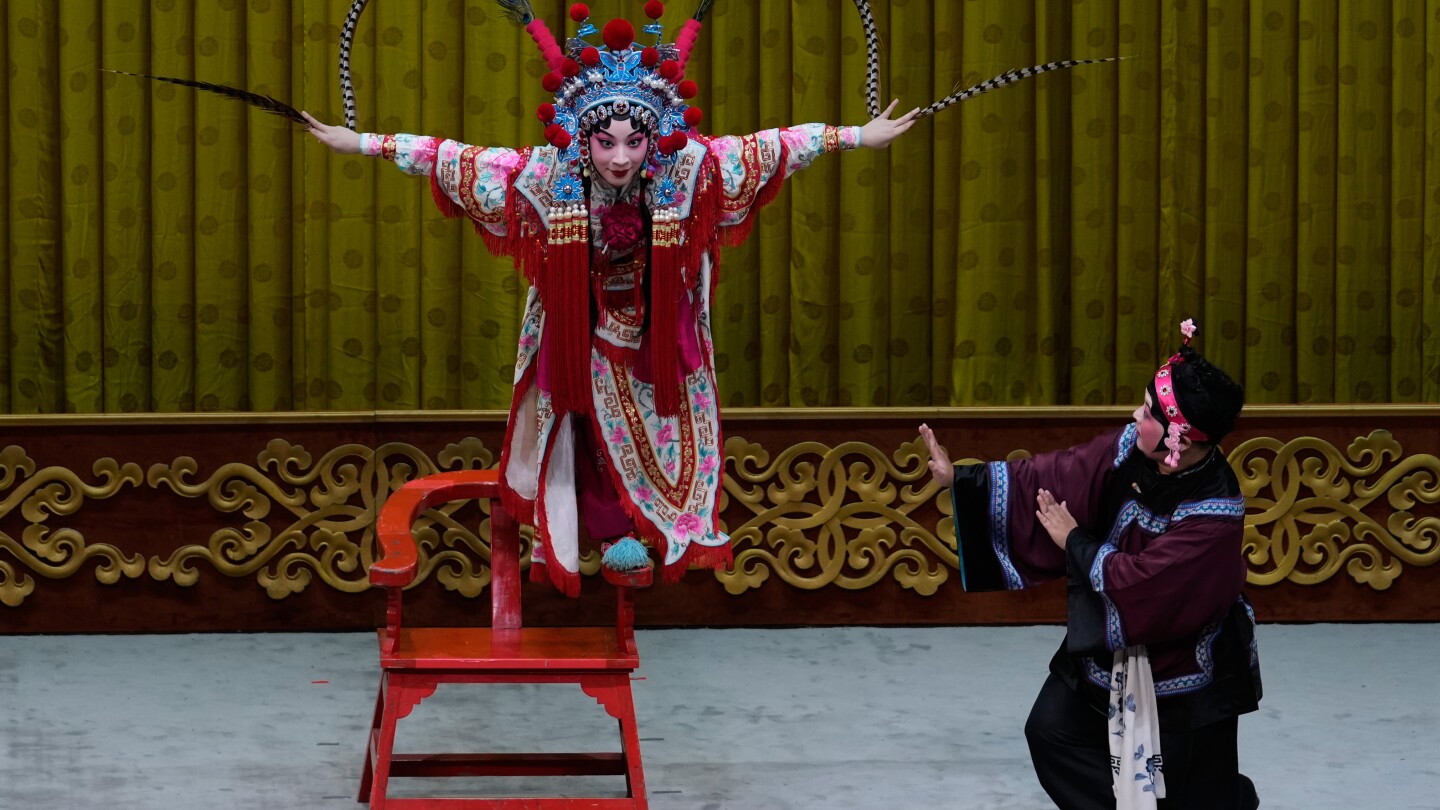
    In a striking display of artistic precision, Peking opera performer Zhang Wanting captivates a Beijing theater audience with an extraordinary balancing act. Perched on the narrow handle of a rosewood chair, the 30-year-old actress executes a gravity-defying pose known as ‘tanhai’ (gazing over the sea) while adorned in traditional warrior costume. This remarkable feat represents the culmination of over a decade’s dedication to mastering one of Peking opera’s most demanding physical disciplines.

    Zhang’s journey began in China’s Hebei province at age seven, when she first encountered the art form at a local cultural center. Recognizing both talent and determination in the young performer, she pursued professional training at a theater school in Jiangsu province. Like most Peking opera artists, Zhang started her rigorous training regimen before dawn each day, building the physical strength and flexibility essential to the craft.

    The signature chair technique she now performs originates from the Song School of Peking opera, founded in the early 20th century. This innovative tradition elevated female martial roles to center stage through creative stunts and refreshed performance styles. Zhang studied directly under Song Danju, daughter of the school’s founder, learning the specialized chair sequence that combines martial arts with acrobatic movements adapted from northwestern Chinese folk opera.

    Mastering the technique required conquering both physical and psychological challenges. Zhang spent an entire semester practicing on a chair handle merely 8.5 centimeters wide, developing the balance and courage necessary for the performance. Each movement demanded months of repetition—for the jumping sequence alone, she performed approximately 50 daily leaps through the chair’s narrow frame, often finishing rehearsals with trembling muscles and bruised thighs.

    Despite growing competition from digital entertainment, young artists like Zhang continue to preserve and evolve Peking opera traditions. As a professional performer with Beijing’s prestigious Jingju Theatre Company, she has delivered over 150 shows in nine years, continually refining her technique while staying true to the art form’s emotional core. For Zhang, the ultimate reward remains the audience’s applause—a validation of both technical excellence and artistic expression.

  • ROK leader’s visit to help boost bilateral ties

    ROK leader’s visit to help boost bilateral ties

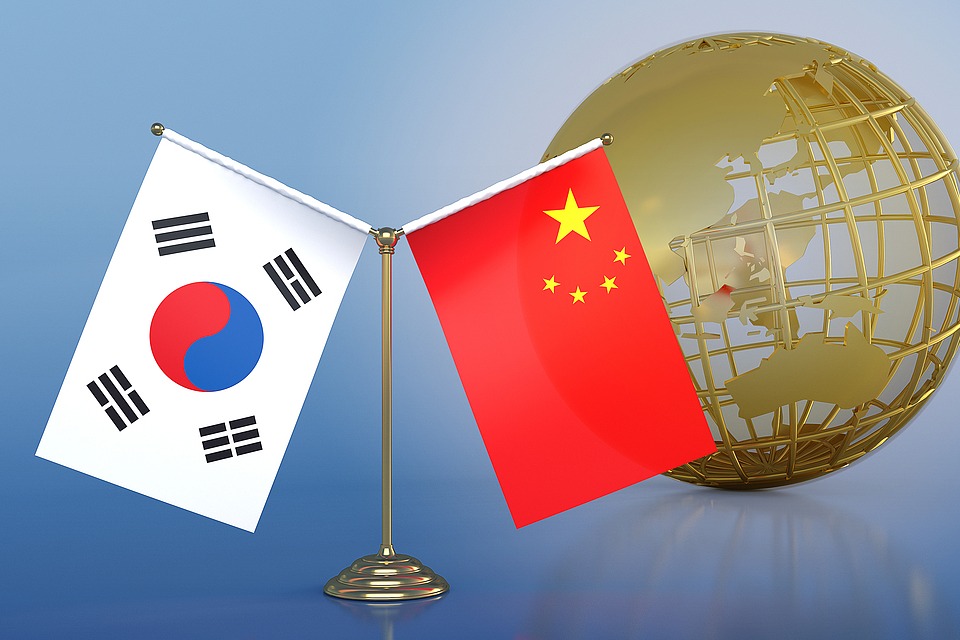
    In a significant diplomatic development, South Korean President Lee Jae-myung will commence a four-day state visit to China beginning Sunday, marking his first official trip to the country since assuming office in June 2025. This visit represents the first by a South Korean head of state since 2019, signaling a potential thaw in bilateral relations between the two Northeast Asian neighbors.

    The Chinese Foreign Ministry confirmed the visit through spokesman Lin Jian, who emphasized the strategic importance of the two nations as key regional partners. “Under the strategic guidance of both heads of state, this visit is anticipated to significantly advance the China-ROK strategic cooperative partnership,” Lin stated during a regular press briefing.

    Accompanying President Lee will be a substantial delegation of over 200 South Korean business leaders, including executives from corporate giants Samsung Electronics, SK Group, Hyundai Motor Group, and LG Group. This substantial commercial contingent underscores the economic dimension of the visit, with both nations preparing to discuss cooperation in multiple sectors including supply chain security, investment frameworks, digital economy initiatives, transnational crime prevention, and environmental protection measures.

    The timing of the visit coincides with the 10th anniversary of the China-ROK free trade agreement, with both parties having agreed to accelerate second-phase negotiations to deepen economic integration. Bilateral trade reached $328.08 billion in 2024, reflecting a 5.6% year-on-year increase despite global economic headwinds.

    Recent reciprocal visa facilitation measures have further strengthened people-to-people exchanges. China implemented visa-free entry for South Korean tourists and business visitors in November 2024, with South Korea reciprocating for Chinese group tourists in September 2025, resulting in a notable surge in cross-border travel.

    This visit builds upon the momentum generated by the meeting between President Lee and Chinese President Xi Jinping during the Asia-Pacific Economic Cooperation summit in Gyeongju, South Korea, last November. According to Professor Zhan Debin of Shanghai University of International Business and Economics, while President Xi’s previous visit to South Korea helped stabilize bilateral relations, President Lee’s upcoming visit aims to “explore ways to make further progress on the basis of that stability,” particularly through enhanced economic cooperation and cultural exchanges.

  • Reflective New Year festivities grow popular

    Reflective New Year festivities grow popular

    Across China, traditional New Year festivities are undergoing a significant transformation as citizens increasingly favor contemplative and culturally enriching experiences over conventional celebrations. This cultural shift reflects a growing desire among Chinese people, particularly younger generations, to mark the annual transition with purpose and personal significance.

    In Beijing, Tao Dance Theater’s artistic director Tao Ye has pioneered “The World of Movements,” an immersive dance event where participants use physical expression to process memories and embrace the future. “The concept of crossing into a new year functions as a ritualistic renewal,” Tao explained. “It represents pushing forward while sharing this collective moment with others.” Participant Tian Tian described how dance “transforms time into a tangible experience, anchoring me in the present and offering a real sense of existence.”

    Beyond the capital, diverse regions have developed unique approaches to meaningful celebration. In Shanxi province, theater enthusiasts attending the dance drama “The Palace Through Time” receive complimentary access to the historic Yongle Palace, the Yuan Dynasty Taoist temple that inspired the production. This innovative pairing creates an immersive cultural journey bridging ancient heritage with contemporary artistic expression.

    The ancient water town of Wuzhen in Zhejiang province has reimagined its New Year programming with participatory theatrical performances that engage visitors in unfolding narratives. According to organizer Zhou Jianhong, “Wuzhen provides a space to reconnect with others, with the world, and with oneself. We offer people an opportunity to step away from daily noise and engage in life’s most fundamental ritual of renewal.”

    For families seeking nature-centered transitions, destinations like Luya Mountain in Shanxi provide winter landscapes for hiking, skating, and skiing. Beijing resident Liu Mengying, who plans to hike with her children, noted this represents a conscious choice after last year’s museum visit, emphasizing quality bonding and memory creation.

    Museums nationwide continue to contribute to this reflective trend with special exhibitions encouraging contemplation of history, nature, and cultural heritage. These culturally rich alternatives to traditional countdown events demonstrate China’s evolving celebration customs, where meaningful experiences increasingly take precedence over conventional festivities.

  • Thailand releases 18 Cambodian prisoners of war as part of ceasefire agreement

    Thailand releases 18 Cambodian prisoners of war as part of ceasefire agreement

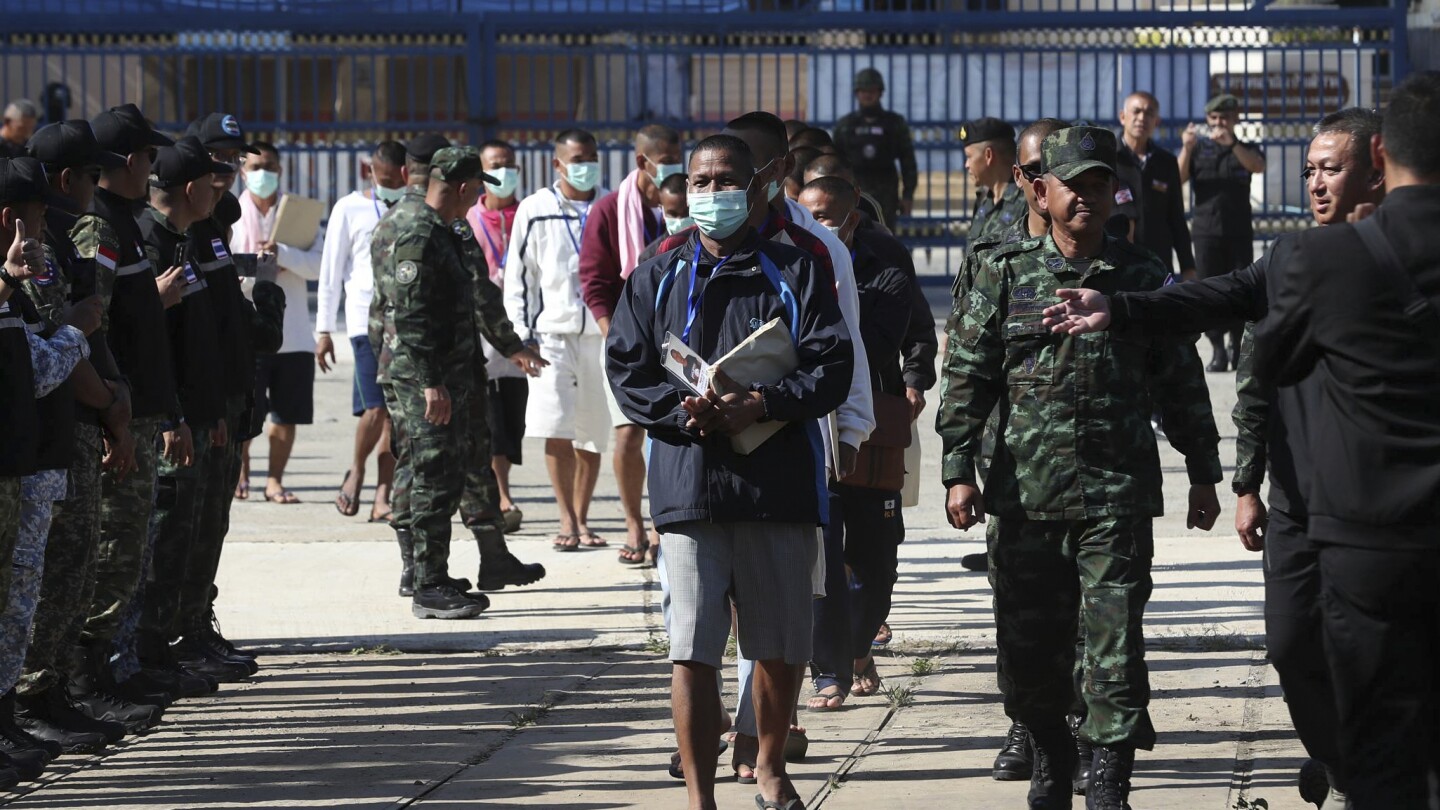
    In a significant diplomatic breakthrough, Thailand has repatriated 18 Cambodian prisoners of war following the successful implementation of a bilateral ceasefire agreement. The release occurred Wednesday at the Chanthaburi-Pailin border checkpoint, precisely where defense ministers from both nations formalized the truce last Saturday.

    Thai authorities characterized the prisoner transfer as “a demonstration of goodwill and confidence-building” conducted in strict adherence to international humanitarian principles. Cambodia’s Defense Ministry welcomed the development, stating it “creates an environment conducive to peace, stability, and the full normalization of relations for the benefit of both nations.”

    The soldiers’ captivity had become a major obstacle to reconciliation following two rounds of destructive combat over contested border territories. Thailand had previously justified their detention under Geneva Convention provisions permitting prisoner retention until hostilities conclude. Throughout their five-month imprisonment, the soldiers received regular visits from the International Committee of the Red Cross and were afforded all protections guaranteed by international humanitarian law.

    Cambodian officials had leveraged the detention to galvanize nationalist sentiment during the conflict. The government explicitly promised both the soldiers’ families and the Cambodian public that “no soldier would be left behind.”

    The current ceasefire agreement stipulated prisoner release upon 72 hours of sustained peace following Saturday’s noon enactment. Although this period concluded Tuesday, Thai authorities implemented a brief evaluation delay citing concerns over 250 Cambodian drones operating along the border.

    Disputes persist regarding the circumstances of the soldiers’ capture on July 31, coinciding with an initial ceasefire brokered by Malaysia. Cambodian accounts describe soldiers approaching Thai positions with friendly post-combat greetings, while Thai officials maintain the group demonstrated hostile intent while entering disputed territory. Originally capturing 20 soldiers, Thailand repatriated two individuals earlier for medical reasons.

    The conflict has exacted a heavy toll, with Thailand reporting 26 military fatalities, one civilian death, and 44 additional civilian casualties since December 7. The current ceasefire represents the third diplomatic attempt to resolve tensions, following earlier agreements mediated by Malaysia and advanced through economic pressure from the Trump administration.

  • China factory activity picks up in December as orders rebound ahead of holidays

    China factory activity picks up in December as orders rebound ahead of holidays

    China’s manufacturing sector has broken an eight-month contraction streak with December data indicating a return to expansion, according to official surveys released Wednesday. The National Bureau of Statistics reported the official purchasing managers index (PMI) climbed to 50.1 this month, narrowly crossing the 50-point threshold that separates expansion from contraction. A parallel private sector survey mirrored this reading at 50.1.

    The unexpected rebound reflects multiple factors including a temporary truce in U.S.-China trade tensions and manufacturers accelerating production ahead of the extended Lunar New Year holidays in mid-February. High-tech manufacturing demonstrated particularly robust performance, registering a PMI of 52.5 in December—a significant 2.4 percentage point increase from November.

    Sector-specific analysis revealed equipment manufacturing and consumer goods industries both reached 50.4 PMI readings. The food, textiles, apparel, and electronics sectors performed especially well with measures exceeding 53 points.

    However, the recovery remains uneven. While large manufacturers increased output, small and mid-sized enterprises—which employ the majority of China’s workforce—continued to contract. The RatingDog research firm noted that despite overall order improvements, new export sales declined slightly and hiring weakened.

    RatingDog founder Yao Yu cautioned that while manufacturing regained growth at year-end, “the improvement was marginal, with the impact of promotions and new products appearing impulse-driven and their sustainability requiring observation.”

    Economists point to persistent structural challenges including a prolonged property sector slump, industrial overcapacity, and squeezed profit margins due to rising raw material costs. Exporters responded by raising prices for the first time in three months to offset these higher costs.

    Julian Evans-Pritchard of Capital Economics suggested the upturn might be temporary, noting limited policy appetite for substantial demand-side stimulus amid ongoing property and industrial capacity headwinds expected to persist through 2026.