标签: Asia

亚洲

  • Taiwan’s president pledges to defend island’s sovereignty after China’s military drills

    Taiwan’s president pledges to defend island’s sovereignty after China’s military drills

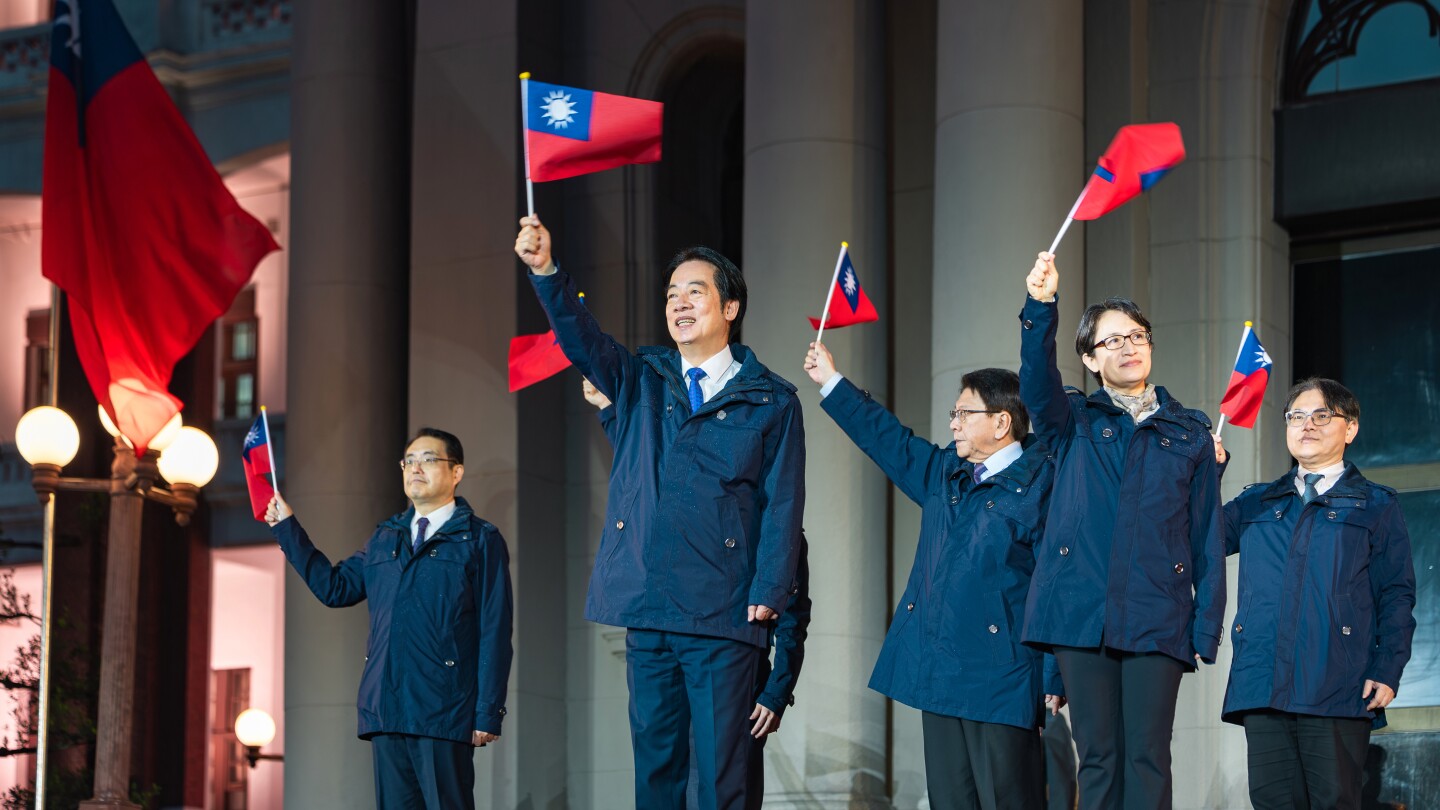
    TAIPEI, Taiwan — Taiwanese President Lai Ching-te has issued a resolute commitment to protect the island’s sovereignty in response to what he characterized as China’s “expansionist ambitions.” The declaration came during his New Year’s address, delivered shortly after Beijing concluded extensive live-fire military exercises encircling Taiwan.

    President Lai emphasized the international community’s scrutiny of Taiwan’s determination to maintain self-defense capabilities. “As president, my stance has always been clear: to firmly safeguard national sovereignty, strengthen national defense and the resilience of the whole society, and comprehensively construct an effective deterrence and democratic defense mechanism,” he stated.

    The address followed China’s demonstration of military prowess, which included rocket launches, aircraft sorties, and naval deployments. Beijing’s exercises were conducted in response to two primary provocations: a planned U.S. arms sale to Taiwan valued at over $11 billion—the largest such transaction to date—and comments from Japan’s new leader suggesting potential intervention in the event of a Chinese attack.

    The substantial American arms package includes advanced missiles, drone systems, artillery platforms, and military software. This transfer occurs under U.S. legal obligations to provide Taiwan with defensive capabilities, despite China’s persistent claims over the self-governed island.

    Chinese President Xi Jinping reinforced Beijing’s position in his own New Year’s address, describing eventual reunification as “unstoppable.” In preparation for continued tensions, Taiwan has approved a landmark $40 billion defense budget spanning 2026 to 2033. This allocation will fund the development of the ‘Taiwan Dome’—a comprehensive air defense network with advanced detection and interception capabilities—and supports President Lai’s pledge to increase defense spending to 5% of GDP.

    “Facing China’s serious military ambitions, Taiwan has no time to wait,” President Lai concluded, underscoring the urgency of these defensive measures.
  • How Saudi-UAE tensions could reshape regional alignments in 2026

    How Saudi-UAE tensions could reshape regional alignments in 2026

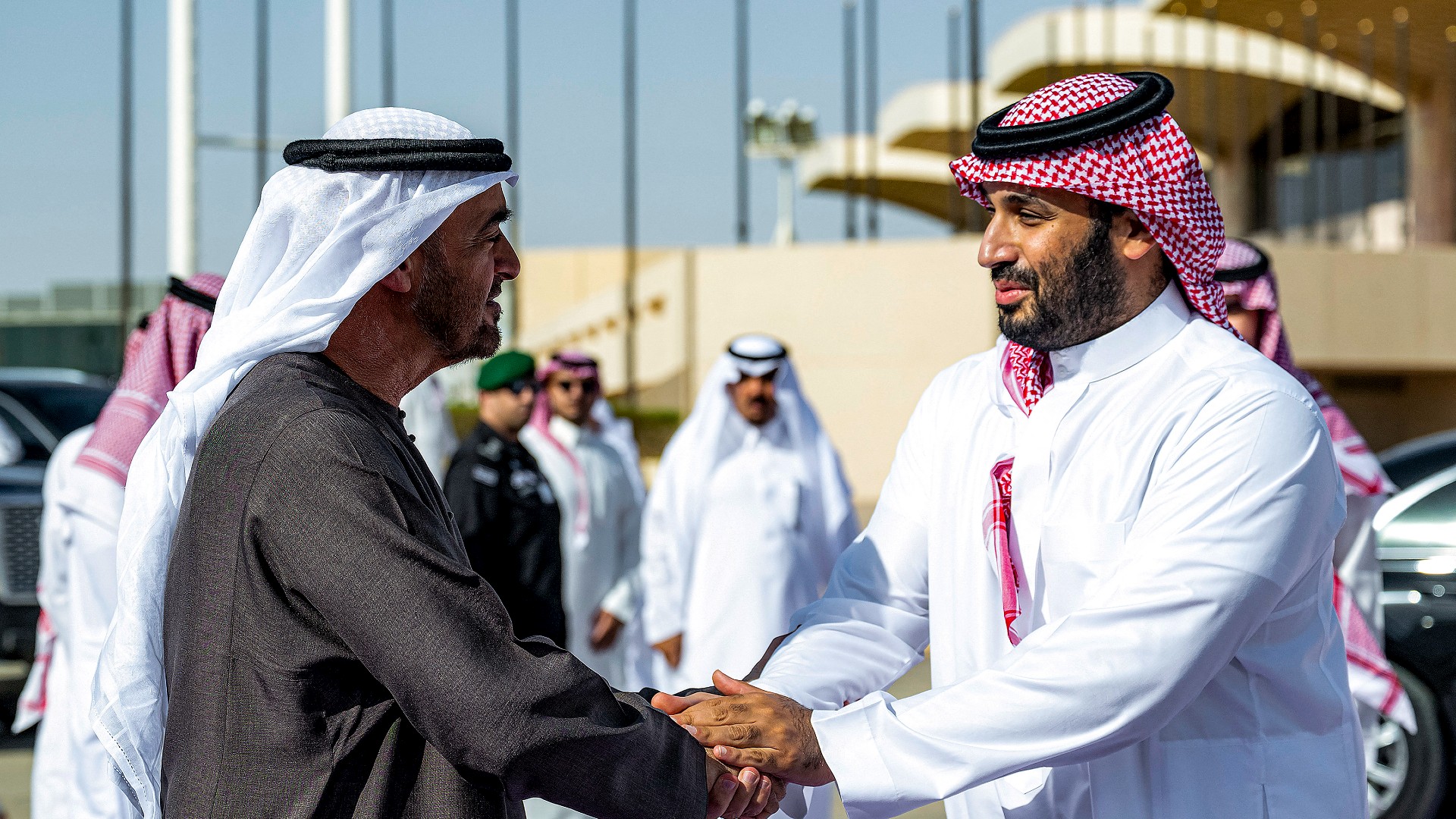
    A profound geopolitical shift is unfolding across the Arabian Peninsula as Saudi Arabia and the United Arab Emirates transition from strategic allies to overt adversaries, marking a significant deterioration in regional relations. This transformation, previously concealed behind diplomatic formalities, has now erupted into public view with tangible military actions and unprecedented diplomatic accusations.

    The rupture became starkly evident when Saudi forces conducted airstrikes on the Yemeni port of al-Mukalla, targeting what Riyadh identified as Emirati-linked weapons shipments destined for separatist factions. This direct military action against UAE-associated interests represents an unprecedented escalation, with Saudi officials publicly condemning Abu Dhabi’s activities as ‘highly dangerous’ threats to national security. The UAE promptly countered these allegations, dismissing them as containing ‘fundamental inaccuracies.’

    Regional analysts identify multiple conflict zones where the two powers’ strategies diverge fundamentally. In Sudan, Saudi Arabia supports the official army while the UAE backs the Rapid Support Forces paramilitary group. In Yemen, despite nominal cooperation against Houthi rebels, the UAE maintains longstanding support for secessionist Southern Transitional Council forces, which recently seized substantial territories in southeastern Yemen, prompting the Saudi military response.

    Further divisions emerge in Somalia, where the UAE pursues close cooperation with the breakaway region of Somaliland, including military base construction, while Saudi Arabia joined international consensus opposing recognition of the region’s independence. This pattern reveals emerging fault lines: the UAE frequently supports paramilitary and secessionist movements across the region, while Saudi Arabia builds coalitions to preserve existing state boundaries throughout the Middle East and Horn of Africa.

    Experts note this confrontation differs fundamentally from previous Gulf disputes, including the 2017 Qatar blockade where Riyadh and Abu Dhabi maintained unified positions. Kristian Ulrichsen of the Baker Institute observes the UAE may be ‘approaching a tipping point’ in balancing regional relationships with support for non-state actors. The normalization of UAE-Israel relations through the Abraham Accords further distinguishes Emirati and Saudi approaches to regional diplomacy, particularly following Israel’s military actions in Gaza.

    While some analysts suggest economic interdependence and shared Gulf Cooperation Council frameworks might eventually facilitate reconciliation, the current crisis reflects deeper strategic divergences that may reshape Middle Eastern geopolitics throughout 2026 and beyond, potentially creating new regional alignments and power structures.

  • Zhangjiajie National Forest Park welcomes its first snow

    Zhangjiajie National Forest Park welcomes its first snow

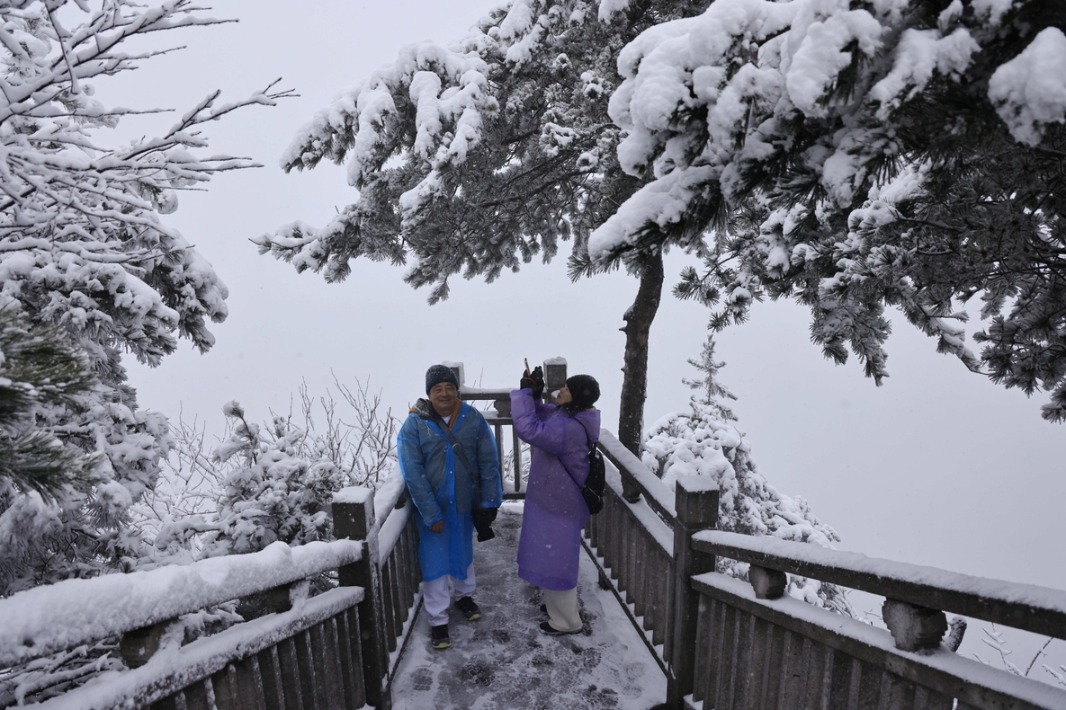
    Zhangjiajie National Forest Park, renowned for its towering quartzite sandstone pillars and UNESCO Global Geopark status, underwent a dramatic seasonal transformation on December 31st as the first winter snowfall descended upon Hunan province. The precipitation blanketed the iconic Tianzishan Scenic Area in a layer of pristine white, creating stunning contrasts against the park’s famous vertical rock formations.

    Visitors experienced extraordinary scenic vistas as snow accumulated on pine branches and mountain ridges, transforming the landscape into a winter wonderland. Photographs captured by Wu Yongbing show tourists exploring the snow-dusted pathways and observation decks, with the park’s unique geological features enhanced by their frosty covering.

    The meteorological event marks a significant shift in seasonal conditions for the protected area, which attracts millions of domestic and international visitors annually. While winter temperatures in the region can drop below freezing, early seasonal snowfalls of this magnitude remain relatively uncommon in December.

    Park authorities maintained visitor access throughout the weather event, allowing guests to witness the rare convergence of the park’s dramatic karst topography with winter precipitation. The snowfall created particularly photogenic conditions at elevated viewpoints where the contrast between white-capped peaks and deep green vegetation proved most pronounced.

    This winter spectacle offers a distinct alternative to the park’s typical spring and summer visitation seasons, potentially extending tourism appeal into the colder months. The transformation demonstrates the diverse seasonal characteristics of China’s protected natural areas and their capacity to offer dramatically different visitor experiences throughout the year.

  • Bangladesh’s Islamist party open to unity government after February vote

    Bangladesh’s Islamist party open to unity government after February vote

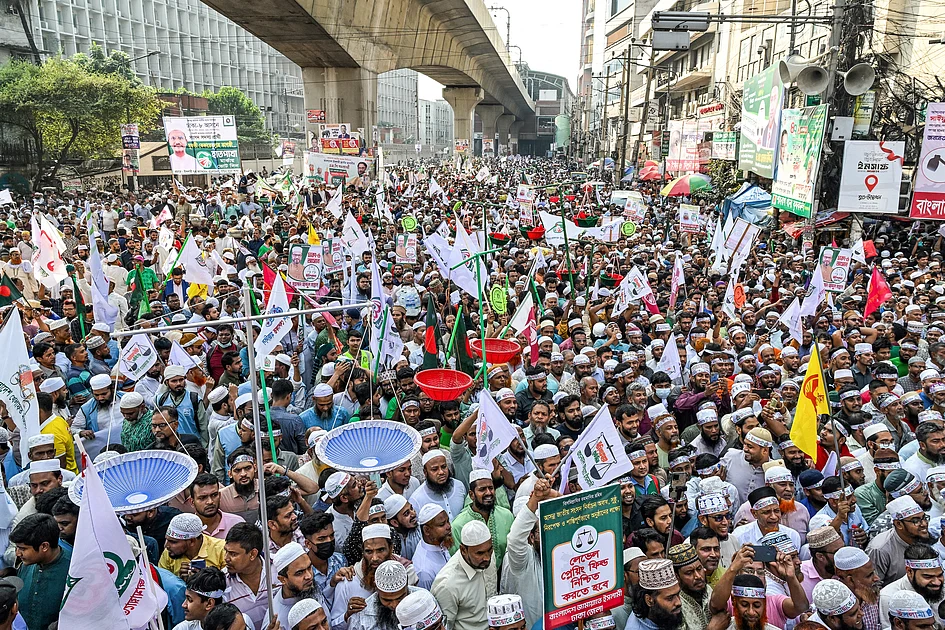
    In a significant development within Bangladesh’s political landscape, the historically banned Jamaat-e-Islami party has expressed willingness to participate in a unity government following February’s parliamentary elections. Party President Shafiqur Rahman confirmed in an exclusive Reuters interview that his organization has engaged in preliminary discussions with multiple political factions ahead of the February 12 vote.

    Current polling data indicates Jamaat-e-Islami is positioned to achieve its strongest electoral performance in nearly two decades, potentially finishing as runner-up to the Bangladesh Nationalist Party (BNP). This represents a remarkable political resurgence for the Islamist party, which regained electoral eligibility in August 2024 when an interim government led by Nobel laureate Muhammad Yunus lifted long-standing restrictions.

    The party’s political rehabilitation follows the dramatic ousting of former Prime Minister Sheikh Hasina during youth-led demonstrations in August 2024. Hasina’s Awami League party, which had maintained a consistently adversarial relationship with Jamaat-e-Islami, remains barred from participating in the upcoming election.

    Rahman emphasized that any unity government must prioritize anti-corruption measures as a shared objective. While advocating for Islamic governance under sharia law, the party leadership has simultaneously sought to broaden its appeal beyond traditional conservative constituencies. The Jamaat president clarified that the prime ministerial position would naturally be claimed by whichever party secures the most parliamentary seats.

    Regarding international relations, Rahman addressed Bangladesh’s complex diplomatic landscape. He expressed concerns about former Prime Minister Hasina’s continued residence in India since her departure from Dhaka, noting that bilateral relations have deteriorated significantly since her administration’s collapse. The party leader confirmed a confidential meeting with an Indian diplomat earlier this year, contrasting this discreet engagement with more transparent interactions with other international representatives.

    When questioned about historical ties to Pakistan, Rahman asserted Jamaat-e-Islami’s commitment to balanced international relations: “We maintain relations in a balanced way with all. We are never interested in leaning toward any one country.”

    The party leader further indicated that any government including Jamaat-e-Islami would experience discomfort with current President Mohammed Shahabuddin, who was elected unopposed with Awami League support in 2023. The ceremonial head of state previously told Reuters he would consider stepping down before completing his term.

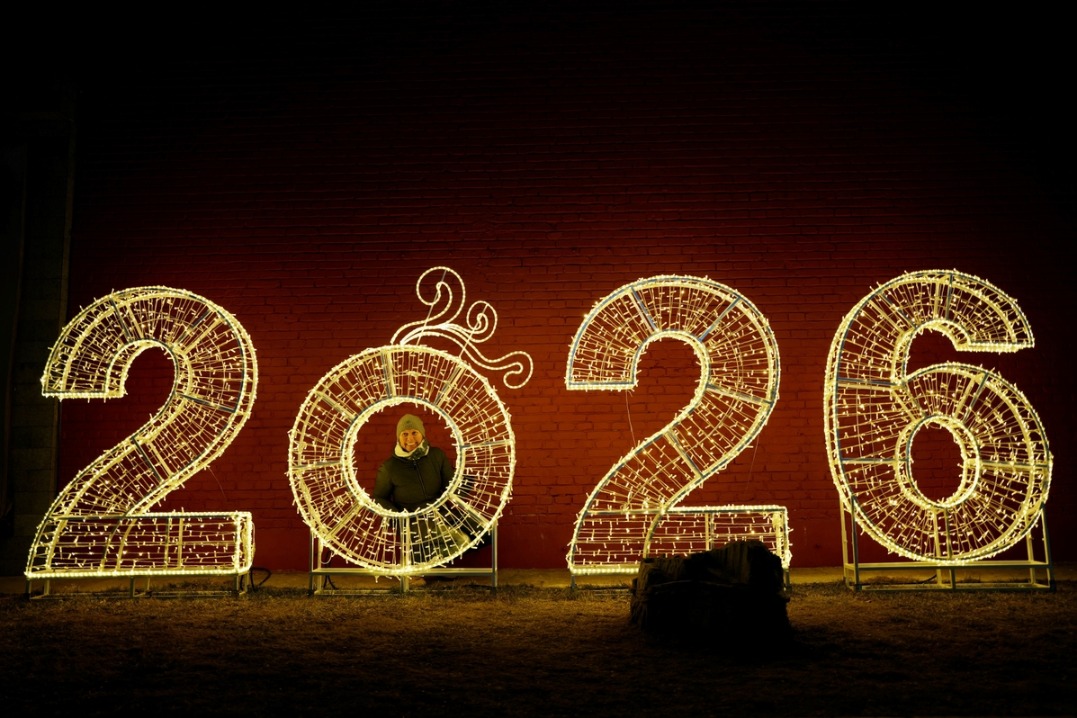
  • Revelers celebrate New Year’s Eve in Beijing

    Revelers celebrate New Year’s Eve in Beijing

    China Daily Information Co. (CDIC) maintains exclusive copyright protection over all content published across its digital platforms, according to the company’s official copyright statement. This comprehensive protection extends to textual materials, photographic images, multimedia presentations, and all other informational assets.

    The legal notice explicitly prohibits republication or utilization of protected content in any form without obtaining prior written authorization from CDIC. This copyright framework underscores the company’s commitment to safeguarding its intellectual property rights in the digital landscape.

    Technical recommendations accompanying the copyright information suggest optimal site viewing with display resolutions of 1024*768 pixels or higher, indicating the platform’s design specifications for ideal user experience.

    The publication operates under formal registration number 130349 and holds multimedia online publishing license 0108263, establishing its credentialed status within China’s digital media landscape. The platform additionally provides navigation options for organizational information, advertising opportunities, employment contacts, and expatriate job placements, positioning itself as both a media outlet and professional resource.

    Social media connectivity options are prominently featured, encouraging audience engagement and content distribution through authorized channels while maintaining copyright protections.

  • Shah Rukh Khan, Alicia Keys: Dubai, Abu Dhabi star-studded on New Year’s Eve 2026

    Shah Rukh Khan, Alicia Keys: Dubai, Abu Dhabi star-studded on New Year’s Eve 2026

    The United Arab Emirates is poised to host one of the most spectacular New Year’s Eve celebrations in its history as international entertainment icons descend upon Dubai and Abu Dhabi for unprecedented year-end festivities. The Emirates’ cultural landscape will be dramatically transformed through a series of high-profile performances and exclusive events featuring some of the world’s most celebrated artists.

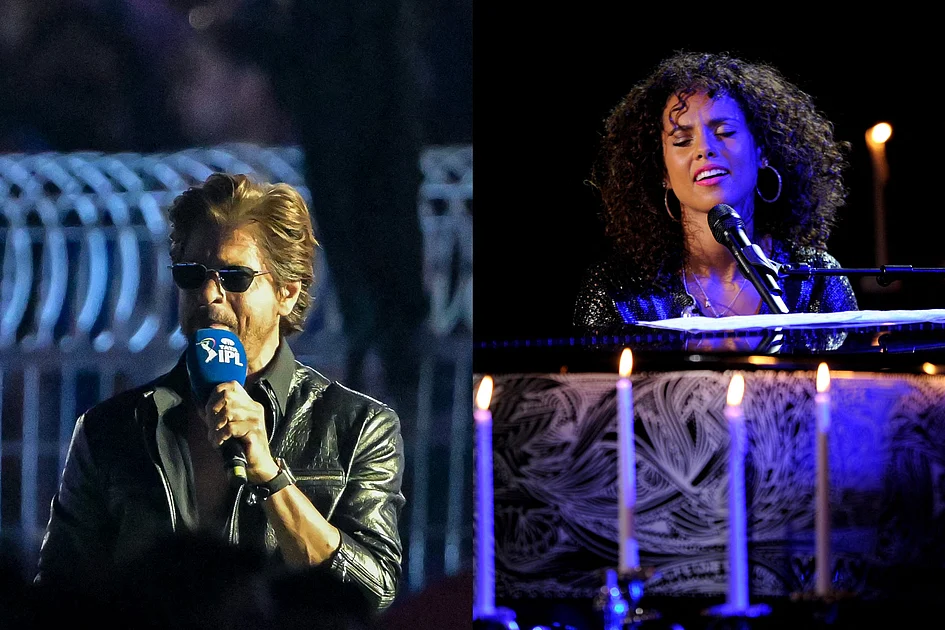
    Bollywood megastar Shah Rukh Khan has already arrived in Dubai, generating tremendous excitement across digital platforms. His participation anchors an ambitious eight-day festival orchestrated by Emaar Properties in Downtown Dubai, running from December 31 through January 7. The extensive program incorporates cutting-edge technology displays, immersive art installations, and live performances developed through a collaboration between Frontstage and Khan’s Red Chillies Entertainment. The centerpiece will be a specially ticketed event at Burj Park, featuring Bollywood-inspired performances and parades against the iconic backdrop of Burj Khalifa.

    Abu Dhabi simultaneously elevates its cultural offerings with the inaugural New Year’s Eve edition of the acclaimed Saadiyat Nights concert series. Grammy-winning songstress Alicia Keys returns to the UAE capital for her second appearance following a completely sold-out 2024 performance. The concert coincides with reports of the artist working on a new album scheduled for release in the coming year. Her performance will include career-defining hits such as ‘Fallin”, ‘If I Ain’t Got You’, and ‘No One’ as part of an extended concert season continuing through March with forthcoming shows by Mariah Carey, Diana Ross, and Lewis Capaldi.

    Additional luxury experiences include John Legend’s exclusive black-tie gala at the Emirates Palace Mandarin Oriental. The multi-award winning artist will perform on the Palace Terrace overlooking the Arabian Gulf, presenting beloved classics including ‘All of Me’ and ‘Love Me Now’ alongside gourmet dining and fireworks displays.

    Meanwhile, Atlantis The Palm prepares to host pop-rock phenomenon Maroon 5 for a comprehensive celebration featuring their greatest hits like ‘Moves Like Jagger’, ‘Sugar’, and ‘This Love’. The event combines a premium buffet dinner with panoramic fireworks viewing across Palm Jumeirah.

    These coordinated celebrations represent the UAE’s growing status as a global entertainment hub, offering both residents and international visitors an unparalleled convergence of musical excellence and luxury experiences to welcome the new year.

  • Nico Ali Walsh on extending the Muhammad Ali legacy while carving his own path

    Nico Ali Walsh on extending the Muhammad Ali legacy while carving his own path

    In the world of professional boxing, Nico Ali Walsh carries one of sport’s most legendary surnames while deliberately carving a distinct path of his own. The grandson of Muhammad Ali has emerged not merely as an inheritor of boxing royalty but as a disciplined athlete crafting his legacy through measured dedication and personal conviction.

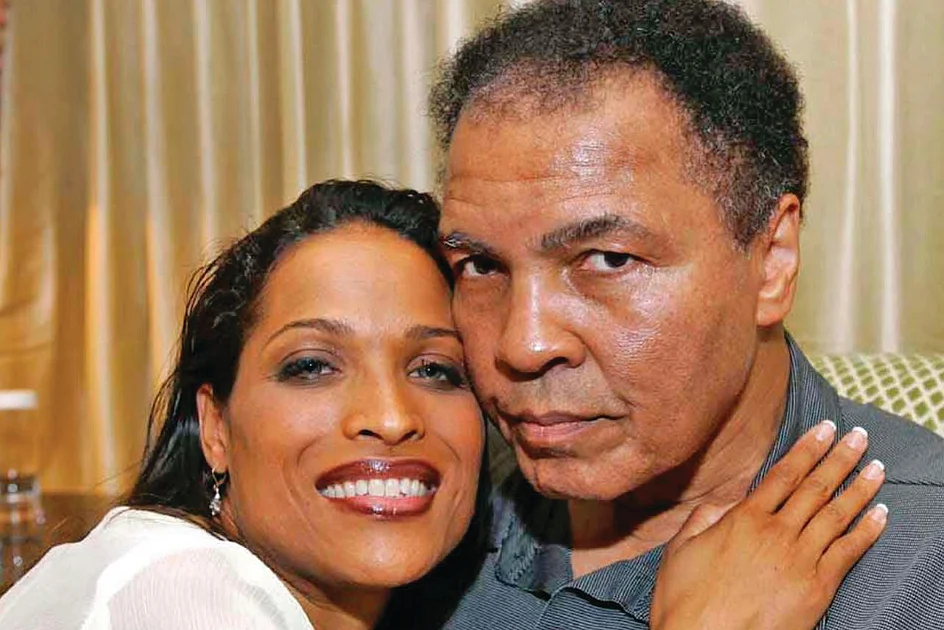
    Nico’s connection to the Ali legacy runs deep yet remains profoundly personal. As the elder son of Rasheda Ali (Muhammad Ali’s third child), he represents one of the few remaining members of the Ali family still competing professionally. His childhood memories revolve around simple family moments rather than global fame. “As a child I mostly remember sitting on my Grandfather’s lap,” Nico reflects. “I didn’t really know who he was at that time. For me, he’s just my grandfather. For everyone else, he’s the greatest boxer ever.”

    Since turning professional in August 2021, five years after his grandfather’s passing, Nico has navigated the inevitable comparisons with remarkable poise. His approach combines reverence for his heritage with a clear-eyed focus on his own development. He wears boxing trunks inspired by Ali’s iconic style and has fought under boxing’s brightest lights, including Madison Square Garden, yet maintains a disciplined lifestyle that prioritizes training over celebrity.

    “At the level I want to reach, you can’t have much of a normal social life,” Nico states. His regimen excludes nightlife, drinking, and distractions, centered instead on training, prayer, and recovery. This discipline has yielded a professional record of 12 wins, two losses, and one draw with five knockouts—a steady progression built on substance rather than spectacle.

    Interestingly, while acknowledging his grandfather’s influence, Nico identifies contemporary champion Terence Crawford as his primary boxing inspiration. Crawford’s technical brilliance, calm ring intelligence, and disciplined lifestyle resonate with Nico’s own approach. “What separates us is just time and experience,” Nico notes. “Crawford is ideal for me to emulate because he doesn’t drink, doesn’t smoke, doesn’t party. He’s with his family. I’m the same way.”

    Nico’s perspective on modern boxing reflects both tradition and pragmatism. He believes boxing is currently thriving, dismissing concerns about competition from MMA. Regarding YouTube-era boxers like Jake Paul, he maintains a measured view: “Fights like him vs. Mike Tyson are disrespectful to boxing. And he knows it. I’d rather he fight regular guys.”

    As a Muslim athlete, fighting in the Middle East holds special significance for Nico. Following his dominant six-round victory over Dubai-based Ugandan boxer Jeremiah Sserwadda, he expressed particular interest in competing throughout the region: “I love fighting in Muslim countries. I’d like to fight all over the region—Dubai, Qatar, Riyadh, everywhere.”

    Observers might occasionally glimpse echoes of Muhammad Ali’s style in Nico’s footwork or combinations, but his journey represents evolution rather than imitation. He acknowledges the weight of expectation while focusing on his own goals: “I’m creating my own legacy while extending his, and I want to make him proud someday.” Through discipline, faith, and quiet determination, Nico Ali Walsh is writing his own chapter in boxing history—one measured round at a time.

  • ‘He fought for everyone’s cause’: Rasheda Ali on the selfless legacy of Muhammad Ali

    ‘He fought for everyone’s cause’: Rasheda Ali on the selfless legacy of Muhammad Ali

    In a poignant interview with Khaleej Times, Rasheda Ali Walsh, daughter of boxing legend Muhammad Ali, offered intimate insights into her father’s multifaceted legacy that extended far beyond athletic achievement. Visiting Dubai with her professional boxer son Nico Ali Walsh and husband Robert Walsh, Ali reflected on the humanitarian principles that defined her father’s life.

    As a published author, public speaker, and Parkinson’s awareness advocate (the condition that ultimately claimed her father’s life), Rasheda serves as patron of the Muhammad Ali Parkinson’s Centre. She described her father as someone who ‘transcended boxing’ and never separated his beliefs from his actions, demonstrating remarkable consistency between principle and practice.

    The conversation highlighted Ali’s historic refusal of military draft during the Vietnam War due to moral convictions—a decision that cost him his heavyweight title, resulted in a three-year boxing ban, and initially brought draft evasion charges. Rasheda characterized this stance as potentially ‘career suicide’ that defied his handlers’ advice, yet ultimately inspired countless individuals through his unwavering commitment to religious and ethical principles.

    Beyond his activist legacy, Muhammad Ali revolutionized boxing’s popularity, becoming what his daughter described as ‘the first self-promoter’ who attracted women, children, and non-traditional audiences to the sport. His charismatic appeal combined with social consciousness created a unique cultural impact that transformed how athletes engage with societal issues.

    The Dubai setting held special significance for the family, as Muhammad Ali had established meaningful relationships there during his 1970 visit, shortly before Rasheda’s birth. Now witnessing her son continue the boxing tradition in the UAE, Rasheda acknowledged the region’s growing importance in combat sports while reflecting on how her father’s values continue to resonate across generations and geographies.

  • Condom tax and cheaper childcare: China’s plan to boost birth rates

    Condom tax and cheaper childcare: China’s plan to boost birth rates

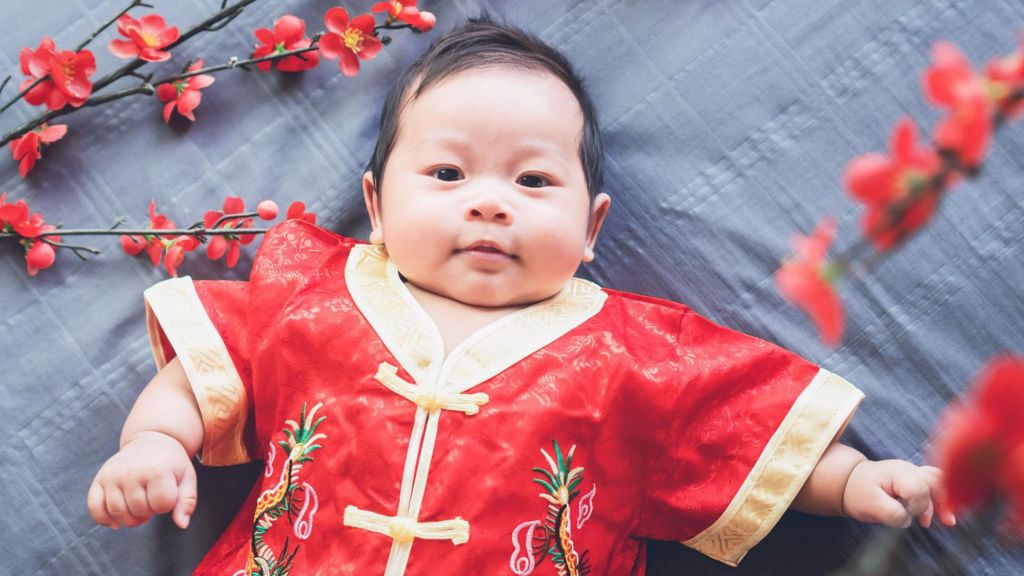
    China has implemented a significant tax policy revision effective January 1st, eliminating the value-added tax exemption for contraceptives while introducing VAT exemptions for childcare, marriage-related services, and elderly care. This fiscal overhaul represents Beijing’s latest attempt to reverse the nation’s declining birth rates amid demographic challenges.

    The policy change removes exemptions that had been in place since 1994, when China maintained its stringent one-child policy. The move comes as official data reveals China’s population has declined for three consecutive years, with 2024 recording approximately 9.54 million births—roughly half the number documented a decade ago when fertility restrictions began easing.

    Public response has been mixed, with some social media users expressing skepticism about the measure’s effectiveness. ‘People can tell the difference between the price of a condom and that of raising a child,’ commented one observer, highlighting the substantial financial barriers to parenthood in contemporary China.

    A 2024 study by Beijing’s YuWa Population Research Institute identified China as one of the world’s most expensive countries for child-rearing, citing competitive educational costs and work-life balance challenges as primary contributing factors. These economic pressures are further exacerbated by the ongoing property crisis that has diminished household savings and created widespread financial uncertainty.

    Demographic experts offer contrasting interpretations of the policy’s intent. Dr. Yi Fuxian of the University of Wisconsin-Madison suggests the contraceptive tax represents revenue generation rather than targeted population policy, noting China’s need to address housing market instability and growing national debt. Conversely, Henrietta Levin of the Center for Strategic and International Studies views the measure as symbolic of broader efforts to elevate China’s critically low fertility rates.

    The implementation challenges are substantial, as indebted provincial governments must administer these policies amid constrained resources. Additionally, concerns persist regarding potential unintended consequences, including increased financial barriers to contraception access for students and economically vulnerable populations.

    Critics argue that China’s approach may prove counterproductive if perceived as intrusive into personal decisions. Recent reports of local officials inquiring about women’s menstrual cycles and reproductive plans have raised privacy concerns and potentially undermined public trust in government initiatives.

    Underlying these policy measures are profound societal shifts affecting fertility patterns globally, including changing attitudes toward marriage, dating practices, and the disproportionate childcare burdens placed on women. As young Chinese navigate unprecedented social pressures and economic uncertainties, the effectiveness of fiscal interventions in reversing demographic trends remains uncertain.

  • Free in-flight Wi-Fi, new destinations: How Emirates reshaped air travel in 2025

    Free in-flight Wi-Fi, new destinations: How Emirates reshaped air travel in 2025

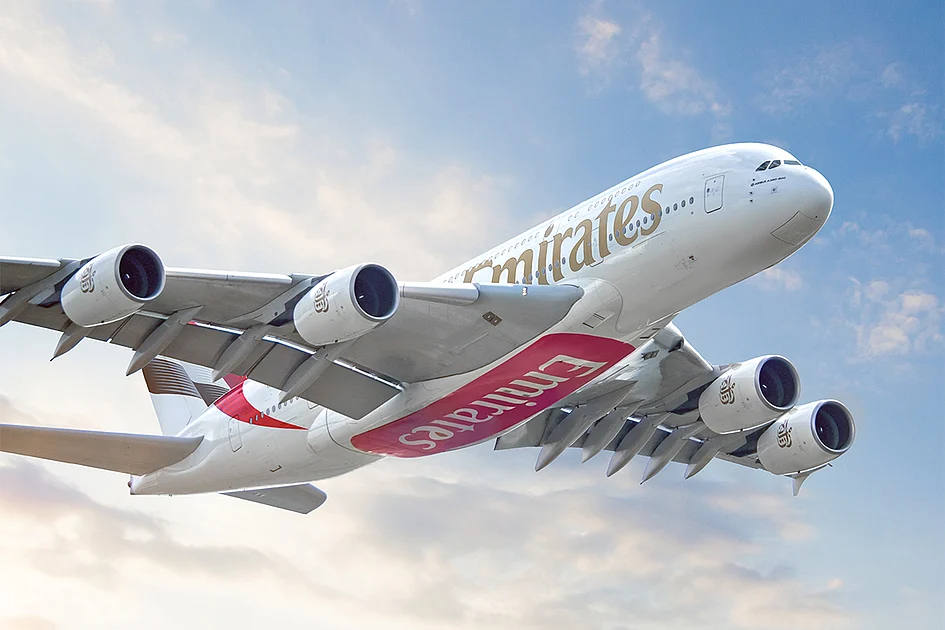
    Dubai-based Emirates Airlines has fundamentally transformed the aviation landscape throughout 2025 through strategic fleet expansion, technological innovation, and enhanced passenger services. The carrier transported 55.6 million passengers across 180,580 flights—equivalent to circumnavigating the globe 29,290 times—while simultaneously placing orders for 73 new aircraft during its 40th anniversary year.

    The airline’s transformative initiatives included the introduction of Airbus A350 aircraft to its operational fleet, with 16 aircraft currently serving 18 global destinations. Emirates significantly expanded its Asian network with new direct routes to Shenzhen and Hangzhou in mainland China, alongside services to Danang, Vietnam and Siem Reap, Cambodia via Bangkok.

    A landmark achievement came with the November announcement of Starlink Wi-Fi implementation across 232 aircraft, positioning Emirates to become the world’s first airline with Starlink-equipped A380s by early 2026. The complimentary high-speed connectivity will enable seamless streaming, gaming, and productivity across all cabin classes.

    The carrier’s Premium Economy cabin expansion reached approximately 70 cities served by over 100 aircraft, representing nearly 40% of the passenger fleet. Emirates simultaneously launched innovative commercial ventures including Emirates Courier Express, which has processed over 50,000 packages with an average delivery time of three days across 10 international markets.

    Corporate social responsibility initiatives demonstrated substantial impact, with the ‘Aircrafted KIDS’ program distributing 3,700 handcrafted backpacks to underprivileged children across eight countries using upcycled materials from aircraft interiors. Emirates achieved industry-first status as the world’s inaugural Autism Certified Airline™, with 30,000 staff trained to support passengers with neurodiverse needs.

    The airline’s commitment to luxury travel experiences culminated in 25 international accolades, including Best Airline in the World for the eighth consecutive year at the ULTRAs and Forbes Travel Guide’s Best International Airline recognition.