标签: Asia

亚洲

  • Chinese astronauts complete 1st cave survival training

    Chinese astronauts complete 1st cave survival training

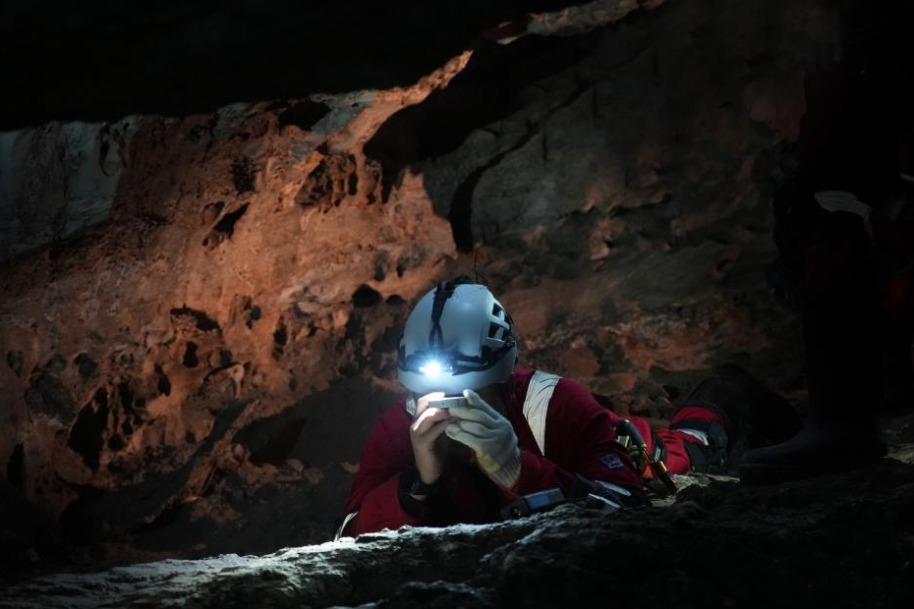
    In a groundbreaking initiative to prepare space explorers for extreme environments, twenty-eight Chinese astronauts have successfully concluded the nation’s inaugural cave survival training program. The intensive month-long exercise, orchestrated by the Astronaut Center of China in Chongqing’s Wulong district, represents a significant advancement in human spaceflight preparation methodology.

    The comprehensive training regimen incorporated over ten specialized activities designed to simulate challenging conditions astronauts might encounter during space missions. Participants conducted environmental monitoring, performed detailed cave mapping operations, engaged in simulated communication exercises replicating spacecraft-ground control interactions, and underwent rigorous psychological and behavioral conditioning.

    Astronauts were organized into four distinct groups, each enduring six days and five nights within natural cave systems characterized by average temperatures of 8°C and humidity levels reaching 99%. The training curriculum required participants to navigate exceptionally narrow passages, execute technical climbs and rappels along cliff faces, and withstand prolonged exposure to cold, damp conditions while managing substantial physical demands.

    Beyond physical challenges, the program addressed critical psychological aspects of space exploration, including overcoming darkness-induced anxiety and coping with sensory deprivation environments. This domestic training initiative follows China’s previous participation in international programs, notably astronaut Ye Guangfu’s involvement in the European Space Agency’s underground training in Italy during 2016.

    The China Manned Space Agency has announced plans to continue these advanced training programs for both veteran astronauts and new recruits, emphasizing the importance of developing enhanced adaptability to extreme environments and improving mission accomplishment capabilities for future space exploration endeavors.
  • Xi meets Taoiseach of Ireland

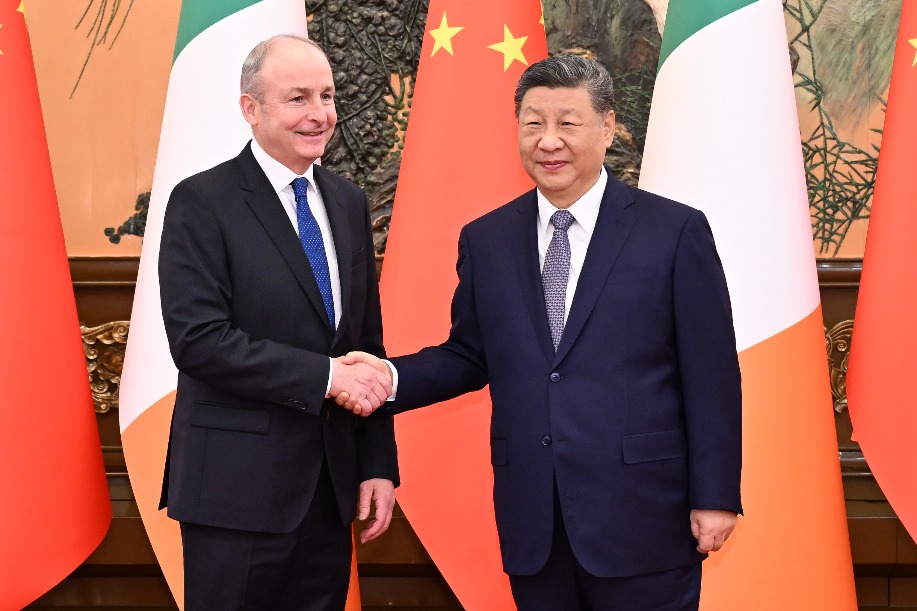
    Xi meets Taoiseach of Ireland

    China Daily Information Co (CDIC) holds exclusive copyright protection for all content published on its digital platform, according to the site’s published terms. The comprehensive copyright notice specifies that all materials—including textual content, photographic images, and multimedia information—remain the intellectual property of CDIC since 1994.

    The organization explicitly prohibits republication or utilization of any content without obtaining prior written authorization. The notice further emphasizes that any form of unauthorized use constitutes a violation of CDIC’s protected rights.

    Technical recommendations accompany the copyright information, with the site advising visitors to utilize browsers set at 1024*768 resolution or higher for optimal viewing experience. The published notice also references official registration details, including License number 0108263 for multimedia online publishing and Registration Number 130349.

    Additionally, the footer section provides navigation to organizational information pages, including sections detailing company background, advertising opportunities, contact channels, and employment information for both general positions and expatriate opportunities. The notice concludes with social media engagement prompts, encouraging visitors to follow the organization’s digital channels.

  • Themed high-speed train of Harbin Ice-Snow World starts operation in NE China’s Heilongjiang

    Themed high-speed train of Harbin Ice-Snow World starts operation in NE China’s Heilongjiang

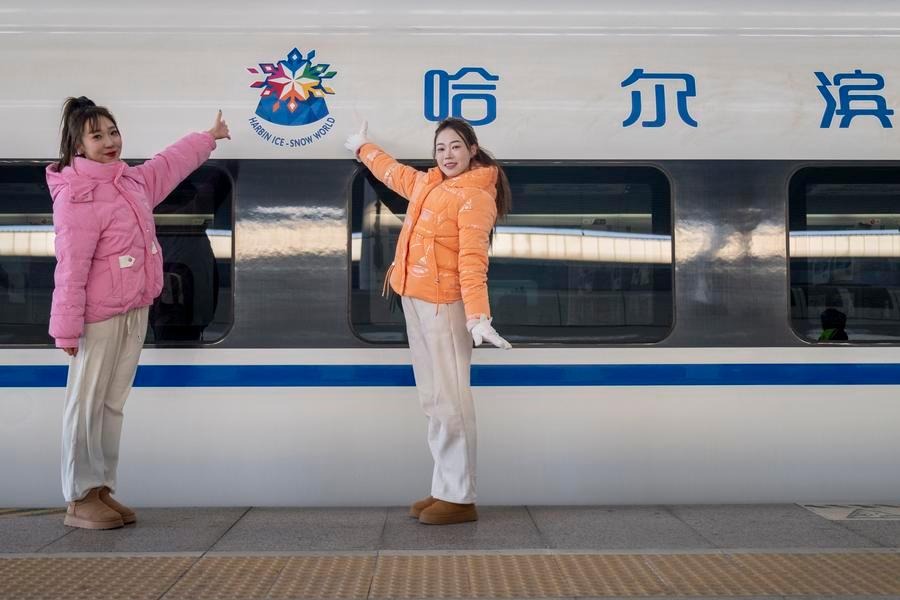
    HEILONGJIANG – A specially designed high-speed railway service showcasing the Harbin Ice-Snow World festival commenced operations from Harbin West Station on January 4, 2026. The G1276 bullet train embarked on its inaugural journey to Wuhan, Hubei Province, marking a significant development in regional tourism infrastructure.

    The visually distinctive train features comprehensive thematic decorations throughout both interior and exterior compartments, creating an immersive travel experience that celebrates northeastern China’s renowned winter festival. This initiative represents a strategic fusion of transportation technology and cultural tourism, designed to enhance passenger engagement while promoting regional economic development.

    Performers in ceremonial attire gathered at Harbin West Station for the launch event, commemorating the occasion with photographs alongside the newly deployed train. The vibrant livery and customized interior design elements transform the conveyance into a mobile ambassador for Heilongjiang’s winter tourism offerings.

    Transportation officials indicate this specialized service will operate throughout the winter season, connecting northern and central China while showcasing the cultural significance of the Harbin International Ice and Snow Festival. The project demonstrates innovative approaches to boosting regional tourism through transportation infrastructure, potentially establishing a template for other seasonal tourism destinations.

    The themed train service arrives as China continues to expand its high-speed rail network while developing integrated tourism experiences. This initiative specifically supports the growth of the ‘ice and snow economy’ – a strategic priority for northeastern provinces seeking to capitalize on their winter climate and cultural assets.

  • Founder of Indonesian ride-hailing app Gojek stands trial over Chromebooks procurement

    Founder of Indonesian ride-hailing app Gojek stands trial over Chromebooks procurement

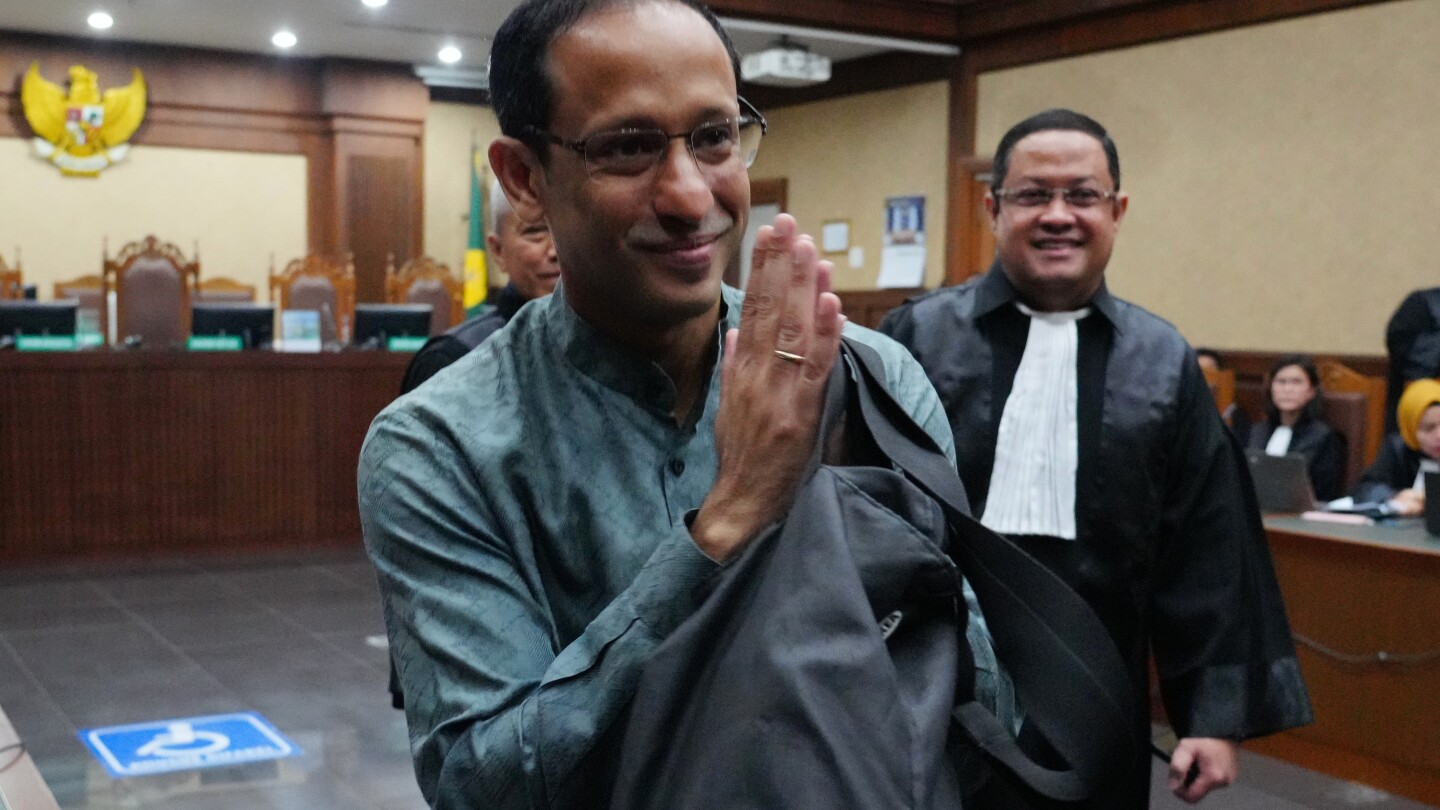
    JAKARTA, Indonesia — Indonesia’s Corruption Court commenced proceedings on Monday against Nadiem Anwar Makarim, the co-founder of ride-hailing giant Gojek and former Education Minister, in a high-profile corruption case centered on a massive school technology procurement project.

    The 41-year-old Harvard graduate, who served as Minister of Education, Culture, Research and Technology from 2019 to 2024, stands accused of orchestrating a scheme that allegedly caused significant state losses through the controversial purchase of Google Chromebooks for educational institutions. The investigation, led by Jakarta’s Attorney General’s Office, culminated in Makarim’s arrest on September 7th amid allegations of a $125 billion corruption scandal linked to the initiative.

    The procurement formed part of the government’s ambitious ‘digitalization of schools’ policy, designed to enhance digital infrastructure in remote educational facilities. However, prosecutors contend that Makarim deliberately favored Google’s Chromebook technology despite internal ministry research teams rejecting the model due to its incompatibility with regions lacking reliable internet connectivity.

    According to the indictment, Makarim manipulated the nationwide procurement process during 2020-2021 to serve personal business interests rather than educational needs. Prosecutors allege he pressured Google to invest approximately $787 million in PT Aplikasi Karya Anak Bangsa (PT AKAB), Gojek’s parent company, while personally receiving 809 billion rupiah ($48.2 million) in connection with the program.

    Lead prosecutor Muhammad Fadli Paramajeng told the three-judge panel that the procurement disregarded standard pricing benchmarks and technical requirements, particularly for under-resourced regions. The acquisition of over 1.2 million Chromebooks allegedly aimed to strengthen Google’s dominance in Indonesia’s education technology ecosystem while facilitating substantial investments in Makarim’s former company.

    The prosecution argues that Makarim’s 2019 resignation from PT AKAB and Gojek constituted ‘strategic concealment’ to mask conflicts of interest, while he maintained indirect control through appointed associates. Makarim faces potential life imprisonment under Indonesia’s 2001 Corruption Law for causing state losses and misusing public funds.

    Makarim has vigorously denied all allegations, asserting through his defense team that he never personally received funds from the Chromebook procurement. His attorneys contend that Google’s investment predated his ministerial tenure and represented routine corporate activity unrelated to the laptop agreement. They further note that Makarim divested from PT AKAB upon taking office, experienced a more than 50% wealth reduction during his term, and delegated procurement decisions to technical teams rather than exercising ministerial authority.

    Defense lawyer Ari Yusuf Amir characterized the indictment as ‘unclear, inaccurate and incomplete,’ arguing it improperly conflated Makarim’s policy-making role with operational decisions made by other officials. Three additional individuals—two former education ministry officials and a technology consultant—face related charges, while another staff member remains at large.

  • Yemen govt forces retake Hadramout

    Yemen govt forces retake Hadramout

    In a significant military development, Yemen’s internationally recognized government has announced the complete recapture of the oil-rich Hadramout province following a decisive Saudi-backed operation against separatist forces. The offensive, which culminated on Saturday, successfully displaced fighters aligned with the Southern Transitional Council (STC) from key strategic positions across the southeastern region.

    According to statements from Rashad al-Alimi, head of Yemen’s Presidential Leadership Council, government security forces have been directed to secure all state institutions and protect public and private property throughout the reclaimed territory. The state-run Saba news agency confirmed that administration troops have assumed control over all military and security installations within the province.

    The provincial capital Mukalla, a critical port city, fell under government control after STC fighters withdrew under sustained aerial bombardment from Saudi warplanes. Military officials reported that troops entered the city without major resistance and immediately began securing government facilities. However, local residents described scenes of chaos and looting at several installations, including Al Rayyan airport, involving both civilians and newly arrived pro-government tribal fighters.

    Government forces also reclaimed Seiyun, Hadramout’s second-largest city, approximately one month after its capture by STC forces. Military sources indicated that separatist troops withdrew from Seiyun airport and other key institutions, enabling government forces to establish full control.

    In a parallel development, STC forces reportedly withdrew from government institutions in the eastern province of Al-Mahrah without engaging in combat. The Saba agency reported that STC-affiliated units evacuated Ghaydah airport and the presidential palace in the provincial capital, with Governor Al-Alimi tasking local authorities with restoring order and taking control of military camps.

    The STC responded to these developments by welcoming Saudi Arabia’s invitation to sponsor a southern dialogue conference, characterizing the initiative as a practical step toward addressing longstanding southern aspirations. The group expressed optimism that this could facilitate “serious dialogue” regarding the future of southern Yemen.

    The recent clashes erupted following a government offensive launched on Friday, with hundreds of Saudi-backed troops advancing toward Hadramout to expel STC forces and reassert central government authority. Local sources reported that intensified Saudi airstrikes in support of the operation resulted in more than 20 fatalities and dozens of injuries.

    This military confrontation occurred amid the STC’s announcement of a two-year transitional period to administer southern Yemen, to be followed by a referendum on independence. Tensions between the government and the separatist group escalated significantly last month when STC forces seized substantial territory in Hadramout and Al-Mahrah—regions Saudi Arabia considers strategically vital due to their proximity to its border and concentration of Yemen’s remaining energy resources.

    Yemen’s complex civil war, ongoing since 2014 when Houthi forces captured the capital Sanaa, has involved multiple factions with competing interests. The UAE-backed STC, formed in 2017 to advocate for southern independence, had nominally joined the Saudi-led coalition and the Presidential Leadership Council in 2022 but maintained persistent disagreements with the central government regarding power-sharing arrangements and control over territory and resources.

  • Research establishes brain normative references for Chinese population

    Research establishes brain normative references for Chinese population

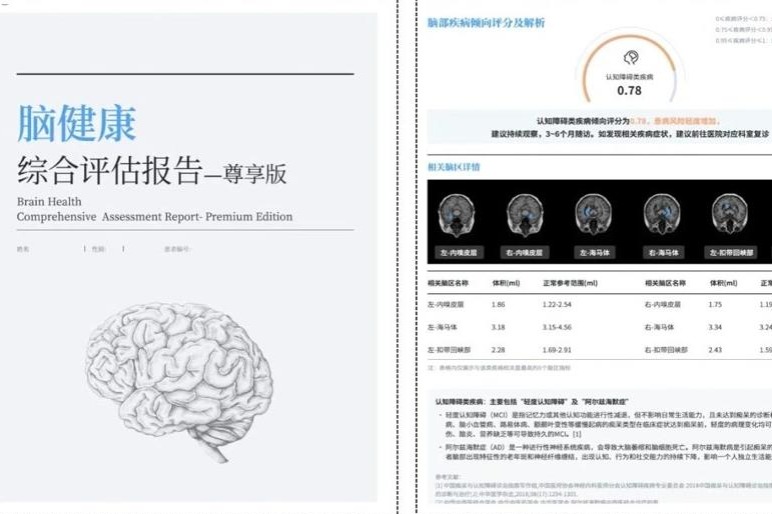
    A groundbreaking study conducted by Chinese researchers has successfully established comprehensive normative references for brain structure across the entire lifespan of the Chinese population, marking a significant advancement in neurological diagnostics. The research, led by Professor Liu Ya’ou from the Department of Radiology at Beijing Tiantan Hospital, addresses critical gaps in neurological healthcare specific to Chinese patients.

    The research initiative emerged from two fundamental challenges in China’s neurological diagnostics landscape. First, existing brain normative standards predominantly derive from Western populations, creating potential inaccuracies when applied to Chinese patients due to distinct genetic backgrounds and environmental factors. Second, the medical community lacked sufficient data to differentiate between normal aging processes and pathological neurological changes, often resulting in delayed diagnoses and missed intervention opportunities.

    To overcome these limitations, the collaborative team from Beijing Tiantan Hospital and Beijing Normal University analyzed an extensive dataset comprising magnetic resonance imaging scans from 24,061 healthy Chinese individuals and 3,932 patients with neurological disorders. Their comprehensive analysis established standardized reference ranges for 228 critical structural indicators specifically tailored to the Chinese population.

    Published in the prestigious international journal Nature Neuroscience, the findings demonstrate how individual brain deviation scores calculated from these normative references can rapidly quantify structural abnormalities and facilitate precise disease identification. The research reveals distinct neurological patterns: Alzheimer’s disease manifests through widespread deviations across multiple brain structures, Parkinson’s disease primarily affects deep gray matter, while multiple sclerosis predominantly involves white matter and thalamus volume alterations.

    This innovative framework, currently undergoing clinical pilot testing at Beijing Tiantan Hospital, enables earlier screening and diagnosis of neurological disorders while supporting more targeted treatment strategies. The research team is expanding collaborations with medical imaging corporations to integrate multi-modal imaging, blood biomarkers, and genetic testing data, further advancing precision medicine approaches for brain health and major neurological conditions.

  • Guangdong’s tech transfer boom

    Guangdong’s tech transfer boom

    Guangdong Province has positioned itself at the forefront of China’s technology transfer landscape, demonstrating remarkable progress in converting research innovations into commercial applications. This southern Chinese economic powerhouse has developed a sophisticated ecosystem connecting academic institutions, research centers, and industrial enterprises, creating a dynamic pipeline for technological commercialization.

    The province’s success stems from strategic government policies that incentivize collaboration between academia and industry. Special economic zones and innovation hubs have implemented streamlined processes for intellectual property rights registration and technology licensing. These initiatives have significantly reduced the traditional barriers between laboratory research and market implementation.

    Numerous technology transfer offices have been established across Guangdong’s universities and research institutes, staffed by professionals specializing in patent law, market analysis, and venture capital acquisition. These offices actively identify promising research with commercial potential and facilitate partnerships with industry players.

    The results have been substantial, with reported technology transfer agreements increasing by approximately 47% year-on-year in 2025. Particularly strong performance has been noted in sectors including artificial intelligence, renewable energy, biotechnology, and advanced manufacturing. This growth has attracted significant venture capital investment to the region, with several technology startups achieving unicorn status after successfully commercializing transferred technologies.

    International partnerships have also flourished, with Guangdong institutions establishing technology exchange programs with research organizations in the Greater Bay Area and beyond. These collaborations have created bidirectional technology transfer channels, bringing international innovations to Chinese markets while exporting Guangdong-developed technologies globally.

    The provincial government has announced plans to further expand support for technology transfer initiatives in its 15th Five-Year Plan period, indicating that this trend will continue to accelerate through 2026 and beyond.

  • Role of Global South in bolstering unity stressed

    Role of Global South in bolstering unity stressed

    The year 2025 has witnessed mounting strain on global governance systems due to escalating geopolitical tensions, institutional inertia, and widening development disparities. Against this backdrop, the Global South is increasingly positioned to strengthen solidarity among developing nations, with China poised to play a pivotal role in advancing inclusive development, people-centered governance, and a more equitable international framework, according to expert analyses.

    The foundation for this transformation was significantly reinforced during the 3rd Voice of Global South Summit in 2024, which convened 134 member states of the Group of 77 plus China, representing approximately 80% of the world’s population. Under the guiding principle of ‘leaving no one behind,’ participants acknowledged the distinctive requirements and capabilities of developing nations while emphasizing enhanced South-South cooperation across critical domains including industrialization, trade, investment, climate action, poverty reduction, and digital transformation.

    A May 2025 report from the United Nations Office for South-South Cooperation documented the Global South’s pursuit of viable solutions within an increasingly complex landscape characterized by shifting geopolitical dynamics, economic volatility, and environmental challenges. Despite economic growth in certain developing regions, persistent debt vulnerabilities, trade disruptions, and inflationary pressures continue to impede progress toward Sustainable Development Goals.

    Professor Evandro Menezes de Carvalho of Brazil’s Fluminense Federal University noted that the Global South’s growing influence is helping rebalance the historical dominance of Western powers within institutions like the United Nations, International Monetary Fund, and World Bank. ‘Many Global South countries are experiencing rapid economic growth, broadening global economic leadership beyond traditional Western economies,’ Carvalho stated, highlighting how initiatives such as BRICS and the New Development Bank are reducing reliance on Western-dominated financial systems.

    Professor Mammo Muchie of South Africa’s Tshwane University of Technology emphasized that global governance stands at a historic turning point where multilateral cooperation and shared development have become more urgent than ever. ‘Since the Cold War’s conclusion, deepening globalization and the collective rise of emerging market economies have gradually reshaped the international balance of power,’ Muchie observed, noting that developing countries have gained substantial influence in global affairs while new mechanisms including BRICS, the Shanghai Cooperation Organization, and ASEAN continue gaining prominence.

  • Teahouses turn nostalgia temples

    Teahouses turn nostalgia temples

    In the picturesque landscapes of Kaihui township, just beyond Changsha’s urban sprawl, a cultural phenomenon is captivating city dwellers. The First Love Teahouse, housed within a repurposed rural supply and marketing cooperative building, has transformed into an unexpected pilgrimage site for urbanites seeking connection to simpler times.

    The establishment masterfully recreates the agrarian atmosphere of 1980s rural China through its meticulous design and curated artifacts. More than 600 vintage objects donated by local villagers—including aluminum water kettles, enamel tea mugs, and traditional bamboo baskets—create an immersive environment that founder describes as a ‘rural cultural living room.’ This attention to authentic detail has earned the venue its nickname: ‘a teahouse grown on farmland.’

    What began as a quiet nostalgic venture in September has evolved into a sensation, with patrons regularly enduring hour-long drives from downtown Changsha even on weekdays. The attraction extends beyond traditional tea service to include local specialty foods and vibrant cultural performances. Particularly popular are the Huagu Opera (flower-drum opera) shows that animate the main stage, combining with the aromatic tea steam and rhythmic drum beats to create a multisensory experience.

    Patrons consistently report powerful emotional connections to the establishment. ‘The dishes, the performance, the culture—everything feels like from our childhood,’ remarked one guest who grew up in the region. This successful blending of heritage preservation with contemporary consumption patterns demonstrates how rural cultural elements can find new relevance in modern urban life, creating sustainable business models that celebrate traditional Chinese culture while meeting the psychological needs of today’s consumers.

  • Pakistan and China call for ‘visible and verifiable’ steps against Afghan-based terror groups

    Pakistan and China call for ‘visible and verifiable’ steps against Afghan-based terror groups

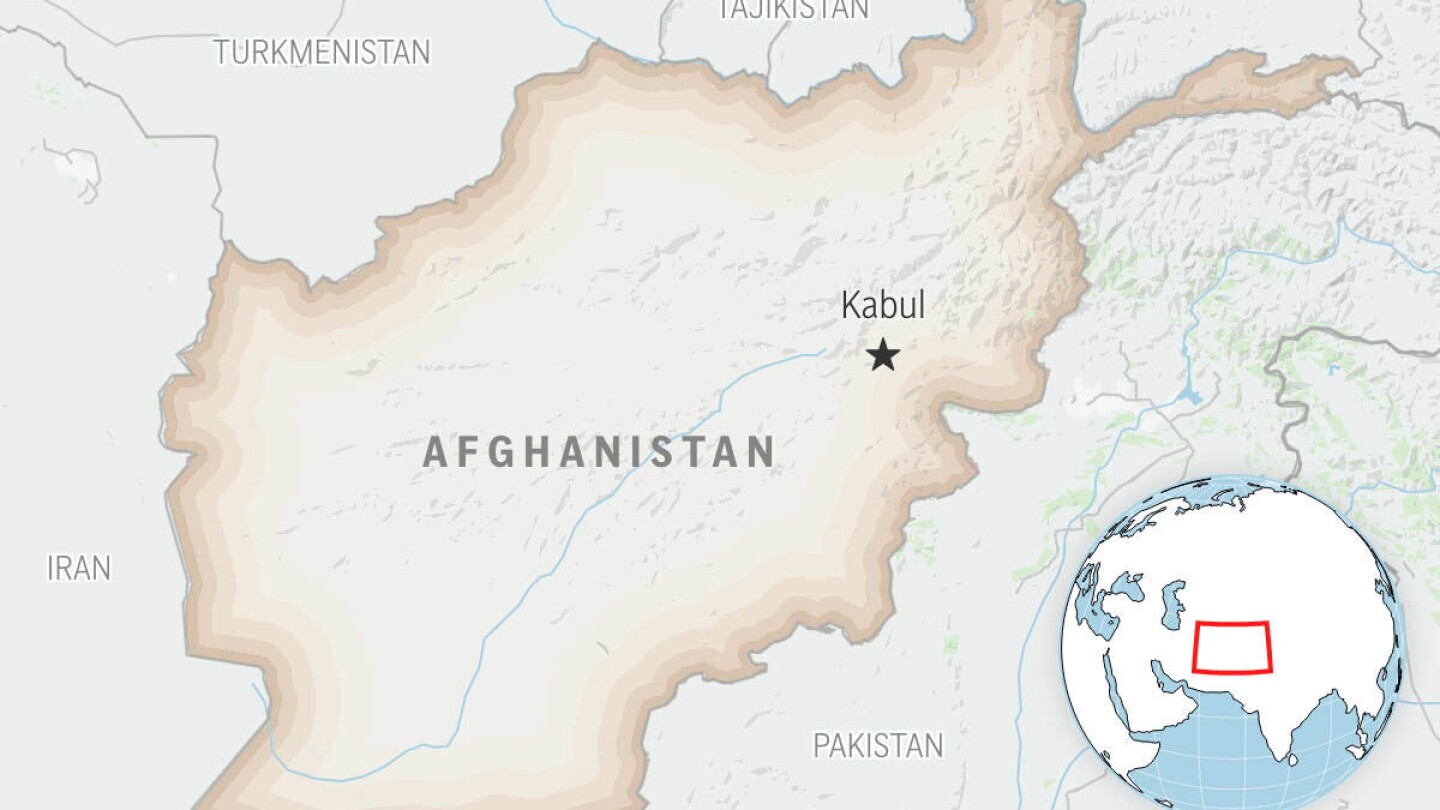
    In a significant diplomatic development, Pakistan and China have jointly called for concrete, demonstrable measures to eradicate terrorist networks operating from Afghan territory. This demand was formalized in a joint statement released following high-level talks between Pakistani Foreign Minister Ishaq Dar and Chinese Foreign Minister Wang Yi in Beijing on December 4.

    The bilateral statement emphasized that terrorist organizations based in Afghanistan continue to represent a severe threat to regional and global security. Both nations stressed the critical importance of preventing Afghan soil from being utilized as a launchpad for militant activities against other countries.

    China specifically commended Pakistan’s comprehensive counterterrorism efforts, particularly highlighting the protection of Chinese citizens and infrastructure associated with the China-Pakistan Economic Corridor (CPEC). This massive infrastructure project, part of China’s Belt and Road Initiative, employs thousands of Chinese workers and engineers developing transportation links between China’s Xinjiang region and Pakistan’s Gwadar port.

    The diplomatic pressure follows increased regional tensions, including a suicide car bombing in 2024 that killed five Chinese nationals in northwest Pakistan. Pakistan has consistently accused Afghanistan’s Taliban government of providing sanctuary to the banned Tehrik-e-Taliban Pakistan (TTP), which has been responsible for escalating attacks within Pakistan since 2021.

    Despite the Taliban’s assurances that Afghan territory isn’t used for cross-border attacks, tensions peaked in early October when Pakistan conducted airstrikes against alleged TTP hideouts in Afghanistan, resulting in dozens of casualties. Afghanistan retaliated with attacks on Pakistani military positions, leading to significant casualties on both sides. While Qatar brokered a temporary ceasefire in Doha, subsequent talks in Istanbul failed to produce substantial diplomatic breakthroughs.