标签: Asia

亚洲

  • Former deputy head of national forestry and grassland body charged with bribery

    Former deputy head of national forestry and grassland body charged with bribery

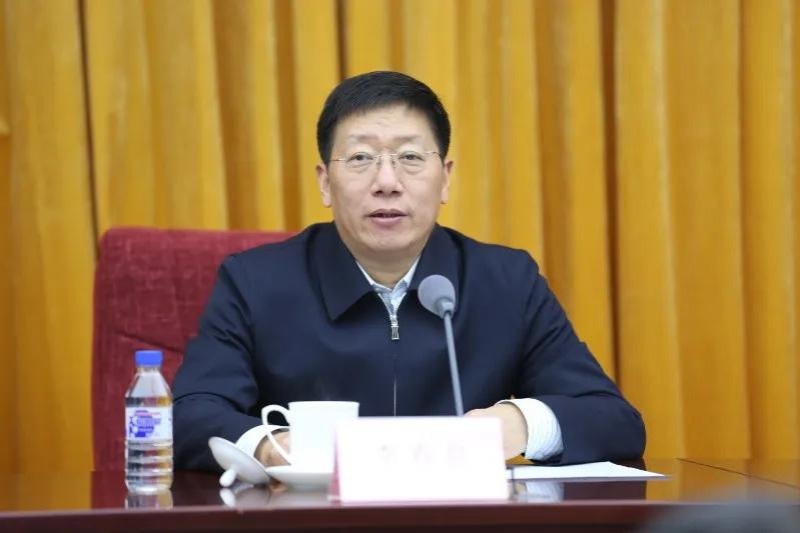
    Li Chunliang, the former deputy director of China’s National Forestry and Grassland Administration, has been formally indicted on charges of bribery and influence peddling according to an official announcement from the Supreme People’s Procuratorate. The case represents another significant development in China’s ongoing anti-corruption campaign.

    The Dezhou People’s Procuratorate in Shandong Province has been designated to handle the prosecution, which has now been formally submitted to the Dezhou Intermediate People’s Court. The case underwent initial investigation by the National Commission of Supervision before being transferred to judicial authorities for criminal prosecution.

    Prosecutors allege that Li exploited his numerous former positions of authority, including senior roles within the Communist Party of China Central Committee’s Organization Department and his leadership capacity at both the former State Forestry Administration and its successor organization, the National Forestry and Grassland Administration. The indictment claims he provided improper benefits to associates in exchange for substantial monetary payments and valuable assets.

    Additionally, the prosecution maintains that even after leaving public office, Li continued to leverage his residual influence from previous government positions. He allegedly manipulated other public officials to secure improper advantages for third parties while accepting particularly large sums of money and valuable property in return.

    During the judicial review process, prosecutors followed standard procedural protocols by informing Li of his legal rights, conducting formal questioning, and consulting with his defense team. The 63-year-old Hebei native, who joined the Communist Party in March 1984, held his forestry administration position from December 2016 through his 2023 retirement. Following his retirement, Li was elected president of the China Wildlife Conservation Association in December 2023.

    His fall from grace began with a disciplinary investigation in May 2025, culminating in his expulsion from the Communist Party in November of that year. The case demonstrates China’s continued commitment to investigating corruption both during and after officials’ public service tenure.
  • National Drum King Convention draws 14 top troupes to Hebei

    National Drum King Convention draws 14 top troupes to Hebei

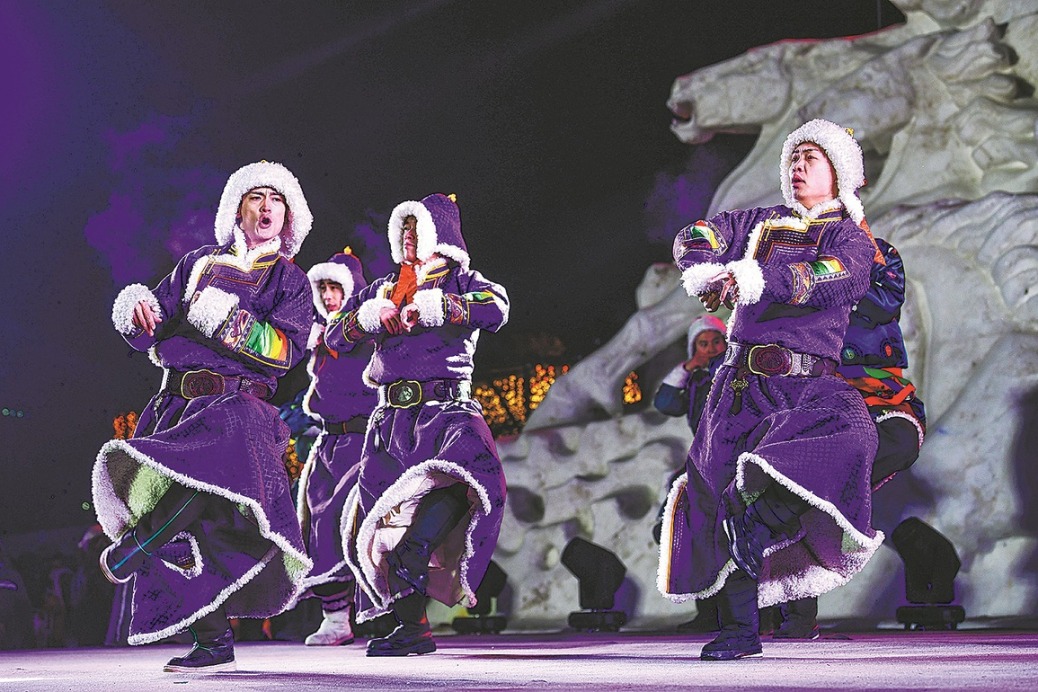
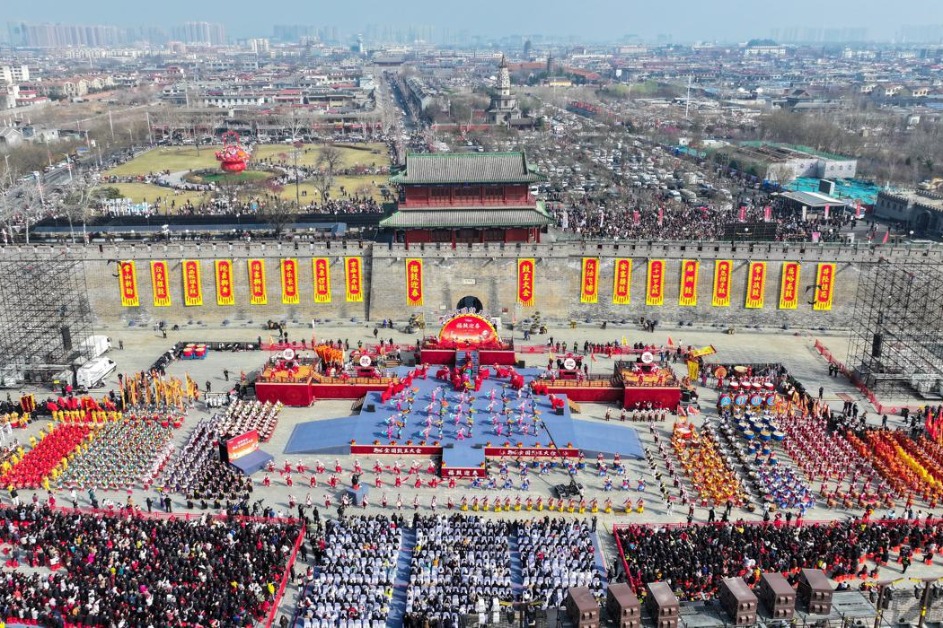
    Zhengding county in Shijiazhuang, Hebei province, transformed into a vibrant cultural epicenter on March 15, 2026, as it hosted the prestigious National Drum King Competition. The event brought together fourteen nationally acclaimed drum troupes representing diverse regional traditions from across China.

    The competition served as both a artistic showcase and seasonal celebration, with performers delivering dynamic routines that blended time-honored Chinese drumming techniques with contemporary international influences. The rhythmic performances created an immersive cultural experience for both local residents and visiting tourists, filling the streets with powerful percussion and theatrical energy.

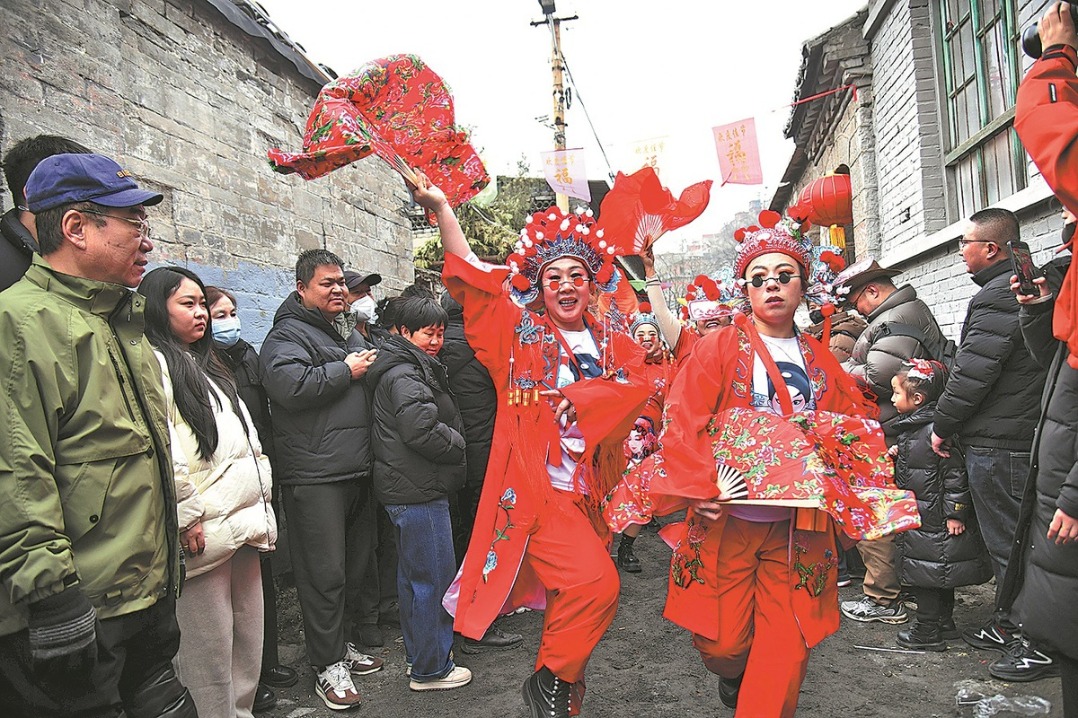
    Following the formal competitive presentations, the participating troupes embarked on a vibrant procession through Zhengding’s thoroughfares. This ceremonial parade allowed for intimate engagement with audiences, demonstrating the enduring appeal and accessibility of traditional folk drum art in modern cultural expression.

    The event highlighted Hebei province’s ongoing commitment to preserving and promoting intangible cultural heritage while fostering interregional artistic exchange. The convergence of these elite performing groups underscored the continuing vitality of drumming traditions within China’s diverse cultural landscape.

  • Documentary series Qiao! Beijing launches tomorrow!

    Documentary series Qiao! Beijing launches tomorrow!

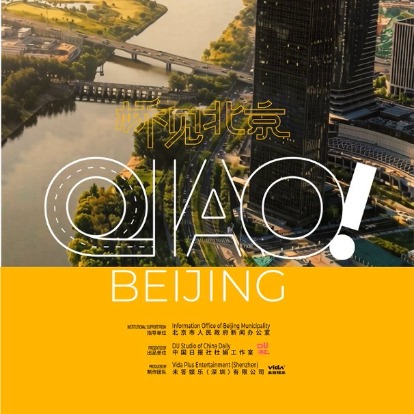
    A groundbreaking documentary series offering an unprecedented journey through Beijing’s urban landscape is set to premiere across digital platforms tomorrow. ‘Qiao! Beijing’ (which translates to ‘Bridge! Beijing’) invites global audiences to explore the Chinese capital through the architectural and cultural significance of its bridges, serving as both physical structures and metaphorical connectors between communities.

    The series embarks on its narrative voyage from Xizhimen to Tongzhou, tracing the picturesque Liangma River to the historic Shichahai district. Viewers will be transported from the technological hub of Zhongguancun to the traditional alleyways of Beijing’s ancient hutongs, discovering how these bridges serve as silent witnesses to the city’s evolution.

    Through intimate encounters with local residents, historians, and urban planners, the documentary reveals how these structures have shaped social interactions, economic development, and cultural preservation. Each episode focuses on a different bridge, using it as a narrative device to explore broader themes of urbanization, tradition, and modernity in one of the world’s most dynamic cities.

    The production represents a significant investment in cultural documentation, employing cutting-edge cinematography techniques including aerial drone footage, underwater photography, and time-lapse sequences to capture the bridges in various conditions and seasons.

    Launching simultaneously across multiple streaming platforms on March 17, the series aims to provide both domestic and international audiences with a fresh perspective on Beijing’s urban identity, moving beyond typical tourist destinations to uncover the hidden stories that connect the city’s past with its rapidly evolving future.

  • Horse herders turn icy grasslands into hot spot

    Horse herders turn icy grasslands into hot spot

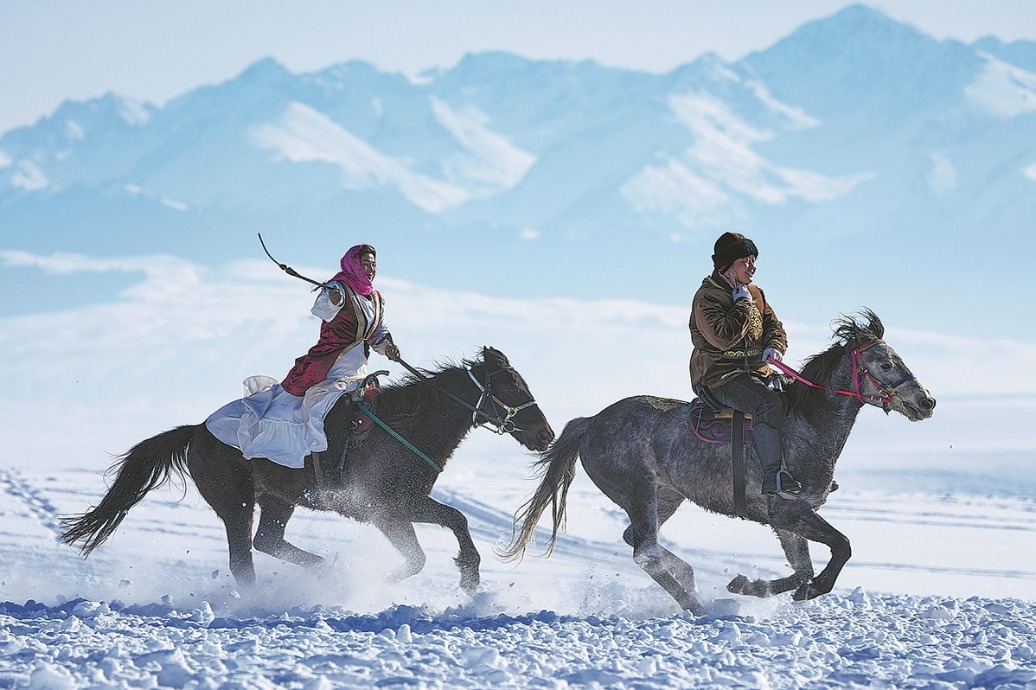
    The frozen grasslands of Inner Mongolia Autonomous Region have undergone a remarkable transformation, with traditional summer equestrian activities now creating a vibrant winter tourism economy. Across Xiliin Gol League and Ulaanqab city, the thunder of galloping hooves echoes across snow-covered plains as Mongolian herders have successfully adapted their cultural traditions to the harsh winter months.

    The recently concluded third Winter Mongolian Horse Super League final, held alongside the Ice and Snow Naadam Festival, represents a strategic reinvention of Mongolian cultural practices. These winter events, running from January through April, have effectively eliminated the region’s traditional tourism offseason, bringing unprecedented economic activity to previously dormant winter landscapes.

    At the heart of this transformation lies a sophisticated breeding program that has developed the ‘new Xiliin Gol horse’ – a crossbreed combining the cold-resistant genetics of local Mongolian mares with the speed and power of imported British thoroughbreds. This innovative breeding approach allows the horses to withstand temperatures of -30°C without supplemental feeding while achieving competitive racing performance.

    The economic impact has been substantial. Local herder Buhe reported that his yurts are now fully booked throughout winter, with visitors flocking to experience traditional Mongolian culture, including camel caravans, horse racing, wrestling, and sampling local delicacies like fermented mare’s milk.

    Supported by significant policy initiatives, including 12 national-level horse protection zones and seven conservation farms, Inner Mongolia’s equine industry has undergone a comprehensive modernization. The region, home to approximately 800,000 horses, has seen imports of over 2,000 high-quality international breeds while simultaneously conducting genetic research to identify and preserve key genes related to cold tolerance and endurance.

    According to Erhenbatu, farm manager at Inner Mongolia Grassland Thoroughbred Horse Breeding Co., premium ‘new Xiliin Gol horses’ now command prices up to 80,000 yuan ($11,530), with record sales reaching 220,000 yuan for exceptional specimens.

    This cultural and economic renaissance represents a successful model of traditional practices adapting to modern tourism demands while preserving genetic heritage and creating sustainable winter economies in previously marginalized regions.

  • Paomapai pageantry puts hamlet in national spotlight

    Paomapai pageantry puts hamlet in national spotlight

    Nestled in the mountainous terrain of Shanxi province, the remote village of Xiadongzhai has captured national attention through its preservation of an extraordinary cultural tradition. The ancient practice of Paomapai—a breathtaking bareback horse-riding ceremony—has transformed this community of approximately 200 residents into a focal point of cultural heritage conservation.

    On March 4th, corresponding with the sixteenth day of the first lunar month, the village erupted in vibrant celebration as participants honored the Year of the Horse through daring equestrian displays. Forty-five-year-old Dong Jinxiang, a truck driver by profession, led this year’s procession with exceptional skill, maintaining perfect balance without saddle or stirrups along ancient narrow paths that echo the region’s historical significance.

    The origins of Paomapai trace back to the late Eastern Han Dynasty (25-220 AD), when the area served as a critical military corridor connecting Shanxi, Hebei, and Henan provinces. Military messengers, pressed by wartime urgency, developed the technique of riding without saddles to maximize speed and efficiency. Over centuries, this practical military necessity evolved into a cherished cultural tradition, now boasting over a millennium of continuous practice.

    Recent years have brought significant recognition to this unique heritage. In 2021, Paomapai achieved designation as a national intangible cultural heritage, followed by its inclusion in UNESCO’s Representative List of the Intangible Cultural Heritage of Humanity in 2024 as part of the broader ‘Spring Festival—Chinese New Year Celebrations’ project.

    The ceremony follows meticulously preserved rituals beginning with the sounding of ceremonial gongs. The first gong prompts villagers to spread ash and sand to level pathways, the second signals mounted ‘lamp officials’ to inspect the route, and the third initiates the main event. The celebration features drum troupes, yangge dancers, and traditional shehuo performers, creating an immersive cultural experience that connects contemporary participants with ancient traditions.

    Dong Jinxiang, who began riding at age 14, represents the continuity of this cultural legacy. ‘This year marks my first time leading the charge,’ he remarked. ‘It means greater responsibility and improved fortune.’ His succession of previous messenger Dong Huping demonstrates the intergenerational transmission of knowledge that sustains this living heritage.

    The international recognition and subsequent media attention have provided Xiadongzhai with unprecedented visibility, showcasing how ancient traditions can thrive in modern contexts while maintaining their historical authenticity and cultural significance.

  • Healing scars

    Healing scars

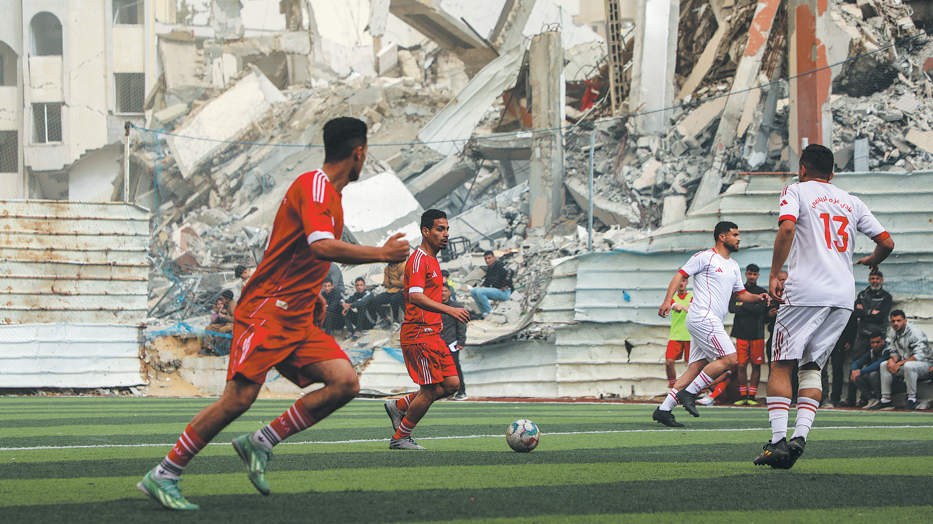
    In the war-ravaged northern Sheikh Radwan neighborhood of Gaza City, a powerful symbol of resilience emerges daily just before sunset during Ramadan. A sandy field, once buried under the rubble of homes destroyed by Israeli military operations, now hosts the revived ‘Neighborhood League’—a grassroots football tournament providing a crucial sense of normalcy for Palestinian youth.

    The players, many competing barefoot due to the scarcity and high cost of sports shoes, clear the pitch themselves amidst uneven terrain and scattered debris. Spectators form human boundaries along the edges, while shattered walls serve as makeshift stands. The tournament follows a distinctive format: five-player teams (one goalkeeper, four outfield players) compete in two 30-minute halves. A team scoring two goals before regulation automatically wins, with penalty kicks deciding tied matches.

    For 20-year-old Hamdi al-Shamali, the games represent more than sport. ‘Playing football is a way to feel a sense of freedom,’ he explained. After two years of suspension due to war, destruction, displacement, and economic hardship, he and his peers spent long hours clearing broken concrete and transporting beach sand to level the ground. ‘This place was full of broken concrete and debris,’ al-Shamali recalled.

    The emotional significance runs deeper than competition. Eighteen-year-old Samer al-Kahlout, who lost both brothers in an Israeli airstrike, finds returning to the field emotionally challenging. ‘Everything reminded me of them,’ he shared. Yet through courage, he now plays in their memory: ‘Football is no longer just a game for me. It is a way to release what is inside. I dedicate every goal to my brothers.’

    Sixteen-year-old goalkeeper Othman Harara, who lost a hand when his home collapsed during the conflict, guards the goal with a single glove and quick movements. His participation carries profound meaning: ‘Playing football shows that we are still here.’

    Elder residents like Tawfiq Abu Assi, who has followed the tournaments for years, draw hope from the spectacle. ‘When I see the young people playing despite the difficulties,’ he observed, ‘I feel that Gaza is still alive.’ Amidst overwhelming loss and trauma, this simple football league becomes an act of psychological healing and community defiance.

  • Xinjiang county expands equine industry focus

    Xinjiang county expands equine industry focus

    Nestled in the Ili River Valley of China’s northwestern Xinjiang Uygur autonomous region, Zhaosu County is transforming its legendary equine heritage into a diversified economic engine. The area, historically celebrated for its fabled ‘Tianma’ (heavenly horses) that once served dynastic courier routes and frontier defense systems, has successfully reimagined the role of horses in the modern economy.

    With approximately 122,300 horses recorded by late 2025—representing a significant portion of China’s total equine population—Zhaosu has pioneered a comprehensive strategy to monetize its historical assets. The county has shifted from traditional horse-raising practices to sophisticated equine operations focused on leisure riding, competitive sports, and specialized breeding programs.

    The transformation is supported by state-owned breeding farms implementing genetic improvement initiatives, a county-wide network standardizing artificial insemination services, and Xinjiang’s first performance-testing center specifically designed for sport and leisure-oriented horse breeding. The Zhaosu equine hospital, equipped with advanced surgical theaters, serology labs, and molecular diagnostics facilities, represents another pillar of this modernization effort, providing professional veterinary care previously unavailable in China’s horse sector.

    Competitive events have become a cornerstone of the new strategy, with over 420 races and equestrian competitions hosted since 2021. The week-long Super Derby International Equestrian TREC Endurance on Silk Road has attracted participants from multiple countries, featuring routes extending up to 500 kilometers.

    Tourism has been strategically integrated with equine activities, creating year-round attractions that extend beyond traditional summer visits. Winter’s ‘heavenly horses treading snow’ spectacle and summer’s ‘horses bathing in the river’ have become viral phenomena, drawing 9.4 million visitors in 2025 to a county with fewer than 200,000 residents.

    The economic impact extends into value-added processing, with local biotechnology firms refining horse fat into premium cosmetics and traditional Chinese medicine products. This downstream processing has elevated what was once a single-stage pastoral economy into a multifaceted industry generating 1.53 billion yuan ($220 million) in output and supporting tens of thousands of local farmers and herders.

  • Australia faces credibility crisis over stance on US

    Australia faces credibility crisis over stance on US

    Australia confronts a mounting credibility crisis as its unequivocal endorsement of US military operations against Iran triggers domestic and international skepticism regarding its professed commitment to rules-based global governance. The Albanese administration’s decision to deploy advanced surveillance aircraft and missile systems to the Gulf region has exposed fundamental contradictions in Canberra’s middle-power diplomacy, according to regional experts and policy analysts.

    Prime Minister Anthony Albanese confirmed Tuesday the deployment of an E-7A Wedgetail surveillance aircraft with supporting personnel for four weeks, alongside advanced medium-range air-to-air missiles to the United Arab Emirates. This military support package, framed as regional collective self-defense, follows Australia’s early February endorsement of US strikes against Iranian targets—a position that has ignited intense scrutiny within Australian political circles.

    The Guardian reports significant unease among government officials regarding the legality of these operations, while Labor Party grassroots organizations prepare motions condemning US and Israeli actions as ‘illegal aggression.’ This internal dissent highlights the growing tension between Australia’s strategic alignment with Washington and its rhetorical commitment to international norms.

    Professor Chen Hong of East China Normal University’s Australian Studies Center identifies a structural paradox in Australian foreign policy: ‘While political elites consistently emphasize Australia’s identity as a rational middle power, practical alignment with US positions on critical issues creates an increasingly contradictory diplomatic posture.’ This divergence between principle and practice becomes particularly acute as US foreign policy shifts toward bloc confrontation, intensifying Australia’s inherent security-economic dichotomy—relying on American military protection while maintaining economic dependence on Asian markets.

    Analysts warn that Australia’s deep integration into US strategic frameworks—from AUKUS to intelligence sharing—risks entangling the nation in geopolitical conflicts that undermine its regional standing. The Lowy Institute’s recent assessment notes that Australia’s ‘Iran reflex’ tests its credibility among Southeast Asian neighbors, urging Canberra to anchor policy in consistent principles rather than ‘shifting temperament in Washington.’

    International analyst Daryl Guppy observes that Australia’s ‘willful blindness’ to perceived violations of international order by allies has not gone unnoticed in Muslim-majority nations like Malaysia and Indonesia. As Australia’s policy autonomy diminishes, experts suggest that reclaiming credible middle-power status requires greater moral consistency and improved balancing of economic cooperation with security priorities.

  • Medics safeguard China’s para skiers

    Medics safeguard China’s para skiers

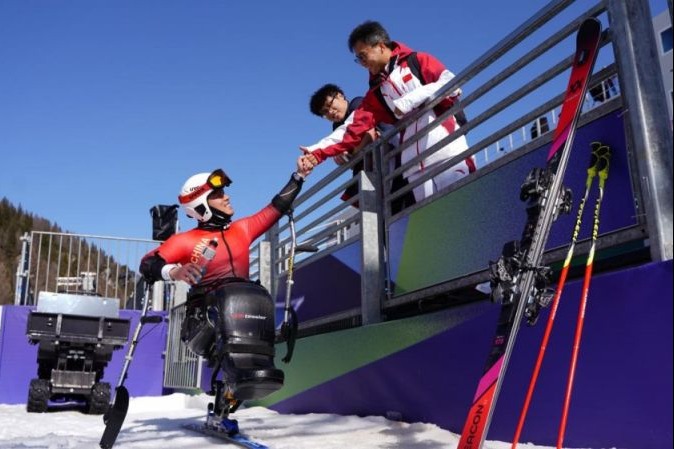
    At the Milano Cortina 2026 Winter Paralympics, while spectators marveled at athletes conquering formidable slopes, a dedicated medical team worked tirelessly behind the scenes to ensure China’s para skiers could compete safely at their peak performance.

    Dr. Wang Tianhong, a sports rehabilitation therapist with two decades of experience, and his colleague Xi Zhipeng, a traditional Chinese medicine specialist, formed the core medical support for China’s para alpine skiing team. Their approach combined cutting-edge sports medicine with ancient healing techniques, creating a comprehensive care system tailored to athletes with disabilities.

    Each day began at 7:30 AM with mountain preparations before athletes even arrived, continuing well past 11:00 PM with rehabilitation therapies and medication distribution at the Paralympic Village. Dr. Wang’s responsibilities spanned from pre-race taping and bandaging to acute injury management during competitions and accompanying athletes through post-event drug testing.

    Xi Zhipeng, who has limited vision in his left eye, brought over twenty years of medicinal tuina expertise—a traditional Chinese massage technique that addresses muscle soreness, joint pain, and sports-related conditions. His unique perspective as someone with visual impairment created special rapport with the athletes.

    Liang Chen, chief medical officer of the Chinese delegation, emphasized the specialized approach required for para athletes. “We must be exceptionally mindful of their specific impairments, protect skin around residual limbs, and prevent secondary complications,” he explained. “Their extraordinary mental toughness means they often hesitate to report pain, requiring us to be exceptionally proactive in monitoring their condition.”

    The medical team’s commitment extended beyond physical care. Xi’s voice grew hoarse from constantly cheering on the team, reflecting their emotional investment. “The greatest victory we can wish for them is to be safe always,” he expressed, highlighting their philosophy that athlete welfare trumped competitive achievement.

    Their work demonstrated how specialized medical support enables para athletes to push boundaries while maintaining health—a critical factor in one of winter sports’ most demanding disciplines where speed, fearlessness, and tenacity intersect.

  • Israel says to partially reopen Rafah Crossing on Wednesday

    Israel says to partially reopen Rafah Crossing on Wednesday

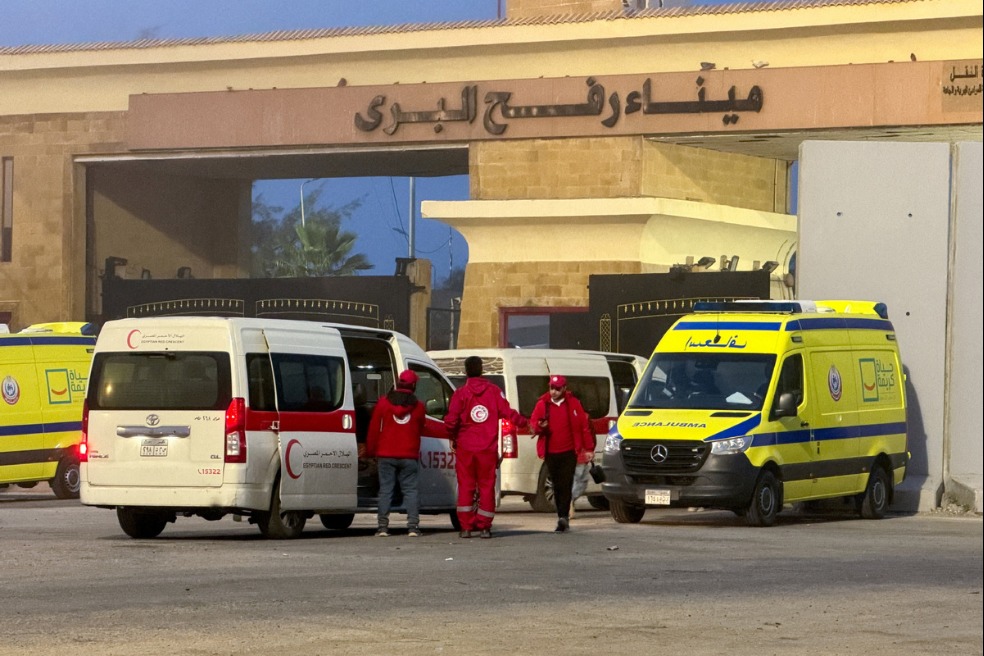
    Israeli authorities have confirmed the partial reopening of the Rafah border crossing, a critical transit point for Gaza’s population, following an extensive security evaluation. The Coordinator of Government Activities in the Territories (COGAT) declared Sunday that the crossing would resume limited operations this Wednesday.

    The reactivated crossing will facilitate bidirectional movement exclusively for individuals, with stringent security protocols remaining in effect. COGAT emphasized that the decision followed comprehensive threat assessment and examination of operational conditions, noting that necessary security restrictions would persist due to ongoing regional threats.

    Crossing operations will be conducted through trilateral coordination involving Egyptian authorities, Israeli security approval mechanisms, and supervision by European Union monitoring personnel. This arrangement aims to balance humanitarian access with security imperatives.

    The Rafah crossing had been shuttered since February 28th following joint US-Israeli military actions against Iranian targets. Israeli forces initially assumed control of the strategic border point in May 2024, severing Gaza’s primary connection to the outside world and intensifying humanitarian challenges. A brief resumption of operations occurred February 2nd under the ceasefire agreement that took effect October 10, 2025, before the recent closure.

    Situated at Gaza’s southern extremity, Rafah represents the territory’s sole non-Israeli controlled border crossing, making its operational status particularly significant for civilian movement and aid delivery.