标签: Asia

亚洲

  • From vision to velocity: Dubai’s blueprint for future-ready government

    From vision to velocity: Dubai’s blueprint for future-ready government

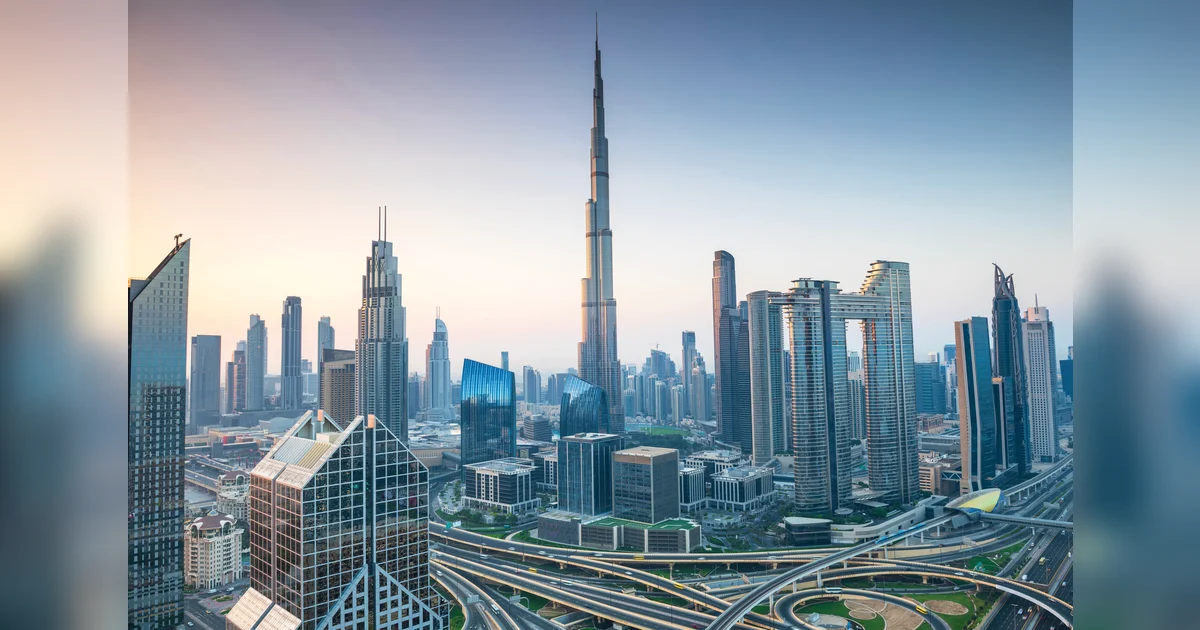
    As Dubai commemorates the 20-year leadership tenure of His Highness Sheikh Mohammed bin Rashid Al Maktoum as Ruler of Dubai and UAE Vice-President and Prime Minister, the emirate’s extraordinary governance transformation offers a compelling case study in strategic modernization. Since 2006, Dubai has evolved from a regional trading center into a globally recognized paradigm of agile, citizen-centric governance that balances technological innovation with human-centered development.

    The Dubai model distinguishes itself through its systematic institutional redesign prioritizing operational efficiency, transparency, and quality of service delivery. Public institutions have been fundamentally reengineered to serve citizens and businesses with unprecedented speed and accountability, creating governance systems now studied internationally as proven operational frameworks rather than theoretical concepts.

    Technological integration formed a cornerstone of this transformation, with the UAE embedding digital infrastructure into public services long before it became a global priority. From pioneering e-government initiatives to contemporary artificial intelligence applications in policy design and infrastructure resilience, innovation has become institutionalized while maintaining trust and responsibility as core principles.

    Beyond technological advancement, Dubai’s holistic approach emphasizes cultural development through institutions like the Museum of the Future and Louvre Abu Dhabi, recognizing cultural capital as essential to national progress. Concurrently, comprehensive social initiatives addressing family welfare, elderly care, and population development ensure inclusive advancement.

    Economically, Dubai’s forward-looking regulatory environment has attracted global enterprises while nurturing homegrown businesses and startups, creating a diversified, non-oil growth model that enhances economic resilience and accessibility.

    The UAE’s global talent attraction strategy, facilitated through long-term residency pathways and world-class education ecosystems, has established the nation as a stable environment for building complete lives rather than just careers. This stability has emerged as a strategic asset in an increasingly volatile global landscape.

    Internationally, the UAE has extended its leadership through platforms like the World Government Summit while demonstrating humanitarian commitment through crisis response and aid initiatives. Guided by a clear vision extending to the UAE Centennial 2071, the nation has established a roadmap anchored in sustainability, innovation, and societal wellbeing that ensures cumulative rather than episodic progress.

    According to Deloitte Middle East partners Muhannad Tayem and Shargil Ahmad, whose organization marks its centennial in the region this year, Dubai’s transformation demonstrates that enduring change requires partnership between bold leadership and disciplined execution. As Dubai progresses toward its next developmental chapter, its governance model provides a blueprint for future-ready administration worldwide.
  • China launches new round of applications for nationwide childcare subsidies

    China launches new round of applications for nationwide childcare subsidies

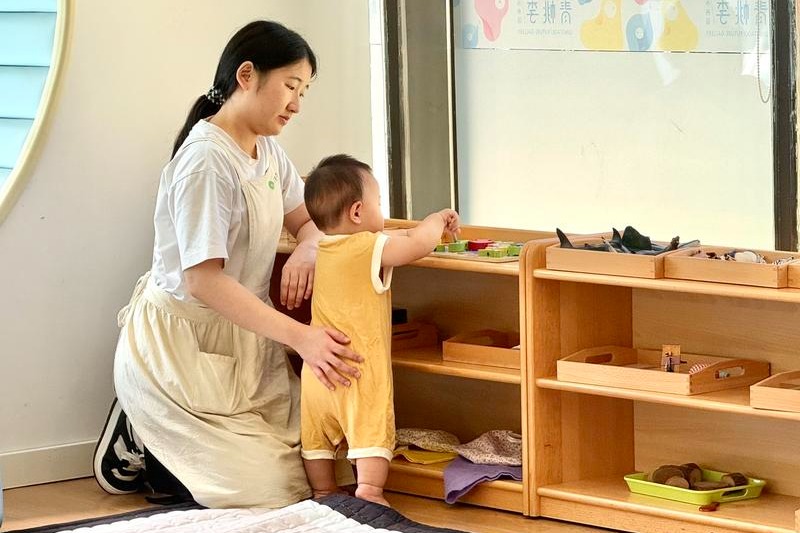
    China has initiated a fresh application cycle for its national childcare subsidy initiative, marking another significant step in the country’s comprehensive strategy to address demographic challenges. The program, which commenced in July 2025, provides eligible families with an annual tax-free allocation of 3,600 yuan (approximately $513) for each child under three years of age.

    According to official data released by the National Health Commission, the subsidy scheme has already extended benefits to over 24 million citizens nationwide, achieving a distribution rate nearing 80% for the 2025 allocation period. The Ministry of Finance disclosed that the central government had earmarked 90 billion yuan from its central budget to fund this ambitious social welfare program.

    Prospective beneficiaries can submit applications through multiple digital platforms including Alipay and WeChat, in addition to traditional offline channels. This multi-platform approach ensures broader accessibility and streamlined processing for families across China’s diverse socioeconomic landscape.

    This policy development occurs against the backdrop of China’s evolving demographic profile. Recent statistics indicate approximately 30 million children under three years old nationwide, while the population aged 60 and above reached 310 million by the end of 2024. After seven consecutive years of decline, the country witnessed a modest rebound in birth rates during 2024, signaling potential positive trends.

    The childcare subsidy represents just one component of China’s expanding framework of family support policies. Additional measures include enhanced income tax deductions for childcare and education expenses, with monthly deduction standards increased from 1,000 to 2,000 yuan per child. Future policy initiatives already in development aim to further alleviate financial pressures associated with childrearing, including plans to achieve nationwide insurance coverage for basic childbirth costs by 2026.

    The emphasis on fertility policy was notably reinforced during last year’s Central Economic Work Conference, where authorities emphasized maintaining birth rates at stable levels as part of China’s broader social and economic planning.

  • Back to school: Dubai campuses come alive as students return after winter break

    Back to school: Dubai campuses come alive as students return after winter break

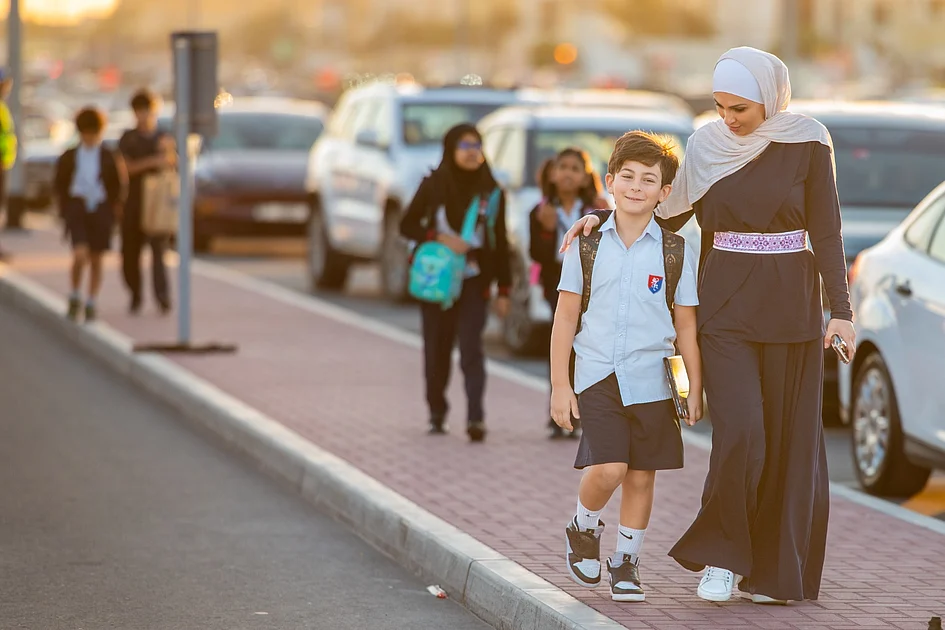
    Dubai’s educational institutions sprang back to life on Monday, January 5th, as students concluded their four-week winter hiatus and returned to classrooms across the emirate. The morning commute witnessed increased traffic congestion around school zones, accompanied by heightened security measures including traffic marshals and police patrols to ensure student safety during the transitional period.

    At Gems Founders School in Al Barsha, the atmosphere blended sleepy yawns with vibrant excitement as students reconnected after the extended break. While younger children exhibited tentative adjustments to renewed routines, older students enthusiastically exchanged stories of holiday travels and festive celebrations. The campus buzzed with conversations about New Year resolutions and academic aspirations for the coming term.

    The return marked particularly significant milestones for several community members. Linomi Ariyasena, a Year-12 Sri Lankan expatriate who recently joined the institution, expressed determined optimism despite morning fatigue: “Waking up early wasn’t easy, but once I arrived, my mood improved dramatically. My resolution is to achieve academic excellence while cultivating kindness toward everyone.”

    Educators also demonstrated renewed vigor, with new Islamic Studies teacher Mahmoud Naim describing his appointment as “the beginning of a meaningful journey.” He emphasized goals beyond curricular requirements: “I aim to help students connect their learning with personal growth and skills development.”

    The return held special significance for Zayan Jabbar, a Year-8 student with profound autism whose enthusiasm for mathematics and school community remained undiminished. Principal Matthew Burfield highlighted how Zayan’s journey exemplified institutional commitment to inclusive education, noting the evolution of support systems including two dedicated learning assistants and the community-based organization Small Steps Big Dreams founded by his mother.

    Physical Education Department Head Molly Jenkins captured the prevailing sentiment: “There’s genuine warmth in reuniting with our educational family. The beautiful weather allows immediate outdoor activities, reinforcing the joy of collective rediscovery of academic rhythms.” Principal Burfield concluded that the extended break ultimately reinforced the school’s role as a constant, vibrant community hub whose essence only fully manifests through the presence of its students and staff.

  • Chinese e-platform pushing AI education globally

    Chinese e-platform pushing AI education globally

    China’s national Smart Education platform has achieved unprecedented global reach, establishing itself as the world’s largest repository of high-quality educational resources with cumulative visits surpassing 72.6 billion. According to the Ministry of Education, this digital education initiative now serves over 178 million users across more than 200 countries and regions, averaging approximately 52 million daily engagements.

    The platform’s comprehensive curriculum spans the entire educational spectrum from preschool to postgraduate studies, encompassing moral, intellectual, physical, aesthetic, and labor education. It currently hosts more than 130,000 premium resources for primary and secondary education, alongside 12,500 vocational education courses and approximately 145,000 higher education programs.

    A significant focus has been placed on artificial intelligence education, with the platform offering over 1,000 specialized AI courses across basic, vocational, higher, and lifelong learning categories. The initiative has already provided AI training to approximately 500,000 teachers and students from 2,000 universities, while 1.31 million undergraduate graduates have participated in comprehensive AI application training programs.

    Leading Chinese universities are integrating AI into their core curricula. Fudan University has implemented mandatory AI courses for all undergraduate and postgraduate students, incorporating artificial intelligence into every first-level discipline. Zhejiang University pioneered China’s first interdisciplinary AI program in 2019, developing a comprehensive ‘AI+’ talent cultivation system that includes 11 integrated undergraduate-doctoral programs and 27 specialized ‘AI+X’ textbooks.

    China’s digital education advancement has shown remarkable progress in global rankings. According to the global digital education development index report, China climbed from 24th position in 2023 to 6th in 2025, placing it among world leaders in educational digitalization. This progress aligns with international trends where countries including the United States and European Union members are prioritizing AI education within their national strategies.

    Education experts emphasize that future development requires systematic transformation driven by artificial intelligence, focusing on complete integration throughout educational processes, launching pilot programs, and constructing future-oriented teaching ecosystems. With comprehensive digital empowerment, Chinese education is positioned to become more equitable, higher in quality, and increasingly sustainable on the global stage.

  • Shanghai researchers develop breakthrough breast cancer therapy

    Shanghai researchers develop breakthrough breast cancer therapy

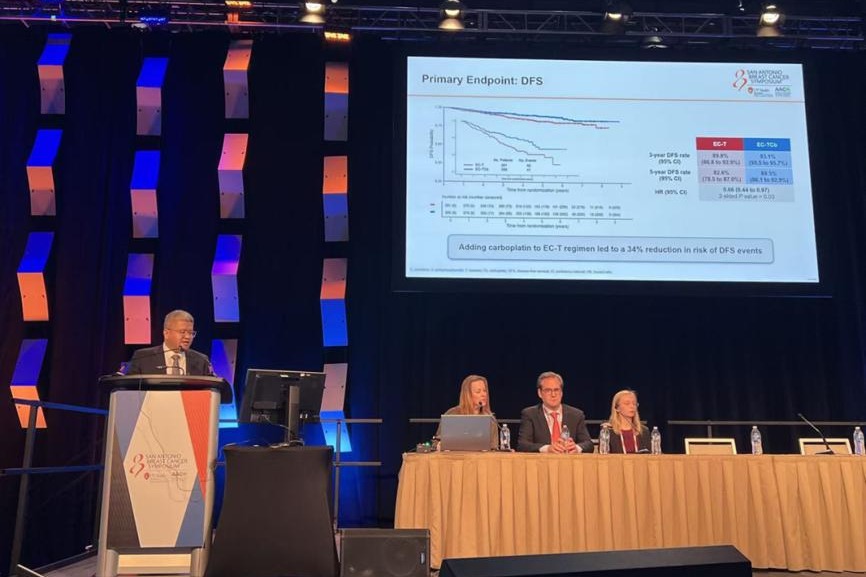
    Medical researchers from Shanghai Jiao Tong University School of Medicine have achieved a revolutionary breakthrough in treating triple-negative breast cancer, one of the most aggressive forms of the disease. The team at Ruijin Hospital presented their landmark findings at the prestigious San Antonio Breast Cancer Symposium in December, revealing a new therapeutic protocol that dramatically improves patient outcomes.

    The comprehensive nationwide study, initiated in 2015, involved 786 patients across 19 medical centers and demonstrated unprecedented success rates. The innovative approach, which integrates carboplatin into standard adjuvant chemotherapy regimens, reduced postoperative recurrence risk by 34% and mortality by an remarkable 61%. The three-year disease-free survival rate reached 93.1%, while distant metastasis-free survival achieved 95.2% and overall survival climbed to 98.3%.

    International oncology experts have hailed the Chinese research as a transformative advancement in breast cancer treatment. The study addresses particularly challenging aspects of triple-negative breast cancer, which has historically lacked effective therapeutic targets and carried high risks of recurrence and metastasis. The protocol’s applicability to most operable patients positions it as a potential new standard of care.

    The research team emphasized that their findings provide robust clinical evidence that could reshape global treatment guidelines and offer new hope for patients worldwide facing this formidable cancer subtype. The medical community anticipates that these results will influence international practice standards and significantly improve survival prospects for thousands of patients annually.

  • Mavericks, Rockets headed to China in October to play pair of preseason games

    Mavericks, Rockets headed to China in October to play pair of preseason games

    The National Basketball Association has officially confirmed its continued reengagement with the Chinese market through the scheduling of two preseason contests in Macao this October. The Dallas Mavericks and Houston Rockets will face off at the Venetian Arena on October 9th and 11th, marking another significant step in normalizing the league’s relationship with China following years of diplomatic strain.

    The selection of teams carries strategic significance. Dallas’s involvement connects directly to Patrick Dumont, the Mavericks’ governor who simultaneously serves as president and chief operating officer of Sands Corp., the casino operator that owns the Macao venue. Dumont expressed particular pride in bringing the Mavericks to experience Sands’ renowned hospitality.

    Houston’s participation continues the franchise’s historic connection to China, largely cultivated during Yao Ming’s celebrated career with the Rockets. Since drafting Yao in 2002, the organization has maintained extraordinary popularity among Chinese basketball enthusiasts. Team representative Patrick Fertitta acknowledged the overwhelming support from China’s passionate fan base and cherished memories from previous international games.

    This announcement signifies the complete resolution of tensions that began in October 2019 when then-Rockets executive Daryl Morey tweeted support for Hong Kong protesters. The incident triggered years of diplomatic friction, including the removal of NBA games from Chinese television broadcasts. The league’s gradual reconciliation has been demonstrated through recent promotional tours featuring superstar athletes like LeBron James, Stephen Curry, and Jimmy Butler, all of whom received enthusiastic receptions.

    The choice of Macao as host location reflects the special administrative region’s unique status as China’s only legal gambling hub. The former Portuguese colony, returned to Chinese sovereignty in 1999, provides an appropriate backdrop for the continuing normalization of sports diplomacy between the NBA and China.

  • China and South Korea pledge to bolster ties as regional tensions rise

    China and South Korea pledge to bolster ties as regional tensions rise

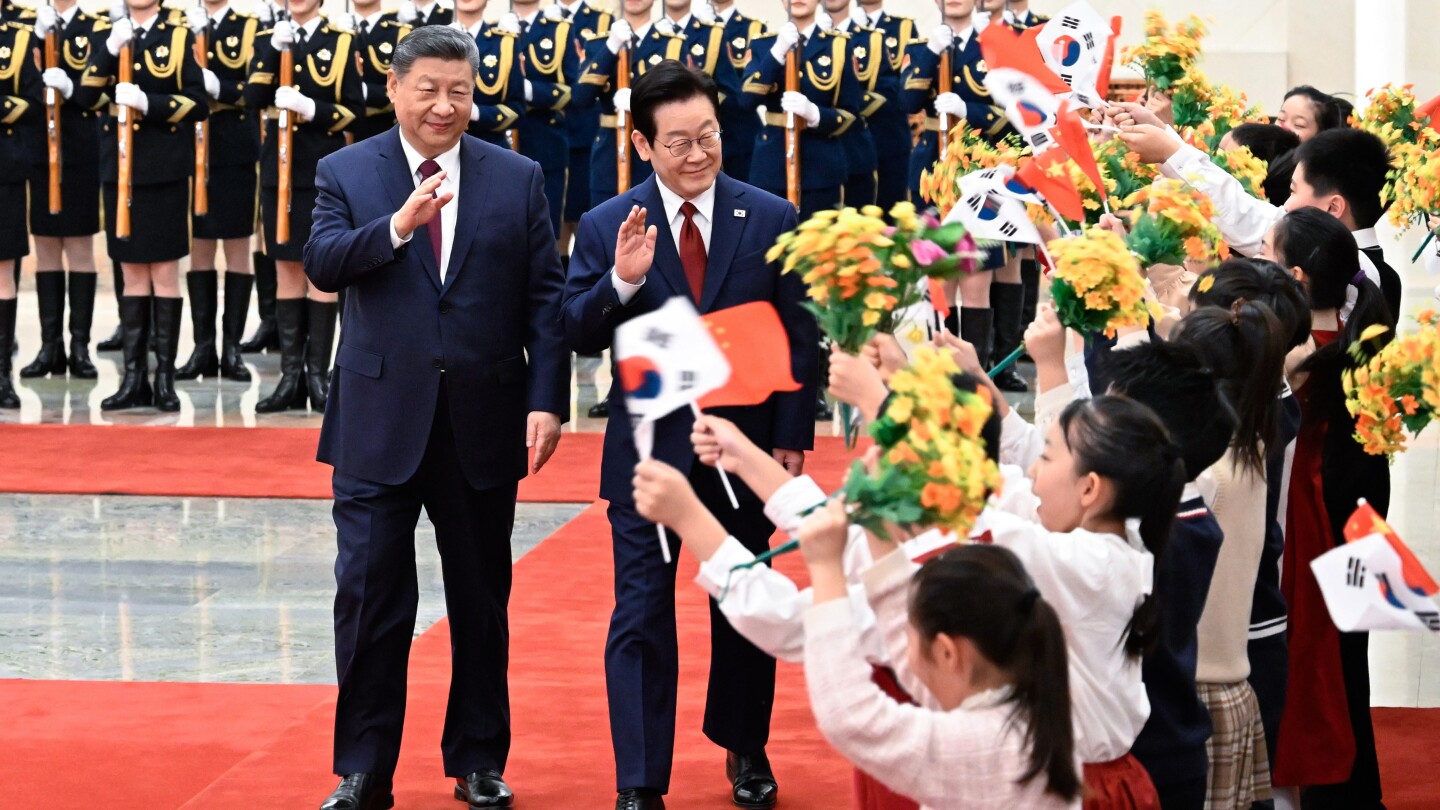
    In a significant diplomatic engagement, Chinese President Xi Jinping hosted South Korean President Lee Jae Myung at Beijing’s Great Hall of the People on Monday, marking the latter’s inaugural visit since assuming office in June. The high-level meeting produced substantial bilateral agreements while navigating complex regional security challenges, including North Korea’s provocative missile tests and escalating Sino-Japanese tensions.

    The leadership dialogue emphasized shared responsibilities in maintaining regional stability and fostering global development. President Xi underscored the historical context of Northeast Asian relations, specifically referencing the two nations’ collaborative efforts during World War II against Japan. President Lee articulated his vision for opening “a new chapter in Korea-China relations” during these transformative times, emphasizing that peace constitutes the fundamental basis for prosperity and growth.

    This diplomatic exchange occurred against a backdrop of heightened regional volatility. Mere hours before President Lee’s arrival, North Korea launched multiple ballistic missiles, including advanced hypersonic systems capable of traveling at five times the speed of sound. Pyongyang simultaneously condemned recent U.S. military actions in Venezuela, drawing parallel concerns about potential regime change operations. China, as North Korea’s primary economic partner and political ally, joined in criticizing American foreign policy while maintaining its strategic positioning.

    The bilateral relationship between Beijing and Seoul has experienced fluctuations in recent years, particularly regarding South Korea’s military cooperation with the United States. President Lee addressed these sensitivities directly, stating in a pre-visit interview that security partnerships with Washington should not necessitate confrontation with China. His visit aimed specifically to “minimize or eliminate past misunderstandings” while elevating bilateral relations to a new developmental stage.

    Despite these geopolitical complexities, the two nations demonstrated strong commitment to economic collaboration. With bilateral trade reaching approximately $273 billion in 2024, the leaders oversaw the signing of fifteen cooperation agreements spanning technology, transportation, environmental protection, consumer goods, agriculture, biotechnology, and entertainment. These were complemented by earlier business forum engagements featuring major corporations including Samsung, Hyundai, LG, and Alibaba Group, signaling robust private sector involvement in the relationship.

    The Taiwan issue emerged as another critical dimension, with recent Chinese military exercises around the island democracy and Japanese statements about potential intervention creating additional regional friction. President Xi’s specific invocation of historical rivalry with Japan highlighted how broader regional dynamics continue to shape Sino-Korean relations, even as both nations seek to advance their bilateral agenda.

  • Sycume thyroid meds added to national drug reimbursement list

    Sycume thyroid meds added to national drug reimbursement list

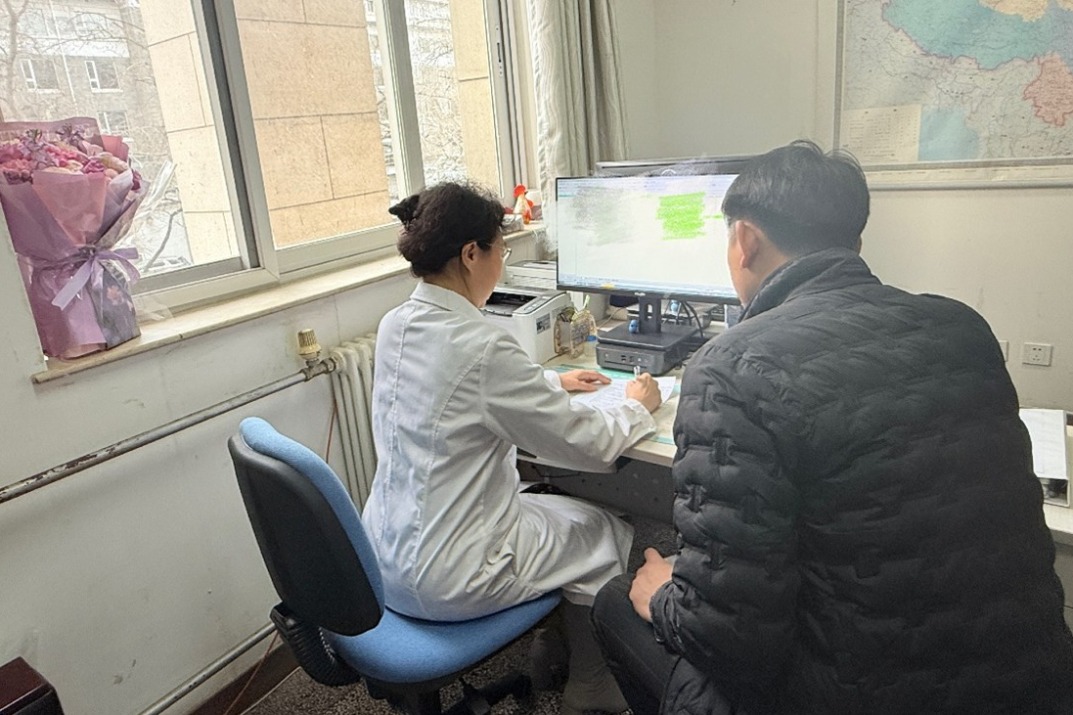
    In a significant development for healthcare accessibility, Beijing Tongren Hospital has issued its first prescription for Sycume, a breakthrough thyroid eye disease medication newly incorporated into China’s National Drug Reimbursement List. This milestone follows the January 1st implementation of the updated list, which introduces 114 new pharmaceutical coverages including 50 pioneering innovative medicines, expanding total covered medications to 3,253 formulations nationwide.

    Sycume, developed by Shanghai-based Innovent Biologics, represents a therapeutic advancement for patients experiencing moderate to severe thyroid eye disease. The injectable treatment specifically addresses distressing symptoms including proptosis (eye bulging), orbital inflammation, and diplopia (double vision). Having received Chinese market approval in March, the drug’s inclusion in the reimbursement program substantially enhances treatment accessibility.

    Professor Li Dongmei of Beijing Tongren Hospital emphasized the transformative financial impact of this policy change. The per-dose price has dramatically decreased from approximately 15,000 yuan ($2,148) to under 6,000 yuan following reimbursement list inclusion. With insurance coverage, patients now experience approximately 10,000 yuan in savings per treatment cycle compared to previous out-of-pocket expenses.

    This strategic expansion of China’s drug reimbursement framework, administered by the National Healthcare Security Administration, not only alleviates economic burdens but also ensures broader patient access to effective and safe therapeutic interventions. The policy shift demonstrates China’s ongoing commitment to enhancing healthcare affordability while supporting innovative medical treatments for complex conditions.

  • UAE: Gold prices soar to record high after US attack on Venezuela

    UAE: Gold prices soar to record high after US attack on Venezuela

    Dubai’s gold market witnessed unprecedented surges on Monday as investors flocked to safe-haven assets following escalating geopolitical tensions in South America. The precious metal reached historic price levels across all categories, with 24K gold trading at Dh530.5 per gram at market opening – the highest recorded value in UAE history.

    The dramatic price movement comes directly after United States military operations in Venezuela that resulted in the capture of President Nicolas Maduro. President Donald Trump subsequently announced American administration of the South American nation, creating immediate global market uncertainty.

    Market data at 9:25 AM UAE time showed spot gold climbing to $4,408.65 per ounce, representing a significant 1.76 percent increase. The broader gold market demonstrated consistent gains across varieties: 22K gold reached Dh491.25 per gram, while 21K, 18K and 14K categories traded at Dh471, Dh403.75 and Dh315.0 per gram respectively.

    Financial analysts attribute this surge to investors seeking stability amid the new geopolitical crisis. The Venezuela conflict represents the latest in a series of factors driving gold’s remarkable performance throughout 2025, including ongoing Middle Eastern and European tensions, coordinated interest rate reductions by the US Federal Reserve, and substantial central bank acquisitions of bullion.

    Market indicators suggest the current geopolitical climate will continue influencing gold prices, with many experts predicting further record-breaking performances in the coming trading sessions as uncertainty persists.

  • Abu Dhabi motorists who fail to stop for school buses face Dh1,000 fine, 10 black points

    Abu Dhabi motorists who fail to stop for school buses face Dh1,000 fine, 10 black points

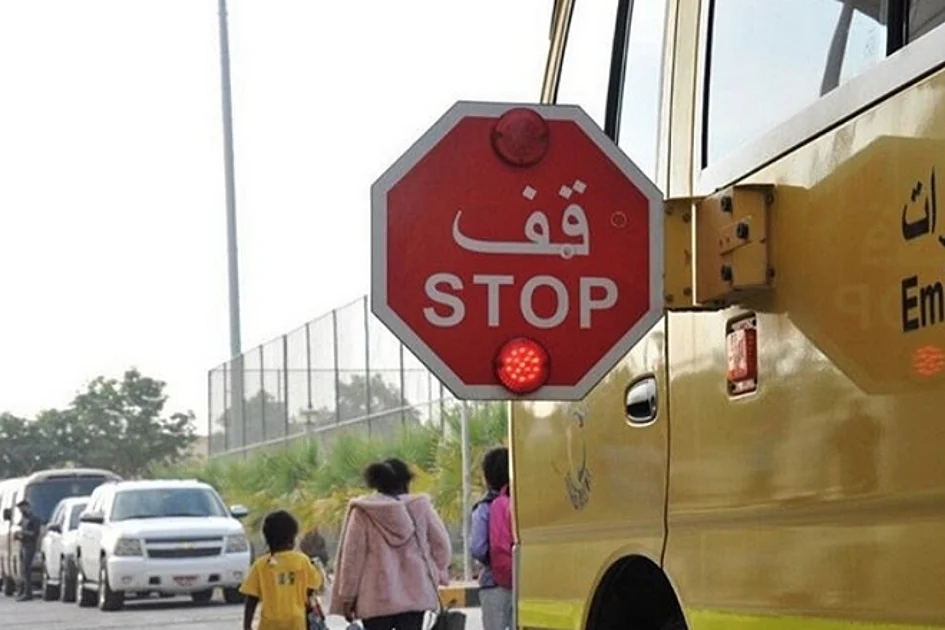
    Abu Dhabi authorities have implemented stringent traffic enforcement measures as students return to classrooms following the winter break. Motorists failing to halt for school buses displaying active stop signs now face substantial penalties: a 1,000-dirham fine and 10 black points on their driving records.

    The Abu Dhabi Police Directorate has reinforced road safety protocols requiring all drivers to come to a complete stop when school buses extend their side-mounted stop signs. This critical safety measure aims to protect children during boarding and disembarking procedures.

    Traffic regulations specify distinct stopping requirements based on road configuration. On single-lane roadways, vehicles traveling in both directions must maintain a minimum stopping distance of five meters from the bus. On multi-lane roads with divided directions, only motorists moving in the same direction as the bus are obligated to stop.

    The enforcement strategy incorporates automated monitoring systems to detect violations, ensuring consistent compliance with the safety regulations. This technological approach eliminates reliance on manual enforcement alone.

    The safety initiative coincides with the resumption of academic activities across the United Arab Emirates, with over one million students returning to educational institutions following the implementation of the new unified academic calendar. This return marks the conclusion of the nation’s first extended winter break under the revised academic scheduling system.

    Concurrently, educational authorities are preparing families for forthcoming adjustments to Friday school schedules and admission processes for the 2026-2027 academic year, modifications designed to accommodate revised prayer timings across the Emirates.